The story of Leica’s influence starts in 1925 with the launch of the world’s first compact 35mm camera to offer images in landscape format, appropriately named the Leica I. This innovation set the blueprint for modern cameras and, by extension, the art of photography. To celebrate a century of that breakthrough, Leica has organized exhibitions and events around the world—in New York, Milan, Tokyo, and Shanghai, to name a few—but the most intimate celebration took place last month in Wetzlar, Germany, the birthplace of Leica. At Leitz Park, Leica’s headquarters and museum campus, three exhibitions opened in late June, each offering a different but deeply personal view of what Leica photography can be and how the original Leica I helped define photography as a proper art form.
Three Exhibitions Honor 100 Years of Leica
In Wetzlar, Germany, the photography brand celebrates the art form it has influenced for a century
BY BRETT F. BRALEY-PALKO July 17, 2025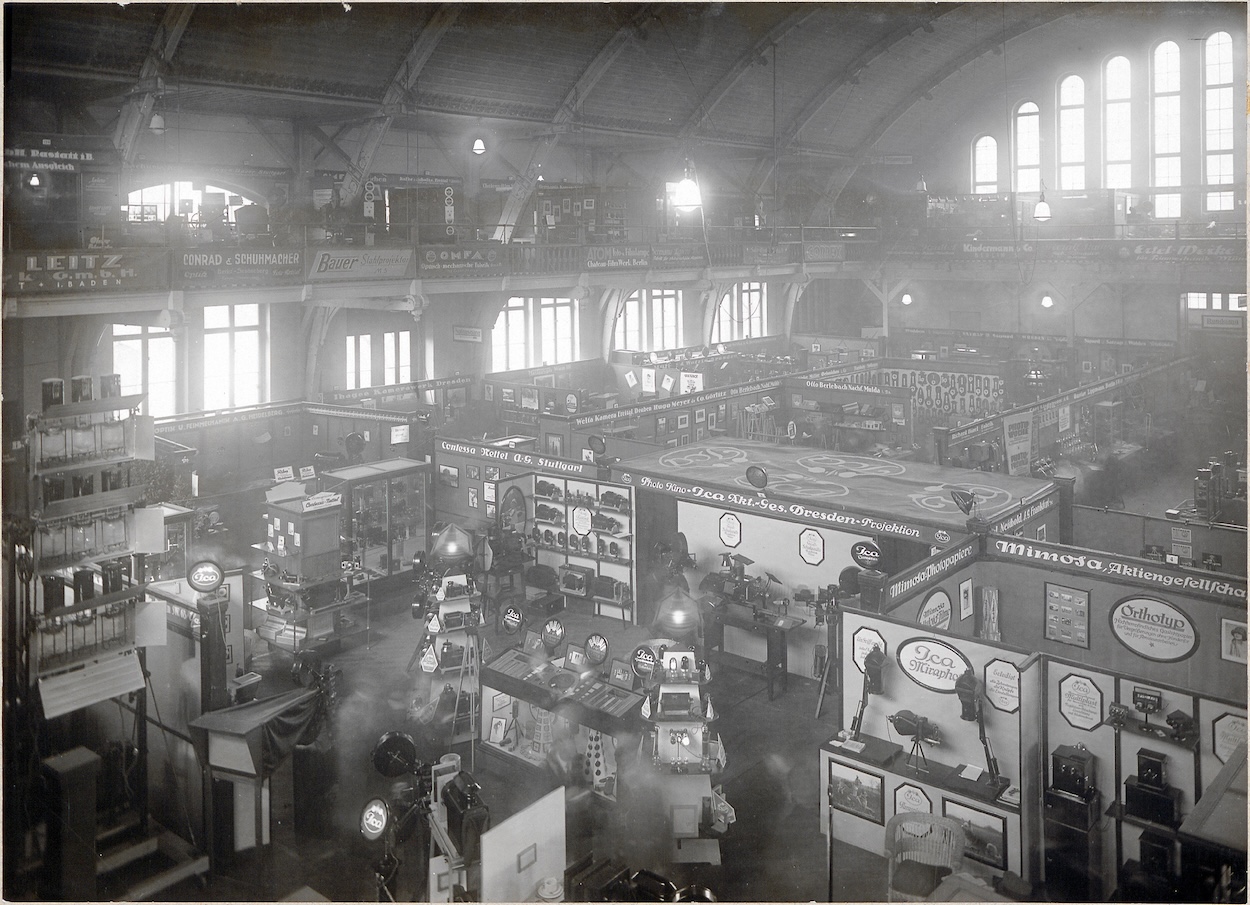
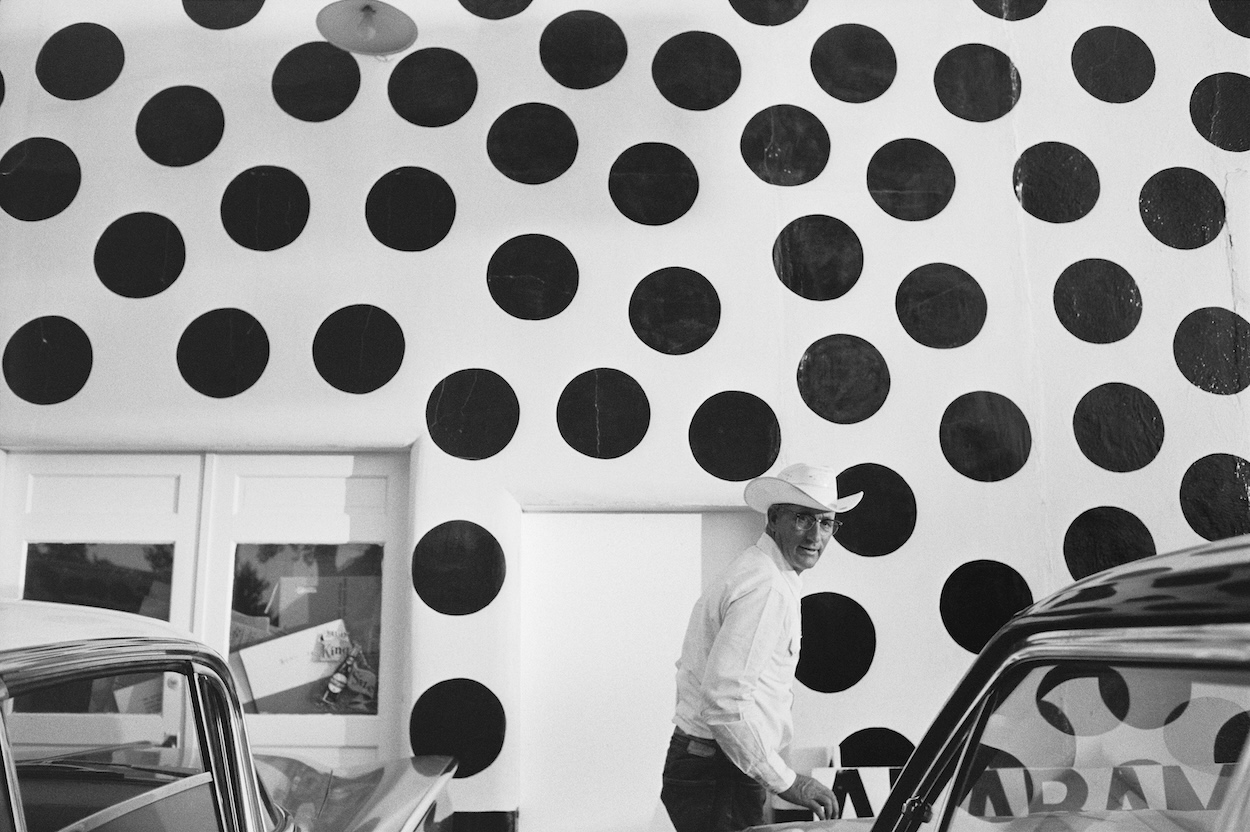
At the heart of the celebration is “The Pleasure of Seeing,” a career-spanning retrospective of the legendary Joel Meyerowitz, organized by the photographer with curators Karin Rehn-Kaufmann and Inas Fayed. Presented at the Ernst Leitz Museum, the exhibition features 100 photographs selected by Meyerowitz, charting his transformation from a novice clicking away on his Leica M2 in 1963 to one of the defining voices in American street photography. The show moves from his early New York street scenes to photos across Meyerowitz’s travels in Europe and Asia, images taken just days after the September 11th terrorist attack, and tranquil snapshots from Paul Cézanne and Giorgio Morandi’s ateliers.
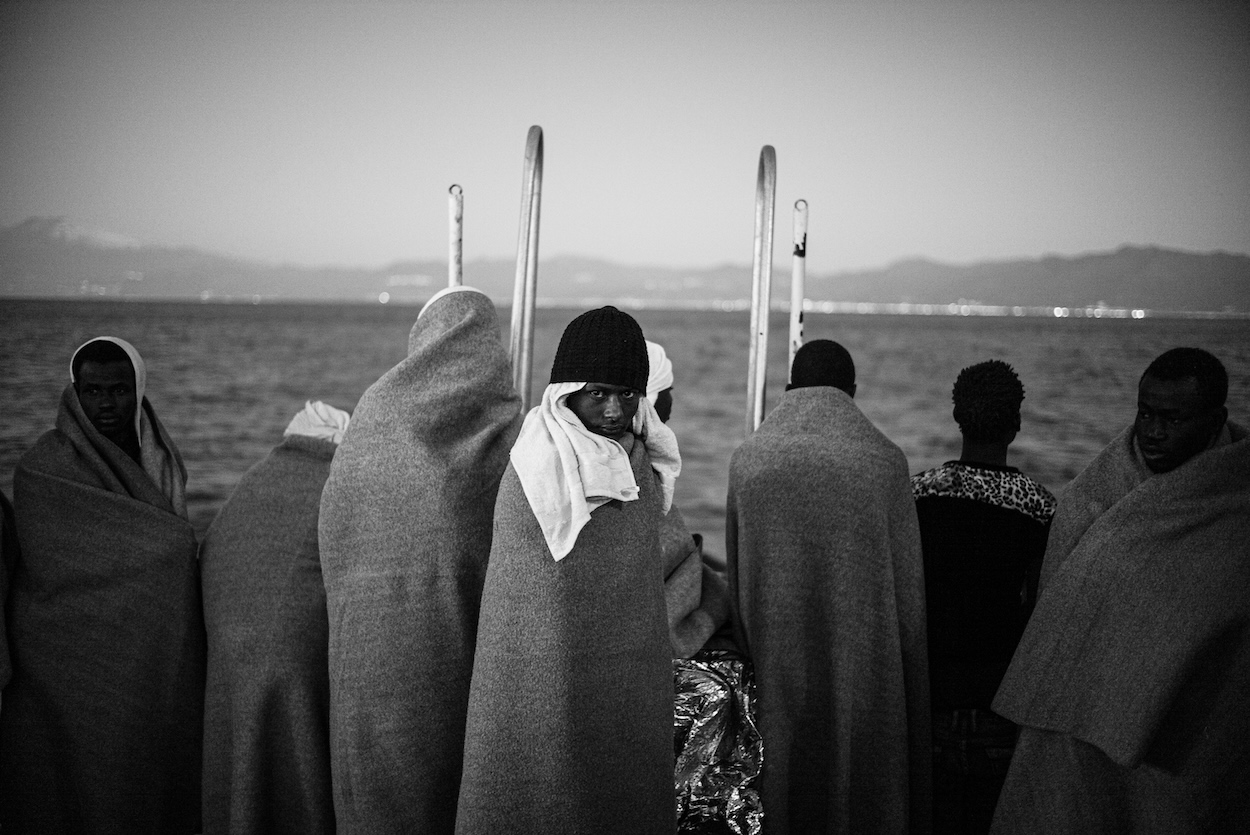
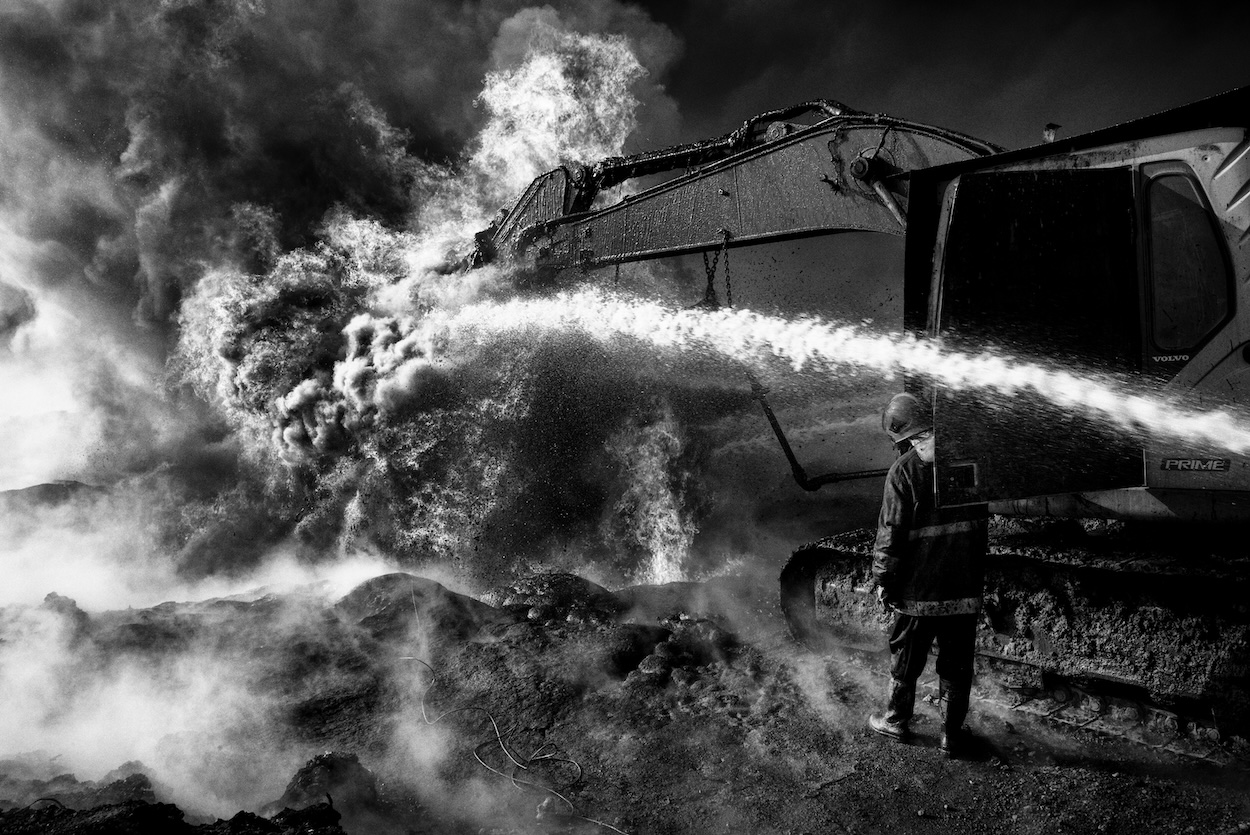
In contrast to the imagery presented by Meyerowitz is Édouard Elias’ exhibit “Eyewitness,” in which the young photojournalist presents a selection of his works documenting humanitarian crises across Iraq, migrant ships in the Mediterranean, and through the civil war in the Central African Republic. What has been described as “empathetic tenacity,” Elias’ work shows a determination to humanize those in areas of conflict and have others bear witness to those suffering in conflict zones that are often not part of global news cycles.
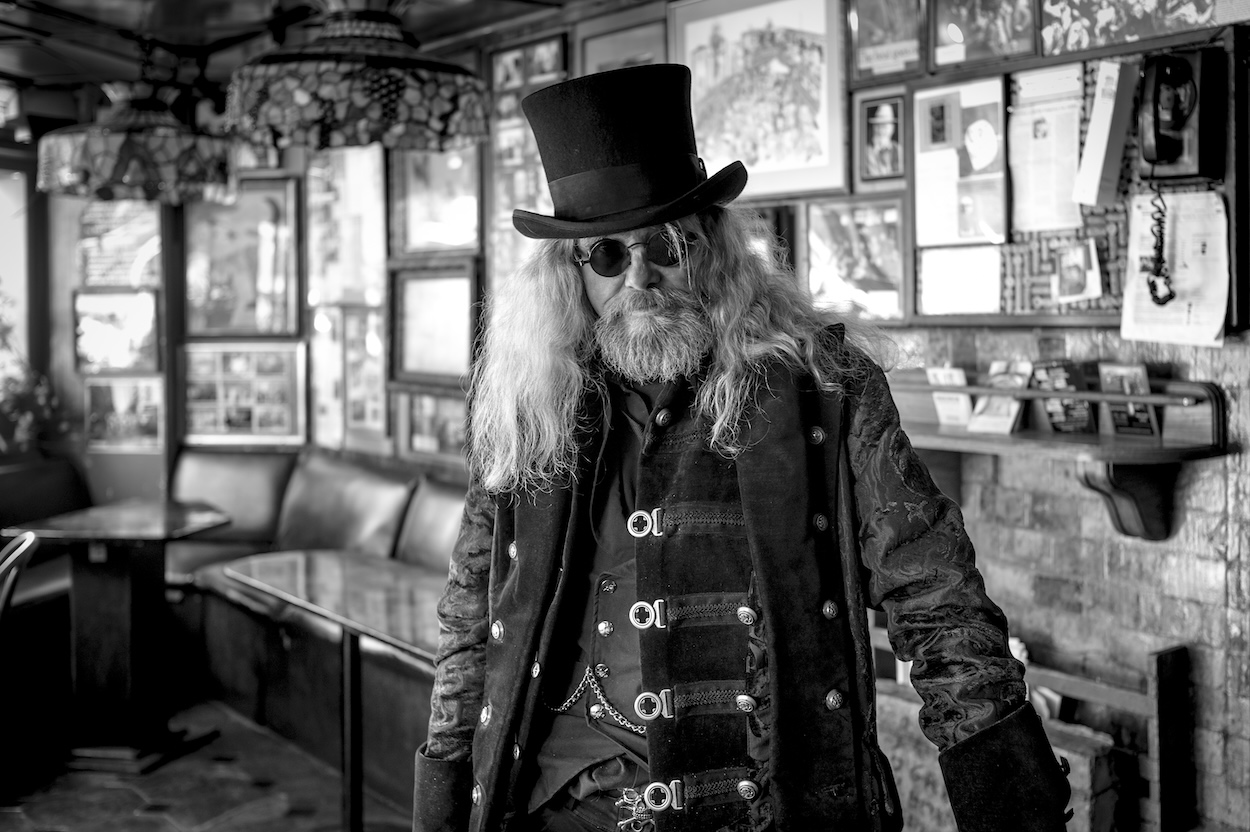
Jamie Cullum’s “These Are the Days” rounds out the exhibitions during Leica’s centenary celebration. Though many may know Cullum for his career as a singer-songwriter, he has made a name for himself within the photography community for his insider-style imagery, which offers glimpses into his tour life. This includes a series of landscapes, still lifes, and portraits of fellow musicians, giving the viewer an intimate photo diary of life on the road.
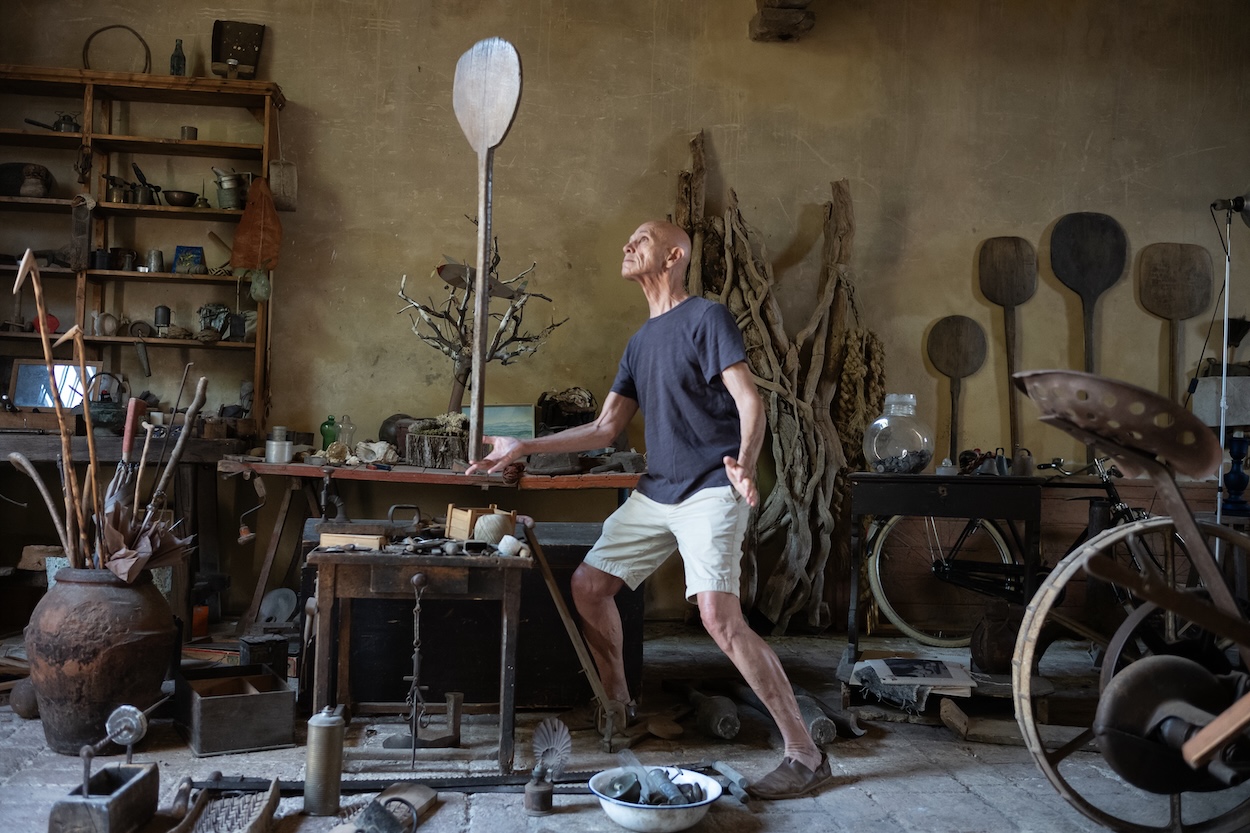
During the celebrations, a sneak preview of Leica, A Century of Vision, a documentary directed by Reiner Holzemer, was unveiled. Featuring interviews with photographers such as Meyerowitz, Sarah M. Lee, and Sebastião Salgado, the film explores the impact Leica has had on photography. Through these conversations, the documentary reveals how Leica’s early innovations, like the Leica I, reshaped the medium and changed the way we see and interact with the world around us.
With over 800 photographers gathered in Wetzlar to celebrate the legacy of Leica’s transformative Leica I, one thing is certain: the seeds first planted in 1925 are still bearing fruit today, with legends like Meyerowitz and newcomers like Elias showing that the intimacy with which they view the world offers all of us a way to understand it a little better.