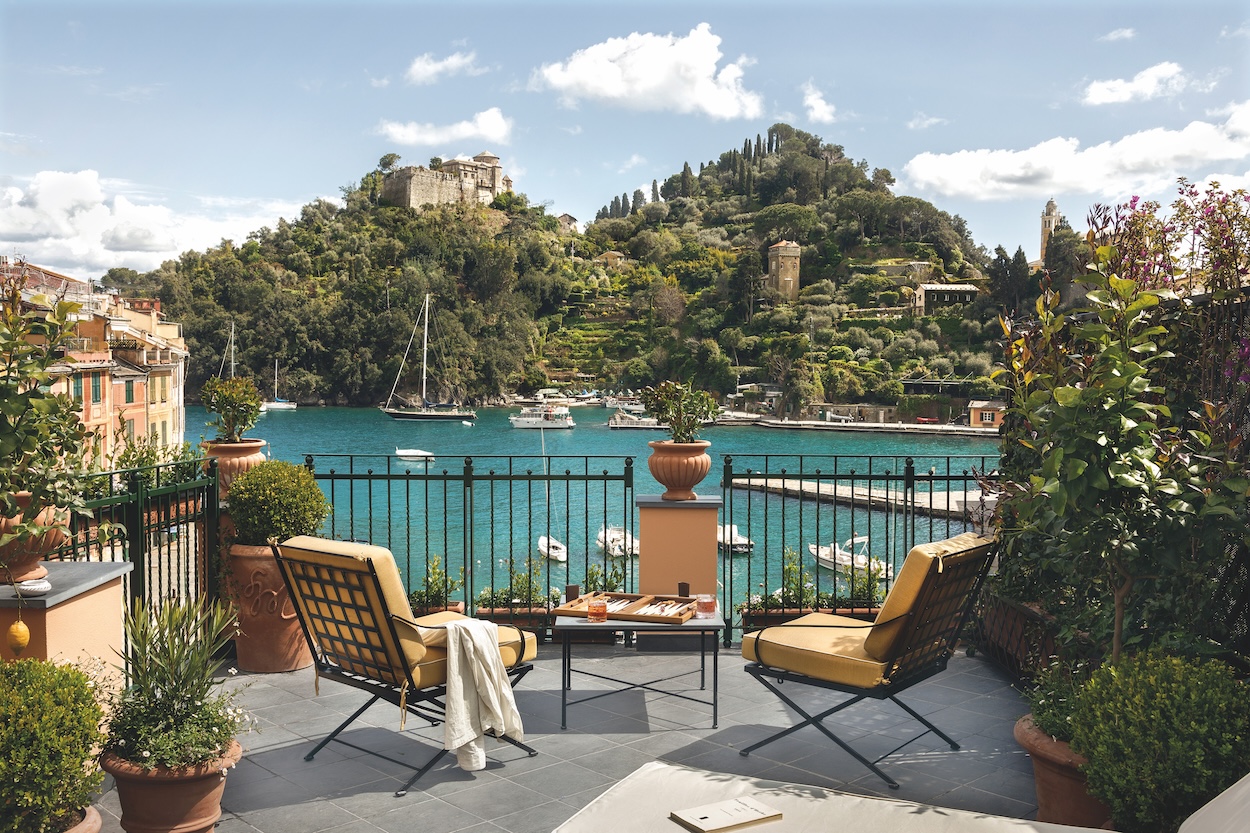
Charlotte de Tonnac and Hugo Sauzay don’t traffic in spectacle, yet their projects still stop you in your tracks. The Paris-based duo behind Festen Architecture proves that subtlety itself can make an indelible statement, designing hotels—from the Splendido Mare in Portofino to Le Pigalle in Paris—whose atmosphere lingers long after the Instagram moment fades. Festen’s spaces feel as if they’ve always been there, while sharpening your awareness of the present.
“We don’t like when a design feels overdone,” de Tonnac says. “The best compliment is when someone asks if we even did anything at all.”
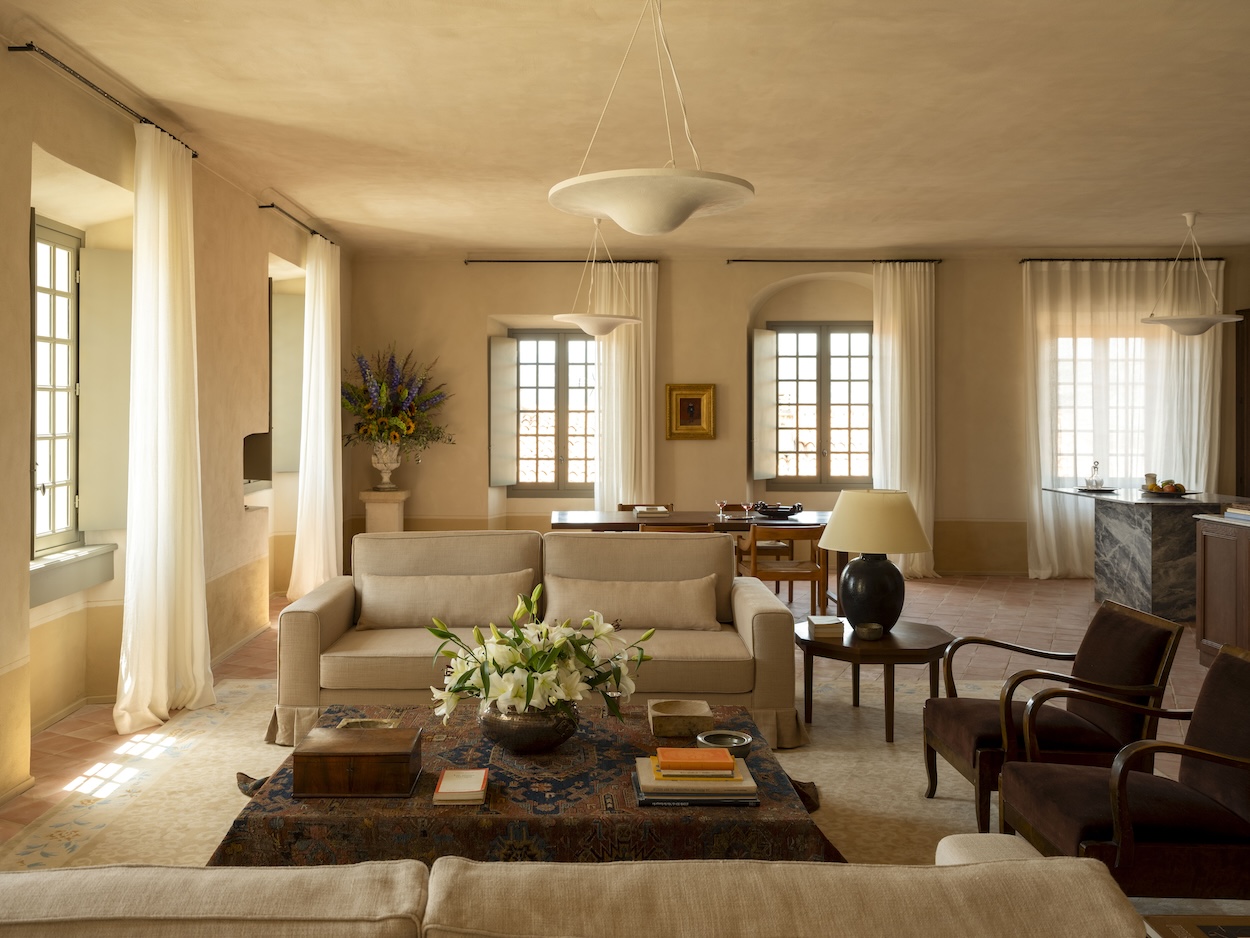
At Hôtel du Couvent in Nice, a decade-long transformation of a 17th-century convent that opened in Summer 2024, that sensibility is everywhere. A sense of cloistered serenity and unforced luxury is a refreshing contrast to the five-star flash that prevails on the Côte d’Azur. Rooms are finished in terracotta floors and creamy lime-washed walls, accented by sober wood headboards, ceramic medallions, and marble pedestal sinks that echo baptismal fonts. Decoration nods to the past without lapsing into pastiche: Tapestries and miniature enamels alternate with muted contemporary paintings. The effect is lush but not profuse, restrained but never austere.
Hôtel du Couvent. Credit: Giulio Ghirardi…
“We always start with humility,” de Tonnac says. “Especially when we’re working in a building with so much history. We tried to bring back the existing materials—lime, terracotta, and wood—and keep the subtle tones of white, yellow, and a little black. The goal was to blend past and now, to be timeless without destroying what was there.”
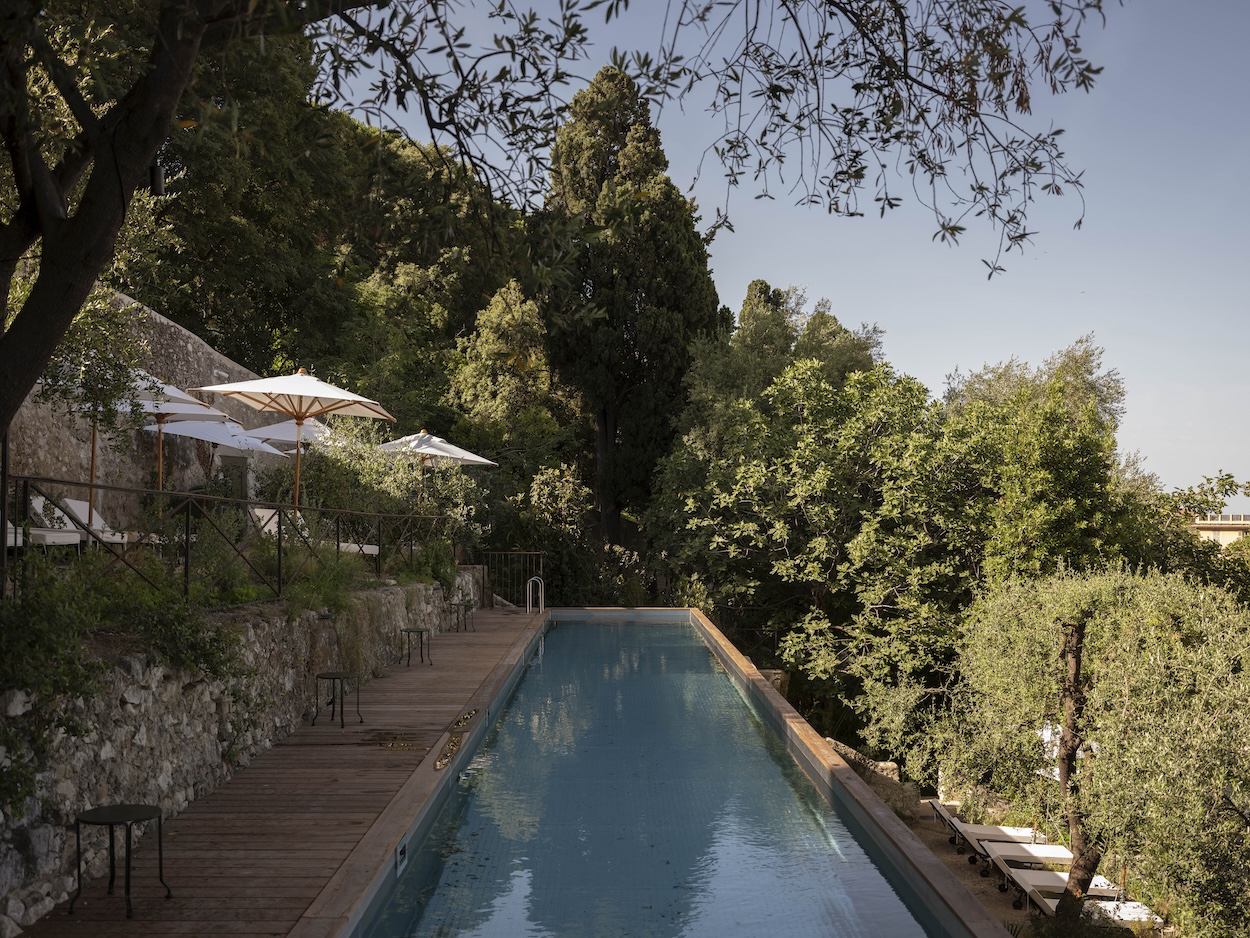
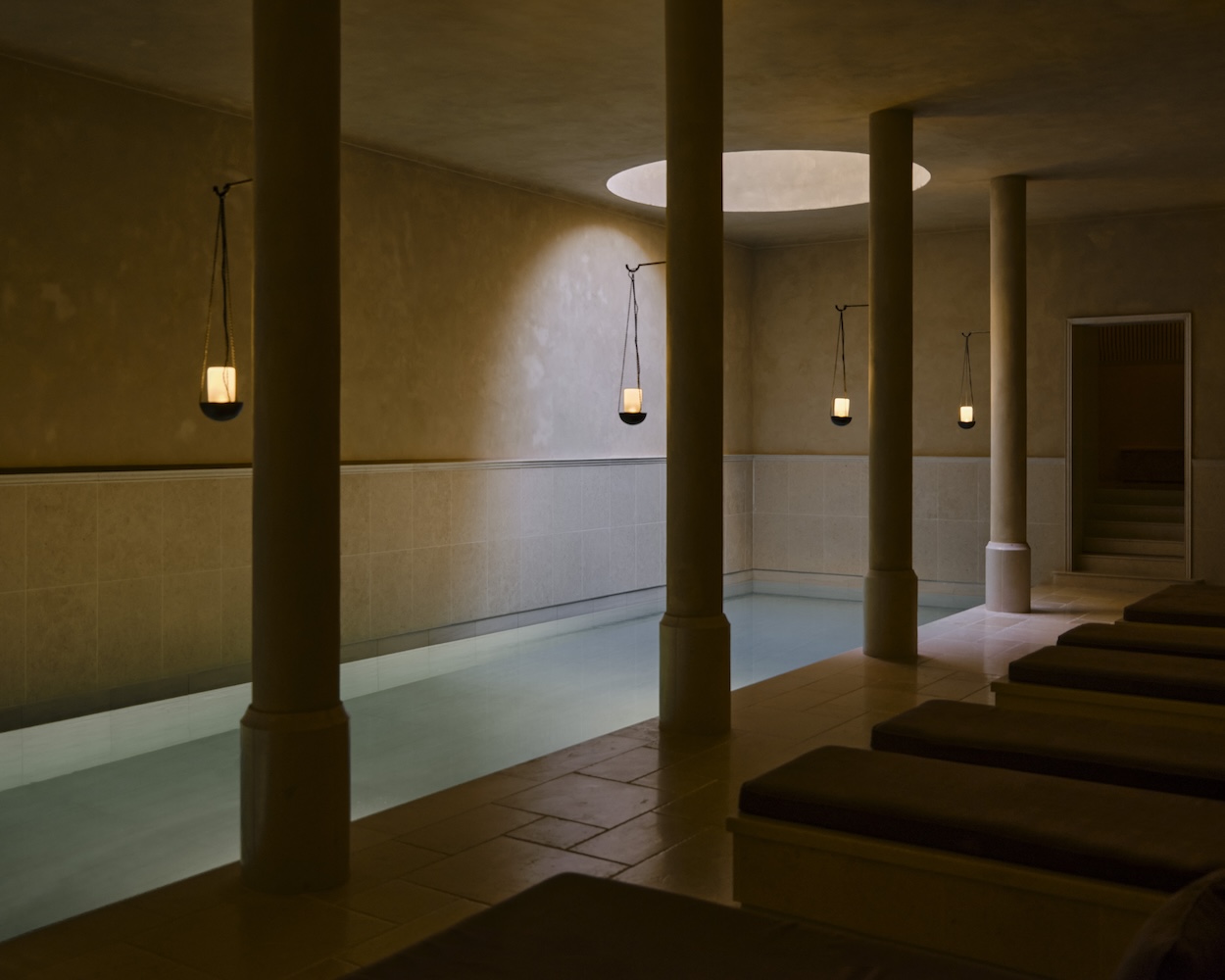
The hotel’s gardens amplify the mood: citrus trees and plots of lavender, rosemary, and vegetables cascade up the hillside, tended as the nuns once did, though today they culminate in an infinity pool overlooking the rooftops of Nice. Daily bouquets of fresh flowers animate the interiors, while courtyards and a former refectory–turned-restaurant hum softly with life. A Roman bath in a vaulted basement offers monastic immersion, while an herbalist shop dispenses tinctures and infusions from apothecary-style cabinets. Everywhere, the palette is subdued and the materials natural. Even the Sjöstrand coffee machines in the rooms are stainless steel rather than plastic.
Hôtel du Couvent. Credit: Giulio Ghirardi…
Just as important as what Festen added is what they left out. There are no televisions in the rooms, for instance, a choice that might alarm a typical five-star operator. “It’s kind of a bold decision,” de Tonnac concedes. “Some guests are not going to be happy about that, but we’ll reach the ones who find it relevant. For us, luxury can also be emptiness. Sometimes a hallway with nothing in it makes the places with life feel stronger.”
That same responsiveness to context defines Festen’s other projects. At Splendido Mare, nautical motifs, a sunny palette, and locally sourced pieces by Gio Ponti and Paolo Buffa capture the incandescent light and nostalgic mood of Portofino. In Paris, Le Pigalle channels the neighborhood’s louche, bohemian past—sultry lighting, eclectic antiques, tactile fabrics—summoning the spirit of 19th-century cabaret culture without tipping into cliché. At the Art Deco–inflected Hôtel Balzac, steps from the Champs-Élysées, the sleeker tone suits the more polished clientele while staying grounded in Haussmann-era bones. “Every project is contextual,” de Tonnac says. “We go deep into the history, but we like to reinterpret, to mix periods and make it porous so you don’t know if something has been there forever or if it’s new.”
Hotel Splendido Mare. Courtesy of Festen.…
Underlying it all is an obsession with material honesty. “We want things that age well, even if they stain or blur,” de Tonnac says. “The patina is part of the beauty. We don’t want designs that look impressive today but will be over in ten years. Maybe it’s less ‘wow,’ but we aim to just stay in time.”
Festen’s North Star is atmosphere: light, sound, even scent. “We want people to feel enveloped, not like they’re in a piece of design,” de Tonnac says. It’s a sensibility that will soon travel to new projects, including a hotel in Gstaad, private homes in New York and Paris, and restaurants in Sardinia and London. The vast majority are historic properties—restorations that have become the firm’s métier. “There’s something magical in touching old buildings,” de Tonnac says. Having some constraints is a plus, she adds: ”A completely blank page can be a little scary.”