Credit: Blake Wright. Courtesy of Objects for Objects Studio…
Los Angeles Design Weekend returned this September with its signature mix of neighborhood intimacy and citywide ambition. Now in its second year, the independently organized, four-day fair transformed the city into a living map of creativity, from open studios in Frogtown to rooftop installations in Silver Lake. Conceived by Holland Denvir and Meghan McNeer, the weekend’s progressive format encouraged visitors to explore each district on foot, tracing the connective tissue between architecture, art, furniture, and craft that defines L.A.’s creative identity. What began as a grassroots experiment in 2024 has evolved into a design pilgrimage that captures the city’s restless imagination and collaborative spirit.
A love letter to makers and patrons alike, the weekend unfolded as a slow, sun-drenched procession through more than 100 artist studios, galleries, and homes. Behind downtown warehouse facades and beyond the gates of hillside estates, visitors were invited into the private worlds of Los Angeles design—where sculptural furniture meets soft light, and creative workspaces blur into living rooms. As guests meandered from neighborhood to neighborhood, crossing paths with friends and strangers alike, the city revealed itself as both muse and medium, its diverse, evolving identity reflected in every object, apartment, and experiment that opened its doors for the weekend.
oforo
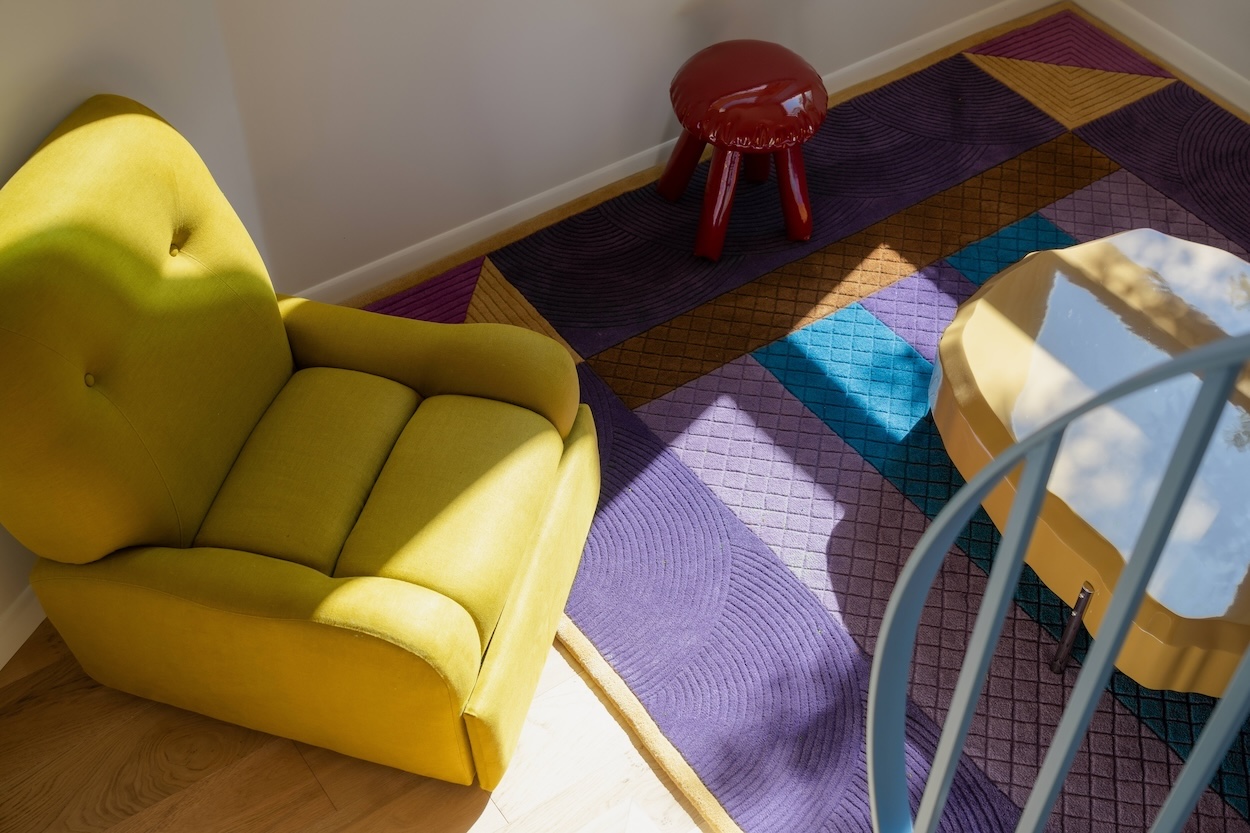
Handcrafted furniture comes to life through the mind of Leonard Bessemer, the irreverent designer behind Objects for Objects and now the founder of oforo, a new direct-to-consumer brand debuting with The Uncollection. Presented in a Highland Park home, the capsule introduced seven playful yet sculptural pieces that merge collectible design with accessibility: balloon-like vinyl Mylar Stools, a pronged Gemstone Coffee Table, and the glossy AD Bookshelf that seems to ripple like a living form. “I launched oforo because I wanted to make weird and interesting furniture with personality that doesn’t cost a bajillion dollars,” Bessemer says. True to its name, The Uncollection rejects uniformity—each piece tells its own story, designed to coexist without conformity, proving that good design can still surprise without exclusion.
Courtesy of Clay Ca…
Clay ca
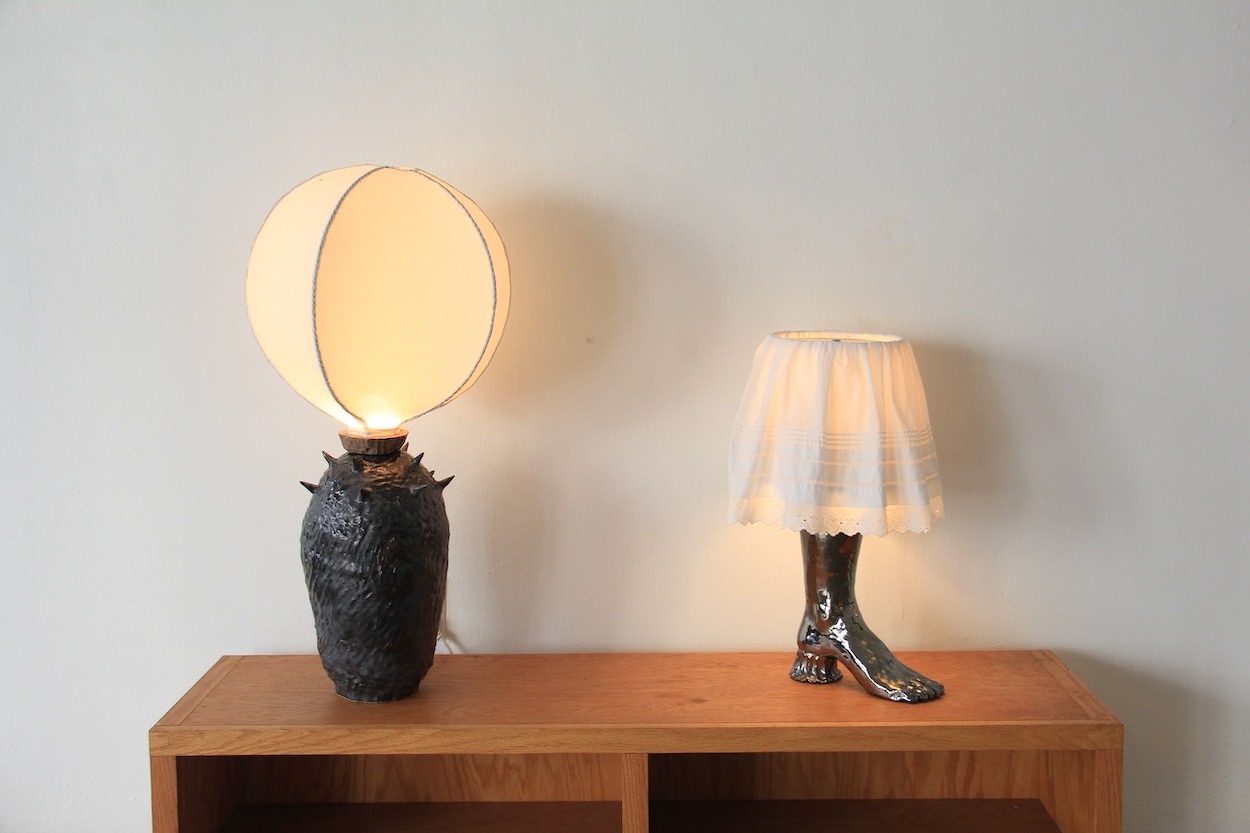
At Clay ca’s Chinatown studio, Objects + Furniture gathered nine Los Angeles designers exploring clay’s dialogue with light and form. Curated by Gabriela Forgo, the exhibition framed ceramics as both grounding and mercurial, where gravity, time, and illumination act as co-authors. “We chose to showcase handmade lamps because I wanted it to feel warm,” Forgo said. “Sometimes when I’m in a gallery space it’s just so bright that I can’t relax or sit still with the work. I wanted guests to feel like they were visiting an old friend, like they were going through memories.” Sculptural lamps and furnishings by AV Made, Britt Bogan, Nani Goods, and others reflected that shared reverence for nature’s quiet unpredictability. Founded in 2020, Clay has become a hub for tactile experimentation and community—a place where the handmade resists the digital and design becomes an act of slowing down.
Courtesy: RAD and Gantri…
RAD x Gantri
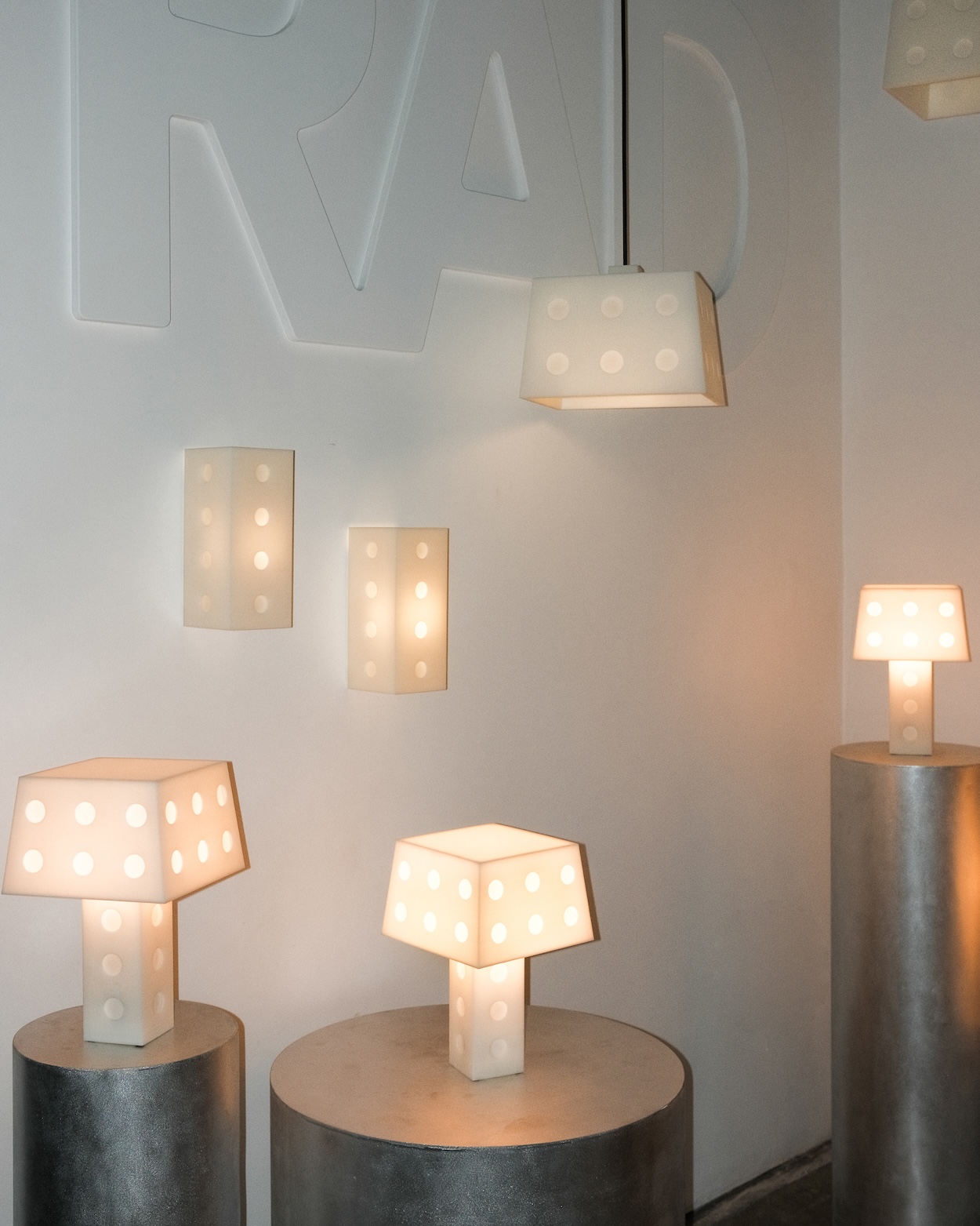
At RAD’s Atwater showroom, Little Dot glowed like a small revelation. Created in collaboration with Gantri exclusively for LA Design Weekend, the lighting series translates RAD’s industrial vernacular of perforated steel and architectural precision into soft, sculptural forms made from a plant-based polymer. The collection’s table lamp, sconce, and pendant merge shade and stem into a single continuous gesture, their silhouettes echoing the friendly geometry that defines RAD’s furniture. “We wanted to create lights that feel friendly and warm,” says co-founder Russell Hill. “I like to imagine the Table Lamp coming alive and hopping around the room like the Pixar lamp when you go to sleep.” Equal parts technical and tender, Little Dot reimagines illumination as an extension of character—light not just as function but as personality.
Courtesy of Frozen Han…
Frozen Han
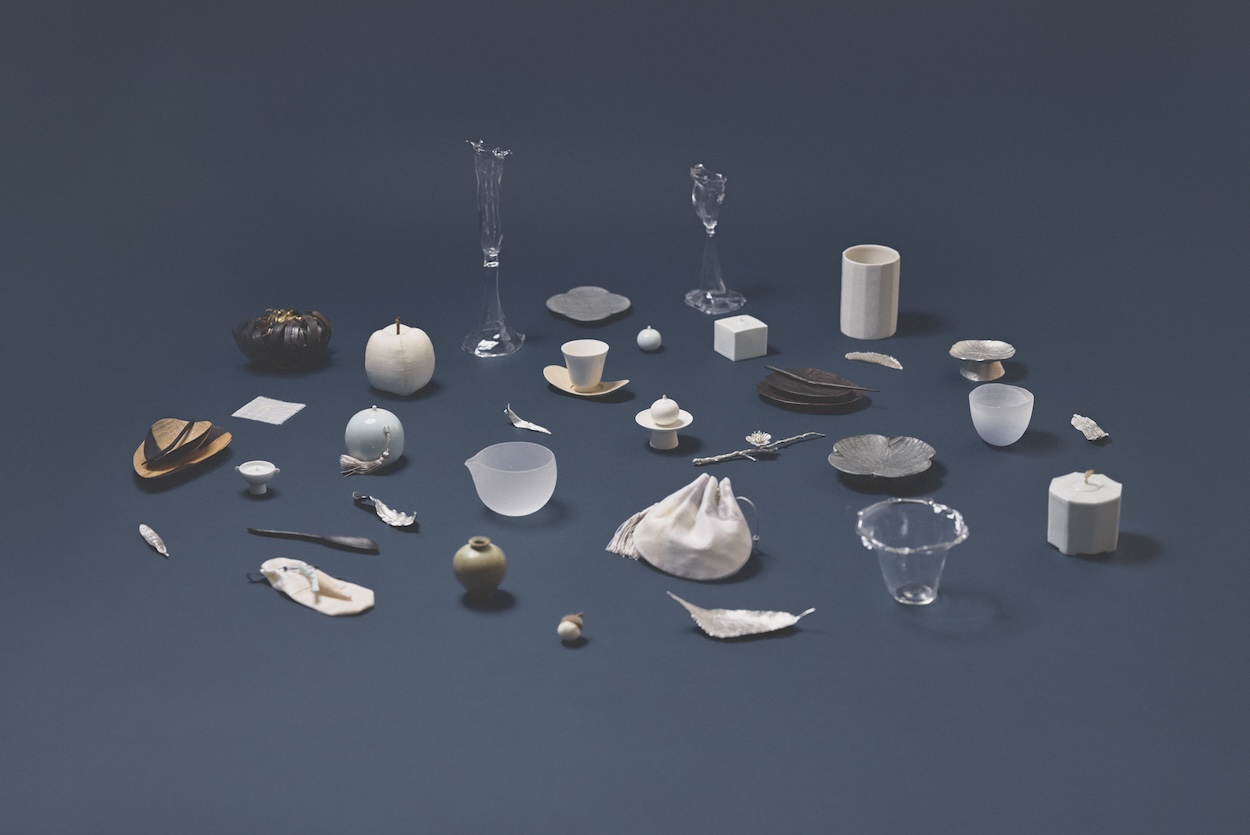
At House of Migaam, Frozen Han gathered ten Korean artists to explore the ceremonial and aesthetic resonance of 한 (Han)—a concept of restrained sorrow, longing, and endurance. Curated by Rose Zhang and Kelly Kim, the exhibition traced this quiet intensity through contemporary craft and object design. Guests were guided though the gallery in a choreographed experience where the works came alive through traditional Korean tea ceremony and delicate bites, each edible pairing mirroring the vessels that held them. Each piece felt suspended between memory and renewal. Among them, Studio Chacha’s glass wessels shimmered like captured water droplets, their delicate, irregular rims embodying the tension between fragility and persistence. Paired with ceramics, metalwork, and textiles by artists including Seonghe Ahn, Sohee Park, and Mititeiz, the show became an act of preservation and release—a meditation on beauty that endures even as it dissolves.
Café Tondo. Courtesy of Ombia. …
Ombia Studio
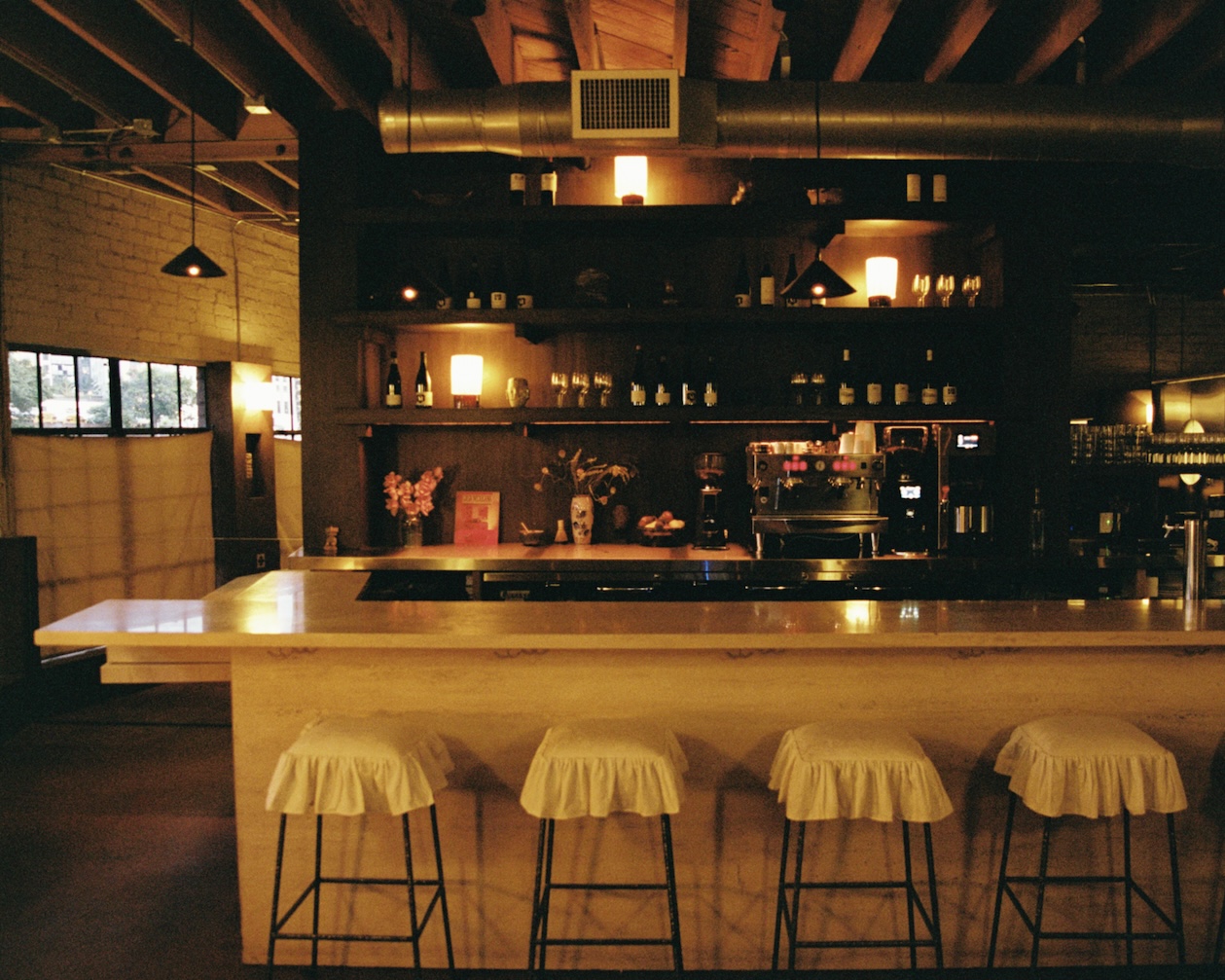
A new chinatown destination for Los Angeles’s creative community, Café Tondo is steeped in art to its bones. During LA Design Weekend, visitors were invited not just for a drink or a bite but to experience the atmosphere that defines the space—a study in how design shapes emotion. The café’s foundation lies in its custom furniture by Ombia Studio, handcrafted in Mexico and inspired by the warmth of traditional cantina culture. “Each piece is carefully crafted by hand and imbued with character and intention,” says founder Cristina Moreno. Bottle holders built into table legs and skirted bar stools reference the intimacy of Mexican dining rituals, while soft materials and organic forms transform the interior into something deeply human—a place where hospitality becomes design and design becomes memory.
Wind chime by Lani Trock. Courtesy of Object Permanence…
Object Permanence
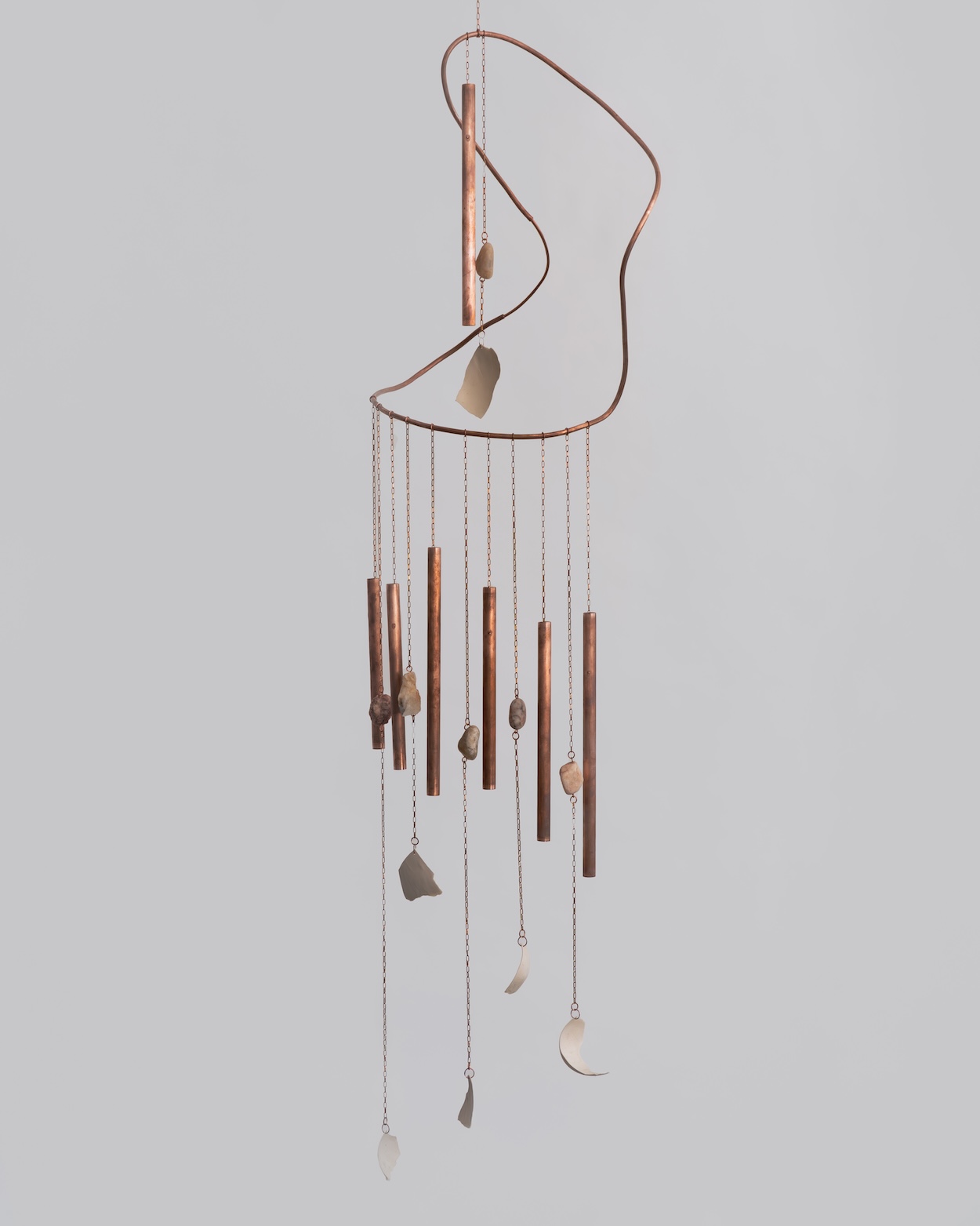
At Object Permanence: Edition 10, co-curated by Leah Ring and Holland Denvir, ten Los Angeles designers reimagined the wind chime as both sculpture and sound. Among them, A History of Frogs showed a cast-metal piece that felt delicate yet enduring, catching light and motion in quiet balance. Nearby, Lani Trock suspended a constellation of copper forms that swayed gently in the air, each note glimmering like sunlight on water. Together, the works embodied the exhibition’s essence: a reflection on impermanence and the invisible forces—wind, time, and intuition—that shape design in Los Angeles.