Alex Prager at The Mirage Factory. Credit: Daniel Seung Lee…
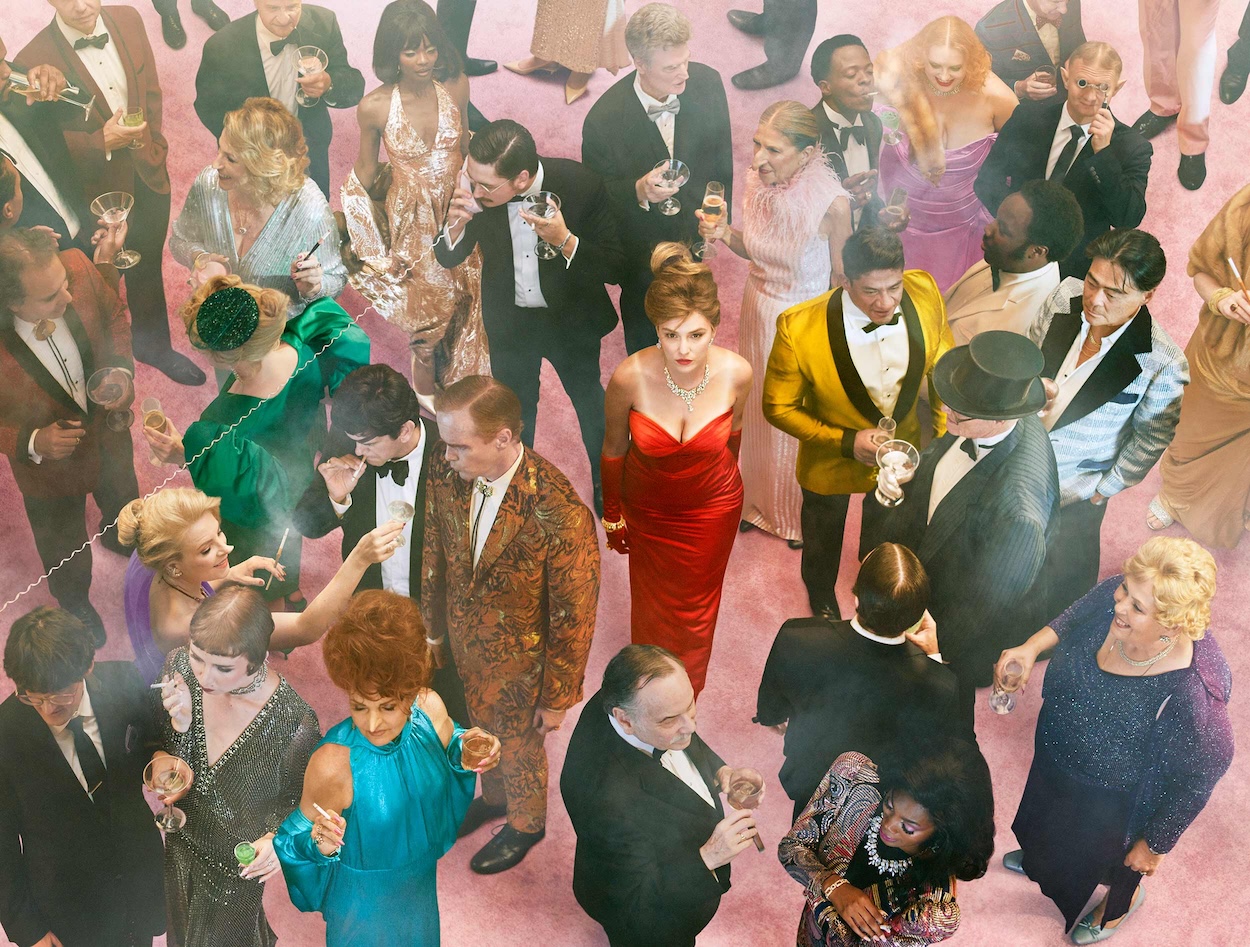
For more than a decade, Alex Prager has been captivated by the intersection of photography and cinema, constructing staged tableaux that blur the line between reality, performance, and filmic production. Her work often revisits the visual language of classic Hollywood, probing the ways nostalgia, glamour, and illusion shape our perception of a city and its culture. Born and raised in Los Feliz, Prager has long examined Los Angeles not just as a physical space but as a mythic landscape—a city in constant flux, its image simultaneously built, imagined, and spun.
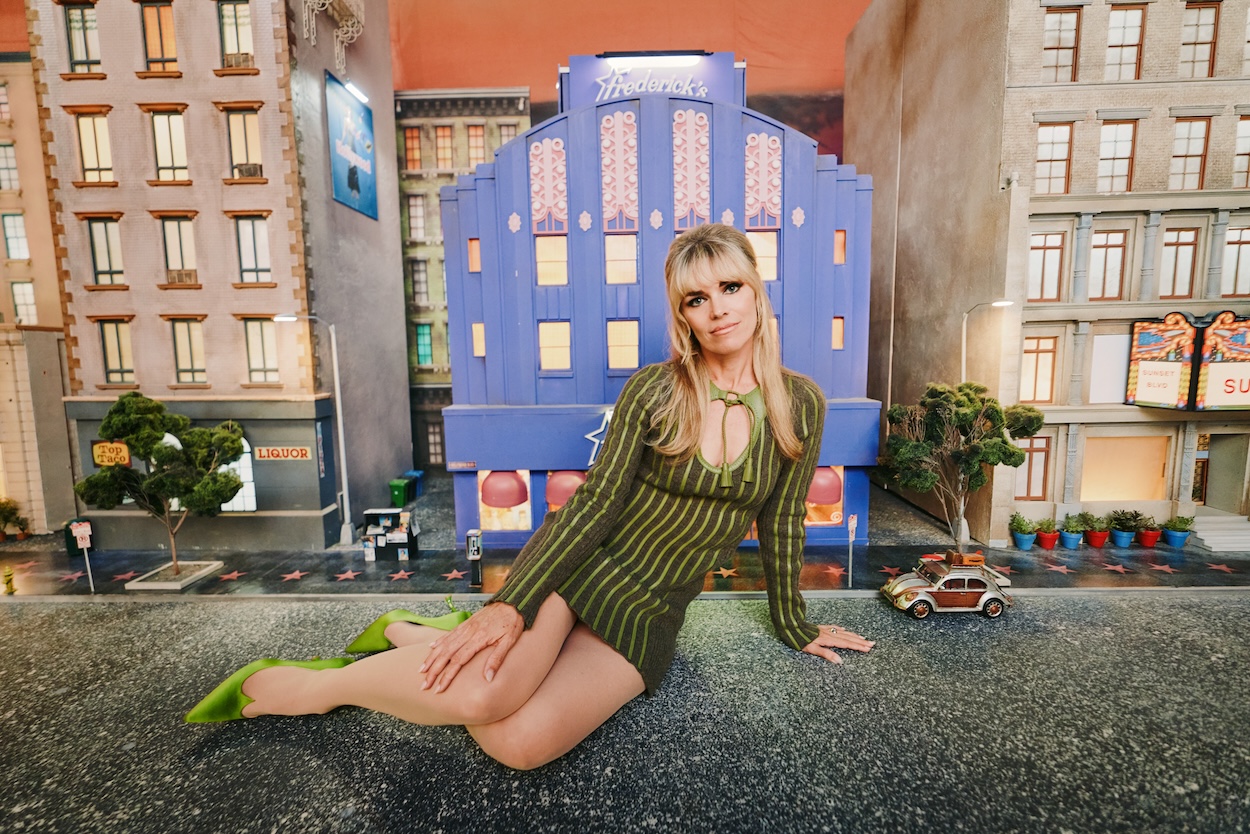
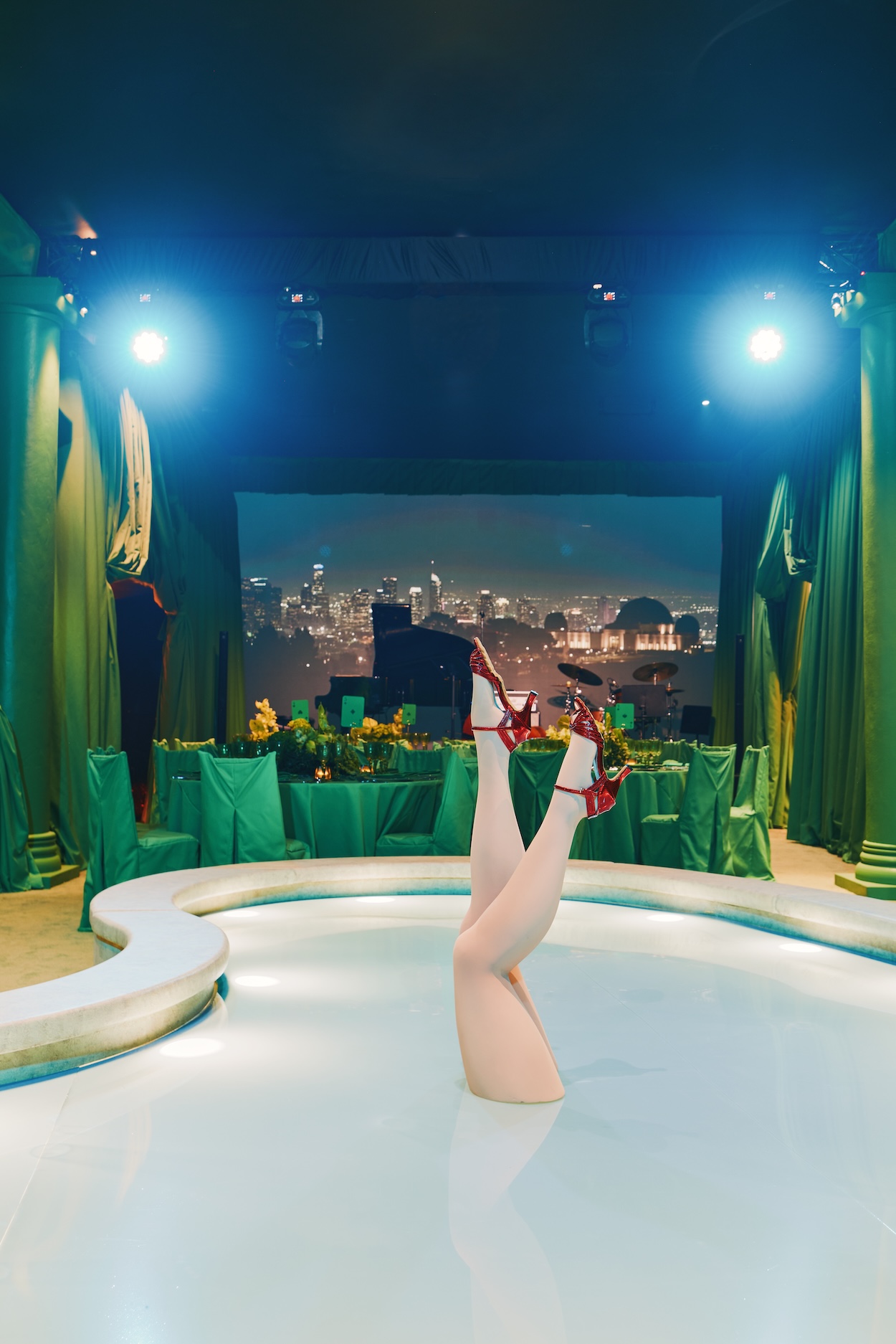
Her latest project, The Mirage Factory, brought that enduring fascination to Miami during Art Week in the form of a multisensory journey. The installation, which Prager brought to life with Capital One and The Cultivist, saw visitors move from an imagined orange grove to a miniature rendition of Hollywood Boulevard, teeming with historical references and personal touches from Prager’s own life. The installation represented Prager’s own preoccupations with the city: the perfume of its orange groves, dreamy nighttime vignettes overlooking Griffith Park and the city’s twinkling skyline, and the energetic push-pull of wistfulness, corruption, and reinvention across decades.
“My photography has always explored myths and allegories,” she says. “This project is a culmination of that. The myth of Los Angeles is often truer than reality because of how people dream about it and remember it.”
In fitting fashion, Prager, Capital One, and The Cultivist hosted an opening night dinner to celebrate The Mirage Factory’s debut with a headlining performance by Diana Ross. In a conversation with Surface, Prager discusses how The Mirage Factory emerged, her relationship with Los Angeles, and the creative forces that drive her photography and film practices forward.
Alex Prager, Beverly Palms Hotel (2025). Courtesy of Lehmann Maupin, New York, London, and Seoul.…
When you produce your images, you think about every detail—from wardrobe to makeup. Was Diana Ross’ performance part of your vision for how The Mirage Factory could come to life?
It was. I really wanted to explore the myth around Los Angeles and how people perceive the city. After the fires—I lived in the Palisades then, and many people I know were affected—it became a time for looking back and reflecting on what it means to live in Los Angeles today. Doing the research around this project, that was sparked by the Cultivist’s outreach during that time, helped me connect the dots about where the city came from. It was never supposed to exist, but it was willed into existence by dreamers who put in the work. That was really inspiring. The city really shouldn’t exist. It’s in a constant dream state in a way. There’s corruption, madness, and darkness, but underneath all of that, there’s the feeling that anything is possible. That wild-west energy that built the city is still present.
Which of those energies would you say the installation captures the most?
Last night I spoke to several people who picked up on the “anything is possible” energy. Diana Ross epitomized that feeling. I really wanted her involved because she’s such an icon. She was a big part of this. Los Angeles is really a city for dreamers.
Credit: Daniel Seung Lee…
relationship with Hollywood has evolved through the conceptualization of this installation?
Because I also directed my first feature film recently and am in pre-production on the next one, Los Angeles is such a part of who I am that it’s hard to separate it from myself. I was born there, I grew up under Griffith Park, and used to live on Hollywood Boulevard. It’s very much one and the same when it comes to my photography. I never intended to be a photographer, but using this medium allowed me to materialize ideas and share them physically.
And, speaking of the physical, all of this was made by over 100 craftsmen—I wanted it to feel tangible in this A.I.-driven age. But I think when I shoot commissions and do collaborations with brands, it’s all so much a part of who I am. People bring their own stories to whatever project we’re all working on, and it always adds this layer of tension and conflict. I have such a singular vision when I’m starting a project, but I always have to open myself up to those changes and that madness and collaboration. It’s the same, working with a celebrity or on a feature film or an installation. And Capital One, and the Cultivist, they were actually incredible to work with.
Your photography practice has often been described as cinematic. As you apply yourself to feature filmmaking, what do you make of that comparison now?
My process had always been the process of a filmmaker, I just didn’t have that added layer of dialogue, a score, or moving pictures.. But the process of coming up with emotional tension and talking with my subjects and actors about how to get that out of them—that’s always been there. I’m always trying to pull a story out of someone, and I’m always trying to get into those psychological layers of what makes a human want to connect with other people. It’s always been about humanity and the emotional truths of being human.