Coinciding with Riyadh’s 2026 Diriyah Contemporary Art Biennale, the independent exhibition “Re:Wilding” will spotlight five Saudi and regional artists whose practices quarry the intersection of memory and imagination. Hosted by Misnad Gallery in Riyadh’s JAX District, the contemporary art exhibit platforms painting, photography, textiles, and more. Dena Nahar AlSaud, founder of the Maisam Collective advisory practice, and Dalya Suha Islam, Director of Arts and Culture at Red Sea Global, co-curated the exhibition. Both curators exercised their extensive experience in cultural strategy and regional development in the process.
The 'Re:Wilding' Group Exhibition Gathers Artistic Voices in Riyadh
BY DAVID GRAVER January 26, 2026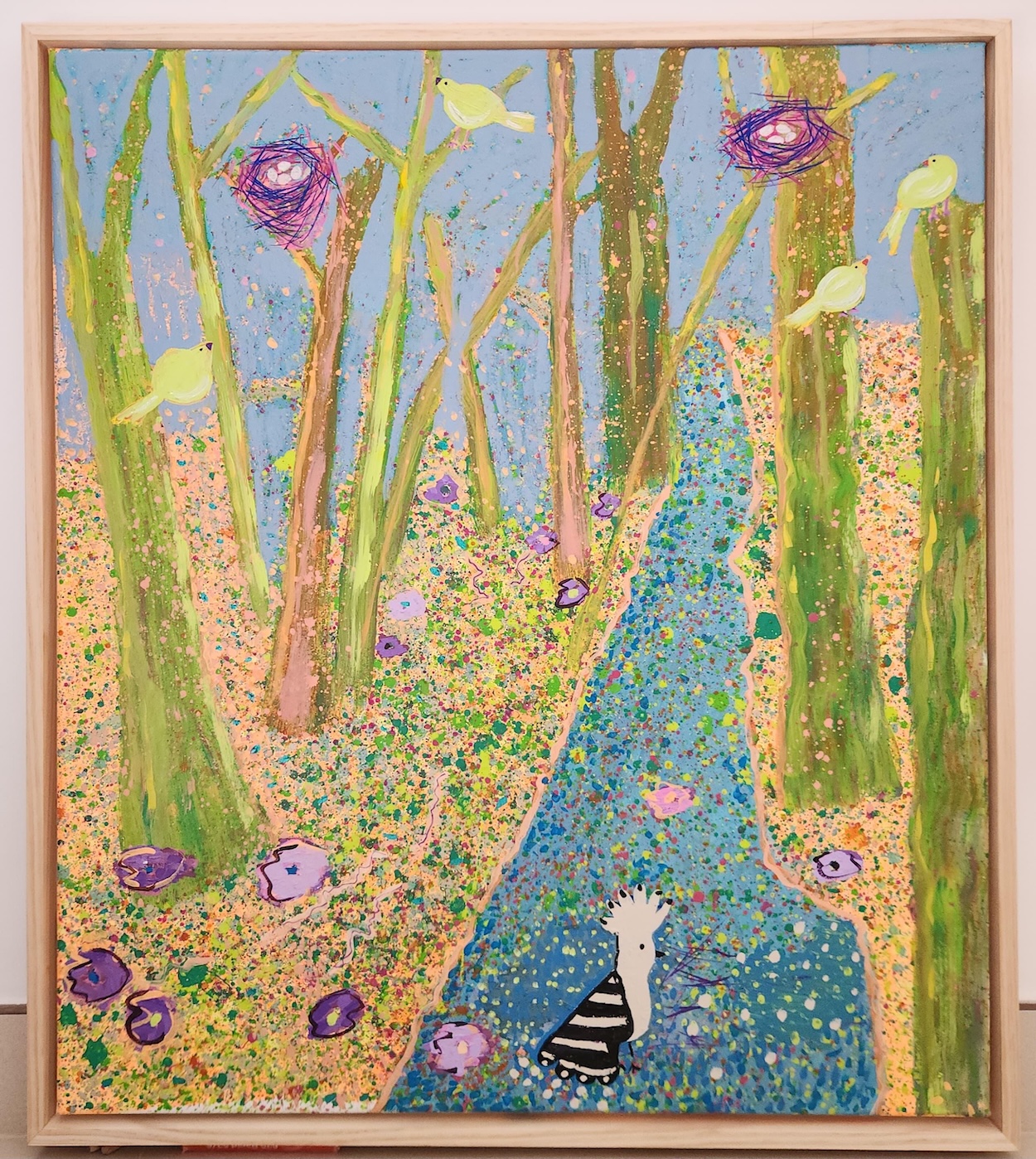
Courtesy of Sireen Khalifeh
…
Courtesy of Abdullah Al Amoudi
…
The exhibition title underscores the poetry of the curatorial direction, a quest to uncover the Jungian inner child. “To me, ‘Re:Wilding’ evokes a feeling before it becomes a concept, a kind of quiet nostalgia that sits in the body,” AlSaud tells Surface. “It’s about returning to who we were before we learned how to edit ourselves. Before the world told us what was possible, or appropriate, or expected. It’s a call to loosen our grip on control and re-enter a relationship with the world that is led by curiosity, play, and openness.”
Courtesy of Noor Nabeel Alwan
…
“‘Re:Wilding’ is the process of reseeding the fallow internal spaces of our adult selves through connection to the spirit of our inner child—the avatar of our psychology that is the source of creativity through joy, play, and curiosity,” Islam adds. “It is the space within us that generates our highest vision for the future, manifesting our deepest desires that our adult selves often dismiss as impossible or ridiculous.”
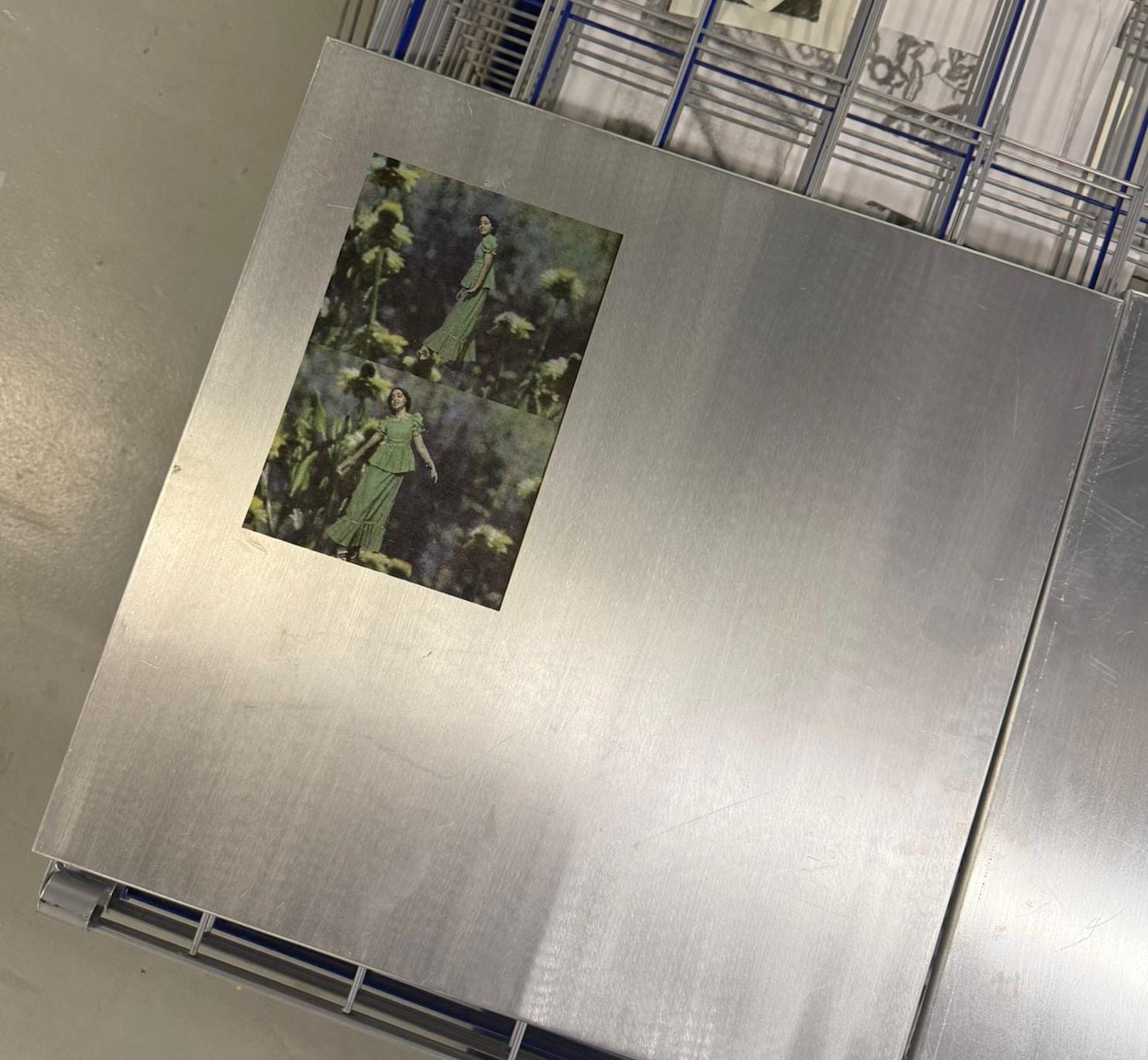
Courtesy of Mashael AlSaie
…
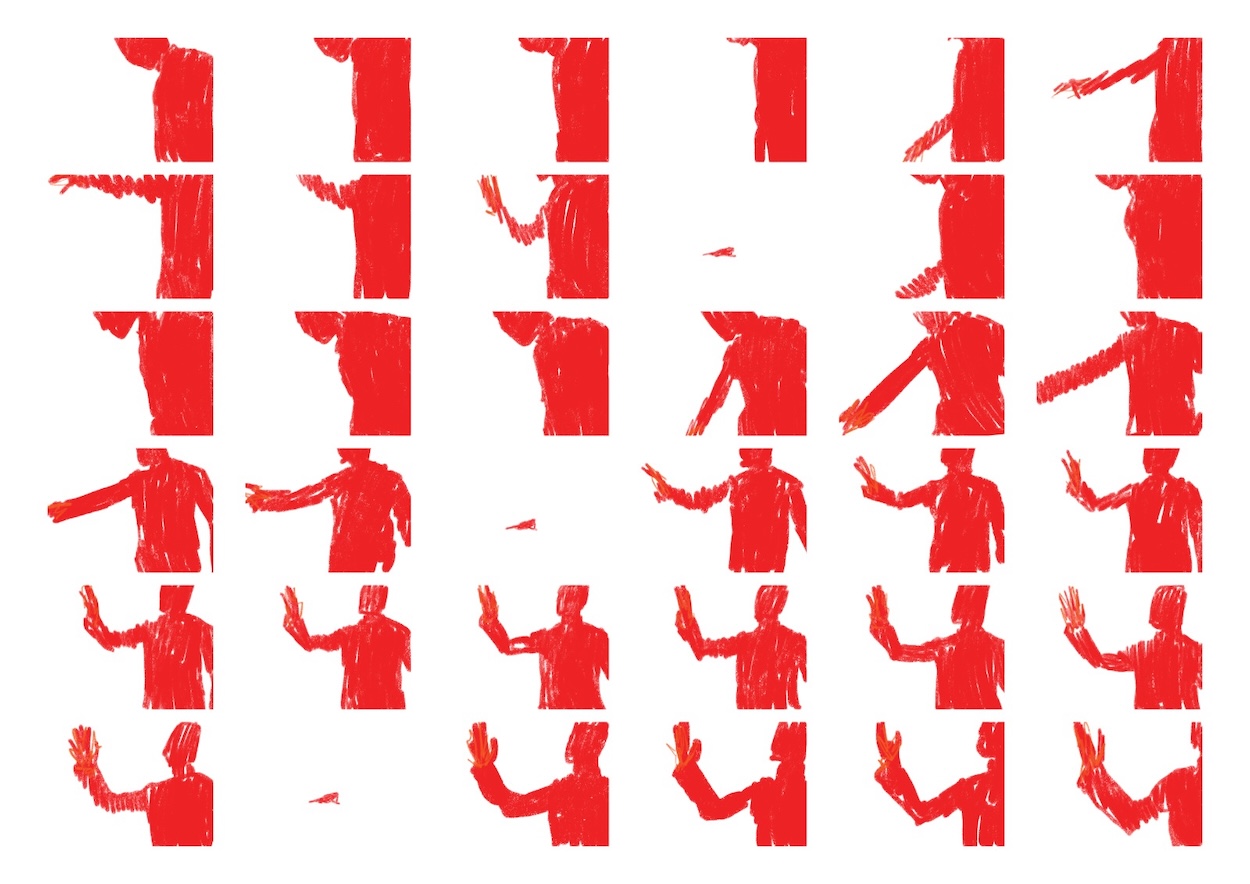
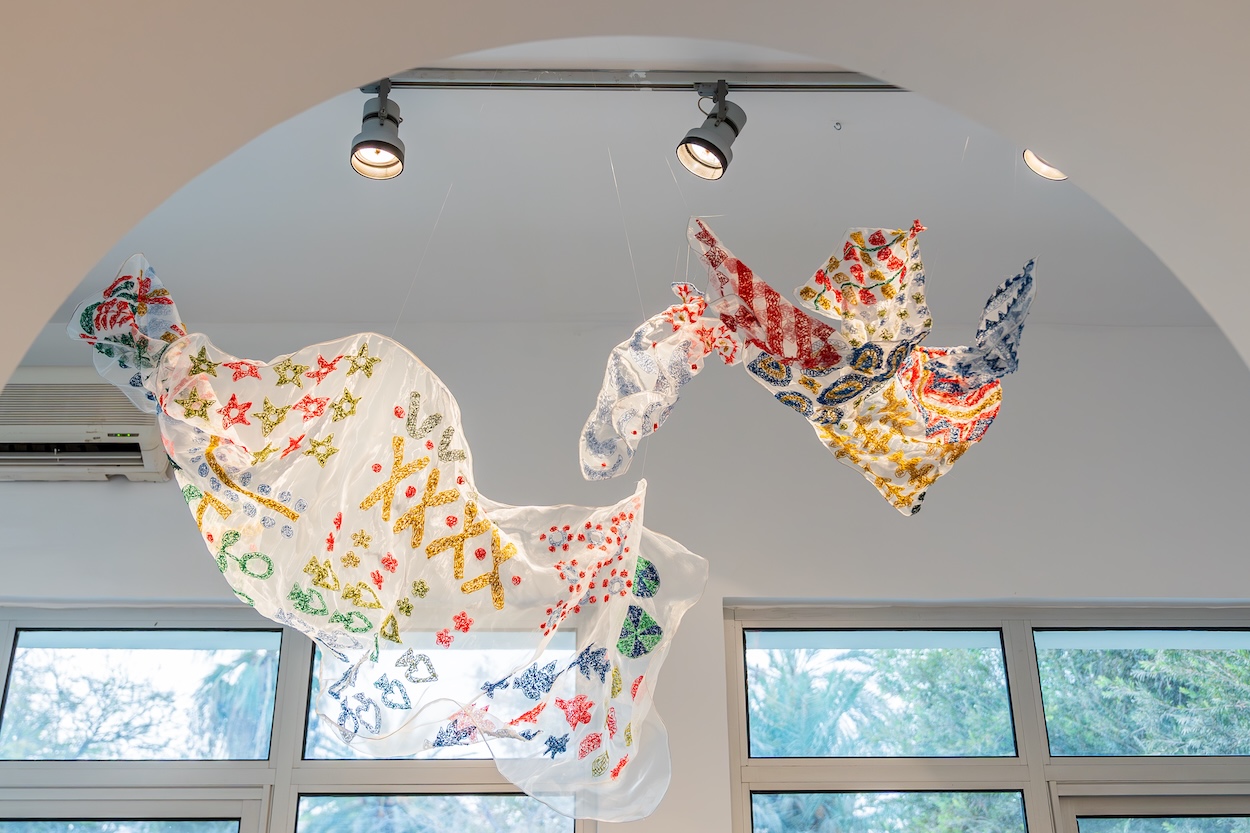
AlSaud and Islam approached the curation—which convened the work of artists Sireen Khalifah, Noor Alwan, Abdullah Al Amoudi, Khadija Arif, and Mashael Alsaie—through research and conversation. “We tracked artists whose practices consistently showed depth, discipline, and intention, often revisiting bodies of work over time rather than responding to single pieces,” AlSaud says. “Our collaboration allowed us to challenge each other’s instincts, ensuring the selection was both rigorous and intuitive.” Though all artists impress with their contributions, the fantastical forest paintings of Khalifah transcend.
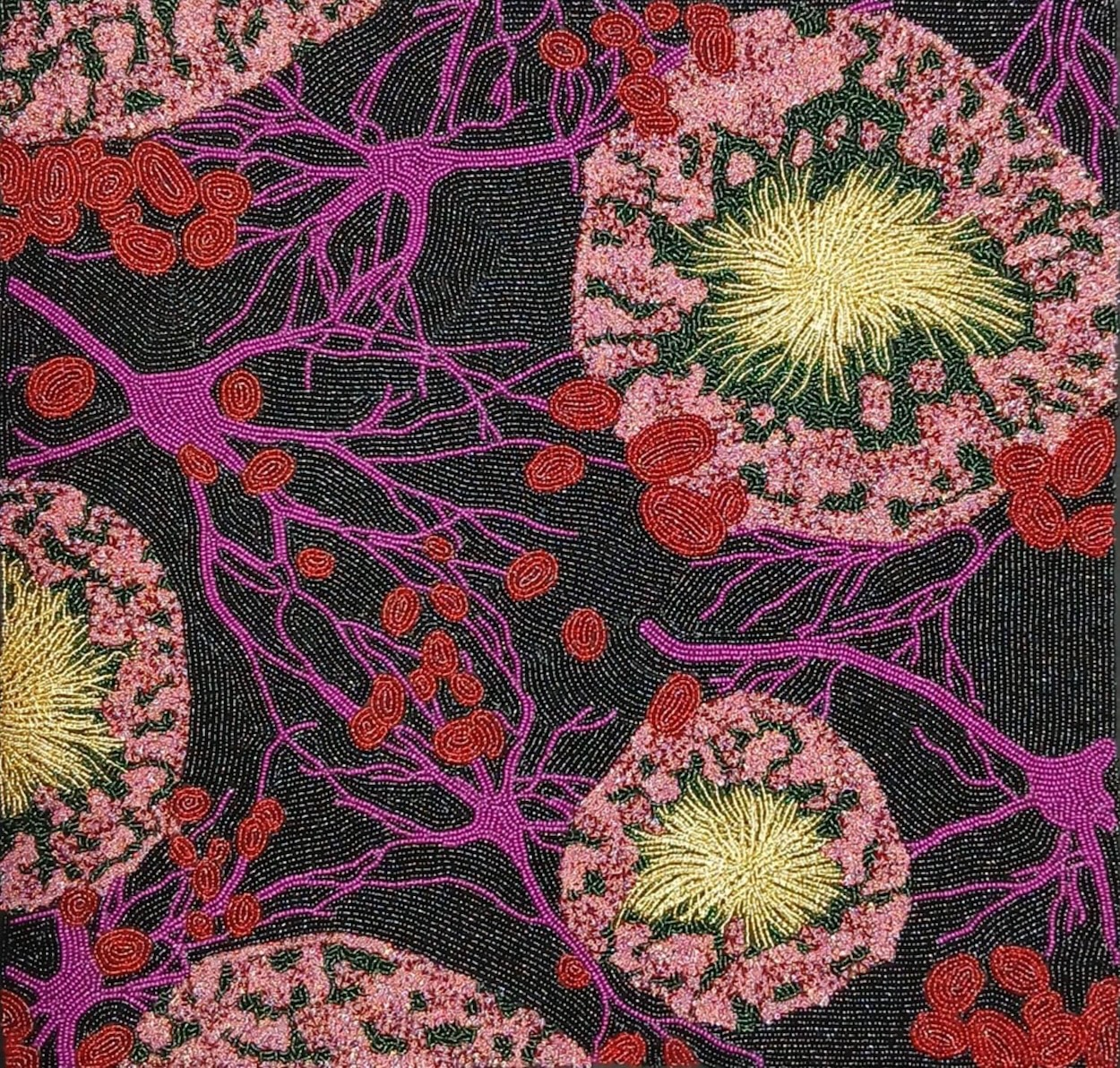
Courtesy of Khadija Arif
…
In hosting a group exhibition that traversed material, technique, and perspective, the curators were able to present a “spectrum of responses to the philosophical question at the heart of the show,” Islam adds. Referring back to the Jungian quest, the question is how an artist returns to sources of curiosity, experimentation, and emotional truth. “Because the answer to this question is deeply individual, we sought to create points of resonance for as many visitors as possible.”
Further, “it was important to us to represent local and regional talent, keeping the exhibition as close to home as possible, with most of our artists based in Riyadh,” Islam continues. “We believe that the diversity of materials and the quality of the works speak to the growing interests and breadth of talent within the country. The Biennale, of course, has a different intention: to explore major curatorial themes in a highly rigorous and academic manner, to ignite critical thinking around urgent global issues, and to contextualize artists within the wider artistic canon.”
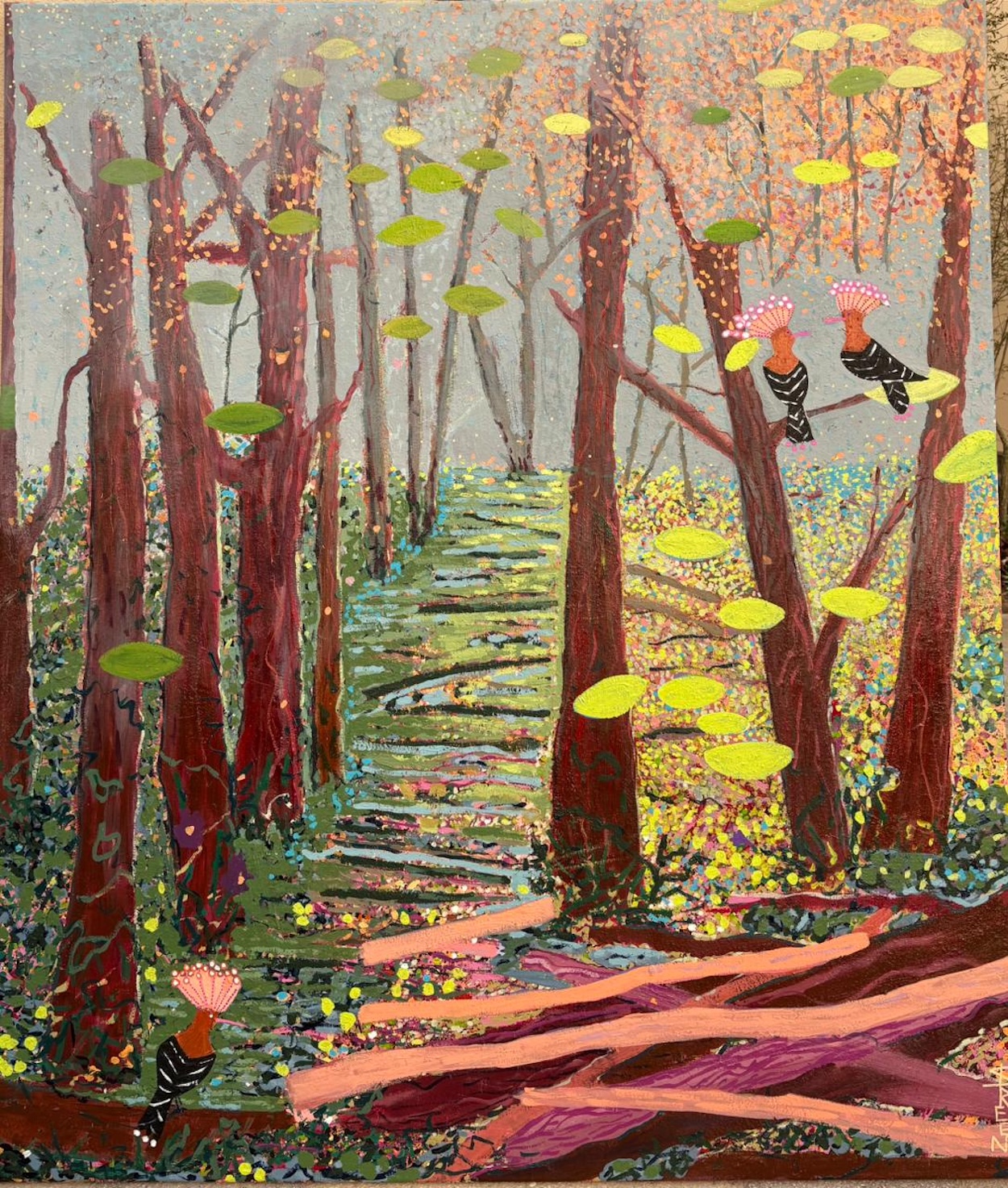
Courtesy of Sireen Khalifeh
…
It was essential that ‘Re:Wilding’ and the Diriyah Contemporary Art Biennale align. “We were very conscious of the audience the Biennale brings to Diriyah and wanted to offer something that sits alongside it rather than competes with it,” AlSaud says. “‘Re:Wilding’ was conceived as a grassroots, independent project, more intimate in scale and slower in pace. For visitors already immersed in the Biennale, the exhibition offers an additional layer: a space for closer engagement, conversation, and the opportunity to acquire work directly from emerging and regional artists.”
AlSaud and Islam took financial approachability into consideration for the selling exhibition, as well. “Patronage is a vital element within the arts ecosystem. Sales are not only a source of income, but also a form of validation and sustainability for artists,” Islam concludes. “Without a functioning market, the arts struggle to thrive. In delivering this exhibition, our intention was therefore also to support the ecosystem by presenting highly collectible, exceptional works; sharing them with both the arts sector and the wider public.”