Here, we ask designers to take a selfie and give us an inside look at their life.
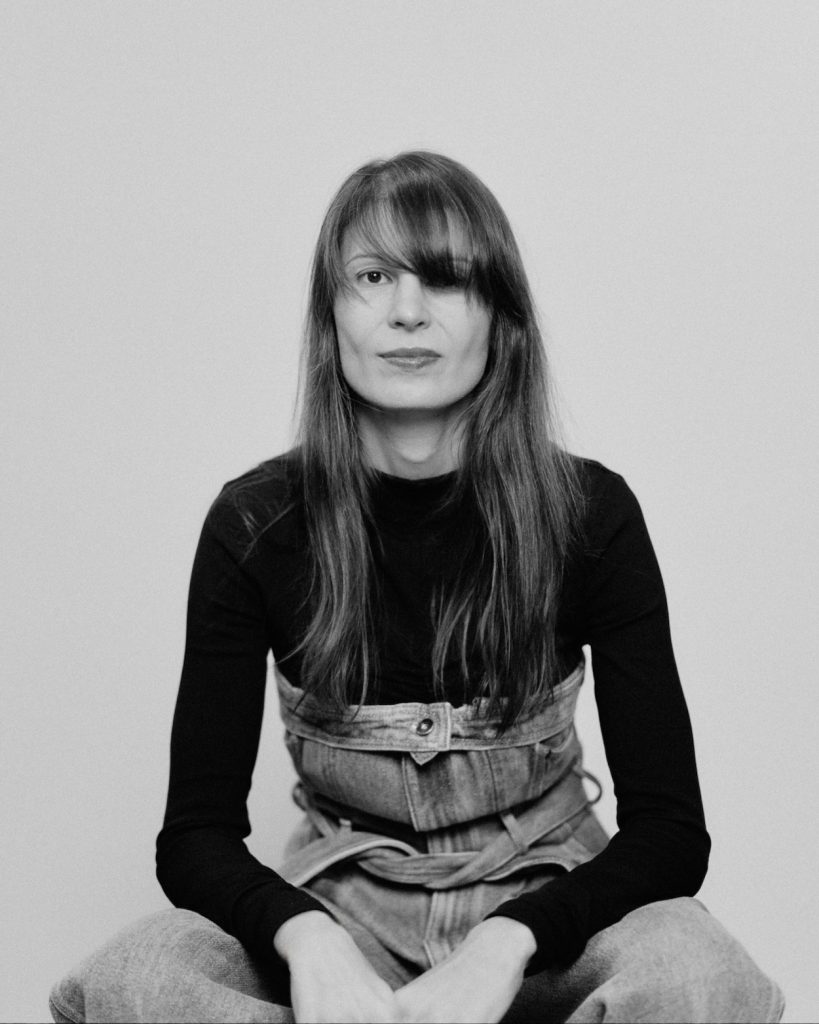
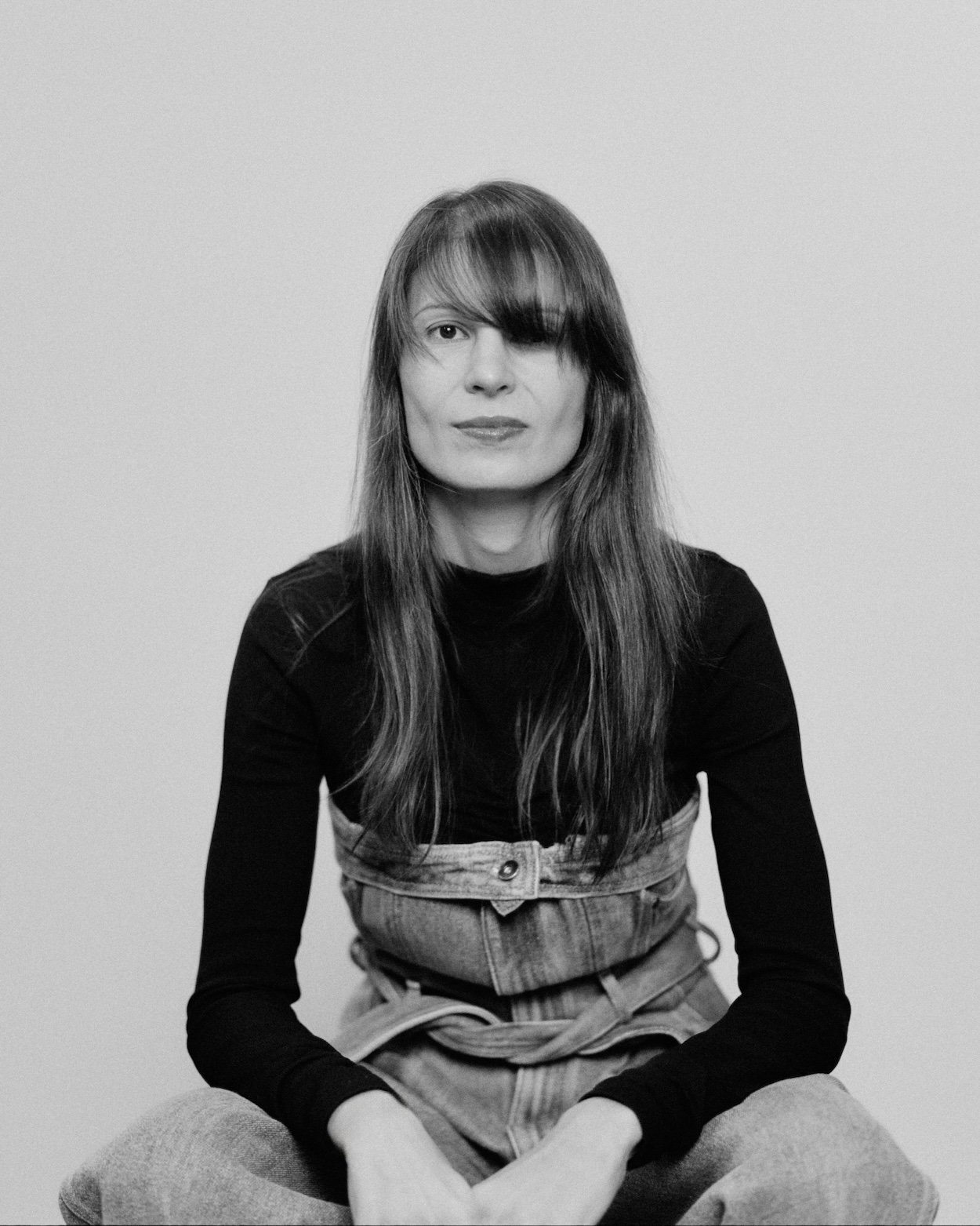
Bio: Laura Villasenin, 47, Founder & Creative Director, Miista
Hometown: Born in Galicia, Spain. Living in London since 2001.
Studio Location: East London
Describe what you make: I make shoes and clothes with one of the most talented teams of creatives and makers in Europe. What’s most important to us is that we design everything with intention, and that we do not compromise on the quality of the raw materials, or the time it might take to craft each piece.
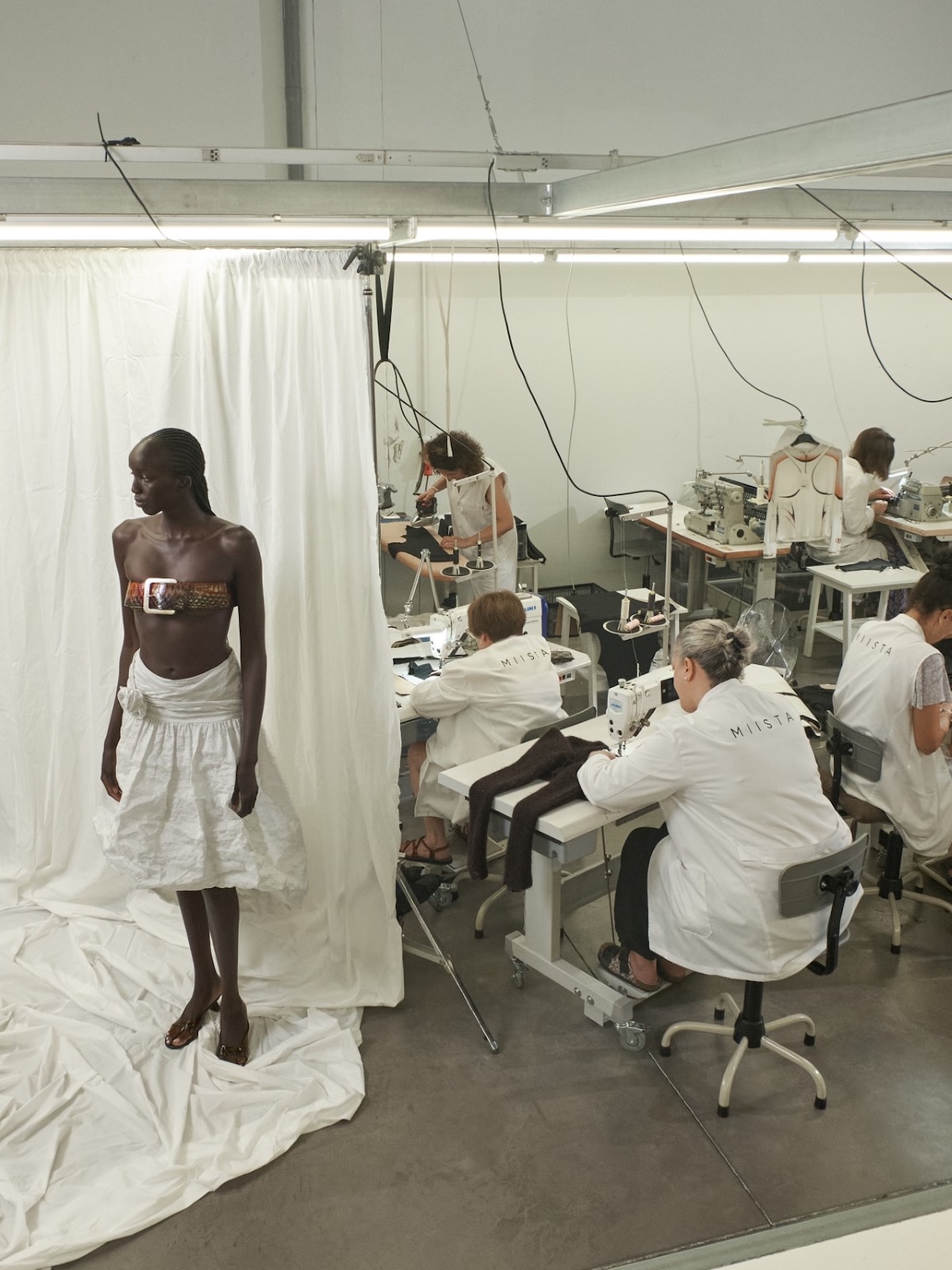
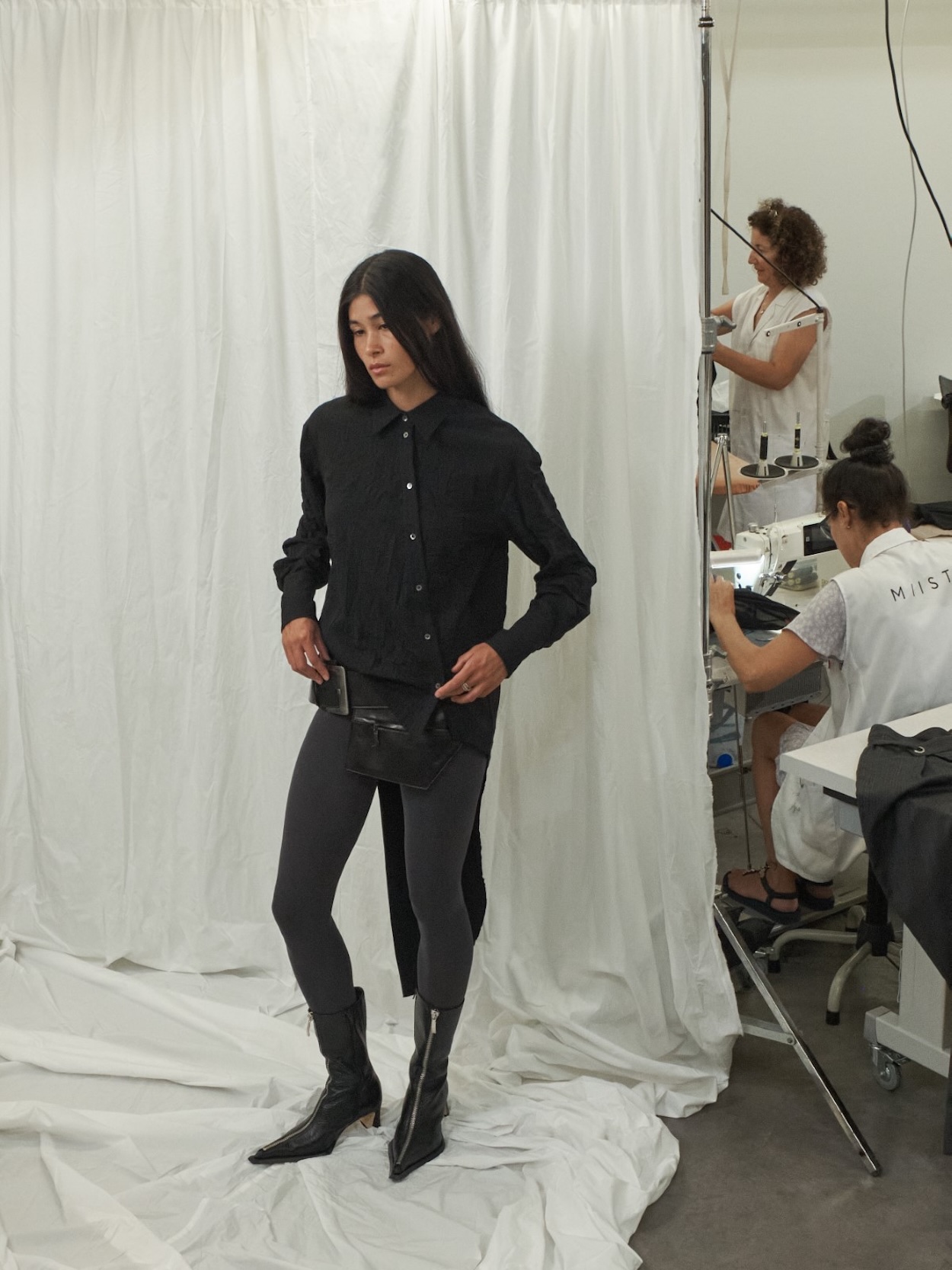
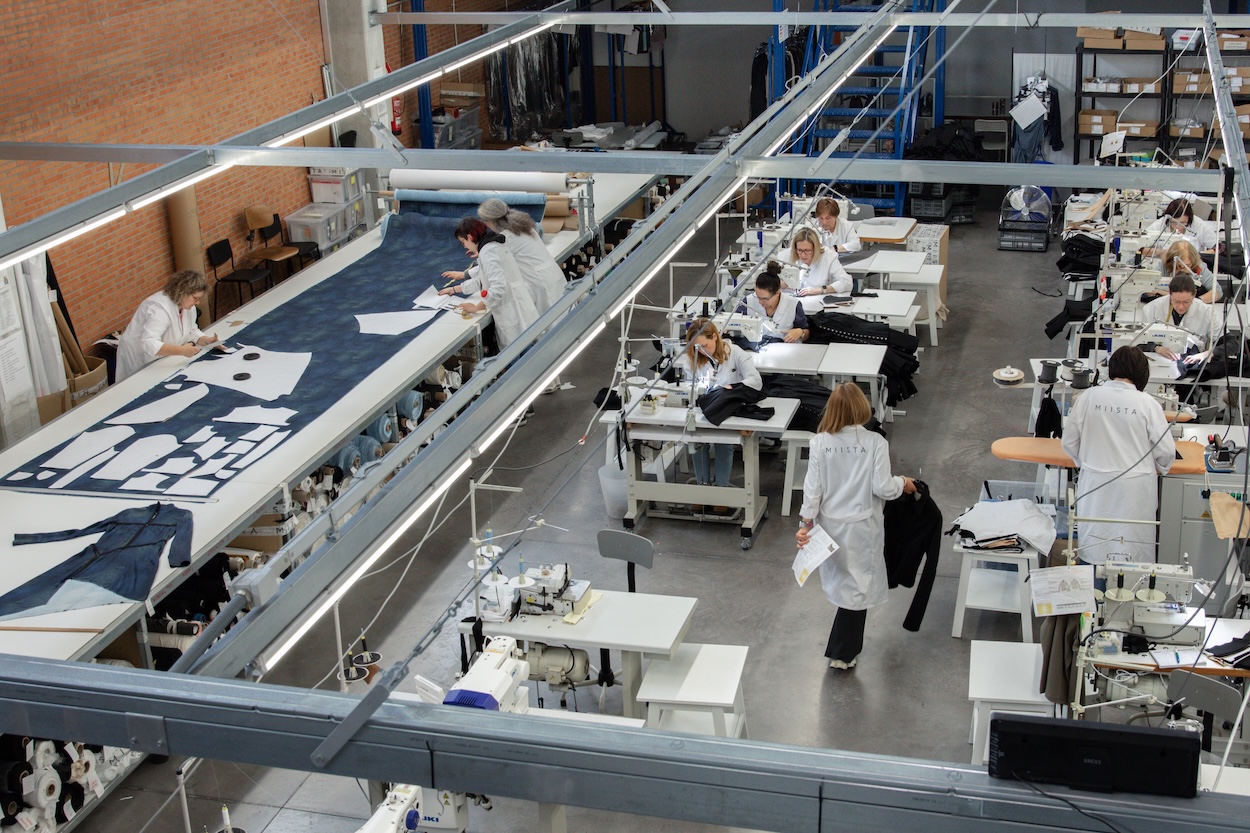
At Miista it all starts with a deep love of experimentation, a considered enquiry into how our products can add value, and of course, the making: the craft, the process and the people behind that. We design and handcraft footwear and ready-to-wear in Europe, aiming to source all our raw materials from Europe too. We work with a short, transparent supply chain. Since 2021, we have owned our clothing factory in Spain. This allows us to be in control of how things are made, and to protect and train the artisans we work with, giving them the skills they need to continue producing in a sustainable way.
As for footwear, for now, we do not own our footwear factories, but we have produced with the same close partners in Spain and Portugal who have worked with us since 2013.
A huge interest for me is how we can continue to push the boundaries of construction and design, to create expressive, wearable pieces that have character and longevity. We make things for women who value story over trend, who are thoughtful, curious, and unafraid to stand out. Our clothes, shoes and accessories invite confidence and that can exist outside the standard fashion seasons.
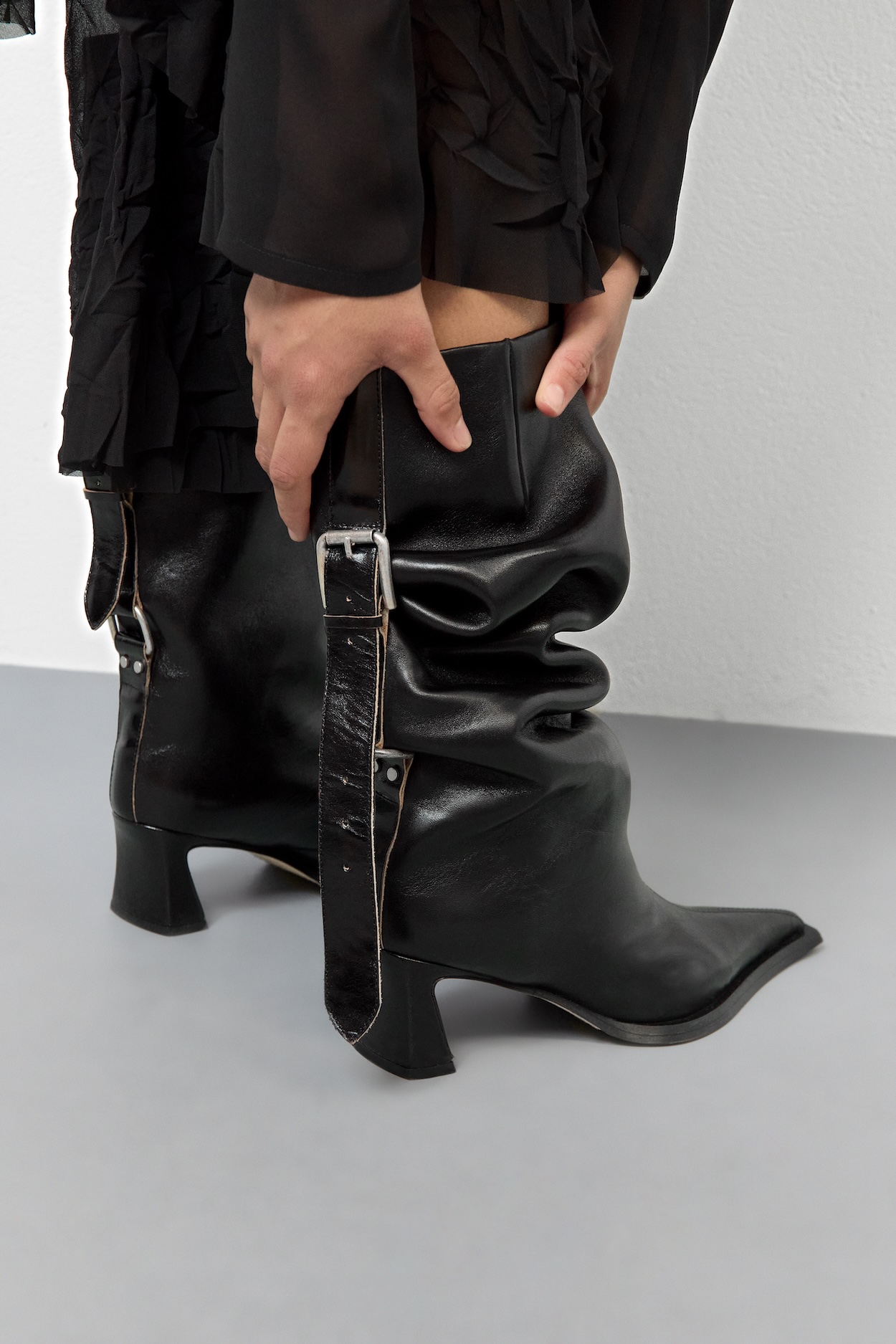
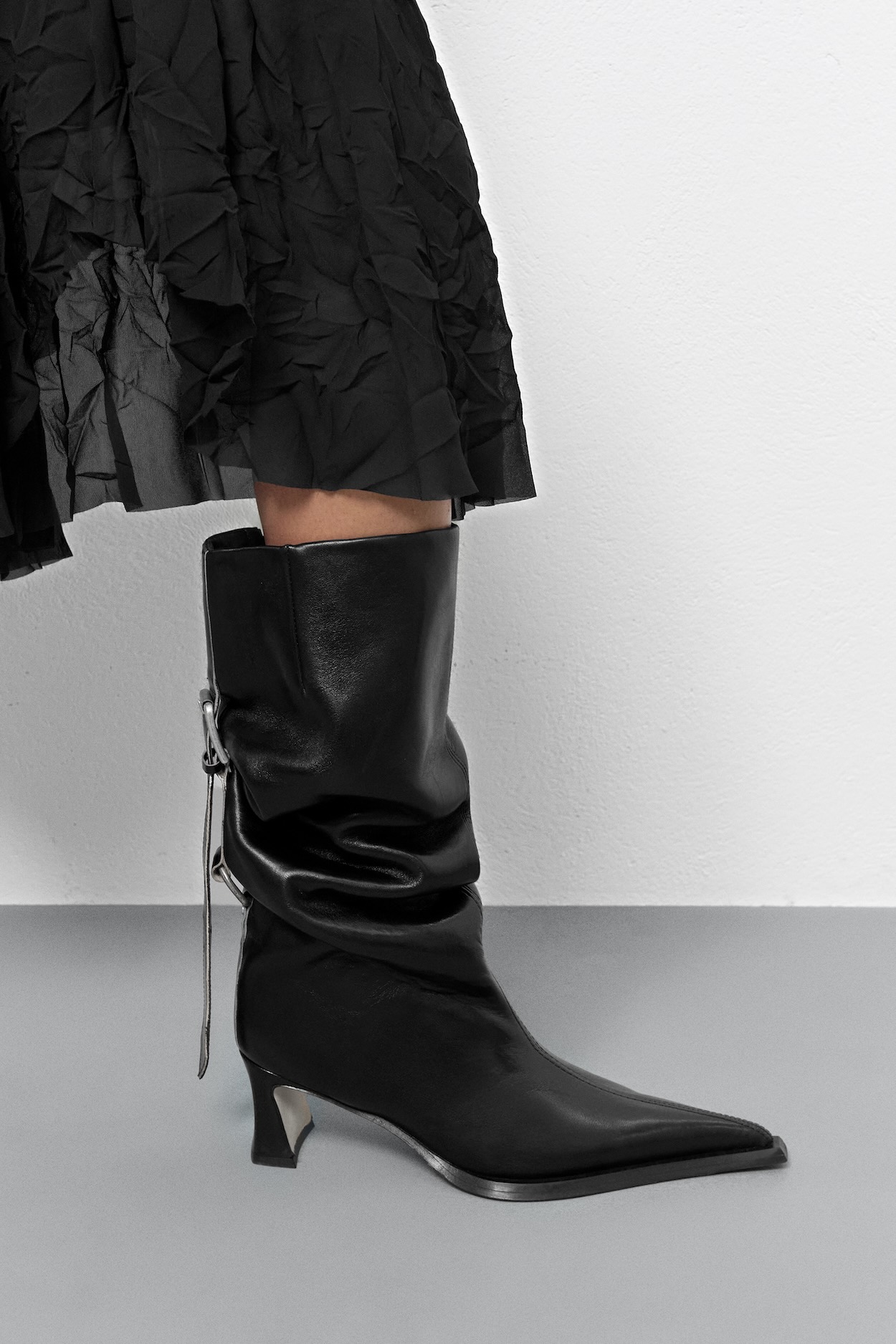
The most important thing you’ve designed to date: Always, what I’m working on currently or what’s coming next, but also, anything multifunctional. Our Charlene Tall boots with long leather buckle straps, and the Karola Boots with laces can be styled into different shapes. Another good example is our voluminous Edwardian inspired Bronte skirt that can be tied with cord pull ties at the sides to reveal the thigh.
My favourite pieces will always be the ones that feel like they offer the potential for new personal freedom of expression. Clothing and shoes that can be worn in multiple ways, depending on the statement the person wearing them wants to make.
We say, “It’s about the way you do, what you do”.
We launched ready-to-wear (RTW) 5 years ago. This felt like the natural next step for us. We had spent years building a clear brand language through footwear. Creating RTW gave us space to expand our storytelling and craft. A new canvas to explore proportion, texture, and movement in a very Miista way. I approach clothing with the same mindset as shoes: led by craft, experimentation, and intention rather than trends. Wearable pieces with a lot of attention to detail. Miista has always been the well-dressed weird one. Like that odd person at school who grew up and got an attitude, who you looked up on Instagram years later and she’s doing something different from the rest. She’s ‘Not the Typical Woman’ and now people are keen to know what she has to say.
Designing RTW allows me to think about how women actually live and dress. I’m always interested and inspired by our customers. Our clothing works in conversation with our footwear, and is made to provoke, sometimes challenge people’s stylistic comfort zones. It’s clothing that wants to assert an attitude, a point of view. But ultimately, we want dressing in Miista to be an empowering experience.
Describe the problem your work solves: Our work helps to keep the craft of fashion alive in Europe and continues to protect, nurture and develop a new generation of craftspeople that can help to build a better fashion industry for the future.
We not only want the fashion industry to survive in Europe but to flourish, to be a hub of excellence: in process, in research and development into the next decade.
Describe the project you are working on now: We’re in the process of launching our new SS26 collection, a season defined by attitude and a playful, quixotic rebellion against conformity. This week, we’re launching a couple of exclusive pieces that capture that spirit:
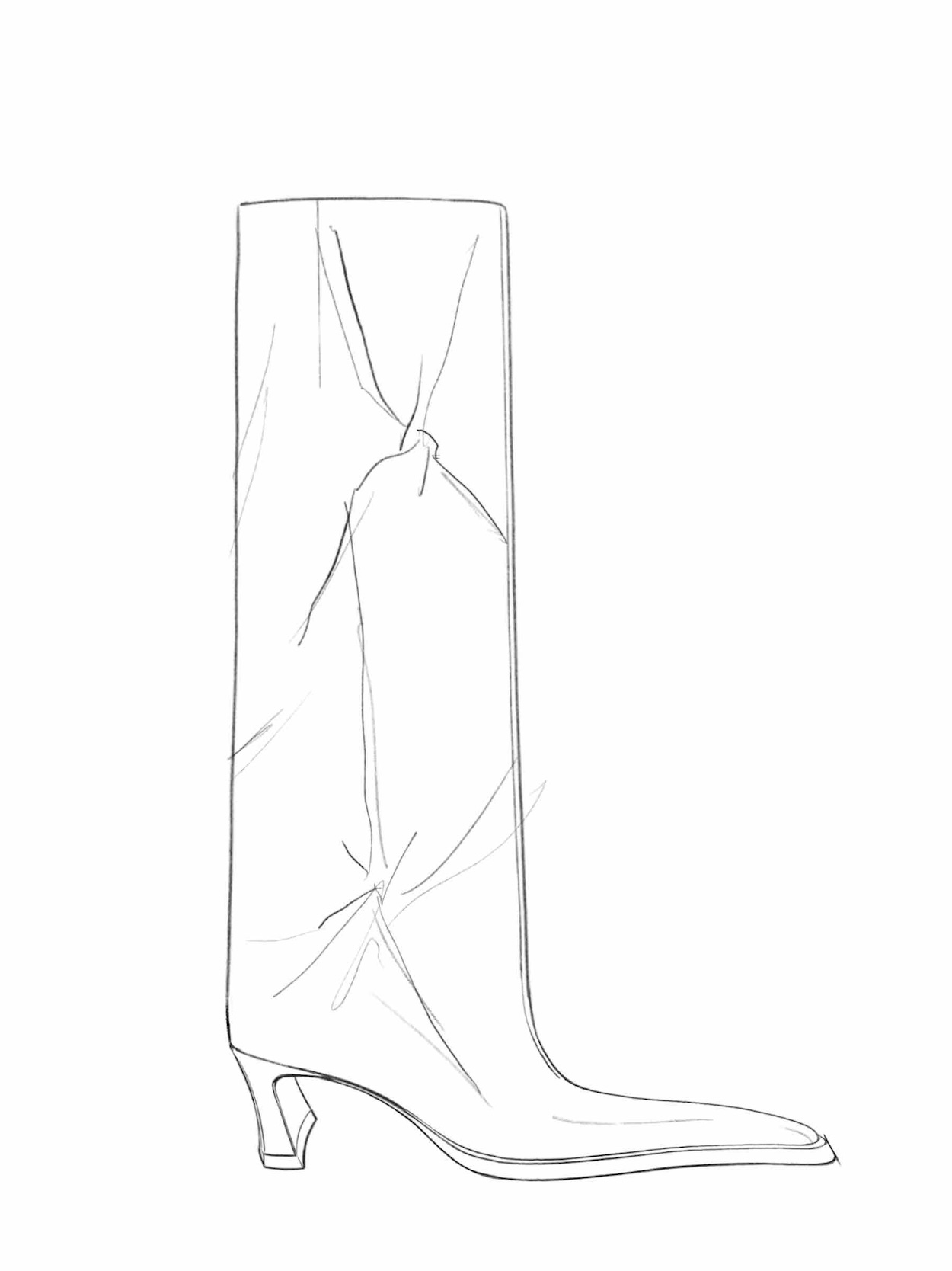
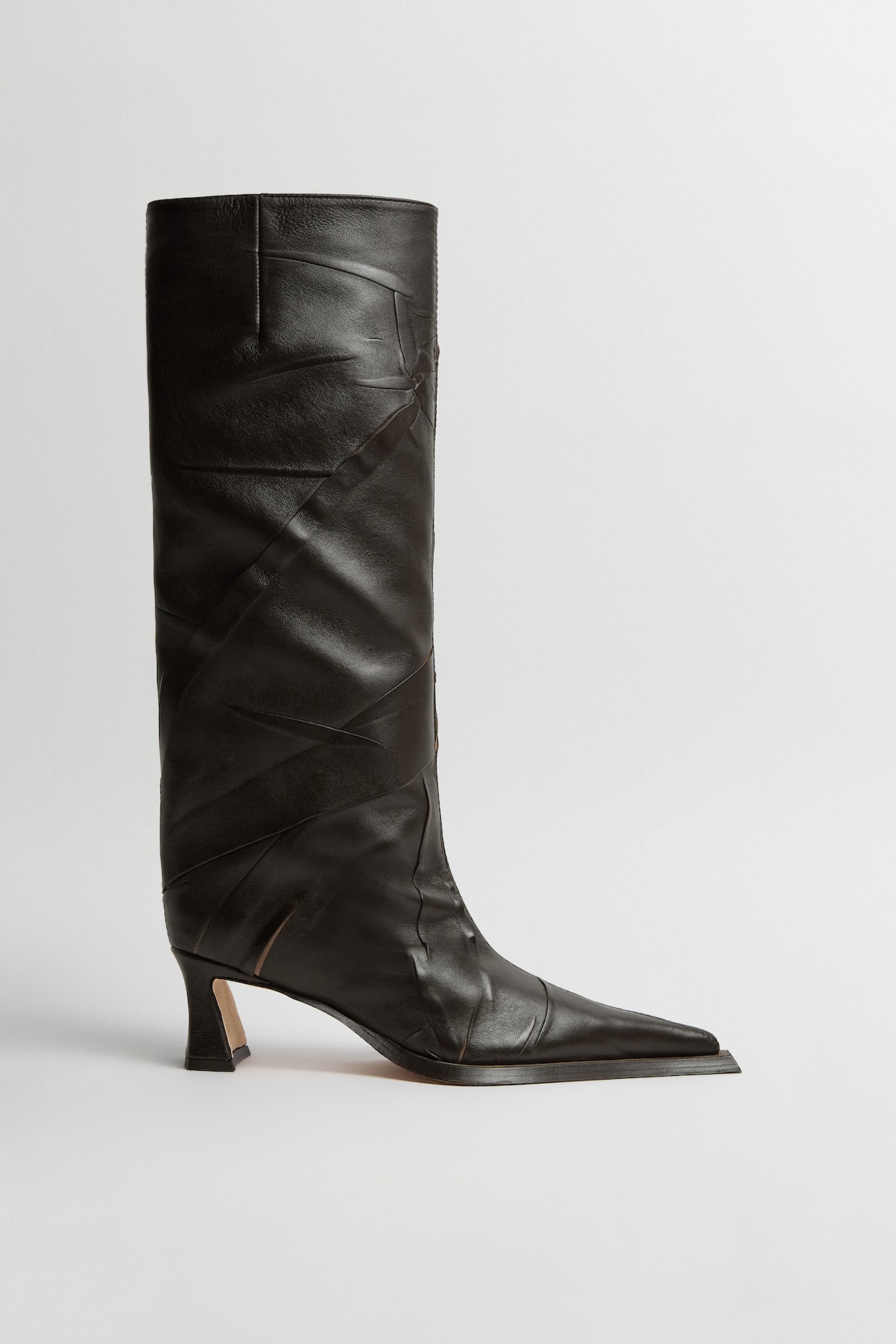
The Sue boots:
- A tall, fitted pull-on boot with a pointed toe, an outsized beak-shaped sole and a slim, sculpted 6 cm heel.
- Crafted in supple brown Nappa leather, its distinctive texture is formed entirely by hand: the suede side of the skin is lightly dampened, twisted between the artisan’s fingers, then left overnight beneath a 10 kg weight to set its natural wrinkles.
- Each pair undergoes a two-stage dyeing process – first on smooth skin, then deepened on the wrinkled surface – creating rich tonal variation and singular imperfections.
- Finished with a vegetable-tanned cow leather lining, an ultra-cushioned memory foam insole and a rubber-injected toe for lasting comfort and durability.
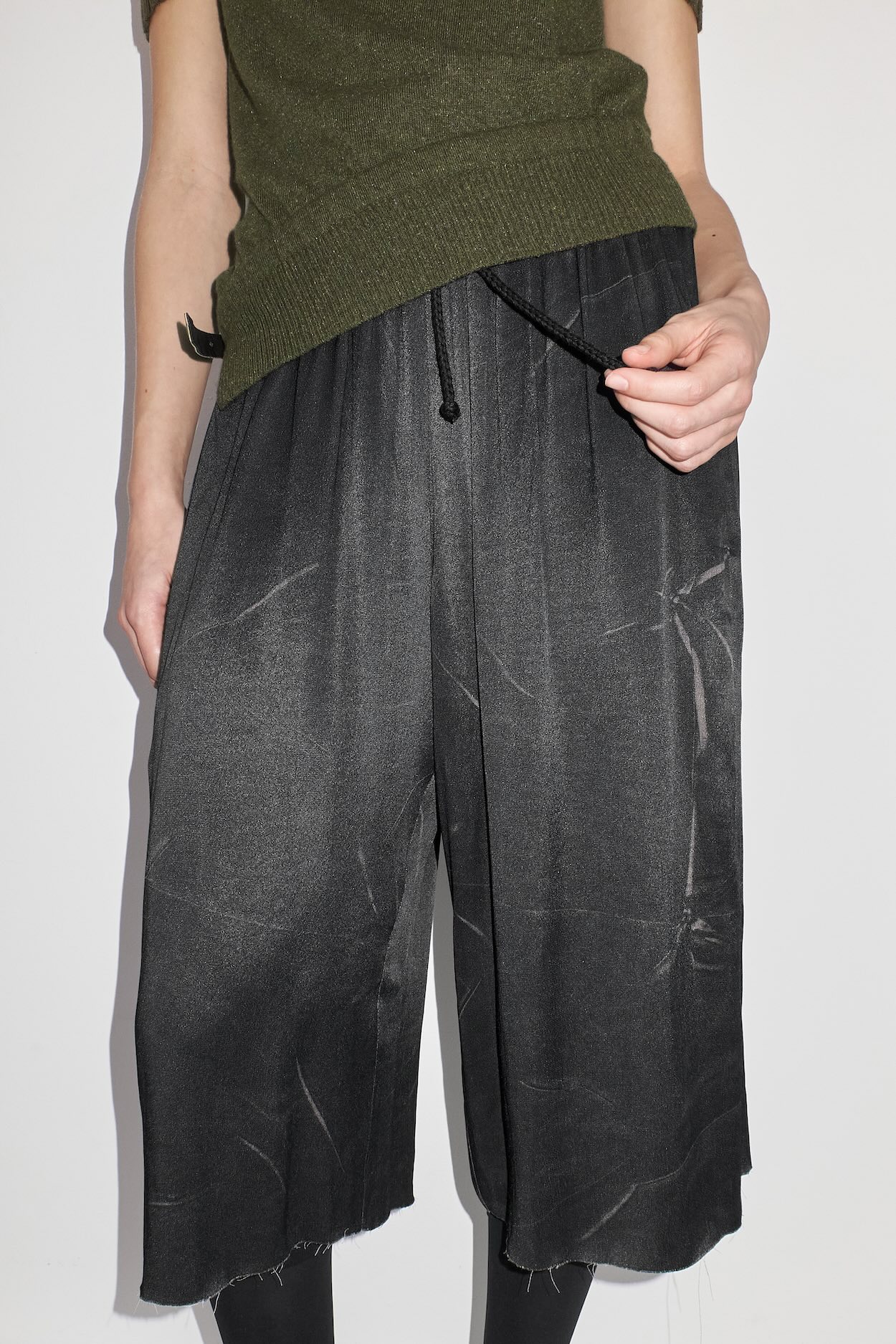
The Salix Shorts:
- Salix reinterprets Miista’s wrinkled leather effect through print. A single twisted leather skin was scanned and transformed into a CAD file, carefully refined and approved before being stamped onto the fabric. The result is a tactile trompe l’oeil surface that captures the organic folds, depth and nuance of the original material. Subtle variations in brown echo the artisanal process behind its creation.
A new or forthcoming project we should know about: We’re working on an exciting set of events in L.A. at the end of the month. We’ll be giving our local community an exclusive preview of our new SS26 collection with a rave inside a clothing factory where they can bring their Miista clothes to be repaired and listen to some nice tunes. All ahead of our soon-to-be announced L.A. store launch, which we are very excited about!
What do you absolutely have to have in your studio: Music, my vintage collection of shoes and clothing, my materials archive, whatever books we’re using at the time for storytelling, and my amazing team of makers ready to take an idea and experiment in construction. These are the people who have the knowledge I need to argue with about what is possible and what is not. But they are always, in the end, ready to make it possible!
What you do when you’re not working: There’s always a lot of work to do, but when my working day finishes, that’s when my resting and enjoyment time starts. These two ideas merge a lot for me. I am a big live music lover, so going to gigs, or you might find me pottering around my garden at the weekend.
Sources of creative envy: I’ve always wanted a band. I tried hard as a teenager. I learnt how to play the guitar! But I was never good enough. So, I think some of my sources of creative envy are musicians with storytelling at the centre of their craft – Kim Gordon, Kim Deal and Patti Smith.