When reflecting upon the movies that have made the Sundance Film Festival a household name, decades of groundbreaking works of fiction likely first come to mind—”Reservoir Dogs,” “Before Sunrise,” “The Blair Witch Project,” “Call Me by Your Name,” “Get Out,” “Hereditary,” and maybe even “Little Miss Sunshine” or “Napoleon Dynamite.” Yet, the festival has long been a launch platform for critically and commercially successful documentary films, including “An Inconvenient Truth,” “Hoop Dreams,” “Grizzly Man,” “Navalny,” and “Paris is Burning.” More than 20 Sundance documentaries have won Oscars—including the 2005 crowd-pleaser, “March of the Penguins.”
Documentary Features that Defined the 2026 Sundance Film Festival
BY DAVID GRAVER February 02, 2026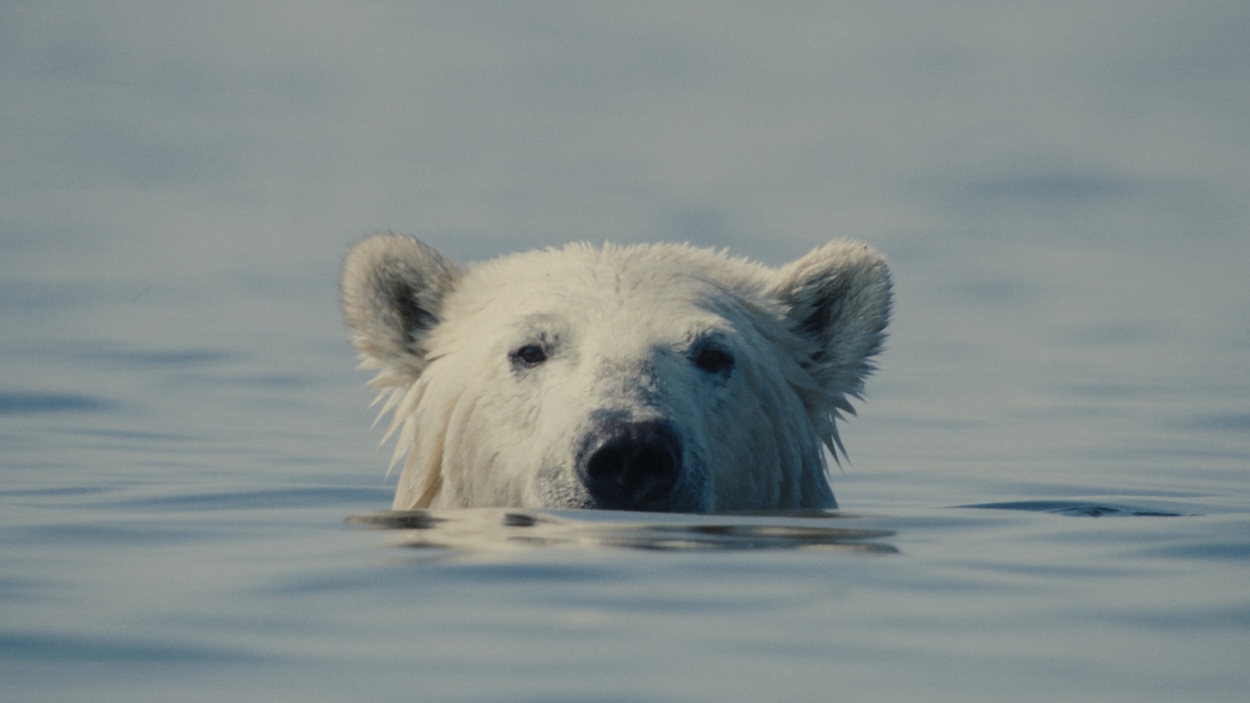
A still from Nuisance Bear by Gabriela Osio Vanden and Jack Weisman, an official selection of the 2026 Sundance Film Festival. Courtesy of Sundance Institute | photo by Gabriela Osio Vanden.
…
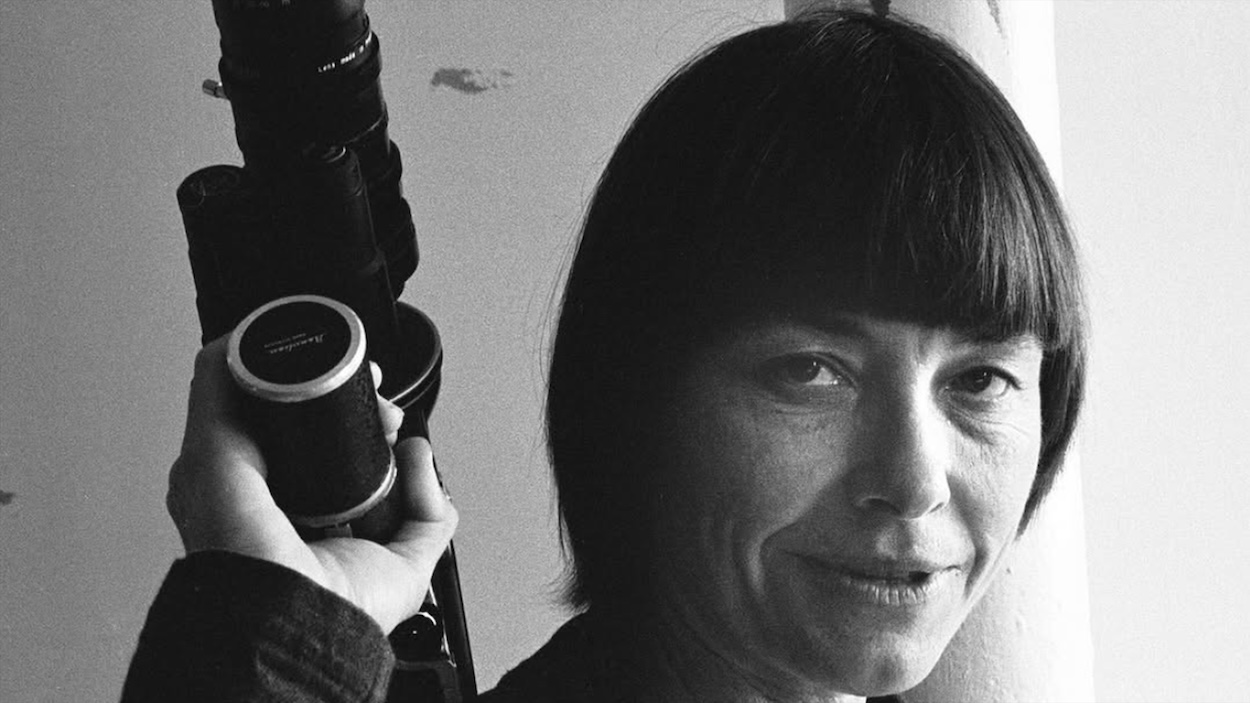
Barbara Hammer appears in Barbara Forever by Brydie O'Connor, an official selection of the 2026 Sundance Film Festival. Courtesy of Sundance Institute | photo by The Estate of Barbara Hammer.
…
This year, an exceptionally strong documentary slate—from John Wilson’s misleadingly titled “The History of Concrete” to the 2026 U.S. Grand Jury Prize–winning documentary, “Nuisance Bear” (both must-sees for their approach to filmmaking)—brought depth and dimension to the category. We saw those, as well as Barbara Forever and Time and Water, at this year’s festival. Directed by Gabriela Osio Vanden and Jack Weisman, “Nuisance Bear” observes the movement of one polar bear as he collides with the local communities in both Churchill, Manitoba, and Arviat, Nunavut. Beautifully depicted, the film explores the influence of modern developments upon the Arctic creatures, as well as on their relationship to Inuit hunters. Fortunately, it will see distribution through A24.
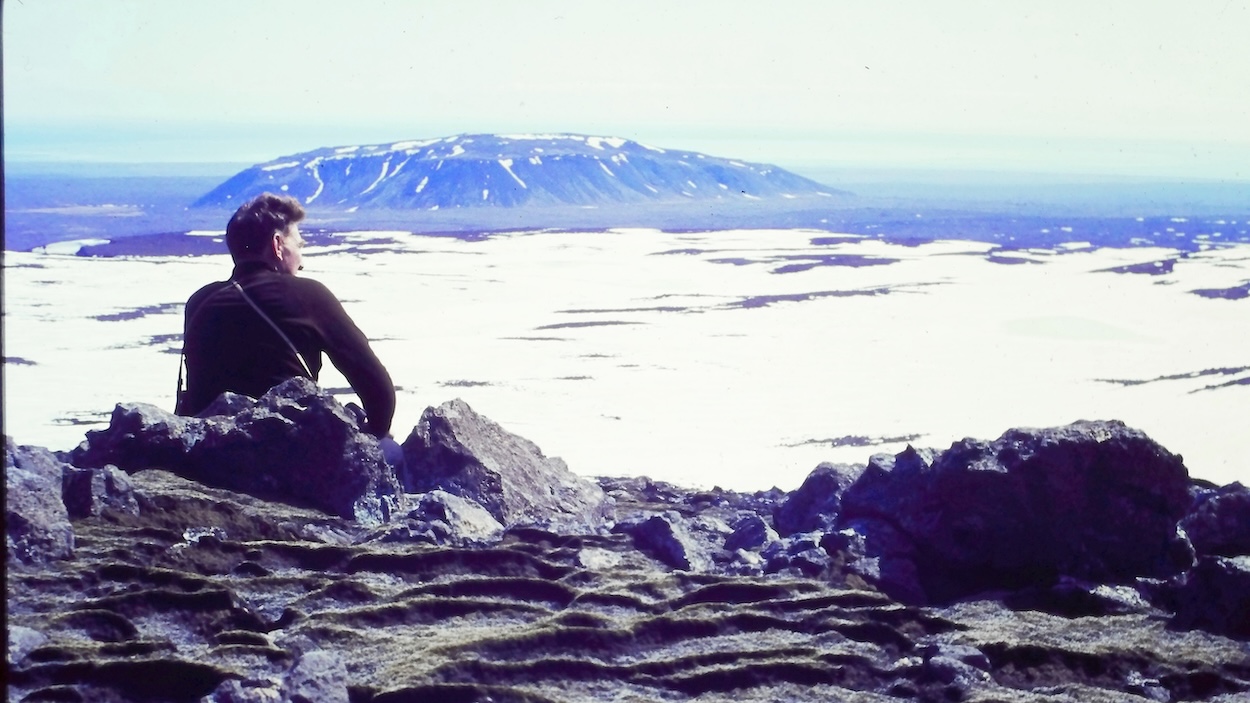
Árni Kjartansson appears in Time and Water by Sara Dosa, an official selection of the 2026 Sundance Film Festival. Courtesy of Sundance Institute | photo by Archival Materials Courtesy of Andri Snær Magnason.
…
Structured as a time capsule for future generations, director Sara Dosa and writer Andri Snær Magnason’s “Time and Water” acts as a poetic love letter to Iceland’s disappearing glaciers, as well as a nuanced portrait of the activist and poet’s deceased grandparents. Magnason’s intention, he states, is for the viewer to know and love glaciers in the way his grandparents loved glaciers. Through archival imagery, home movies, and poetic texture, the filmmakers allow viewers to travel time. It, too, will be released thanks to National Geographic Documentary Films.
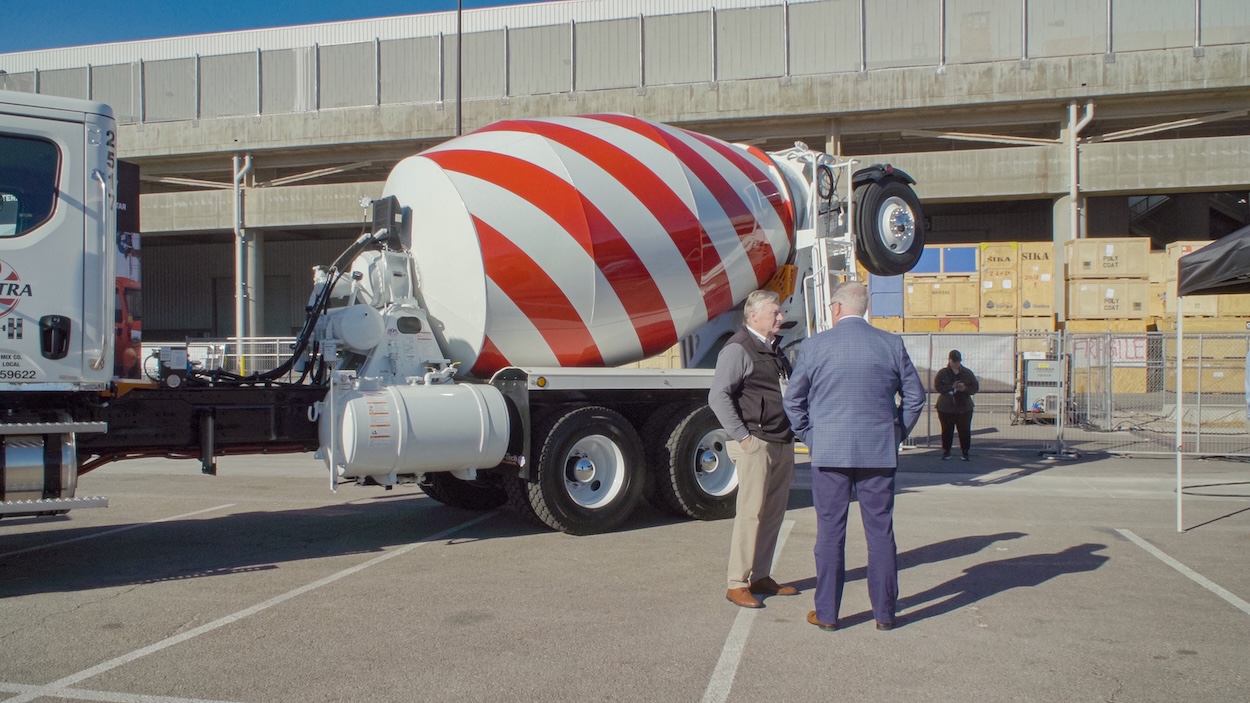
A still from The History of Concrete by John Wilson, an official selection of the 2026 Sundance Film Festival. Courtesy of Sundance Institute. | photo by John Wilson
…
An intimate, moving look at the life and legacy of pioneering filmmaker Barbara Hammer (who had her own film “Nitrate Kisses” premiere at Sundance in 1993), “Barbara Forever” channels the artist’s wisdom, wit, and voice. Director Brydie O’Connor’s portrait brims with insight and inspiration as it brings layers of a seminal queer figure to light. The film, which won the festival’s Jonathan Oppenheim Editing Award, has yet to find distribution.
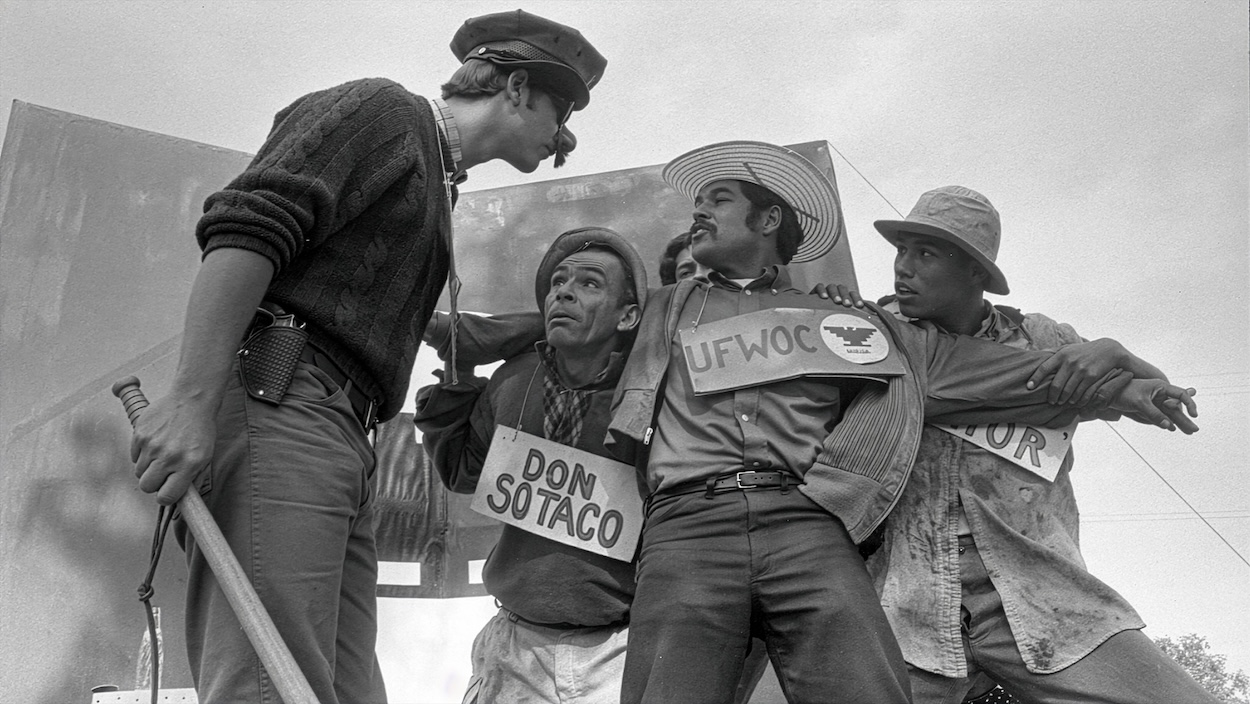
Luis Valdez, Felipe Cantu, and Danny Valdez appear in American Pachuco: The Legend of Luis Valdez by David Alvarado, an official selection of the 2026 Sundance Film Festival. Courtesy of Sundance Institute and The Tom & Ethel Bradley Center at California State University, Northridge.
…
To have attended the world premiere of “The History of Concrete” was an event itself, with the director (much loved for his HBO docuseries, “How To with John Wilson”) on-hand to usher in the screening. Though concrete aficionados may find the film lacking, fans of Wilson’s comedic, tangential philosophizing will delight. If time had allowed, we would have also seen the Courtney Love doc, “Antiheroine;” the Indigenous ancestral remains repatriation film, “Aanikoobijigan;” and this year’s Festival Favorite Award Winner, “American Pachuco: The Legend of Luis Valdez.”