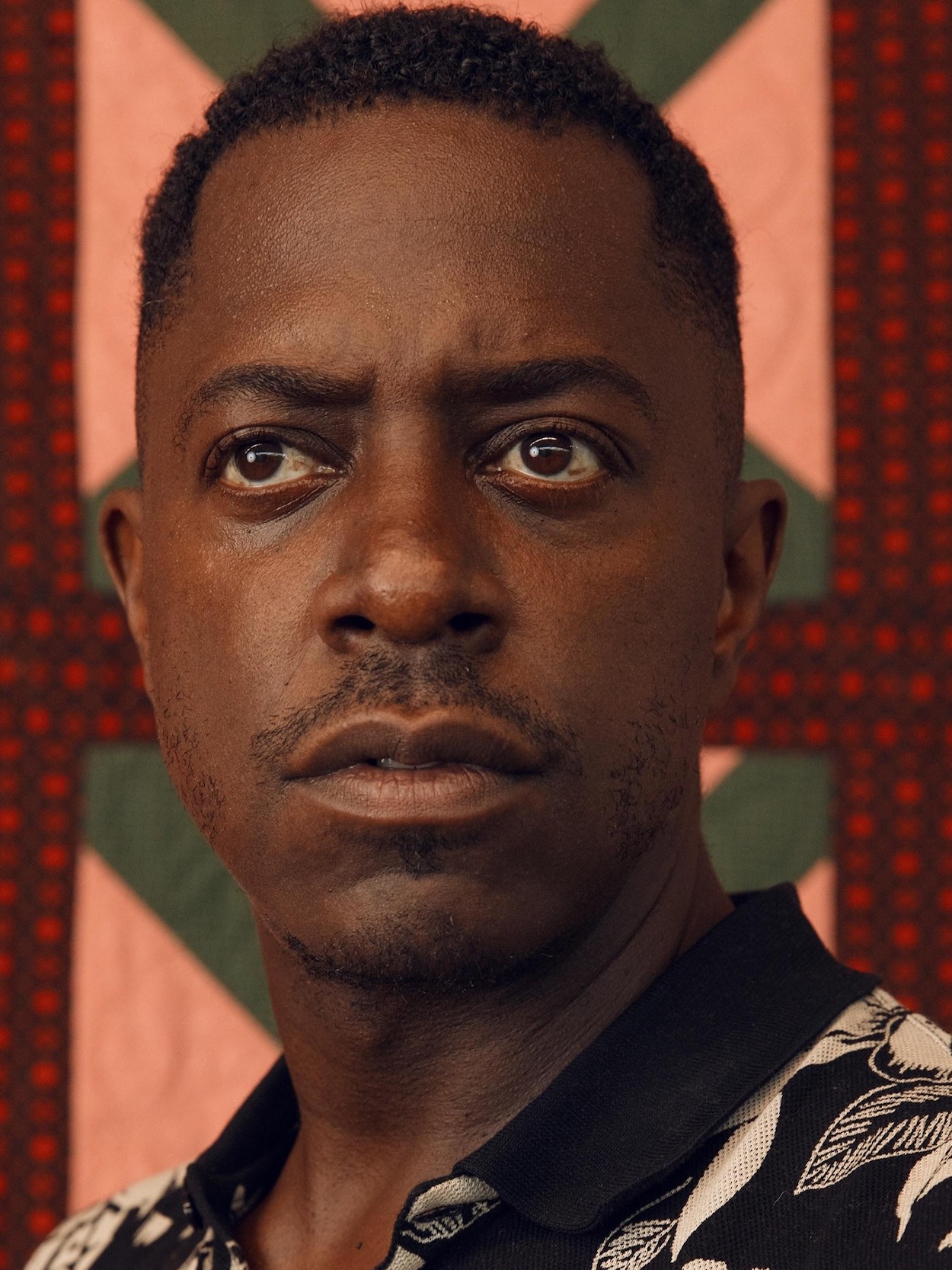
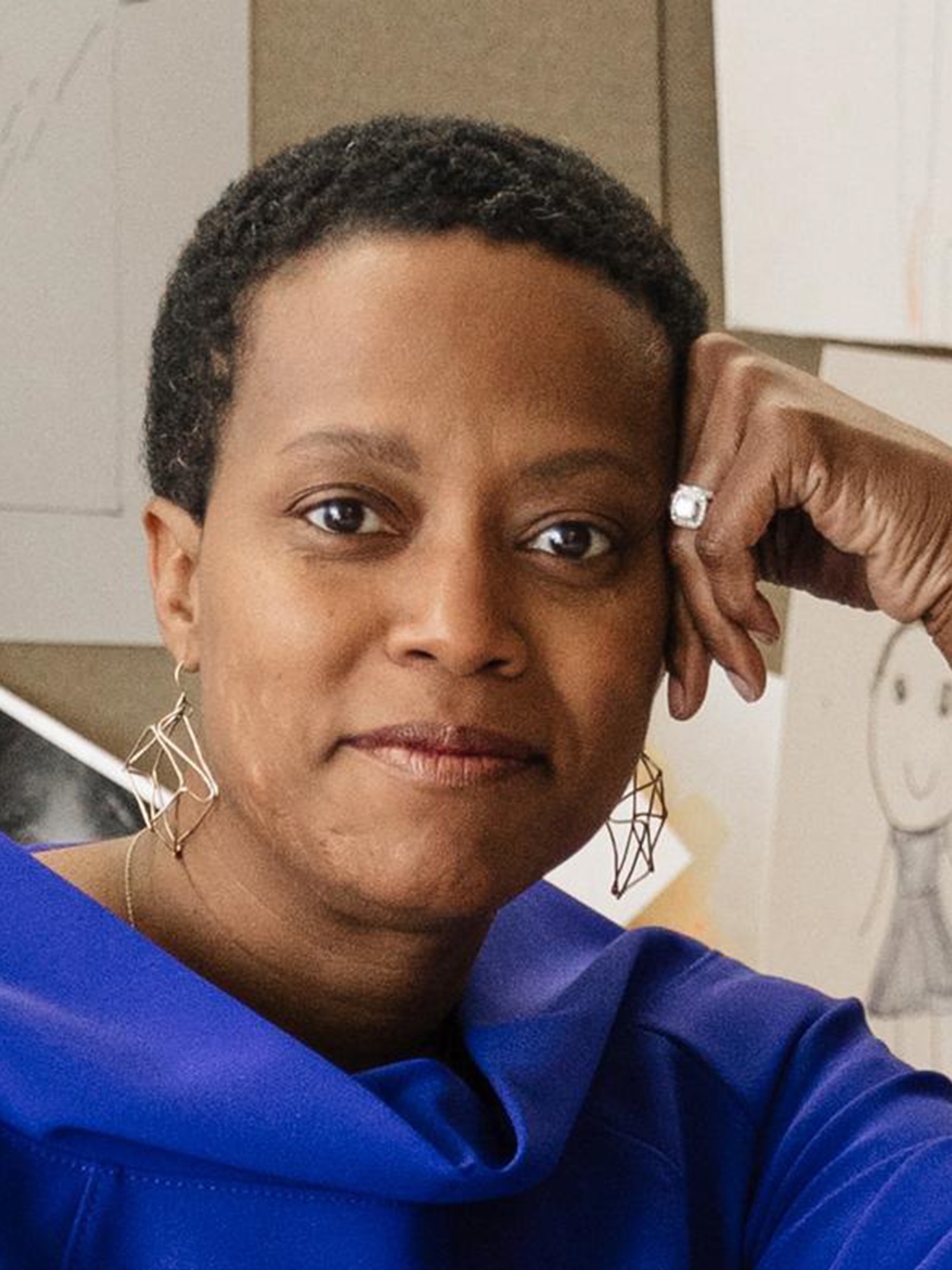
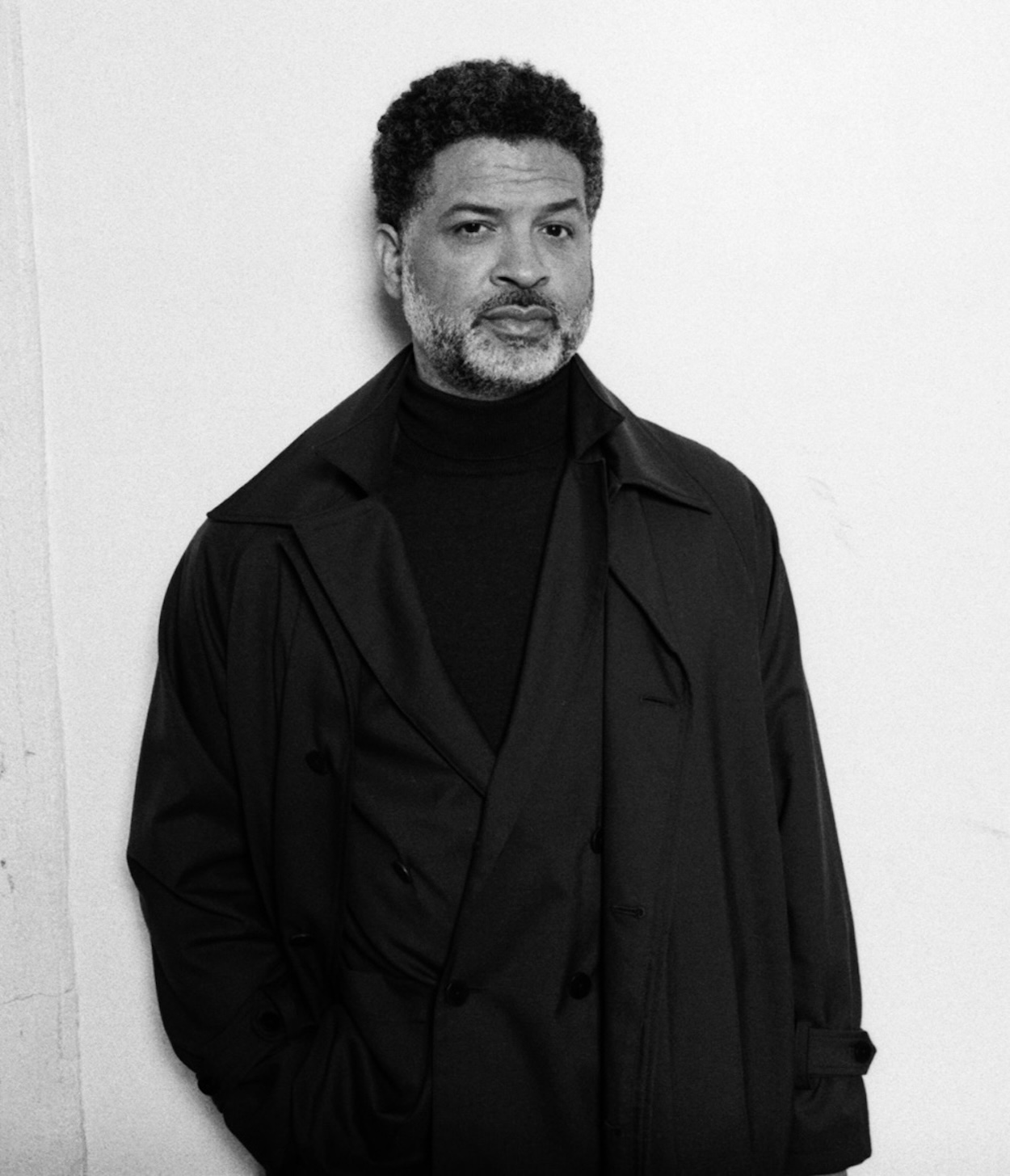
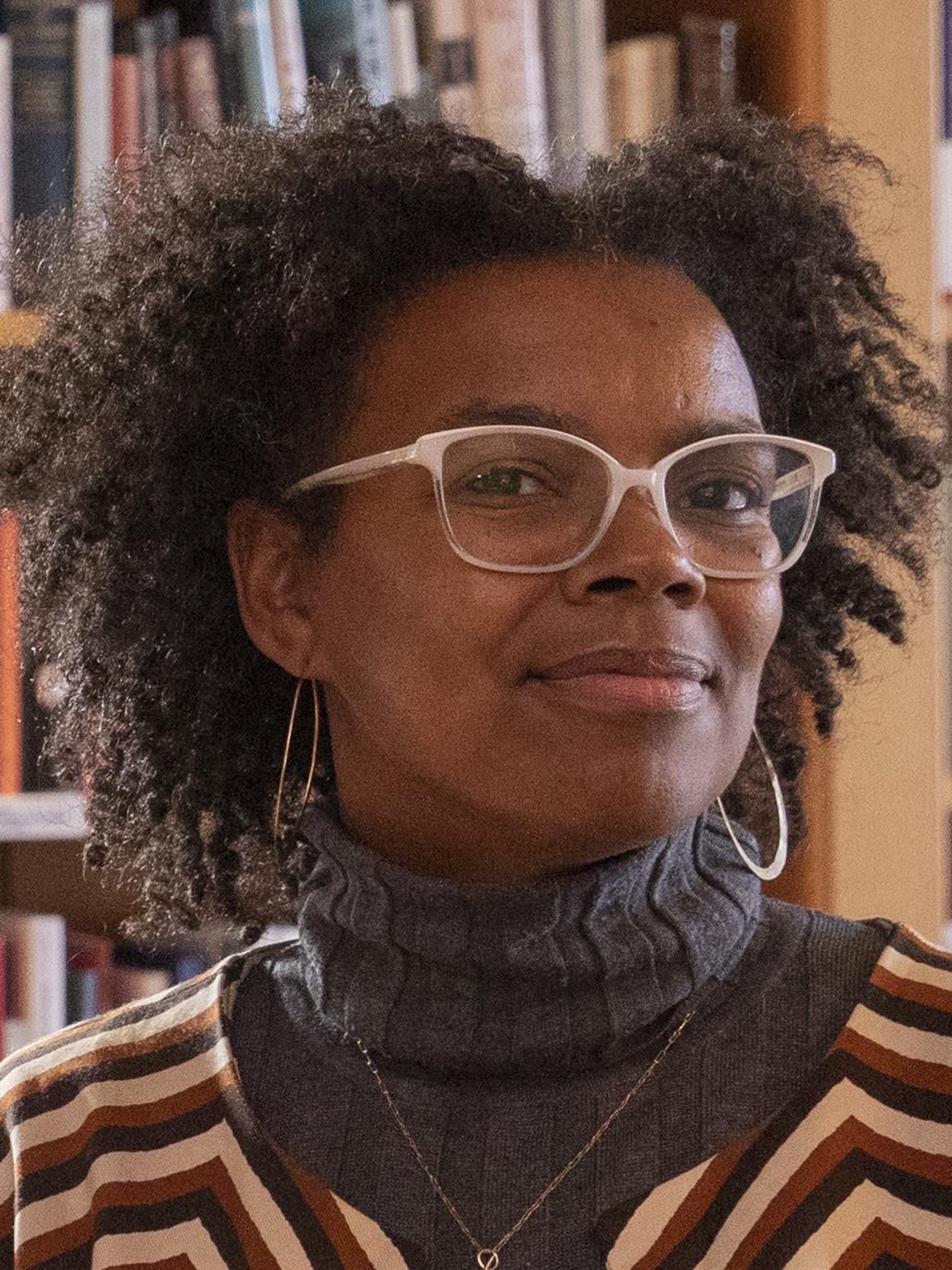
A gesture of cultural magnitude that would have pleased the late photographer Gordon Parks himself, the Gordon Parks Foundation celebrates its 20th anniversary this year by introducing a music fellowship, alongside its existing honors for artists and writers. Set to recognize a musician, composer, sound-based artist, or scholar, this year’s accolade goes to acclaimed jazz pianist and composer Jason Moran. The prolific musician joins acclaimed artists Sanford Biggers and Amanda Williams, as well as professor Leigh Raiford, as 2026 recipients. All four fellowships include resources to support a new or ongoing project—and each will fellow will be acknowledged at an upcoming gala on May 19 that will honor Elizabeth Alexander, Chance the Rapper, John Legend, Henry Taylor, and Lonnie Ali.
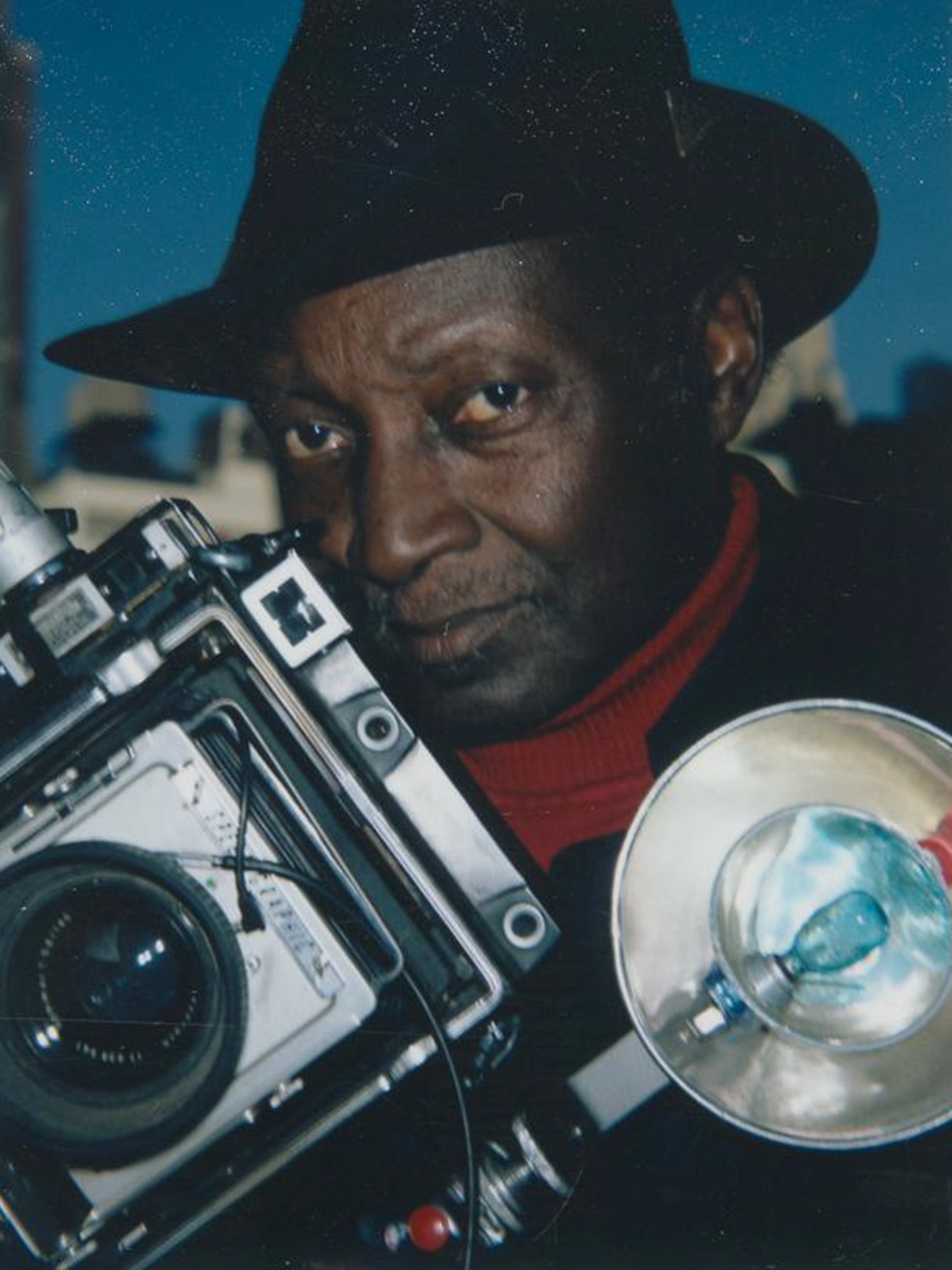
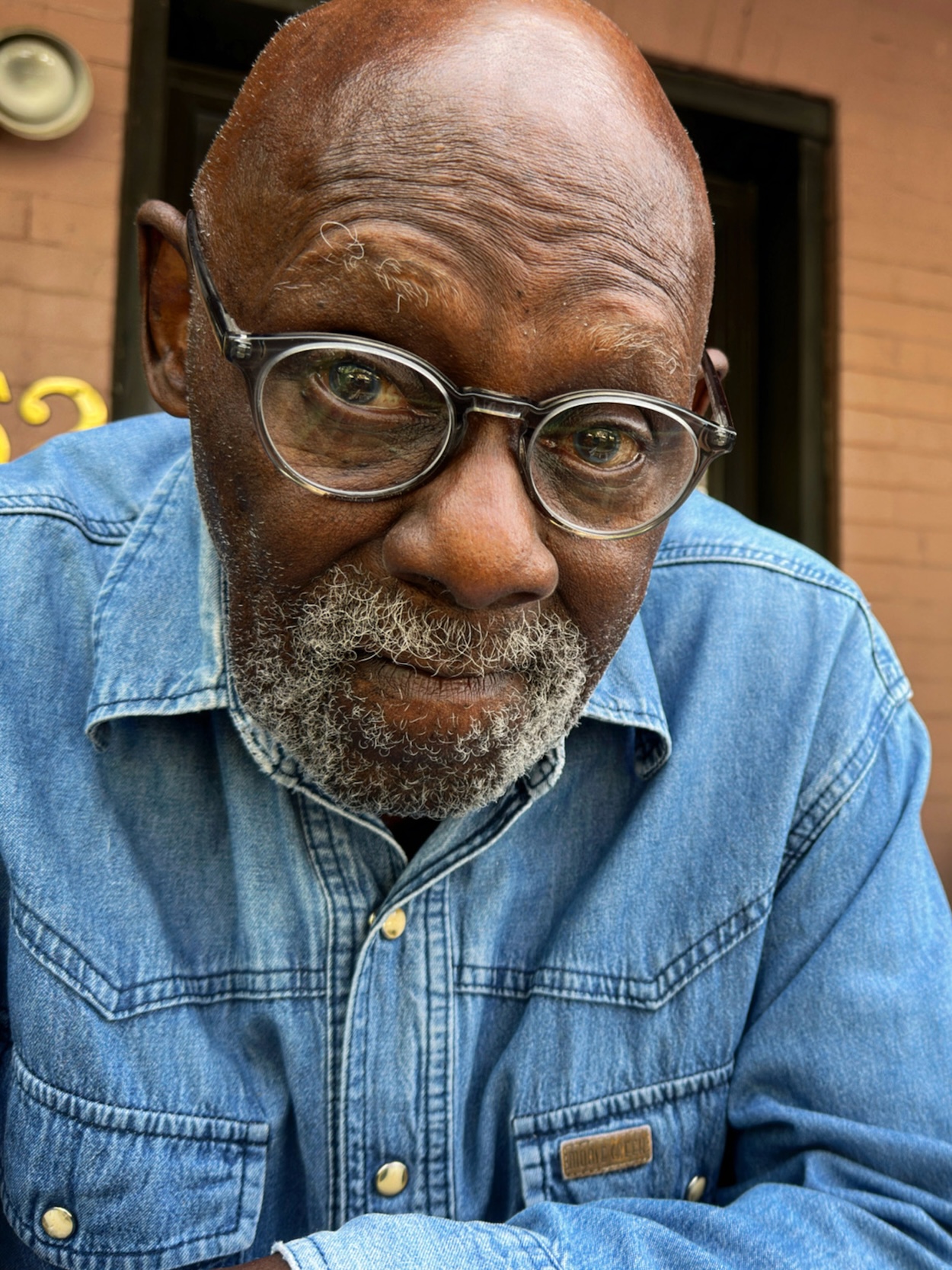
For the second year in a row, the Gordon Parks Foundation Legacy Acquisition Fund will acquire work for the Foundation’s collection. This year, significant pieces will be acquired by Darryl Cowherd and Louis Mendes. Moves like this mirror Parks’ own mission to employ art in “the common search for a better life and a better world” and to support a new generation of artists committed to social justice. Peter Kunhardt Jr., the Gordon Parks Foundation’s Executive Director, sees this next generation as stewards for Parks’ legacy of activism. He spoke with Surface to shed light on this year’s fellows and the milestone anniversary.
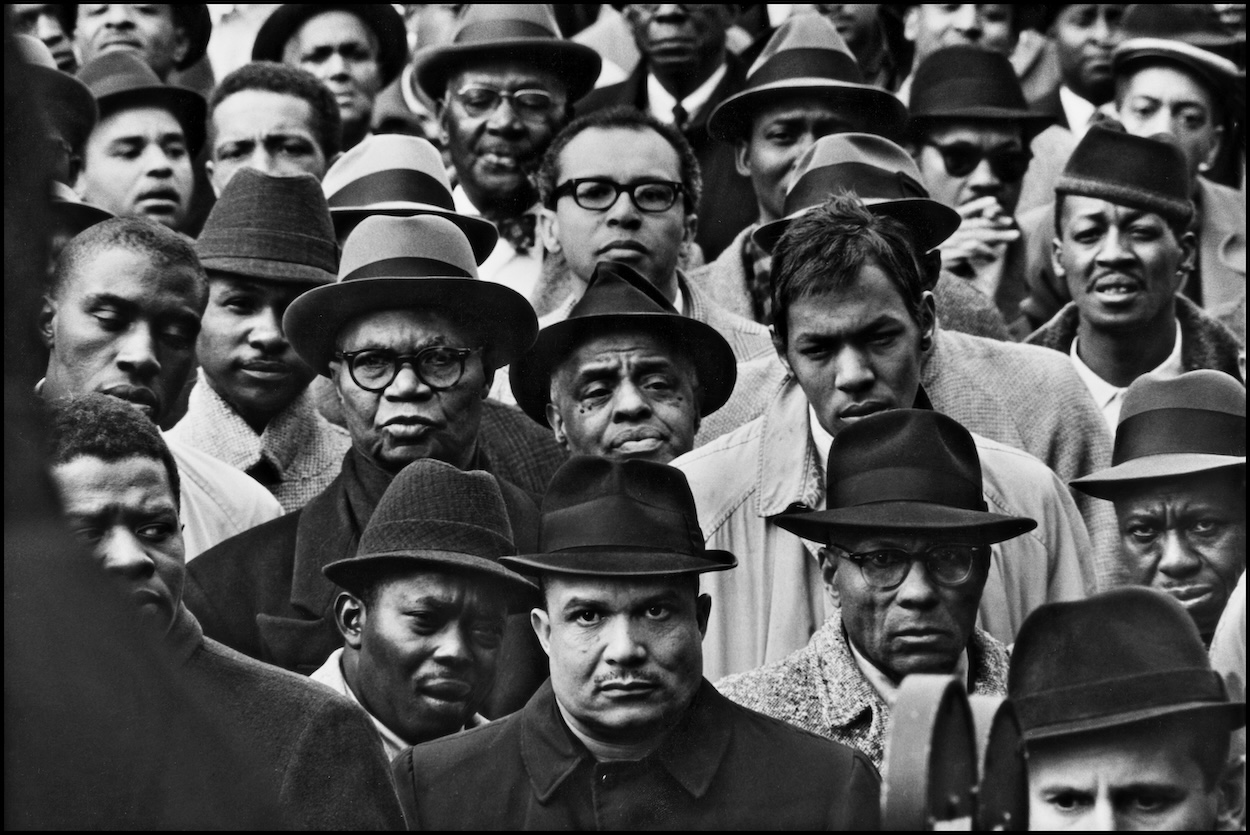
Gordon Parks, Black Muslim Rally, Harlem, New York, 1963…
The Gordon Parks Foundation fellowships were inspired by a pivotal opportunity Parks himself received early in his career. How does that origin story continue to shape the way the Foundation thinks about support and long-term investment in artists today?
Gordon Parks’ career was launched thanks to early support that he received from the Julius Rosenwald Fund. The fellowship he received in 1942 allowed him to move to Washington, D.C. and apprentice under Roy Stryker at the Farm Security Administration, where photographers were tasked with documenting the impact of the war on the daily life of Americans.
This fellowship gave Gordon a sense of purpose and confidence he needed as a young artist and paved the way for him to understand art as a catalyst for social justice. Today, the Gordon Parks Foundation’s Fellowship programs honor this history, as well as Gordon’s lifelong commitment to supporting and collaborating with fellow artists and activists. Our fellowship programs support artists, writers, and musicians working at the intersection of art and activism.
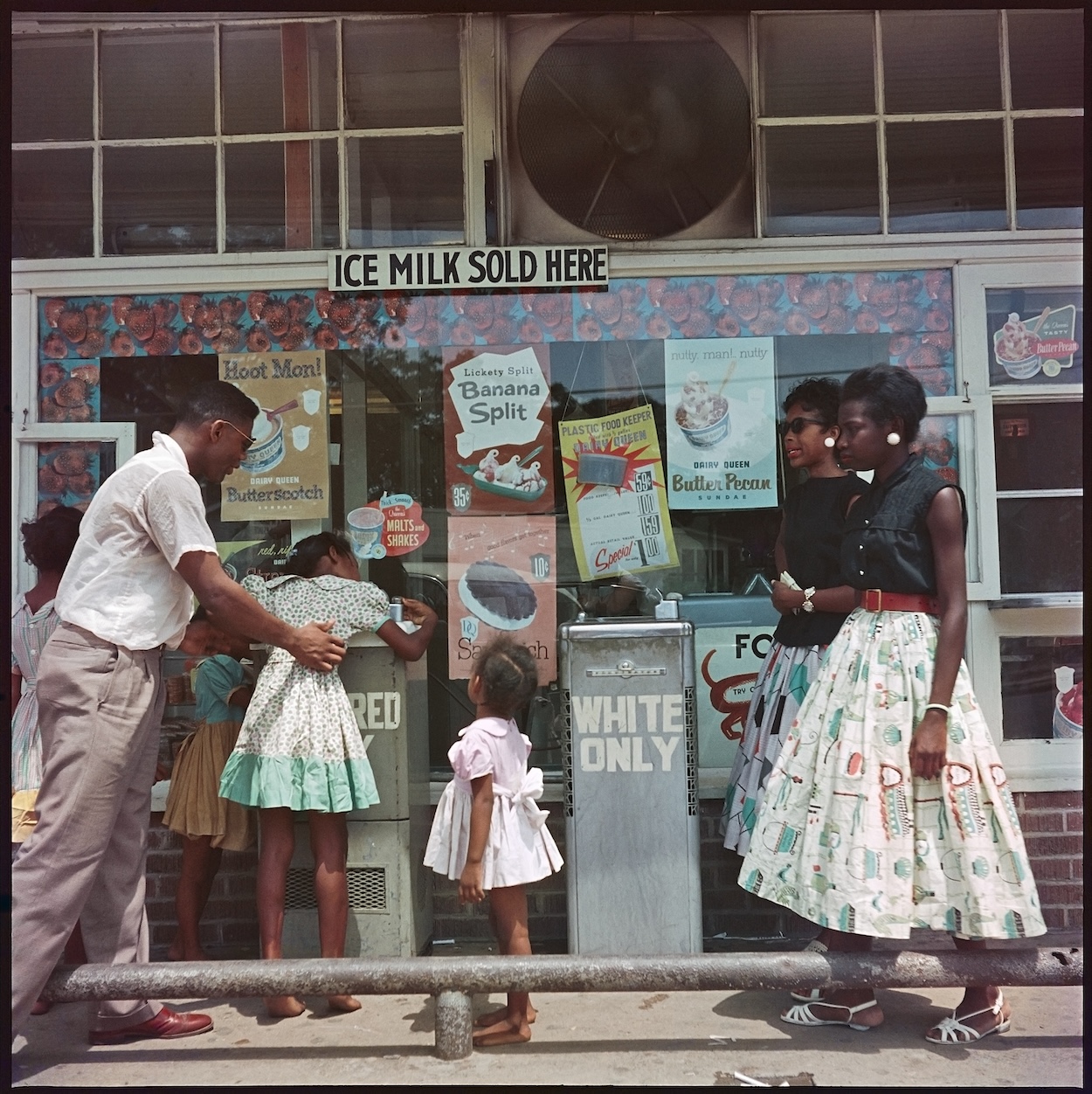
Gordon Parks, At Segregated Drinking Fountain, Mobile, Alabama, 1956…
This year marks the introduction of the inaugural Gordon Parks Foundation Fellowship in Music. Why is this the right moment to recognize music as part of the Foundation’s fellowship ecosystem? How does Jason Moran’s practice embody Parks’ own multidisciplinary legacy?
Gordon is often labeled as a “Renaissance Man” given his impactful work across several disciplines, including photography, film, writing, and music. As our fellowship program aims to support artists following in his footsteps, it only made sense for us to extend this support to the field of music. As in photography, Gordon never received formal training in music, but went on to compose orchestra works and scores for several films. Jason Moran—a pianist, composer, and performance artist—is someone whose work echoes the ongoing legacy of Gordon Parks.
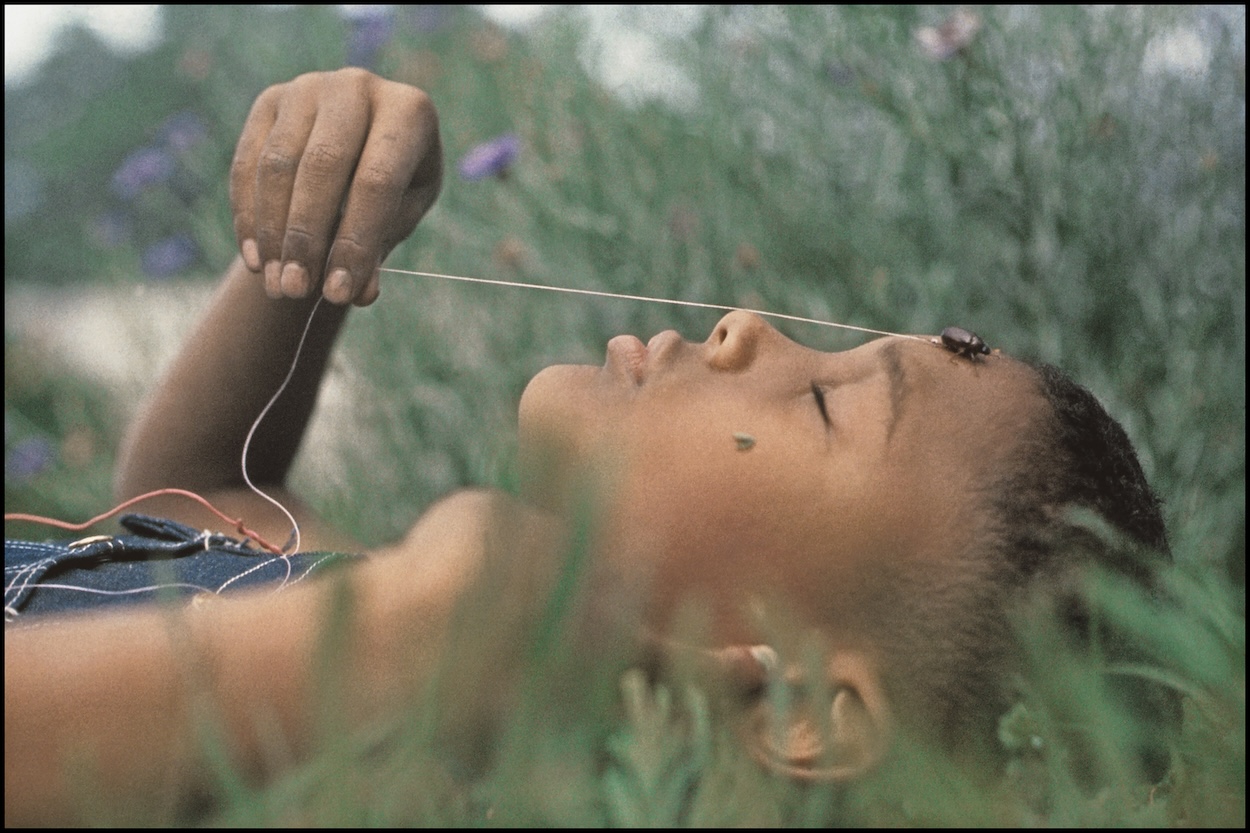
Gordon Parks, Boy with June Bug, Fort Scott, Kansas, 1963…
What connective tissue do you see between the fellows’ interdisciplinary practices? How did this guide the Foundation’s selection process?
All of our artists and writers are following in the footsteps of Gordon Parks and working at the intersection of art and activism. Their work challenges how we perceive the world around us.
The Legacy Acquisition Fund focuses on mid- and late-career artists connected to Parks’ artistic networks. How does expanding the Foundation’s permanent collection through this fund deepen public understanding of Parks’ life and the broader history of 20th-century photography?
There will come a time where the artists who knew and worked with Gordon have all left us; we must honor and support them now and share their stories. The Legacy Acquisition Fund allows us to build a collection alongside Gordon Parks’ archive that’s available for study, research, and exhibition. That collection not only allows for a greater understanding of the broader network of artists working at the time, it also sheds light on the historic period that is the focus of Parks’ own work.
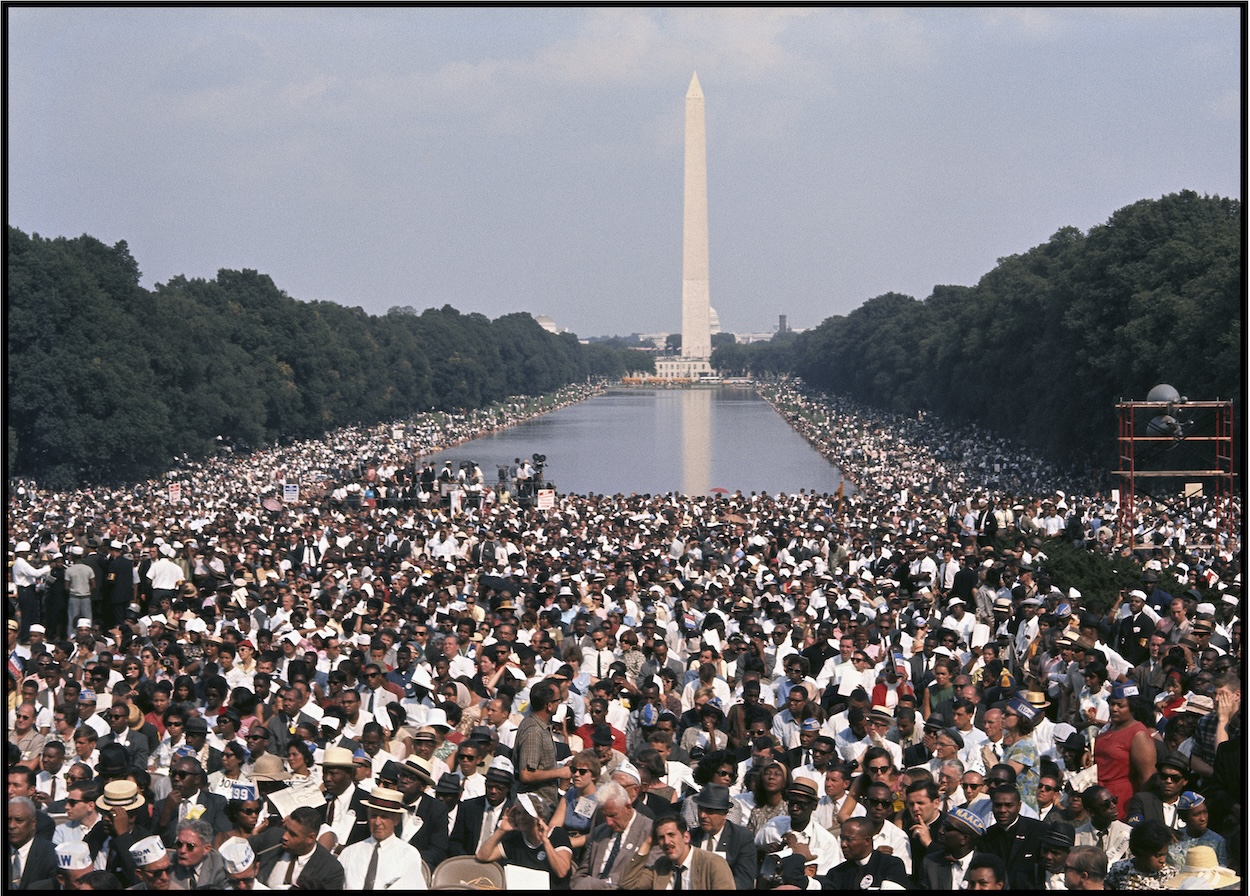
Gordon Parks, Untitled, Washington, D.C., 1963…
The fellowships culminate in solo exhibitions at the Foundation’s gallery in Pleasantville. What role do these exhibitions play in the Foundation’s broader mission of education and public engagement, particularly for audiences outside major art capitals?
Our gallery functions as an experimental space where the artists can explore opportunities and ideas that are the culmination of their fellowship. For example, a few years ago Tyler Mitchell turned the gallery into his childhood living room with wall-to-wall orange carpeting; Deana Lawson and Derrick Adams, who both received fellowships in 2017, worked on a collaborative show; and LaToya Ruby Fraizer transformed the space into a film screening space. Additionally, many of the artists use the Gordon Parks archive as a resource for their exhibition.