Here, we ask designers to take a selfie and give us an inside look at their life.
Occupation: Architects & Interior Designers
Instagram: @hollandharvey
Hometown: Southwest of England (both)
Studio Location: Hackney, East London
Describe what you make: We design architecture and interiors that aim to have a positive social and environmental impact. Our work is grounded in hospitality, creating spaces that feel intuitive, generous, and connected to their context.
Much of what we do involves working with existing buildings. We’re particularly interested in the opportunities within heritage, retrofit, and adaptive reuse, where constraints often lead to more considered and resourceful design.
Based in East London, we operate internationally across hospitality and residential projects, collaborating with local partners to deliver work that is both globally informed and locally grounded. As a Certified B Corporation, our approach is guided by a commitment to people, place and long-term value.
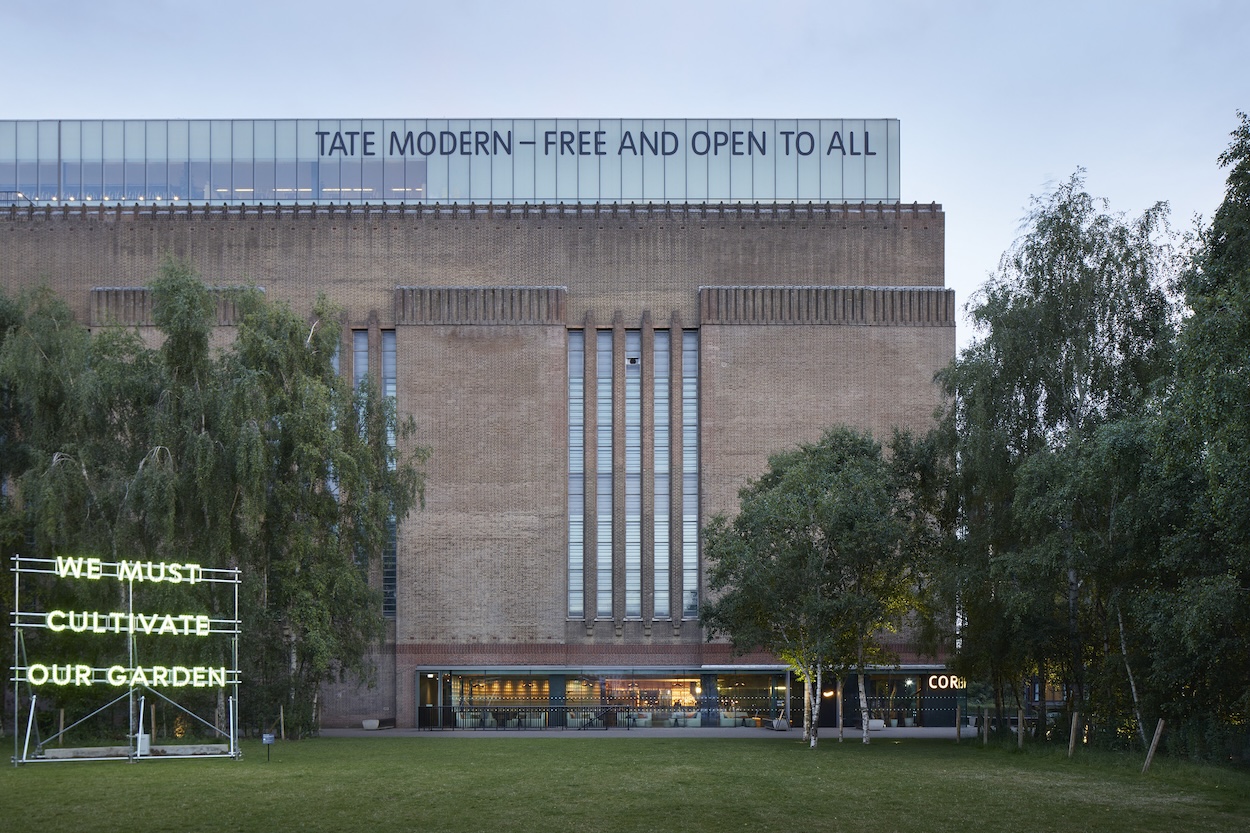
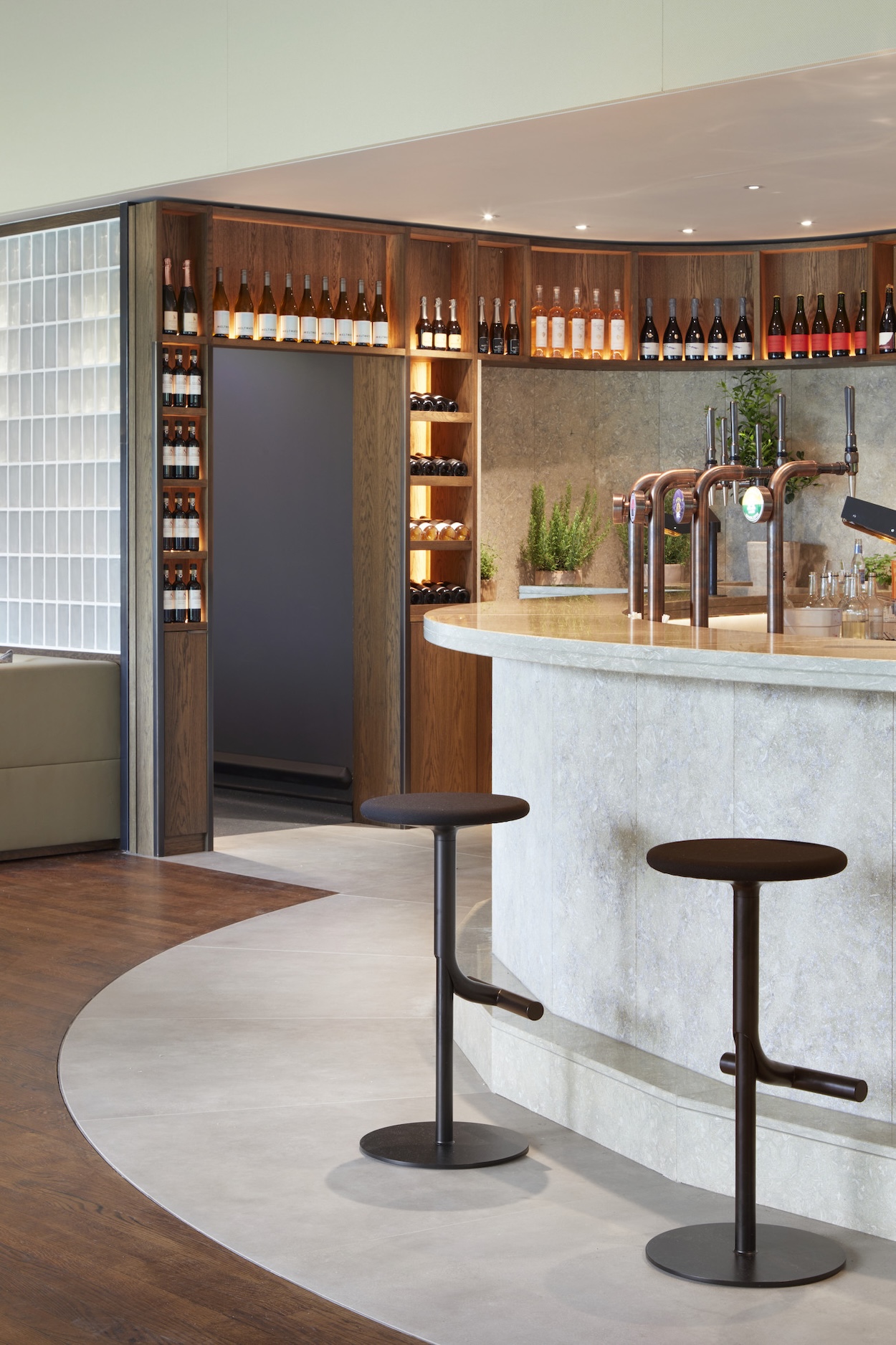
The most important thing you’ve designed to date: Corner at Tate Modern stands out as a defining project for us. It was a landmark moment, both in terms of the client and the setting, but also because it was secured and delivered entirely on the basis of shared values.
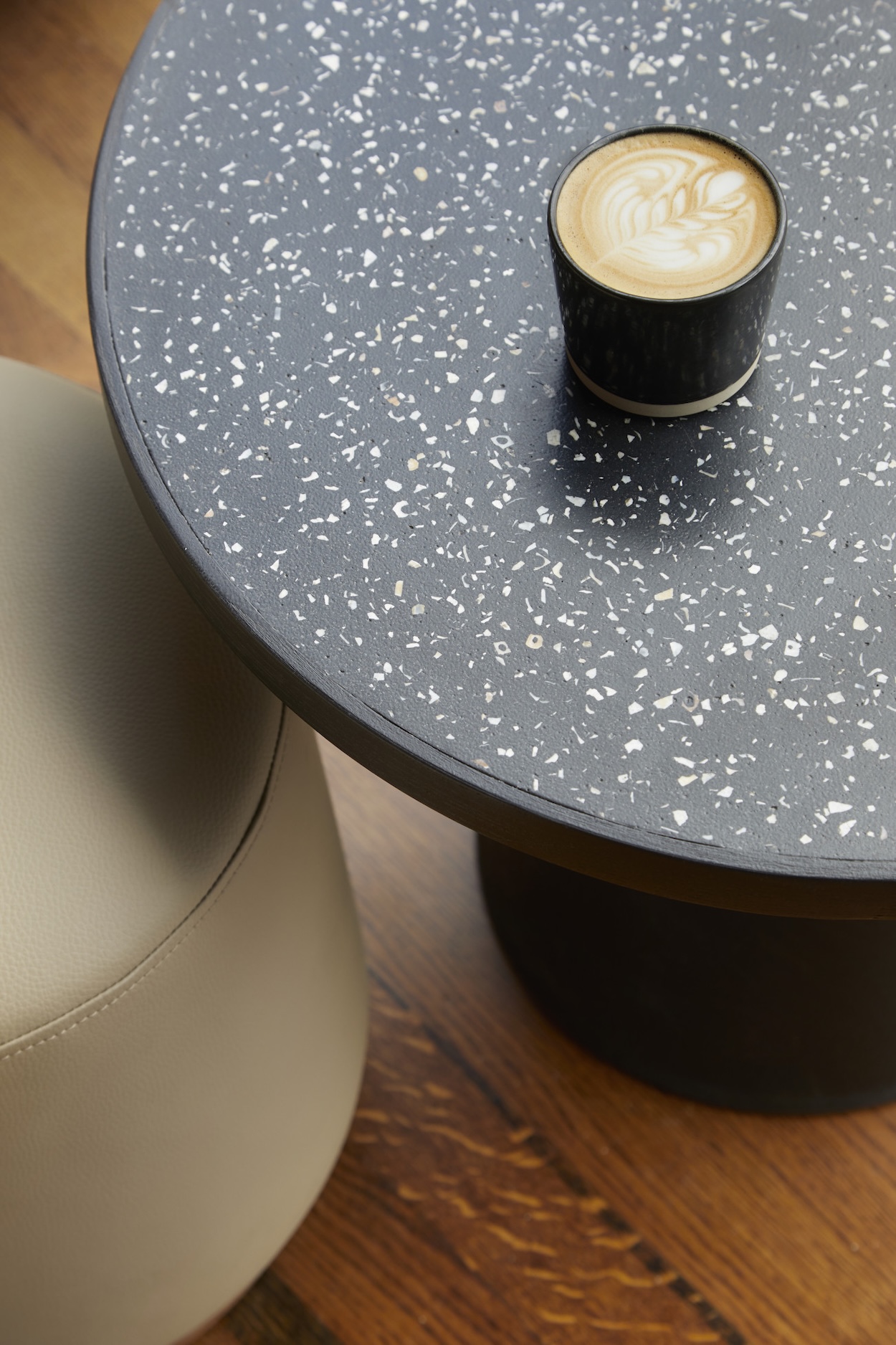
The project brings together many of the things that underpin our work. It demonstrates how social and environmental impact can sit at the centre of a commercial hospitality space, and how design can support a broader cultural and civic purpose. For example, many of the tables were fabricated using recycled materials, working with local makers to reduce waste and embed circular thinking into the project.
A close second would be our work with our longstanding clients, the homelessness charity Shelter from the Storm. That project reflects our ongoing commitment to the third sector and the 1% pledge that has shaped our approach as a practice and informed our journey towards becoming a Certified B Corporation.
Describe the problem your work solves: We’re interested in how design can carry more meaning and responsibility. Much of the built environment, particularly in hospitality, can feel generic and disconnected from its context.
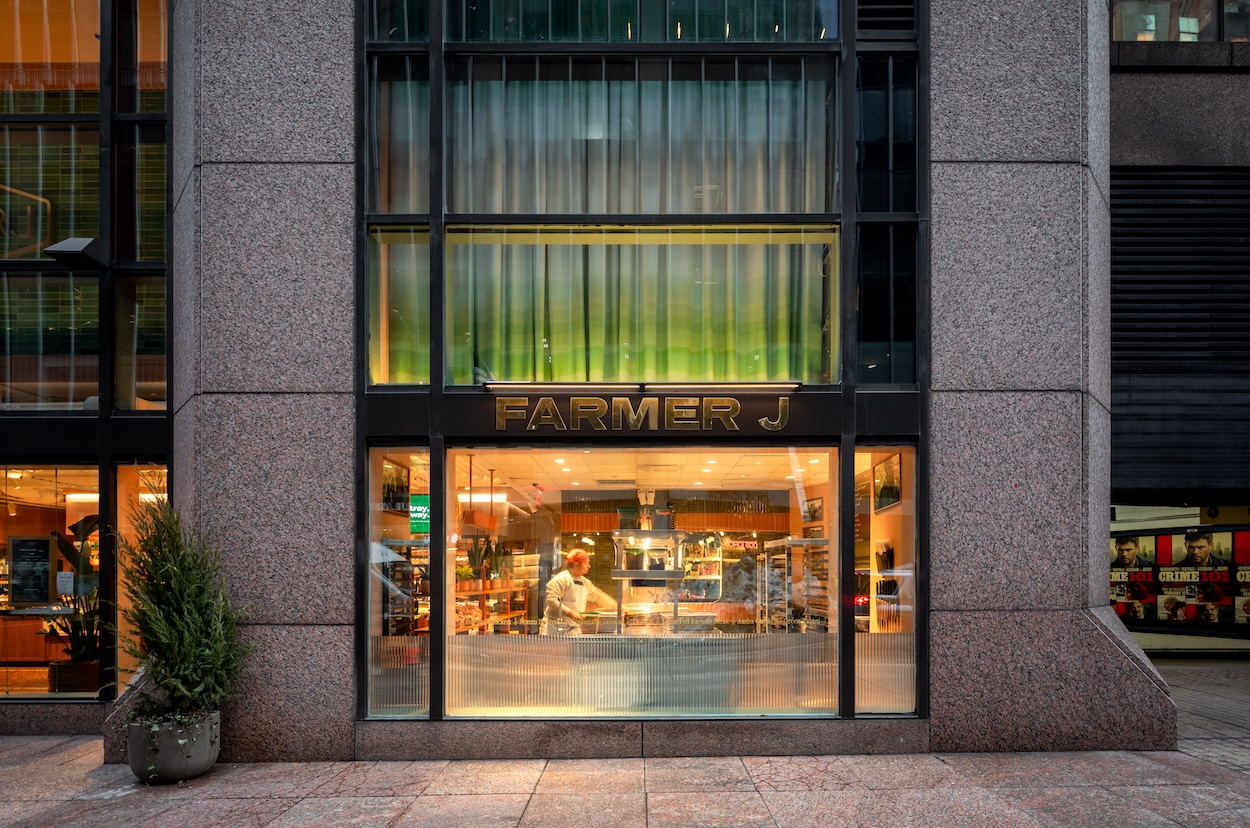
Our work looks to address that by embedding social and environmental value into the design process from the outset. This includes how we reuse and transform existing buildings, how we shape spaces that feel specific to their setting, and how we engage a broader socially oriented supply chain to extend positive impact beyond the project itself. At Corner, this meant working with reclaimed materials and local fabrication. On projects such as Farmer J in New York, it includes the use of innovative materials like Smile Plastics to give new life to post-consumer recycled plastic waste within a commercial setting.
Share the project you are working on now: We’re currently working across a number of projects that reflect both the breadth of our practice and the direction we want to take it in.
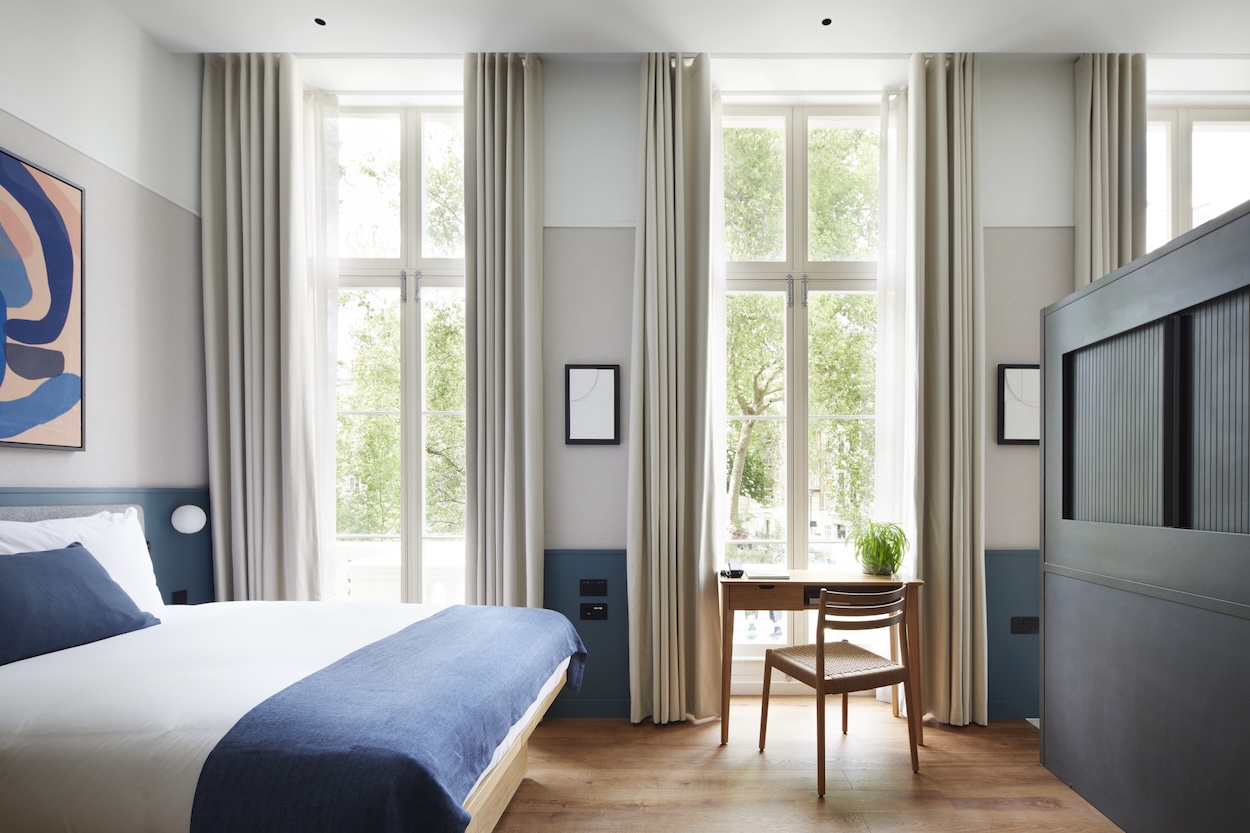
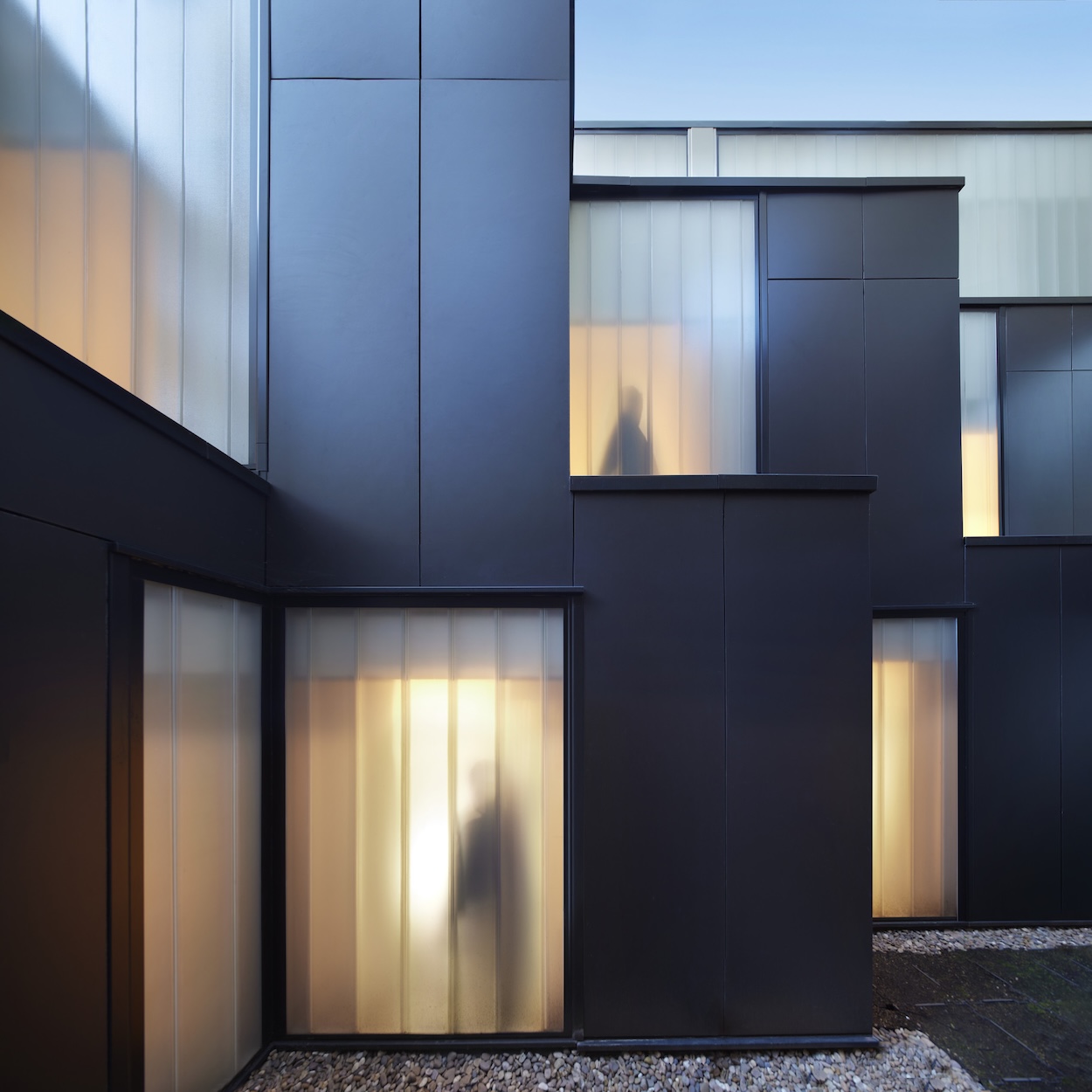
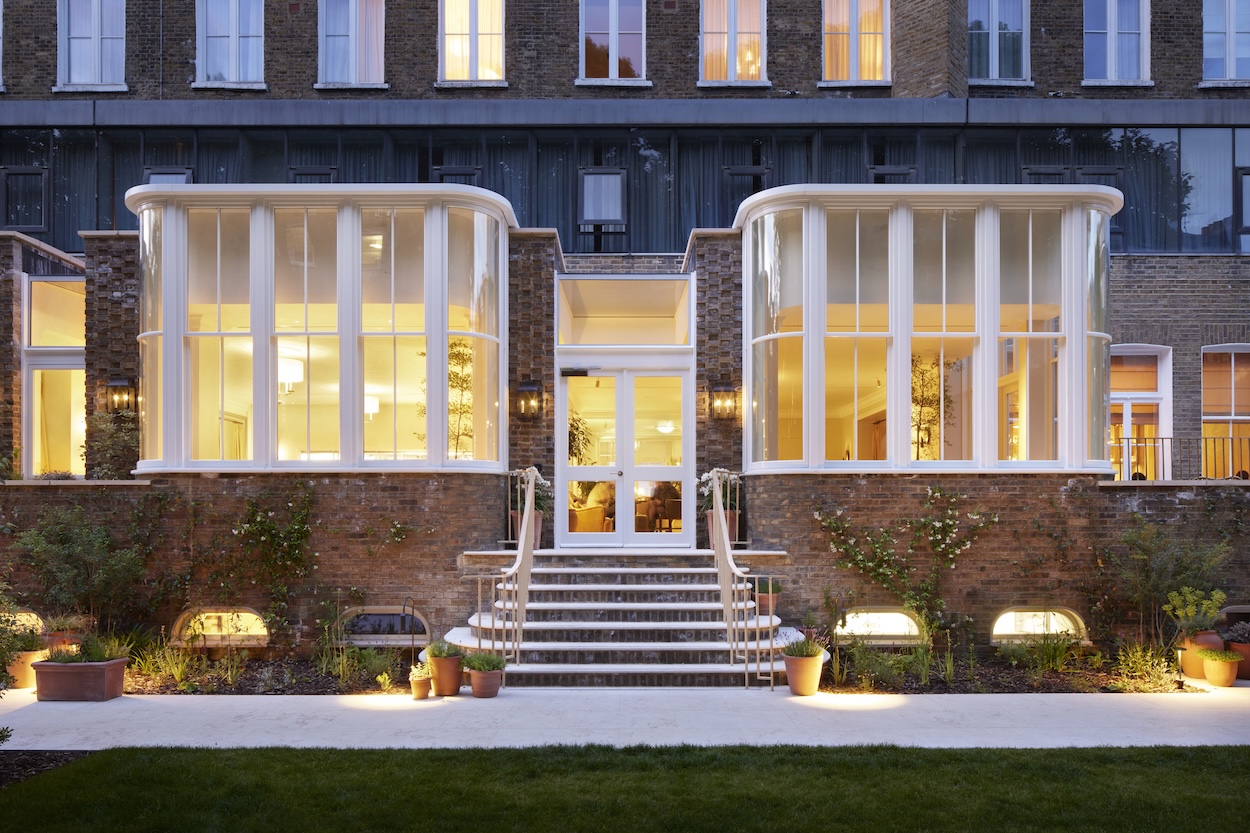
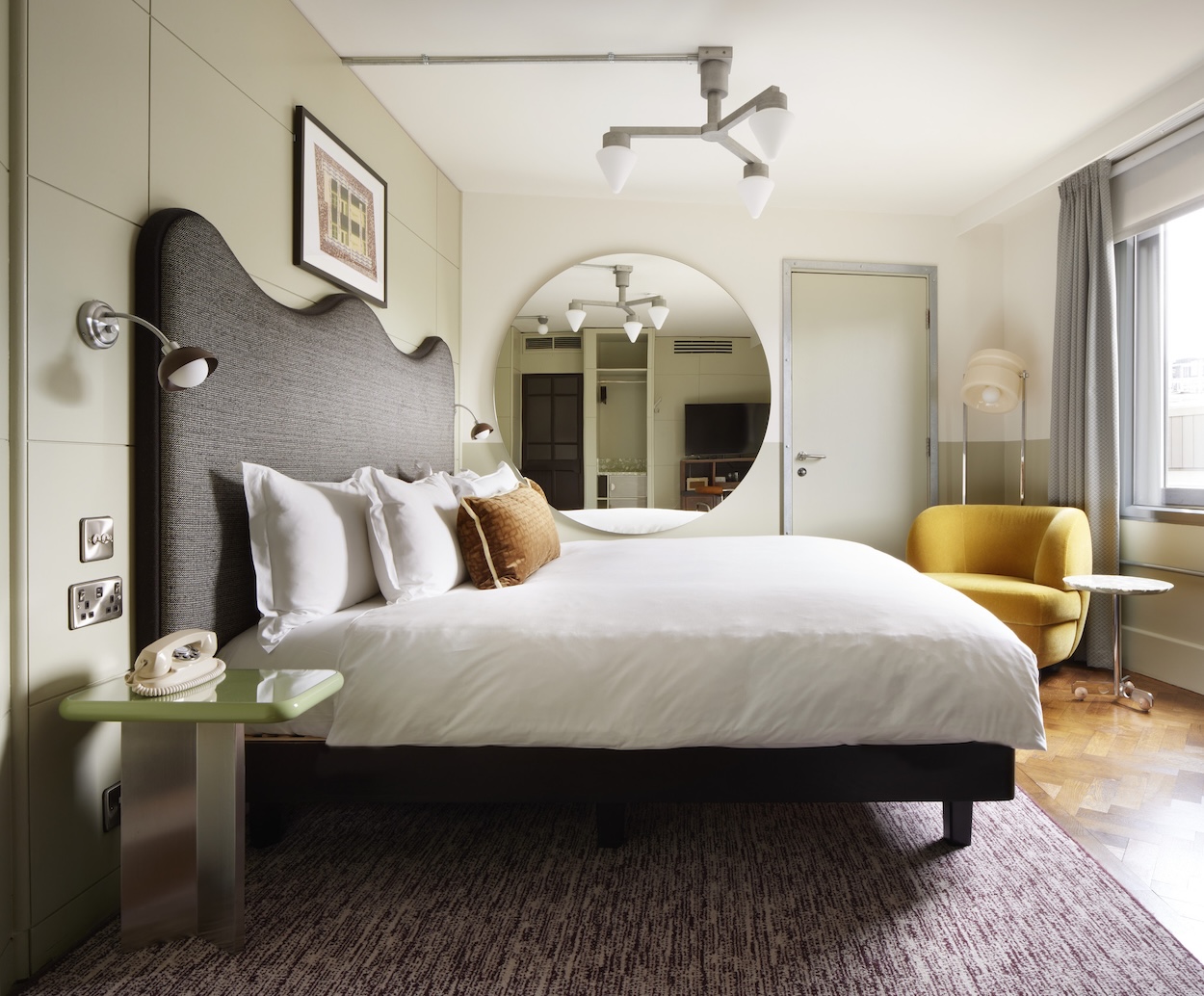
These include the retrofit of a historic townhouse in Marylebone into a boutique hotel, and the transformation of a cluster of derelict post-industrial buildings in Hackney Wick into a new food and beverage destination. The latter is particularly representative of the kind of work we want to do more of, combining adaptive reuse, community-focused programming and low-carbon design into a single project.
Alongside this, we’re delivering a number of international restaurant projects, building on the completion of Farmer J in New York, our first U.S. project. Delivered through a longstanding relationship with the brand, the project carries our design approach across markets, adapting to local context, supply chains and ways of working while maintaining consistency in user experience.
What you absolutely have to have in your studio: Food is central to both our work and our studio culture. Every month, three members of the team cook lunch for everyone, and we sit down together to share a meal. It’s a simple ritual, but it reflects how integral food is to our work. Every project we design has a kitchen, and we believe food is one of the most powerful ways to bring people together and spark conversation.
Our studio is also filled with experimental materials and prototypes. We spend a lot of time testing ideas at full scale, often in collaboration with local makers and manufacturers. This might include lighting made from Welsh seaweed, concrete incorporating recycled tires and industrial by-products, or bricks formed from quarried natural stone offcuts.
We also work closely with social enterprises such as RAW Workshop, whose team upcycle materials from our projects into new pieces of joinery. It’s an extension of our approach to design, where materials, people, and process are all part of the outcome.
What you do when you’re not working: Richard can usually be found tending to his garden, while Jonathan is a keen cyclist. Outside of that, we both have young families who keep us busy and grounded.
Sources of creative envy (dead or alive): “Envy” is probably the wrong word, but we’ve always admired architects who have found meaningful ways to repurpose existing buildings. Working on Tate Modern with Herzog & de Meuron was a privilege, and their approach to transforming a former power station into a civic space has been a lasting reference point for us.
The distraction you want to eliminate: Endless admin. The kind that fragments the day and pulls focus away from design thinking and collaboration.
Concrete or marble? Best of both worlds
High-Rise Or Townhouse? Townhouse
Remember Or Forget? Remember the good stuff, forget the bad
Aliens Or Ghosts? Aliens, belief in a greater community
Dark Or Light? Light