On March 15, the Princeton University Art Museum debuted its latest exhibit, “Willem de Kooning: The Breakthrough Years, 1945–50,” revisiting the five-year stretch in which the artist began to arrive at the visual language that would define his career. Focused on the period surrounding his first solo exhibition in 1948, the show examines how de Kooning moved between figuration and abstraction, with both shaping the same body of work in increasingly complex ways. These years also marked his emergence as a central figure in the New York School and one of the artists who helped shape Abstract Expressionism.
Princeton University Art Museum Spotlights Willem de Kooning's Breakthrough Years
By Brett Braley-Palko April 02, 2026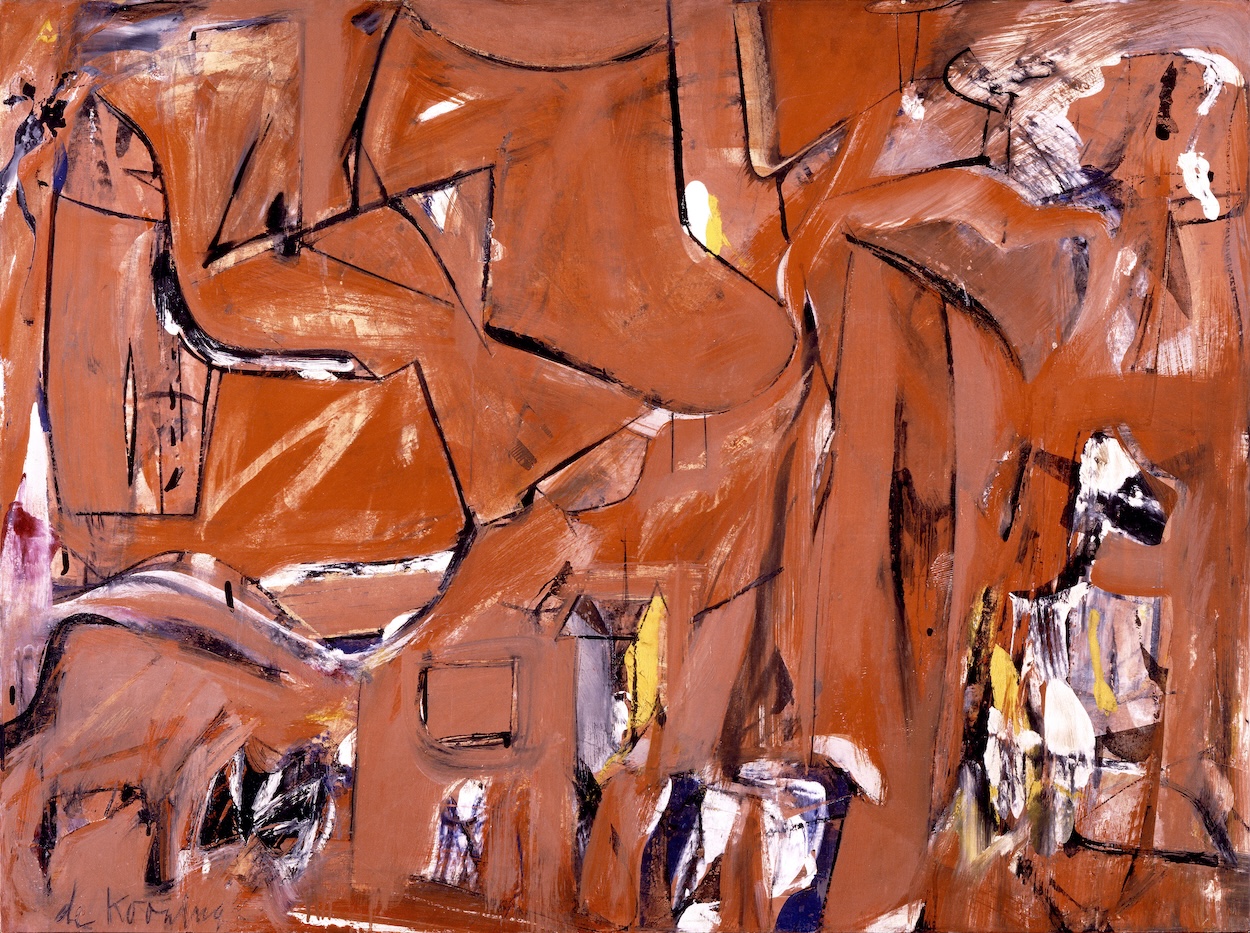
Willem de Kooning, Gansevoort Street, ca. 1949. Oil on cardboard; 76.2 × 101.6 cm, 83.8 × 109.2 × 7.9 cm (frame). Anderson Collection at Stanford University. Gift of Mary Margaret Anderson.
…
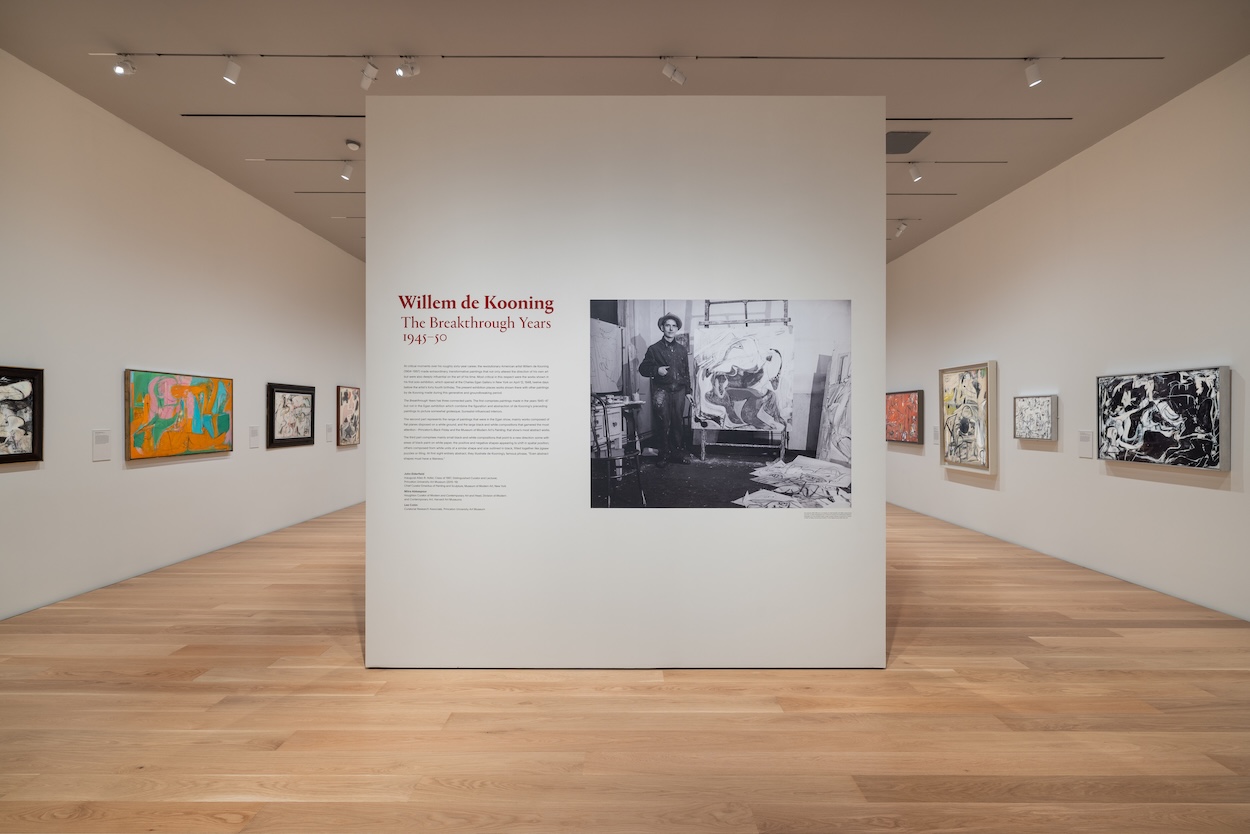
Installation view, Willem de Kooning: The Breakthrough Years, 1945–50. Princeton University Art Museum. Artworks © 2026 The Willem de Kooning Foundation / Artists Rights Society, New York. Photo: Joseph Hu
…
At the core of the exhibition are works from that 1948 presentation, including Princeton’s own Black Friday, alongside paintings drawn from more than a dozen museums and private collections. In total, the exhibition brings together eighteen works from these pivotal years in de Kooning’s oeuvre, offering a concentrated view of an especially important moment in the Dutch-American artist’s development.
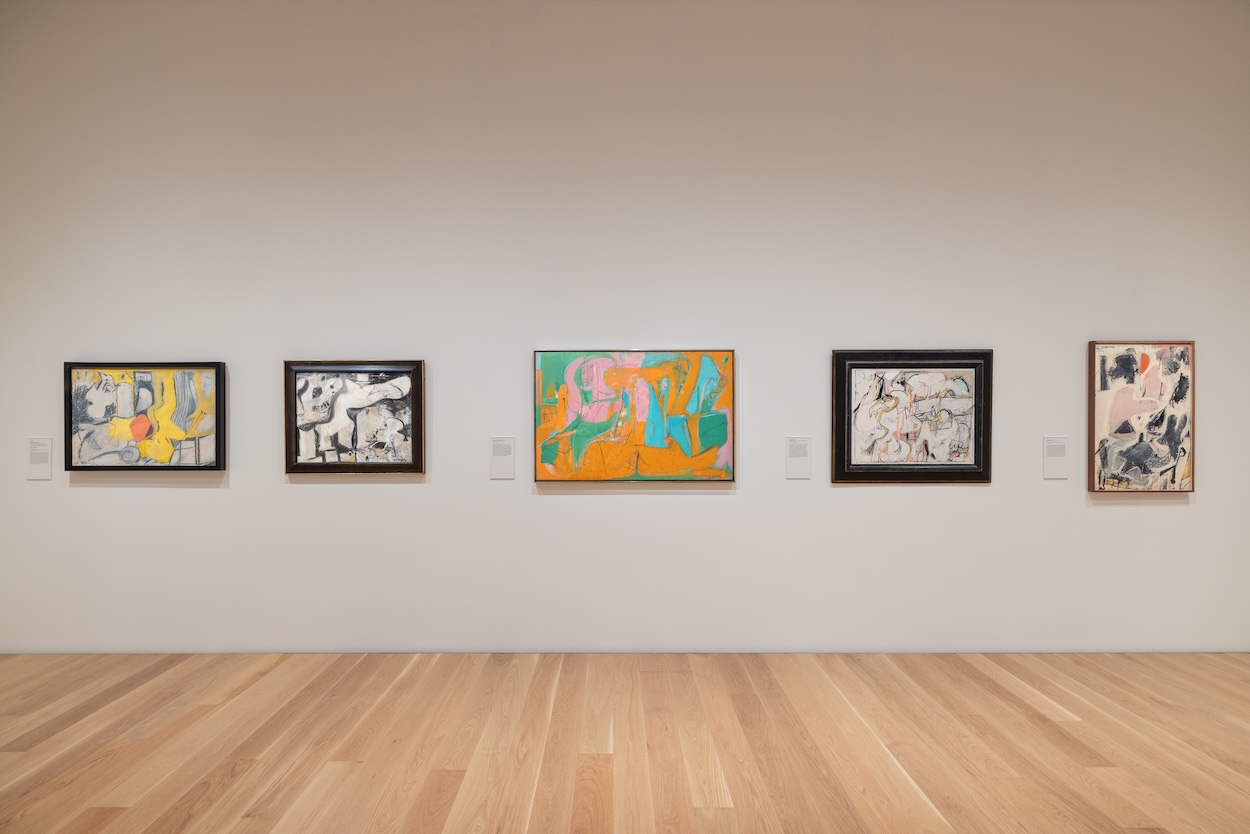
Installation view, Willem de Kooning: The Breakthrough Years, 1945–50. Princeton University Art Museum. Artworks © 2026 The Willem de Kooning Foundation / Artists Rights Society, New York. Photo: Joseph Hu
…
The exhibition, which will run through July 26, is arranged to provide fresh insights into the artist’s process, showing how he traces, copies, and cuts his imagery to develop his paintings. It also looks at his early experiments with enamel paint, which led him away from canvas and toward paper and opened up another way of working during these years. As co-curator John Elderfield noted, the exhibition offers “a focused look at this pivotal moment in de Kooning’s practice,” when the artist was “grappling with material, line, and color in ways that shaped the trajectory of his subsequent career and shifted the tide of modern painting.”
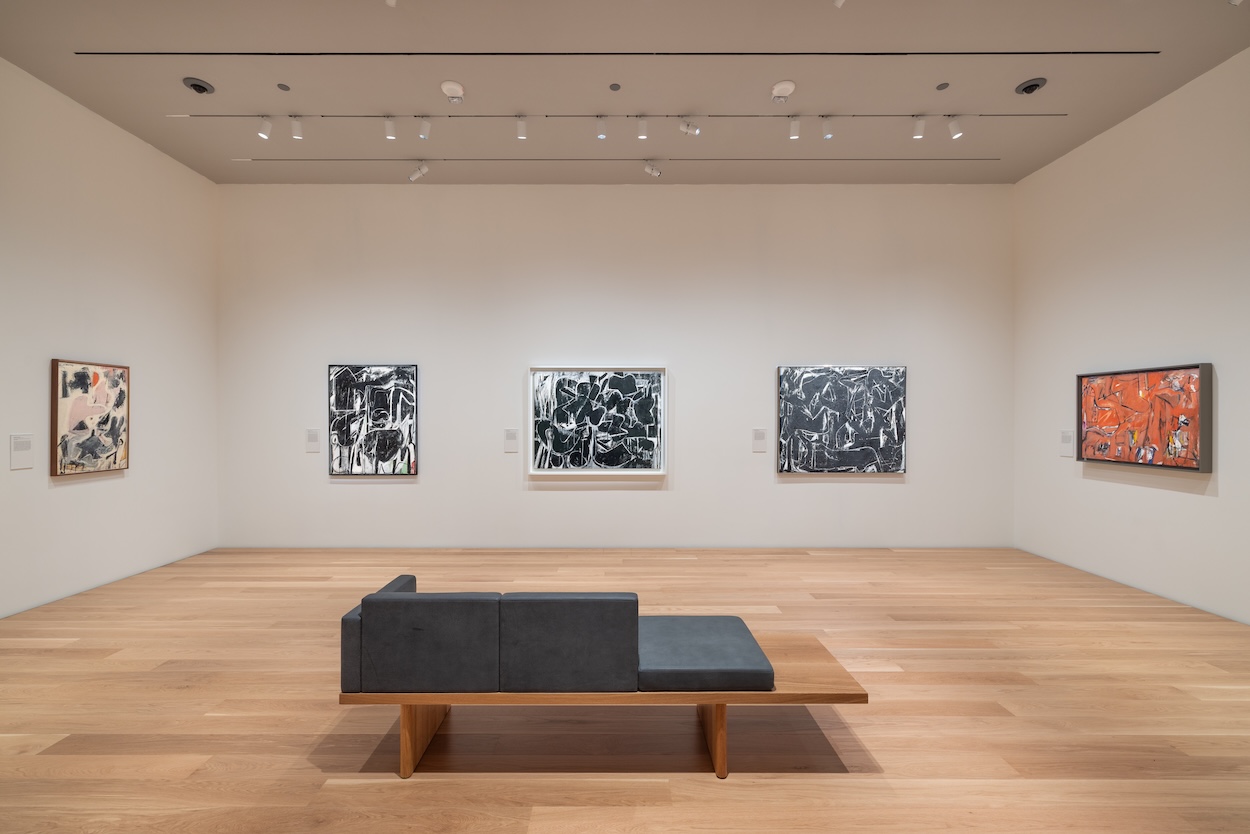
Installation view, Willem de Kooning: The Breakthrough Years, 1945–50. Princeton University Art Museum. Artworks © 2026 The Willem de Kooning Foundation / Artists Rights Society, New York. Photo: Joseph Hu
…
This is the second solo exhibition devoted to de Kooning at the museum, following 2016’s “Willem de Kooning: Drawn and Painted,” which focused on the artist’s later years. Organized by the Princeton University Art Museum, the new exhibition was co-curated by Elderfield, Mitra Abbaspour, and Lee Colón. A forthcoming scholarly catalogue will further examine de Kooning’s development during this period and include the results of a material study of Black Friday and related works.
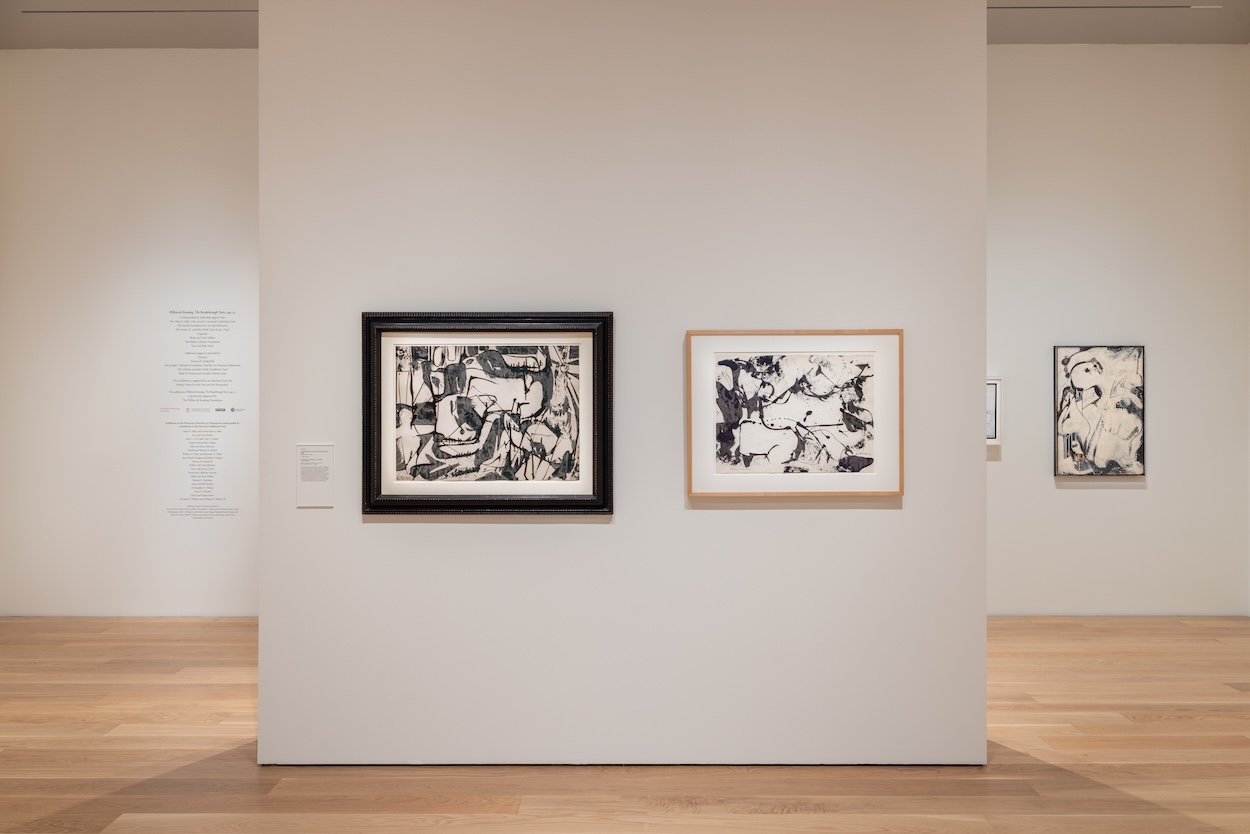
Installation view, Willem de Kooning: The Breakthrough Years, 1945–50. Princeton University Art Museum. Artworks © 2026 The Willem de Kooning Foundation / Artists Rights Society, New York. Photo: Joseph Hu
…
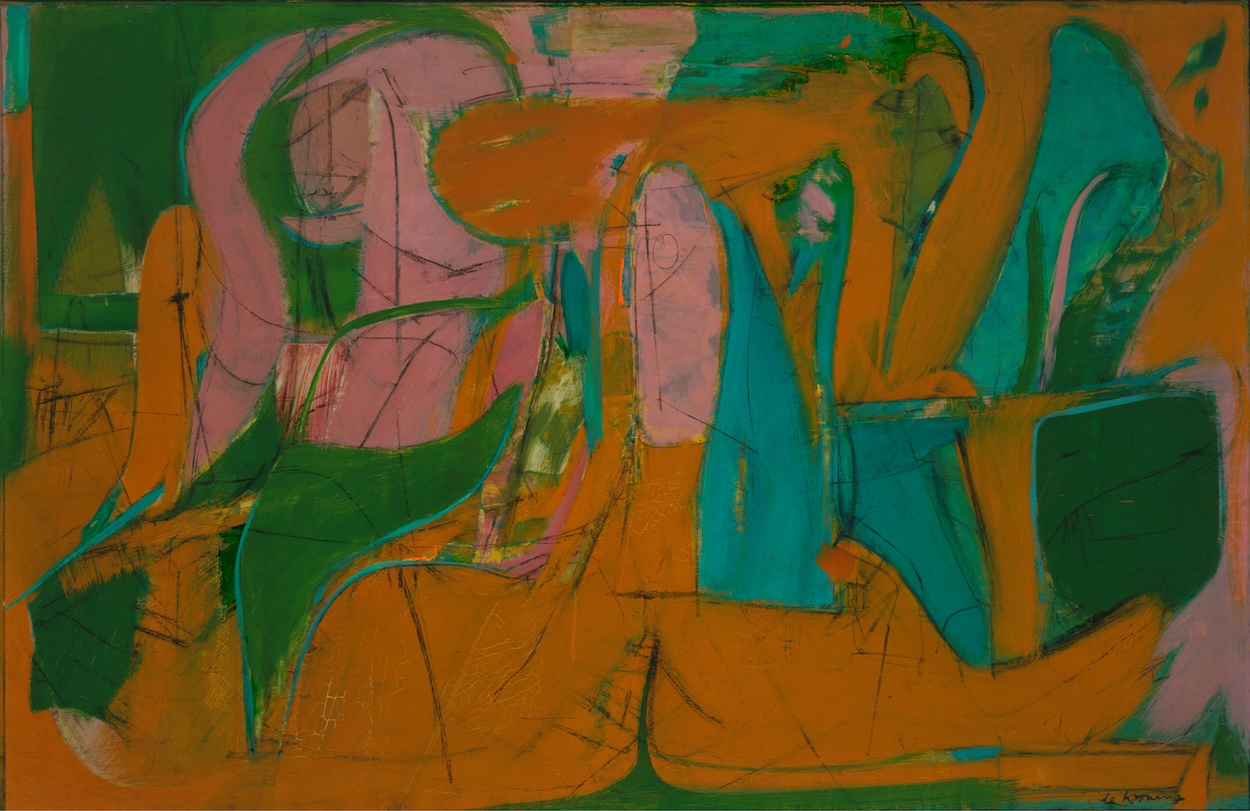
Willem de Kooning (1904–1997; born Rotterdam, Netherlands; died East Hampton, NY; active New York, NY), Bill-Lee's Delight, 1946. Oil on paper mounted on composition board; 54.6 × 87.6 cm, 82.9 × 125.1 × 4.4 cm (frame). Private collection.
…
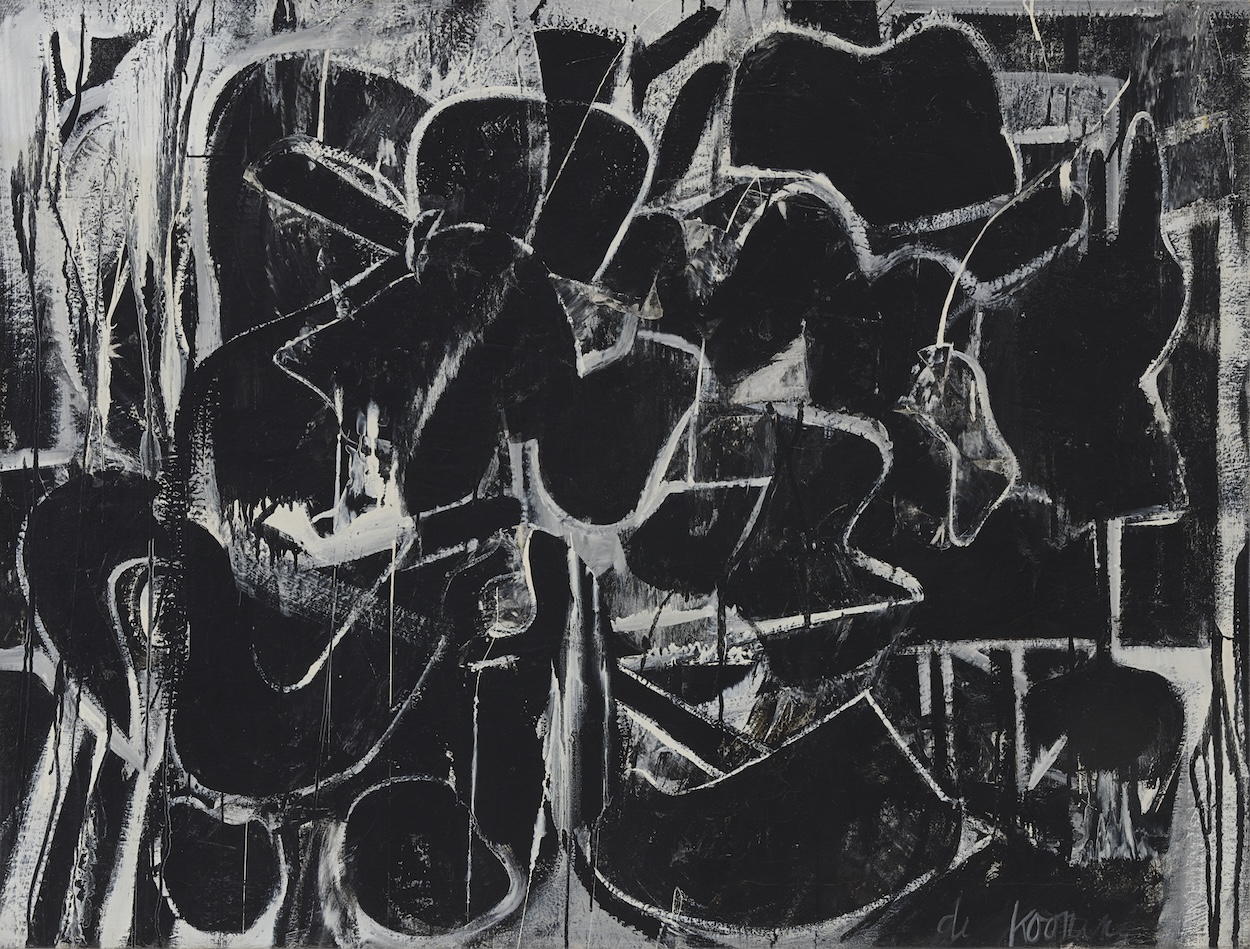
Willem de Kooning, Painting, 1948. Enamel and oil on canvas; 108.3 × 142.5 cm. The Museum of Modern Art, New York. Purchase, 1948.
…
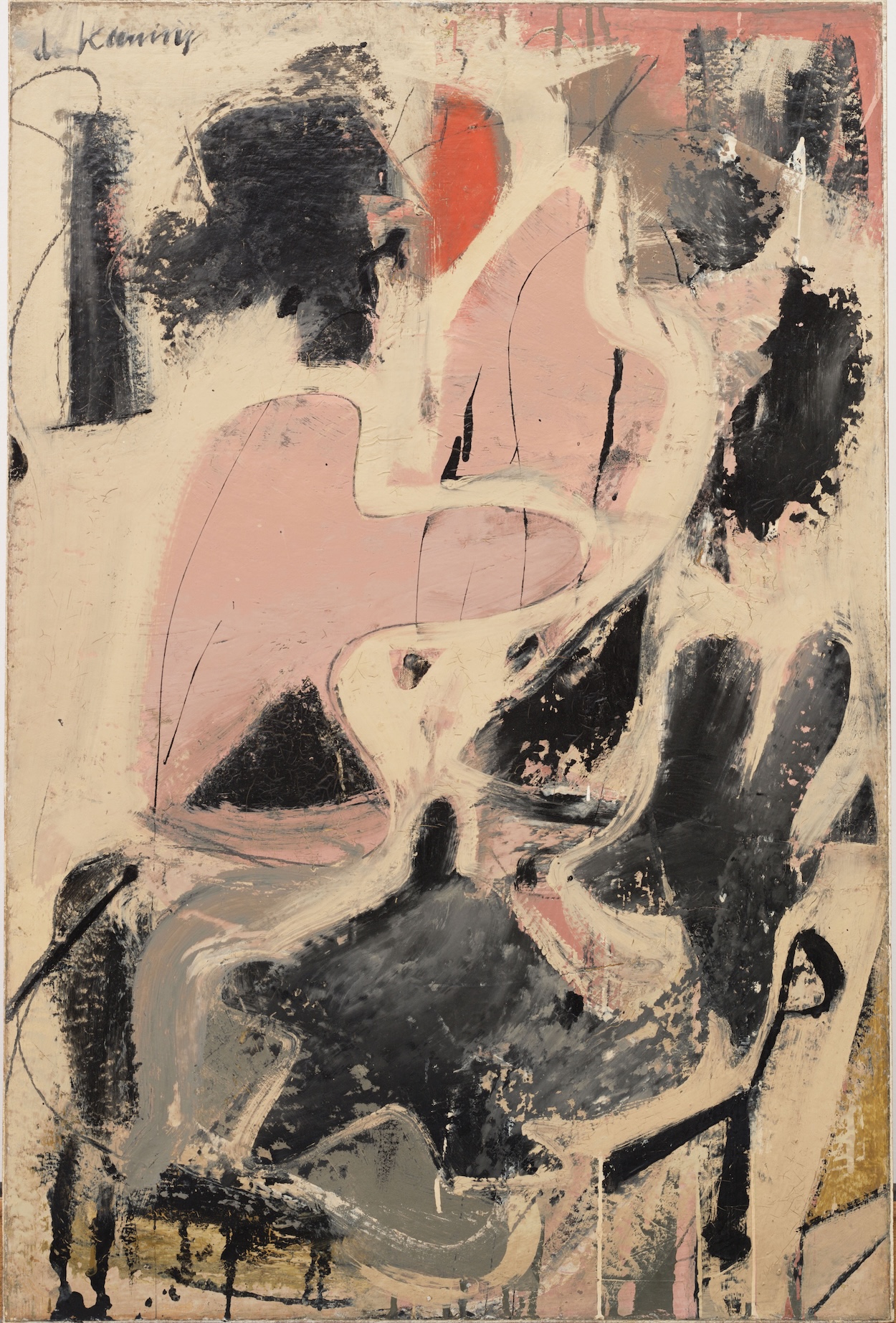
Willem de Kooning, Valentine, 1947. Oil and enamel on paper on board; 92.2 × 61.5 cm. The Museum of Modern Art. Gift of Mr. and Mrs. Gifford Phillips, 1991
…
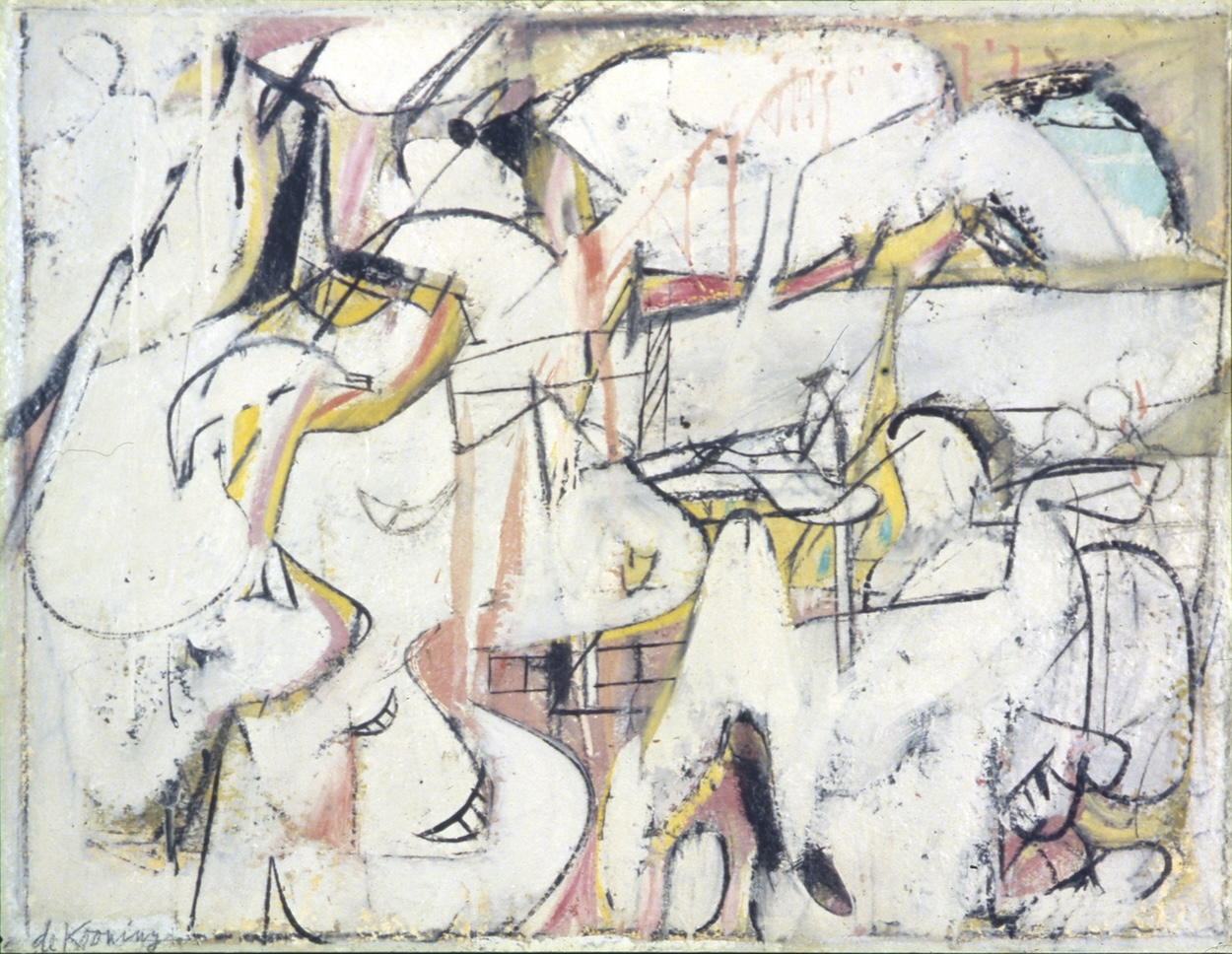
Willem de Kooning, Mailbox, 1948. Oil, enamel, and charcoal on paper on composition board; 58.7 × 76.2 cm. Collection of Bettina Bryant.
…