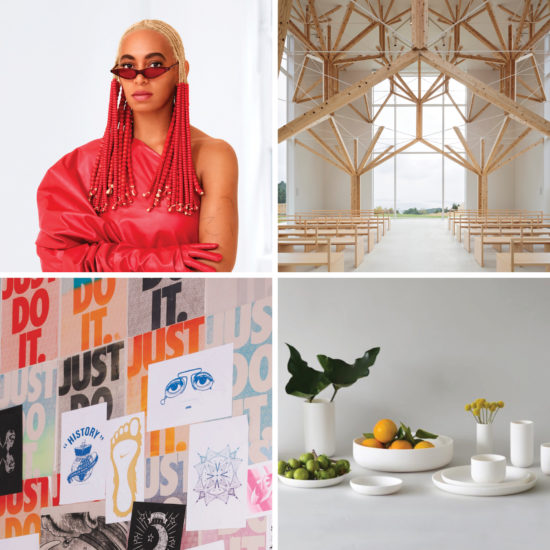
Tamara Lohan has spent two decades learning what makes a hotel worth remembering. As the co-founder of Mr & Mrs Smith, she built a definitive platform for independent luxury travel. When Hyatt acquired the company in 2023 and brought her into the fold, the question was not whether she could operate at scale, but whether scale could preserve what made her eye valuable. With her recent appointment as Global Brand Leader – Luxury at Hyatt, and her work across portfolios including Park Hyatt and The Unbound Collection by Hyatt, that answer is becoming clear.
Tamara Lohan’s Vision for Resonant Hospitality
The co-founder of Mr & Mrs Smith and the Global Brand Leader – Luxury at Hyatt on
BY Michael Tommasiello April 07, 2026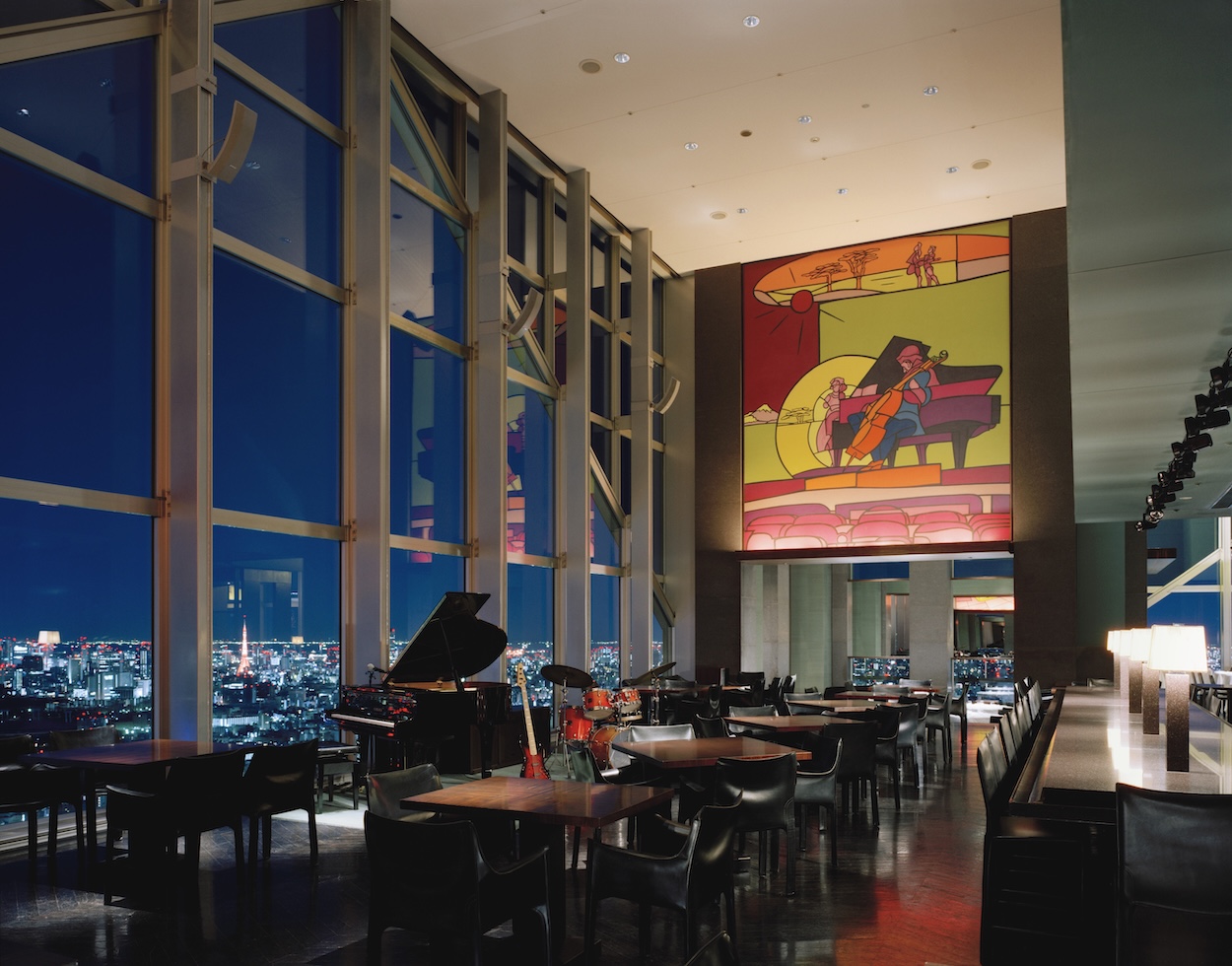
New York Bar at the Park Hyatt Tokyo
…
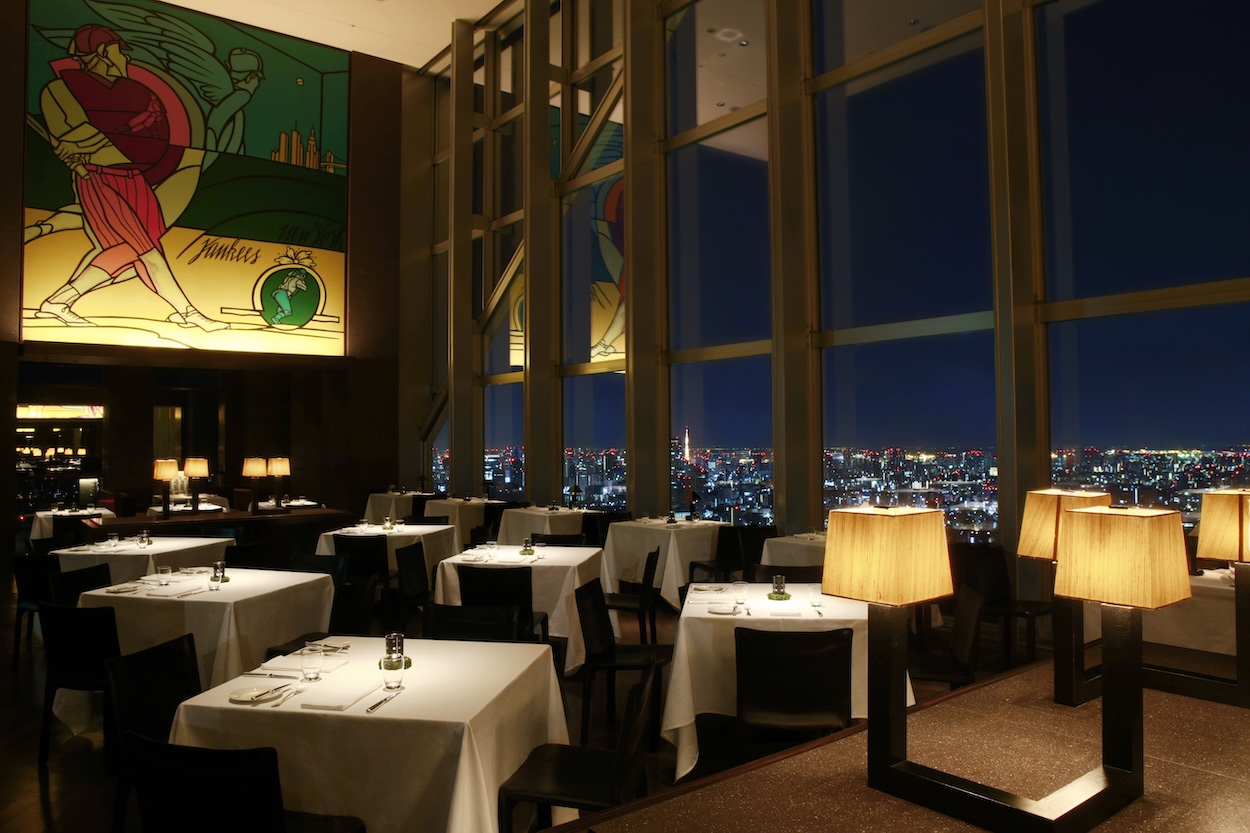
New York Grill at the Park Hyatt Tokyo
…
“I always think that when you walk into a hotel, no matter how unique or independent, you should be able to go, ‘Oh yes, naturally, it’s one of the Unbound,’” Lohan tells Surface. The ambition is cohesion without uniformity, a thread that connects properties as different as the Fuji Speedway Hotel, set directly on a Japanese racetrack, and the Hotel du Louvre in Paris, where the architecture exists in quiet dialogue with the museum next door.
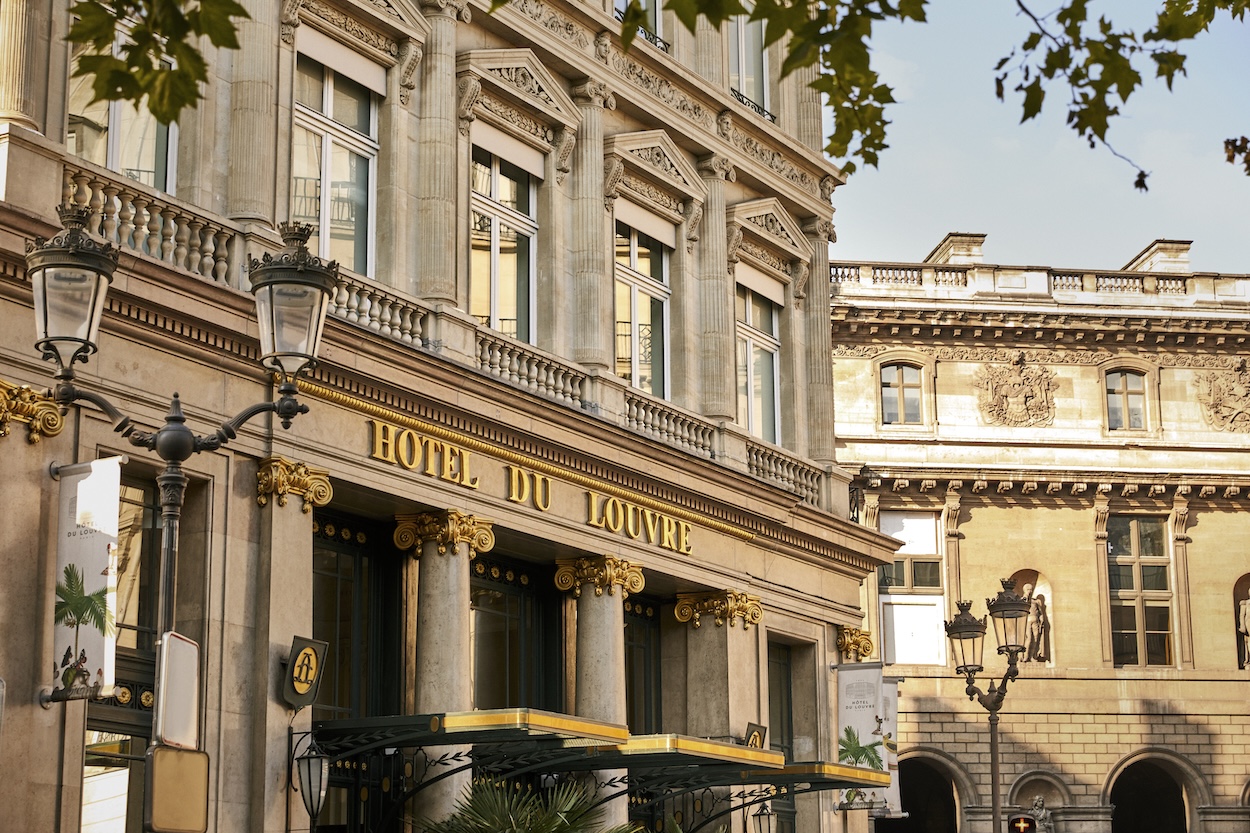
Hotel du Louvre
…
That thread, for Lohan, is storytelling. Not story as marketing language, but story as something a guest feels when design, history, service, and location operate in harmony. “You could have a hotel, but if somebody has done a design that is not sympathetic to the history or the architecture, the guest feels it,” she says. “You walk in and you go, ‘That’s a shame.’” The inverse holds. When a property’s interiors, programming, food, and staff uniforms all reflect the same sense of place, the guest never has to ask where they are; they know.
Lohan calls this alignment a luxury imperative. “Luxury guests now travel across continents, across brands,” she says. “They know what luxury feels like. They know what it looks like. And when something is off, the guest can just feel it.” Dissonance is not forgiven.
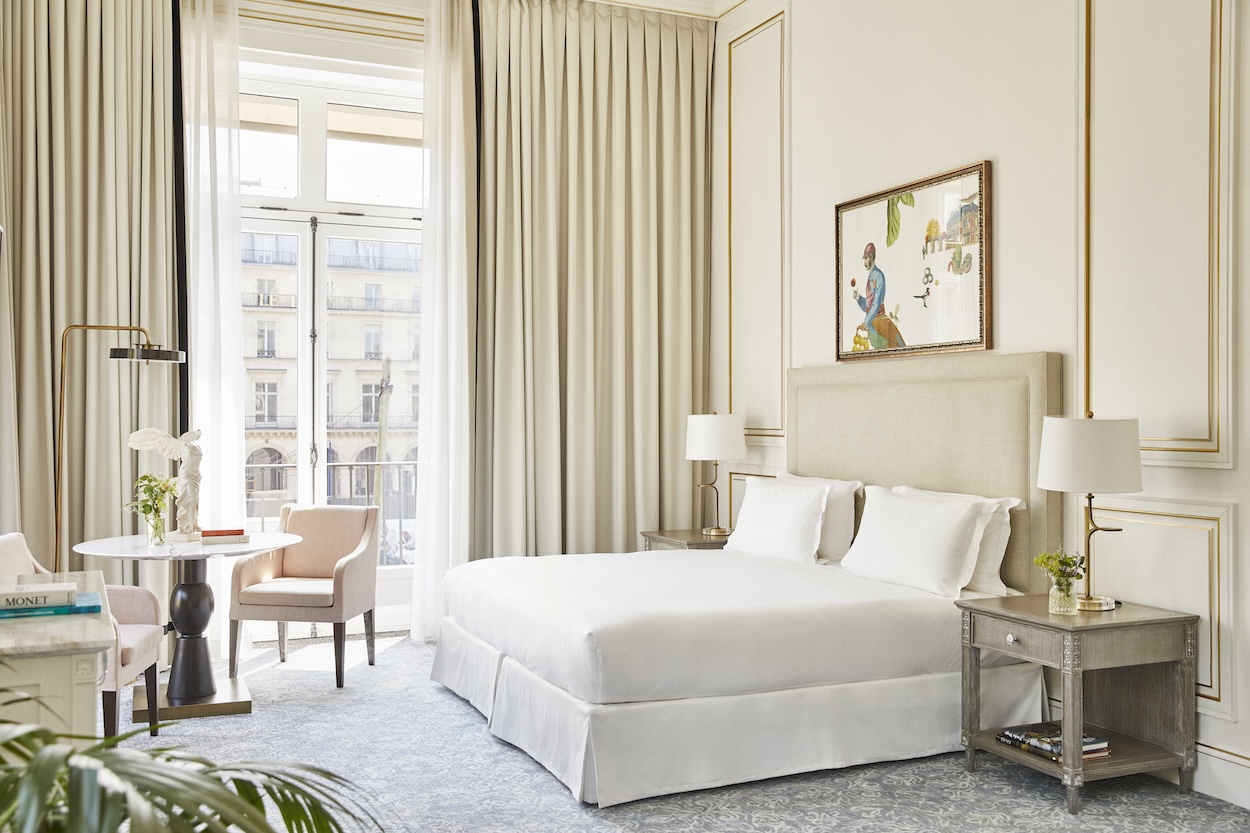
Hotel du Louvre
…
At the Hotel du Louvre—a property part of The Unbound Collection by Hyatt—that sensitivity is legible. Founded in 1855 as Paris’ first grand hotel, it has always been shaped by artists, writers, and the rhythm of the city itself. La Brasserie du Louvre relaunched this year with a new design by Pierre-Yves Rochon. The updated expression is one of Parisian elegance, with materials and gestures that embrace the natural rhythm of a classic brasserie without over‑explaining the experience.
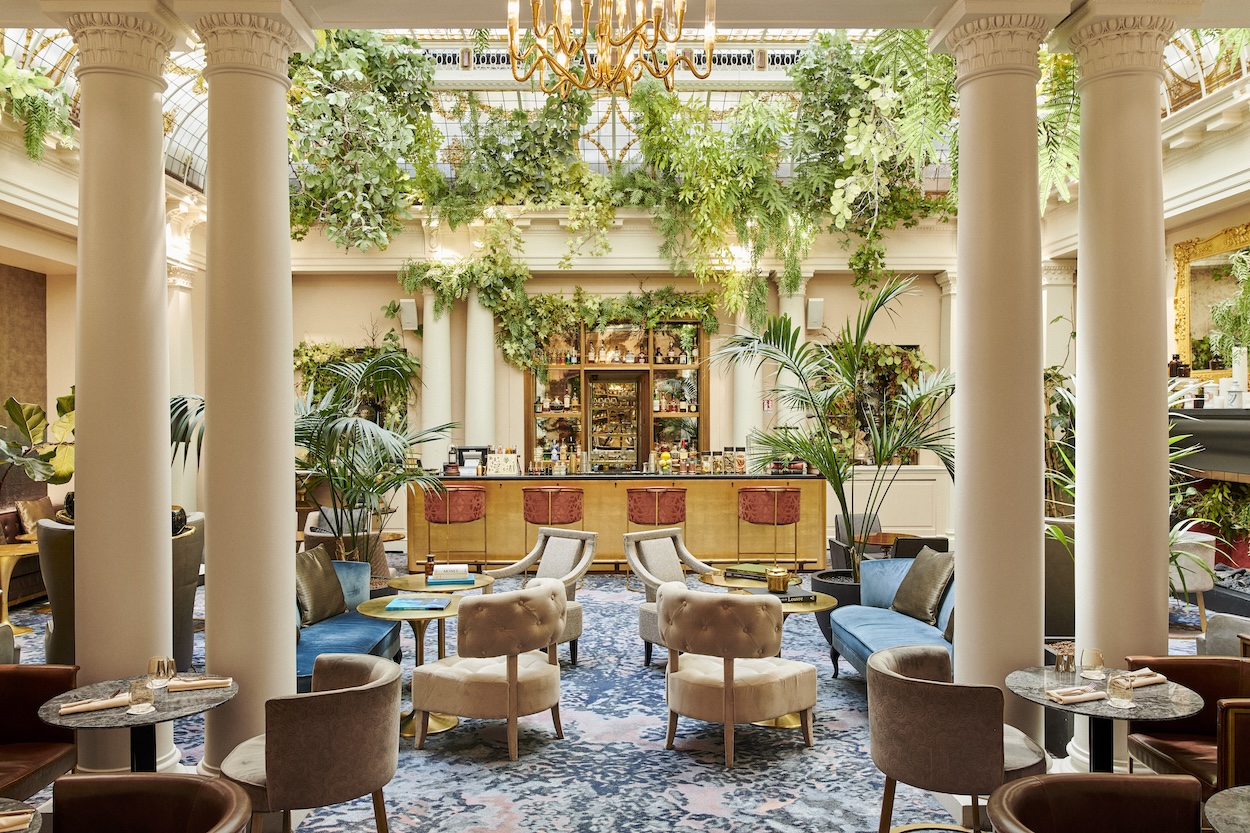
Hotel du Louvre
…
The renovation walks the line Lohan describes as essential to working with historic properties, enough to modernize, not so much as to erase. “When you’re dealing with a historic property, if you change too much, people will come in and say you’ve damaged it,” she says. “If you do too little, they go, ‘It’s just the same.’” The margin is narrow.
That calibration extends across Hyatt’s luxury portfolio. The Park Hyatt Tokyo, an icon cemented in the cultural imagination by Lost in Translation, recently underwent its own renovation. “People hold that hotel very close to their heart,” Lohan says. Renovation, in this context, is not about reinvention. It is about precision, updating the infrastructure while preserving the emotional architecture that made the place matter in the first place.
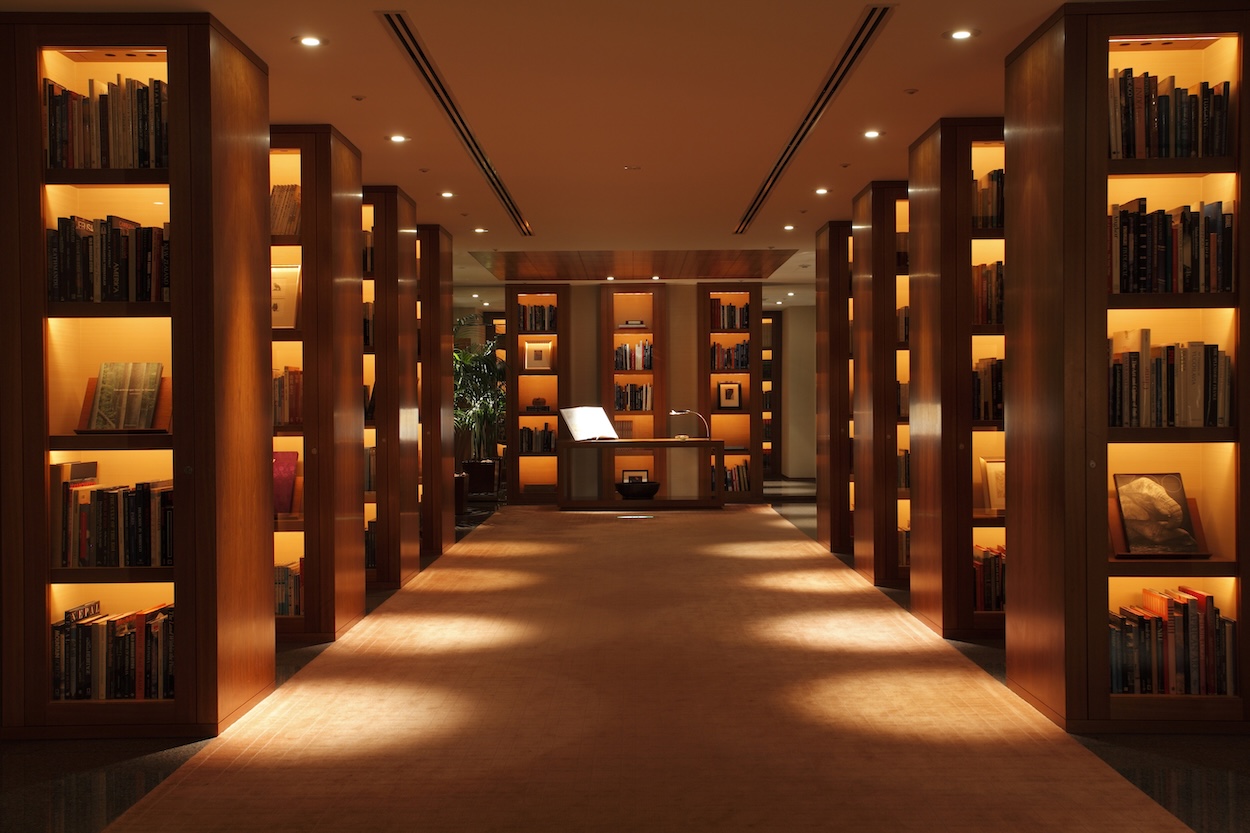
Library at the Park Hyatt Tokyo
…
When Lohan talks about what defines luxury hospitality going forward, she does not reach for technology. “A guest arrives at a desk and they could be having a very stressful conversation on their phone,” Lohan says. “A human being will pick up on all of that and either show them somewhere quiet or say, ‘Do you need a charge?’” The distinction she draws is between anticipation and reaction.
The portfolio is expanding. Park Hyatt Cabo del Sol opened earlier this year as a resort property, with Park Hyatt Phu Quoc to follow, part of a broader shift toward leisure-driven destinations that includes the recently opened Park Hyatt Marrakech. But the opening Lohan returns to most readily is Park Hyatt Mexico City. Set in Polanco, it has been designed with a specificity that is both historical and atmospheric.
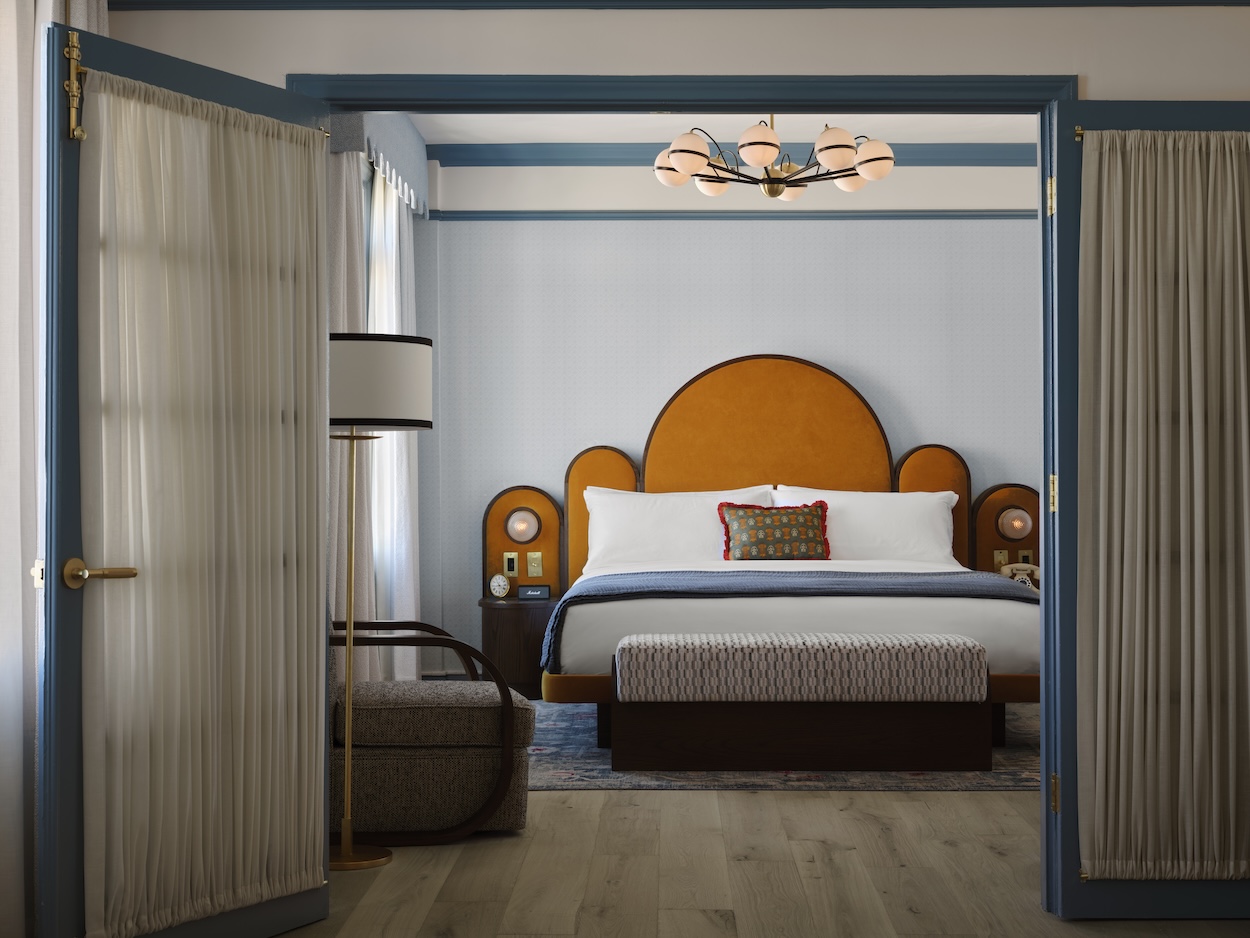
The Georgian
…
“When Art Deco in the 1920s came over from Europe and landed in Mexico, it merged as a style with Aztec styling,” Lohan says. “What you get from that era is a much more geometric sense of Art Deco than you would normally.” The hotel draws on that fusion, not to revive the era, but to ground the property in a design language that is native to the city.
For Lohan, the work this year is about voice. Not a single voice, but distinct ones, making sure each luxury brand within the Hyatt portfolio can articulate what it is with clarity and confidence. “What is the Park Hyatt voice? How is it distinct, succinct, truthful to what it is?” she says. “It’s not about throwing out the buzzwords of today. It’s about really thinking about the character of the brand, being truthful to that, and setting them out to go forward.”