Rita Soares reflects on 27 years of building Herdade da Malhadinha Nova, and the new Assouline volume that frames her Alentejo estate as a model of organic luxury.
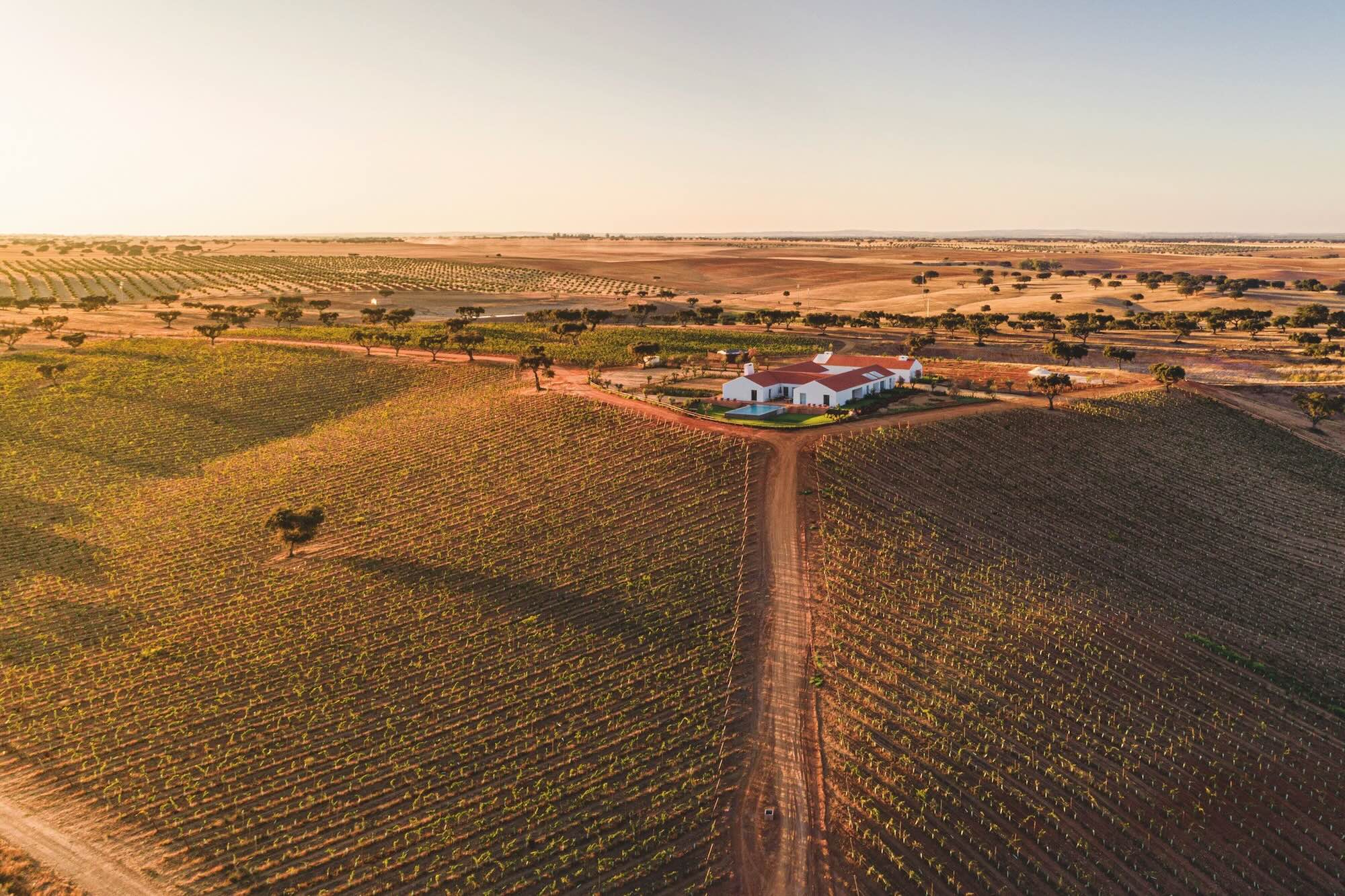
In 1998, Rita Soares and her husband, along with her brother- and sister-in-law, took over an abandoned property in Portugal’s Alentejo region. There was no water, no electricity, and little obvious reason to believe that a remote expanse of cork oaks, horses, and terracotta soil could become one of the country’s most distinctive hospitality destinations.
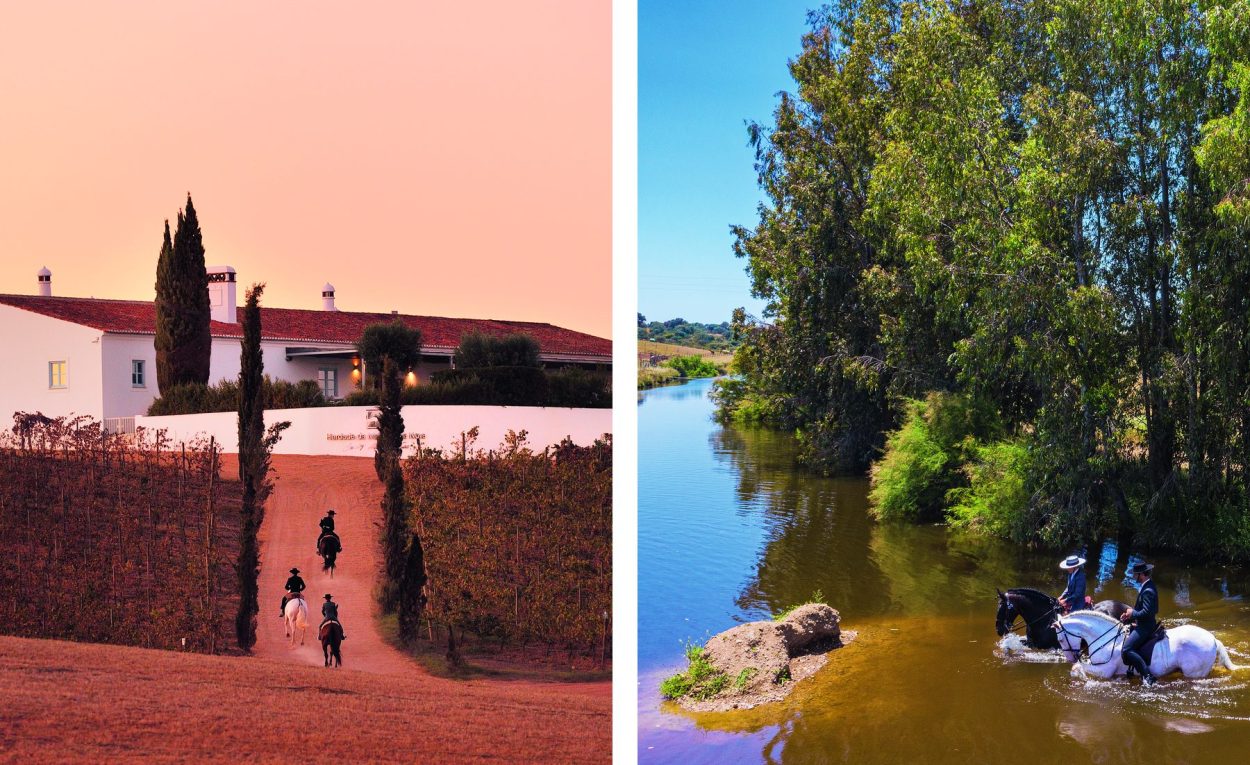
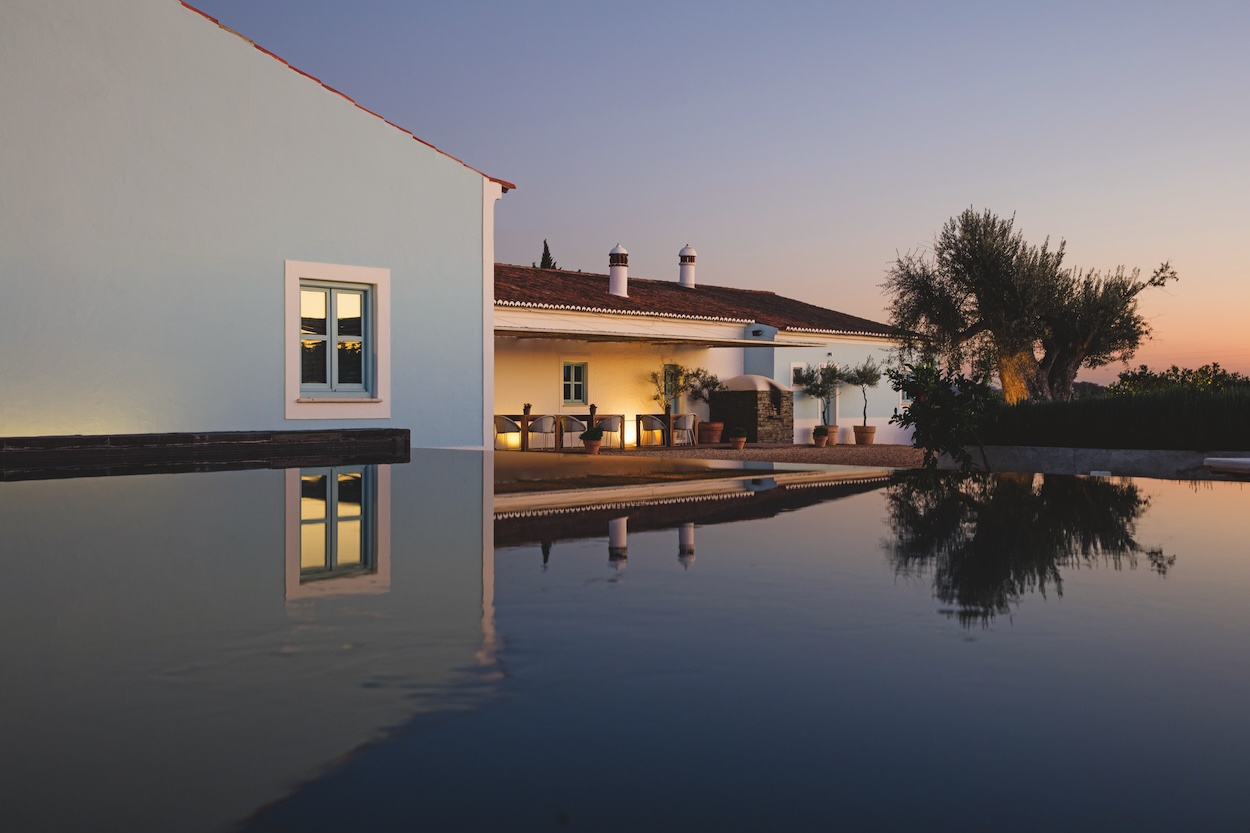
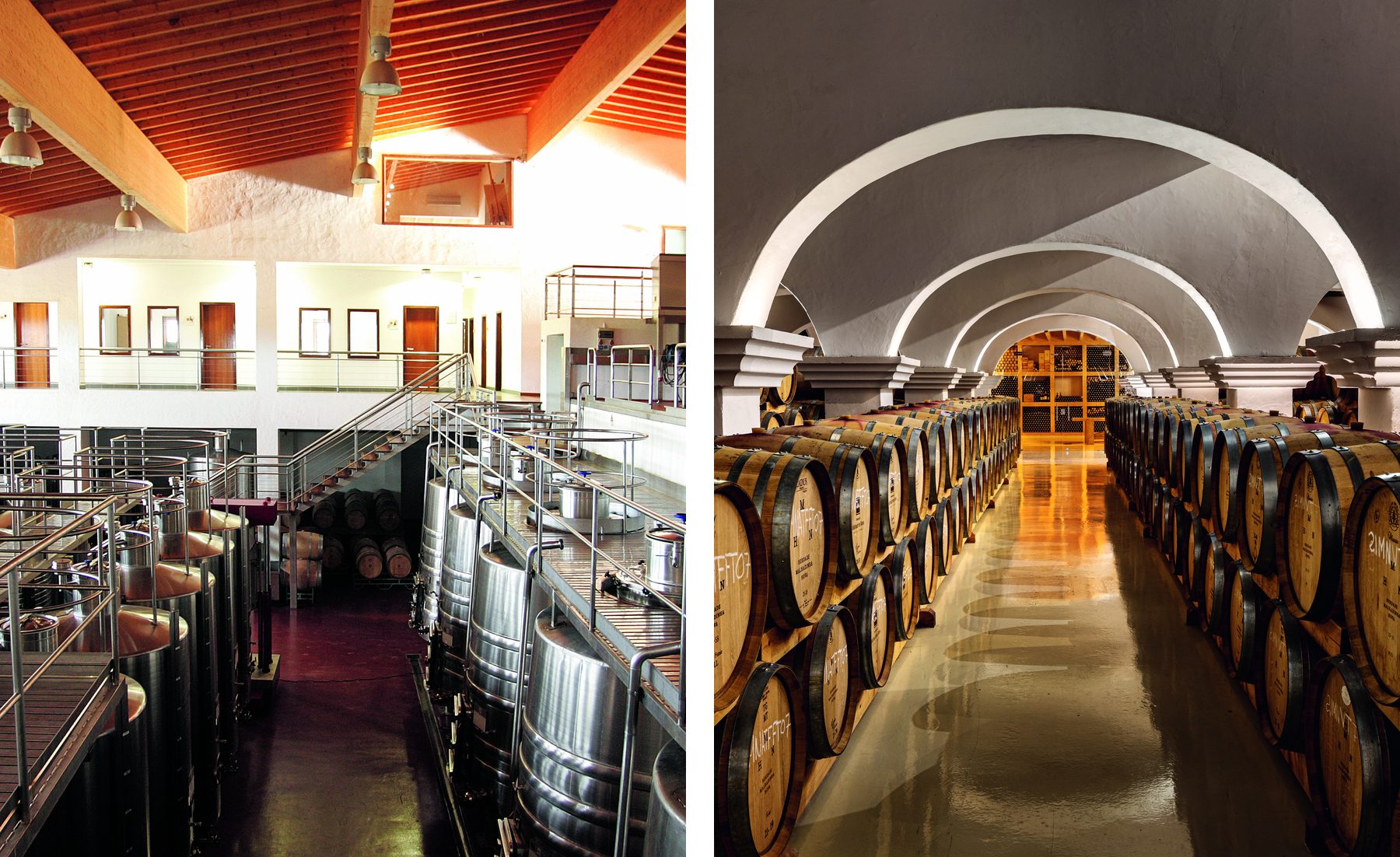
Twenty-seven years later, Herdade da Malhadinha Nova is a working estate with vineyards, heritage horses, hand-drawn wine labels by the family’s children, a restaurant recently recognized for its sustainability, and a philosophy that refuses to pave over the land—literally or figuratively.
Now comes Malhadinha: The Heart of Alentejo, a new Assouline volume written by Brazilian journalist Gaia Lultz and photographed in part by Belgian photographer David de Vleeschauwer, who spent weeks on the property during Covid. Less a hotel monograph than a family record, the book makes a case for luxury rooted in stewardship, restraint, and saudade: the famously untranslatable Portuguese ache for a person, place, or feeling that time cannot quite preserve.
Soares spoke with Surface about legacy, olive oil, design, and why quality lasts forever.
Why is this the right time to publish the book?
We’re at a turning point. Francisca, my oldest daughter, was born the same year we started Malhadinha, in 1998. She spent eight years working in finance in London, but recently joined us at Malhadinha. Between her, my other children, and my nephews, we’ve been working to understand who wants to be involved and how. I wanted to organize the legacy. Something written that the next generation could hold in their hands and feel proud of.
How did the collaboration with Assouline work?
They felt strongly that the writer should be someone who had never covered us before—a fresh eye from the outside. They brought in Gaia Lutz, a Brazilian journalist who has lived in Lisbon for years. She came to the estate for four days and spent long periods with us, seeing everything. When she sent the text, we didn’t change a word.
For the photography, we already had a deep archive. I invested in serious photographers from the very beginning—architecture, portraiture, landscape—because I always knew we would need to share the place at the level it deserves. The cover image is by David de Vleeschauwer, a Belgian photographer who stayed at Malhadinha for several weeks during Covid. He captured something essential: the dirt, the light, and the horses we breed.
Flipping through the book, there’s a distinct sense of saudade. How does that word embody the property?
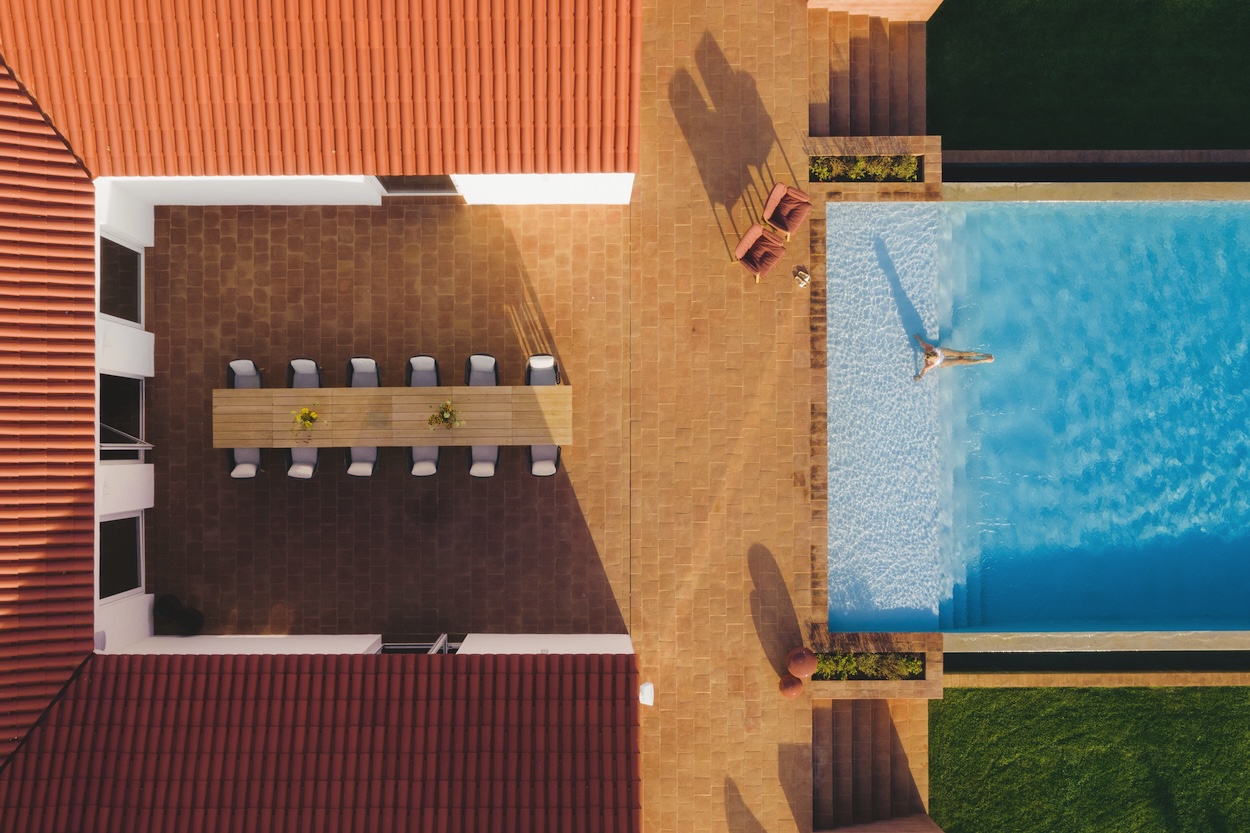
The only way to leave a legacy with deep roots is to be fully engaged with Portuguese culture. Saudade represents our way of being. Like Italians, we are deeply attached to family—eating at long tables, sharing a sense of place and tradition. I tell my team: we don’t just want to entertain guests. We want them to take something with them.
When you look at the book, you feel the Alentejo landscape. The terracotta cover is the color of our soil. Portuguese illustrator Ana Gil captured the whole ecosystem—the wines, the restaurant, the people, the cows, the sheep, the horses. I think you feel saudade when you turn those pages.
The experience is incredibly elevated, but you remain fiercely protective of elemental things: dirt roads, native plantings, local materials. What’s the philosophy behind that restraint?
Those details come from our mindset of leaving the place better than we found it. We want a preserved, balanced ecosystem. We recently restricted cars from certain areas, especially near the river, so local species can live undisturbed. We’re building a new reception and restaurant with underground parking. No combustion engines inside the property, only electric vehicles.
This year, we reached 98 percent energy self-sufficiency. We want an ecosystem that functions by itself, the way it did in the old times. It extends to the community, too. We’re building a new olive mill. We’ll produce our own oil, but we’ll also press olives for local villagers who have old organic trees and no one to sell to. The traditional variety here is Galega. Many large producers have brought in non-native varieties for mass production, but Galega has real character—rustic, sharp, bitter—and if you make it with a vision of excellence, it commands a higher price. In blind tastings, it’s unmistakable.
That same intentionality runs down to the wine labels, which your children illustrate. How did that begin?
When we started our wine distribution, we felt the existing label designs didn’t convey our philosophy. My husband had the idea to ask Francisca, who was very little at the time, to draw for the label. “Malhadinha” translates roughly to “little spotted cow” in Portuguese, so our house wine always features a cow.
The single varietals and special editions get different drawings. The children are older now, but they still get together to do them. They feel very proud. We never produce the same wine two years running—we want people to learn about different grape varieties—and each drawing carries an emotional charge that a stock label never could.
Assouline included the illustrations throughout the book. They were careful not to show too many bottles, so it wouldn’t feel like a catalog, but those drawings are some of the most emotional pages.
The property has grown considerably over the years, but there’s still a strong resistance to overdevelopment. How do you maintain that balance?
I always feel we didn’t choose Malhadinha, it chose us. It needed someone to fall in love with it and bring life back. When we arrived, the property had been abandoned for 30 years. No water, no electricity. But there is a special energy there. We’re inside a natural reserve, and as farmers and wine producers, we have a responsibility to show that if you take time, you can build something extraordinary.
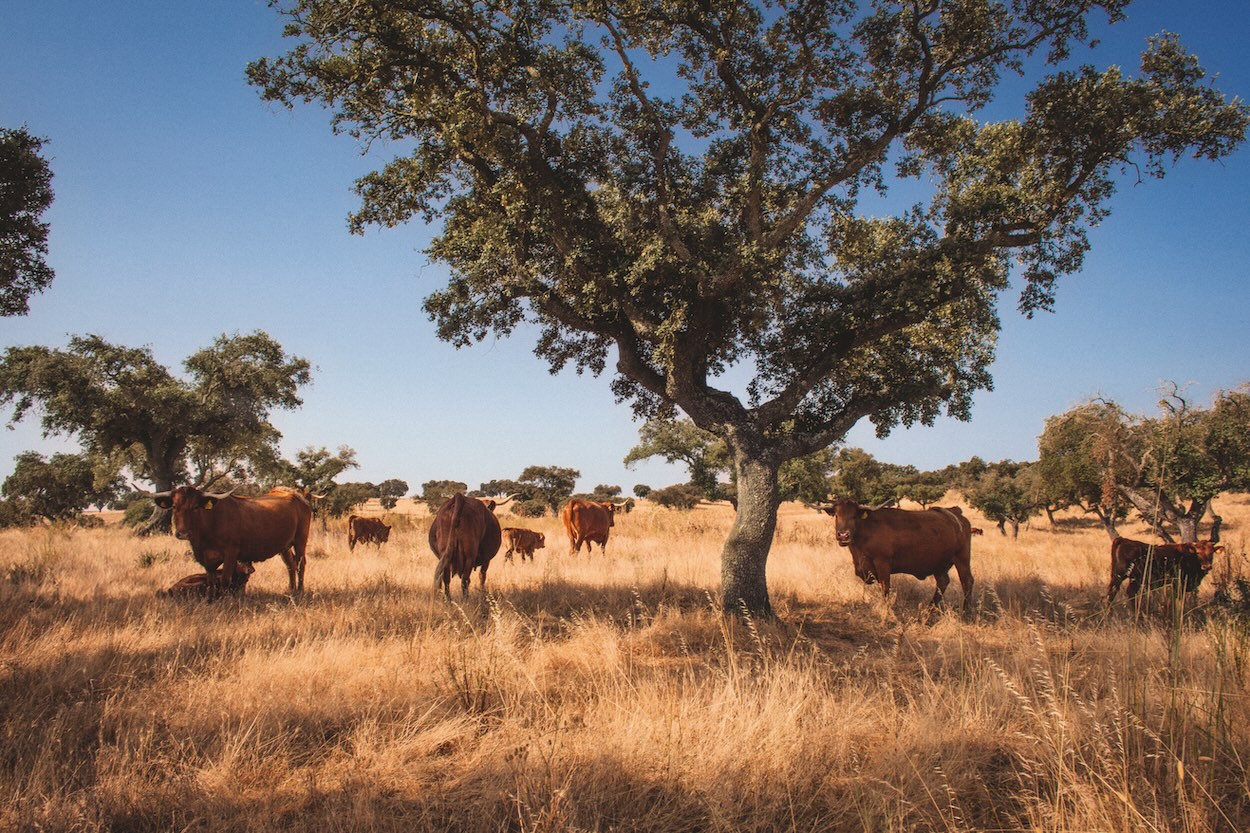
A wealthy Brazilian businessman once asked me why the farm was so “empty”—just a few pigs and cows free-ranging. He thought it wasn’t economically sustainable. But for us, investment means buying a little more land and making it better. I’d rather choose furniture that relates to nature than expand for the sake of numbers.
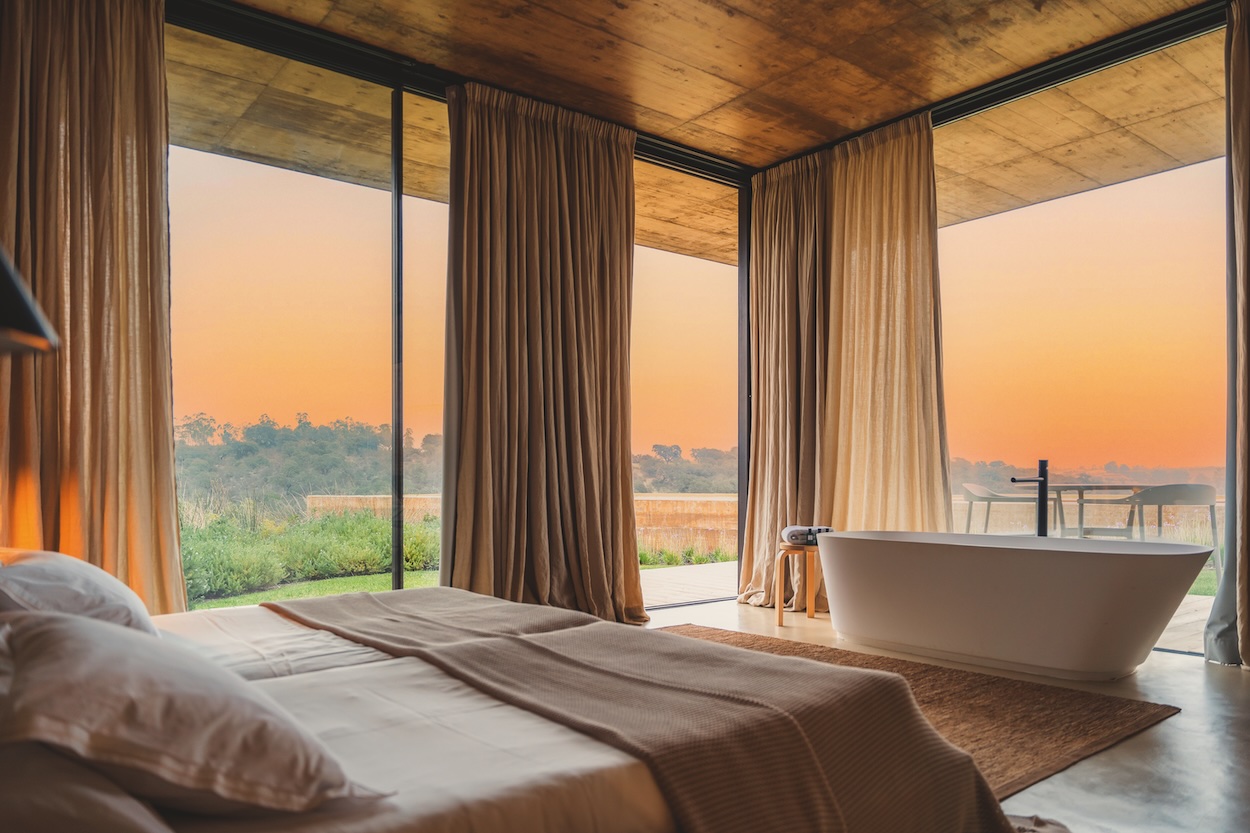
You’ve designed several houses on the property, some traditional and some more modern. How do you approach those interiors?
For me, it’s paradise. I go to Milan Design Week to study the brands and the people behind them. These pieces are art. An Isamu Noguchi light is not just a lamp—it emits a glow that calms and relaxes you. I mix those pieces with work by local artisans to create spaces that feel grounded. For us, investment isn’t about expansion. It’s about making the land better and choosing things that relate to nature. Good quality lasts forever.