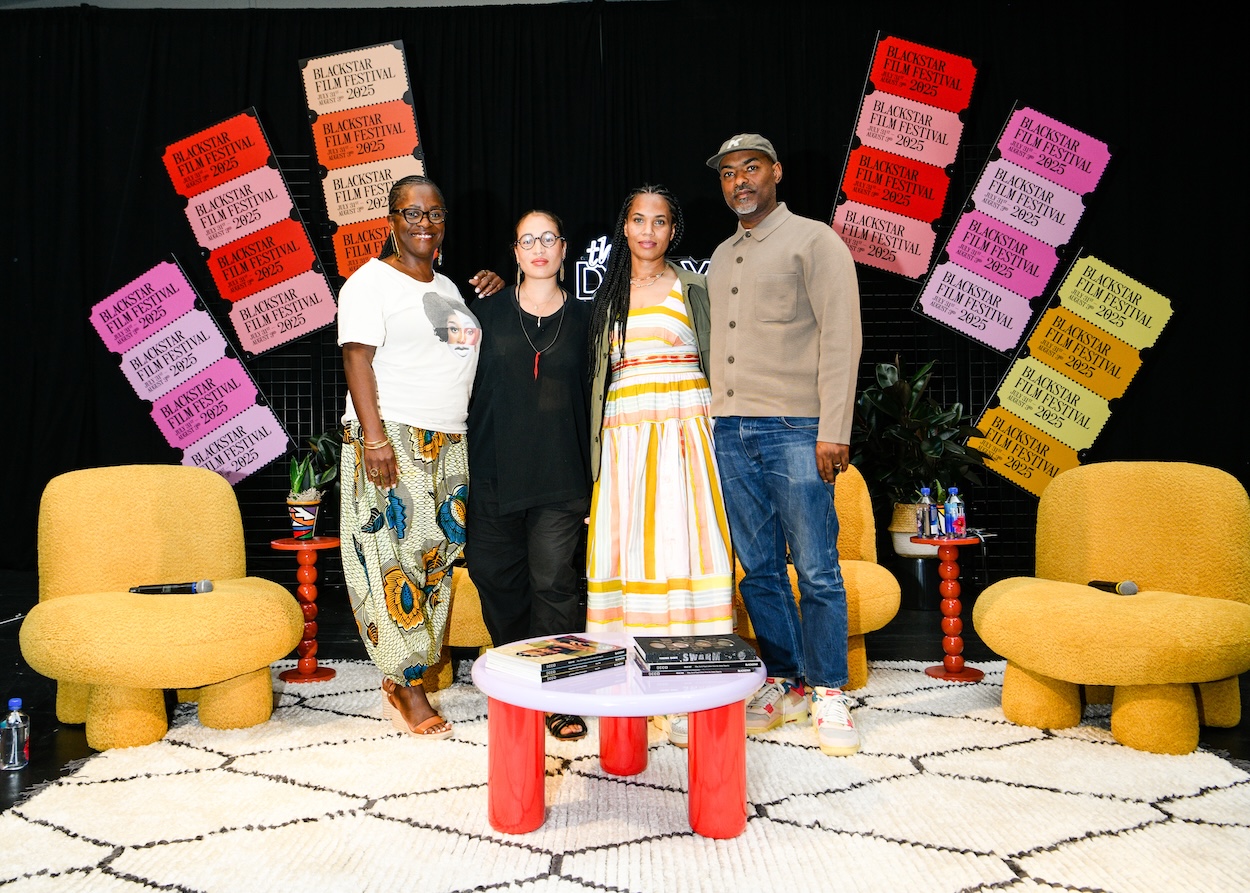
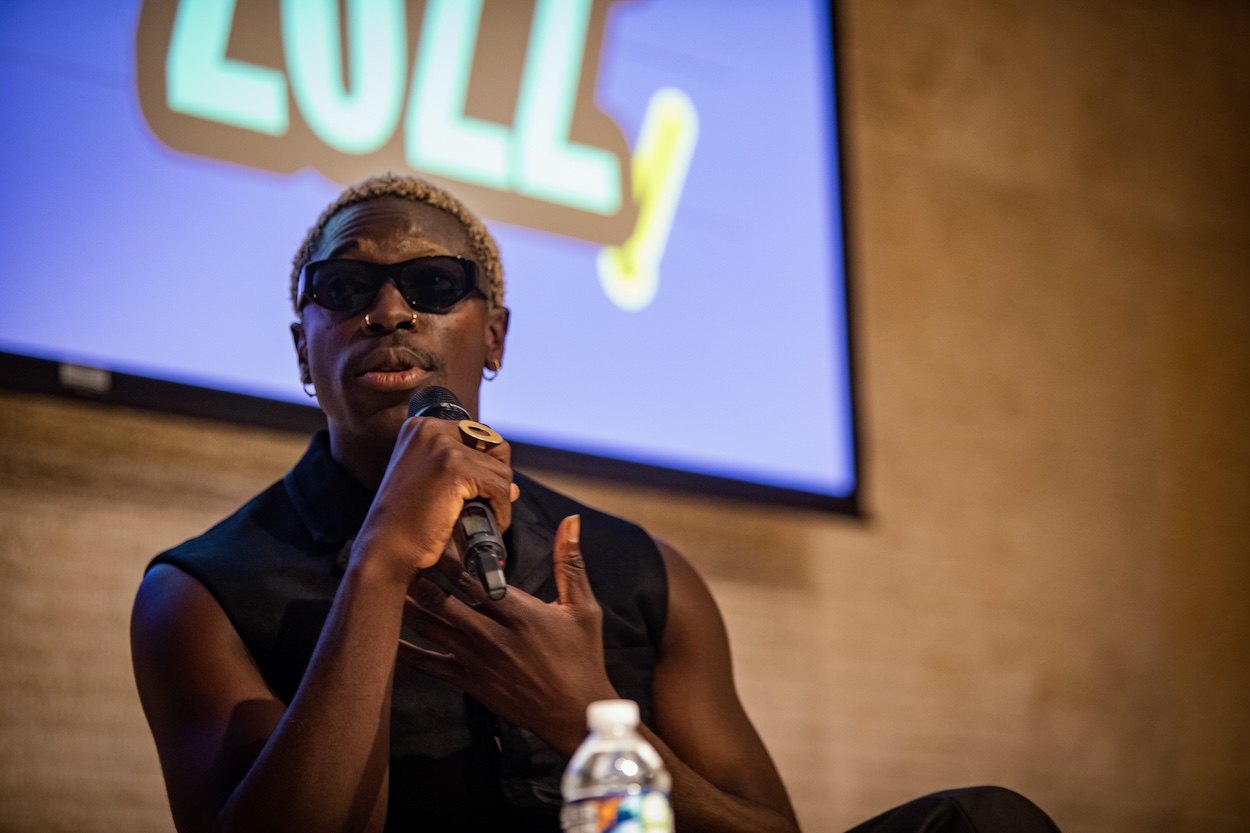
BlackStar Projects, founded in 2012 by Maori Karmael Holmes, will celebrate the 15th anniversary of its marquee film festival this year. In the decade and a half since the Philadelphia-based festival’s emergence, it has become a critically acclaimed platform for films by Black, Brown, and Indigenous artists, as well as a community for culture, conversation, and celebration. From Ava DuVernay to Kahlil Joseph, Spike Lee, Jenn Nkiru, and more, the festival’s roster has acted as a connector between industry icons and audience members.
This anniversary year will be populated with events at home in Philadelphia and nationwide. From the sixth annual William and Louise Greaves Filmmaker Seminar at Stanford University this March—featuring filmmakers Michèle Stephenson, Onye Anyanwu, and Chinaka Hodge—to the release of the tenth issue of BlackStar’s publication, Seen, this May, and a June screening partnership with the new ArtPhilly festival, the organization is preparing for its biggest slate yet. To learn more, Surface gathered insight from Holmes directly.
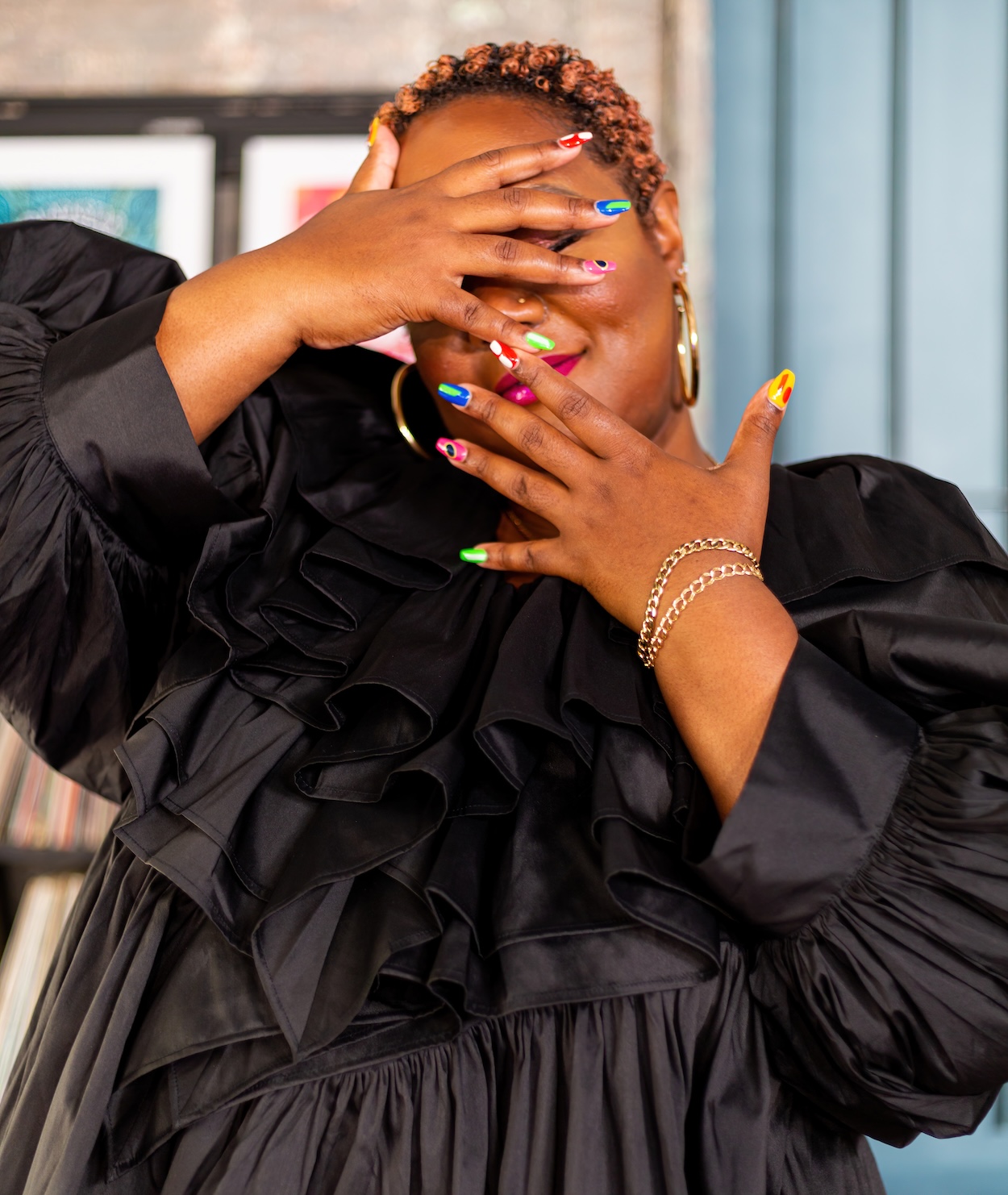
Founder and Director Maori Karmael Holmes, courtesy of Daniel Jackson…
BlackStar has maintained growth over the last 15 years. How have you expanded the organization’s programming without losing the intimacy that has appealed to attendees?
BlackStar has been presenting year-round programming since 2020, when we transitioned into a full-time organization. We are intentional in our organizing. We approach each of our projects with thoughtfulness and are always thinking about which audiences, partners, and artists we want to engage with. I think that helps to retain intimacy and compels folks to join us.
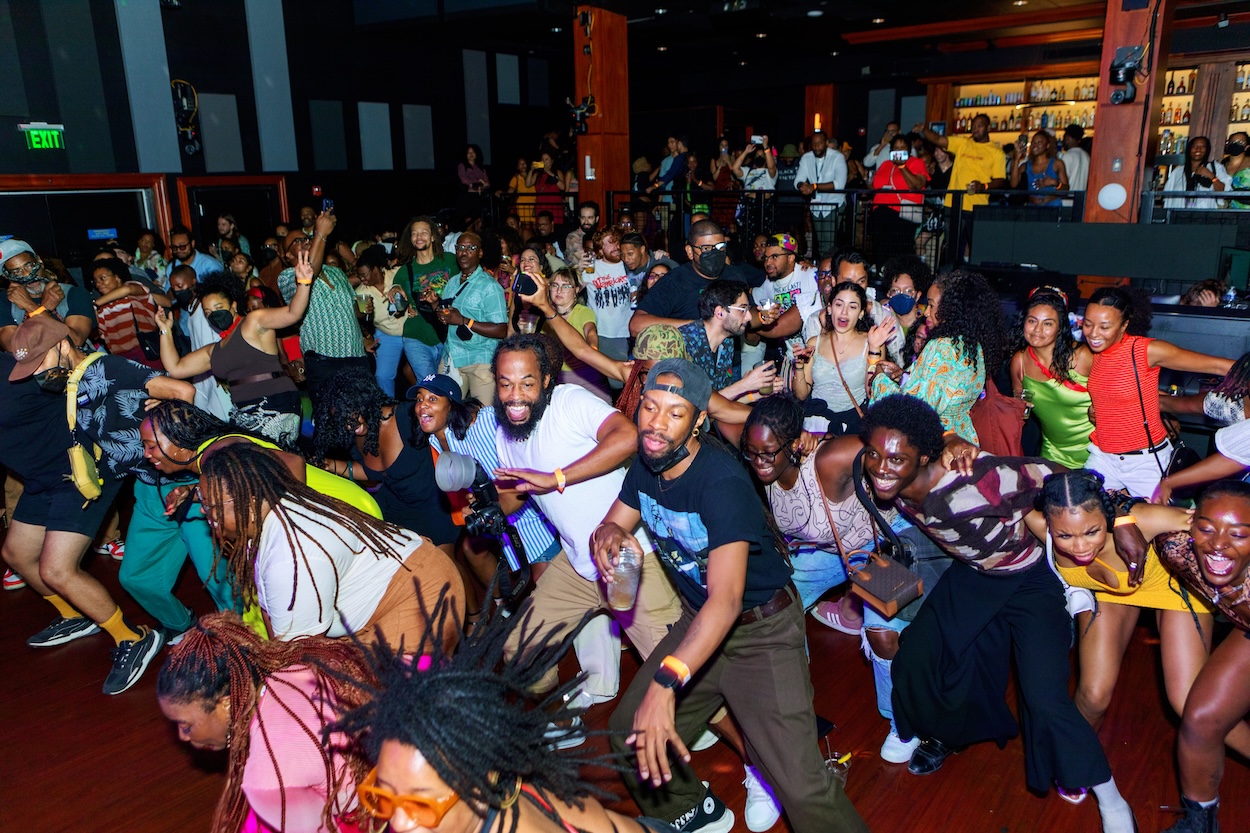
BlackStar 2024 Opening Night Party at World Cafe Live, courtesy of Daniel Jackson…
What can you tell us about BlackStar’s West Coast presence this year?
We have been organizing programming across the country since the very first festival in 2012. We’ve done programs in several cities, including New York, Portland, and Atlanta. Los Angeles has also been particularly active for us over the years. I have roots there and we have received incredible support from institutions and partners there. We’ve done programming with MOCA, the Underground Museum, and The Hammer, among others. This year is the first time we’re programming three events within one week as opposed to spreading them out over the year, which is really reflective of an attempt to maximize our resources.
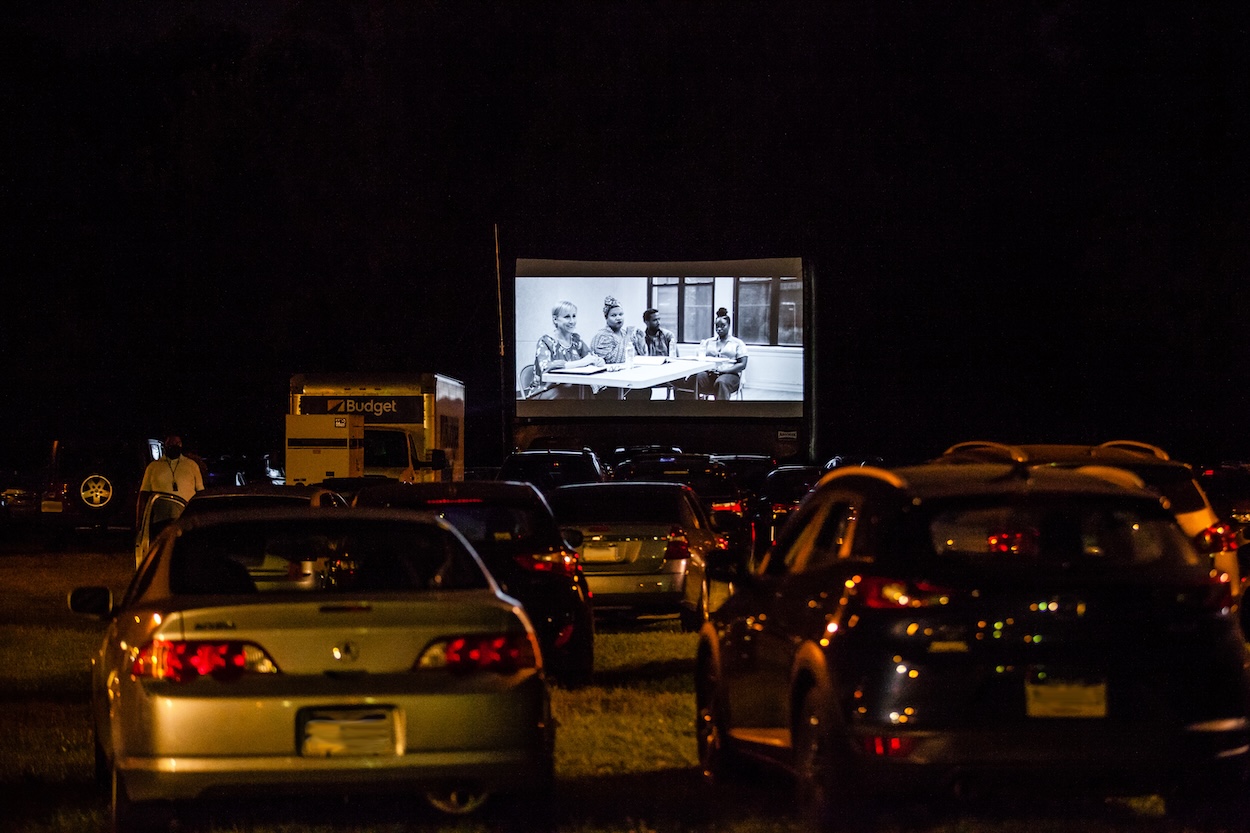
BlackStar Drive-In of 40 Year Old Version (2020), courtesy of Daniel Jackson…
BlackStar has always placed historical and contemporary work in conversation. In this anniversary year, how has that philosophy shaped new initiatives, particularly those extending beyond Philadelphia and the festival itself?
We don’t have any new initiatives this year as it has actually been a year of scaling back, slightly, to focus on our core programs:the festival, the journal, the seminar, and of course our year-round screenings.
The organization now operates as a festival, publisher, convener, and producer. At this stage, what kinds of growth feel like they have the most potential for the organization’s future?
The organization is working to grow deeper rather than wider and continuing to refine our core programs.
When you think about BlackStar’s earliest days and its next chapter, what feels most essential to protect as the organization continues to evolve as both an institution and a form of artistic and cultural resistance?
We work really hard to protect our curatorial voice and our mission of ensuring that filmmakers of the global majority feel like they have a place to be platformed and connect with their peers.