Joyful, Tender, Defiant: BlackStar Film Festival Honors Cinema for Liberation
Chief executive and artistic officer Maori Karmael Holmes speaks on the festival as a platform for works and visionaries that defy the constraints of genre.
According to festival director Nehad Khader, “cinema for liberation” is the overarching theme of this year’s slate of the more than 90 films set to screen at BlackStar Projects’ annual film festival. Now in its 14th year, what chief executive and artistic officer Maori Karmael Holmes had envisioned as a one-time event to uplift the works of Black, Brown, and Indigenous filmic artists is now a four-day-long magnet of Philadelphia’s summer scene. While it’s grown immeasurably since its earliest days, the festival has continuously maintained its focus on providing a platform for works and visionaries that defy the constraints of genre.
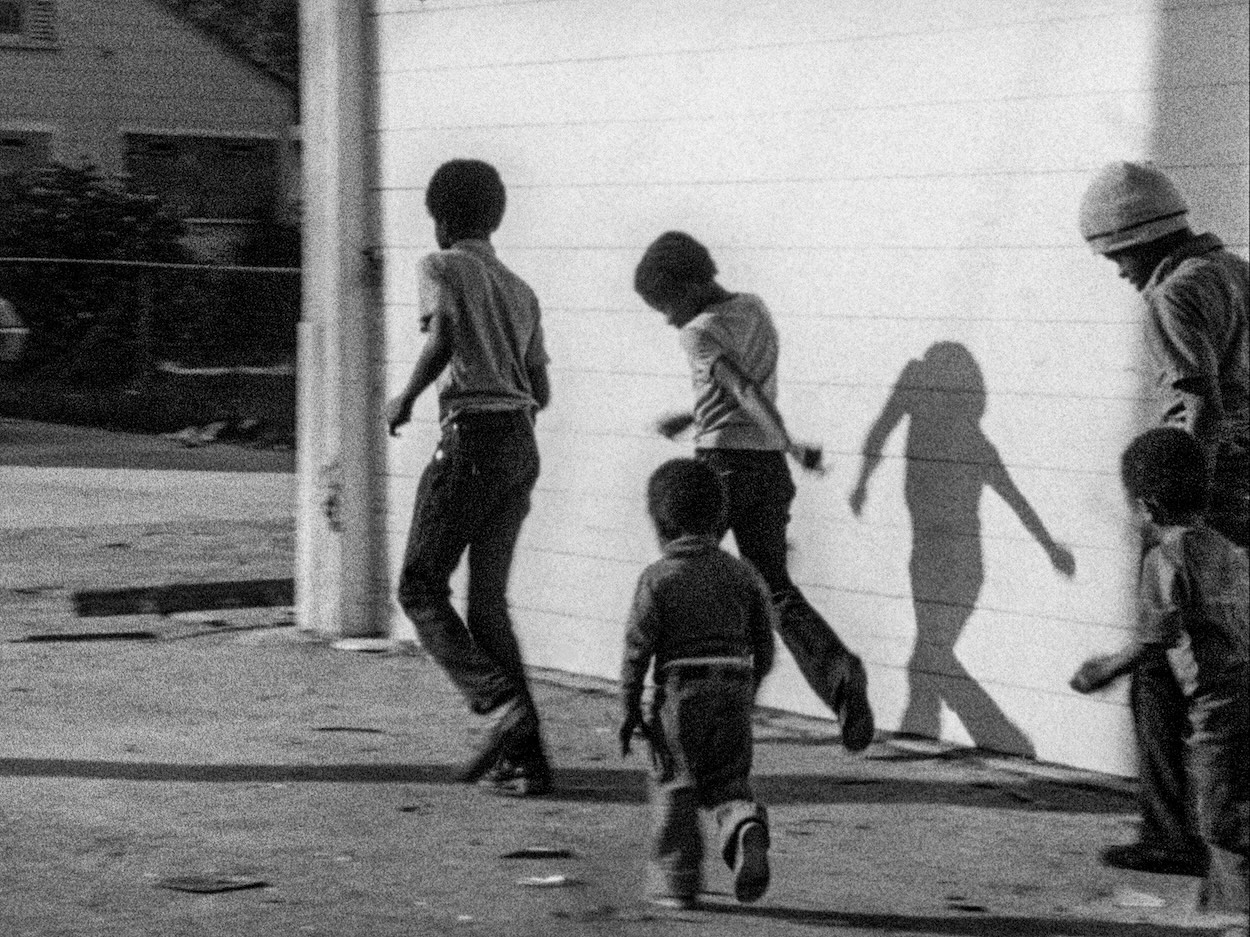
This year’s edition, which kicks off on July 31, features a roster of speakers across creative disciplines, including Whitney Biennial co-curator Meg Onli, the MacArthur Fellowship-winning literary scholar Saidiya Hartman, and Sundance-honored director Rachael Abigail Holder, among other distinguished artists, filmmakers, and thinkers. One of the festival’s major presentations is a screening of Killer of Sheep, Charles Burnett’s tender vignette of working-class life in the historically Black neighborhood of Watts, Los Angeles. Burnett, now 81, will also speak on the film during the festival’s programming. Holmes credits Burnett, who has been hailed as a soulful chronicler of Black history and humanity through his features and shorts, as a figure who “is woven into the fabric of BlackStar’s raison d’être.”
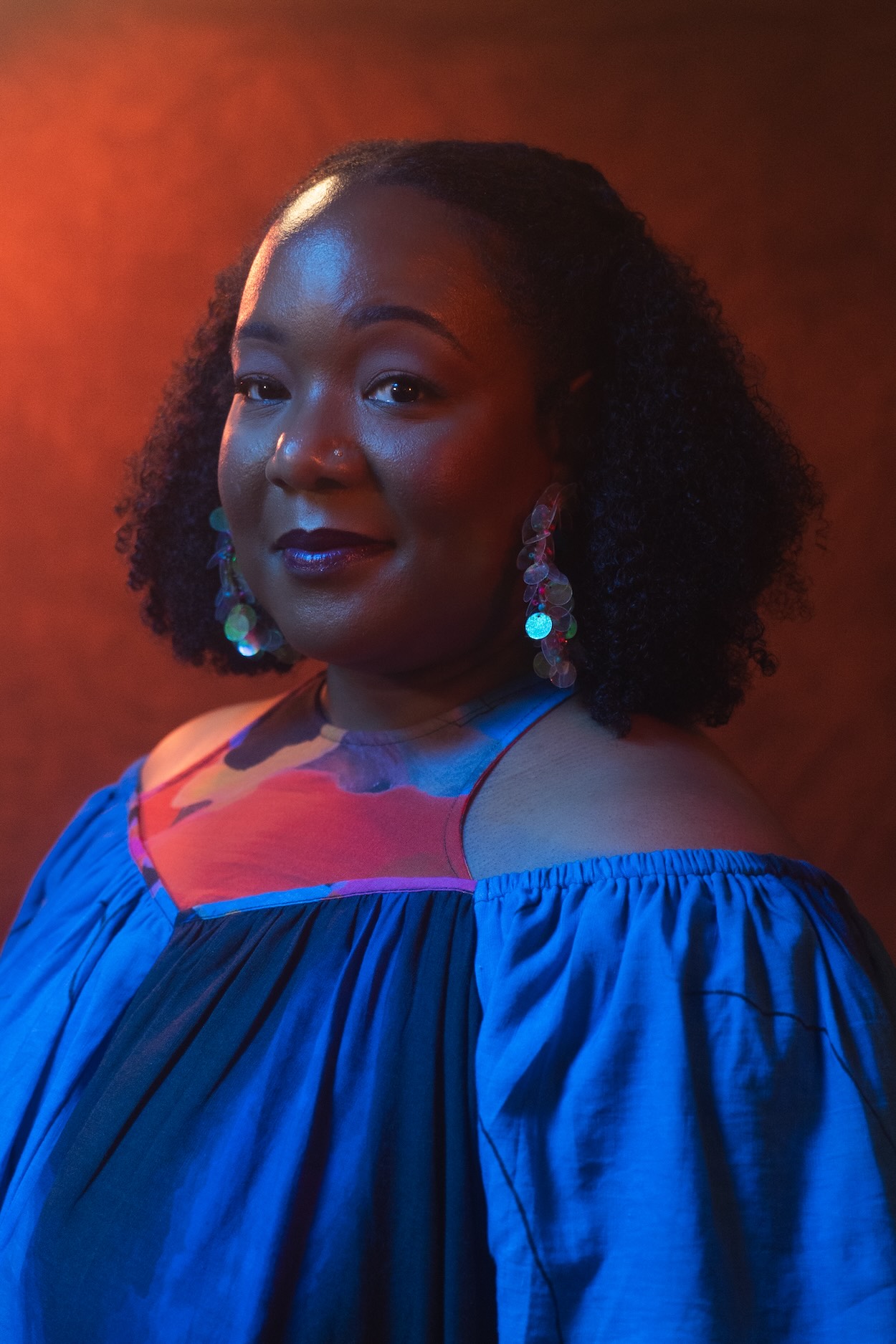
Maori Karmael Holmes. Credit Lendl Tellington…
With the festival’s dizzying slate of screenings and programming now fully announced, Surface caught up with Holmes to hear more about what this year’s edition has in store for attendees.
This interview has been lightly edited for length and clarity.
You mentioned that this year’s lineup feels “especially epic.” Why is that?
There’s an energy to this program that I can’t quite explain without sounding a bit woo woo. First, that we are able to still present the festival in this climate is in itself no small miracle. Then, there are so many standout films and panels. It’s beyond thrilling that the legendary Charles Burnett will be in attendance and screening a restoration of Killer of Sheep—a film so foundational to so many of us. And some of it is personal this year too. One of my closest friends from undergrad has a film in the festival that he EP’d from the ground up, and my mentor Louis Massiah opens the festival with a film he co-directed about Toni Cade Bambara. Bambara, along with Burnett, is of course another figure that is woven into the fabric of BlackStar’s raison d’être.
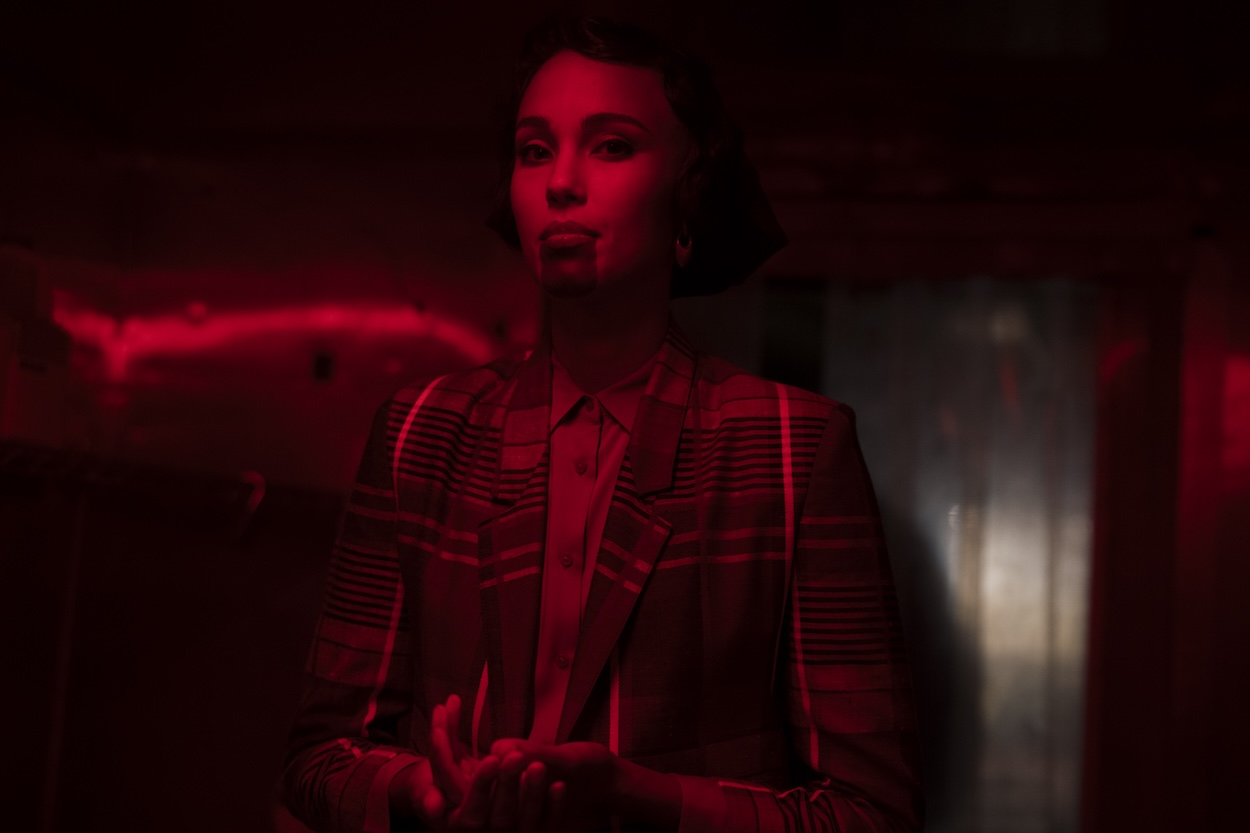
A still from BLKNWS: Terms & Conditions. …
Each edition since 2012 has been based in Philadelphia, including this one. Can you tell us about the continued importance of the festival’s relationship with the city, and how it’s evolved over time?
The festival was launched in Philadelphia but has always had a global focus. I think a benefit of being in a ‘second city’ means that we have the near-full attention of our audience during the festival which fosters incredible connections between filmmakers. I think the festival has helped to illuminate the creative community in Philadelphia.
Tell us about the relationships you’ve forged with the industry leaders who are speaking at this year’s edition.
One of the programs I’m especially enthusiastic about is the spotlight on BLKNWS: Terms & Conditions, directed by Kahlil Joseph. Joseph first presented at BlackStar in 2013 and is an artist often referenced by other filmmakers. I know that so many of us are excited about this debut feature film, which in its unconventional form is emblematic of so much that BlackStar is attempting to platform.
With more than 90 films screening over four days, how do you hope attendees embrace the opportunity afforded to them with such an expansive lineup?
The four days of the festival are definitely jam-packed, and there will be some hard choices to make, but I think that attendees will find a unique program for themselves that will be enriching and exciting. What’s really great about the scale of the festival is that to some degree there’s a leveling between the artists and the audience. So much of the magic of the festival happens in the in-between spaces like in the atrium at the Kimmel Center or standing in line for the opening night party.
Anything else you’d like to share?
This year we are excited to add a new venue in the Wilma Theater, whom we have partnered with on a new 4K projection system. We’re also bringing back The Daily Jawn, a morning show I’ll be hosting along with Rashid Zakat and Anne Ishii, that features conversations with filmmakers and other festival guests, which should be a lot of fun.