There is an elusive feeling to a vacation destination—a levity, a sense of excitement, a series of sensory stimulants (the weight of the sun, the salt in the air, the sound of the ocean tides), and local design codes. It changes a person. For the Pines, a small queer community on Fire Island, this comes with a sense of safety, solidarity, and shared expression. New York-based architecture and interiors studio BOND, short for the ‘Bureau of Noam and Daniel’ after founders Noam Dvir and Daniel Rauchwerger, uses these sensations as materials. Though their work encompasses retail and hospitality beyond the island, their residential contributions here tell the stories of a community.
The couple’s first experience with Fire Island Pines left an indelible impression. “It was July 2013 when we first visited, and we were both struck by the beauty and the excitement of it all,” Dvir says. “There is just this intensity that hits you—the nature, the architecture, the beautiful guys walking around—we didn’t know where to start.”
By Chris Mottalini…
This visit corresponded to the time architect and historian Christopher Rawlins’ book Fire Island Modernist: Horace Gifford and the Architecture of Seduction came out. “It was a time of renewed interest in the Pines’ midcentury architectural legacy,” Dvir adds. “For us, Gifford’s story and his entanglement with the place through personal and professional connections was extraordinary—we had no idea and were so thrilled to discover.”
For residents and architecturally curious visitors to Fire Island Pines, no local figure commands as much attention as Gifford who, between 1961 and his death in 1992, designed and built upwards of 60 homes in the small wooded enclave. Gifford, a student of Louis Kahn at the University of Pennsylvania, eschewed the subdued shingled lexicon of Cape Cod and the Hamptons beach homes for bold geometries and oversized windows that pulled in the outside world. “They weren’t just vacation homes; they were stage sets for this emerging, more liberated generation of gay men,” Rawlins shared in his book.
By Chris Mottalini…
When asked about Gifford’s contributions to the Pines, BOND admits it’s challenging to pick one from the 40 (though fewer remain today). “We spent the most time, and so are most familiar with, the house that [architect] Charles Renfro owns—one of Gifford’s earlier houses,” Rauchwerger says. “There is something about its simplicity and openness that is really hard to compete with. Charles also augmented the house and made it feel much more contemporary—something we strive to do with our own projects.”
In the last few years, BOND transformed from observers to active participants in the built environment with support from the Pines community. Projects have ranged from a ’50s Sears catalog home, restored for art collector Ilan Cohen, to a Harry Bates-designed house reinterpreted for a contemporary artist. “We actually feel like our studio has been adopted in a pretty incredible way. The proof for that is that we are now working on project number 13, in the matter of about four years. We realize this is a very special condition. It’s a place that requires you to give a lot of yourself, but you get it back tenfold,” Rauchwerger says.
By Chris Mottalini…
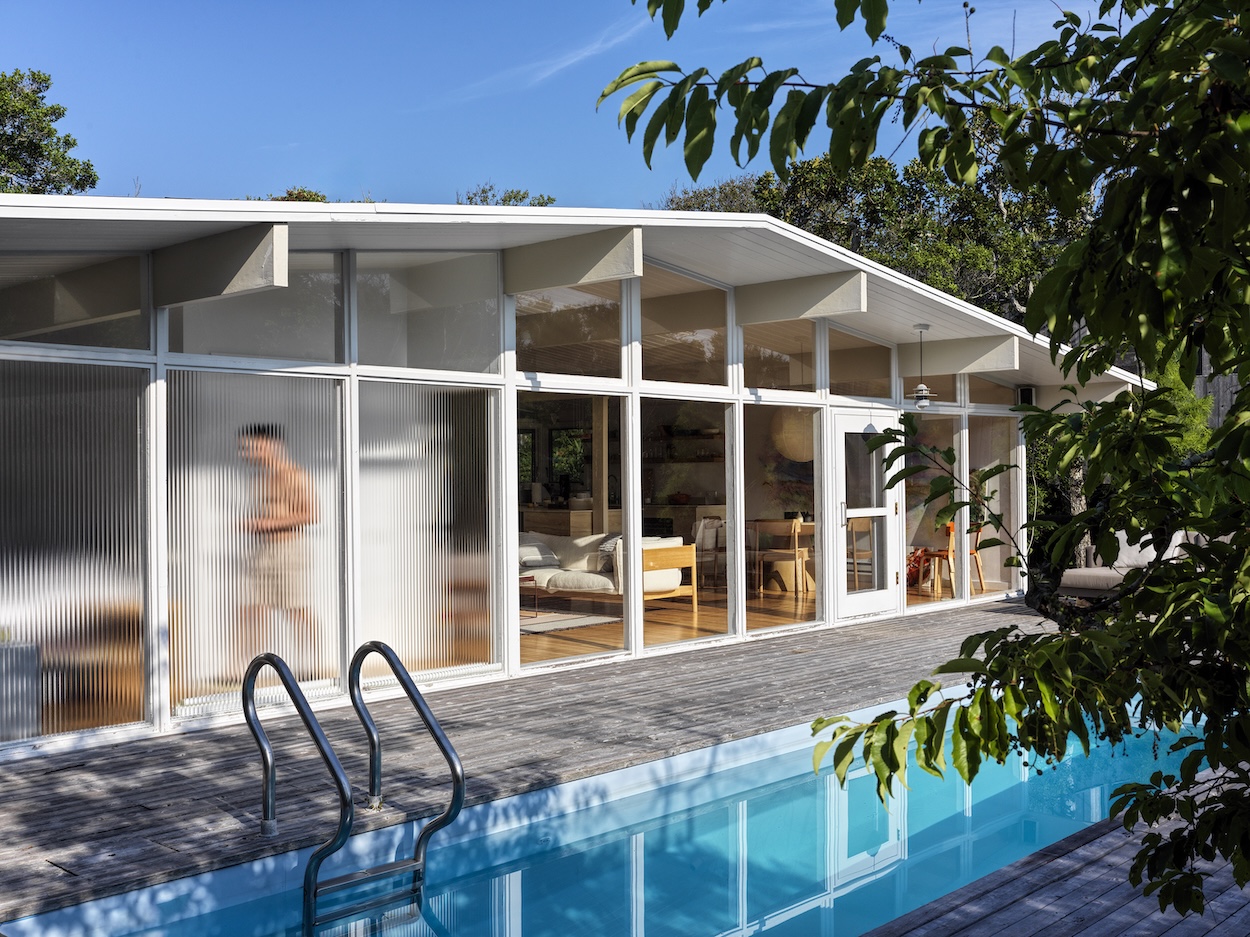
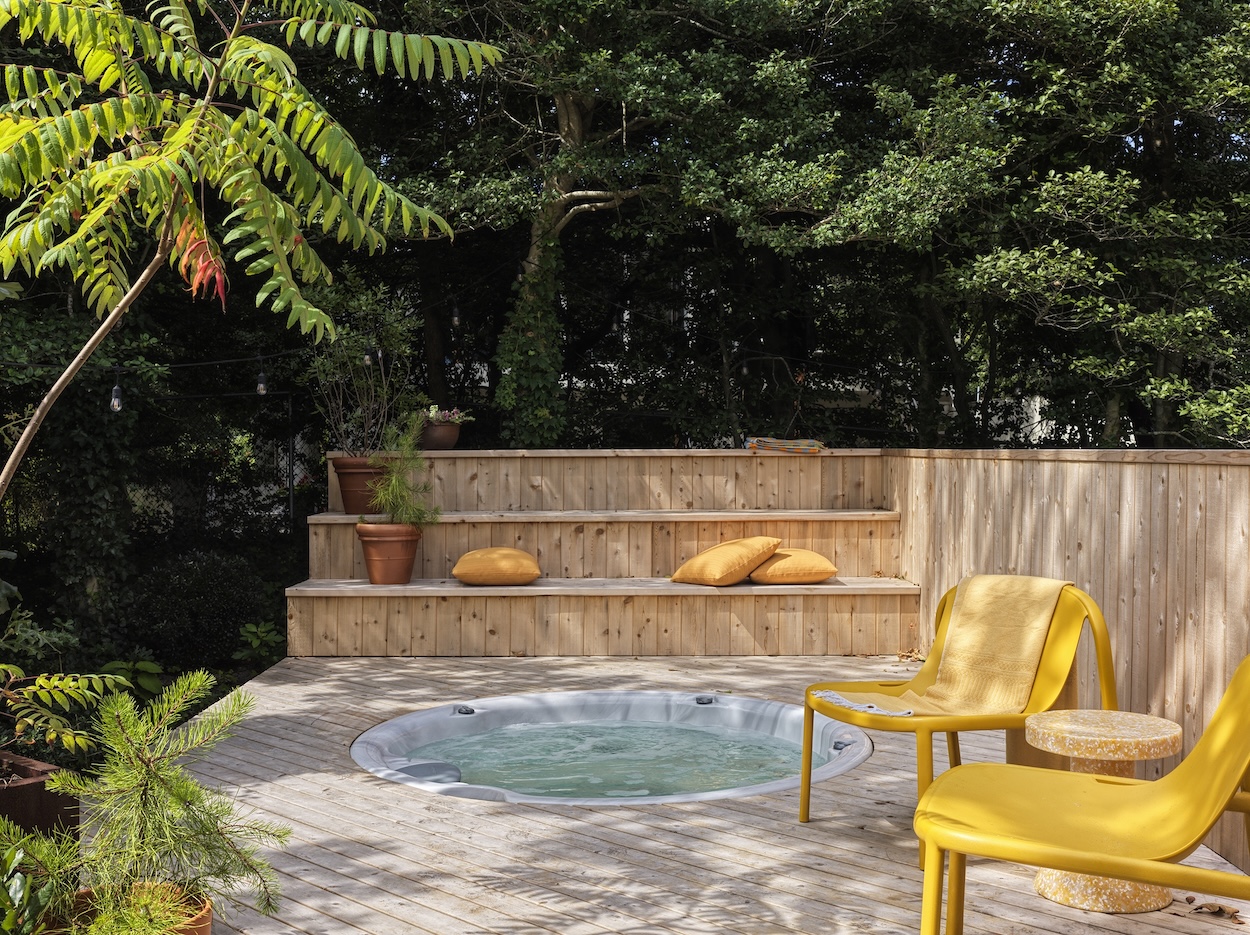
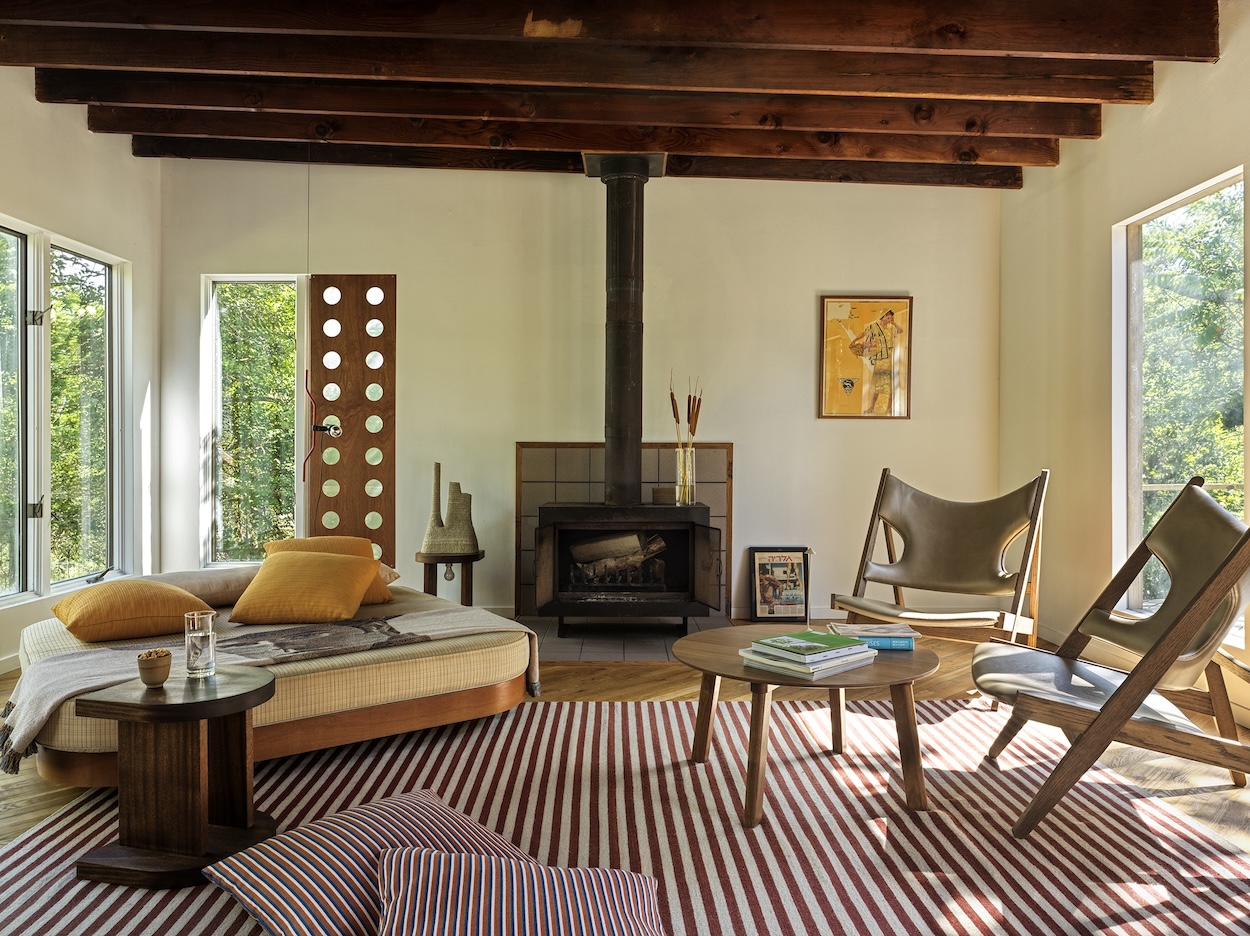
Central to the discourse is their own home, which (has been widely covered and) reflects their own taste while honoring the design language of queer life. “It’s a 1965 house that we bought and renovated—but through that process we changed it completely to make it ours, from the siding material and windows down to the furniture,” Dvir says. “We wanted to create a home that has an understated edge of design, but feels comfortable to live in. We also integrated a lot of our design ideas that have to do with sexuality, voyeurism, and a sense of a non-nuclear family, all of which are [for us] a part of spending time in the Pines.”
By Chris Mottalini…
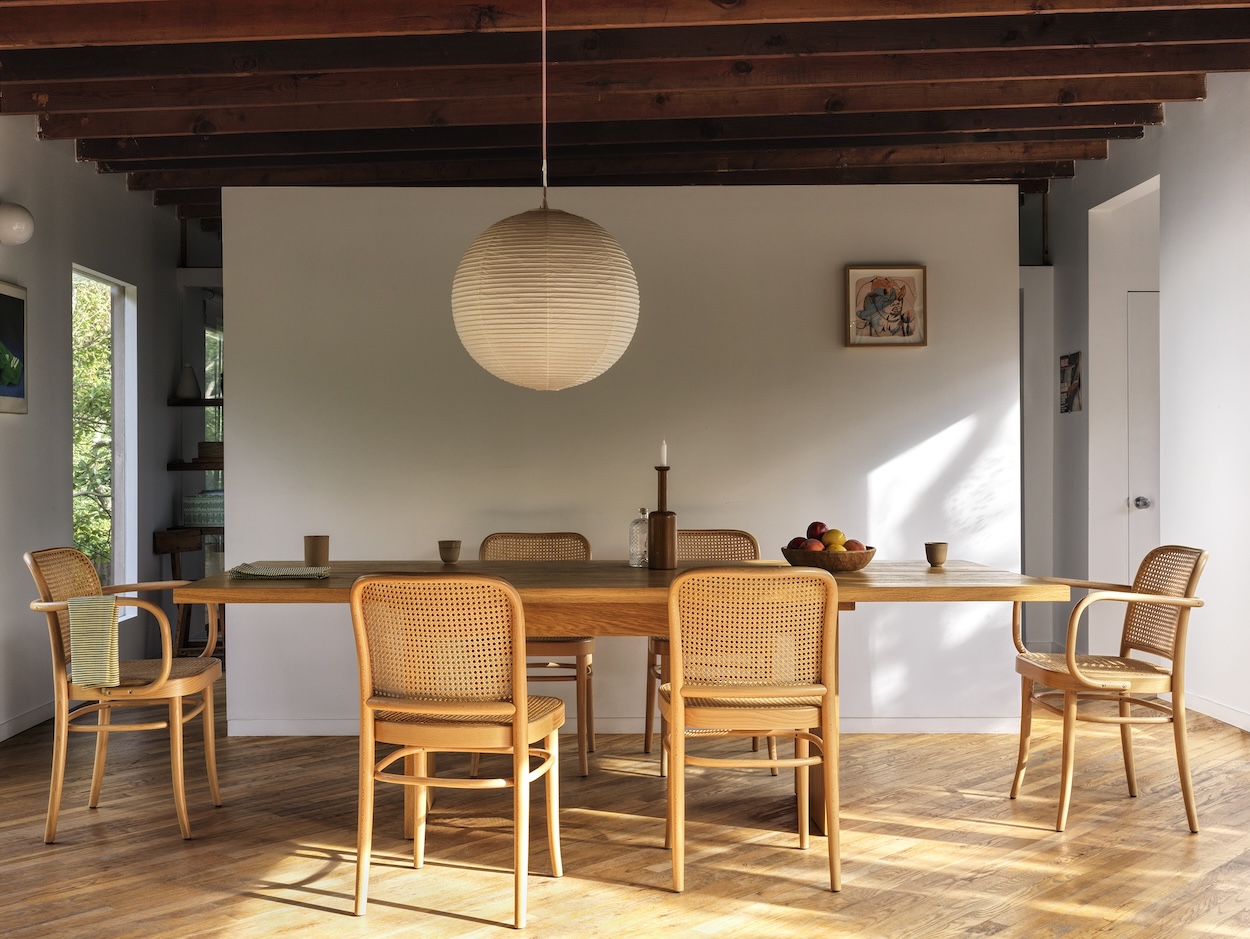
To walk through several of BOND’s Fire Island projects is to feel their values. “We try to make each project unique rather than to force a BOND signature, although of course there is an overarching aesthetic,” Dvir says. Honing in on it, he adds, “it is a spatial clarity and clean composition. We really like a clear sense of orientation that corresponds with a view axis. Furniture-wise, we source a lot of mid-century classics, but mix them with contemporary pieces that we design in-house.”
By Chris Mottalini…
Right now, BOND is in the midst of their largest project ever—one that covers a plot that encompasses three previous sites, includes a ground-up build, landscaping, and interiors. “We felt that this house needs to be relevant to the 21st century,” Dvir explains, “a century of climate change and sea level rise, of post-post-modern design ideas.”
By Chris Mottalini…
“We designed this house as a floating box, hovering about 20 feet above the ground. The plan of the house revolves around a central courtyard. It’s a house that’s in constant dialogue with its surroundings: the town and nature.” It will be a monumental addition to the Pines, and that’s something BOND is acutely aware of. It underscores the decisions they made to guarantee it stands up as the world changes.