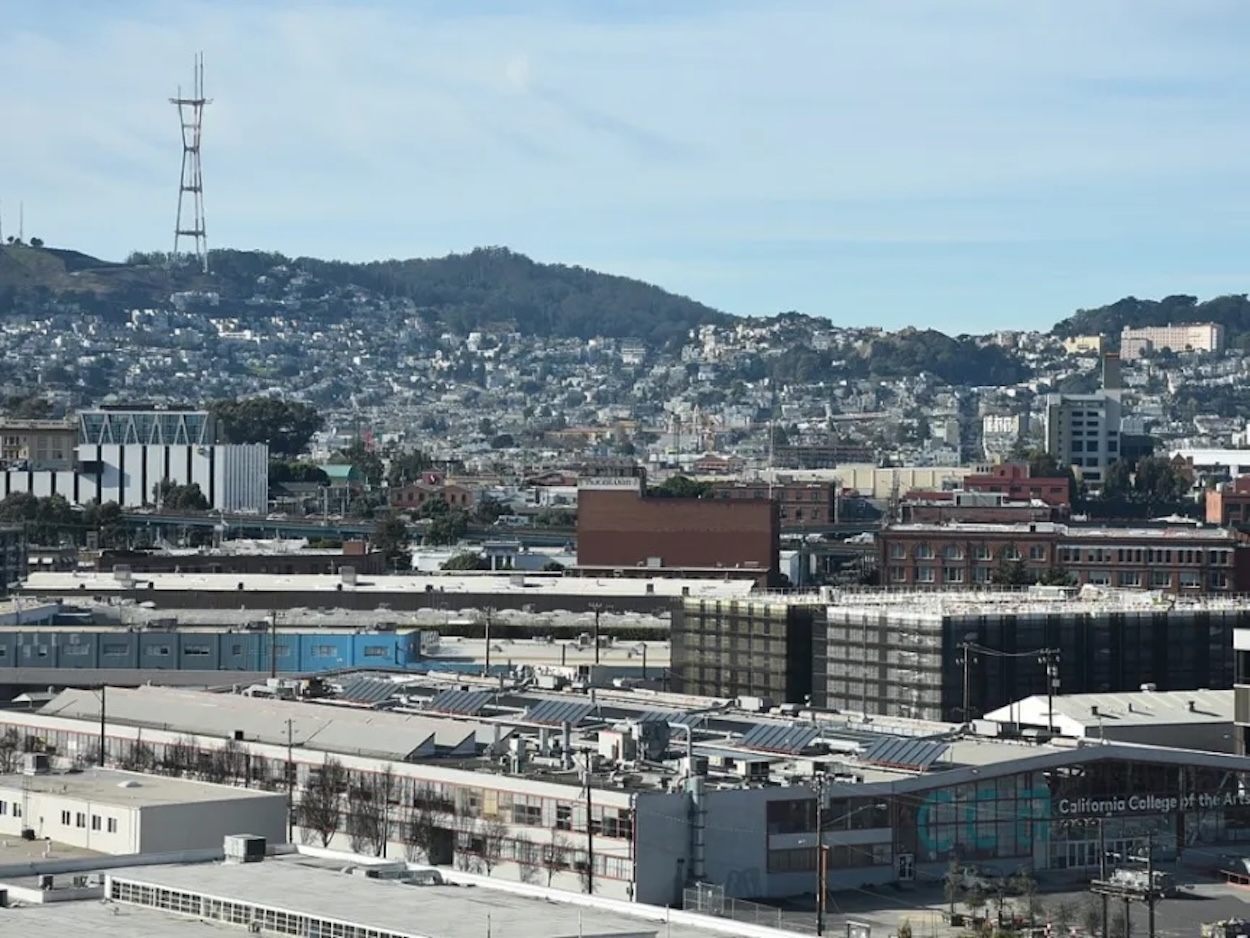
With the closure of the California College of the Arts, San Francisco loses its last art school.
California College of the Arts (CCA) will close at the end of the 2026–27 academic year, leaving San Francisco without a standalone art school. CCA plans to sell its campus to Vanderbilt University, which intends to introduce its own academic programs on the site while preserving parts of CCA’s legacy through an institute and archives. School leaders cited falling enrollment and a tuition-dependent model that no longer works, despite a major donor infusion in 2025. The closure follows the earlier collapse of the San Francisco Art Institute, indicative of the city’s widening gap in art education.
Fashion is putting its foot down on working from the office five days a week.
Fashion companies are tightening return-to-office rules, with five days a week increasingly framed as a baseline for workplace attendance. Executives cite missed details, slower decisions, and weaker collaboration during remote-heavy years, especially for complex work that benefits from real-time discussion. A softer job market has reduced employee leverage, and some companies are even using stricter attendance policies to shrink staff without formal layoffs. How leaders explain and model these mandates—and whether they allow limited flexibility—will shape retention once hiring power swings back toward workers.
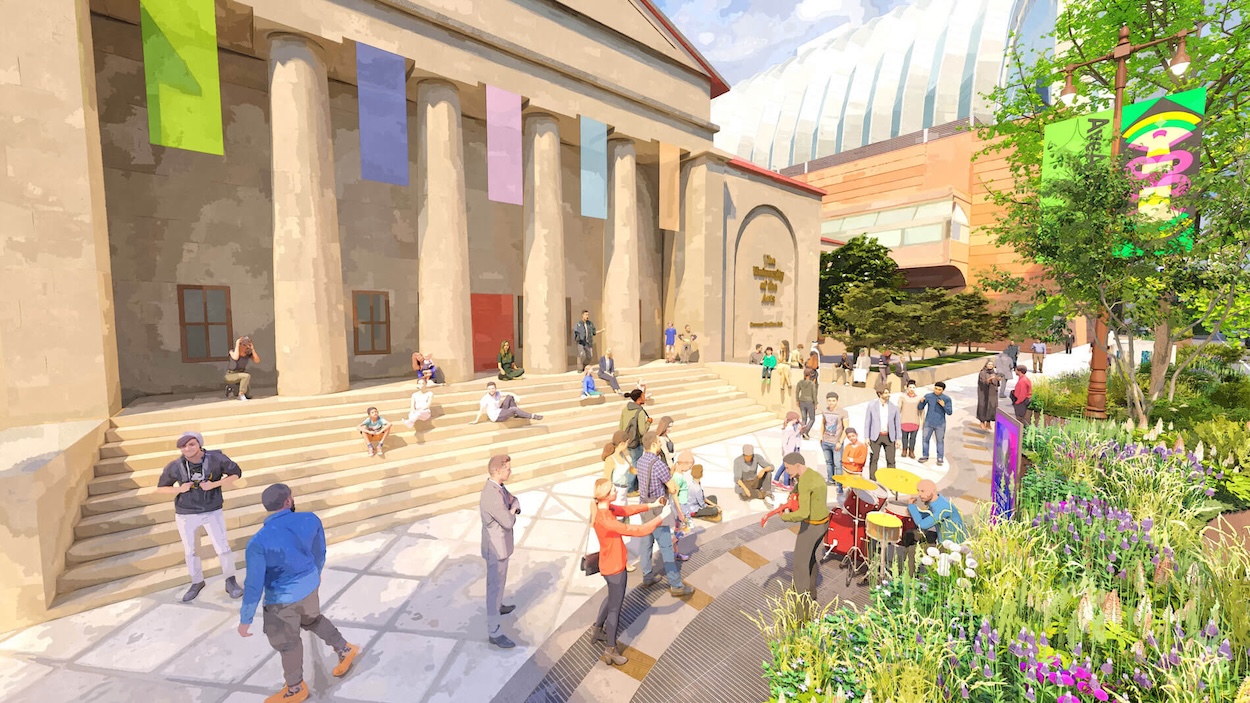
Thanks to Gensler and OJB, Philly’s Avenue of the Arts will soon look deserving of its name.
Gensler and OJB have begun a $150 million overhaul of Philadelphia’s Avenue of the Arts, a plan that will reshape a ten-block stretch of South Broad Street between City Hall and Washington Avenue. The plan introduces landscaped medians, lighting, outdoor performance areas, public art, and improved wayfinding, with construction starting outside the Kimmel Center this month. The redesign also connects cultural anchors to new civic spaces, including a performance plaza at Dorrance Hamilton Hall as it becomes part of the Village of Industry and Art. The project, which will roll out in two phases between now and 2036, aims to turn the corridor into a pedestrian-focused cultural spine that matches its long-standing ambitions.
DocuSign’s new A.I. tools might help you understand what you’re signing.
DocuSign is introducing A.I. features designed to make contracts easier to understand and faster to process. Signers can request summaries of key terms and ask questions about clauses like fees, cancellation policies, or warranties, with the A.I. pointing to the relevant sections of the document. The system, which DocuSign says is built on a specialized dataset, avoids generating information not in the contract, though it doesn’t replace legal advice.
Felix, L.A.’s favorite fair for discovering rising talents, is returning on February 25.
The 2026 edition of Felix Art Fair will be held at the Hollywood Roosevelt Hotel, featuring 57 galleries, including local favorites like Luis De Jesus Los Angeles and Megan Mulrooney, returning participants The Hole and Weinstein Gallery, and first-time exhibitors like Tokyo’s SOM GALLERY. Once again, the fair will offer a mix of international and emerging voices. Over its past seven editions, Felix has become a favorite for its participant flow—through rooms, suites, and poolside spaces—which allows guests to linger with artwork and connect with exhibitors outside of a convention center setting.
Today’s attractive distractions:
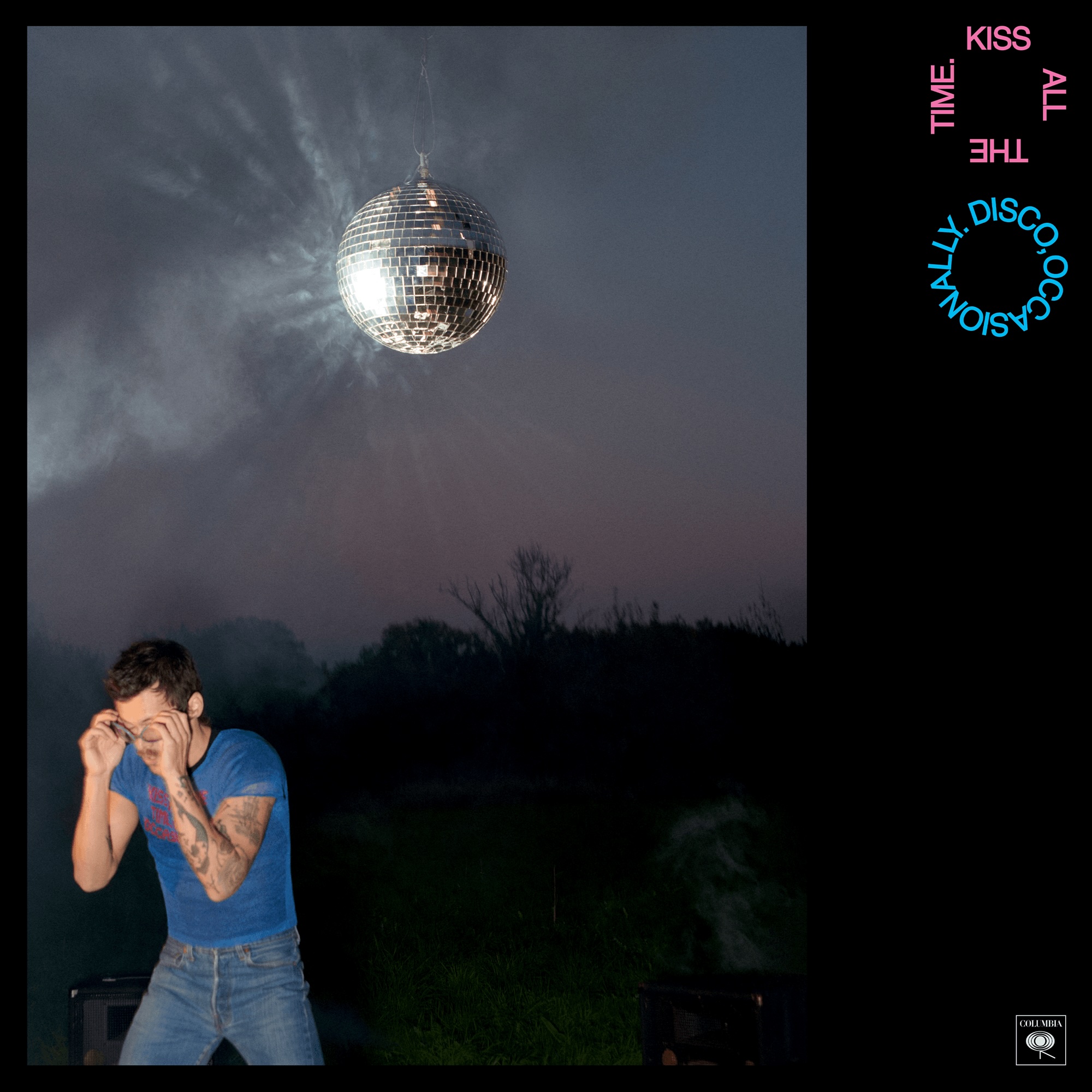
After three years on hiatus, Harry Styles is back with an imperative: “Kiss All the Time. Disco, Occasionally”
In the throes of 2016 nostalgiacore, the Cut asks: who would want to relive this?
Supper clubs and apartment cafés are really just the third wave of dinner parties.
Between photography and high fashion, athleticism is a major muse for 2026.