Contributions from more than 100 architects, artists, art collectives, and designers will converge for the 10th edition of the Chicago Architecture Biennial running from September 19 to February 28, 2026. Free to attend and open to the public, the biennial will consist of architectural interventions, exhibitions, public activations, programming, and more. Themed “SHIFT: Architecture in Times of Radical Change,” the event series sets work from Chicago-based practitioners in dialogue with talent drawn from 30 countries—altogether painting a picture of an art form in transition.
Chicago Architecture Biennial’s Immense 10th Anniversary Edition
Artistic director Florencia Rodriguez on this year's theme, “SHIFT: Architecture in Times of Radical Change”
BY DAVID GRAVER August 20, 2025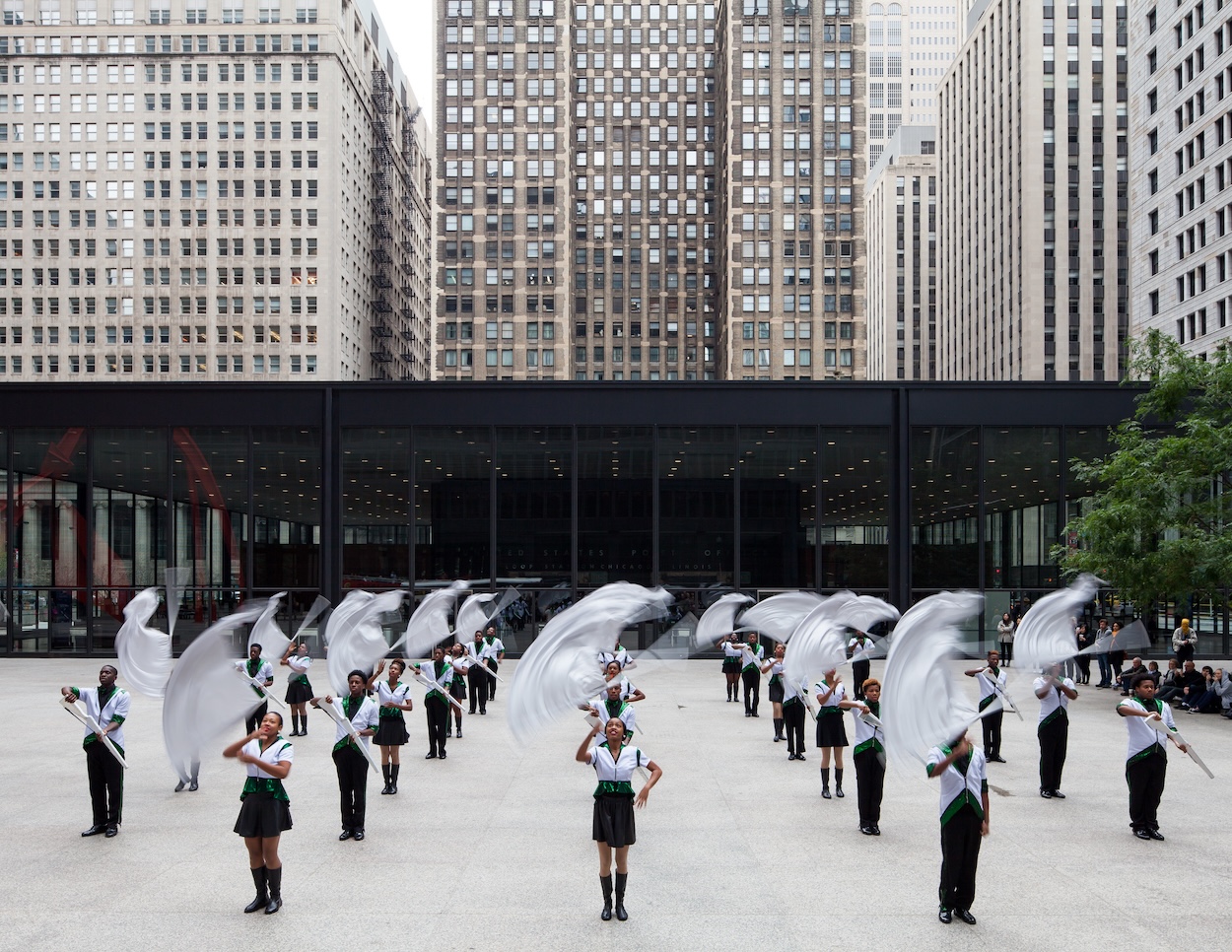
Performance view of Bryony Roberts and the South Shore Drill Team, We Know How To Order, CAB 1: The State of the Art of Architecture, Chicago, 2015. Courtesy the artists and the Chicago Architecture Biennial. Photo: Andrew Bruah.
…
by Noah Sheldon
…
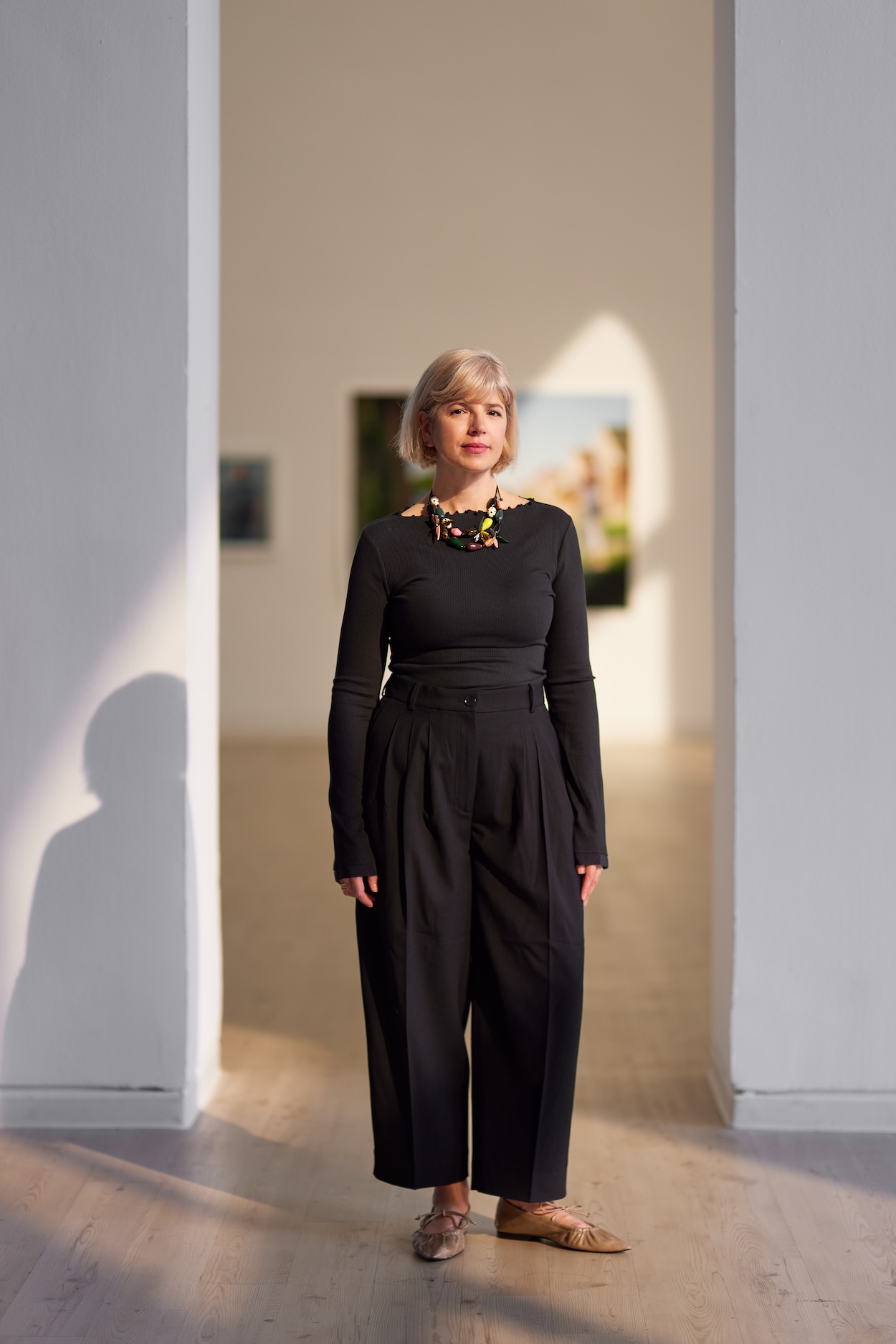
“It’s like a coming of age,” the 2025 biennial’s artistic director, Florencia Rodriguez, tells Surface. A leading editor, cultural producer, and curator, Rodriguez founded Buenos Aires-based architecture magazine PLOT in 2010, and then the independent architectural production company -NESS a few years later. She notes that the biennial might be a young one, but references one co-chair from the board of directors. “As Sarah Herda likes to say, ‘this edition represents a ten-year anniversary and a hundred-year plan.’”
Installation view of MOS Architects and Sou Fujimoto Architects, Architecture Is Everywhere and House No. 11, CAB 1: The State of the Art of Architecture, Chicago, 2015. Courtesy the artists and the Chicago Architecture Biennial. Photo: Steve Hall.
…
Rodriguez refers to the city of Chicago as a laboratory for the future and an apt setting for her theme. “When I selected it, I didn’t want to be too direct,” she explains. “I wanted it to be an overarching platform and then I wanted to develop specific elements within. I wanted to have more than one conversation at once.” She attributes this to the abundance of challenges we currently face—whether that’s A.I., global warming, or political conflict. “All of those together feel like the change of an era,” she says, “in which we are learning that we will need to live very differently.”
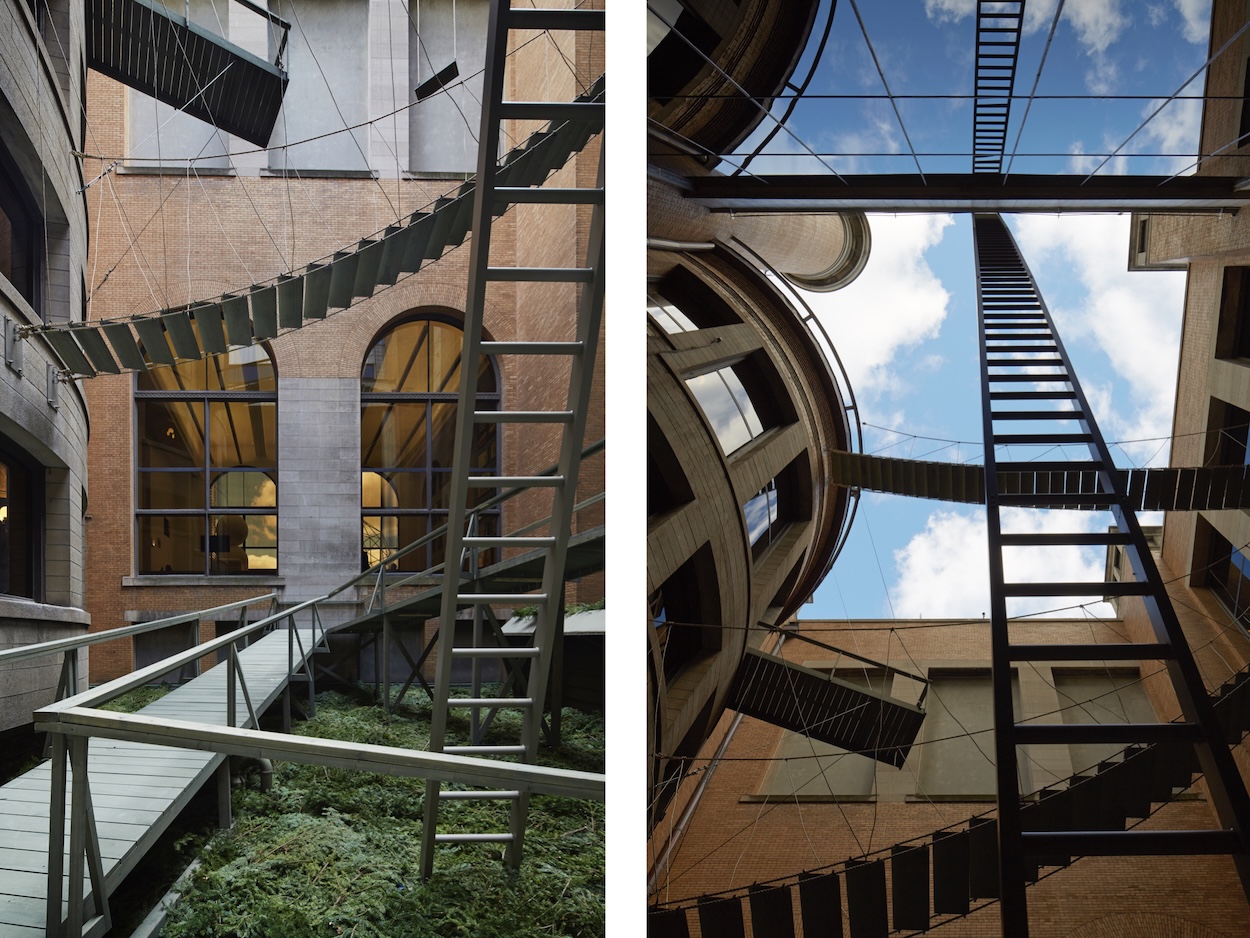
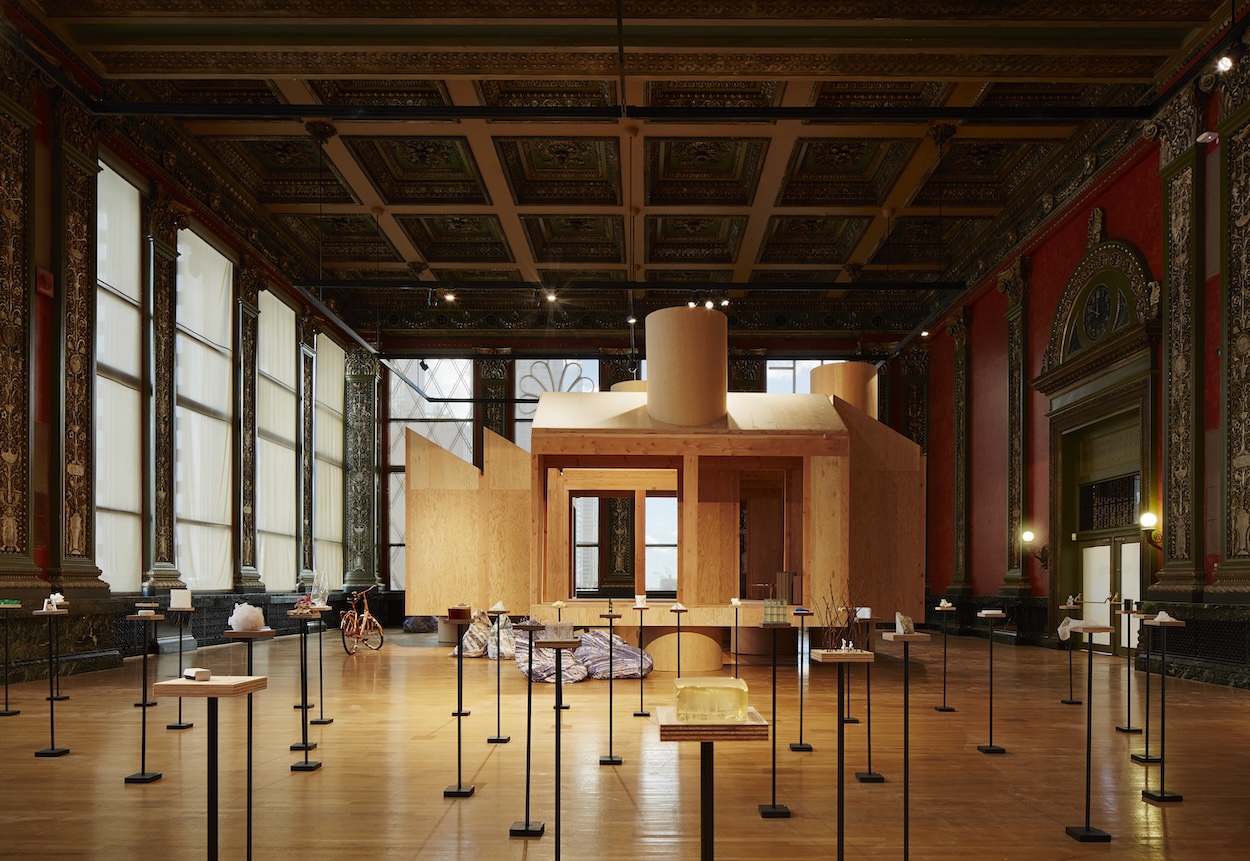
Installation view of Atelier Bow Wow. Piranesi Circus. Chicago Cultural Center. CAB 1: The State of the Art of Architecture, Chicago, 2015. Courtesy the artists and the Chicago Architecture Biennial. Photo: Steve Hall
…
From a curatorial position, Rodriguez and her team sought a balance between that which was innately Chicago and what she refers to as “a diversity of voices in this architectural chorus. There is reciprocity. Chicago is showing itself to the world, and Chicago is receiving new ideas from around the world,” she explains. “It was very important to me to have an exciting group of Chicago-based architects. It has to represent what’s going on in this amazing city which has generated so many architects.” This year includes BairBalliet, CLUAA, Jason Campbell / ellProjects, Kwong Von Glinow, Parsons & Charlesworth, Sean Lally, Stewart Hicks, Sungjang, and Aura Venckunaite.
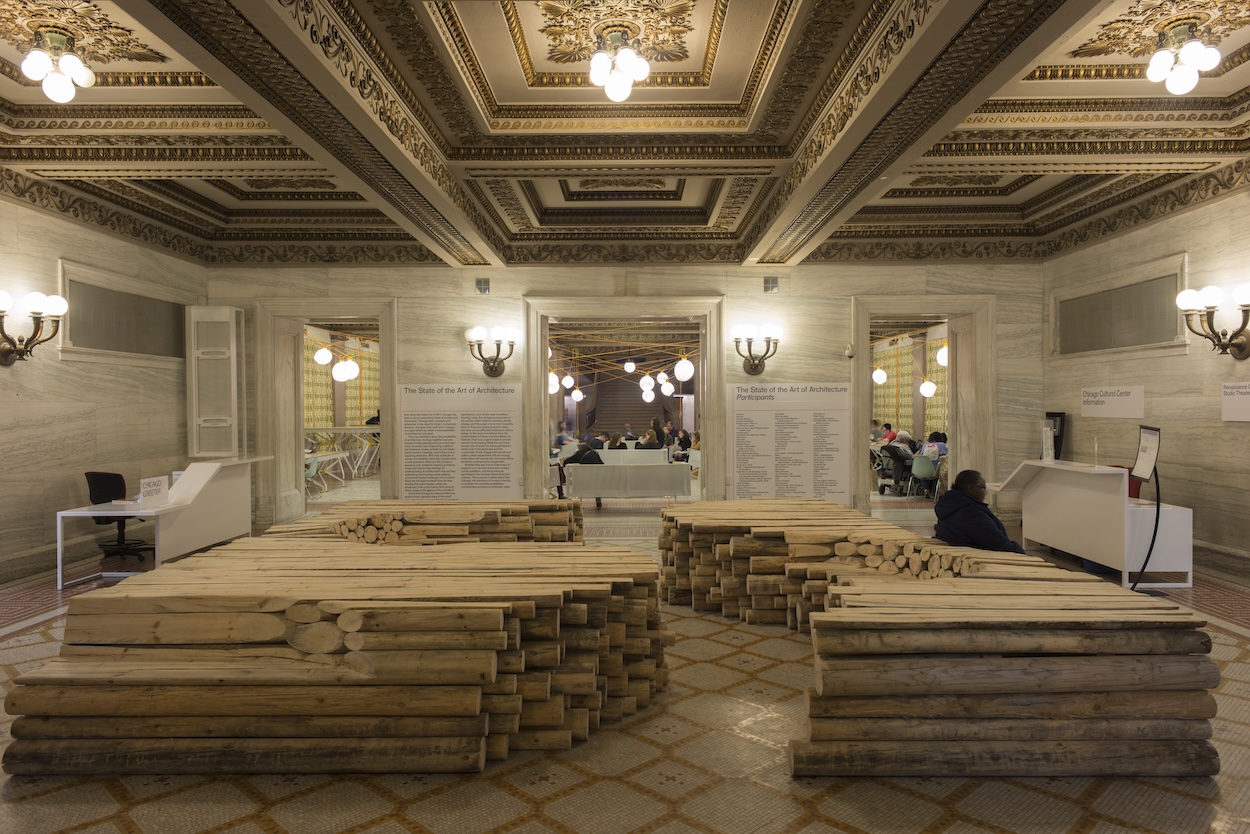
Installation view of Francis Kéré's The Place for Gathering. Chicago Cultural Center. CAB 1: The State of the Art of Architecture, Chicago, 2015. Courtesy the artists and the Chicago Architecture Biennial. Photo: Nathan Keay
…
Rodriguez sought balance through the programming—presenting ideas from established practices alongside emerging voices. Underscoring the biennial are distinct modes of thought, ways of practicing architecture, and means of processing the present moment. The throughline is imagination. “People think about imagination as something naive,” she says. “But imagination is what drives the possibilities of different futures—or the ability to think we can change something with a small gesture.”
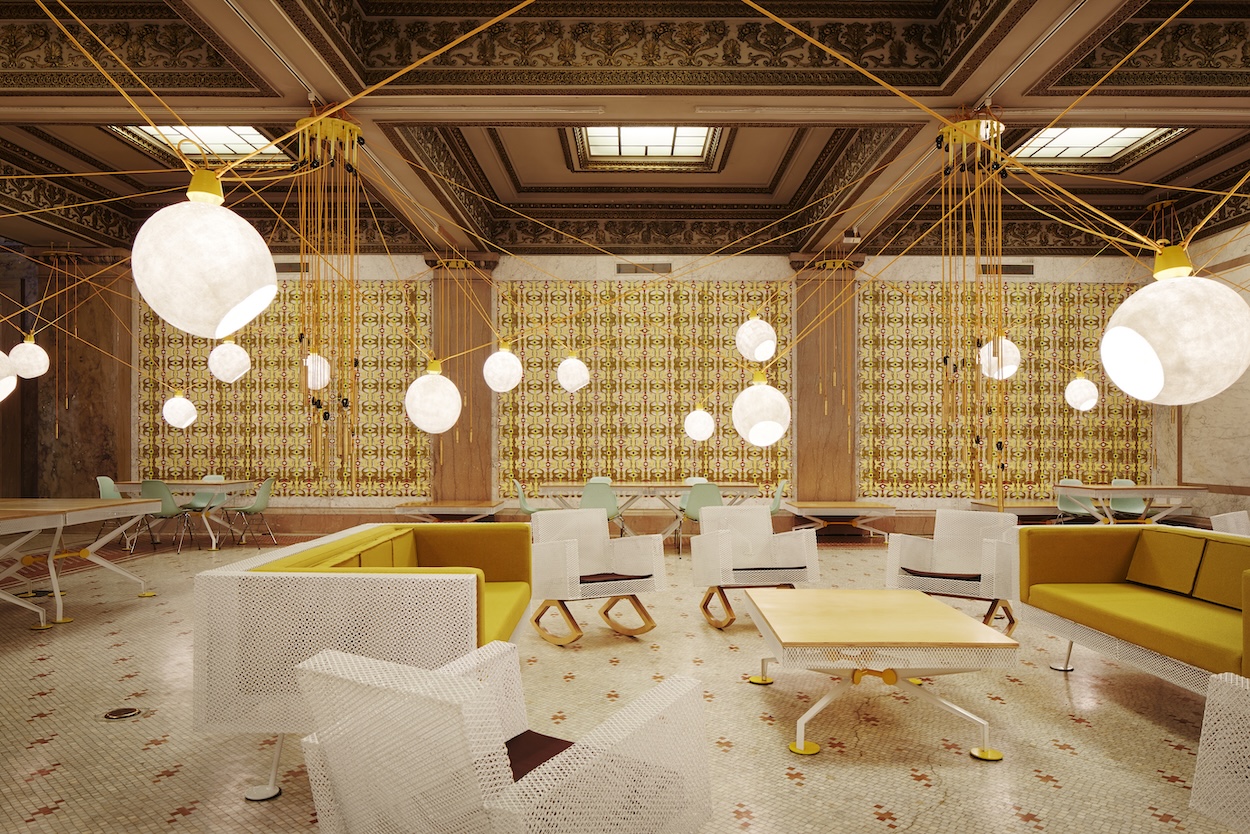
Installation view of Pedro & Juana Randolph's exhibition at the Chicago Cultural Center. CAB 1: The State of the Art of Architecture, Chicago, 2015. Courtesy the artists and the Chicago Architecture Biennial. Photo: Steve Hall
…
“I love talking about discreet revolutions,” Rodriguez continues. “A word can change how we see things. A conversation in a classroom changes how a small group of people engage with reality. Imagination is key to finding a more equitable future, and ways to build that are more responsible. Imagination is also about understanding what we love, the rituals we have in our lives, and how they relate to others. We have to understand how others live. What do people need? What do we need? How can we think collectively about those things?”
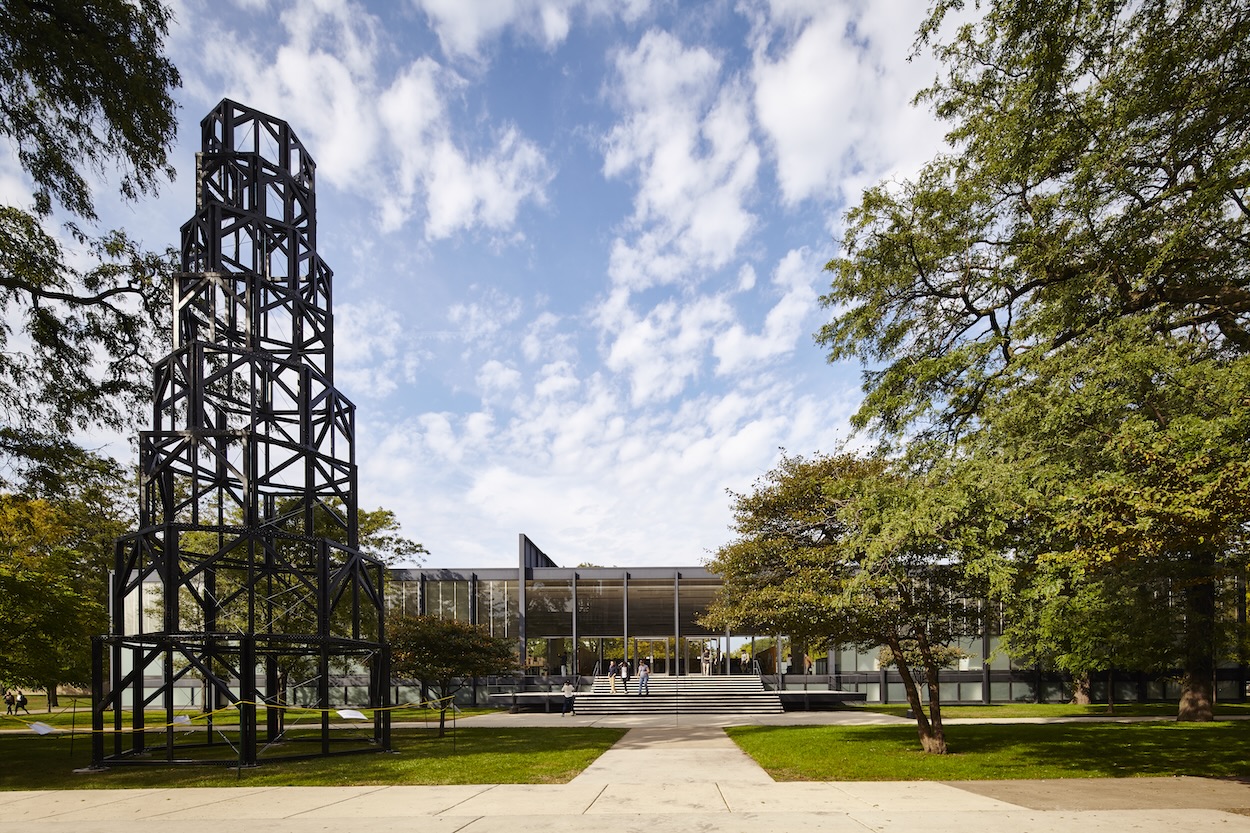
Installation view of Pezo von Ellrichshausen's collaboration with the Illinois Institute of Technology, Cent Pavilion. CAB 1: The State of the Art of Architecture, Chicago, 2015. Courtesy the artists and the Chicago Architecture Biennial. Photo: Tom Harris
…
The biennial has been free to attend since its inception. It’s a way of leveling perception that architecture is a luxury reserved for a select few. “Architecture represents the zeitgeist of an era,” Rodriguez says. “What we build stays to represent history. ‘Shift’ is related to that discourse—and to breaking the polarization. It’s the autonomy of architecture versus socially driven design.”
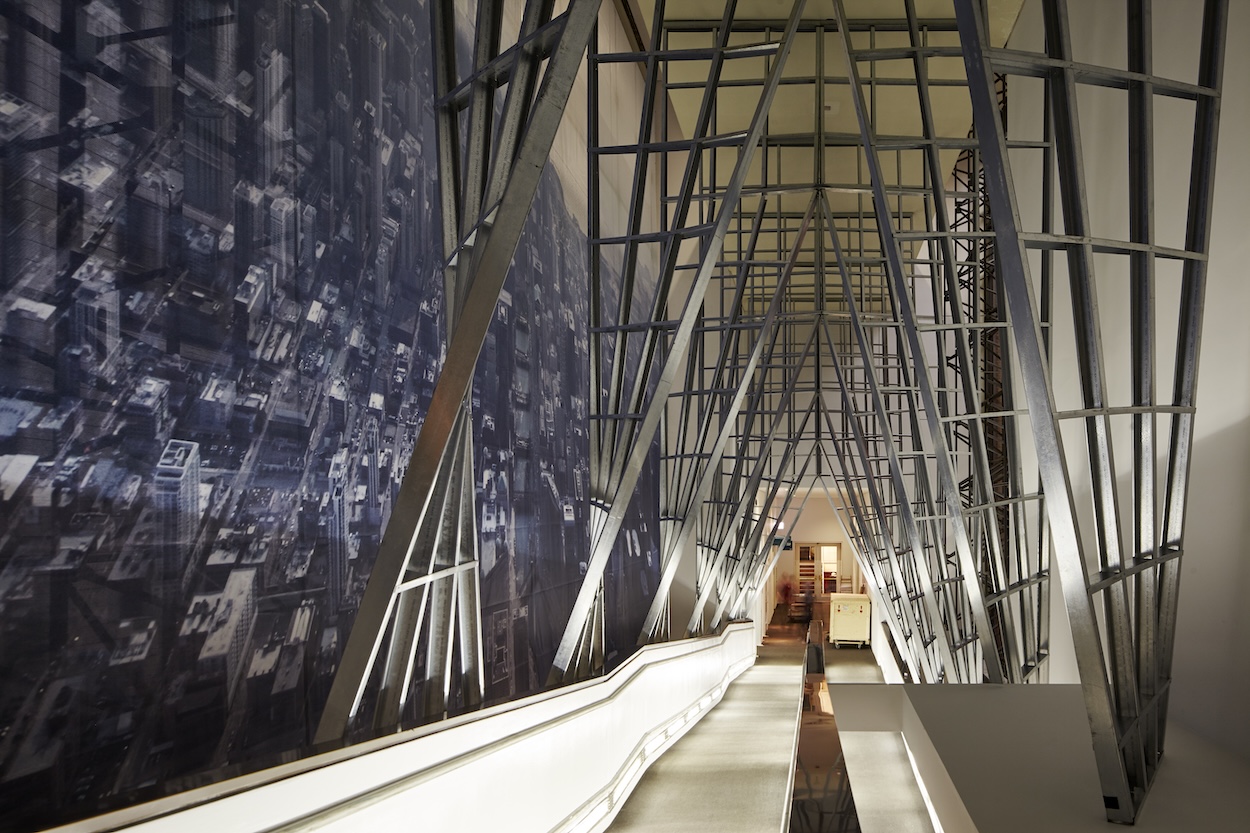
Installation view of Iwan Baan's Passage, Anonymous Histories, Chicago Cultural Center. CAB 1: The State of the Art of Architecture, Chicago, 2015. Courtesy the artists and the Chicago Architecture Biennial. Photo: Tom Harris
…
The biennial’s venues include the Chicago Cultural Center, Stony Island Arts Bank, and the Graham Foundation—all of which will host September openings. In November, an exhibition will also open within Chicago’s famed 875 North Michigan Avenue, formerly known as the John Hancock Center. “Across all of these locations we are generating free, public programming that will consist of talks, performances, and more,” Rodriguez says.
“I’d like the spirit of curiosity here to be contagious,” she concludes. “I’d like people to come to the biennial with open eyes, minds, and hearts. Be open to the possibility of being challenged. That’s the idea. In an age of ideologies, challenging your own way of thinking is a critical luxury.”