By mid-December, Miami Beach had mostly returned to itself after Art Basel. The barricades were gone, the lanyards tucked away, the hotels back to selling a promise of ease rather than proximity to power. Yet embedded within those same properties, a city-funded exhibition quietly remained. “No Vacancy,” staged during the most commercial art week of the year, felt different once the spectacle dissolved. Without the noise of Art Week, the work revealed what it had been doing all along.
After Art Basel, 'No Vacancy' Was Still Checked In
BY TY GASKINS January 26, 2026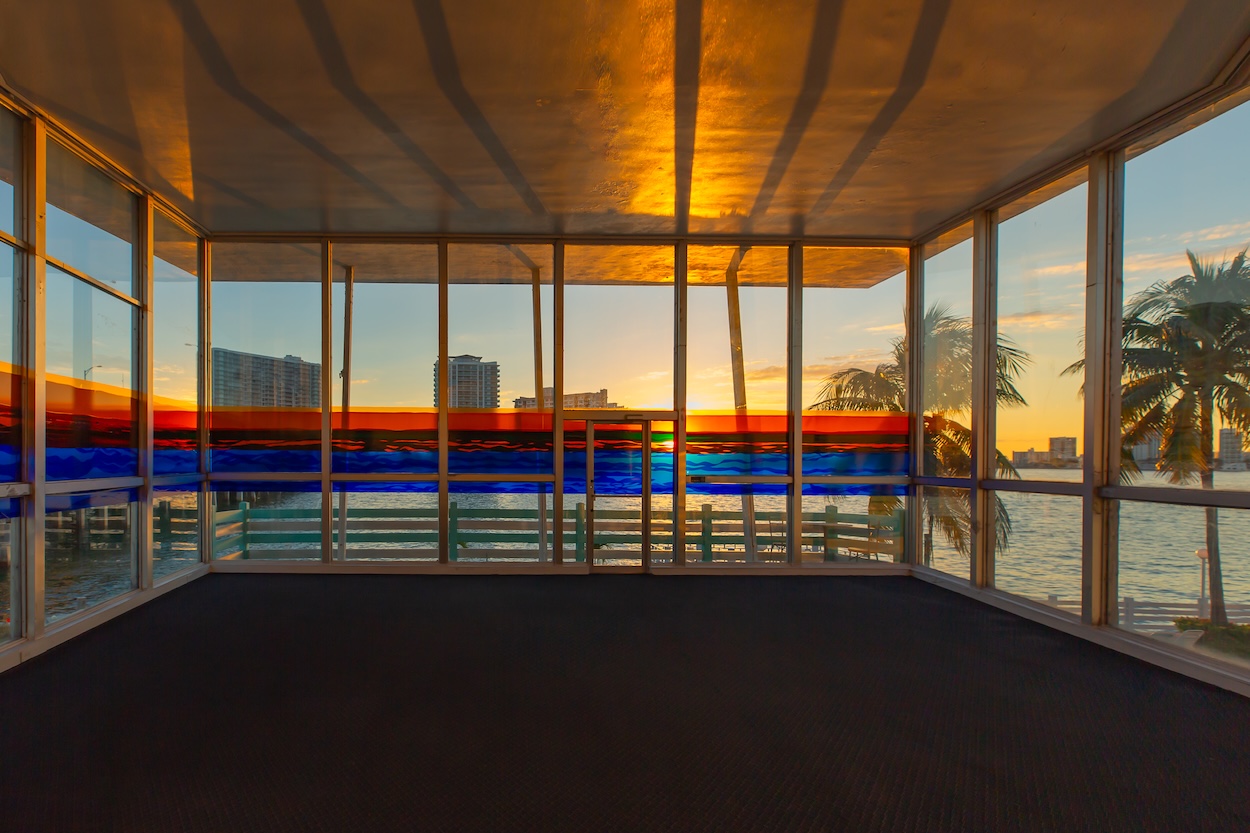
No Vacancy, 2025, Nathalie Alfonso, image courtesy of Monica McGivern Photography
…
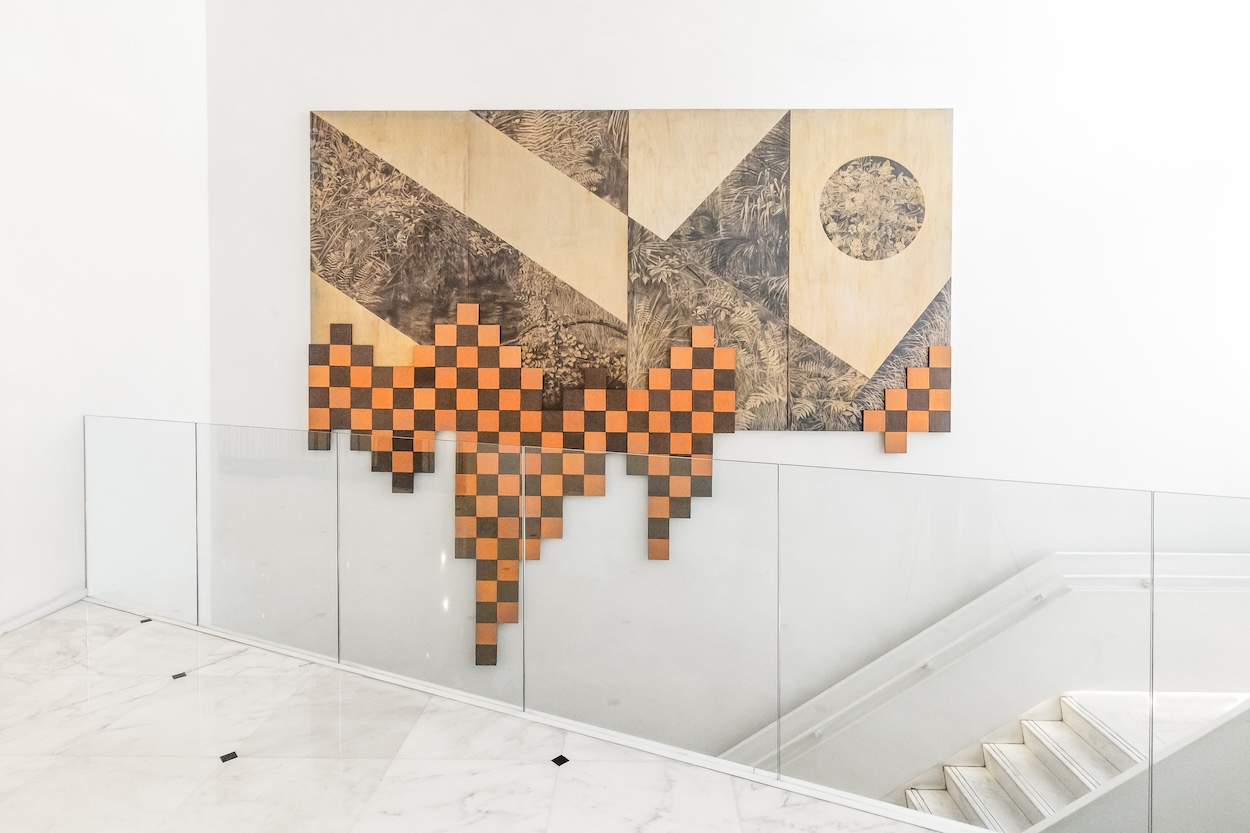
No Vacancy, 2025, Amanda Linares, image courtesy of Monica McGivern Photography
…
I spent time with the exhibition after the crowds thinned, moving between hotels that had resumed their normal rhythms. Front desks hummed. Pool towels were stacked with purpose. The art remained—until December 20th. That contrast sharpened everything. “No Vacancy” has always understood that hotels are not neutral containers. They are machines for desire, memory, and forgetting. Seeing the work outside the frenzy made that clarity hard to miss.
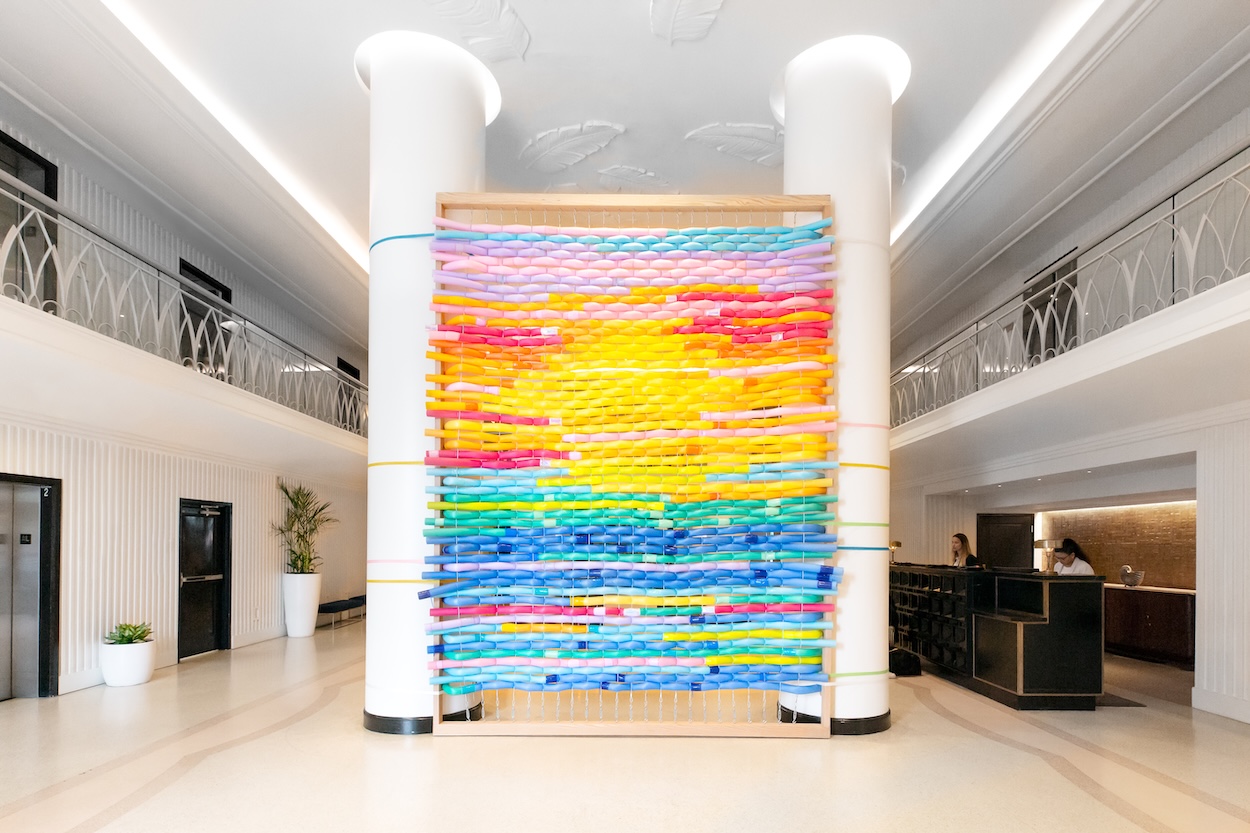
No Vacancy, 2025, Denise Treizman, image courtesy of Monica McGivern Photography
…
At the Cadillac Hotel, Denise Treizman’s Wish You Were Here lingered in my mind long after I left the lobby. Woven from pool noodles and found materials, it initially read as playful, even goofy. Returning to it later, post-Basel, I felt something else surface. These were the materials of leisure engineered to last forever, objects designed not to decay. The work felt less like celebration and more like a mirror held up to the city’s obsession with permanent pleasure. It made sense that visitors responded to it so strongly. The piece spoke the language of Miami fluently, then quietly bent it.
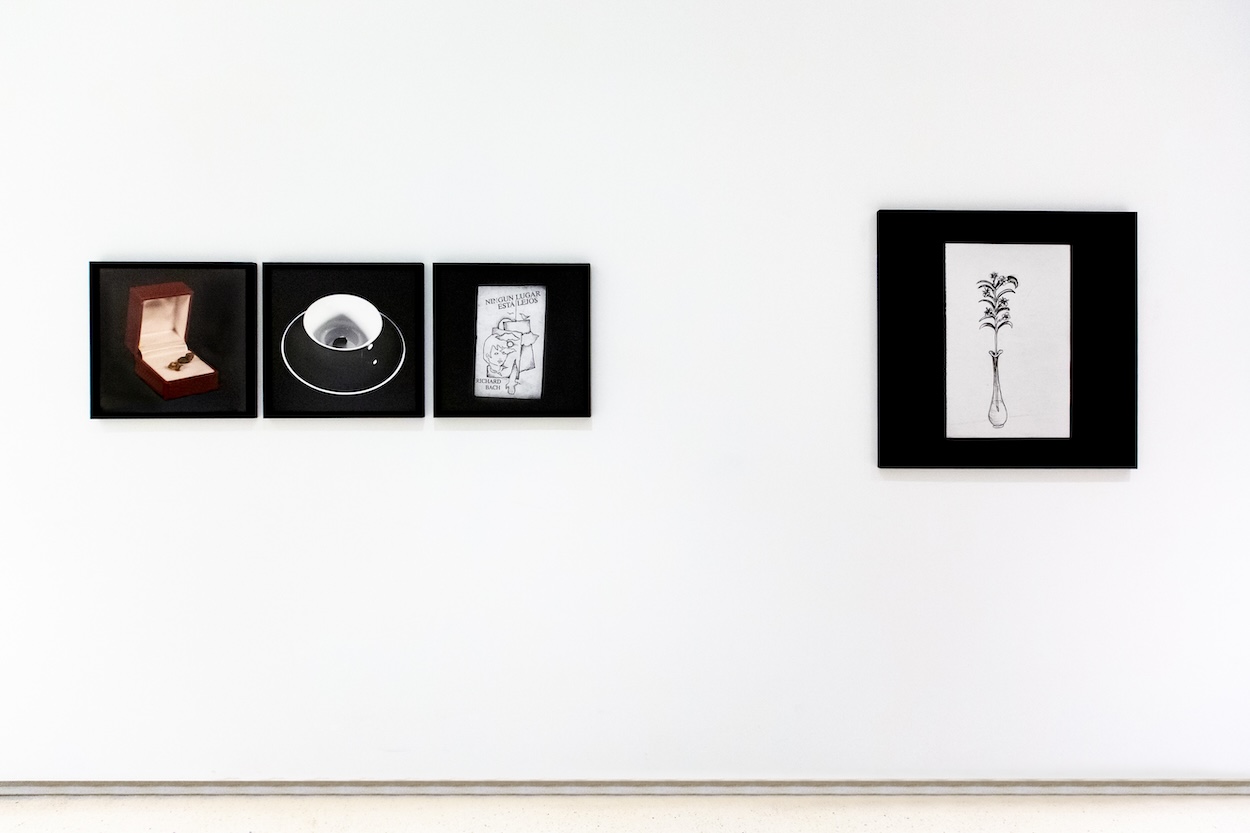
No Vacancy, 2025, Evelyn Sosa, image courtesy of Monica McGivern Photography
…
One of the strengths of “No Vacancy” is how dynamic it allows the experience to be. You are not meant to love everything, or even see everything. Some works whisper. Others demand attention. Evelyn Sosa’s No Place Is Far Away at the Nautilus Sonesta asked visitors to contribute stories of migration through personal objects. I watched guests pause, unsure whether they were participants or voyeurs. That uncertainty felt intentional. Hotels thrive on seamlessness. This work introduced friction into the rhythm.
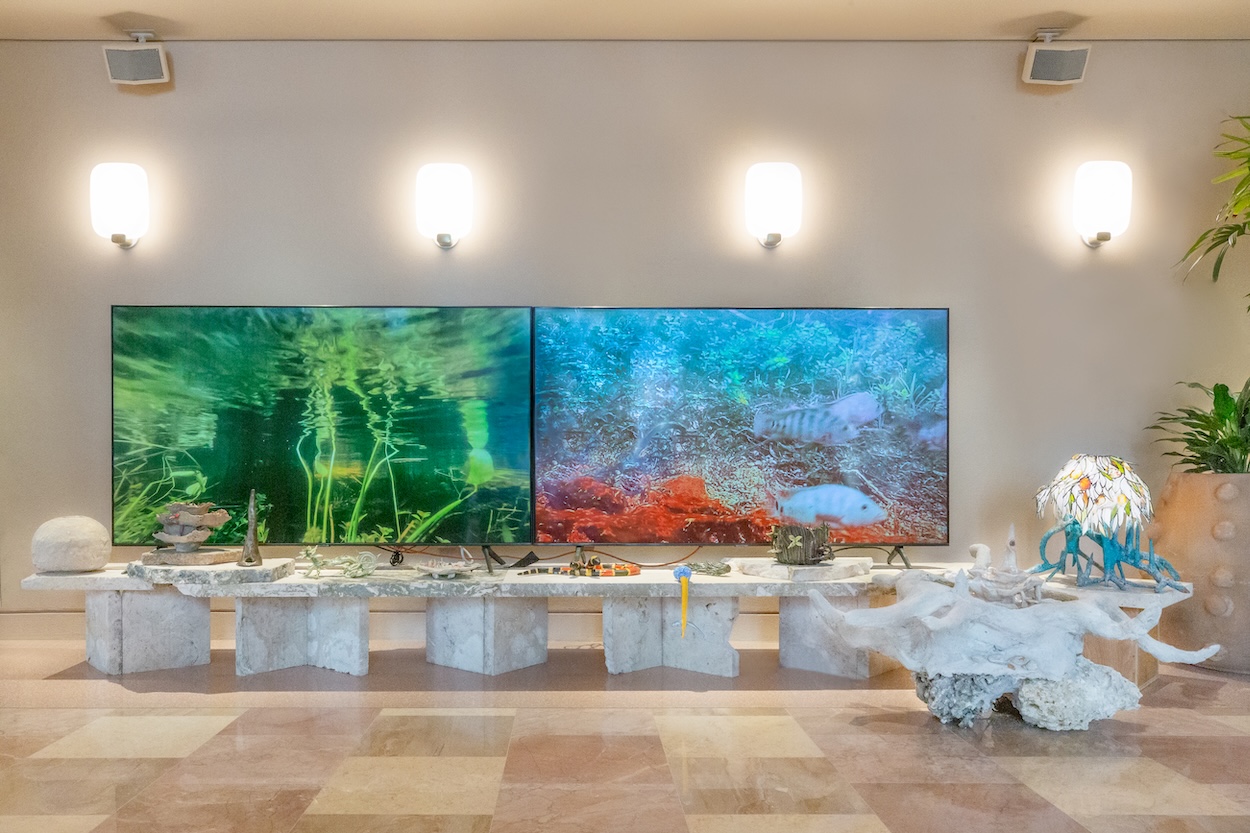
No Vacancy, 2025, Lee Pivnik, image courtesy of Monica McGivern Photography
…
At the Shelborne, this season’s hotel du jour for activations, Lee Pivnik’s Wellspring traced water not as backdrop, but as archive. Elsewhere, James Sprang’s carnival-inflected installation pulsed with sound and color, while Pepé Mar’s self-portrait at the Faena folded years of South Beach history into something both intimate and excessive. Moving between these projects, it felt less like touring an exhibition and more like reading footnotes to the city itself.
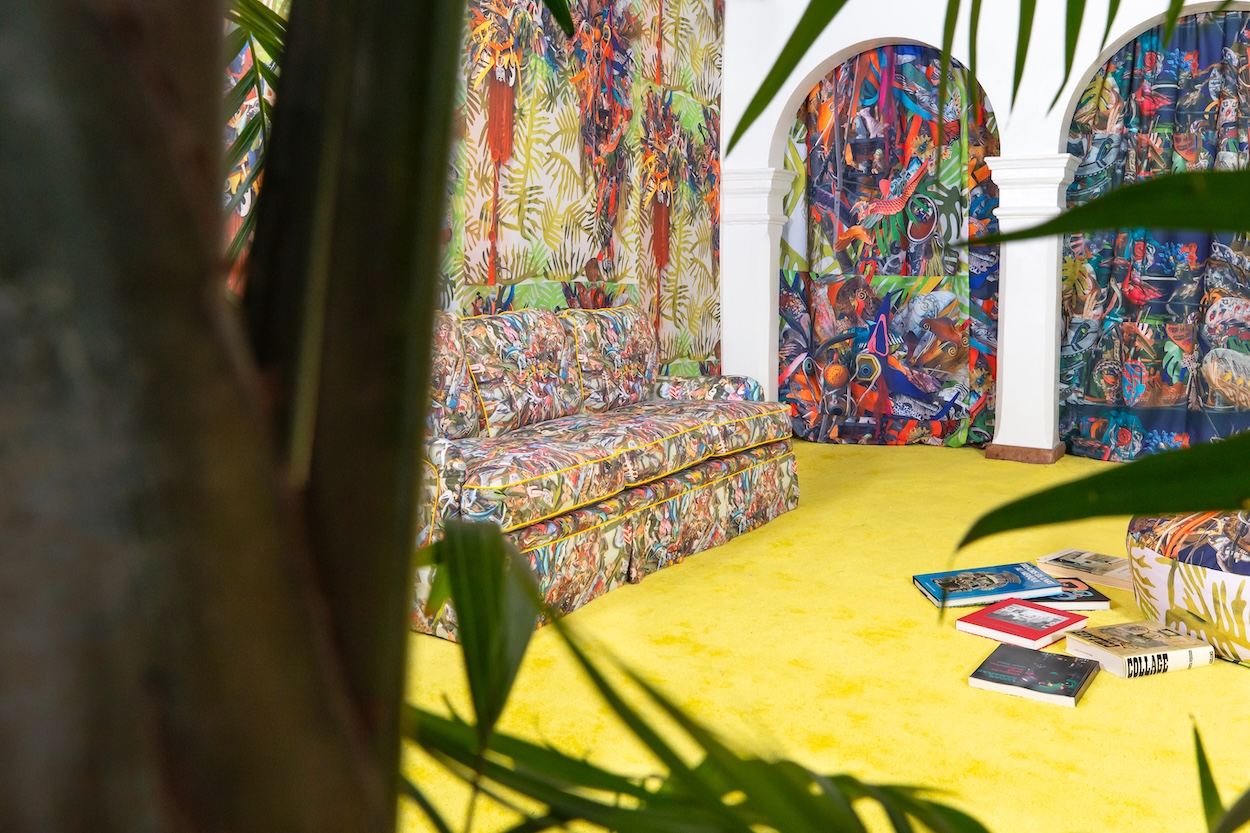
No Vacancy, 2025, Pepé Mar, image courtesy of Monica McGivern Photography
…
What stayed with me most was how the exhibition changed once the spectacle left. Following the fair, “No Vacancy” felt less like an event and more like an afterimage. The art was still doing its job, quietly unsettling the spaces designed to smooth everything over. That might be its real achievement. It does not try to outshine or stand apart from Miami Beach. It lets the city reveal itself and its artistic eye.