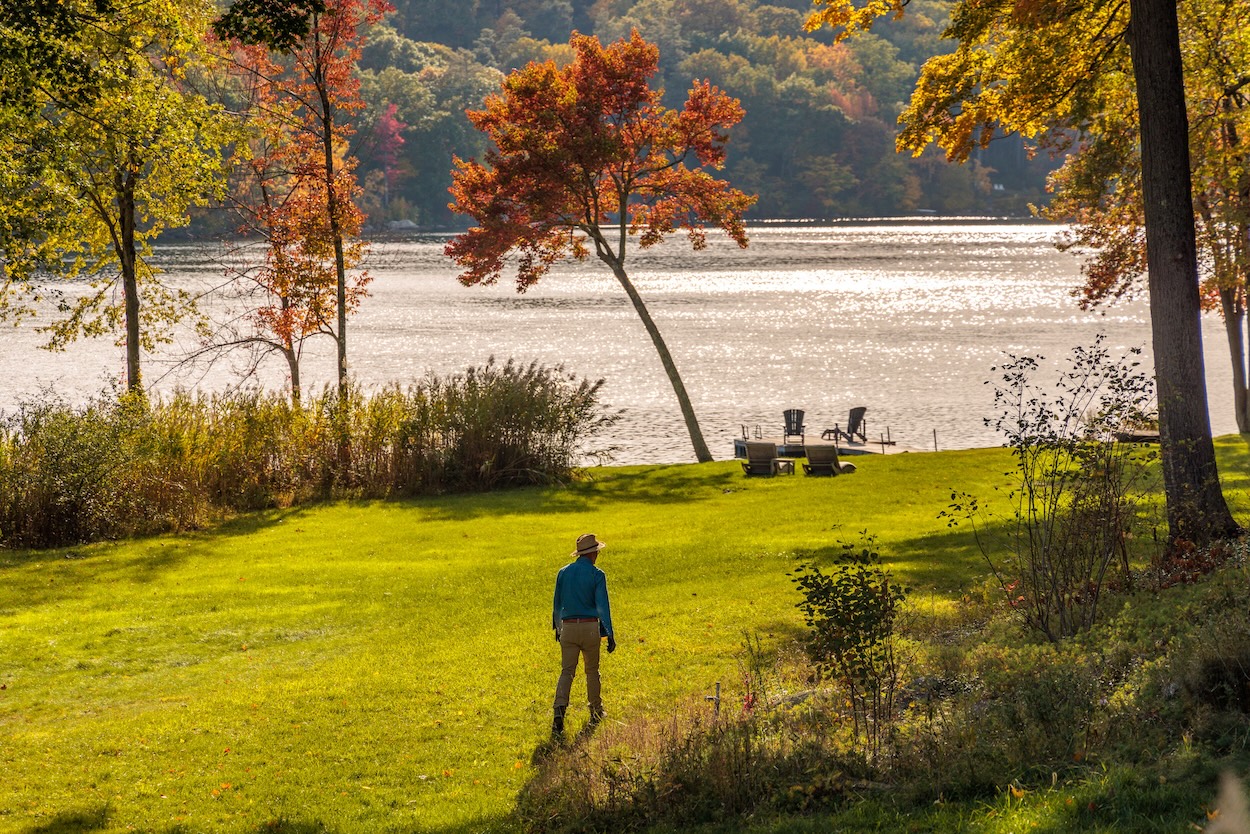
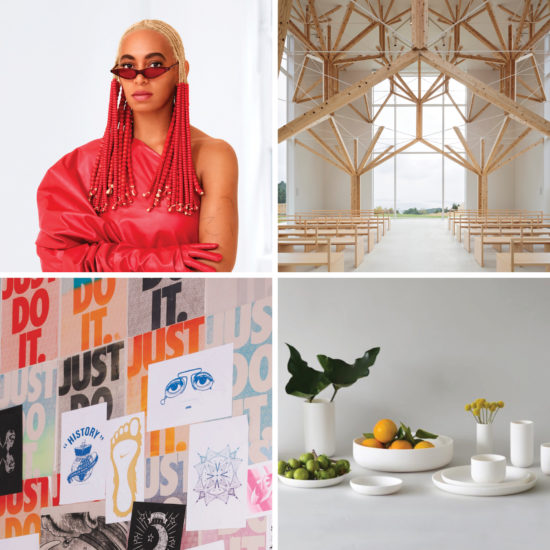
Here, we ask designers to take a selfie and give us an inside look at their life.
Occupation: Landscape Designer
Instagram: @hortulus.animae
Hometown: Catskill, NY.
Studio Location: Catskill, NY.
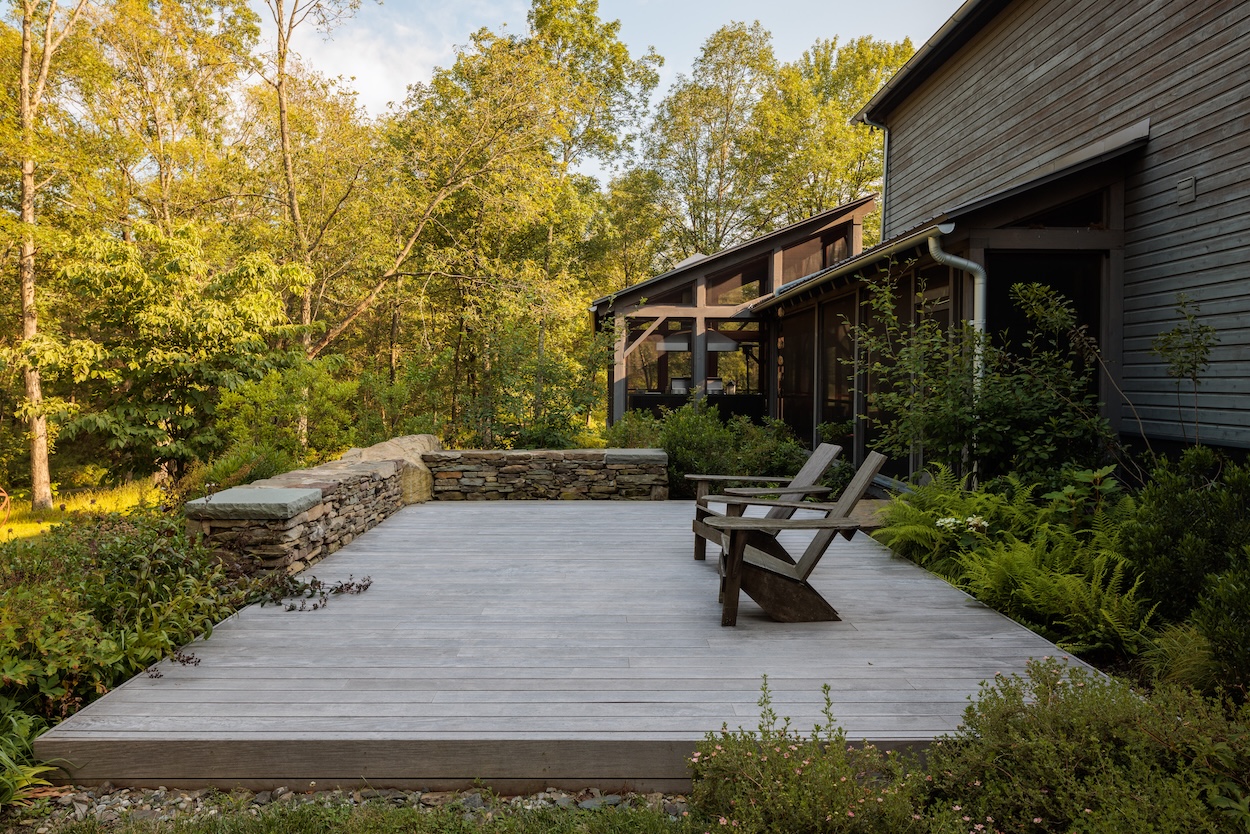
Describe what you make: Site-specific landscapes that take time to respond sensitively to a client’s property, ecology, architecture, and lifestyle. Landscapes that are not merely functional—they are living, soulful places that tell stories, and help people reconnect with the natural world.
The most important thing you’ve designed to date: The Rambunctious Garden.
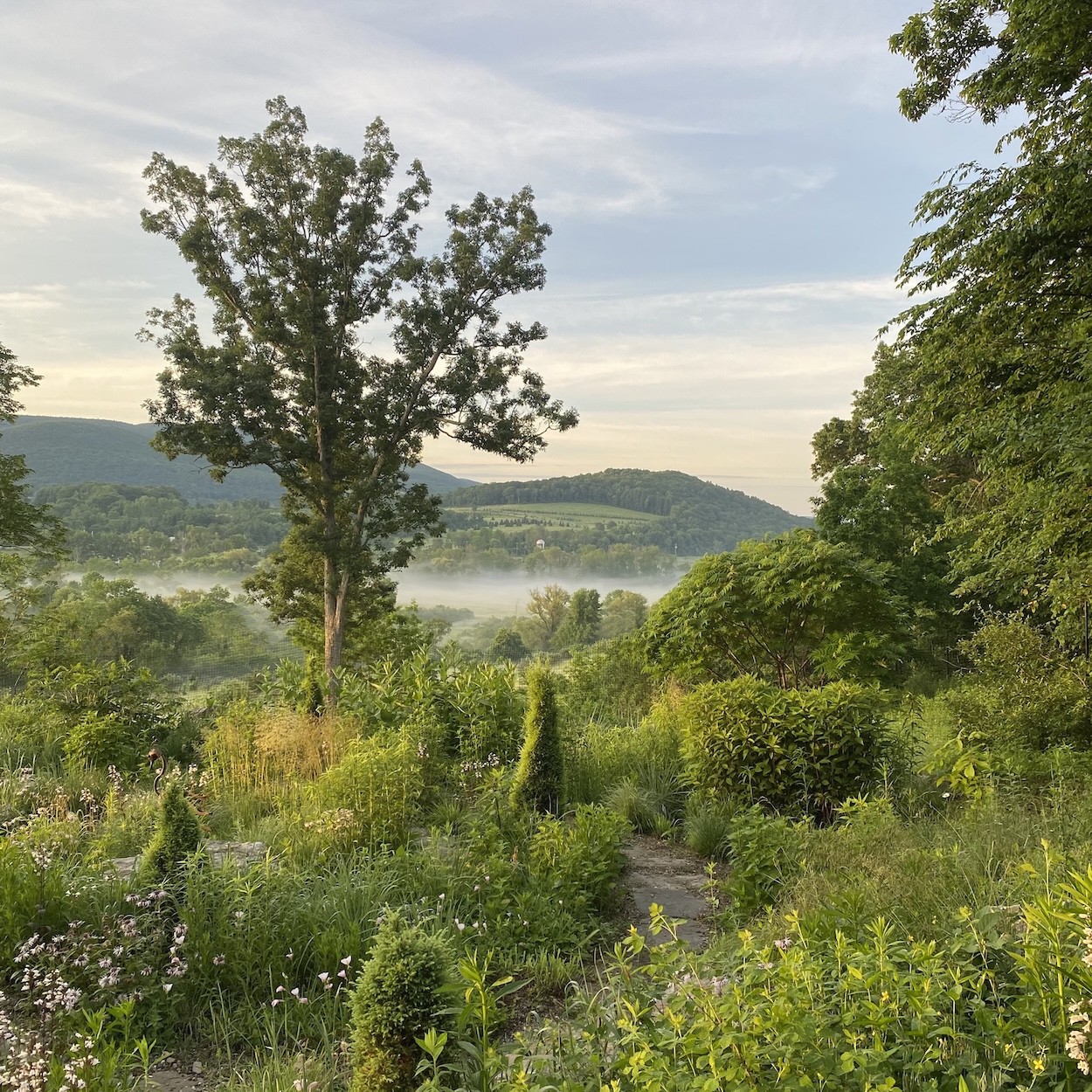
Early in my career, I was fortunate to work with clients who gave me near carte blanche. Their trust allowed me to design a landscape rooted in local plant communities shaped by the site’s microclimates.
I planted over 5,000 native perennials and shrubs in generous drifts and encouraged them to self-seed and migrate. Rather than tightly controlling every outcome, the garden found its own equilibrium. The landscape continues to evolve, growing more complex and expressive each year.
Describe the problem your work solves: Nature Amnesia.
As natural landscapes are destroyed and biodiversity declines over time, people lose the collective memory of what a healthier, more diverse environment once looked like. Symptoms include reduced connection to nature and lack of awareness regarding environmental degradation.
Sustainable landscape design addresses this issue by replacing degraded, high-maintenance landscapes (like vast, mono-cultural lawns) with resilient, biodiverse, and educational environments.
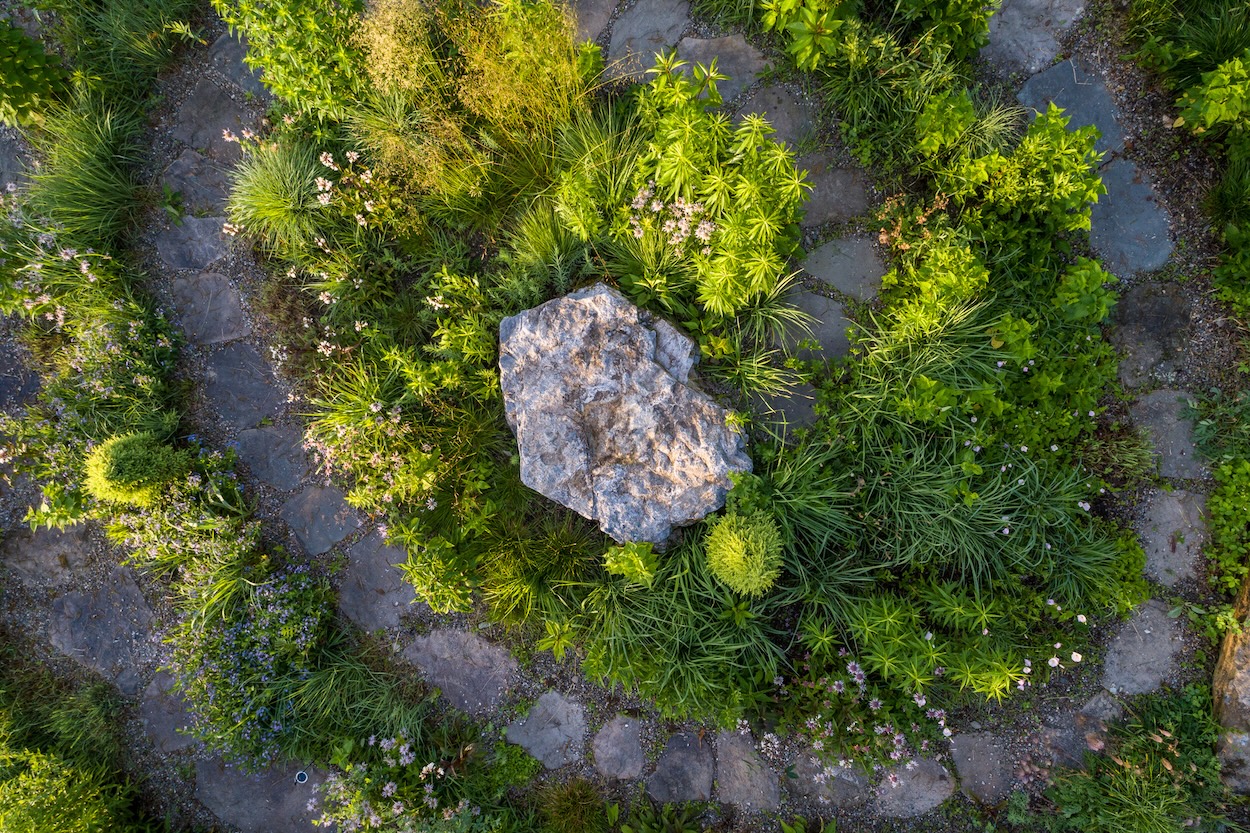
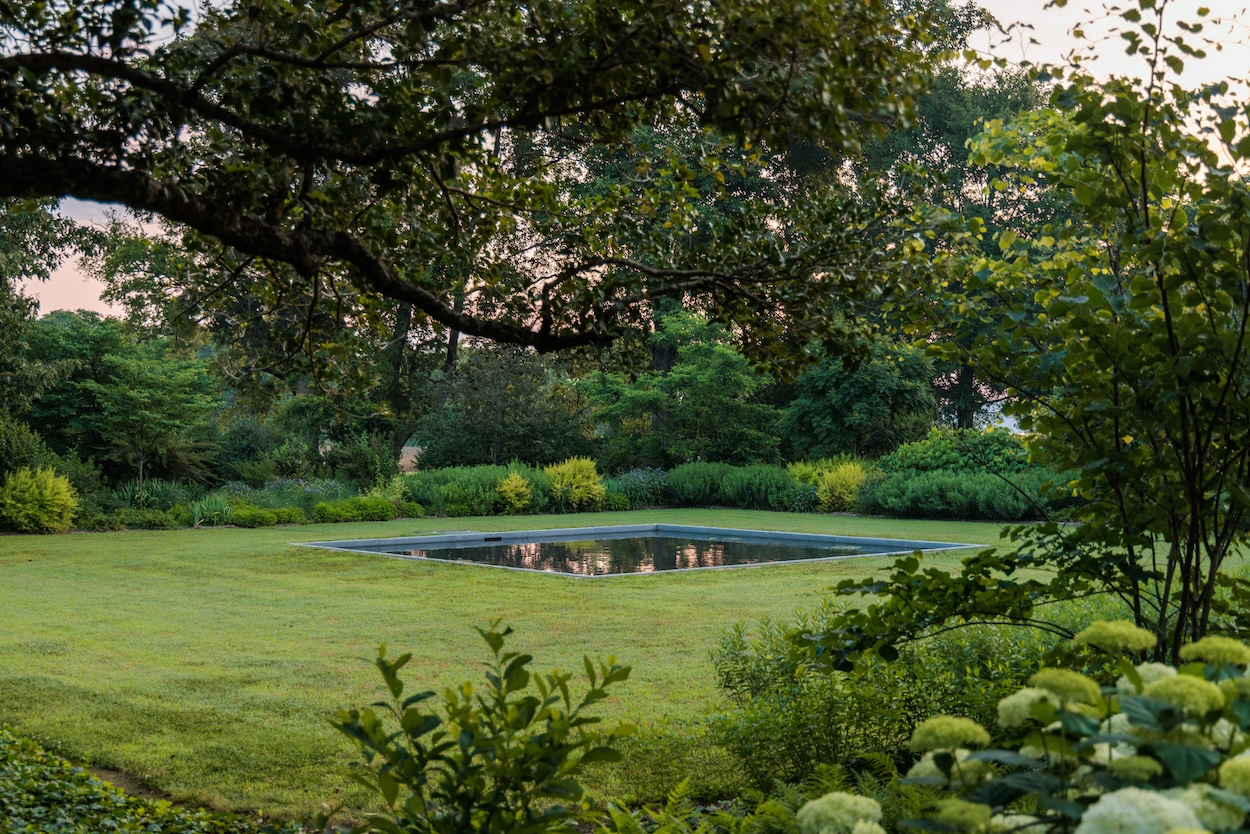
Share the project you are working on now: Charming Berkshire retreat: a vintage, late 19th century farmhouse featuring a natural swimming pool set in a marble outcrop, a wetland, orchard, and a Silo ruin garden.
What you absolutely have to have in your studio: Music, snacks, art, vibes, etc.
Baroque music—preferably Bach, my reference library, espresso, or herbal tea…
What you do when you’re not working: My mind is always working, scanning for references—but cycling and cooking help me disconnect and lose myself in physical sensory experience. Cycling is a particularly potent perspective for experiencing a landscape, watching local plant communities, and staying in touch with changing seasons. I also love weeding…
Sources of creative envy (dead or alive): Andy Goldsworthy, Jens Jensen, and Darrel Morrisson
The distraction you want to eliminate: The “ecology vs aesthetic” binary—these are not mutually exclusive goals; a thriving landscape is a deeply beautiful landscape.
Object-based landscaping—the common pitfall of treating a garden as a collection of static items (like a specific “dream plant” or a trendy fire pit) rather than a dynamic, interconnected system.
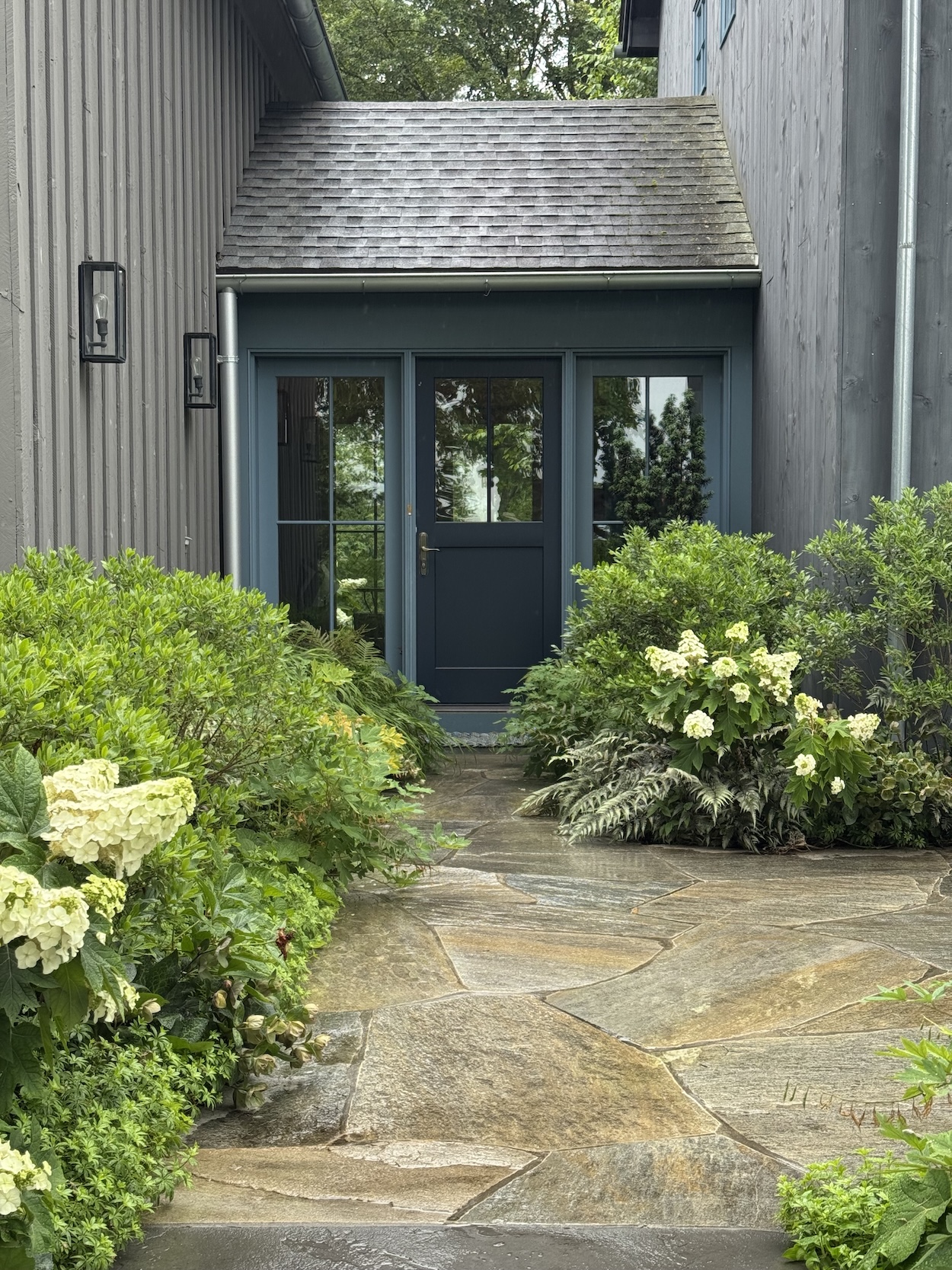
Concrete or marble? Neither—I always focus on locally sourced and eco-friendly materials.
High-Rise Or Townhouse? Townhouse—I need a modicum of Terra firma to work with!
Remember Or Forget? Remember—sensory memory.
Aliens Or Ghosts? Ghosts—my task is to listen to the ghosts of a landscape: the native seed bank, historical water flows, original ecosystems, and highlight that heritage through restoration.
Dark Or Light? Light—photosynthesis is the crucial garden alchemy without which nothing would be possible.