Miami Art Week made for an especially apt setting for Jacqueline Sullivan to explore the power dynamics underlying the act of dressing. There, her eponymous gallery opened “The Semiotics of Dressing,” its latest exhibition and an ode to Martha Rosler’s “The Semiotics of the Kitchen,” in which Rosler depicted kitchen utensils as symbols of domestic labor, oppression, and control.
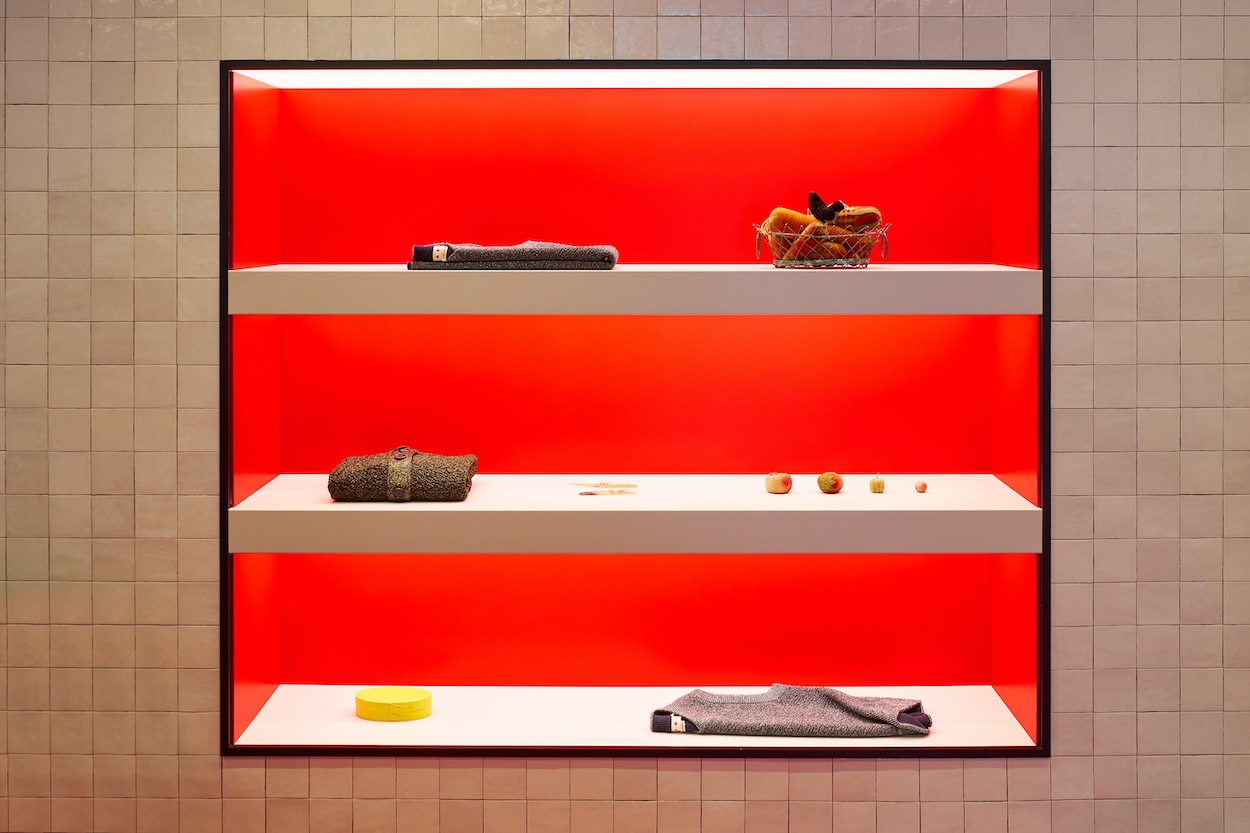
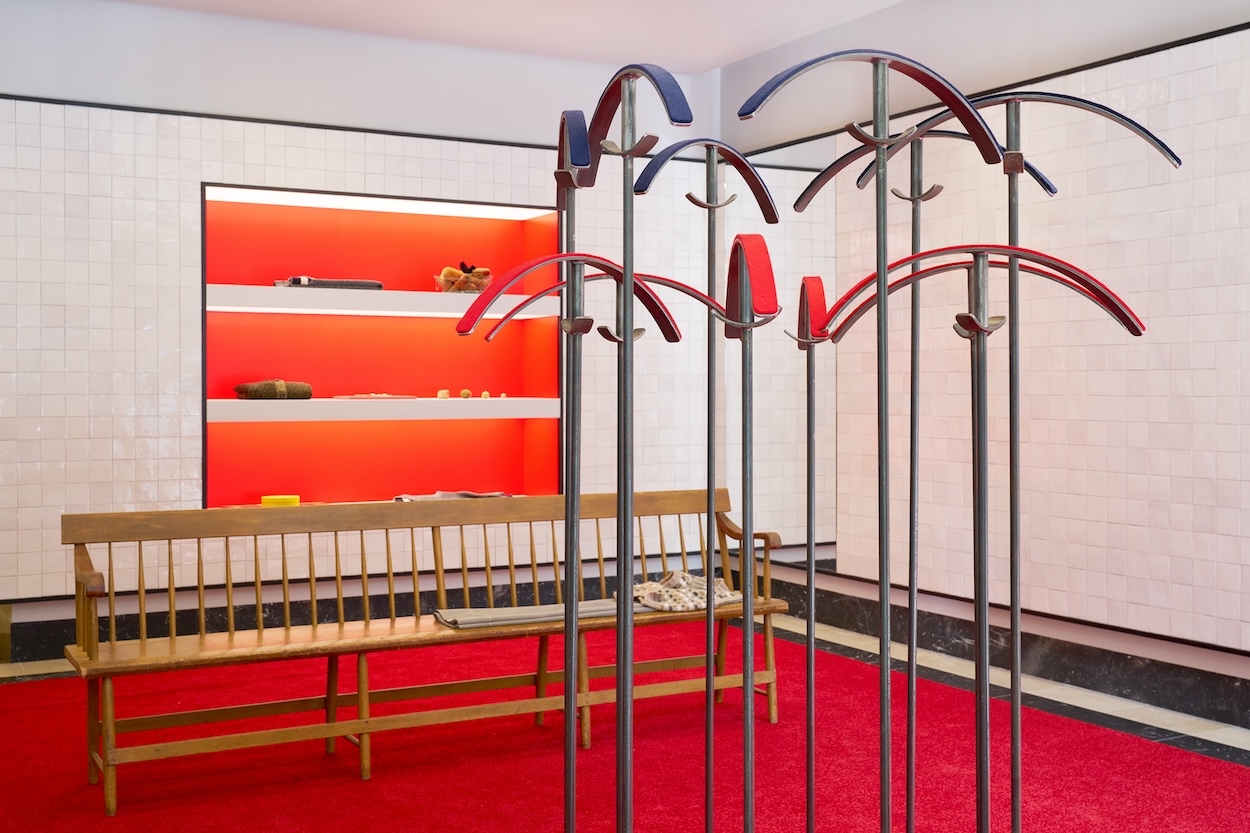
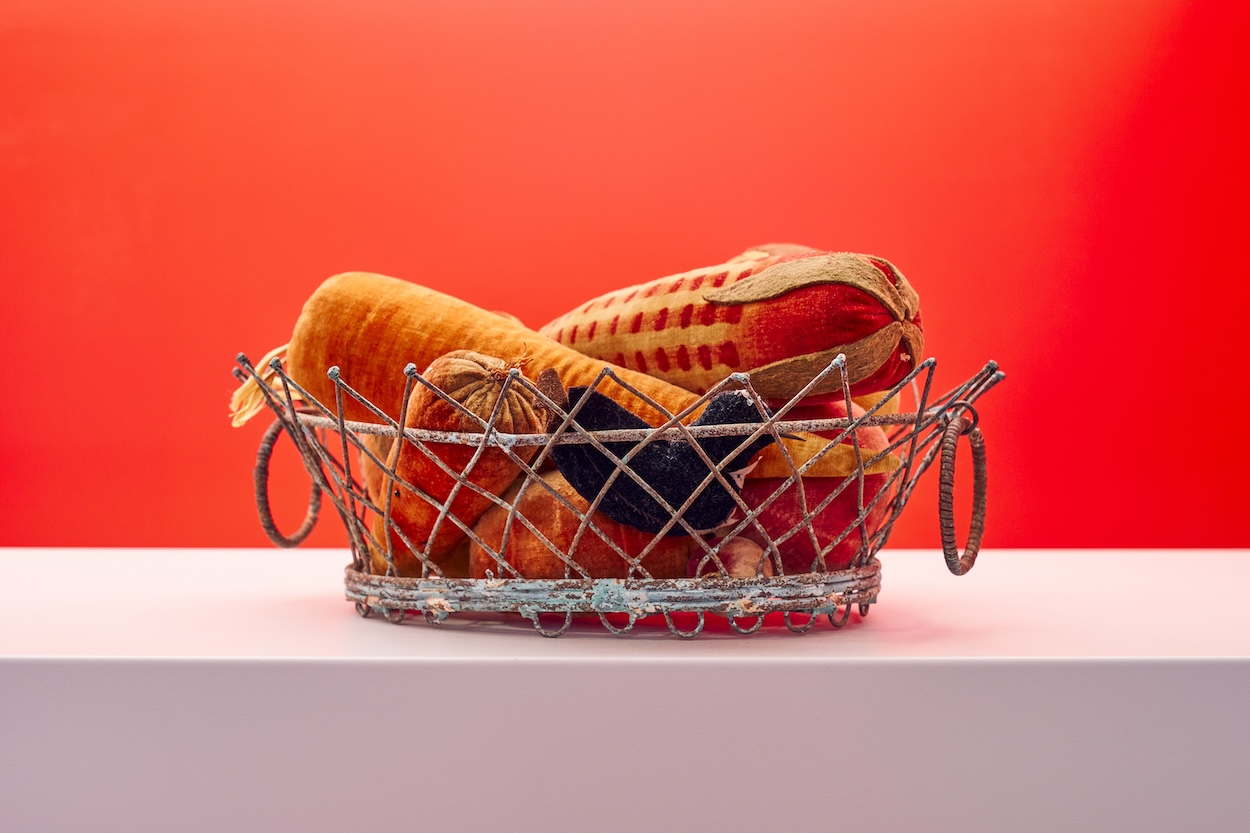
In “The Semiotics of Dressing,” Sullivan pairs historic and archival furniture and decor with contemporary works by Zoé Mohm, and Marni’s a Prologue collection to emphasize the choreographic nature of the micro-routines associated with the act of dressing. The exhibition, staged at Marni’s Design District boutique, further interrogates the role of the dressing room—commercial or domestic—in the theater of image-making.
Sullivan spoke with Surface about the intersection of Shaker ideas, routines, and the intimate choreography of domestic life inherent in the exhibition and the Milanese label’s ‘a Prologue’ collection.
What is your relationship with the act of dressing in the context of retail, trying-on [clothes], and continuously cultivating your own image through the selection and pairing of garments?
It is very interesting to think about the way in which the “act of dressing” exists in a public space, like a retail store. For our show, “The Semiotics of Dressing,” I was instead particularly interested in exploring the private, domestic space like the dressing room or within one’s own home. It makes for a clearer distinction of private vs. public, and the notion of the interior vs. exterior becomes much more pronounced than in a commercial setting.
I personally prefer to order clothes online and try them on at home. I find that I am able to get a better sense of how the clothes feel when I am within the context of my own living space. Many of my friends and family love to try garments on in a store, and for that reason I really love that the historical pieces really enrich and give greater dimension to Marni’s interior space, creating a rich environment with deep historical context. It only adds to the beauty and richness of their collection.
Tell us about how the unattributed decorative works—the chinoiserie screens, the Gessler clothing rack—the vintage furniture items frame Zoé Mohm’s works in the show.
Like all of our exhibitions, the curatorial concept is explored through the inclusion of both historical and contemporary works. Staging all of these pieces (a German clothing rack from 1989, a carved chair from 1889 and Zoé Mohm’s gorgeously adorned combs made this year) together allows for engaging conversation around the diverse, artistic expressions of domestic, functional objects throughout different time periods. By placing these objects in context with one another, we may be able to learn more about our enduring creative impulses and the many ways we engage with our surroundings.
How does “The Semiotics of Dressing” thematically relate to the garment collection, Marni, a Prologue?
Marni, a Prologue, explores specifically Shaker ideas of everyday routines and the way in which the act of folding and stacking garments represents an intimate choreography of domestic life. “The Semiotics of Dressing” explores a similar notion, using the idea of the dressing room as a domestic stage for the unique, exquisite, and everyday choreography of the act of dressing.
Given that both the gallery and Marni have presences in New York, what can you tell us about the role that the site-specificity plays in this exhibition?
Marni’s new Design District store represents a unique opportunity for the gallery’s New York sensibility to exist in a completely different setting. It is really fun to see the way in which some of these pieces create different impressions and feelings within a wildly different location and design context.