When Onna House opened to the public in East Hampton for the summer 2022 season, the gallery became the first of its kind in the Hamptons: an epicenter for work by women artists and designers from around the world, with a focus on craft and evidence of the hand. Founded by designer, collector, and curator Lisa Perry, and housed in a modernist masterpiece by architect Paul Lester Wiener, Onna House has remained a beacon of inspiration Out East. In November, however, Perry took the values informing her gallery and applied them to a sprawling New York City space. Onna House Soho was born.
Lisa Perry Opens Onna House Soho
The gallery owner applies the values infused throughout her East Hampton modernist masterpiece to a sprawling New York City loft space defined by moments of craft.
BY DAVID GRAVER December 09, 2025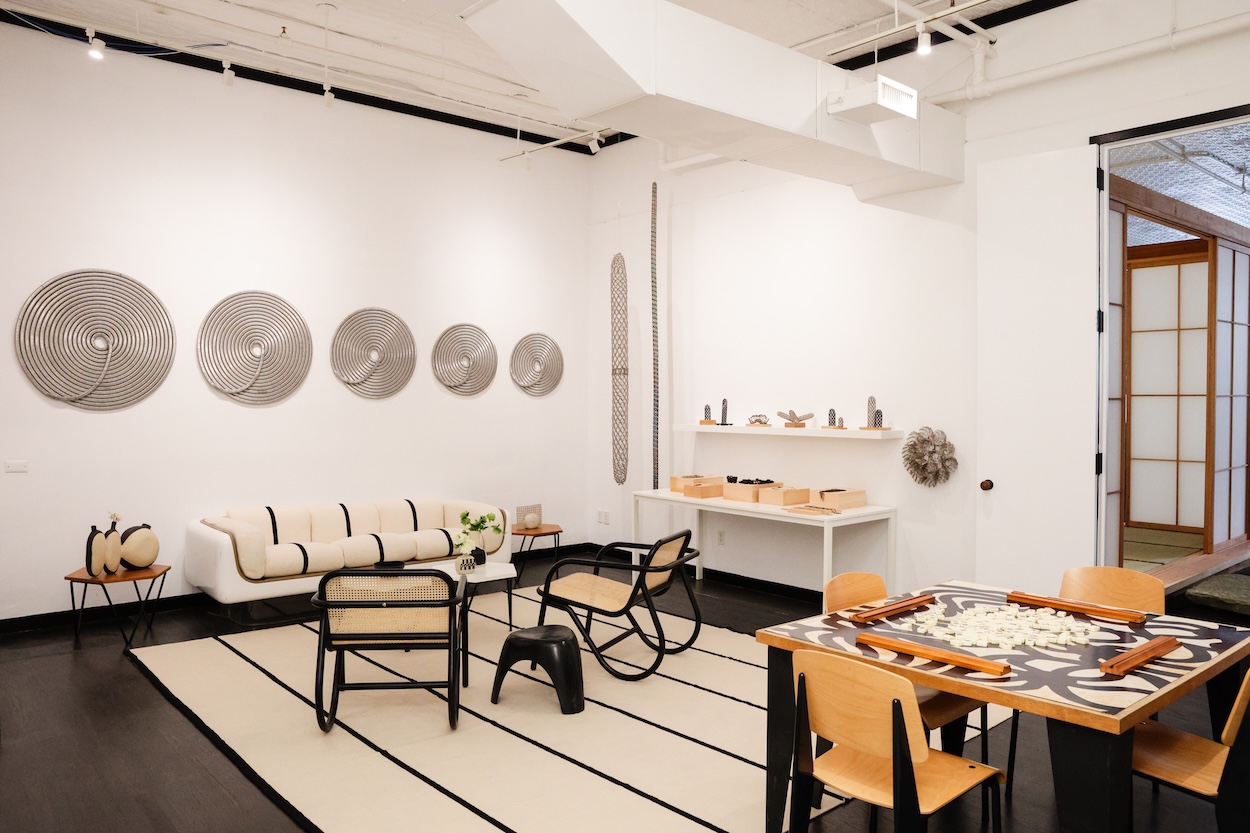
Courtesy of Bre Johnson/BFA.com
…
Courtesy of Bre Johnson/BFA.com
…
“I’ve had this loft for 20 years,” Perry tells Surface during a private opening tour of the appointment-only floor. Originally home to Leo Castelli alum Ivan C. Karp’s gallery, OK Harris, the storied space was part of Soho’s early artistic transformation. Later, in 2007, it was where Perry launched her fashion label. For a few years, however, it’s been empty. “We’ve done a Palm Beach pop-up for the last two years,” Perry says. “That isn’t happening this year. We needed a winter project, and that’s how this came about.”

Courtesy of Bre Johnson/BFA.com
…
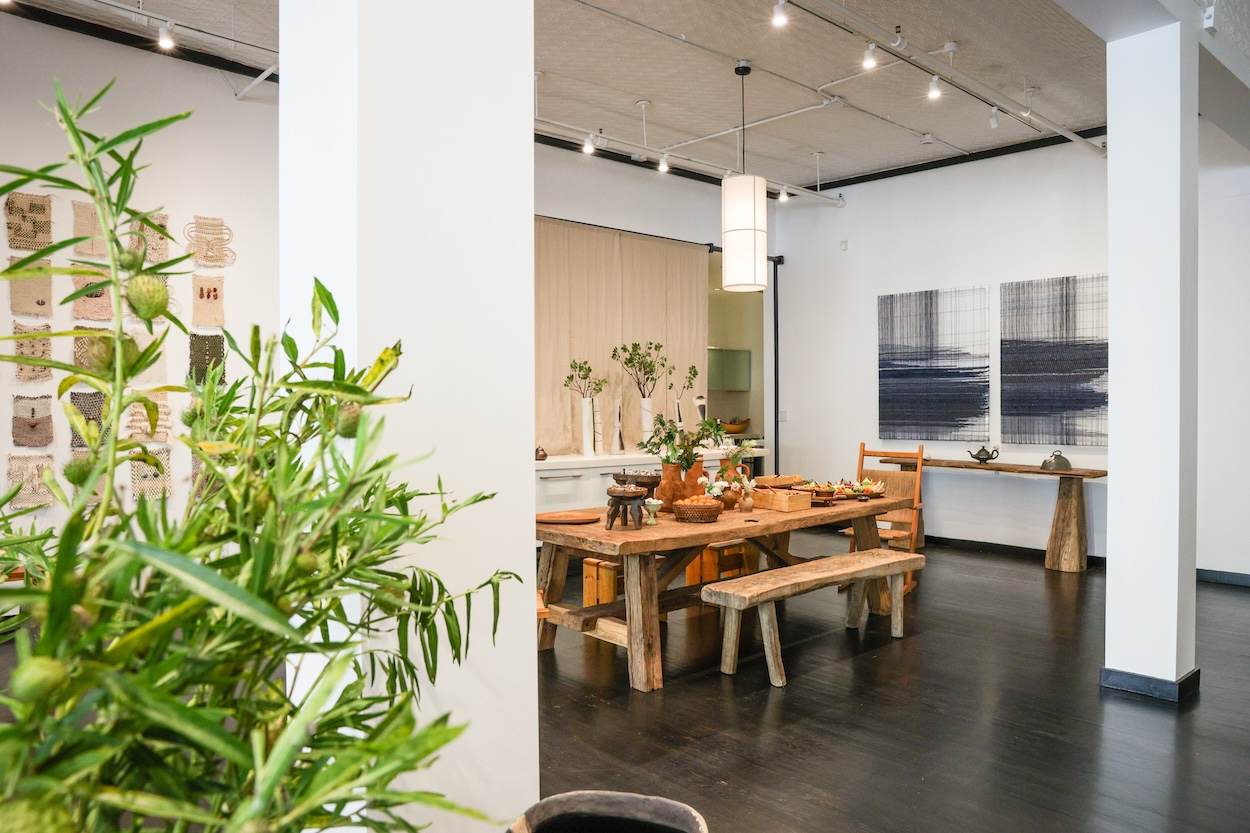
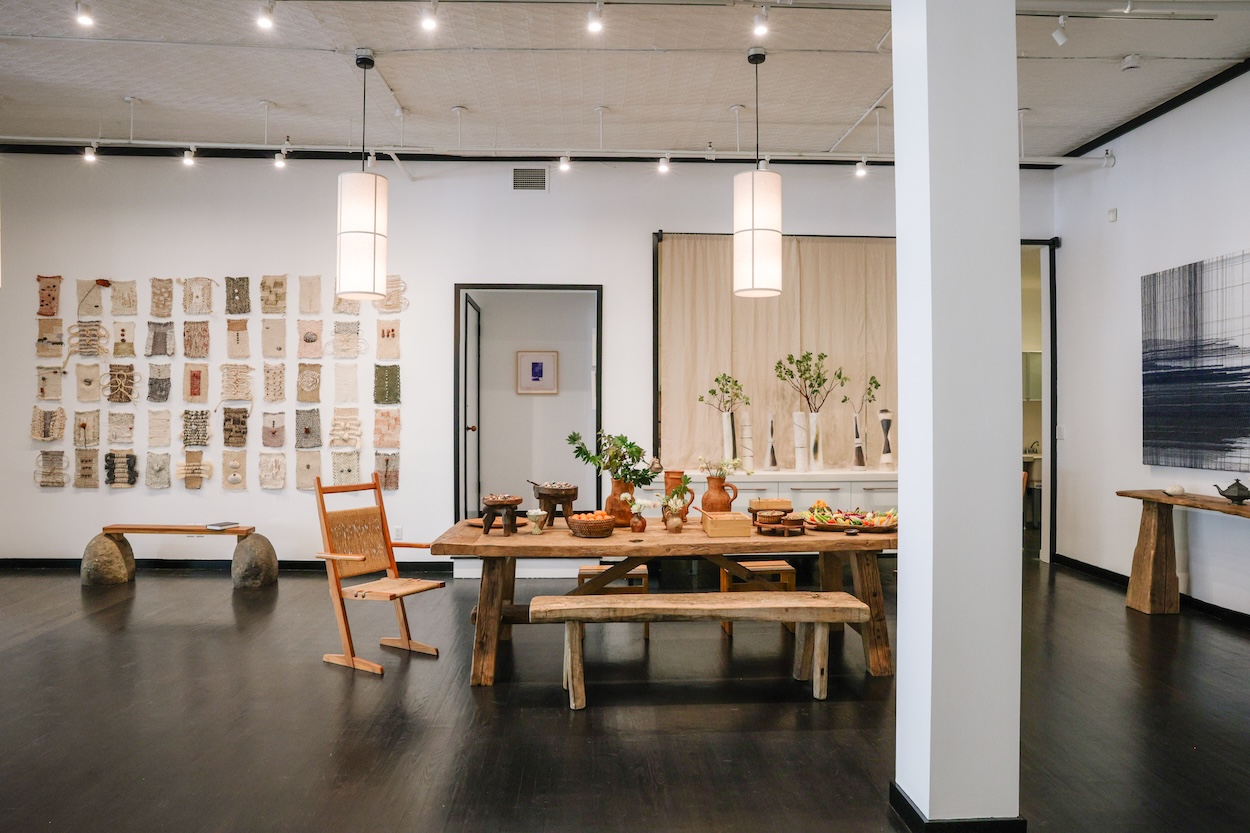
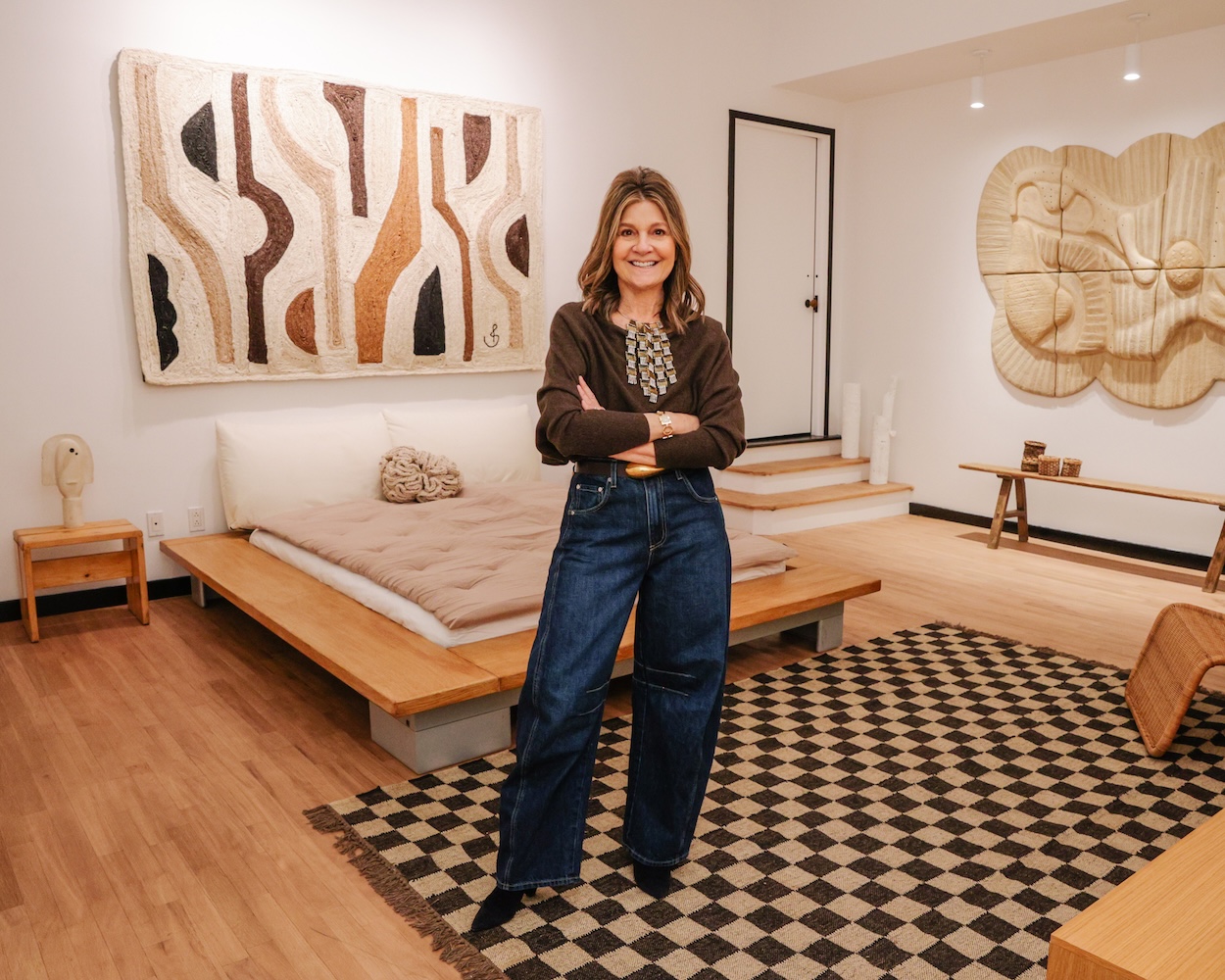
Throughout Onna House Soho, Perry has designed vignettes populated with distinct items from her roster of makers. “It was a big, open loft, and I asked, ‘How can I make this into the urban equivalent of Onna House [in East Hampton]?’ Onna House is about showing people how to live with craft,” she says. “If you have small rooms, you can make moments.”
Courtesy of Bre Johnson/BFA.com
…
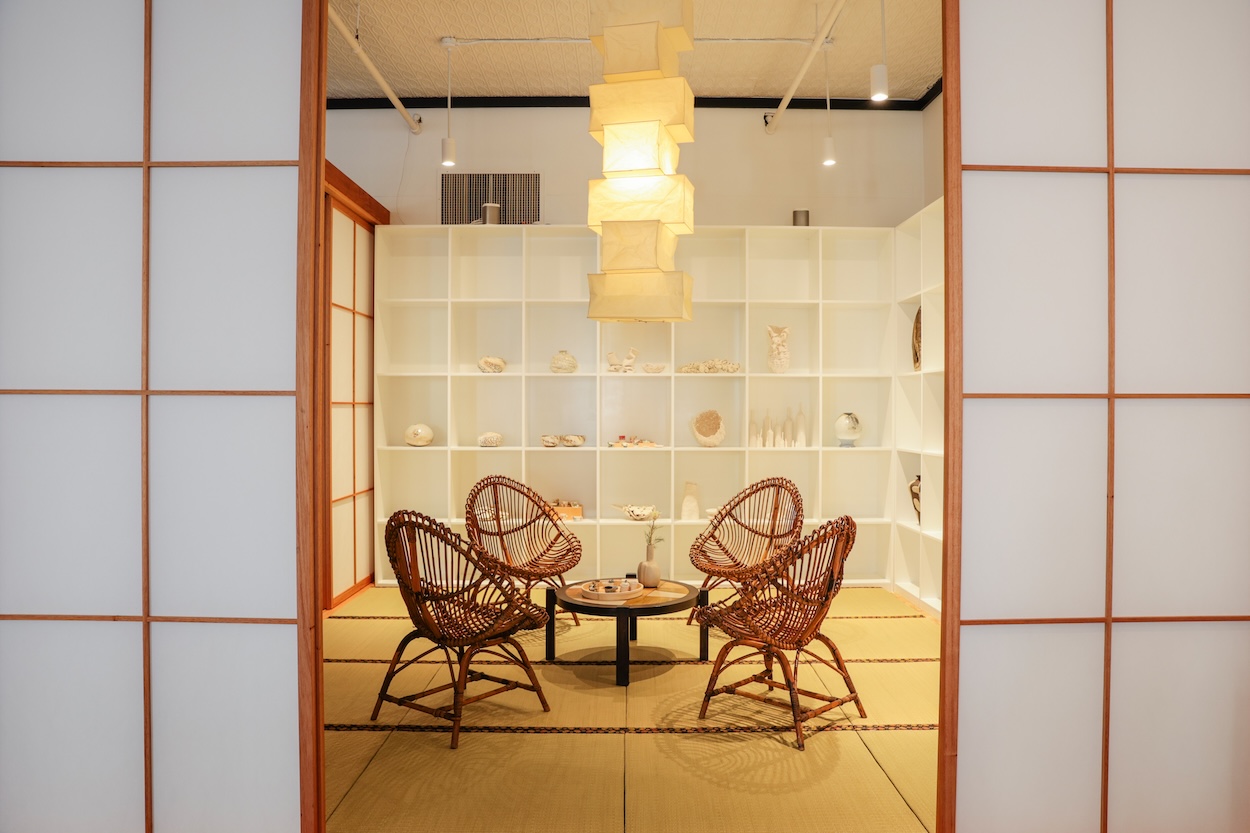
Perhaps most noticeable is a corner cut off from the room by Japanese shoji screens and anchored by a series of shelves. “I grew up in a home with shoji screens and this Japanese influence,” Perry says. “We got traditional shoji and tatami makers that made these absolutely beautiful, crafted doors, and the exterior of this room.” Perry knew that in devising such a space, she’d found an ideal place to showcase ceramics.
Courtesy of Bre Johnson/BFA.com
…
Roughly 27 comprise the inaugural presentation—Perry is always tinkering. “We wanted to also celebrate artists that live around this area, whether it’s in Brooklyn or Lower Manhattan, but there are still some artists from the Hamptons, and from elsewhere,” she says. Rather than change exhibitions in and out, she will introduce new works and concepts when she finds the right piece or moment. “We’re very different from a traditional gallery,” she explains. “Because we are appointment only, we won’t be changing the whole thing every four to six weeks. We will be changing things around to keep it fresh.”
Courtesy of Bre Johnson/BFA.com
…
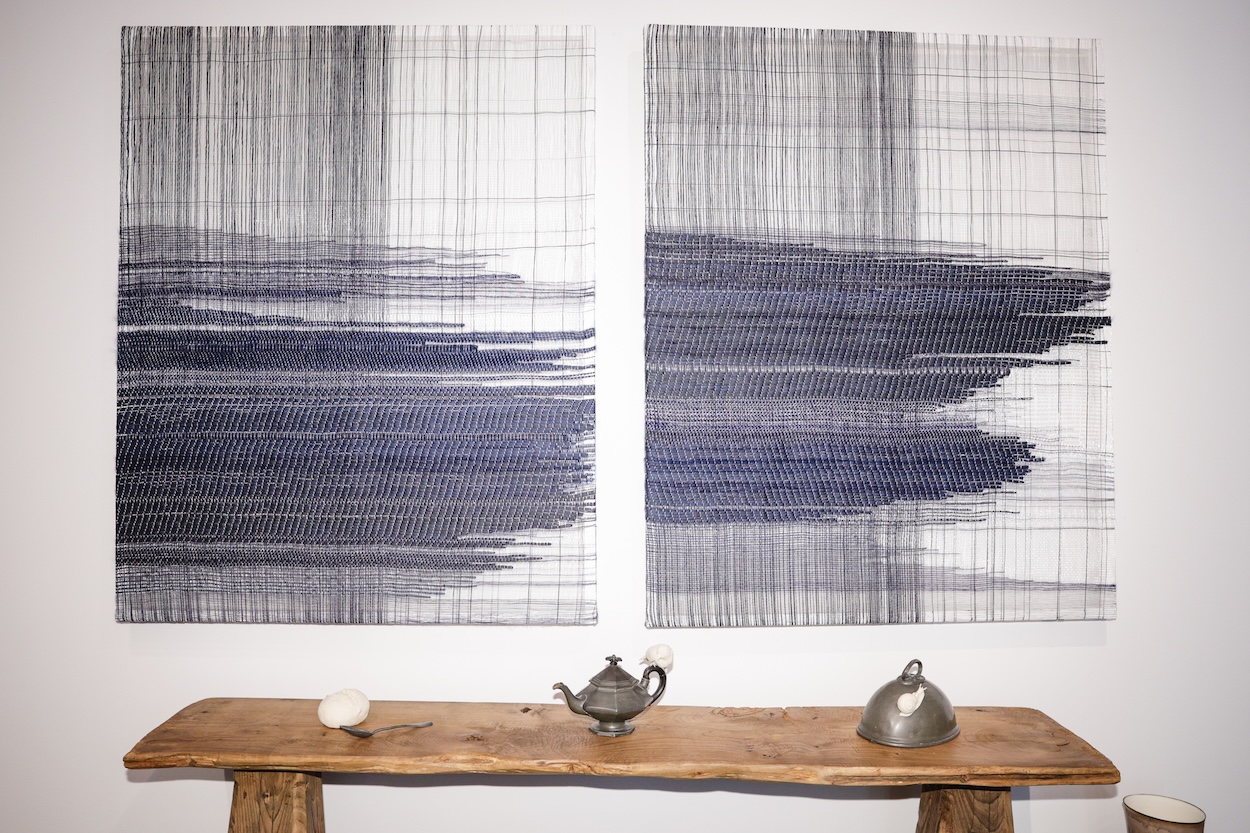
“My biggest hope is to show people how to live with craft,” Perry continues. “Craft has been marginalized for so long. We [at Onna House] do not see the difference between art and craft. Craft is not what you would normally think about putting in a Soho loft. You’d think it might be a little slicker, with big abstract paintings and photography. But we think all craft is art.”
There is aesthetic continuity between the East Hampton and Soho locations, down to the black trim used in both. They feel much like spiritual siblings, as well. “I am literally in shock at how this has transformed into Onna House,” Perry observes. “It also feels so homey. But whichever Onna House you go into, we want you to be able to feel the hands and the hearts of the women involved. I’m just such a believer in these women who are so devoted to their craft.”
Courtesy of Bre Johnson/BFA.com
…
Highlights within are plentiful—including work by Jessie Mordine Young, Kaori Tatebayashi, and Katie Grove. “We didn’t have a lot of time to put everything together so we gathered work without really knowing where most of it was going to go. I knew we would have ceramics in the tea room, and some of the larger pieces, but as far as everything else, it honestly all came together in the empty space. It allowed us to make these perfect little vignettes,” Perry concluded. “I’d say this one, even more than Onna House in East Hampton, was less planned.” That sense of spontaneity translates into the guest experience as well, which is delightfully defined by discovery.