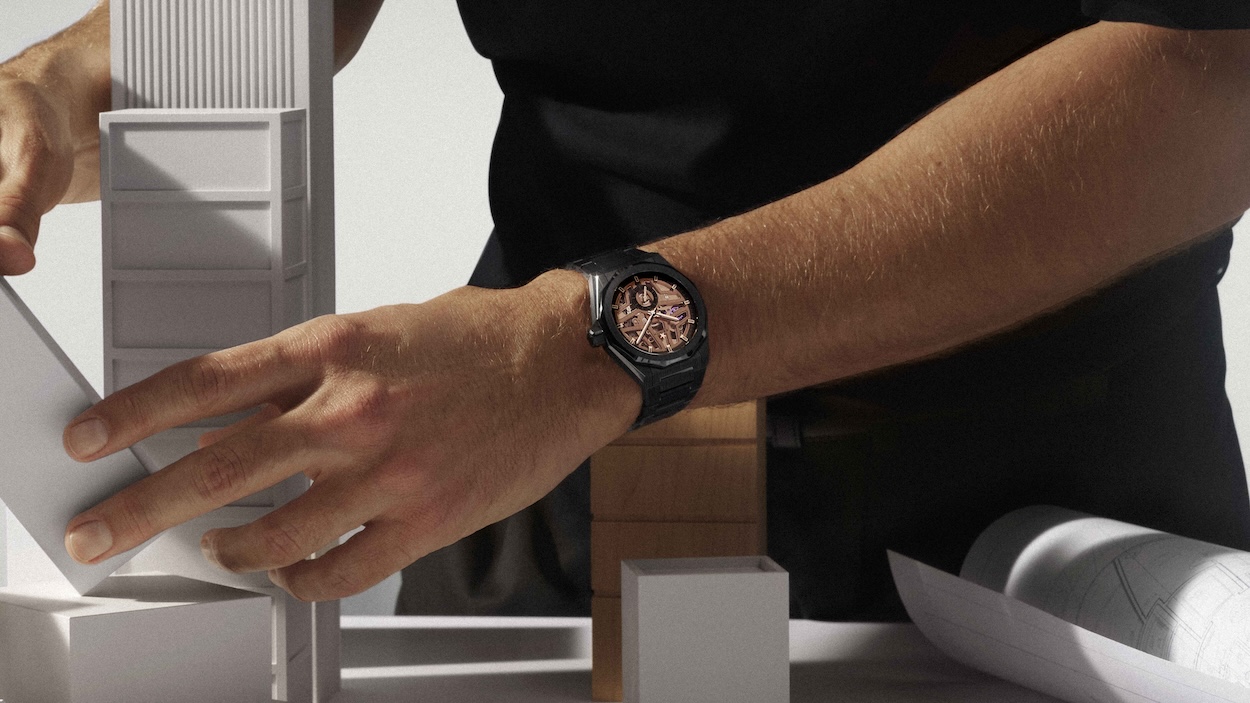
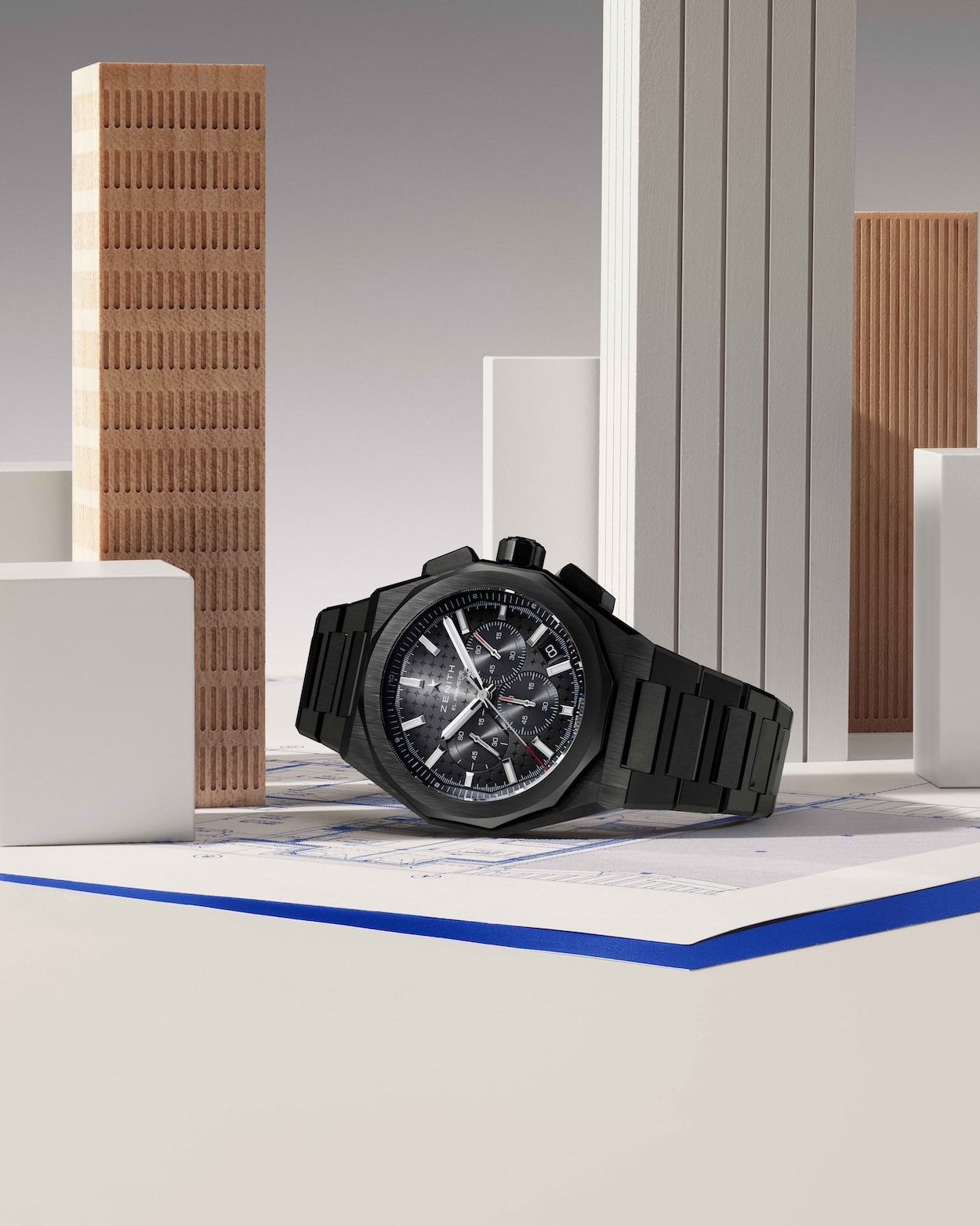
In Milan this LVMH Watch Week 2026, Le Locle, Switzerland-based luxury manufacture Zenith introduced two ceramic models to its pioneering DEFY line. The DEFY Skyline Skeleton sets a gold-toned, openworked dial (which means the movement that powers the watch is visible) within a geometric black ceramic case. The DEFY Skyline Chronograph offers stopwatch functionality within a sleek pairing of a black ceramic case and a gradient gray starry-sky pattern dial. Since Zenith’s 1969 introduction of DEFY, the category has been used as a platform for material innovation—and ceramic is the latest endeavor.
Zenith Casts Two New DEFY Models in Ceramic
BY DAVID GRAVER January 20, 2026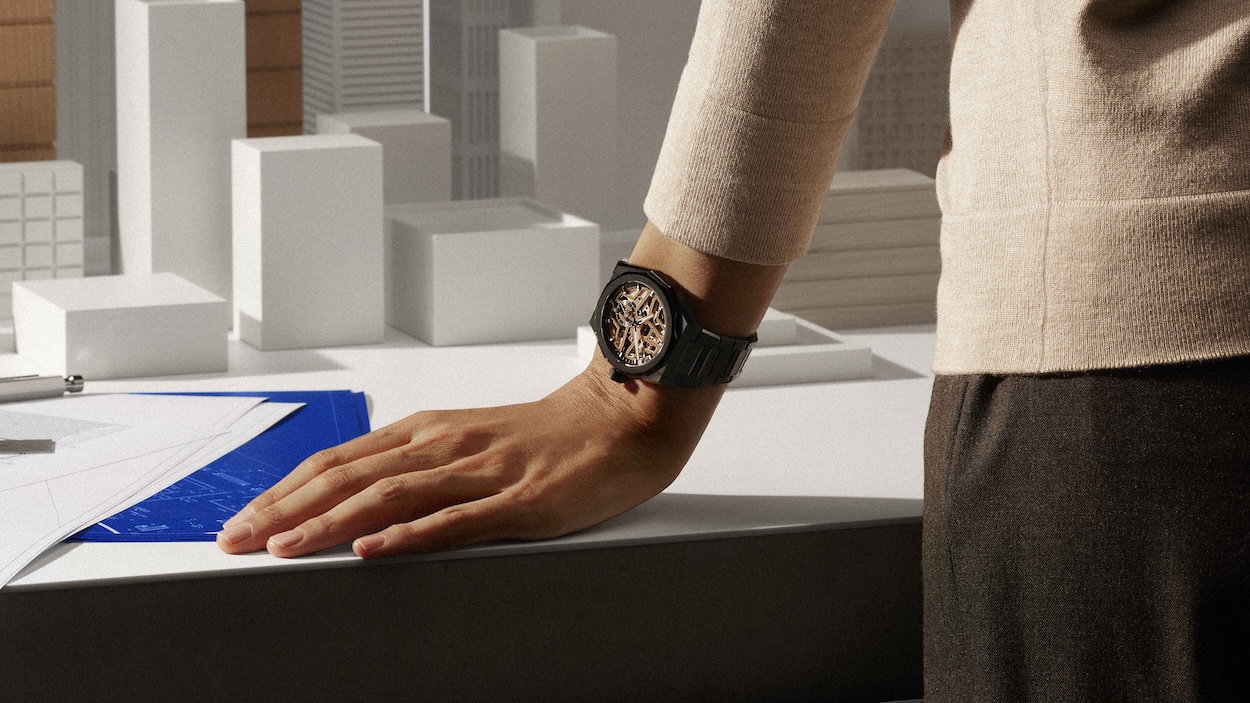
Courtesy of Zenith
…

Courtesy of Zenith
…
“With both the DEFY Skyline Skeleton and the DEFY Skyline Chronograph, ceramic really becomes a design tool rather than just a technical choice,” Romain Marietta, Chief Product Officer for Zenith, tells Surface. “On the chronograph, black ceramic reinforces the sculptural aspect of the case. On the Skeleton, it does something very different: it creates a strong, dark architectural frame that really allows the movement to stand out. In both cases, ceramic helps us express the identity of the watch more clearly, and to push its sense of uniqueness in a way that would be much harder to achieve with steel, for example.”
Courtesy of Zenith
…
For the Skeleton, ceramic plays a key role in the design balance. “Skeletonization is about lightness and depth but it needs structure. And ceramic brings that structure,” Marietta adds. “It’s a very dense material and because it’s deeply colored throughout, not simply coated, it creates a form of contrast and tension. The open movement doesn’t feel fragile but instead reads like an exposed architectural framework suspended inside a very strong shell.”
Courtesy of Zenith
…
“The geometry, the case, the movement: they’re all part of the same idea,” Marietta says of the DEFY collection design process—and structure. “So when we introduce materials like ceramic it doesn’t really feel like an addition but more like a natural extension of that architecture. DEFY has really become the space where we can explore a more contemporary design language for Zenith.”

Courtesy of Zenith
…