This year has represented a significant leap for the National Academy of Design. The organization that was founded as the United States’ first artist- and architect-led cultural society in 1825 has since welcomed more than 2,400 artists and architects as members, and sold its Upper East Side headquarters in a series of moves made to secure its future for many more years to come. The result, according to executive director Gregory Wessner, has been “a transformation that helped us refocus on our founding principles for a new century: to foster a community of artists and architects, to educate aspiring practitioners, to celebrate innovation and excellence in the arts, and to serve as a public forum for the advancement of art and architecture in America.”
On Tuesday, the Academy announced the 27 artists and architects who comprise its incoming class of Academicians: artists and architects who have inherited the undertaking of advancing the country’s arts education. At one time, this took the form of the Academy’s erstwhile art school. Now, its public-facing exhibitions and programming (which is shaped by its Academicians) carry that forward from Manhattan’s Chelsea Arts District. “The opening of our new space on West 26th Street in Chelsea was a major step to reaffirming our enduring commitment to showcasing new work and ideas related to contemporary art and architecture,” Wessner tells Surface.
The Academy “is no longer the only artist or architect-led organization in the United States,” Wessner admits, but, in an interview, he shared how it continues to shape an understanding of American art and architecture through its annual exhibitions, 8,000-strong private collection, and its continuing induction of Academicians.
Gregory Wessner. Credit: Ted Alcorn…
Tell us about how the Academy’s status as the first artist- and architect-led organization still guides and differentiates it today.
The National Academy is no longer the only artist or architect-led organization in the United States. For instance, I think of the whole alternative art space movement of the sixties and seventies, which was driven largely by artists and ultimately led to the founding of organizations like Artists Space and White Columns. That being said, I do think there is something substantively different that comes with the longevity of a 200-year-old organization and the context that history creates. I hear it when I talk to our newly elected Academicians, as they learn about the 2,400 artists and architects who preceded them as members, many of whom inspired them to become artists or architects themselves. An organization as old as the National Academy has the power to tell a different story around art and architecture in America. Perhaps it’s not so much about being the first as it is the endurance of still being here after so many centuries.
How do the National Academy of Design’s class of academicians work with the Academy to further its mission to advocate for the arts as a tool for education?
The National Academy was founded by artists and architects in 1825 with the mission of advancing American art through education and exhibition and Academicians have been leading the Academy ever since. They participate as board members and on committees that shape our exhibitions and programs, and on juries that award fellowships, grants, and prizes to artists and architects. While we no longer operate a school, Academicians are very much involved in our public programming, so we still help amplify their work and ideas for the benefit of a new generation of artists and architects.
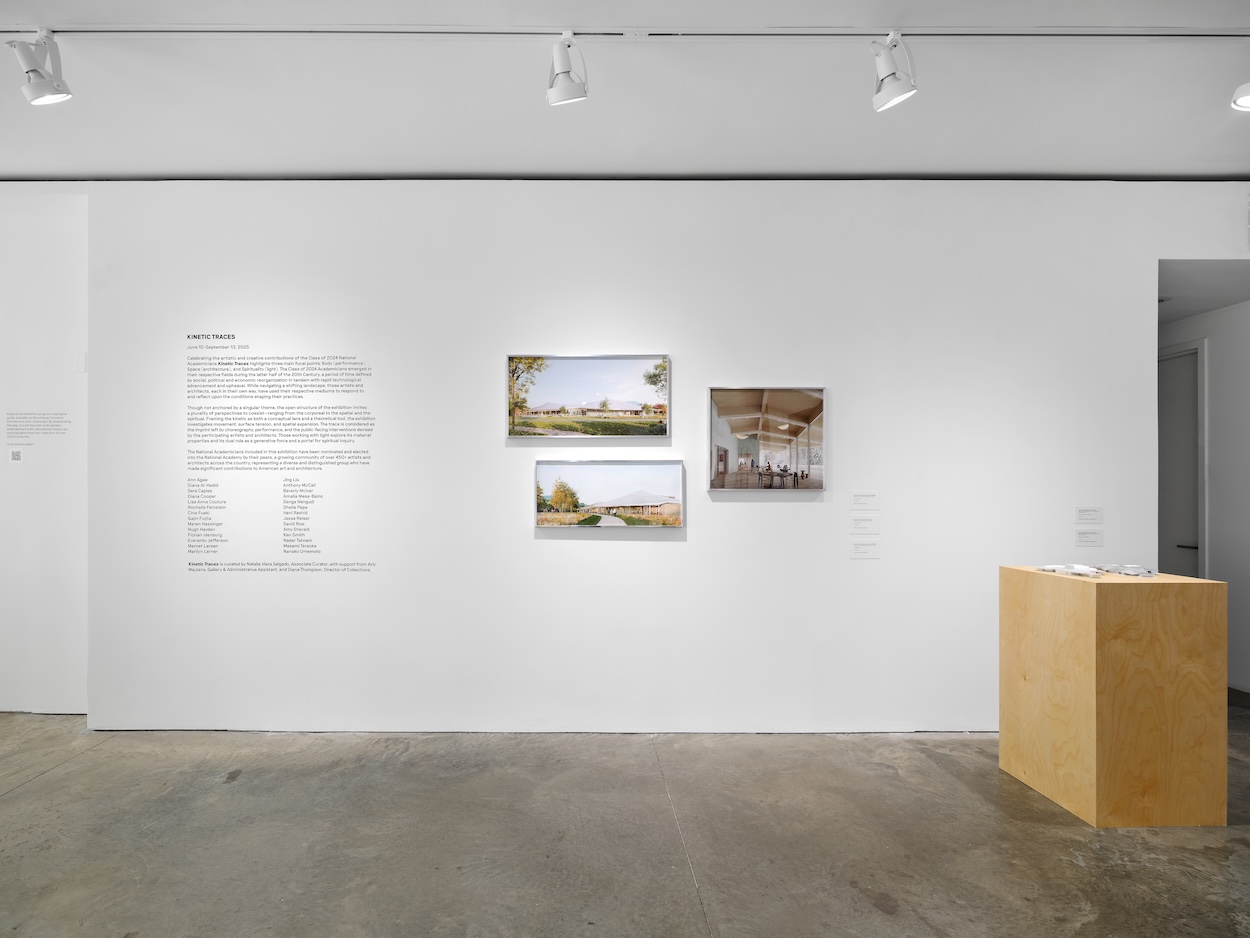
'Kinetic Traces,' curated by Natalia Viera Salgado. Credit: Argenis Apolinari…
Are there any prevailing themes you’ve observed among the body of work that this year’s Academicians have donated/submitted to the Academy?
Our newest class of Academicians won’t be inducted until November 8, so it’s still a bit too early for any of them to have donated a work to the Academy. However, I can tell you that I have noticed an uptick in interest in the whole Diploma Work process over the past few years. As you might know, beginning with the first class of Academicians, who were elected in January 1826, every incoming Academician is asked to donate a representative work of their own—called the Diploma Work—to our collection. Initially the collection was a resource for aspiring artists studying at the Academy to see and copy work by the country’s leading practitioners, but over two hundred years–and with more than 8,000 paintings, sculptures, works on paper, architectural drawings and models and more–it has grown into one of the most significant collections of American art and architecture in the world. I think incoming Academicians today are genuinely excited to see their work in conversation with members of the past, and some put a lot of thought into what they want to donate for that exact reason.
What can you tell us about the upcoming induction exhibition for this class of Academicians?
Our exhibition schedule is planned through September 2026 with shows organized in celebration of our 200th anniversary. This means that the induction exhibition for the class of 2025 won’t happen until October 2026, but the plan for our first exhibition after the anniversary year is to present the Academy’s 192nd Annual Exhibition, a tradition dating back to the Academy’s founding. The Annual showcases recent work by current Academicians from across the country, and the induction show will be presented as a section of the Annual to situate our newest members alongside our larger community of artists and architects. It will be a first for us, and I think a lovely way to welcome our newest members into the community of the Academy.
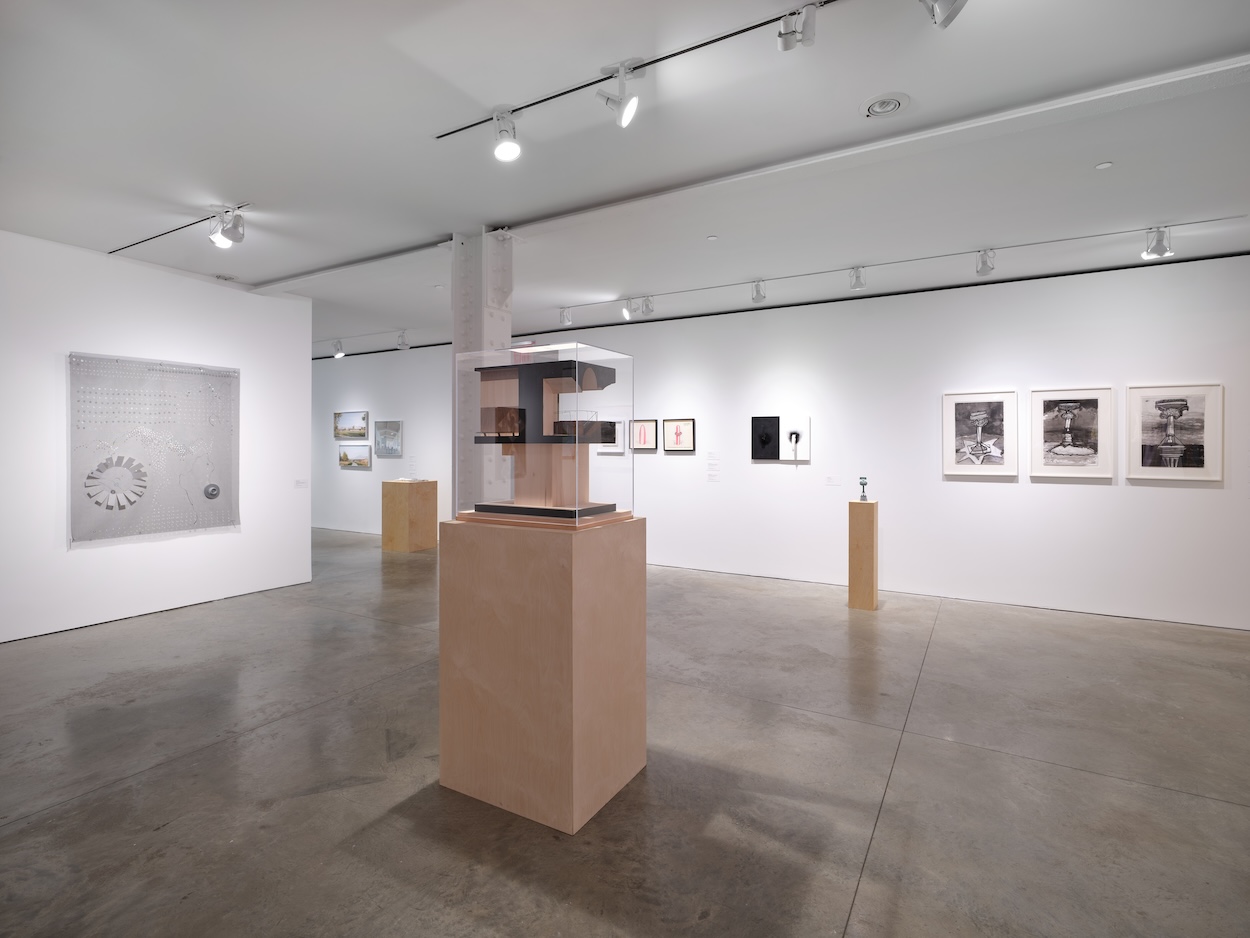
'Kinetic Traces,' curated by Natalia Viera Salgado. Credit: Argenis Apolinari…