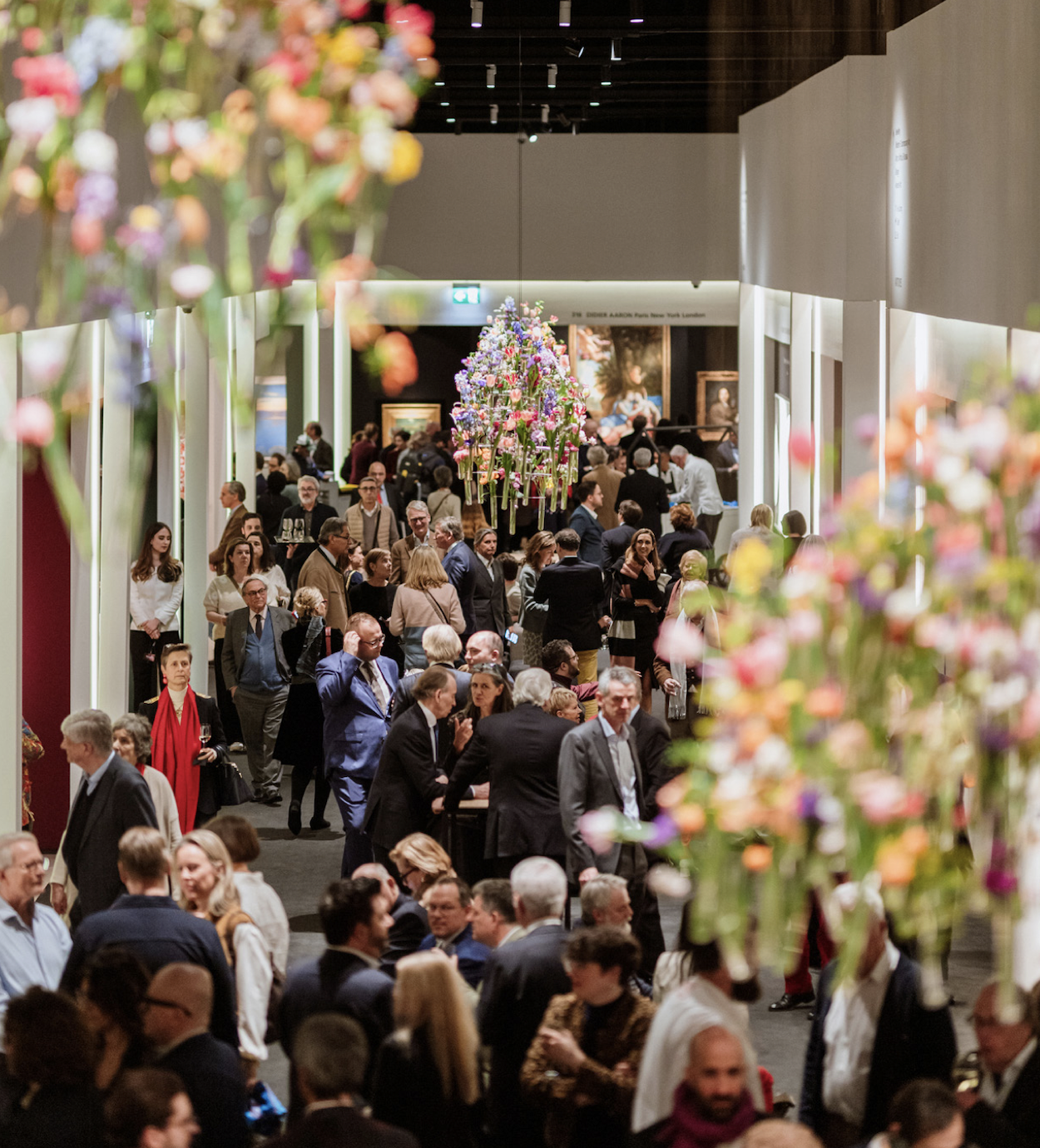
TEFAF Maastricht had an €86.4 million impact on the Netherlands.
Commissioned by The European Fine Art Foundation (TEFAF) and conducted by Deloitte as part of an independent research program, the annual TEFAF Economic Impact Report evaluates the fair’s contributions both to Maastricht and to the Netherlands. The report states that the 2025 edition led to an €86.4 million impact on the country, and €37.9 million to the city. For the latter figure, €32.3 million was considered direct impact while €5.6 million was derived from media value.
Leaders of the four global fashion organizations urge Saks to support payments to emerging designers.
Leaders of the CFDA, British Fashion Council, Camera Nazionale della Moda Italiana, and Fédération de la Haute Couture et de la Mode jointly urged Saks Global CEO Geoffroy van Raemdonck to ensure emerging designers are paid for merchandise already delivered as the company undergoes restructuring. The appeal follows Saks Global’s Chapter 11 bankruptcy filing, which raised concerns that smaller independent brands could be left unpaid for pre-bankruptcy orders. The organizations warned that failing to honor those payments could jeopardize young labels and harm the broader creative and economic ecosystem of the global fashion industry.
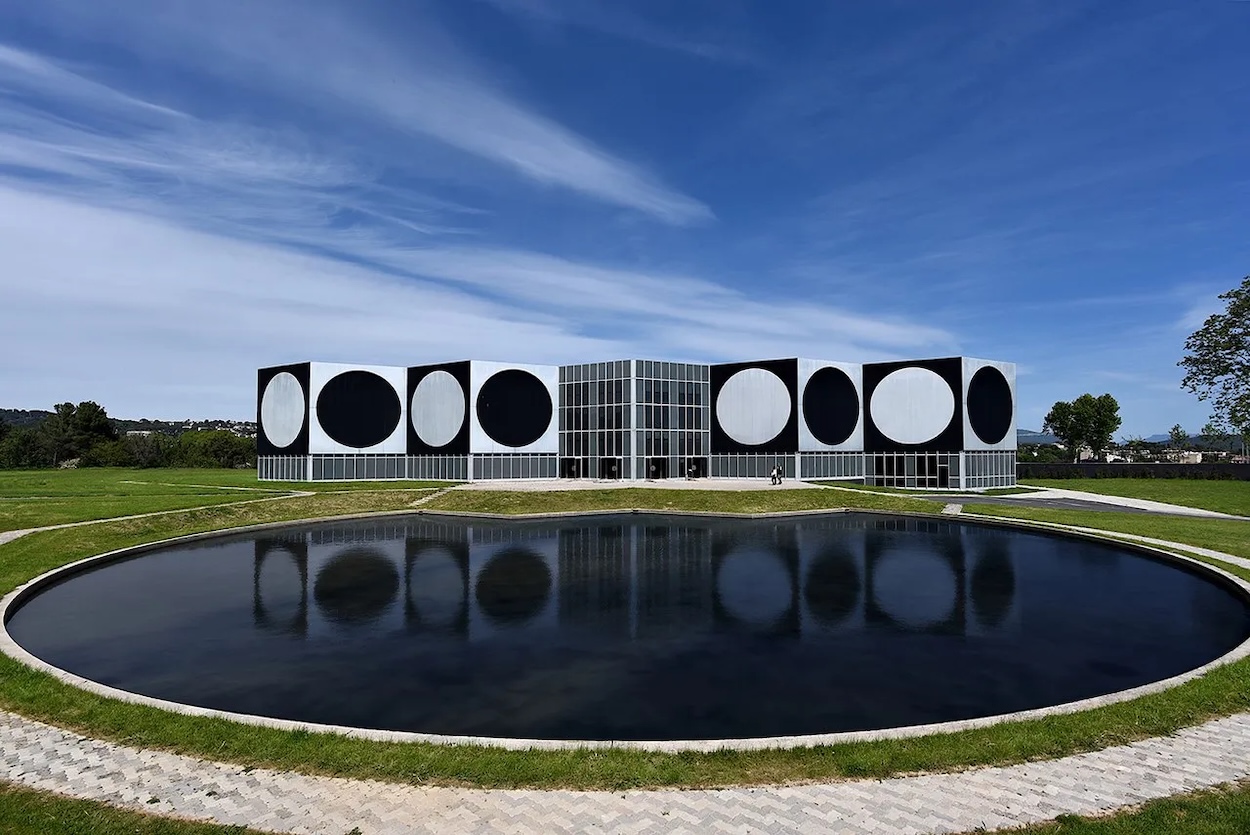
Foundation Vasarely is celebrating its 50th anniversary this year.
The Fondation Vasarely in Aix-en-Provence is planning a major restoration of its 1976 modernist building, which houses 44 site-specific works by Op Art pioneer Victor Vasarely integrated into the architecture. Years of structural deterioration—including leaks and outdated infrastructure—have threatened both the building and artworks, prompting a large-scale conservation initiative. Led by Pierre Vasarely, the artist’s grandson and the foundation’s director, the project aims to stabilize and revive the landmark cultural site ahead of its 50th anniversary in 2026.
Kennedy Center board votes in favor of a two-year closure.
The board of the John F. Kennedy Center for the Performing Arts voted to close the Washington, D.C., institution for two years beginning after the July 4, 2026 celebrations to allow for a major renovation project. The plan aims to overhaul and modernize the complex, with leaders arguing that a full shutdown will enable faster and more comprehensive construction. The decision comes amid controversy, artist boycotts, leadership changes, and declining ticket sales, which have intensified debate about the center’s direction and political influence over the national cultural institution.
Kering formed a growth-oriented jewelry division.
Kering has launched a dedicated jewelry division led by Group Chief Operating Officer Jean-Marc Duplaix, consolidating its jewelry houses—including Boucheron, Pomellato, DoDo, and Qeelin—under a more unified structure. The move is part of a broader reorganization under CEO Luca de Meo, aimed at strengthening oversight, industrial capabilities, and long-term growth in the group’s jewelry business. The strategy reflects the segment’s relative resilience and strong momentum compared with fashion, positioning jewelry as a key driver of future growth for the French luxury conglomerate.
Today’s attractive distractions:
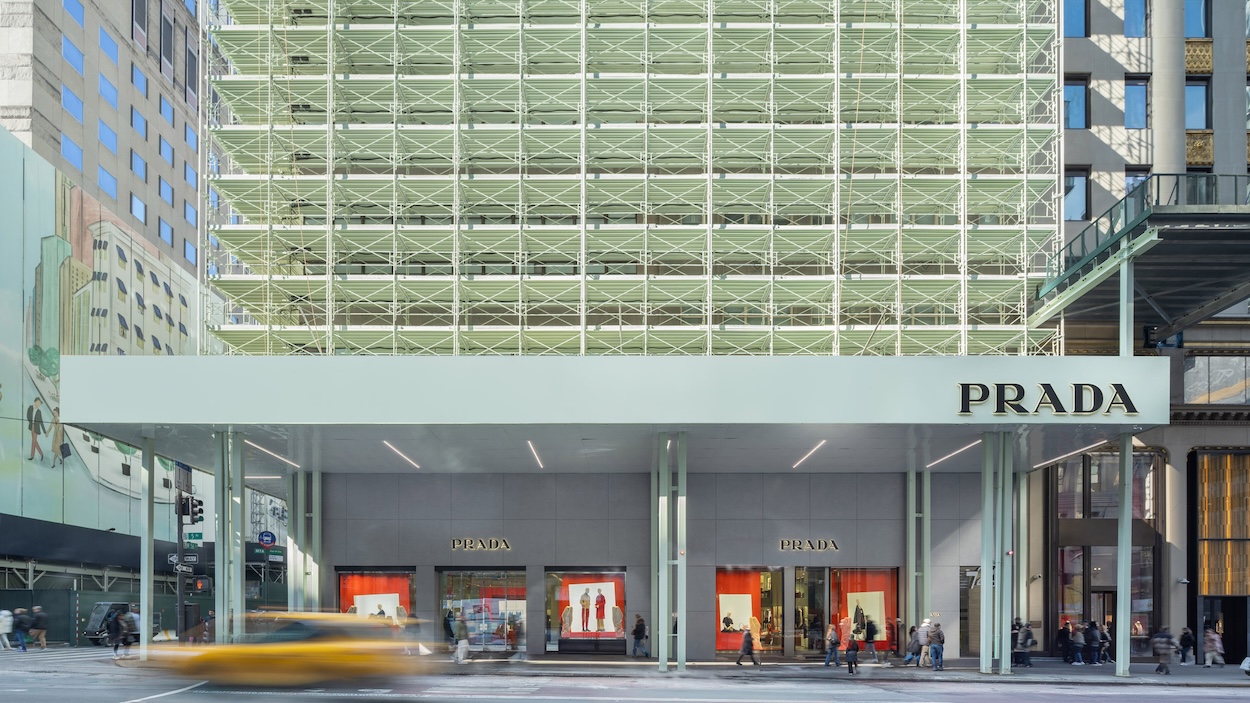
Prada dresses its Fifth Avenue store in seafoam-green scaffolding.
The KPop Demon Hunters sequel confirms original directors.
SOM designed wedge-shaped stepped towers for a new city in southeastern Kazakhstan.
The best coverage of the Vanity Fair Oscar Party came from… Vanity Fair.