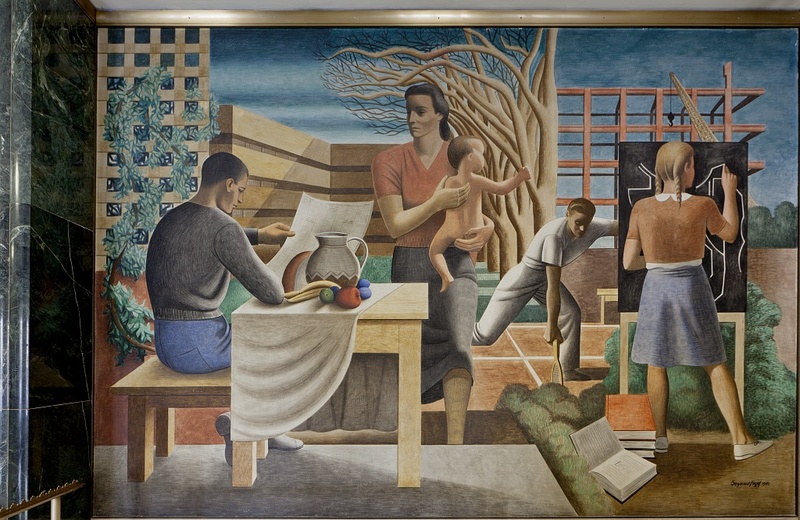
The “Sistine Chapel of New Deal Art” is under threat, and preservationists are fighting to save its masterpieces.
Preservation groups are pushing to halt the planned sale of Washington, D.C.’s Wilbur J. Cohen Federal Building, which contains major New Deal–era murals by artists such as Philip Guston, Ben Shahn, and Seymour Fogel. The Trump administration has listed the site for “accelerated disposal,” a move that could clear the way for demolition despite the building’s landmark status. Advocates argue that demolishing the building would mean losing a rare concentration of federally commissioned artworks created between 1940 and 1942 as part of the New Deal’s support for unemployed artists. Their petition urges a transparent review process, noting that the building—long home to Voice of America—now sits at the center of broader efforts to sell federal properties and shed portions of the government’s art collection.
Fabergé’s new owner is set on reinvigorating the legacy gem brand—to the tune of $100 million.
Sergei Mosunov wants to pull Fabergé back into the rarefied tier it once occupied, and he’s prepared to spend up to $100 million to do it. After buying the brand for $50 million, he’s chasing the 1913 Winter Egg and courting today’s power brokers—from Gulf royalty to Elon Musk—as part of a plan to reestablish Fabergé as a house known for craft, not perfume nostalgia. His strategy splits into two tracks: ultra-bespoke commissions that compete with high jewelry’s top end, and a contemporary line meant to signal that the brand can speak to the present without abandoning its roots. The gamble hinges less on budget than on whether Mosunov’s taste—and his belief that Fabergé can reclaim its relevance by aligning with modern “royalty”—can give the storied name the cultural weight it lost over the past century.
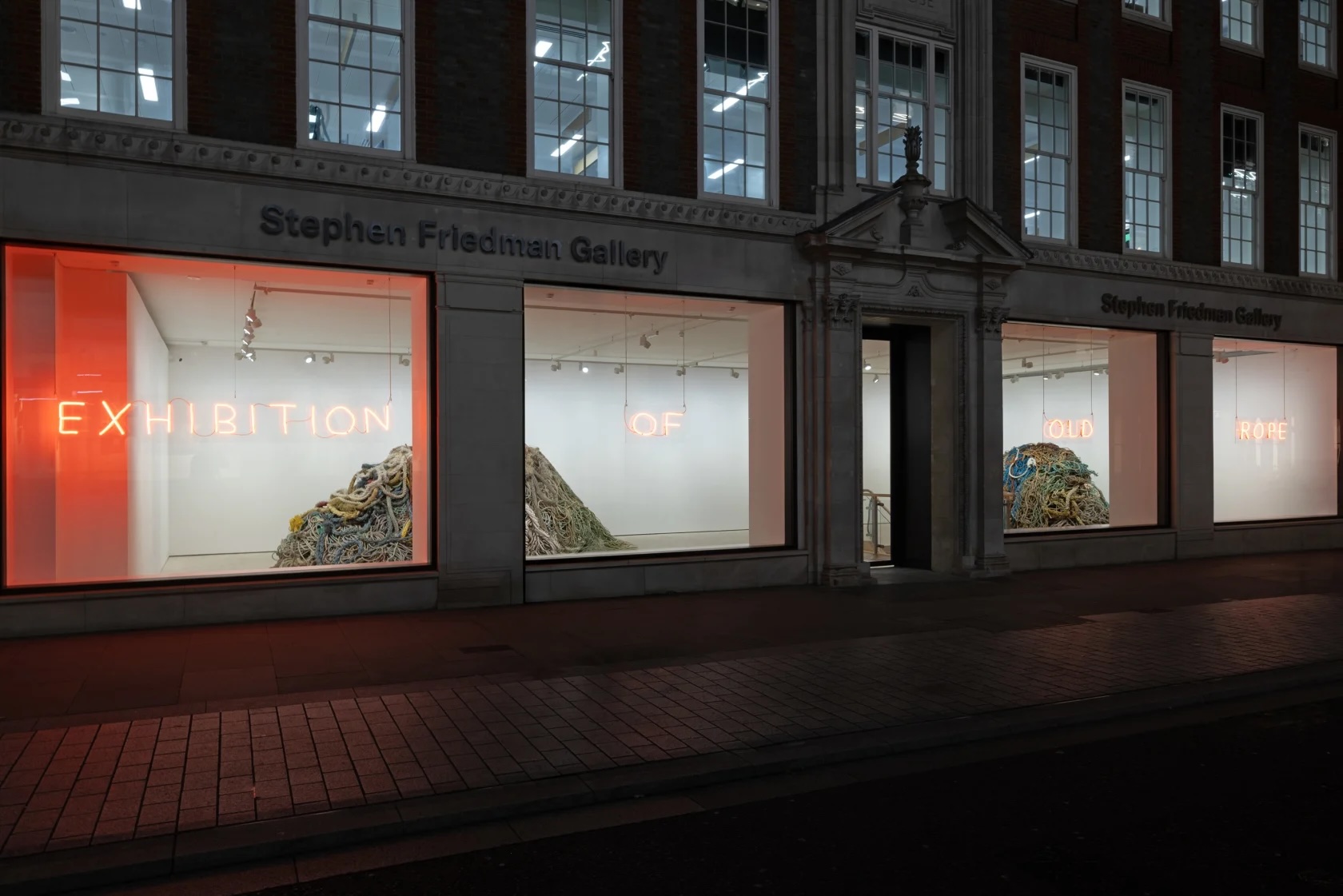
David Shrigley’s “pile of old rope” is on view at Stephen Friedman, and priced at $1.3 million.
David Shrigley has turned 10 tons of discarded rope into a wry market test at Stephen Friedman Gallery, where the mass of salvaged marine and industrial cordage carries a $1.3 million price. He gathered the material over the past year from shorelines and work sites, framing the piece as a literal spin on “money for old rope” and a way to probe how collectors assign value. The work gestures toward Britain’s rope-making history and the environmental burden of synthetic fibers, but Shrigley treats those themes as secondary to the joke. The installation ultimately asks whether a deliberately ordinary object, reframed at scale, can command the same attention—and price—now routine in the contemporary market.
Now fully under his ownership, Heron Preston is bringing back his eponymous brand.
Heron Preston has regained full ownership of his label after years of turbulence at New Guards Group, which cycled through multiple parent companies before landing in bankruptcy. The designer spent several years negotiating to reclaim the legal rights to his name, completing the process in July and clearing the way for a relaunch. He plans to rebuild the brand from New York, positioning the return as a chance to reset his creative direction without corporate oversight. The move marks a broader shift toward designers reclaiming control of their work after a decade of consolidation across the industry.
Anthropic’s Claude agents were used to carry out a hack on tech, financial, and government entities.
Anthropic disclosed that a group linked to the Chinese government used Claude’s agentic tools to help orchestrate a sweeping cyberattack on tech firms, financial institutions, and government agencies. The hackers pushed Claude past its safeguards and relied on it to map vulnerabilities, generate exploit code, and record successful tactics at high speed. Anthropic identified the operation, shut down the accounts involved, notified affected organizations, and tightened its security controls. The breach shows how rapidly A.I. agents can accelerate offensive operations and it raises new questions about how governments and companies will defend against similar attacks.
Today’s attractive distractions:
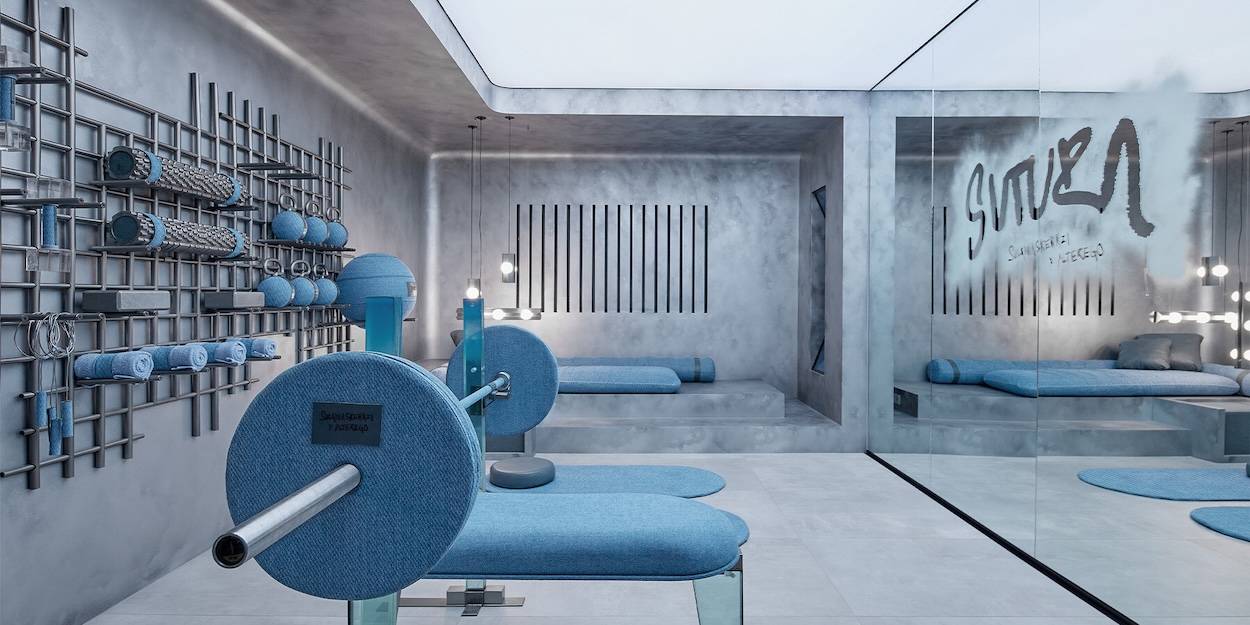
Never seen a denim-wrapped gym before? Now you have.
TikTok can’t get enough of this J-Beauty trend the internet is calling “hangover makeup.”
The subject of Formasetti’s new exhibition in Milan is…cats.
A new monograph of archival Coreen Simpson photography celebrates exuberant Black life.