The exact moment of inception for Silo, a modular metal container system that seamlessly stacks, arose within moments of creative conversation between three friends: acclaimed photographer and serial entrepreneur Andrew Zuckerman, designer Che-Wei Wang of the pioneering practice CW&T, and the co-founder and president of electric vehicle innovator Infinite Machine, Eddie Cohen. The trio gathered to discuss design concerns and dream of solutions. Though inspired by the material shortcomings of pill boxes, their vision for what would become Silo both broadened and narrowed.
Precision Defines the Silo Stackable Metal Container System
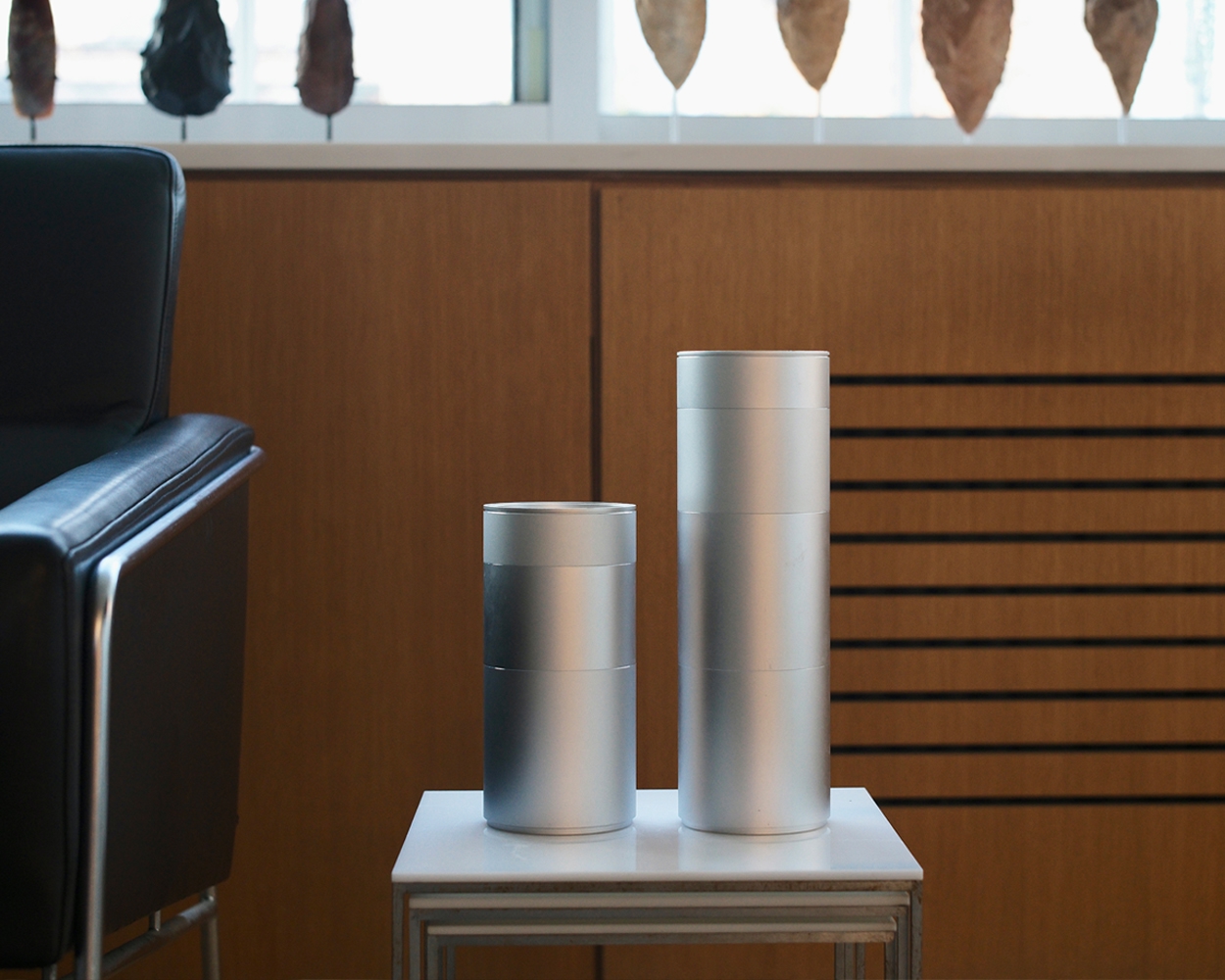
Modular units, milled from solid aluminum, connect with satisfying ease
BY DAVID GRAVER August 11, 2025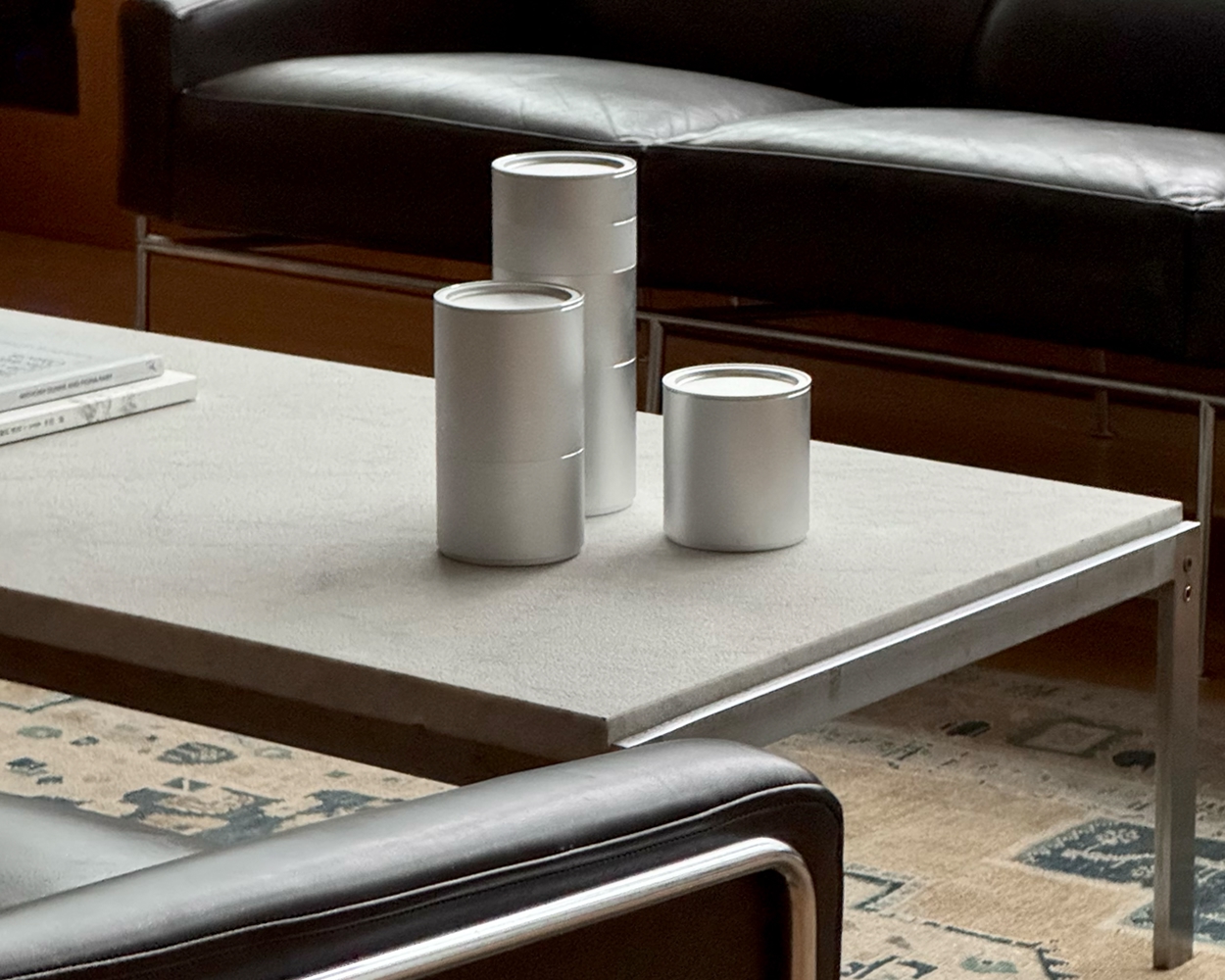
By Andrew Zuckerman
…
By Andrew Zuckerman
…
Without an enforced timeline or fiscal expectation, all three creators focused on the art of collaboration over the course of two years. “It was this luxury of refinement, iteration, and what design is actually about: dialogue,” Zuckerman tells Surface. “It started from this single use case: could we make a better pill box? We were thinking about all that is happening in health and wellness, and the mega-trend of supplements, and then how we put it all in an awful plastic box.”
By Andrew Zuckerman
…
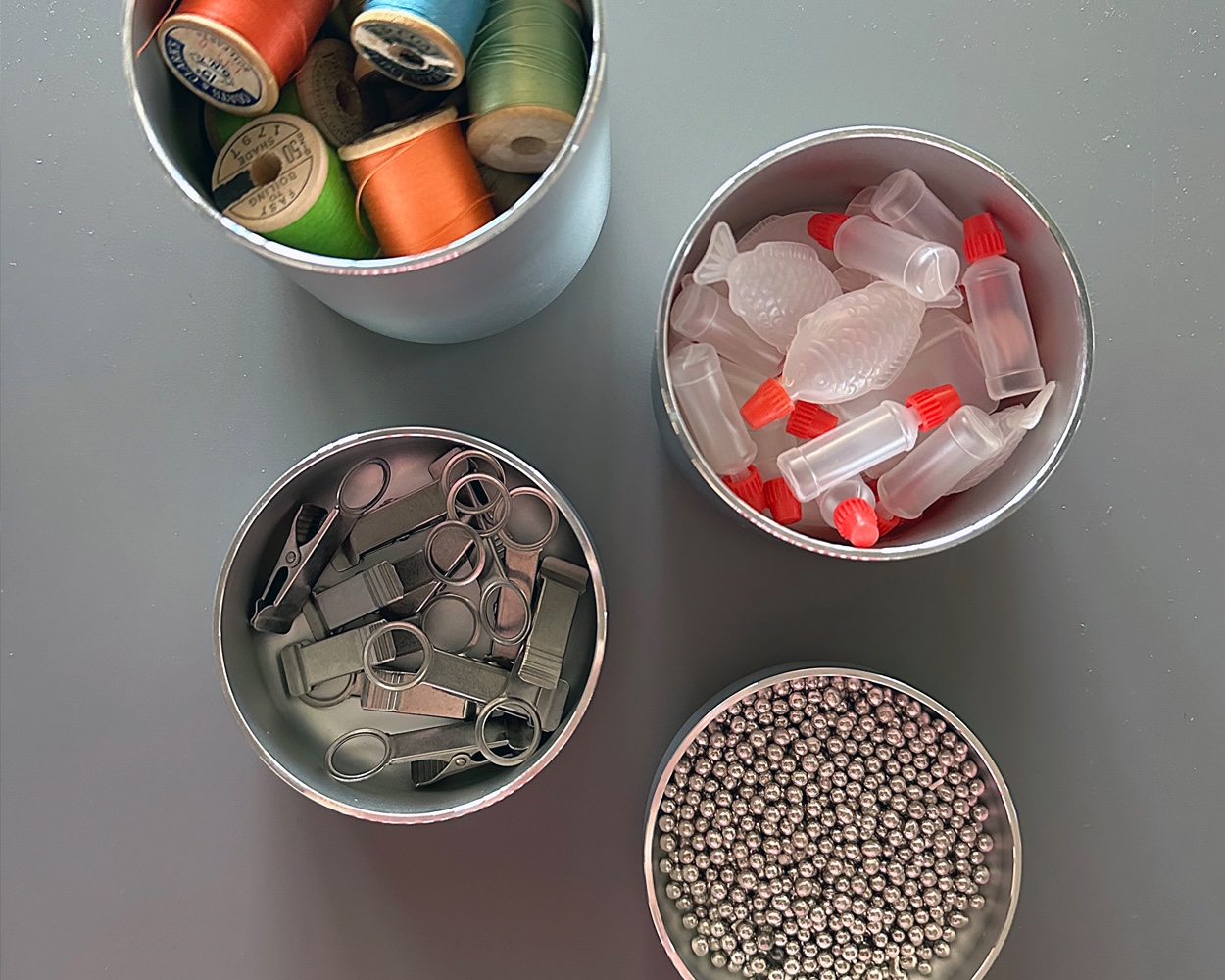
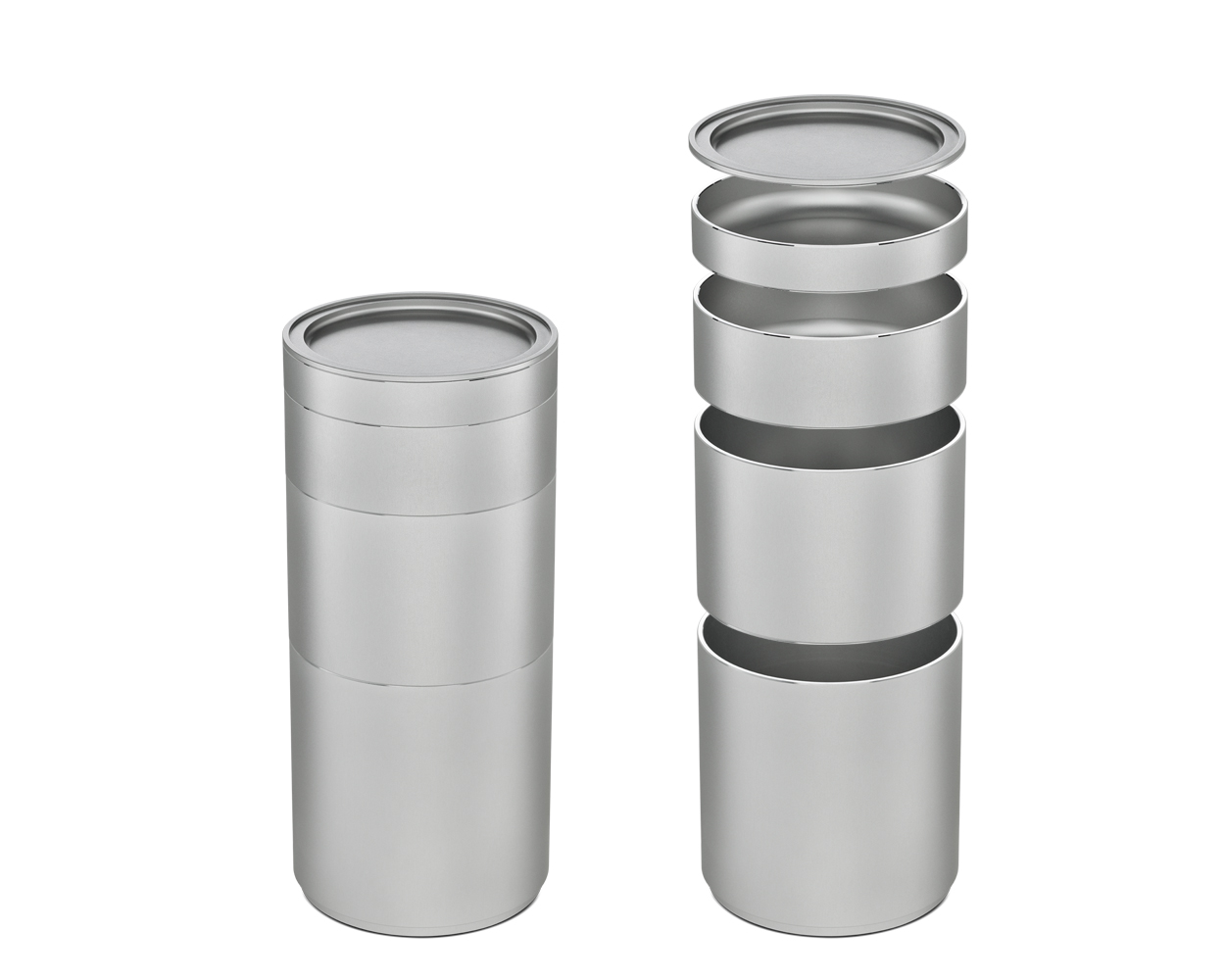
Cohen likens Silo’s development process to Kaizen and uncovering attributes they desired. “We wanted something we could leave out, made from materials that were honest. We wanted it to stack so that you could move them around,” he says. “We asked, ‘what if we evolved this into more of a system, with different sizes that integrated with each other?’ We went from ‘this is a really great pill solution’ to ‘this is actually a precision storage device for organizing all the things in your life.'”
By Andrew Zuckerman
…
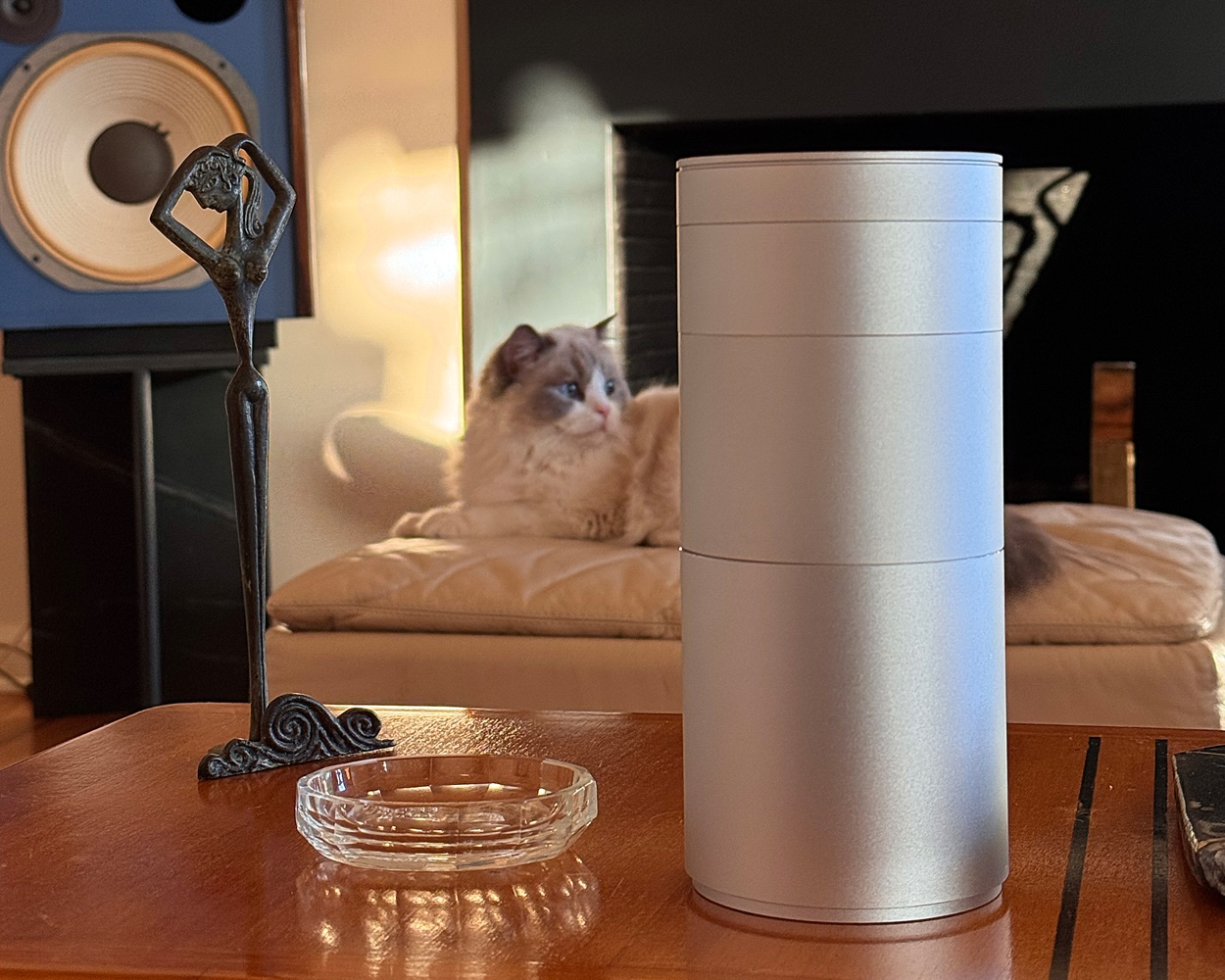
Silo is precision machined from a block of aluminum, which was selected for its function and cost accessibility. It’s also fully recyclable. “Eddie and I know less about materials than Che-Wei. He’s an expert in metals,” Zuckerman continues. “We were enjoying learning about the qualities of different metals. And early on in the process, Che-Wei sent us this note called ‘The Love Letter to Titanium.'” Though they took it into consideration, it lacked one fundamental quality.
By Andrew Zuckerman
…
“We had to ask, ‘what would be the best material to start with? We wanted one that would be refined, beautiful to look at, and very long lasting, but it also had to be inexpensive,” Zuckerman explains. “We thought, could we make an exquisite object at an affordable price? If so, could we then scale quickly and have a single product company that continually drops in new materials, and all those materials would family with each other?”
By Andrew Zuckerman
…
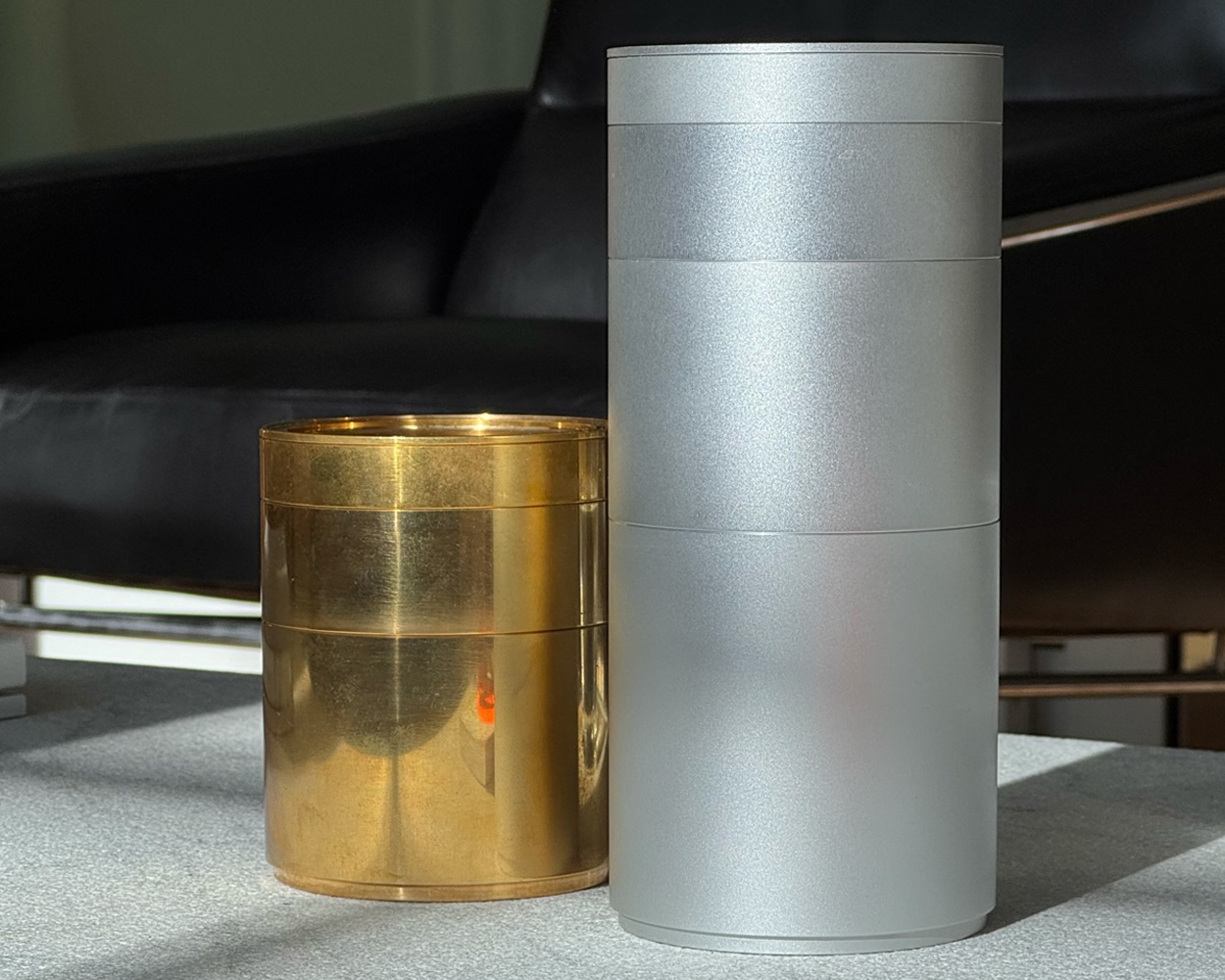
After aluminum, the team foresees titanium (which is already being used for forthcoming dividers), as well as cubic zirconium, brass, and more—all fitting into one another the exact same way: with extreme precision. The design itself is a unifying formal principle across all of these materials.
By Andrew Zuckerman
…
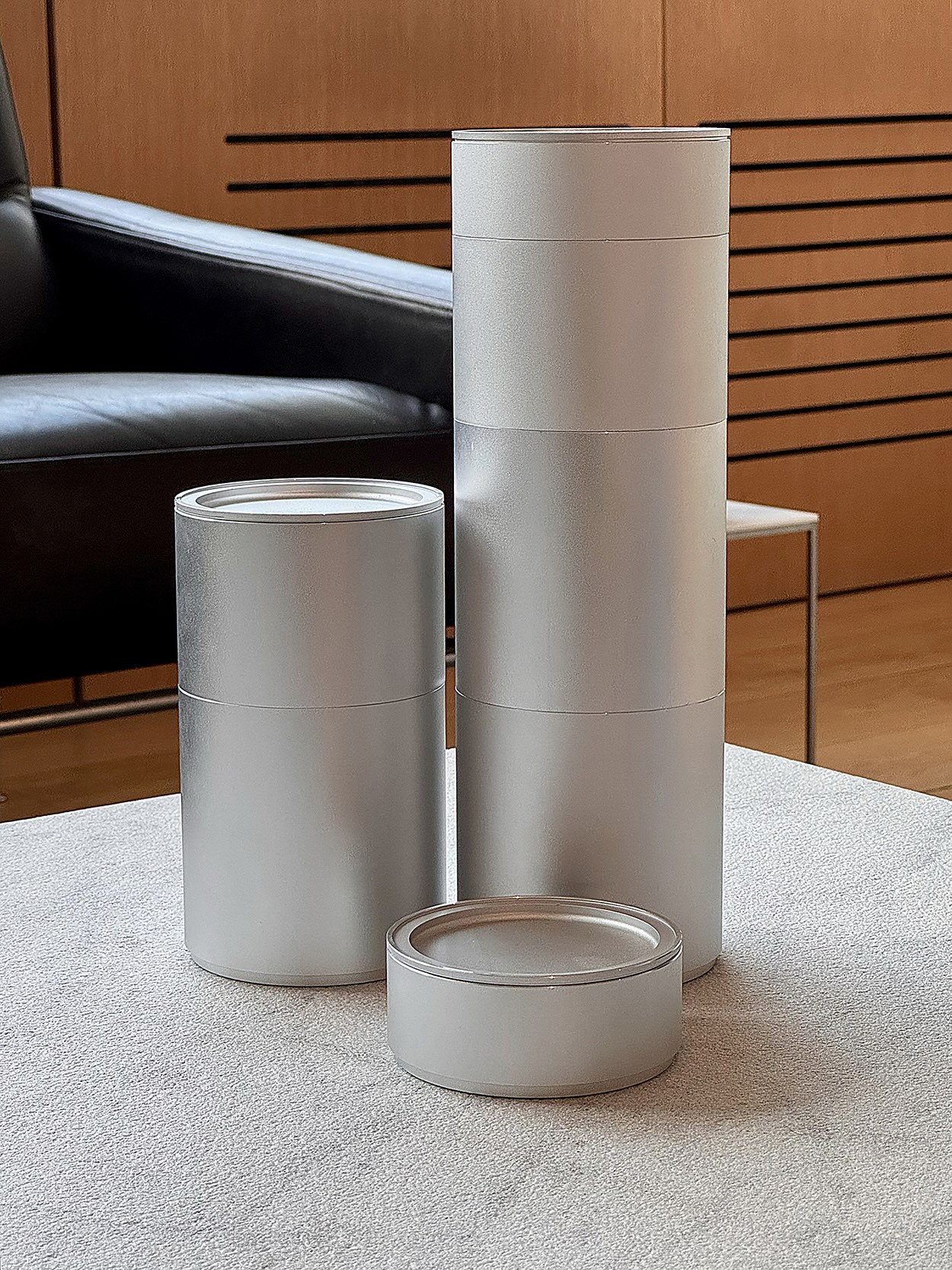
“Partly what made this work,” Wang says, “is that the design is quite simple. We didn’t invent anything new. We just dialed into an existing stacking idea. It’s been done before—and I think that’s where the joy came from. We didn’t have to worry about mechanisms or electronics. We could really focus on every little sub-millimeter, and be like, ‘Okay, this is exactly how we want it.’ There’s nothing else to question.”
Their approach to the Silo logo, which artfully references both the item and the brand name, was similar. “We knew that we wanted to hint at the tradition of precision stacking tea caddies,” Zuckerman says, referring to historic houses like Kaikado. “We wanted a mark, one that felt like it could have been made 500 years ago on a piece of porcelain.” This is exactly what they carefully crafted.

Courtesy of Silo
…
As for the minimal stacking silo itself, Zuckerman says it testifies to its use. “You understand that there are things being concealed or held in it,” he says, “but it’s not taking up space in a room. It’s not something that your eye goes to. We wanted something to recede into a space.” And yet, for something so visually refined, its impact is outsized. There is a shift in feeling when using Silo, simply knowing that everything is in its right place.