Image from Les Collectionneurs courtesy of Vacheron Constantin…
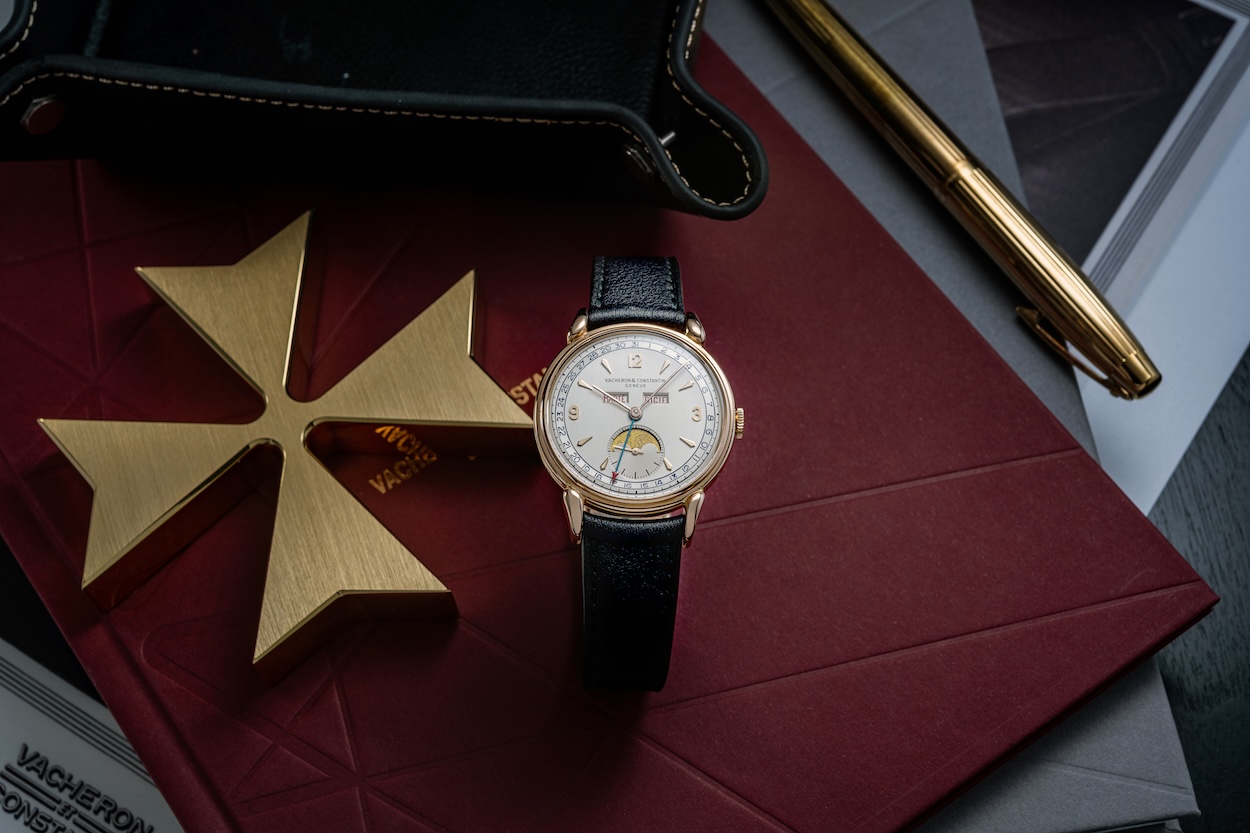
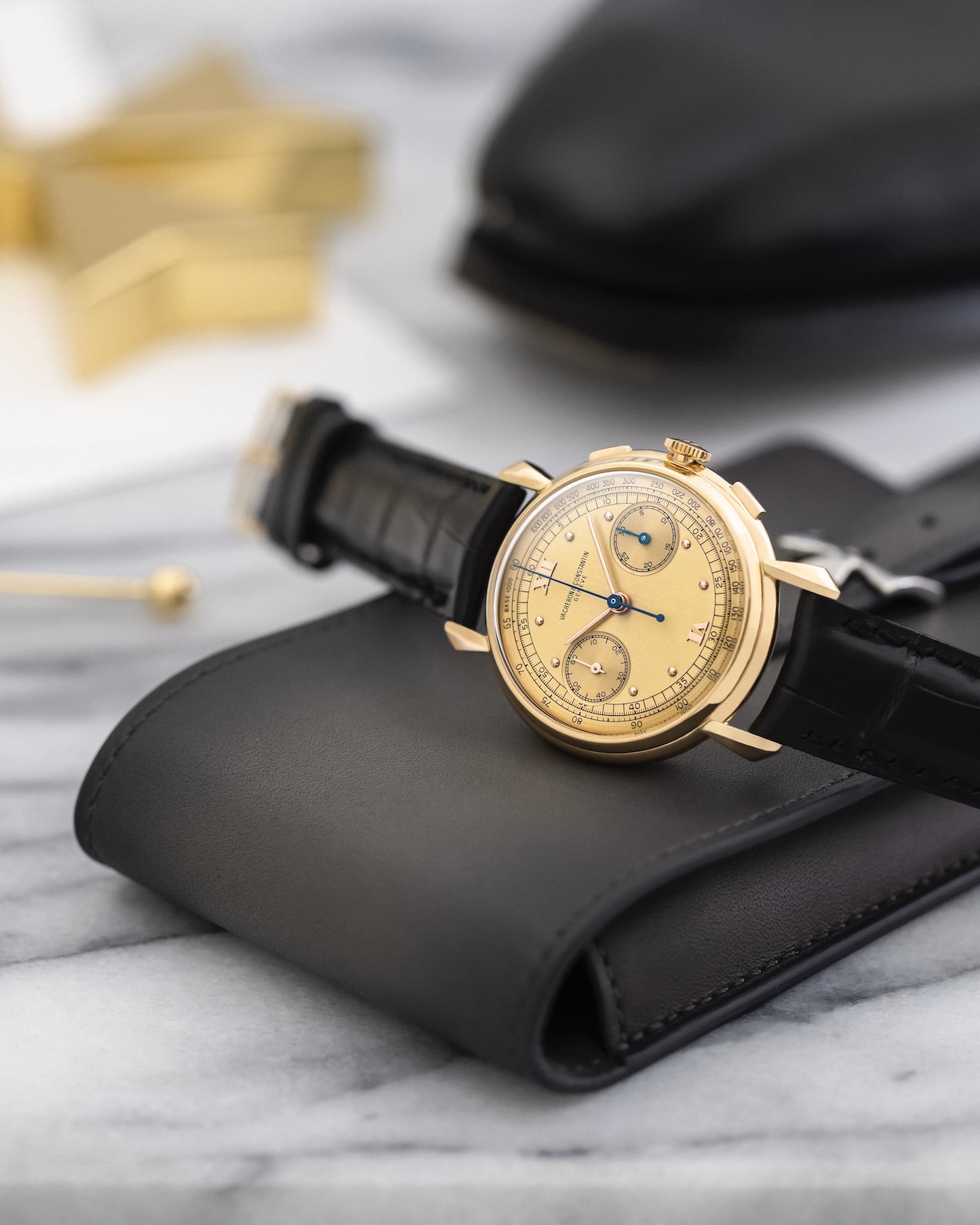
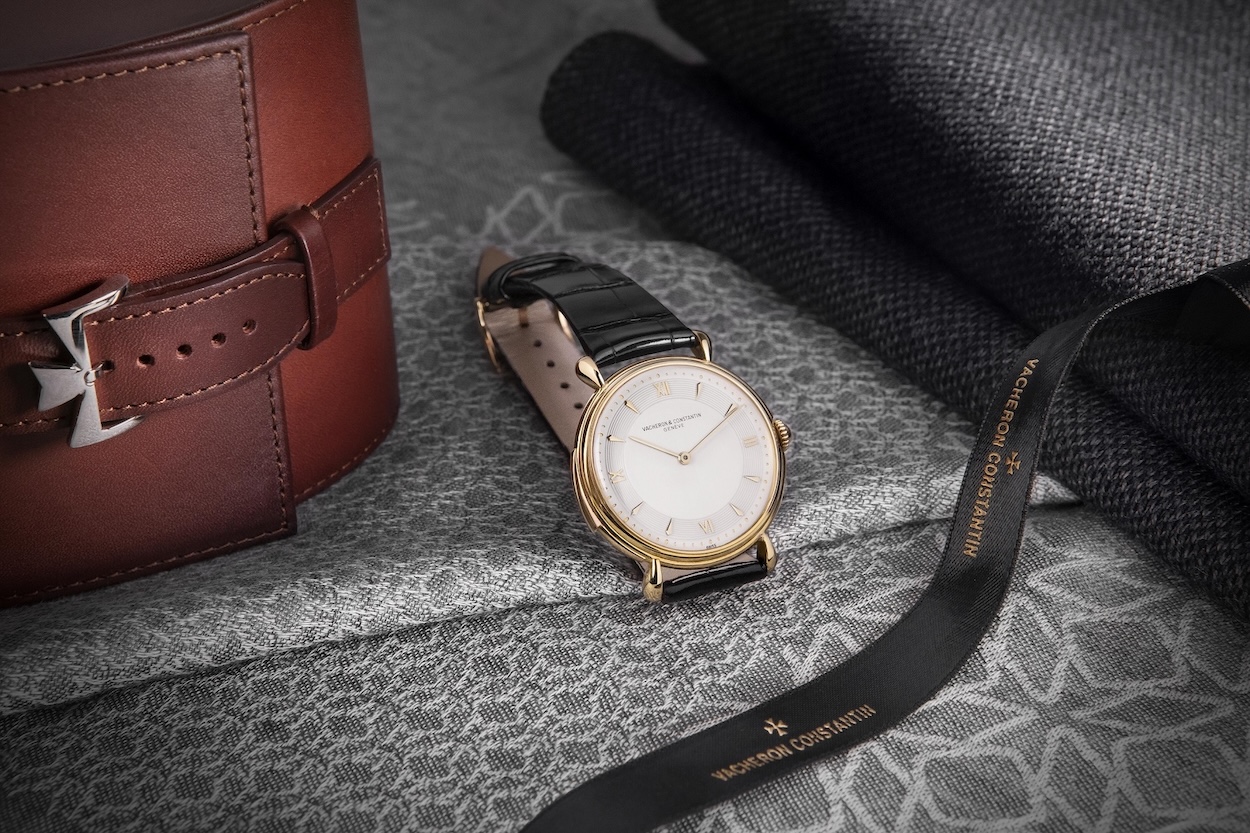
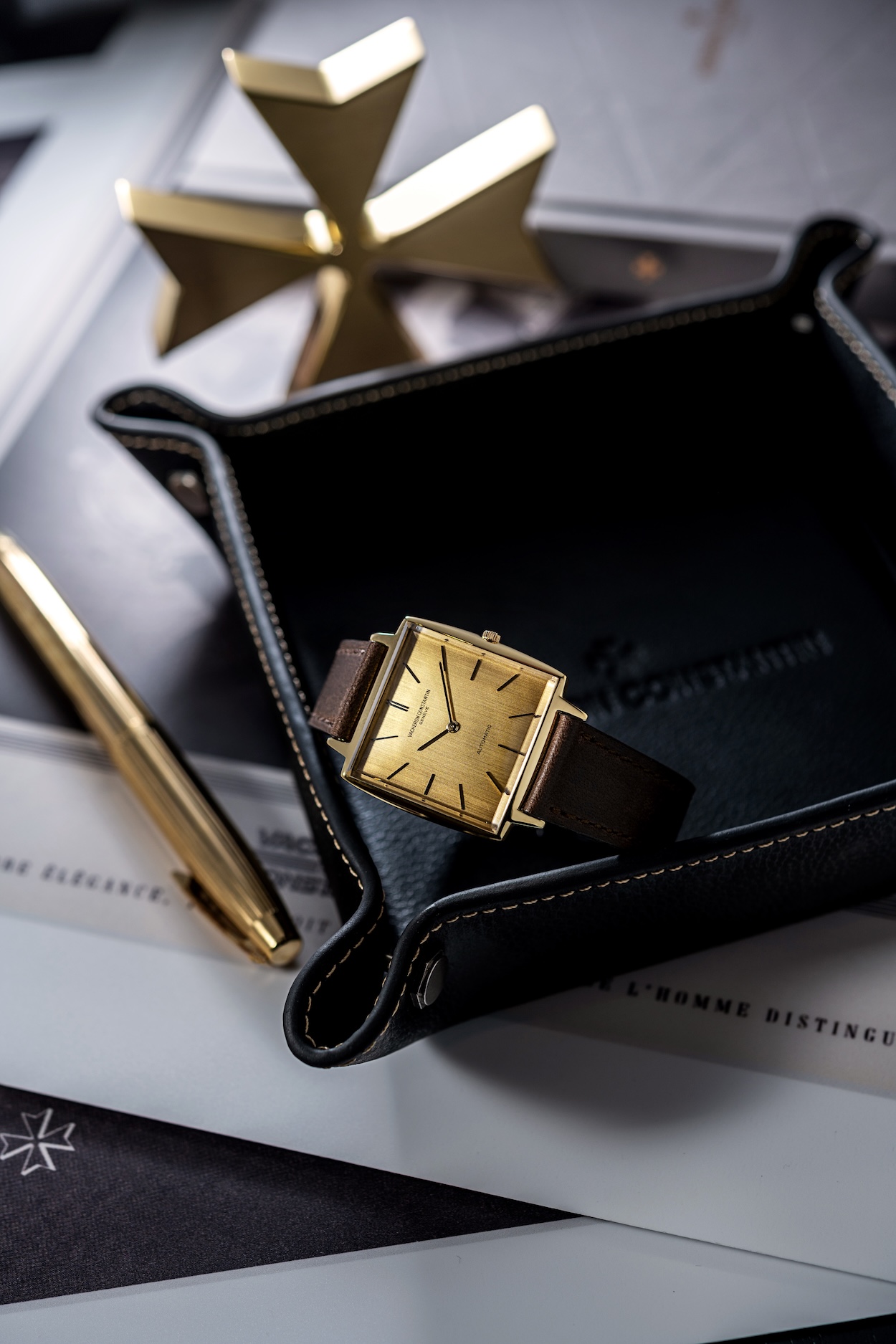
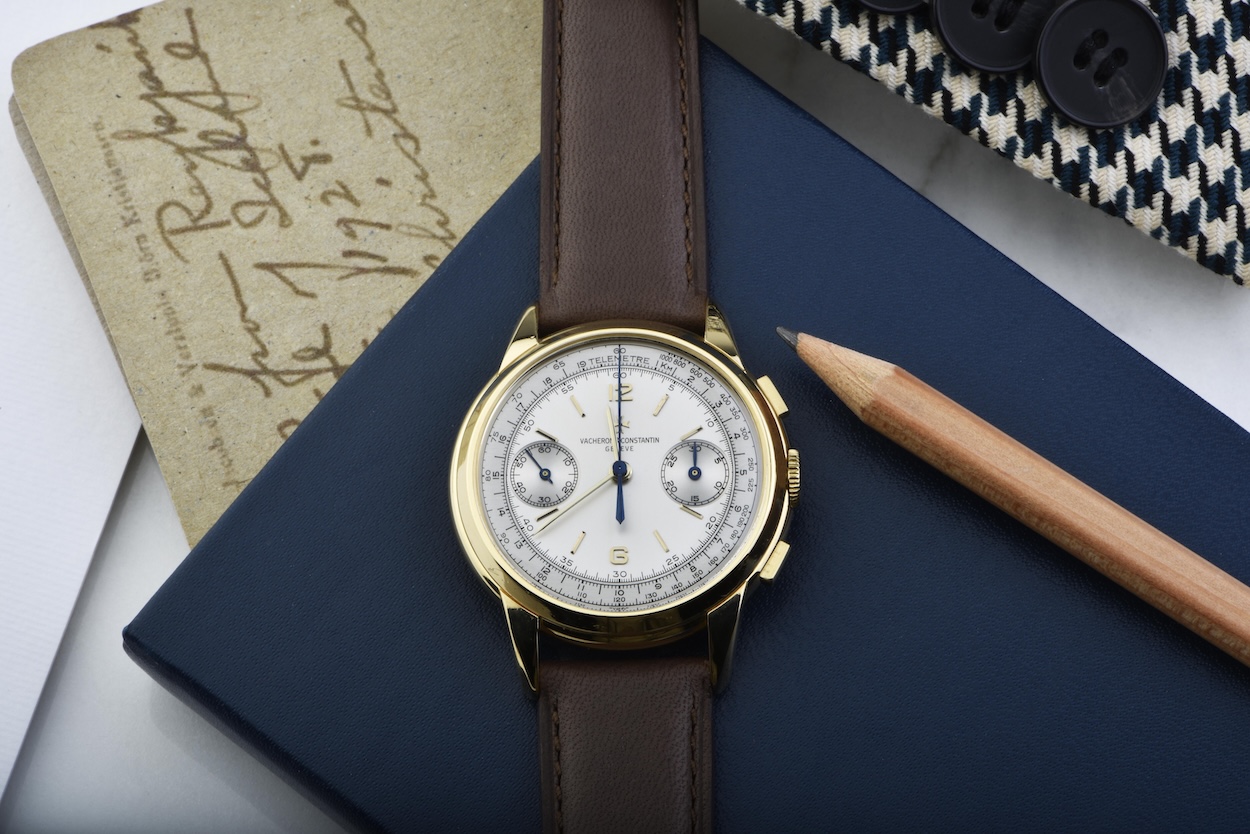
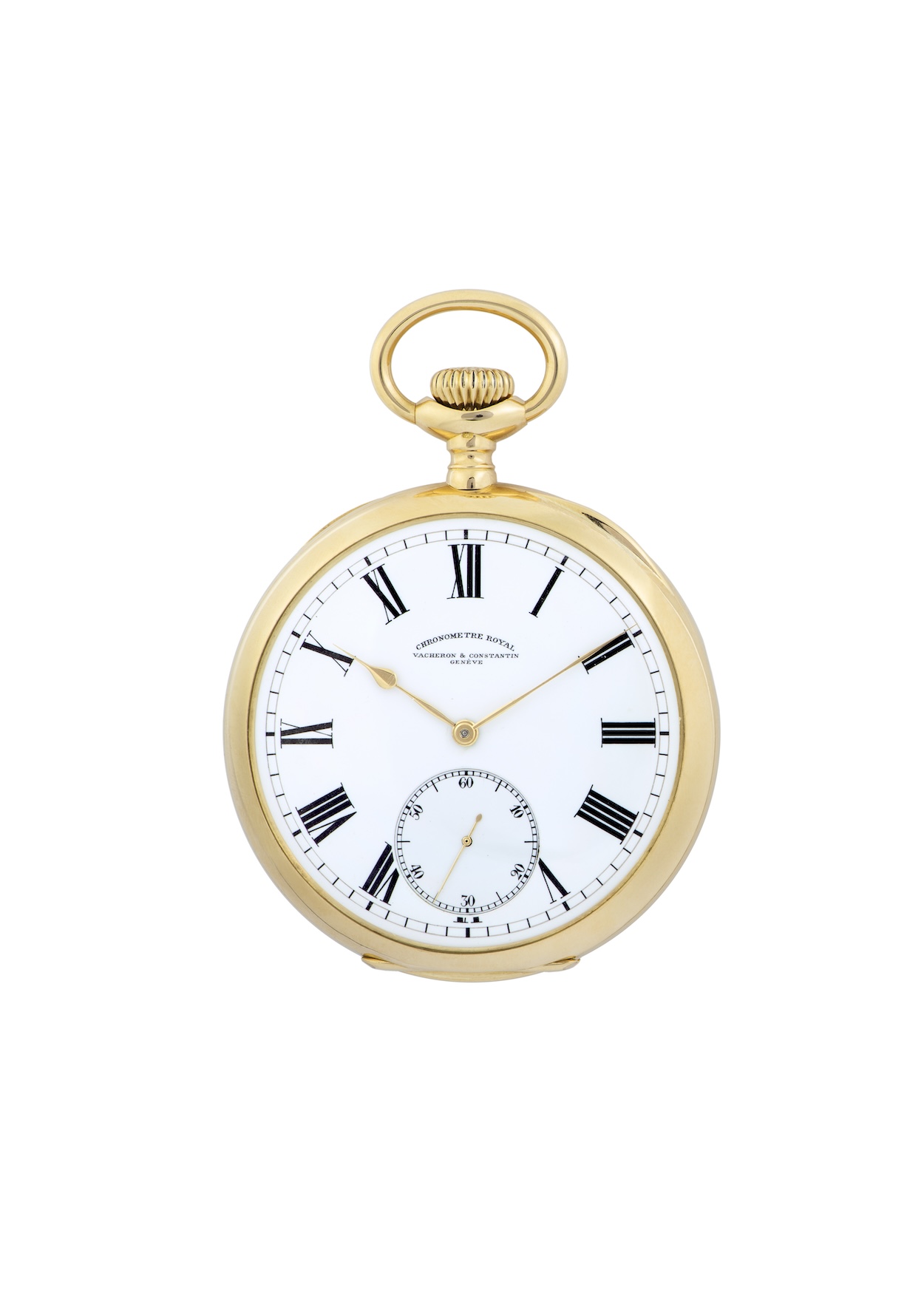
For Vacheron Constantin, history lives on wrists, in private collections, and in the personal narratives that unfold across generations. With the launch of its inaugural Concours d’Élégance Horlogère, created in partnership with Phillips, the 270-year-old maison is formalizing that belief, inviting collectors themselves to participate in defining and preserving its living legacy. As with concours in the classic-car world, this competition will honor outstanding Vacheron Constantin wristwatches and pocket watches held by collectors.
The initiative emerged from a moment of reflection during the brand’s 270th anniversary, when the depth and global reach of its collector community became newly visible. “We’ve said for a long time that tradition and innovation are really the two sides of the same coin,” Alexander Schmiedt, President of Vacheron Constantin, tells Surface. “What was innovation 50 or 100 years ago has become the heritage of today. Innovating out of our heritage is so important as it creates that connectivity to our past, to our distinct style and our own way of being.”
Image from Les Collectionneurs courtesy of Vacheron Constantin…
The anniversary celebrations revealed the active role collectors play in sustaining heritage. “We unearthed a sense of excitement and passion with the anniversary and we felt a need to build something to highlight this passion our collectors have,” Schmiedt continues. That passion, Schmiedt emphasizes, is inseparable from the watches themselves. “Watches do not live in archives, they live with the collectors,” he says.
Collectors, in many cases, are also responsible for rediscovering pieces long absent from institutional view. “We often find clients who bring us pieces which are unique, or exceptionally rare, that have not been seen in decades or more,” Schmiedt says. “This rediscovery process of our own history is critical and is impossible if the collector community is not actively engaged in a dialogue with the maison.”
Image from Les Collectionneurs courtesy of Vacheron Constantin…
To help shape the concours as a scholarly and cultural platform, Vacheron Constantin partnered with Phillips, whose influence has helped define the modern understanding of collectible watches. For Paul Boutros, Deputy Chairman of Watches at Phillips, the competition represents a fundamental shift in how excellence is recognized. “From our founding, one of our key principles has been scholarship,” Boutros says. “We love to open people’s eyes to the greatness of collector watches and watches that really appeal to us personally.”
Unlike auctions, where rarity and value are inevitably tied to market performance, the concours creates space for evaluation grounded in design, authenticity, and cultural significance. “A concours is probably the least commercial thing you can do,” Boutros explains. “This is really purely to identify what we feel are the most attractive, most beautiful, most interesting watches we could possibly find. It’s a celebration of greatness with no commercial leanings.”
Image from Les Collectionneurs courtesy of Vacheron Constantin…
For Boutros, that distinction reflects his own approach to watch collecting and scholarship. “How I do my job at Phillips, I was never a dealer. I was always a collector, and I still remain a collector,” he says. “The watches we choose and recommend are watches that I feel personally will make my clients happy—not to make as much money as possible, but to make them happy with finding a great wristwatch.”
The concours also creates a rare opportunity for discovery. Despite centuries of recordkeeping, previously unknown watches continue to emerge from private collections. “We would love to find some custom-made piece that nobody knew existed,” Boutros says. “A one-off. A historic piece made for somebody very important where Vacheron didn’t even have a record of it. That’s the ultimate find.”
Image from Les Collectionneurs courtesy of Vacheron Constantin…
Such discoveries are possible in part because of the maison’s historic production philosophy. Unlike modern industrial watchmaking, earlier eras emphasized individuality and restraint. “Every vintage Vacheron produced before about 1970 is inherently rare,” Boutros explains. “They had a policy of not making more than 24 examples of any configuration. So many watches exist in one or two pieces only.”
The concours reflects that full historical breadth, spanning both wristwatches and pocket watches. For Schmiedt, this inclusion is essential to understanding the maison’s identity. “Vacheron has always been known as a generalist,” he says. “We have always offered a wide breadth, from high complications to very classic watches, from jewelry watches to métiers d’art, and it is this breadth that is reflected in the categories in the concours.”
Pocket watches, he notes, remain foundational to the brand’s evolution. “For much of Vacheron Constantin’s history, pocket watches simply were watches,” Schmiedt says. “To not include pocket watches in the concours was to overlook an incredibly important part of watchmaking, and collecting, history.”
Image from Les Collectionneurs courtesy of Vacheron Constantin…
Beyond recognition, the concours serves an educational role, helping define the qualities that distinguish exceptional watches from merely rare ones. “The criteria for being judged include authenticity, condition, provenance, and design,” says Boutros. “You can never go wrong chasing the best. By highlighting what is the best, it educates collectors.”
That education extends globally. Collectors can participate through both physical boutiques and digital submissions, reflecting the decentralized nature of contemporary watch culture. “Our clients live everywhere across the globe,” Schmiedt says. “Some are near boutiques and others live flights away, but they all share a common passion. To celebrate collectors, we must meet them where they are, not ask them to be only where we are.”
The concours acknowledges that the future of horological heritage will be shaped not only by brands, but by the individuals who preserve and live with these objects over decades. “Collectors often seek out those pieces which evoke strong emotions,” Schmiedt says. “Finding a piece that moves us, that speaks to us on a very personal level, is essential.”
For now, the focus is on bringing that global community together. “It remains a bit early to speculate about the legacy that this concours will have,” Schmiedt says. “Currently, we are focused on executing a world-class experience to bring people together for the love of horology.”