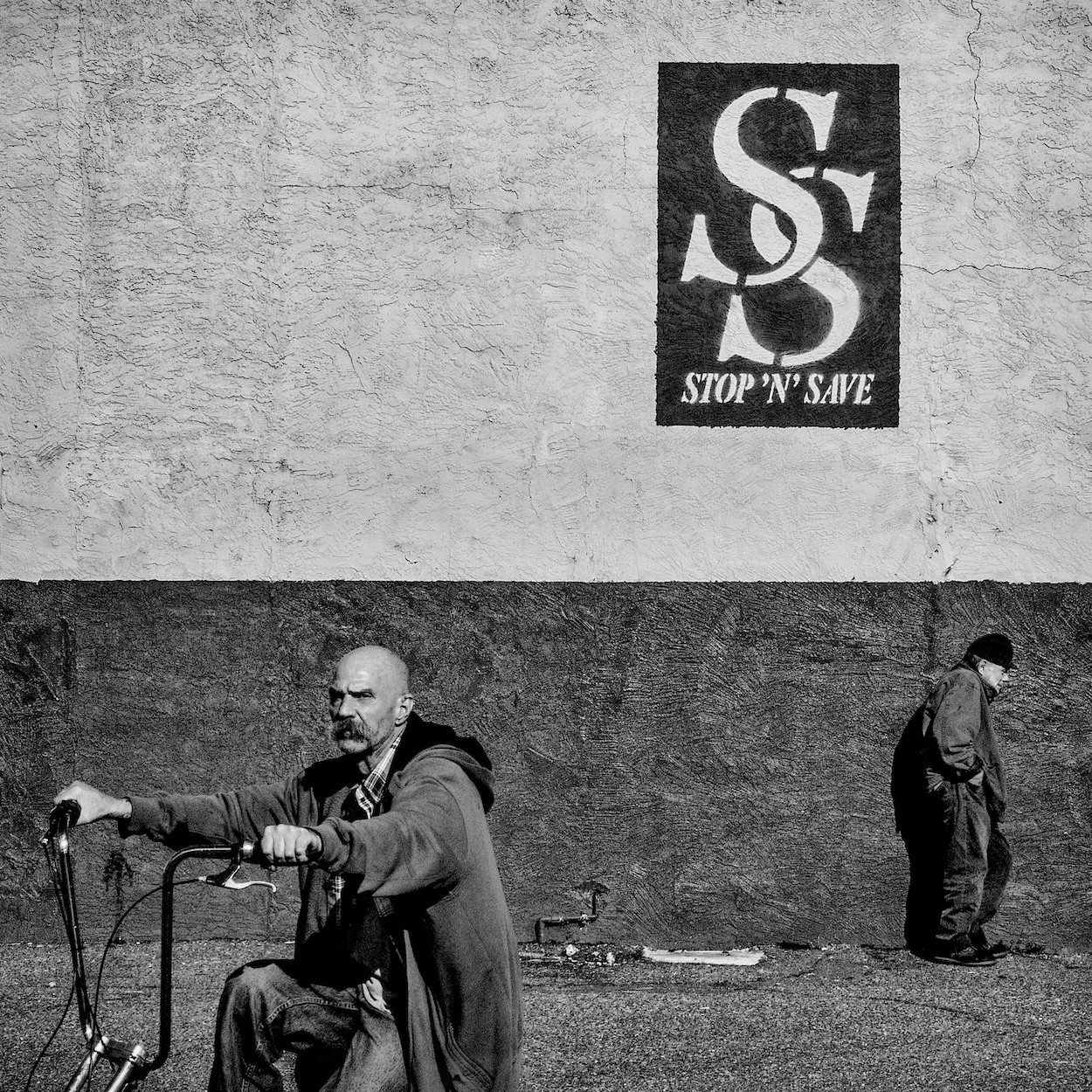
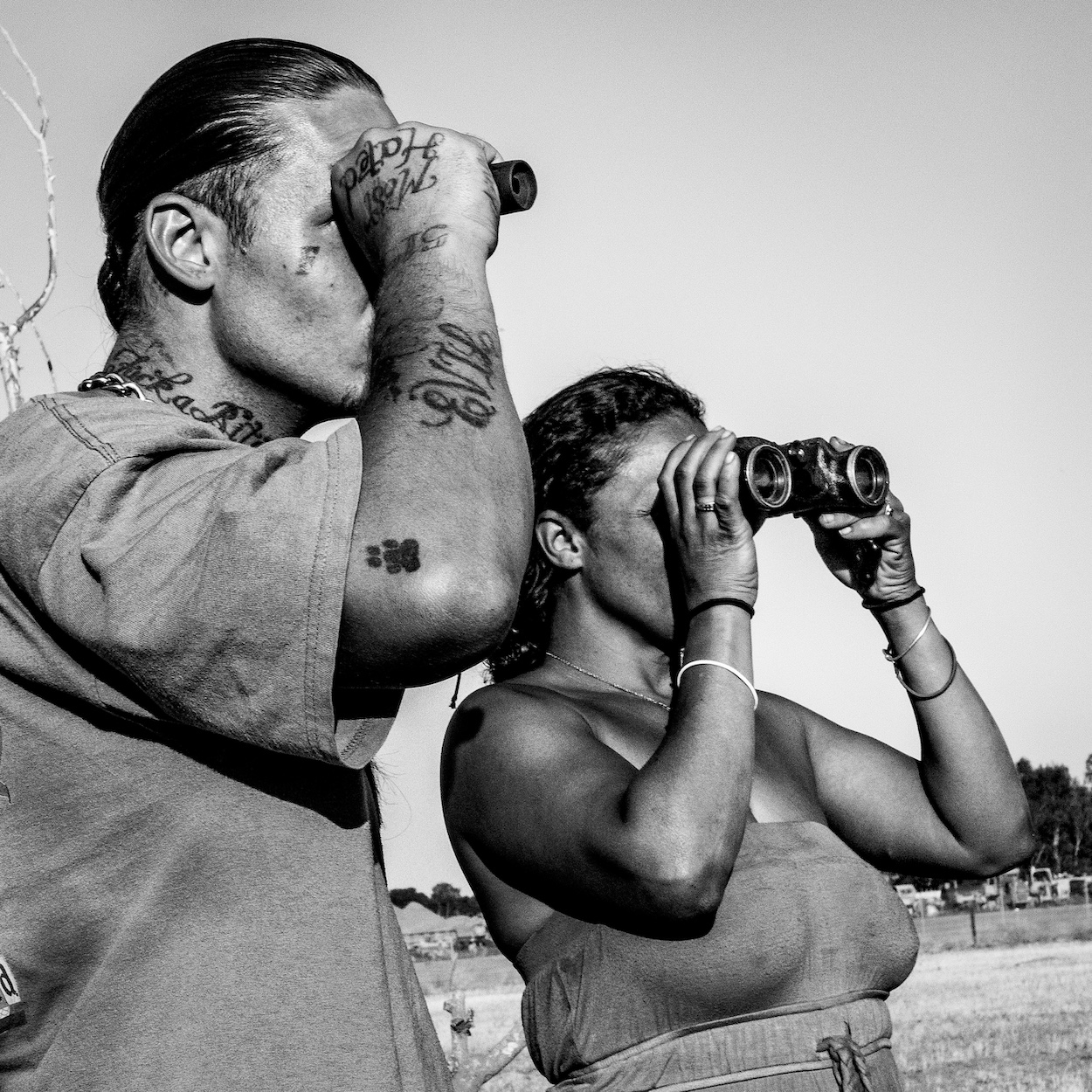
Matt Black, Modesto California, 2014, Corner store. Courtesy of the artist…
Joining an illustrious roster that has included Doug Aitken, Roe Ethridge, Larry Fink, An-My Lê, Laurie Simmons, William Wegman, and many more, lauded documentary photographer Matt Black will be the latest speaker in the FotoFocus Lecture and Visiting Artist Series. FotoFocus, the Cincinnati-based nonprofit that platforms photography and lens-based art, programs the educational series in addition to its acclaimed biennial. Free and open to the public (with registration encouraged) at the Cincinnati Art Museum, the talk will present a critical reflection on photography as an art form as Black speaks to his 2021 book, *American Geography*, the result of 100,000 miles of travel across 46 states during five cross-country trips, as well as his other substantive published works.
“Matt Black is outstanding among contemporary photographers who honor the history of social documentary while carrying it forward at the same time,” Kevin Moore, FotoFocus Artistic Director and Curator, shared. “Through his many essays and landmark photobooks, Black has created a complex, evolving body of work that attends to the human toll of social, political and economic turmoil.” To learn more, we spoke with Black in advance of his FotoFocus lecture.
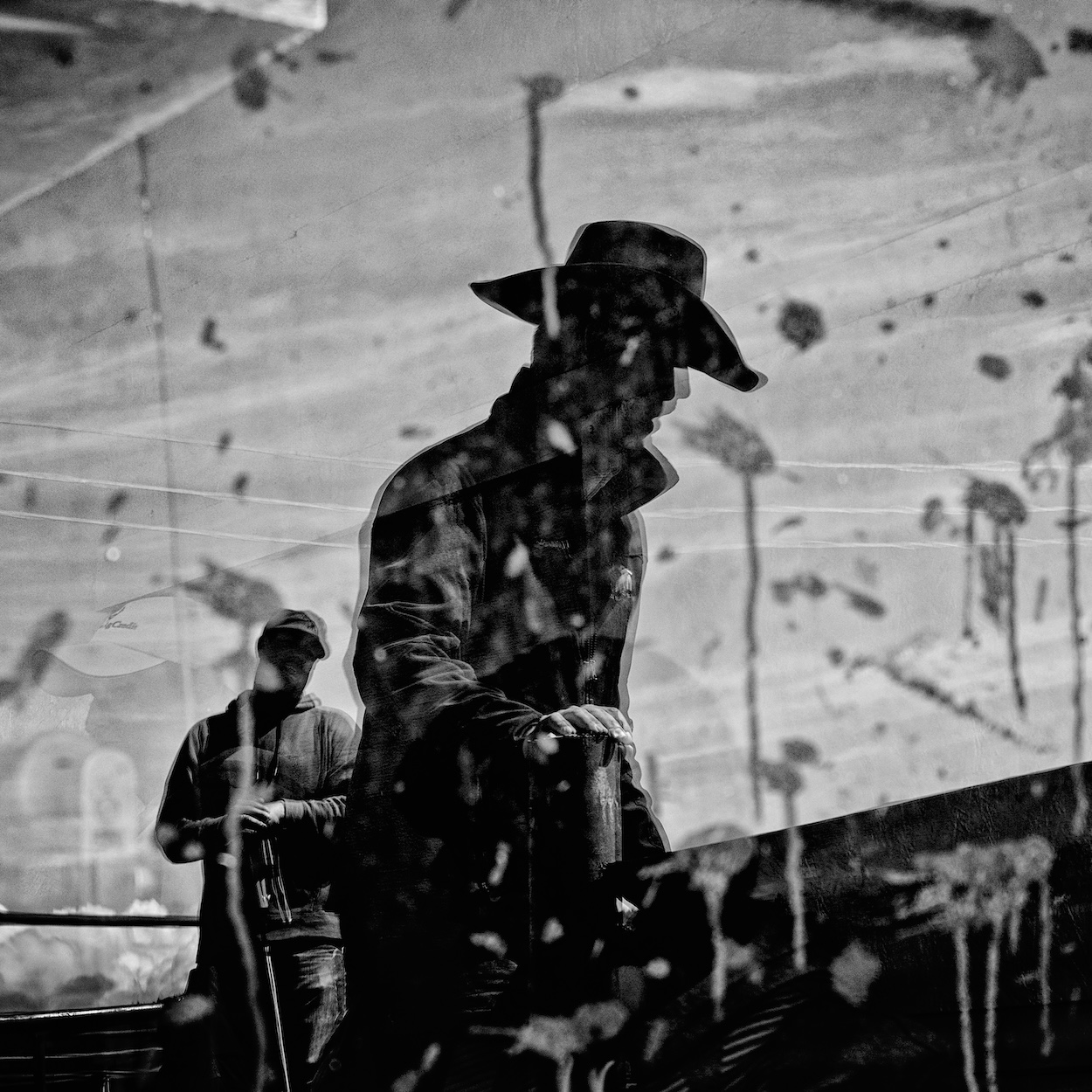
Matt Black, Alturas, California. 2016. Cattle auction. Courtesy of the artist.jpg…
What made you want to participate in the FotoFocus Lecture and Visiting Artist Series?
Presenting work in person can be a tremendously effective way to communicate around photography, leaving people with a much richer understanding of the work and where it’s all coming from, so I am happy to take the opportunity to do that.
How do you know when you’ve found a community or subject matter that you will commit to exploring long term?
It’s almost always an immediate reaction to learning or encountering something new. Sometimes responding to something is a relatively easy and straightforward thing, other times it requires moving mountains, but when you simply can’t shake the idea, you know you must find a way to do it.
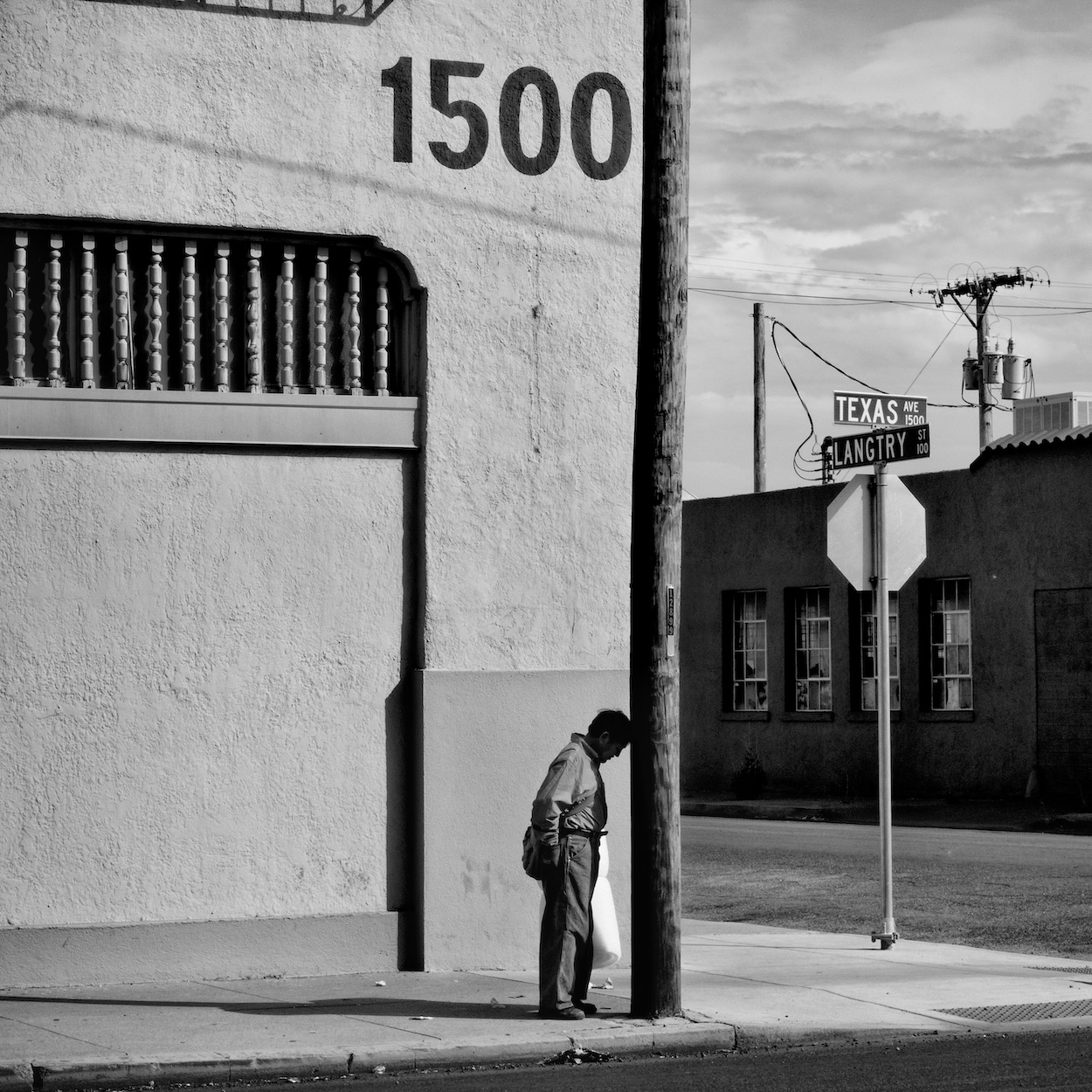
Matt Black, El Paso, Texas. 2015. Warehouse district. Courtesy of the artist…
Will you share some insight from your photographic process of immersing yourself in an environment—and how that leads to uncovering stories and imagery?
It’s an intellectual understanding of the significance of something combined with more intuitive connection: and one shouldn’t outweigh the other. You have to be ready to let go of the reasons that brought you into a situation and let the experience guide you. At this point, the less you intellectualize the better.
Will you reflect on American Geography now, five years after it was published?
Oftentimes you are looking backward toward something that happened in the past and your work is trying to pick that apart and understand. Other times you have a feeling that the work can be a prognosis of things to come. I still remember when I first had that feeling about this work, about halfway through, so in some ways I feel more ready to talk about it now than ever.
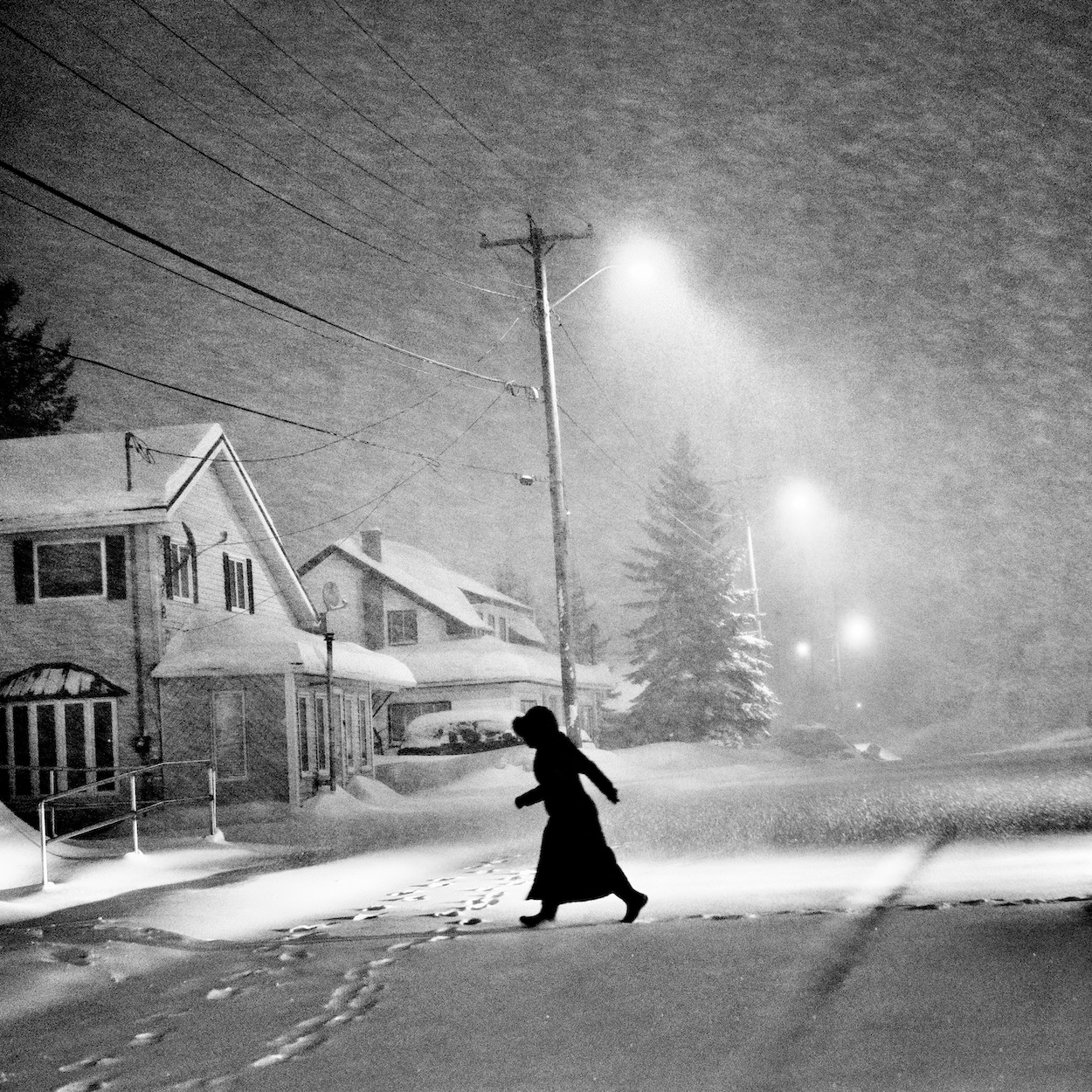
Matt Black, Madawaska, Maine. 2019. Snowstorm. Courtesy of the artist…
What do you believe makes an image memorable—or even powerful?
Photographs draw their strength in a balance between the specific and the universal. That dance between description and symbol is “read” instantaneously and on an emotional level. That’s their strength, and the closer an image can embody those two things at once, to me, is the definition of what makes a “good” image.
Matt Black, Fresno, California. 2014. Homeless camp. Courtesy of the artist…
Do you set out with a mission at the start of each body of work?
Well, that’s a pretty grandiose word, but yes, I must feel there is an urgency to what I am doing, and a relevance.
Is there anything you’d like our readers to know about your practice?
I’m afraid that’s too large of a question to answer.