When a collector goes to a design fair, they expect to find a plethora of furnishings and accessories best suited for their home—not the actual structure. And while some galleries have exhibited portions of modular pavilions, most notably French architect and designer Jean Prouvé’s 6X9 Demountable, none have presented an entire house. Flipping the script on what these types of marketplaces cover is multivalent online collectibles platform Basic.Space, mounting the second edition of its invite-only “IRL-to-URL shopping experience” at Los Angeles’s Pacific Design Center from March 27-29 and positioning the Paul Rudolph-designed Walker Guest House as the star of the show.
Basic.Space L.A. Returns With A Full-Size Paul Rudolph House For Purchase
The “IRL-to-URL shopping experience" will set up shop from March 27-29 at Los Angeles’s Pacific Design Center with a diverse offering and scale of collectible items
BY ADRIAN MADLENER March 25, 2026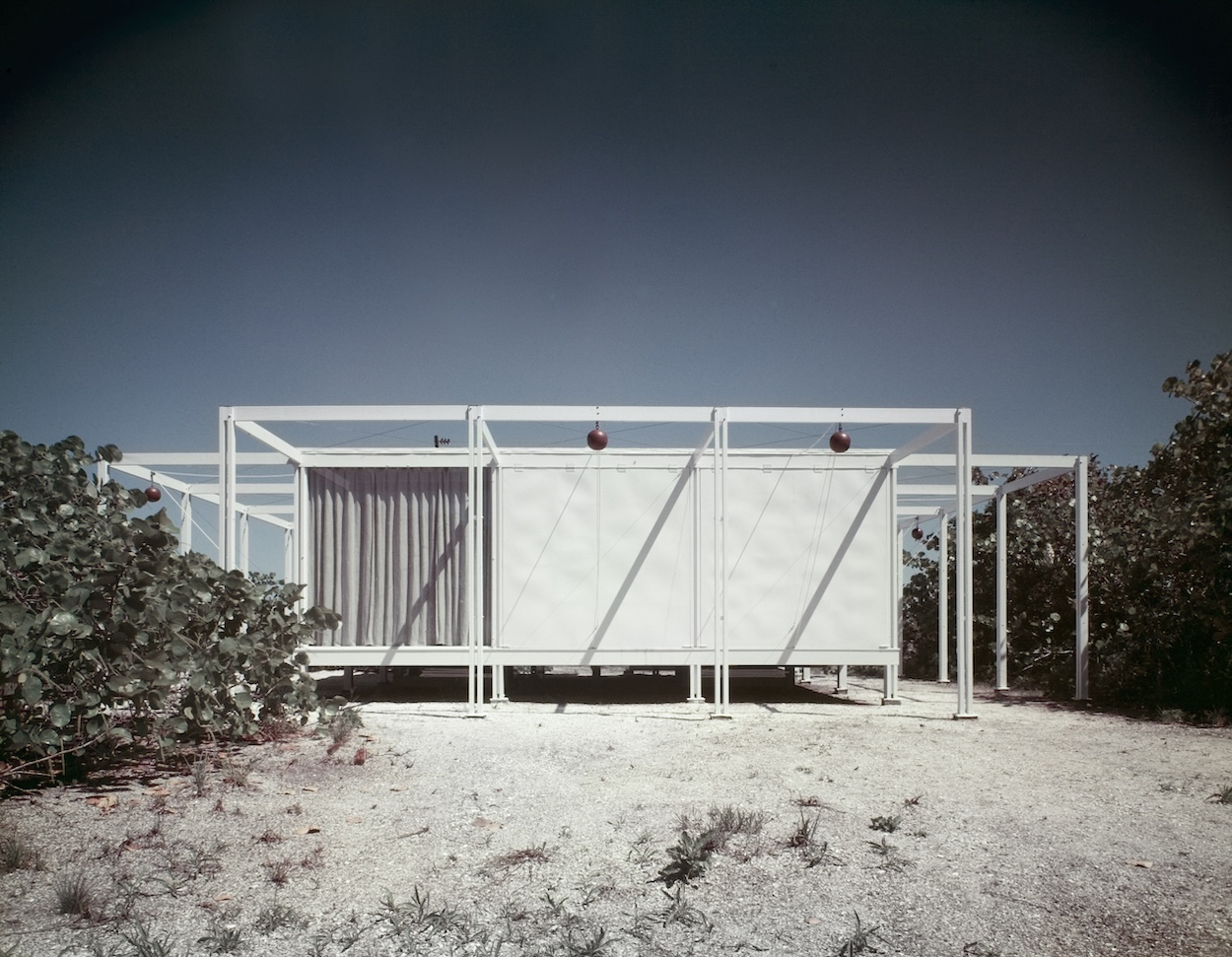
Walker Guest House, Location: Sanibel Island FL, Architect: Paul Rudolph and Ralph Twitchell
…
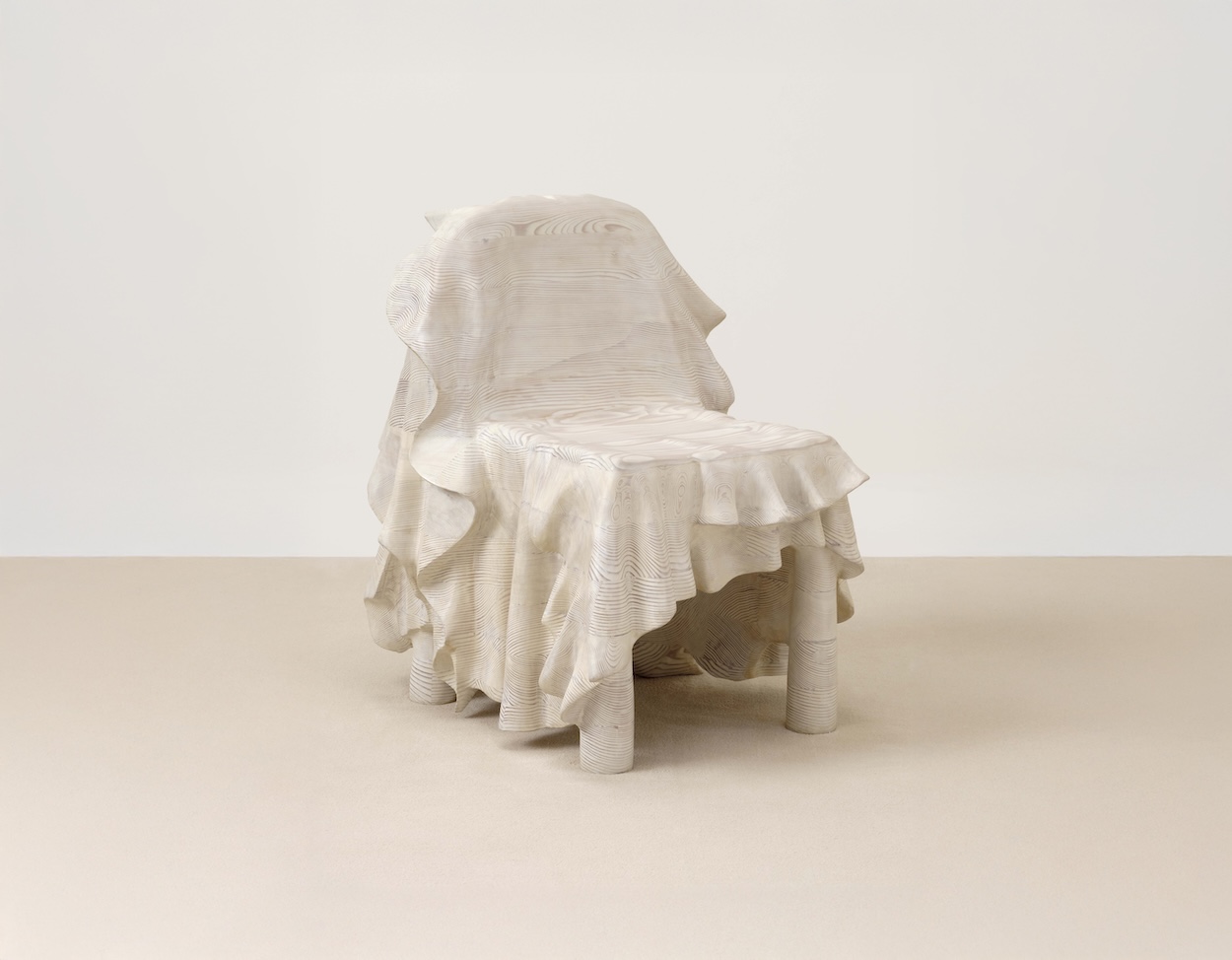
Hollywood Chair (2025) by Sam Klemick, SIDE HUSTLE Gallery by Kelly Wearstler.jpg
…
It might not be the biggest stretch of the imagination, however. The kit-of-part design—the influential 20th-century architect’s “breakout moment”—was engineered to be transposable. The hyper-rationalist, hyper-modernist proof-of-concept was developed for Minneapolis lumber baron TB Walker in 1952 and first installed on his beachfront vacation property near Fort Myers, Florida.
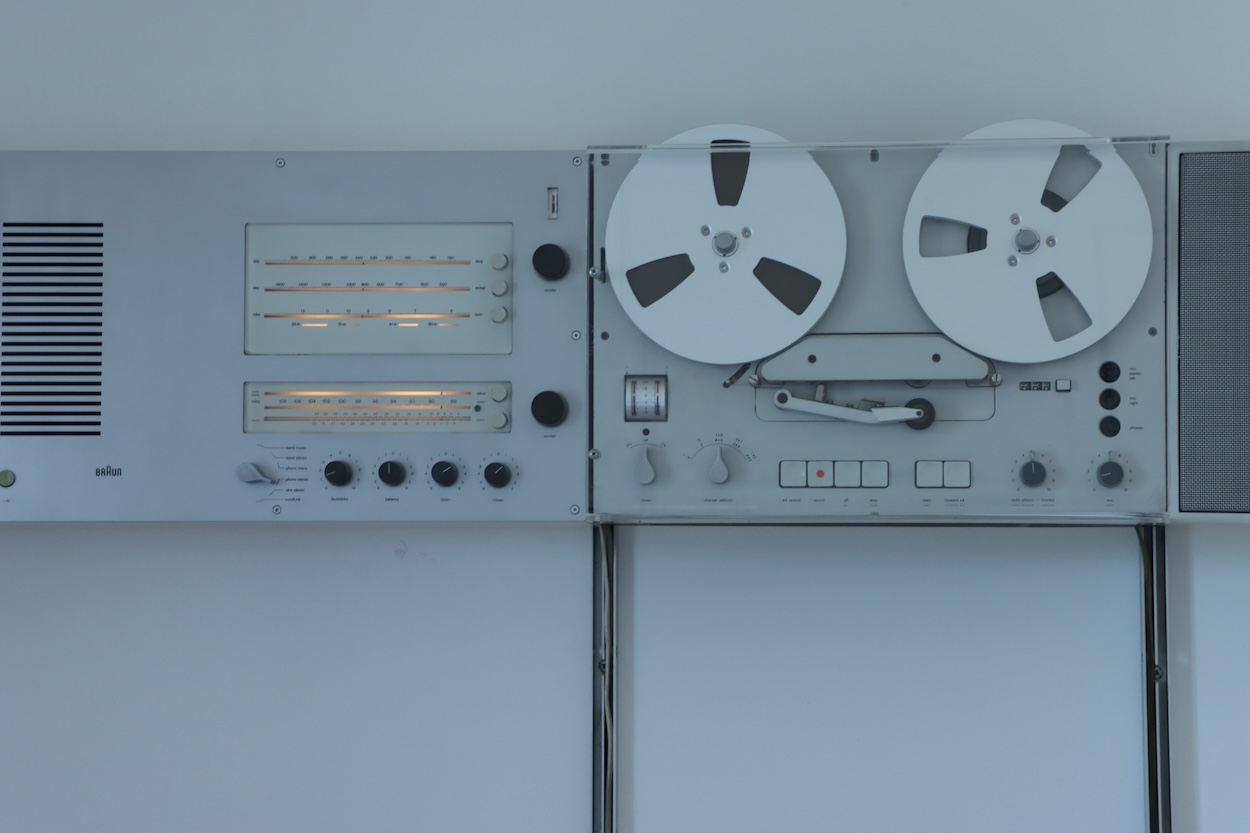
Braun Wall Unit by Dieter Rams, LifeisaSims presents 10 Principles
…
Though responsive to the climatic conditions of the subtropical context—glass window walls shielded from extreme heat by louvered shutters—the pavilion was constructed out of easily assembled steel beams and dimensional lumber, affordable materials readily available across the globe. True to its International Style character, the raised piloti, open exoskeletal grid structure could, theoretically, be installed anywhere a collector sees fit. This was innovation borne out of necessity. The architect had to find a way to bring construction components to the site; one on the then hard-to-access Sanibel barrier island.
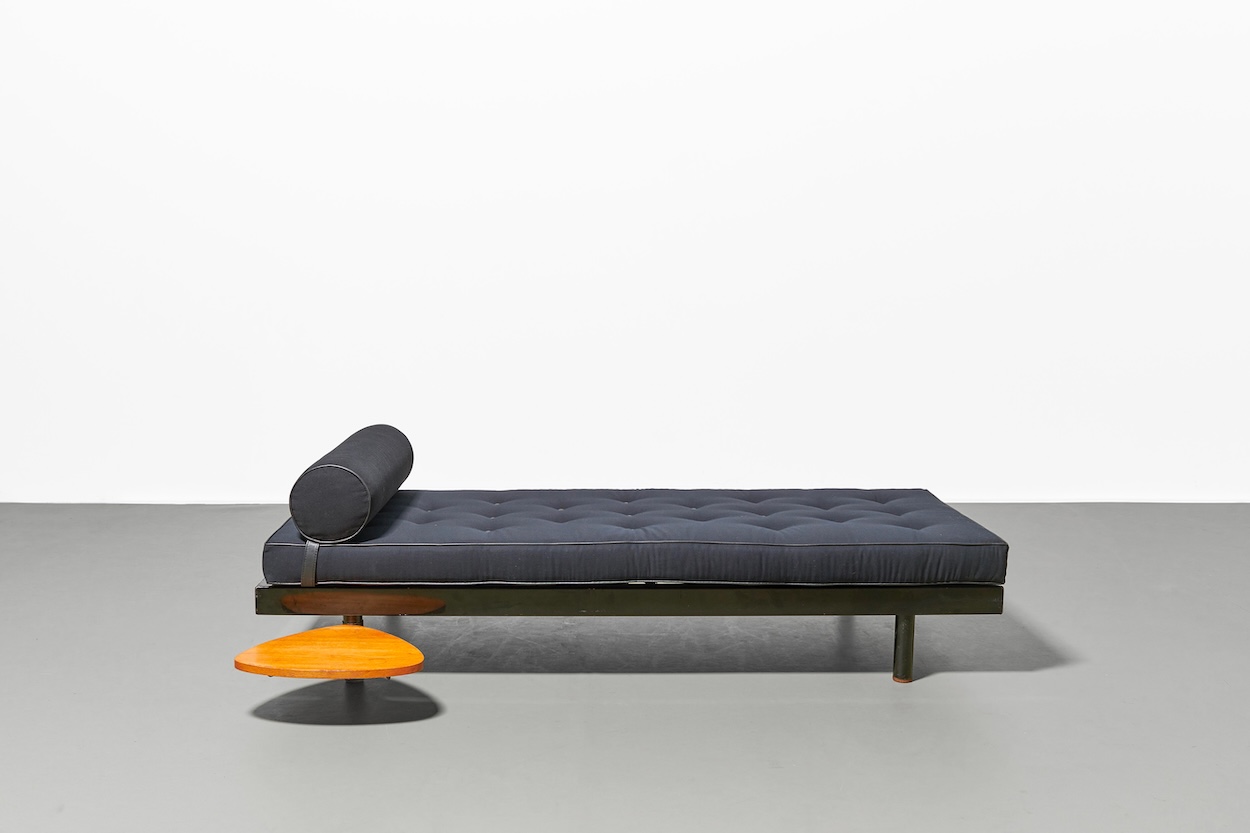
S.C.A.L. Daybed by Jean Prouvé (1950), Laffanour Galerie Downtown
…
The guest home—what Rudolph dubbed “a spider crouching in the sand”—became one of the most emblematic projects of its moment and movement. The canonical concept stands on par with Mies van der Rohe’s Farnsworth House and Philip Johnson’s Glass House. Its most innovative feature: the previously mentioned wooden shutters raised and lowered by 77-pound red cannonball counterweights. When all fully raised, these extra-layer panels form an overhung, wraparound canopy.
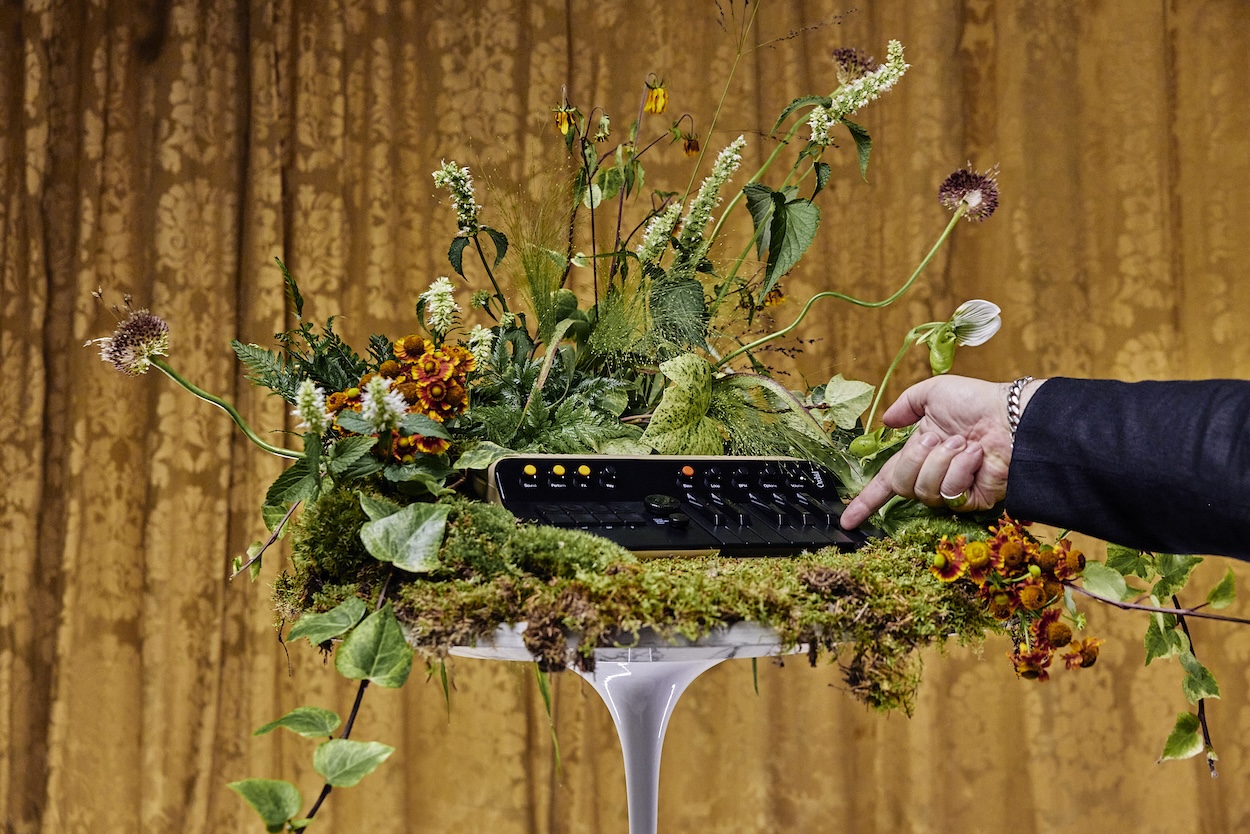
Orchid ORC-1, Telepathic Instruments
…
The Walker Guest House’s preservation story is equally unconventional and imaginative. The structure was lived-in and lovingly maintained for over six decades but as it goes with a lot of coastal development lately, the property around it became more valuable and a new significantly larger construction project encroached on its survival. Rather than letting the surprisingly unlandmarked home inevitably succumb to demolition, its owners put it up for auction. It’s passed hands a few times since but will hopefully find a forever placement in the near future.
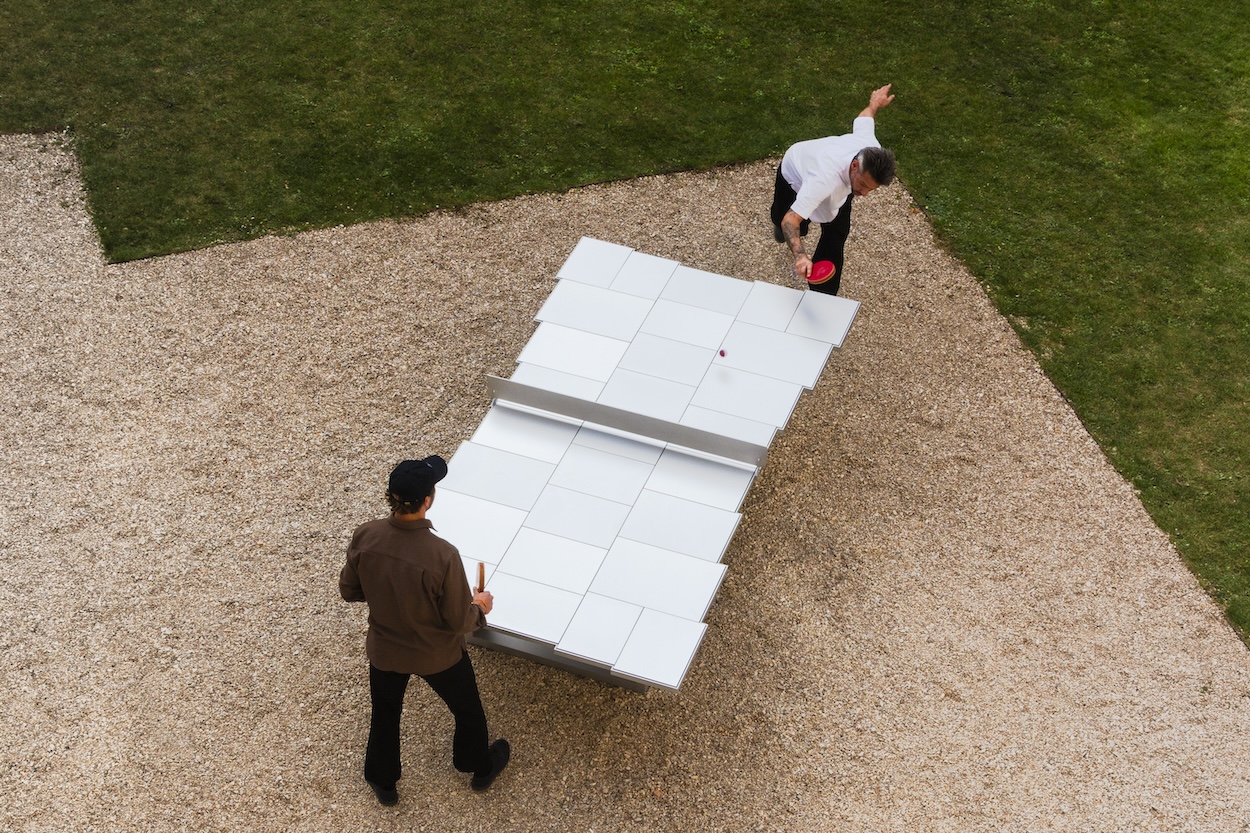
Resonating Ping Pong Table, Song no. 1 (2025) by James De Wulf
…
Its temporary appearance at Basic.Space L.A. this week bolsters the event’s underlying “looking to the past to inform the future” focus. “This edition of Basic.Space L.A. is defined by the theme ‘Own The Future,’ a curatorial framework that brings together the individuals shaping the future of design, art and fashion,” says Basic.Space founder Jesse Lee. “With the Walker Guest House at the center, an iconic work that redefined architecture, Basic.Space L.A. offers our members the opportunity to discover and buy both heritage and contemporary pieces that define the culture of what’s next,” he adds.
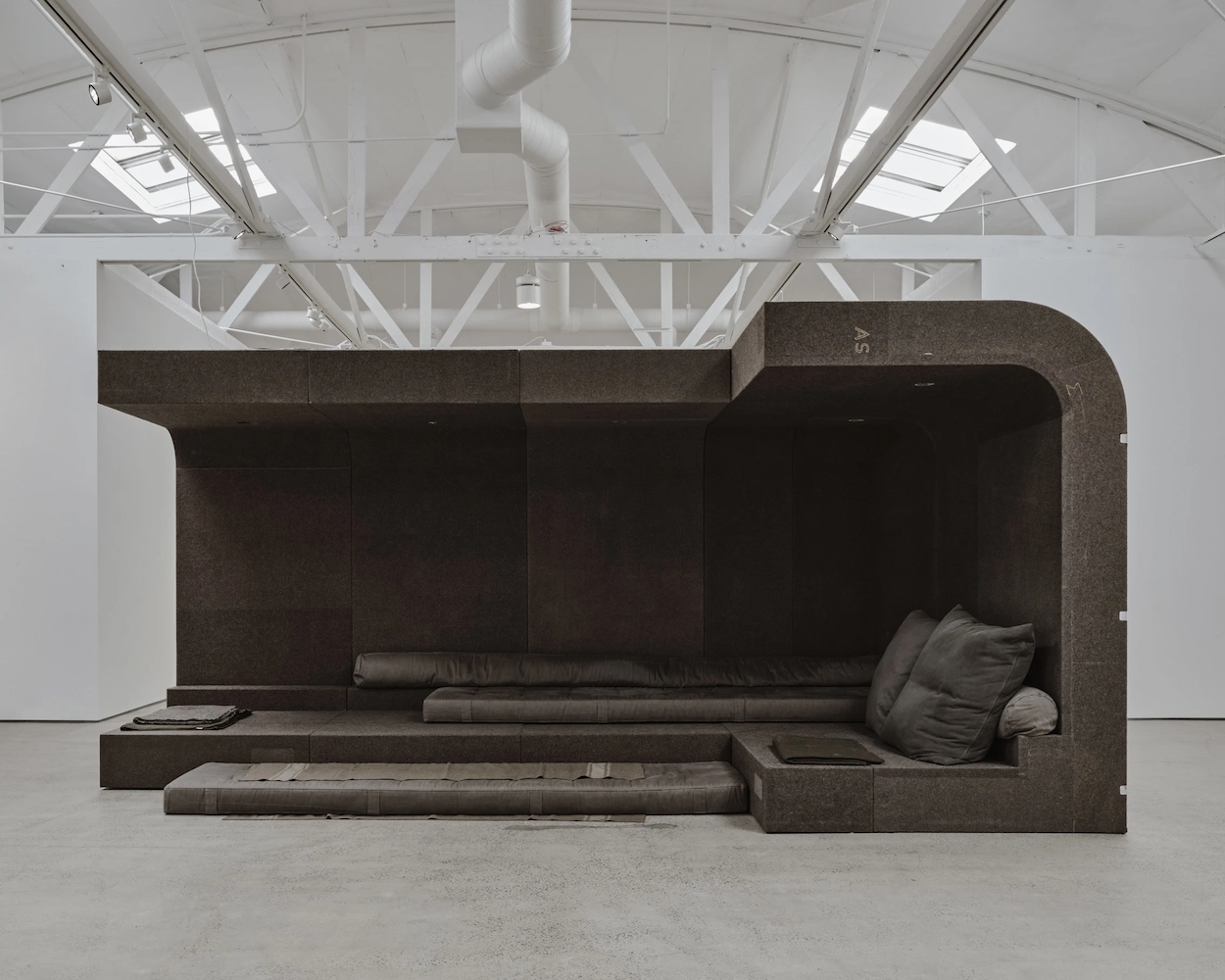
Glade Miami, Army Blanket (2020) by Rick Owens, Carpenters Workshop Gallery
…
Other highlights driving the central theme home—no pun intended—is online magazine HUR’s A Woman’s Work exhibit: historical and contemporary works by notable cross-disciplinary figures placed in dialogue with each other. Seasoned designer James De Wulf is presenting his percussion instrument Resonating Ping Pong table and Carpenters Workshop Gallery is showcasing 10 of Rick Owens’ Glade room divider units. There’s much more in store.