On Saturday, the 61st International Art Exhibition of the Venice Biennale opened to the public. Themed “In Minor Keys” by the late curator Koyo Kouoh, the expansive artistic exposition unifies national pavilions across spectacular and surprising venues throughout the floating city, as well as in Giardini della Biennale, and the Arsenale di Venezia, with the latter also hosting a momentous international exhibition. Roughly 99 nations have participated in this edition—seven for the first time (including an indelible exhibition by Qatar, named Untitled 2026). While artistic highlights are almost too frequent to note, including powerful representation from Germany, the Holy See, and the United Arab Emirates, the following seven significant pavilions left a lasting impression.
Seven Significant National Pavilions from the 2026 Venice Biennale
From Iceland's dreamlike universe to India's interconnected architectural sculptures and Australia's historic first from Khaled Sabsabi
BY DAVID GRAVER May 12, 2026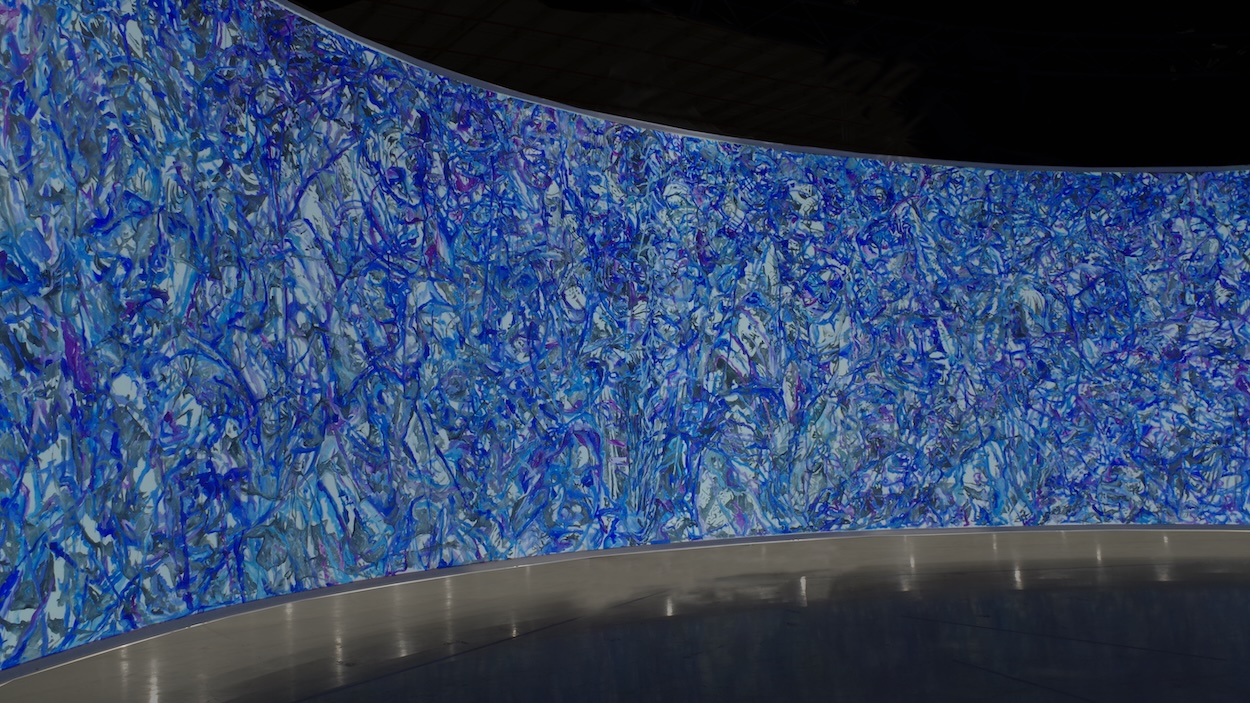
Australia Pavilion: conference of one’s self
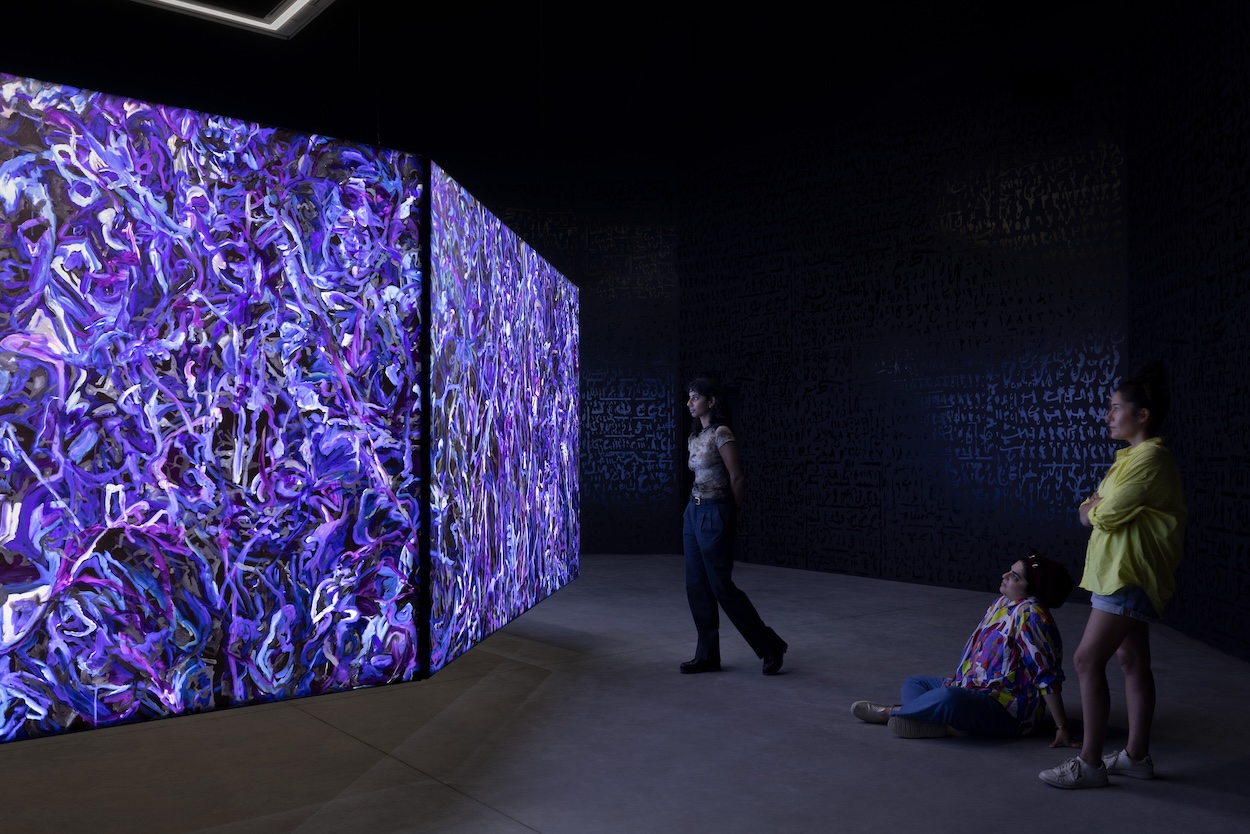
Khaled Sabsabi has achieved a historic first for an Australian artist—presenting conference of one’s self in the Australia Pavilion while also exhibiting a second work, khalil, in the Biennale’s international exhibition, where it acts as a momentous introductory statement to the entire show. Commissioned by Creative Australia and curated by Michael Dagostino, the former centers eight monumental canvases, arranged in an octagon, onto which projectors cast moving imagery. Attendees circumnavigate the work, reflecting on its majesty and the power of its underlying message. khalil, in contrast, invites Biennale guests to enter within the floating lamp-like structure, awash in sound and the scent of black oud.
Iceland Pavilion: Pocket Universe
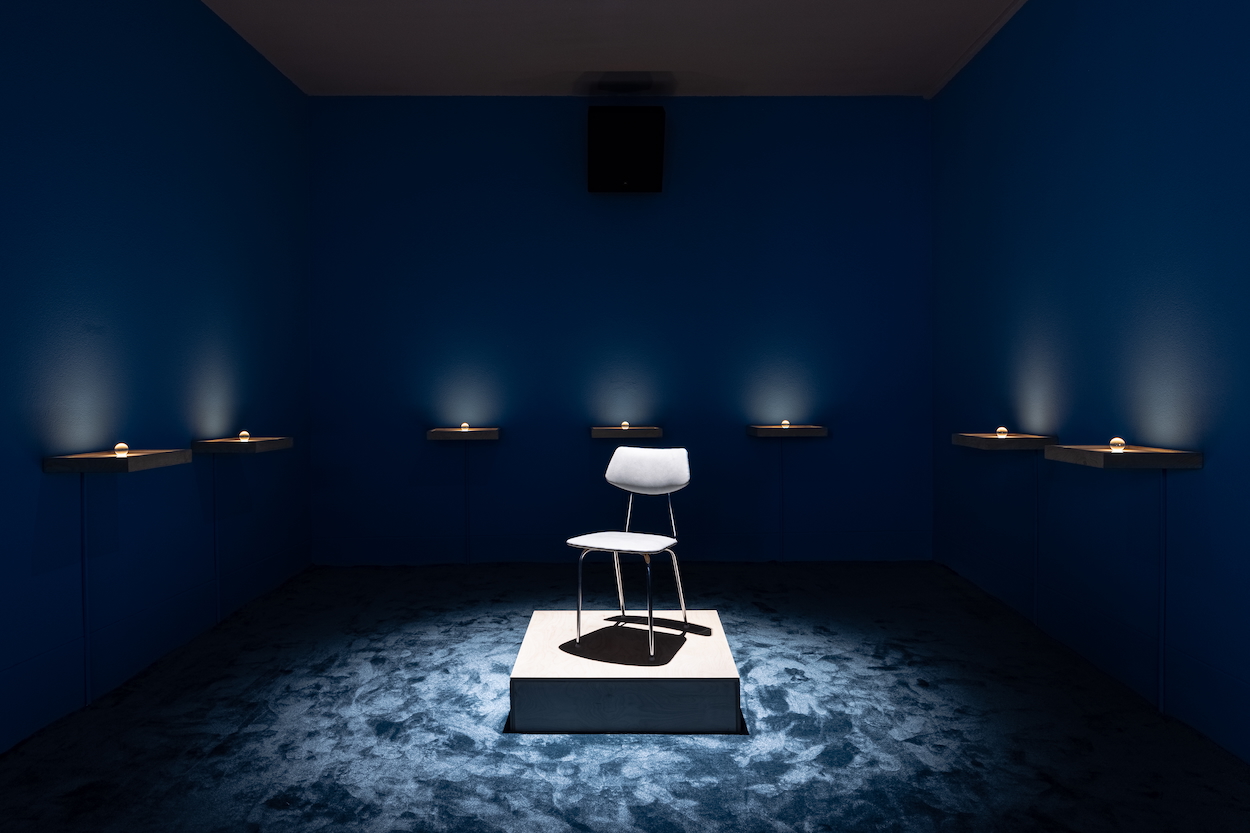
A transportive, mythic world, carpeted in a dreamlike blue, Iceland Pavilion’s “Pocket Universe” by artist, poet, composer, and filmmaker Ásta Fanney Sigurðardóttir incorporates sound, moving image, sculpture, installation, and performance (including the now-viral surprise DJ set by Björk). Hosted in Docks Cantieri Cucchini, a former shipyard between Giardini and Arsenale, the exhibition links indoor and outdoor spaces, and includes a Lynchian boat on the water. Throughout, Sigurðardóttir provokes emotion, reflection, and imagination through her worldbuilding.
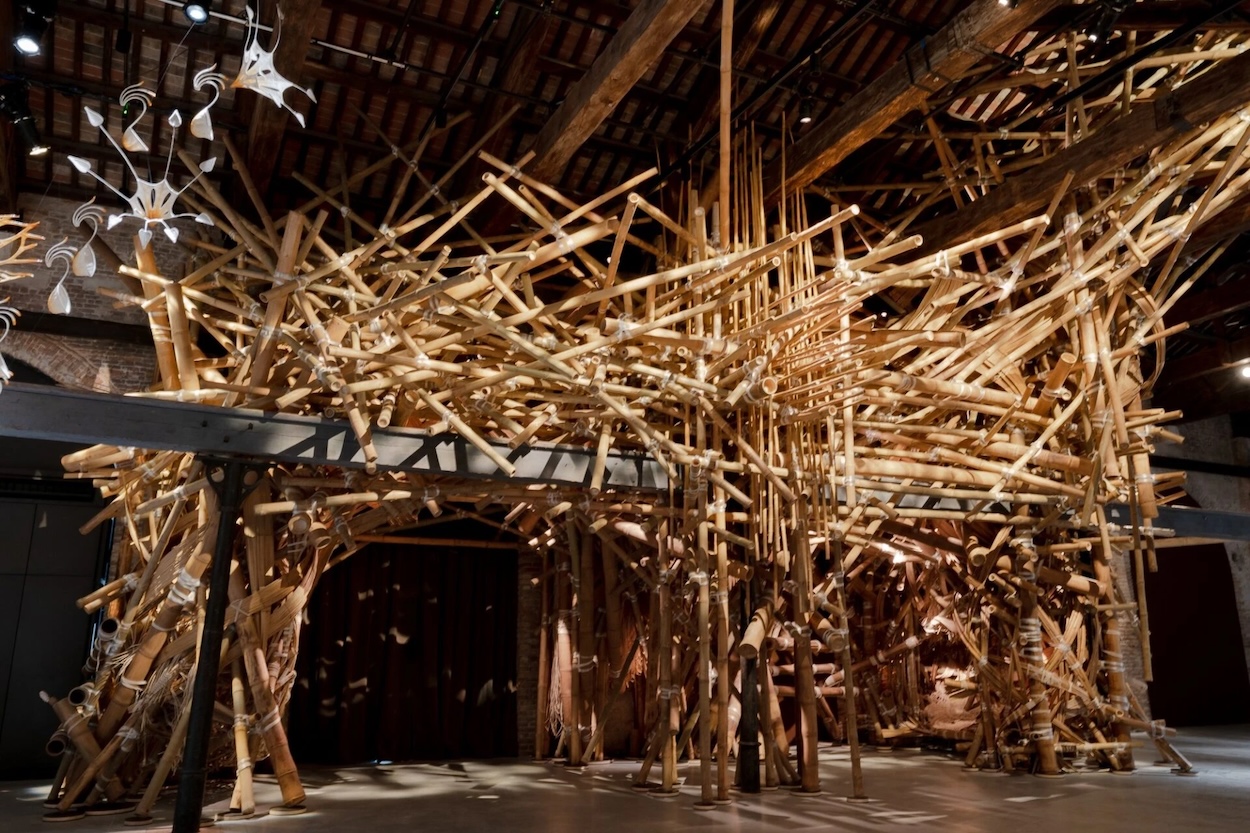
India Pavilion: Geographies of Distance: Remembering Home
India’s first national presentation at Biennale Arte since 2019, the monumental group exhibition “Geographies of Distance: Remembering Home” convenes architectural pieces by Alwar Balasubramaniam, Sumakshi Singh, Ranjani Shettar, Asim Waqif, and Skarma Sonam Tashi. Curated by Amin Jaffer and presented by India’s Ministry of Culture in partnership with the Nita Mukesh Ambani Cultural Centre (NMACC) and Serendipity Arts, the exhibition transforms the historic Isolotto warehouse into a series of exploration—from Singh’s translucent structures to Shettar’s suspended floral sculptures and Waqif’s improvisational bamboo building.
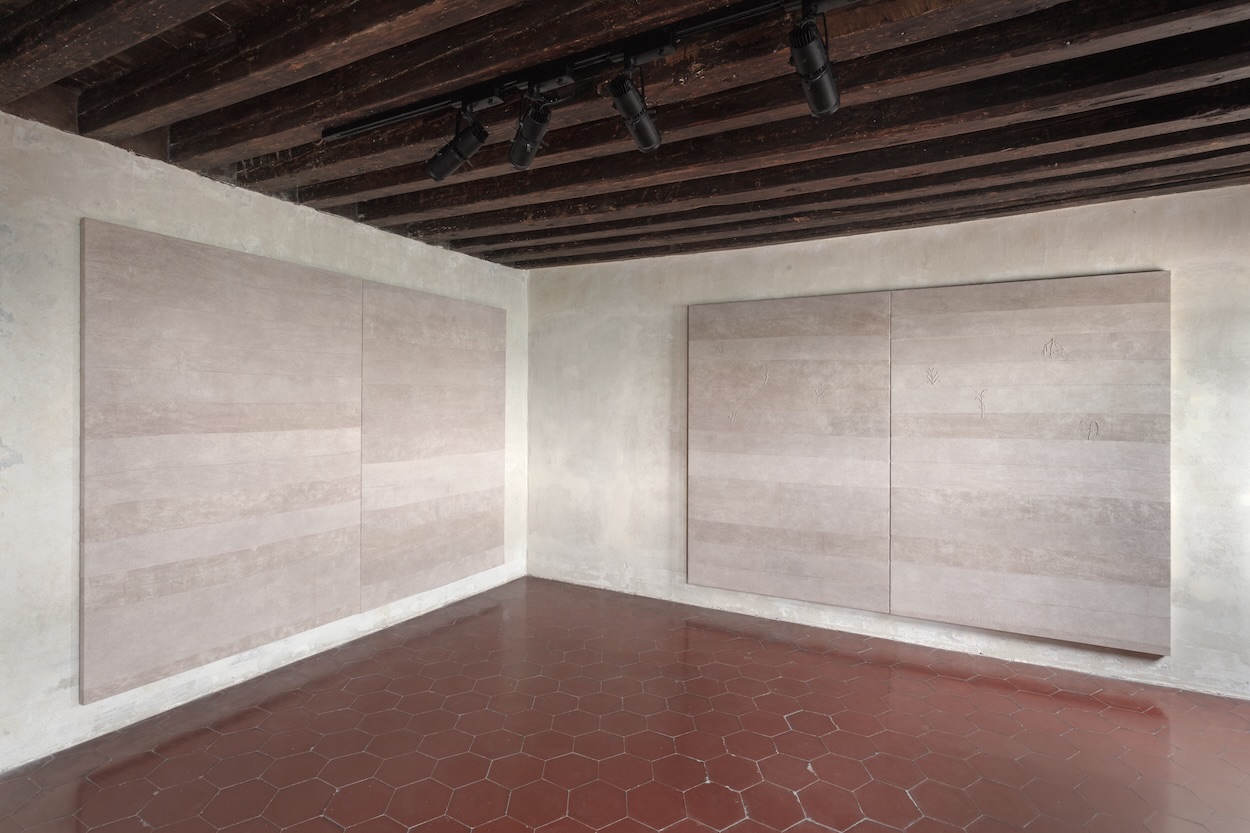
Somalia Pavilion: SADDEXLEEY
Spanning three floors of the historic Palazzo Caboto, the Federal Republic of Somalia’s first National Pavilion for the Venice Biennale, “SADDEXLEEY,” forges a triadic rhythm from three women artists across three mediums, with three waves of resonance. Within, Asmaa Jama presents film and performance. Warsan Shire’s spatialized poetry speaks to displacement. It is the textile and sediment works of Ayan Farah, however, that require the most reflection—as she embeds land and memory into pieces of quietly profound beauty.
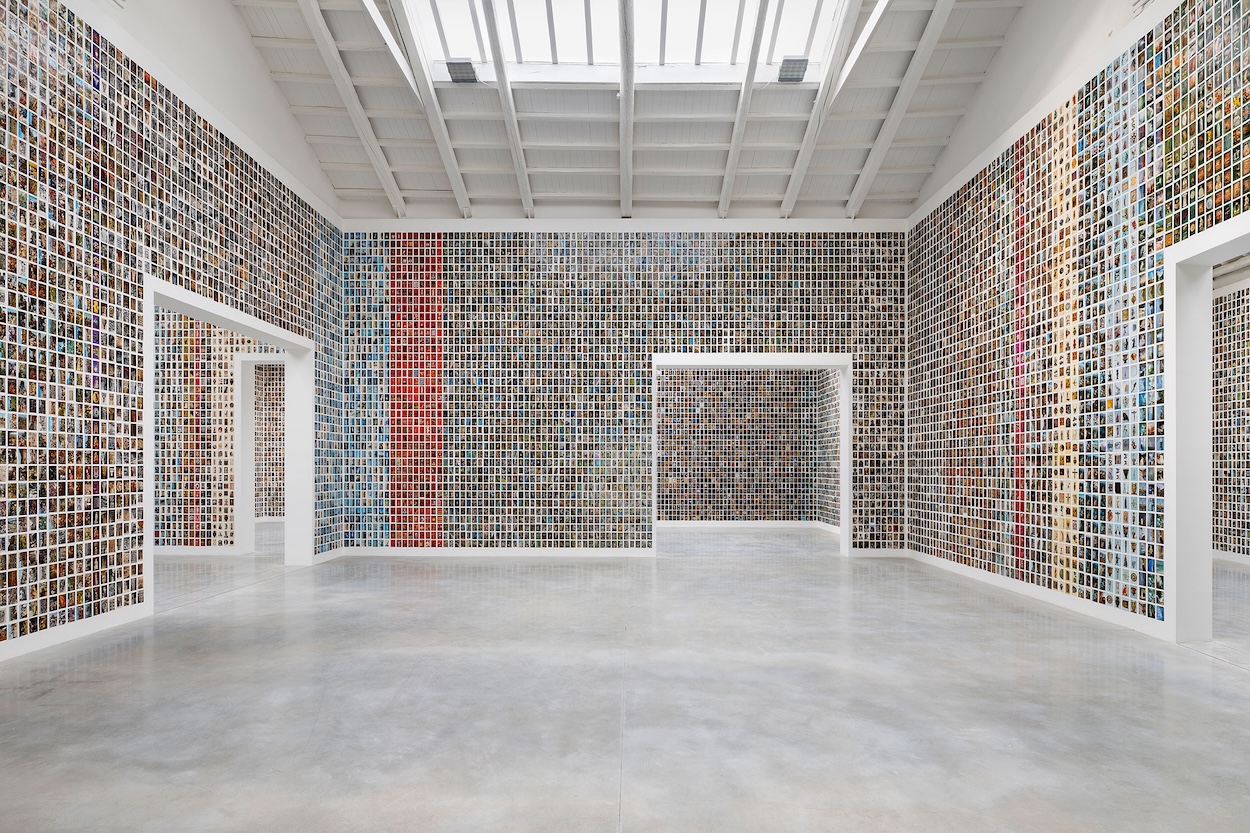
Spain Pavilion: Los restos
A singular staggering vision, “Los Restos” finds every wall within the recently renovated and reopened Spain Pavilion papered with postcards collected from flea markets and second-hand shops by artist Oriol Vilanova. Presented without hierarchy, the installation experience is much like digging through fragments of old memories. Presented by Acción Cultural Española (AC/E), in collaboration with the Spanish Agency for International Development Cooperation (AECID), and curated by Carles Guerra, the experience is both simple and nuanced, fleeting and gargantuan.
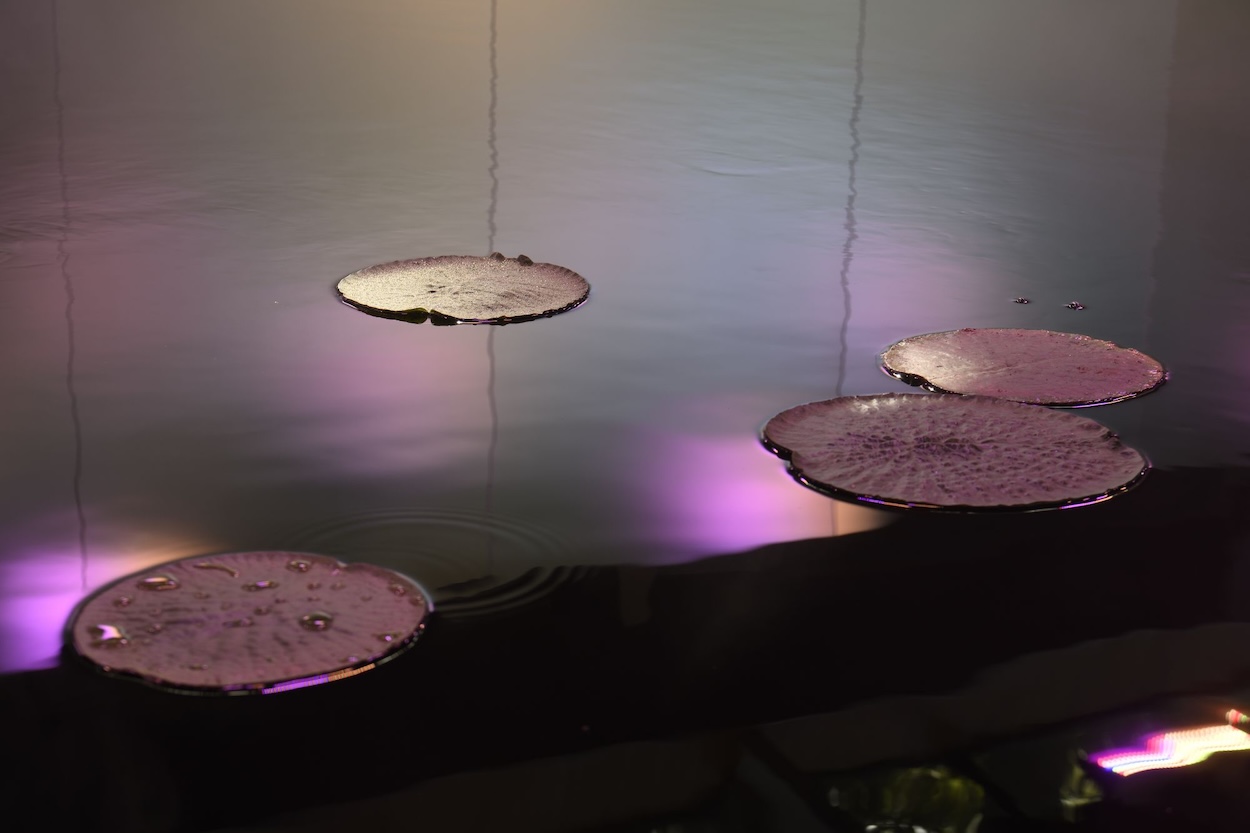
Canada Pavilion: Entre chien et loup
Within the brick and glass-walled Canada Pavilion, artist Abbas Akhavan established a transportive metaphor through grow lights, water misters, and a 6,000-gallon water tank complete with living Victoria water lilies. The greenhouse immersion, titled “Entre chien et loup,” is a reference to Victorian-era Wardian cases, which were used to transport foreign plants back to Kew Gardens. During the Biennale’s run, the lilies are expected to blossom and then perish. The exhibition was commissioned by and presented in partnership with the National Gallery of Canada, as well as the Canada Council for the Arts.
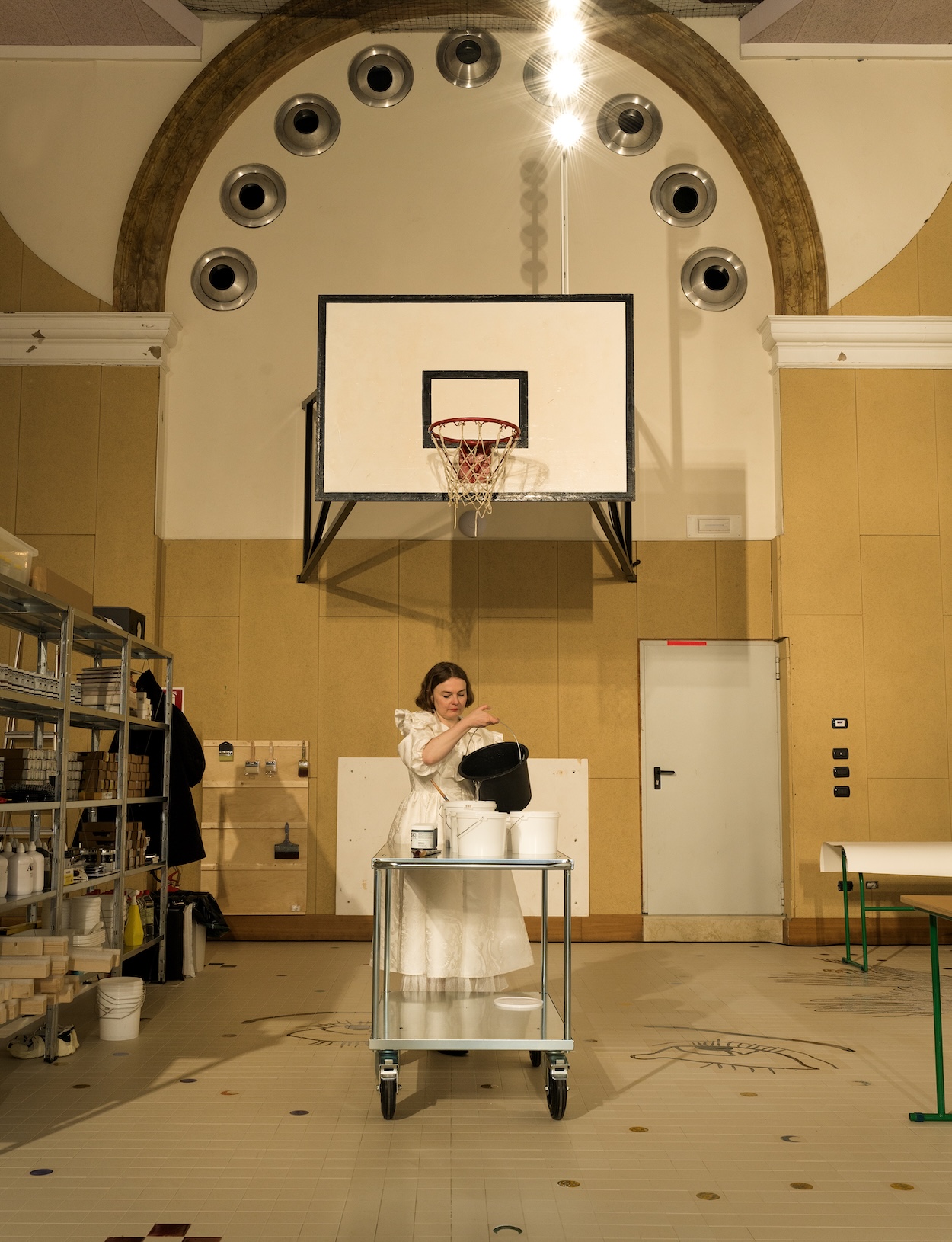
Estonia Pavilion: The House of Leaking Sky
“The House of Leaking Sky” is a continuous artistic gesture by Merike Estna. Tucked into the gymnasium of the former Church of Santa Maria Assunta, where basketball hoops remain alongside an early twentieth-century ceiling fresco by Giuseppe Cherubini depicting The Glory of the Virgin Mary, the exhibition encompasses paint upon the tiled flooring and twenty-two canvases that Estna will transform—live, every day—into one sprawling, kaleidoscopic work over the course of the Biennale. Additionally, the Estonian artist is clad in period-specific garments developed by fashion designer Lilli Jahilo for this project.