With last week’s Eva collection launch, Maiden Home has continued its limited-edition commission series—wherein the New York City–based collectible furniture brand partners with American artisans on the inception and production of distinct, meticulously crafted pieces. The series began one year ago with the release of the three-piece, cast-glass-and-blackened-steel Rene collection, born from an 18-month dialogue. There is one kiln in the U.S. large enough to make the Rene collection coffee table glass and, as such, only one can be made every six weeks. “Every detail and form of the product is in celebration of the craft,” Maiden Home Founder and CEO Nidhi Kapur tells Surface.
Maiden Home Founder and CEO Nidhi Kapur on the Eva Collection and Miami Flagship
Coordinated to NYCxDesign, the renowned brand debuted a collectible furniture series defined by principles of American craft
BY DAVID GRAVER May 18, 2026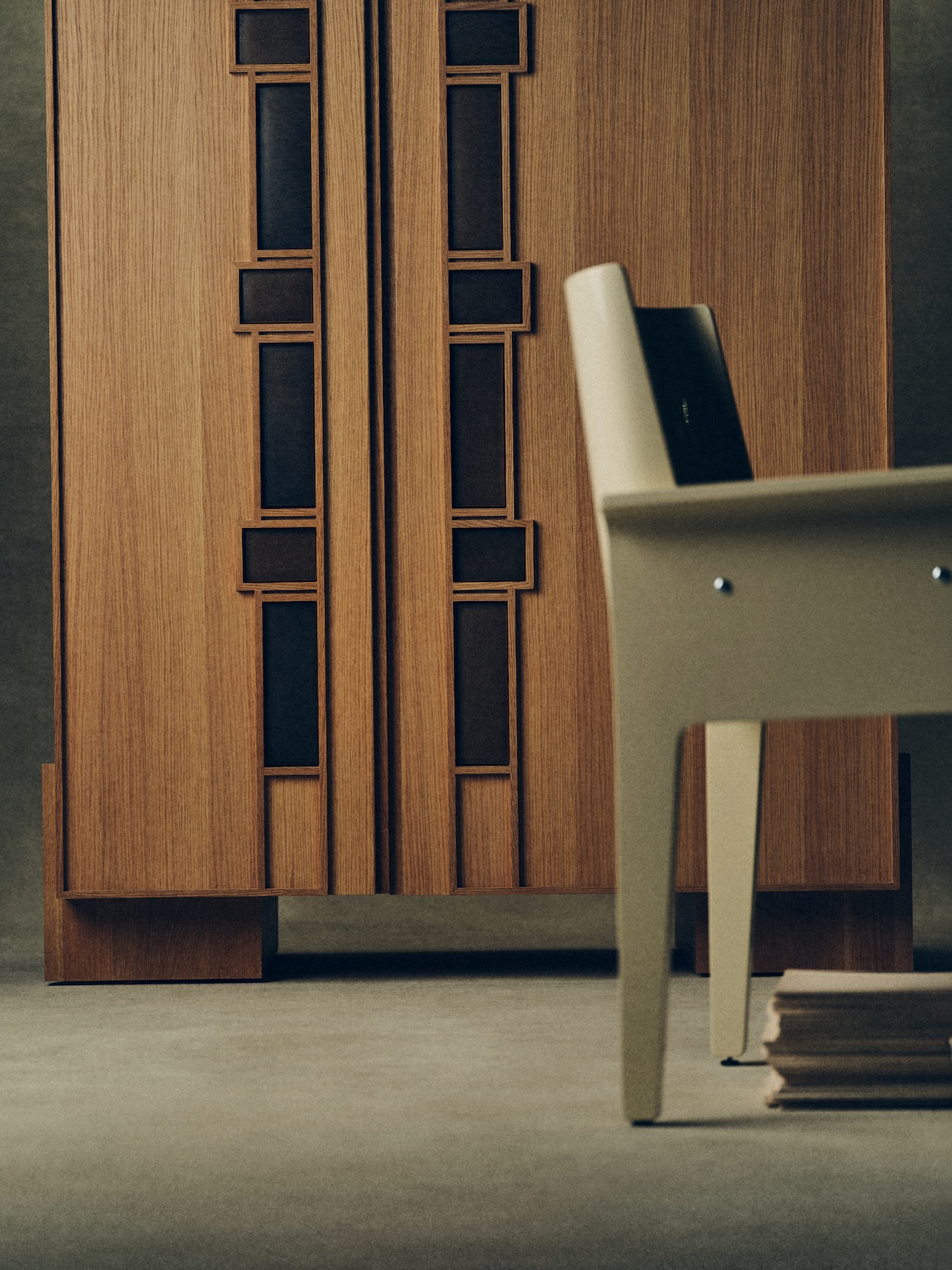
Courtesy of Maiden Home
…
Courtesy of Maiden Home
…
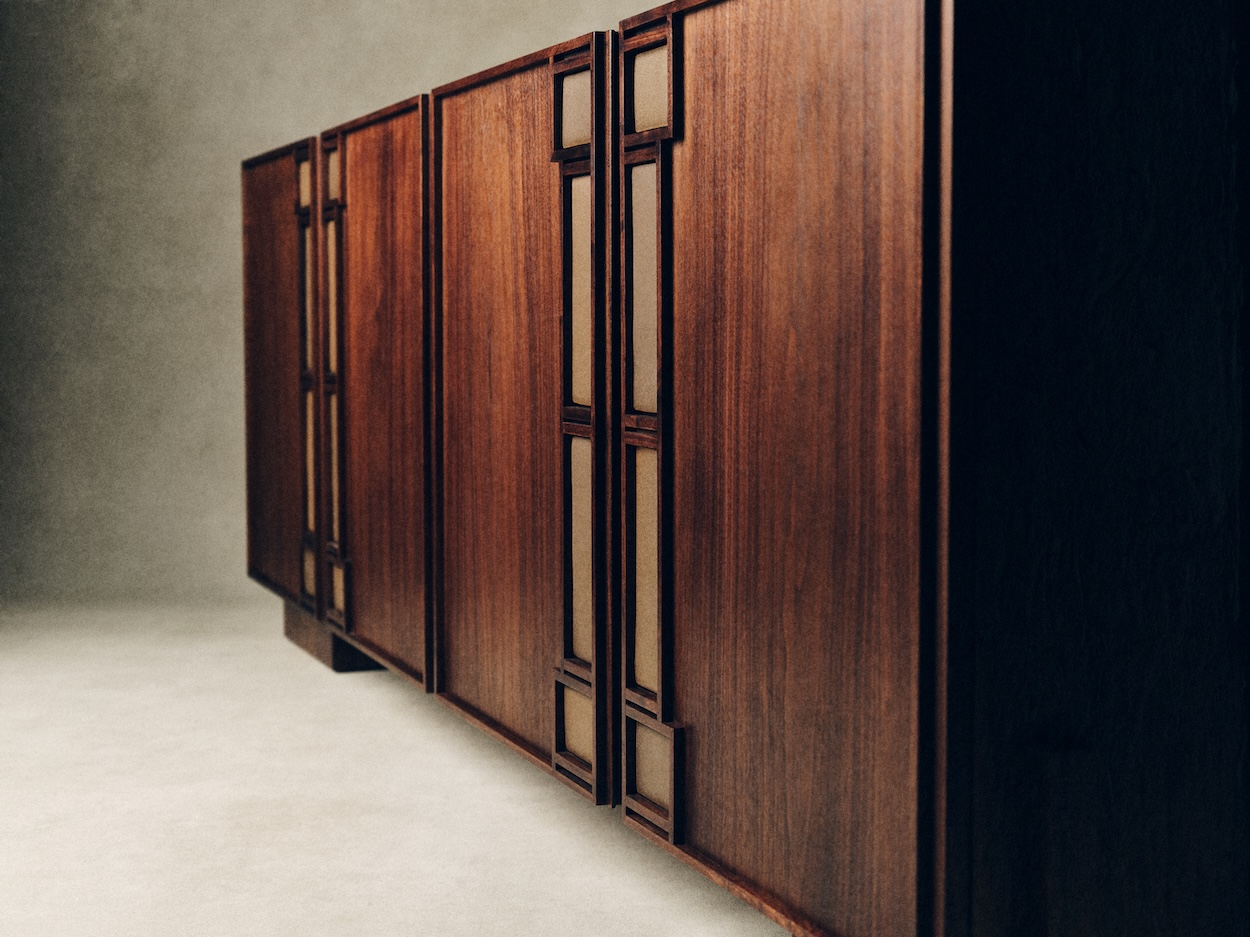
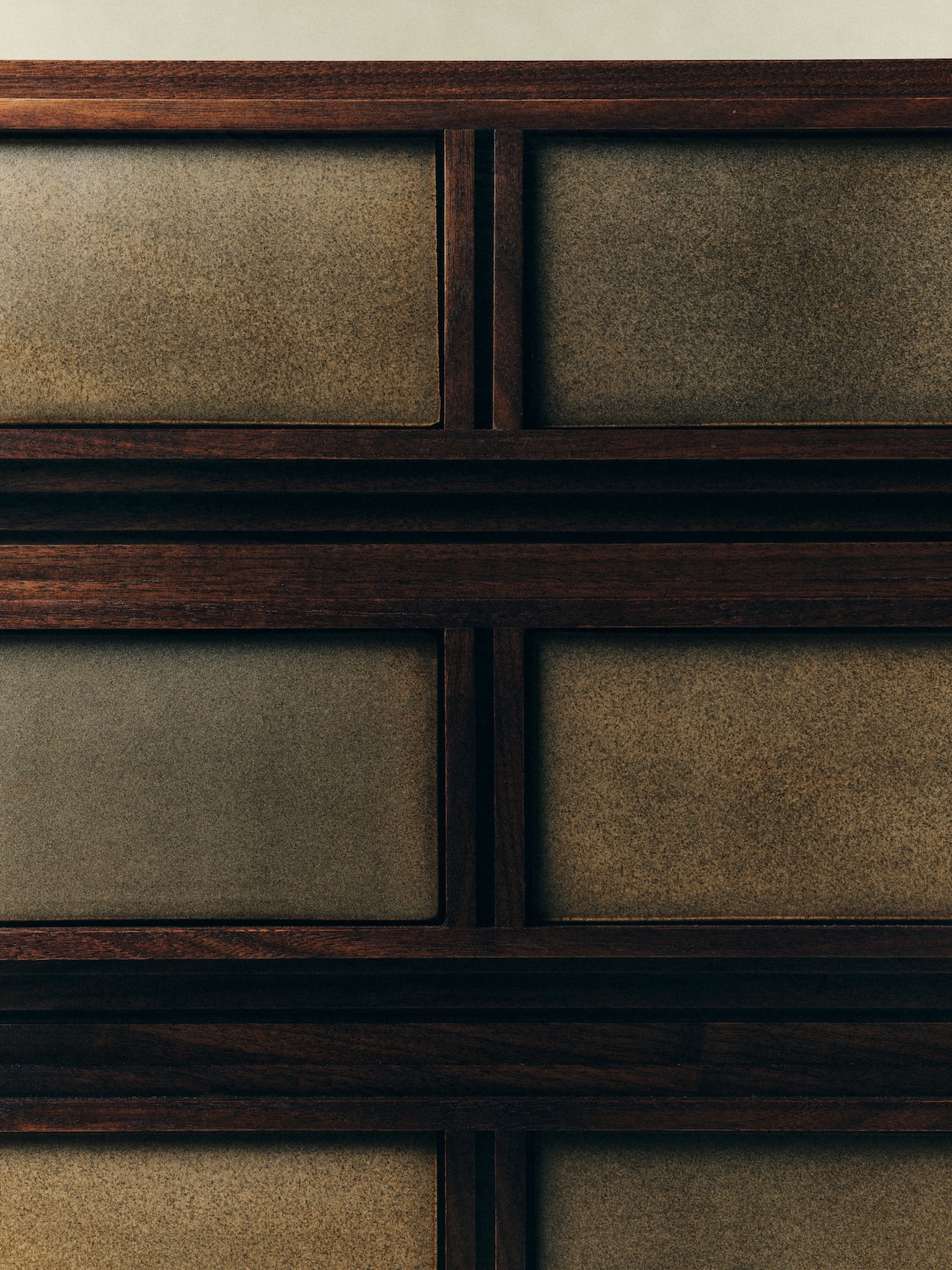
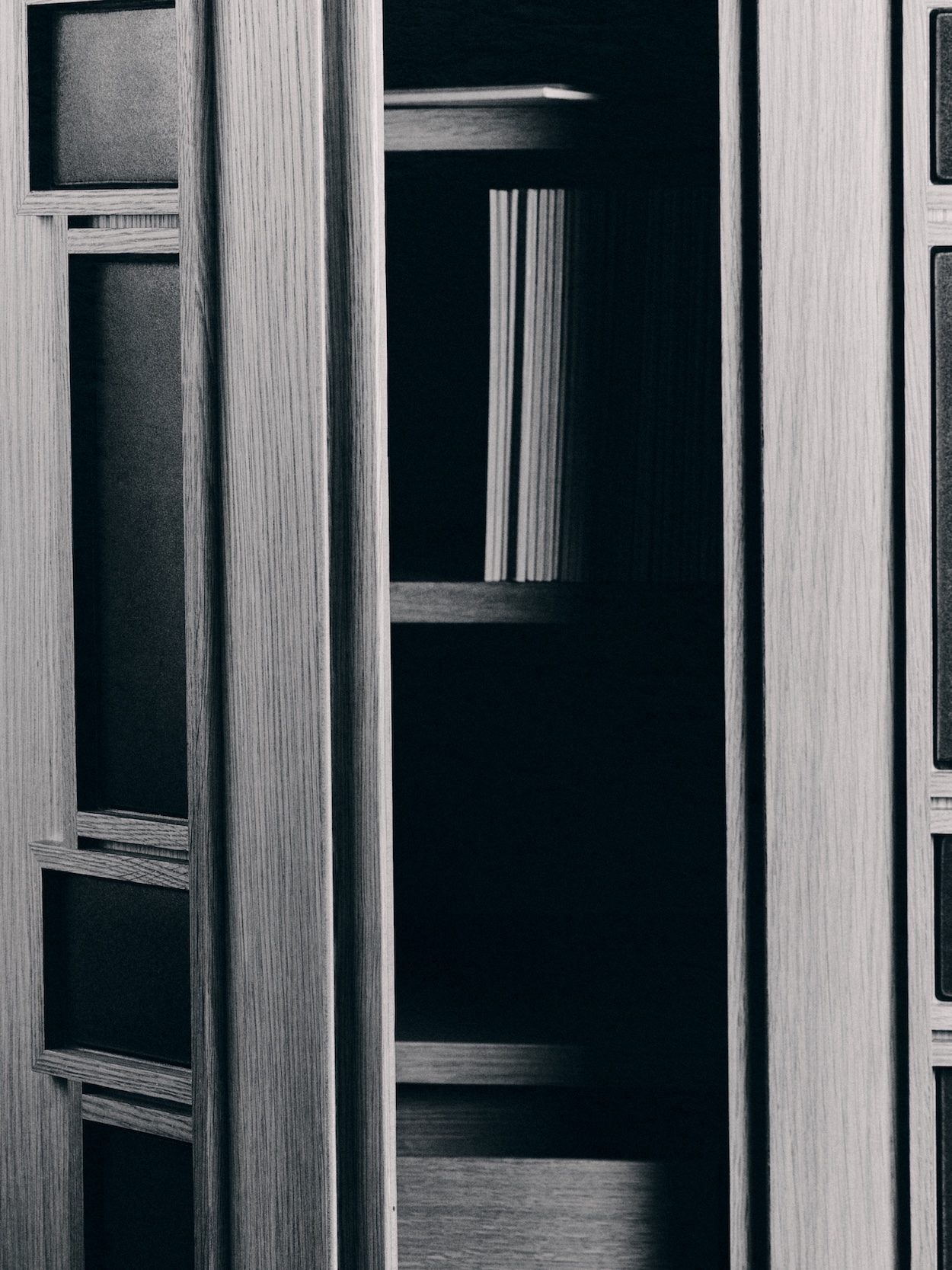
In the way the Rene Coffee Table tests the artistic and technical limits of cast glass, the Eva collection—composed of a squared, sculptural armoire and sideboard—does so with handmade wood frames and hand-cast ceramic tile. A study in material dialogue and artisan skills, the white oak and walnut frames are born in Upstate New York. In Colorado, the tiles are molded, glazed, and finished by a husband-and-wife studio. Finally, they are hand-set into the wood. It is a rare and rarefied new release from Maiden Home.
Courtesy of Maiden Home
…
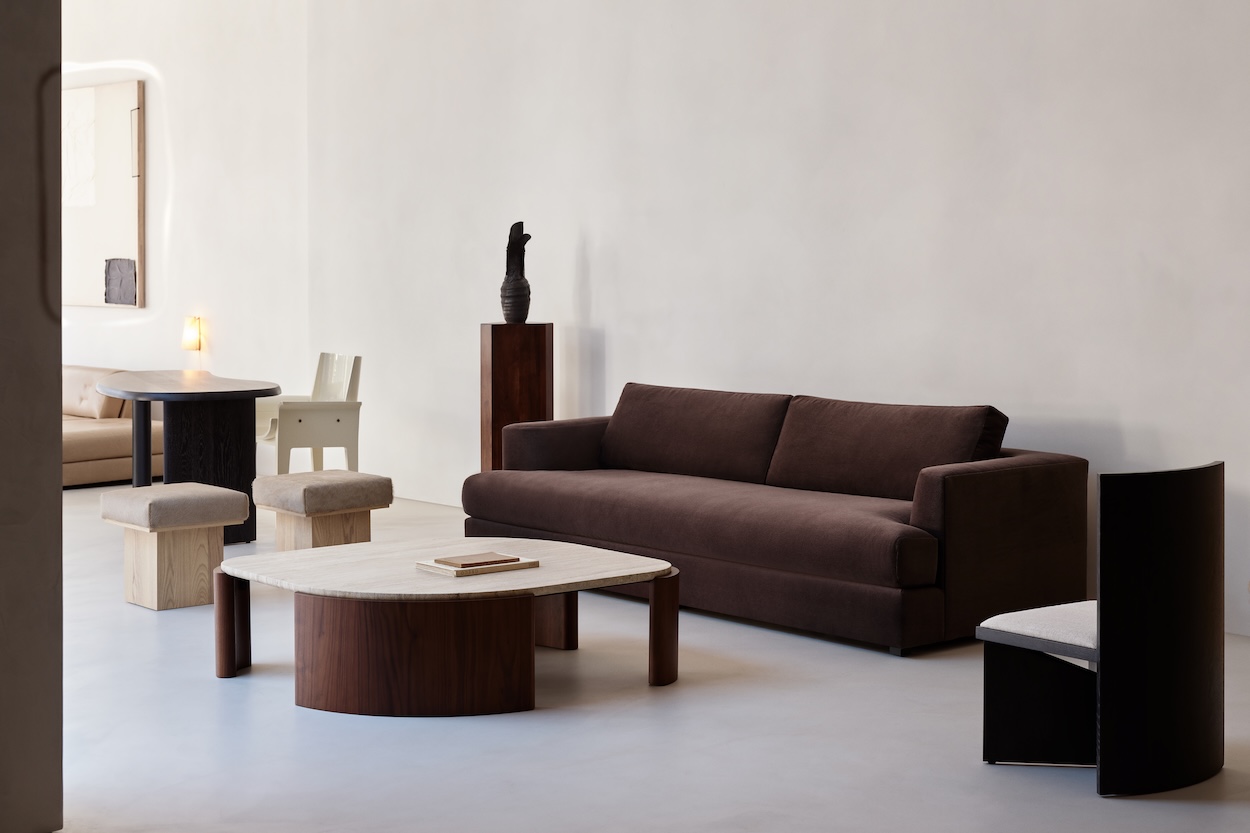
When it comes to product launches, Kapur continues, “we are so cautious about what we do that we often move slower. Entering new categories, there is so much temptation to do that. We’ve just been disciplined about it. We do not do it until we have something to add to the conversation.” She adds that furniture introductions, like the formation of the brand itself, are done to “fill a cultural void rather than a market gap.”
Courtesy of Maiden Home
…
“Maiden Home was created to redefine what American design can be through the lens of craftsmanship, restraint, and permanence. I wanted to get back to those roots,” she says. “We are always thinking about utility because that’s core to the idea of permanence. We want pieces that have a reason to exist and that will exist for decades—that we will enjoy living with for decades. Practical values do come through—but it’s really born from an obsession with craft.”
Kapur centers the process behind each product. “Our design studio is in New York. Everything we make is an original object of design, but very much in partnership with makers,” she says. “Before we even sketch something on paper, we are in dialogue with our makers here in the U.S.—and some in Europe. So much of what we create is born out of respect and reverence for the craft.” Additionally, Maiden Home’s in-house designers are all makers themselves.

Courtesy of Maiden Home
…
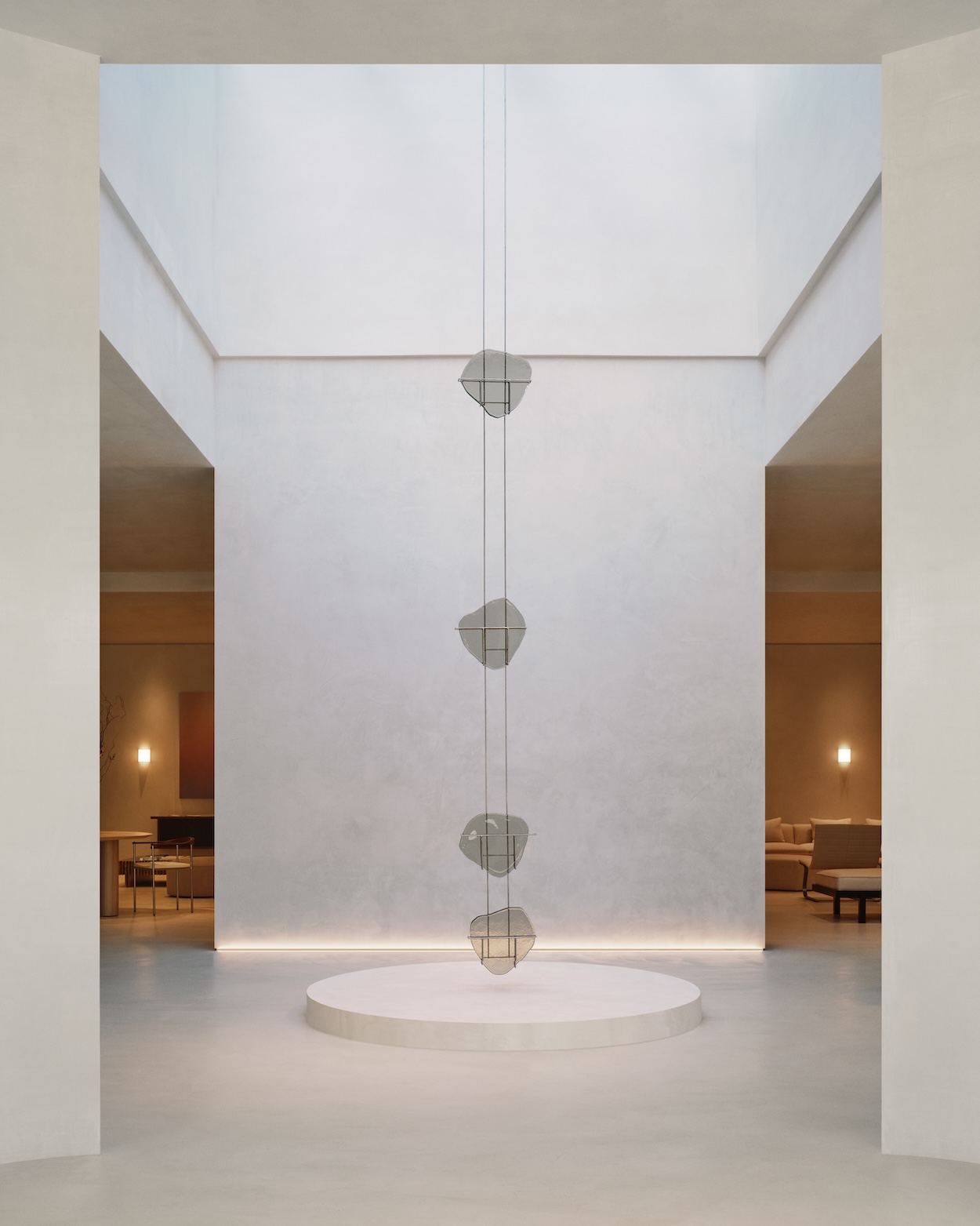
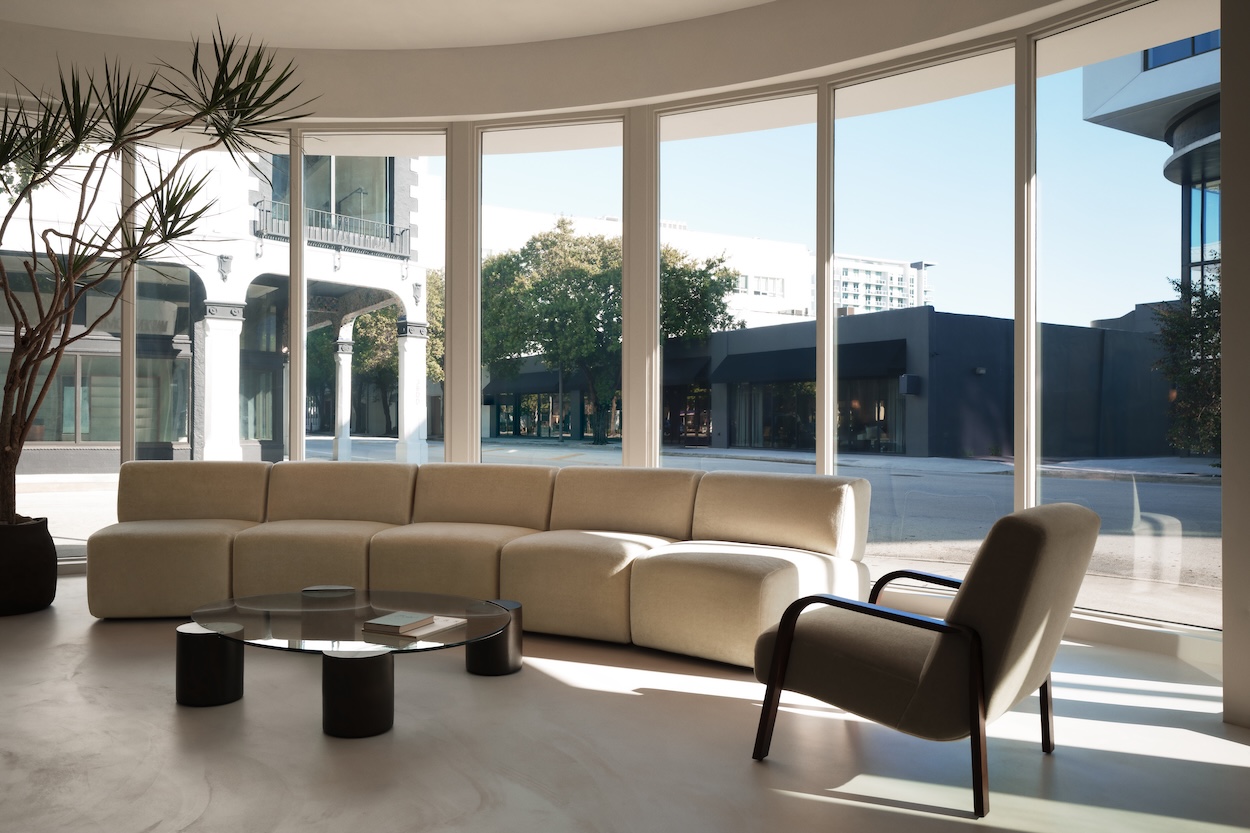
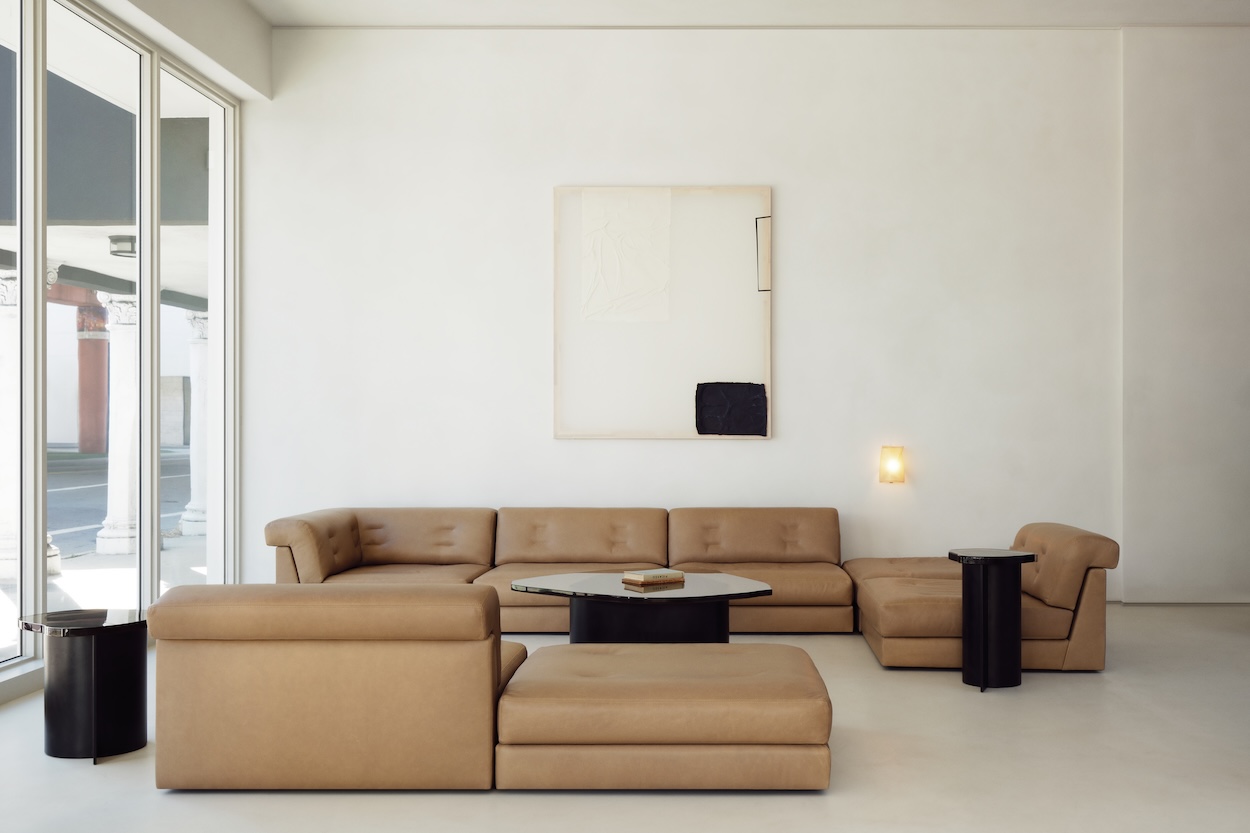
In November 2025, Maiden Home opened a sensory, sanctuary-like Miami Design District flagship. Spanning more than 4,000 square feet, the boutique was designed to be experienced—not explained, according to Kapur. “It’s not about volume but high-quality interactions,” she adds.
Courtesy of Maiden Home
…
Kapur designed the space and worked with Montalba Architects to execute the interior architecture. “We started with the concept—that comes from the brand—and why we chose Miami. The architecture is a collaboration on a very specific question: how can changes to the structure of the space shift the energy and how people experience it?” Kapur asks. “We were very simple. Probably the biggest change we made was opening up the ceiling and adding enormous skylights. They aren’t meant to be noticed. They aren’t decorative. No one is looking at our skylights—but they are so fundamental to the experience of the space.”
Courtesy of Maiden Home
…
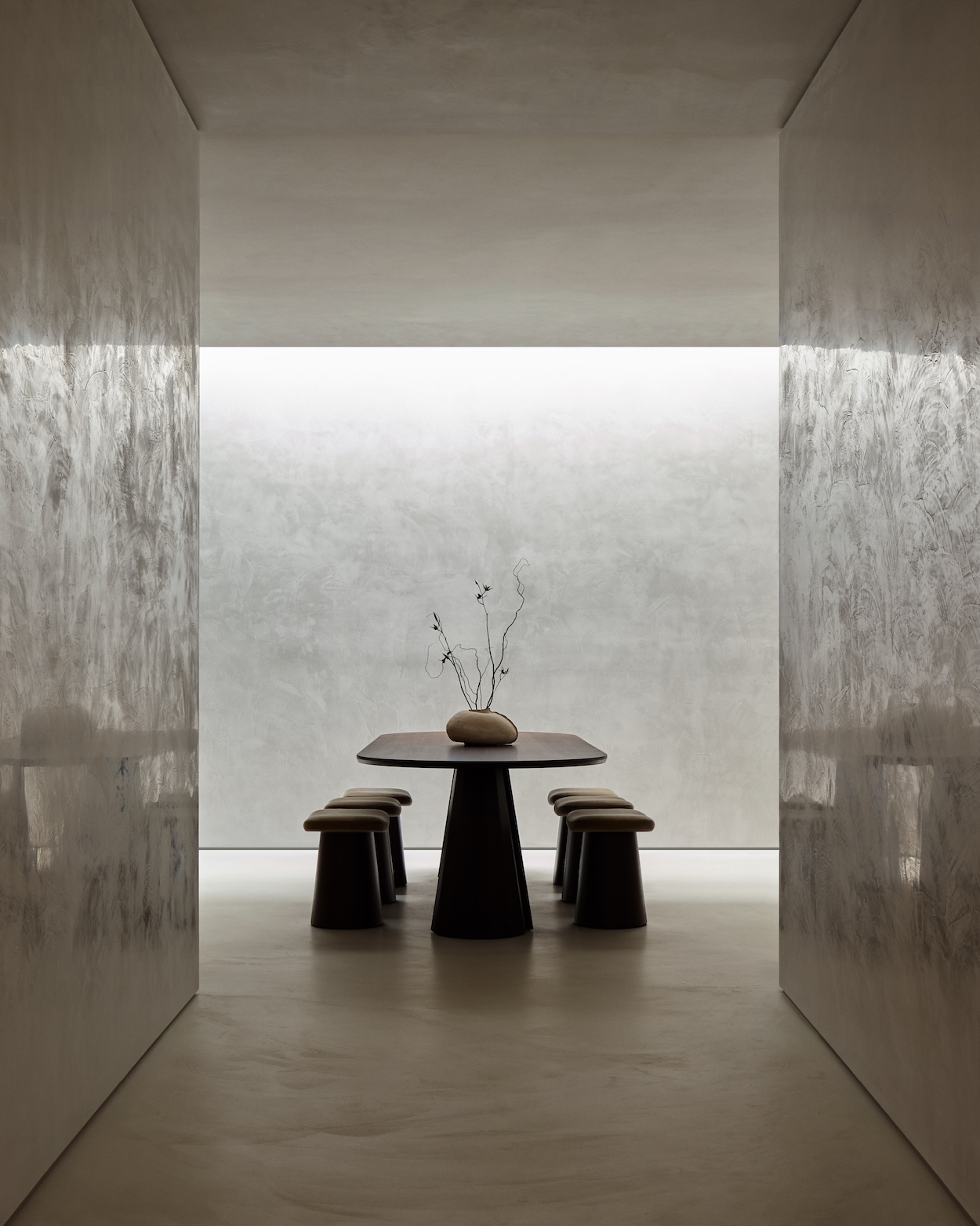
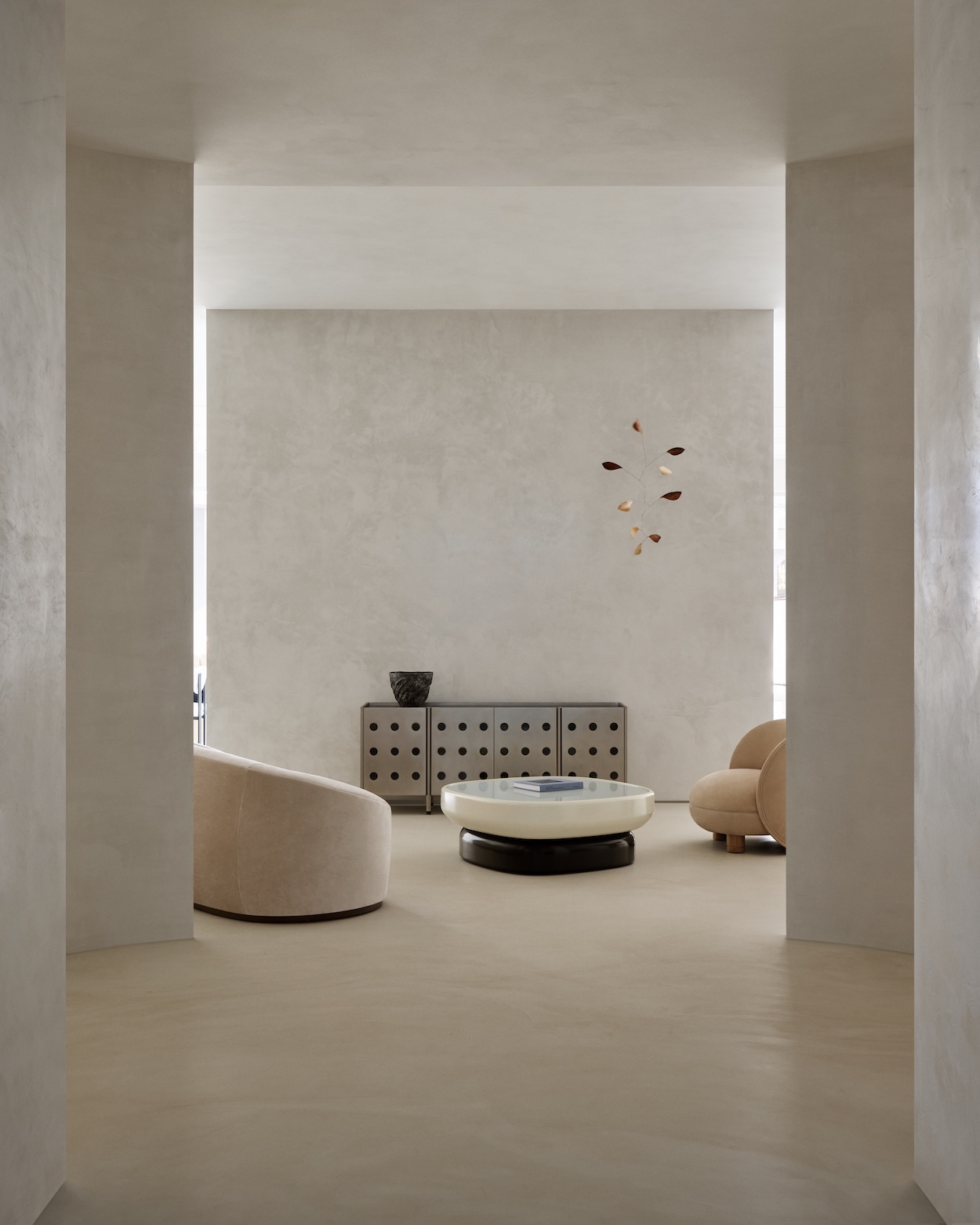
Ultimately, fewer than five materials were employed throughout, including limewash in both matte and high-gloss finish. “Miami has such an incredible design vocabulary. It’s so assertive and confident,” Kapur says. “For us, the design challenge was how do we create a counterbalance to the energy of Miami and one that feels textural, and quiet.” The result yields a grounding effect.
Courtesy of Maiden Home
…
With an L.A. flagship in development, Maiden Home will introduce another physical space soon. Kapur also sees other design opportunities outside of furniture. She does not intend to rush anything anytime soon. “We spend way more time refining and editing than we do launching,” she says. “We say no way more than we say yes. That’s our process. That’s something the market will never see. But it is so critical to us.”
Courtesy of Maiden Home
…
Courtesy of Maiden Home
…
Courtesy of Maiden Home
…