Designer Marie Laffont Curates “Beyond Time and Space” at Les Rencontres d'Arles
The multidisciplinary exhibition presents “Liminal States,” a photographic body of work by Clelia Montali, in dialogue with the design objects of Sophie Dries and the sculptures of Malù dalla Piccola
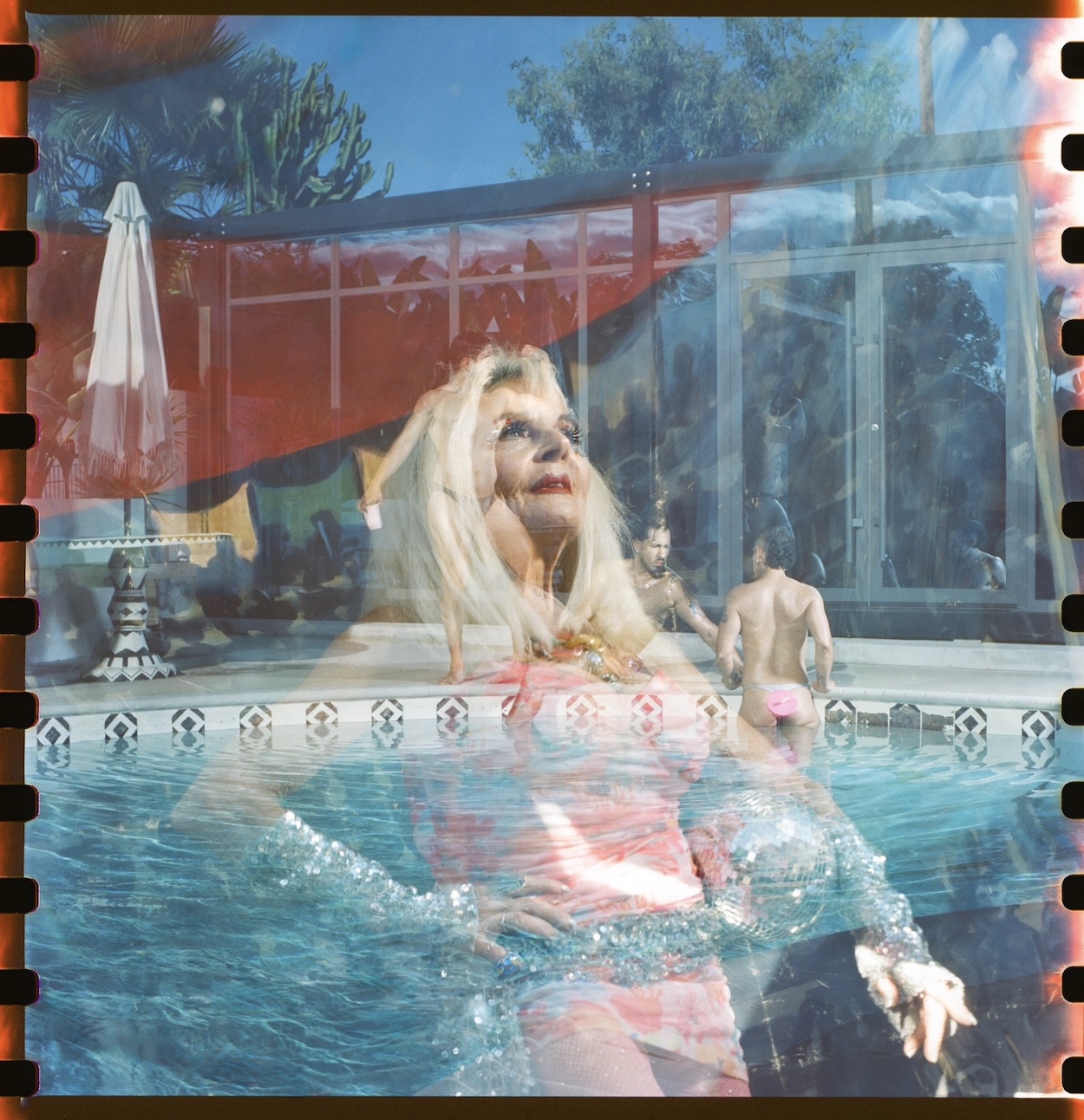
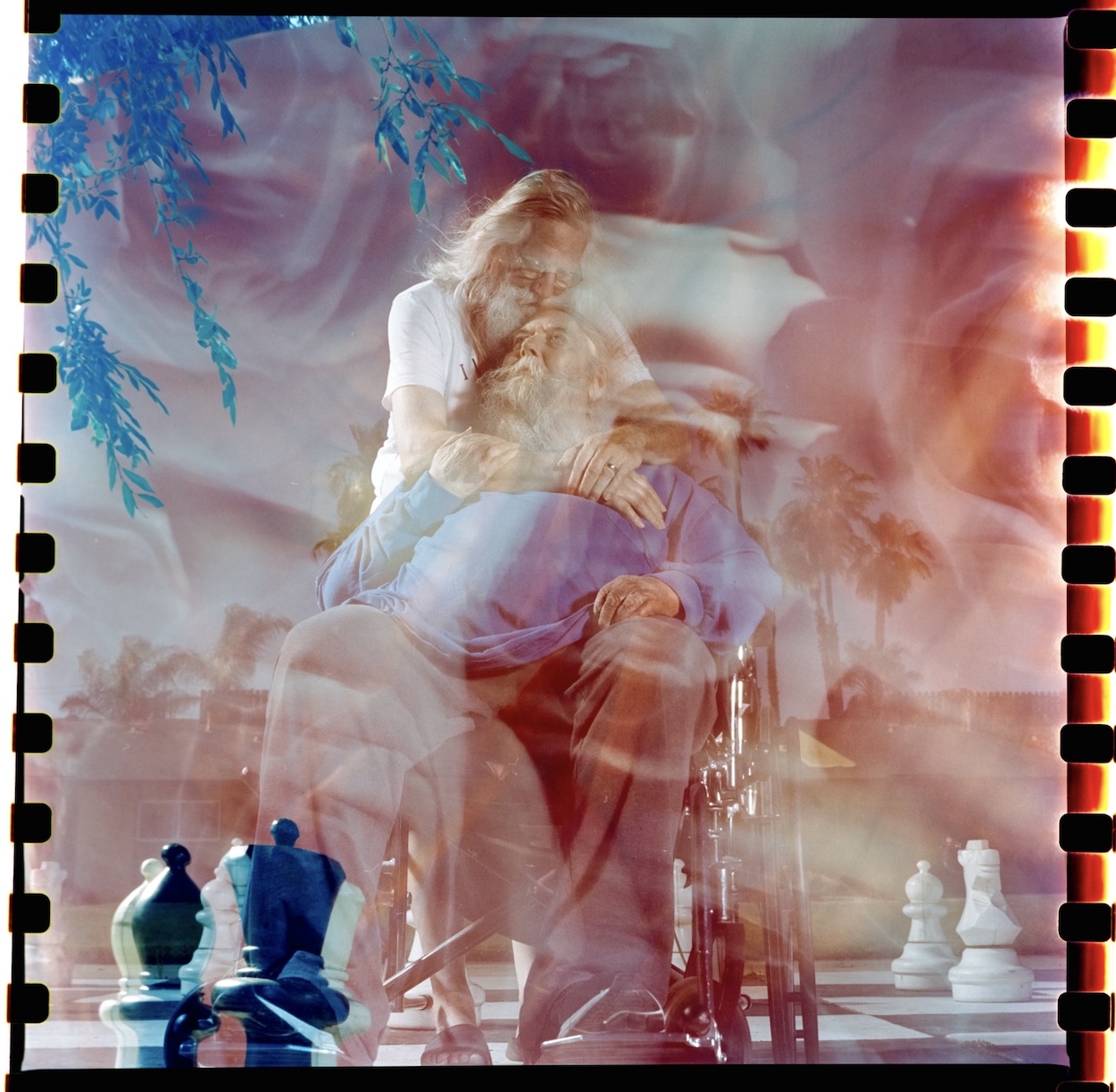
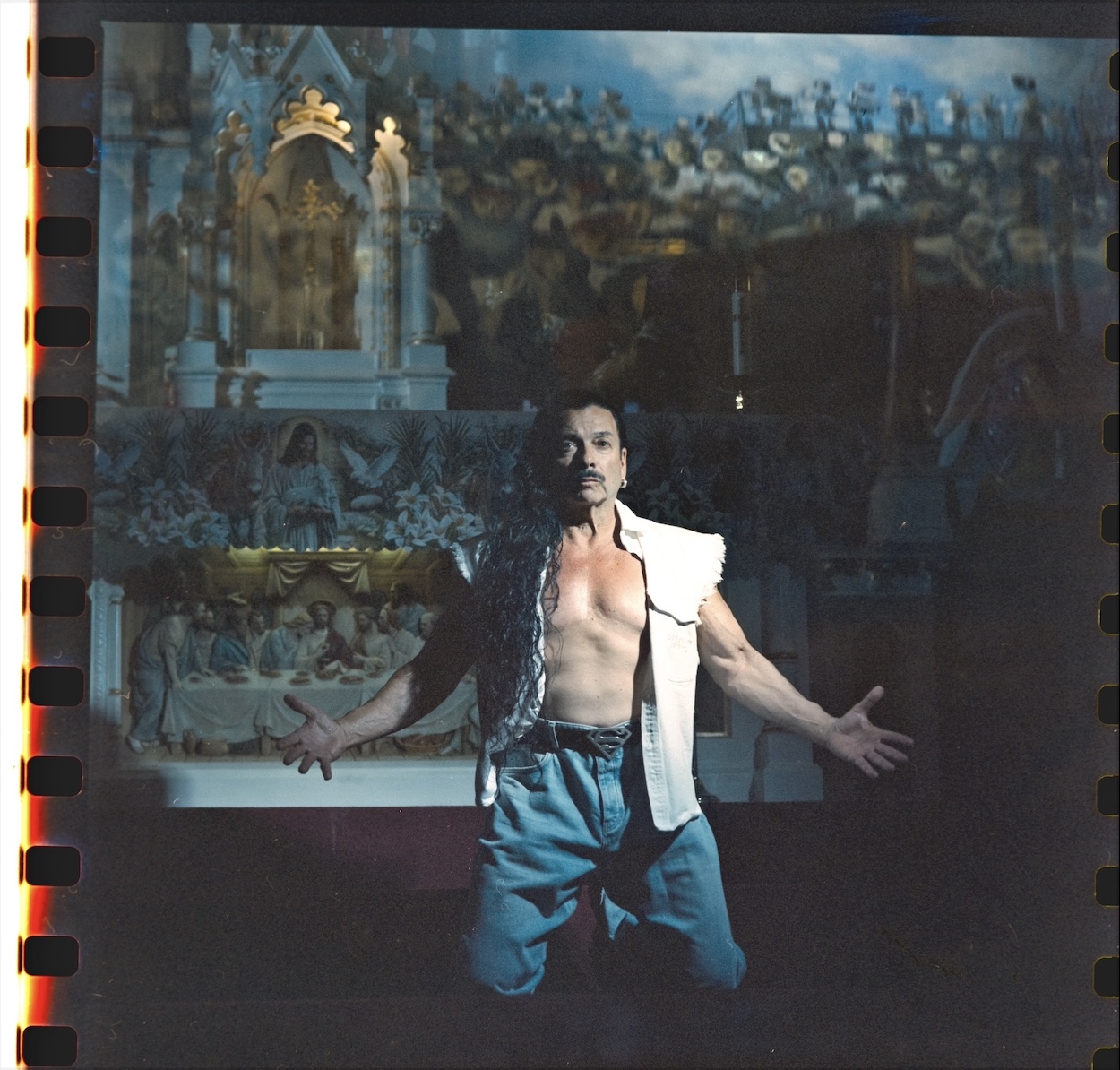
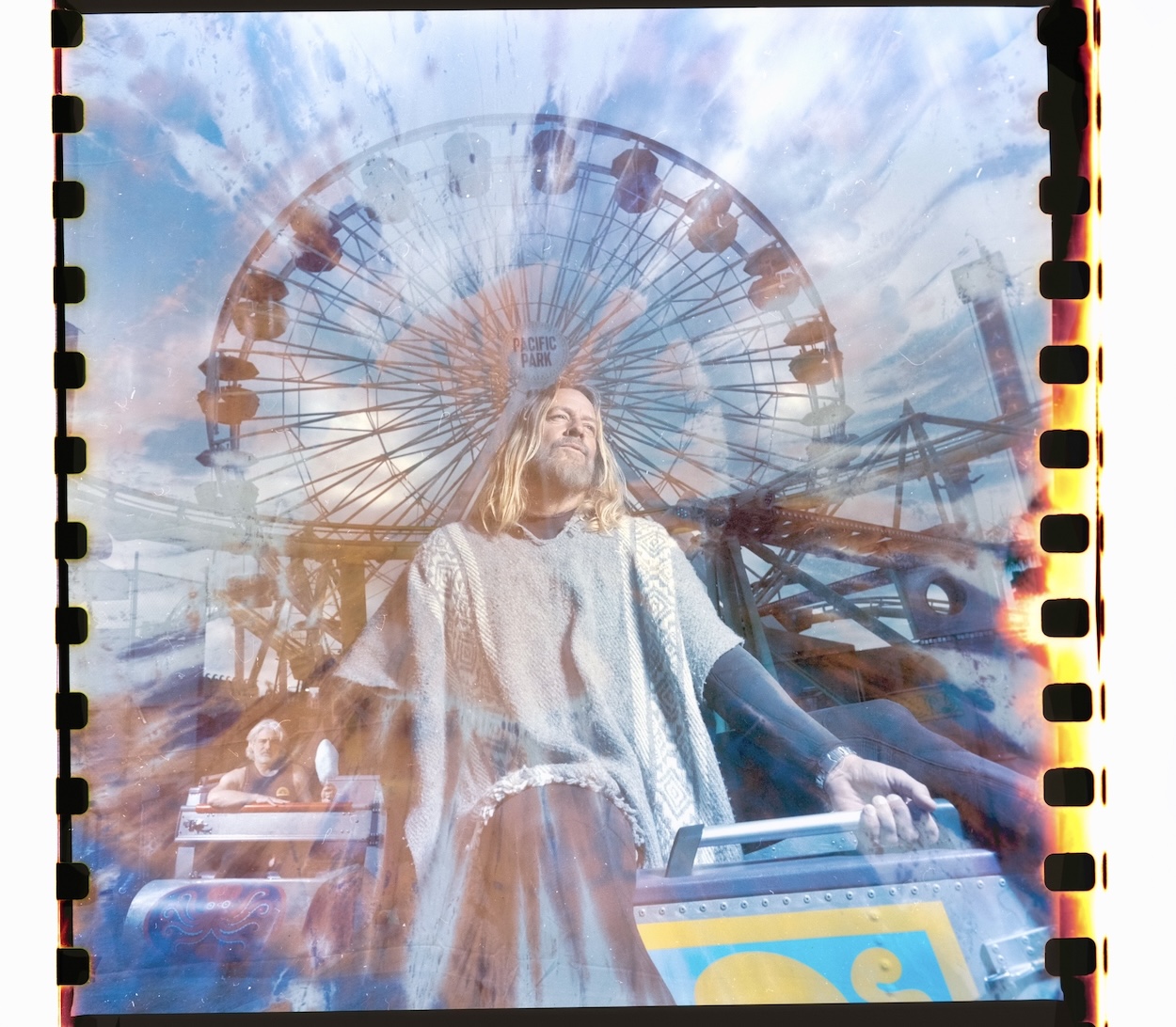
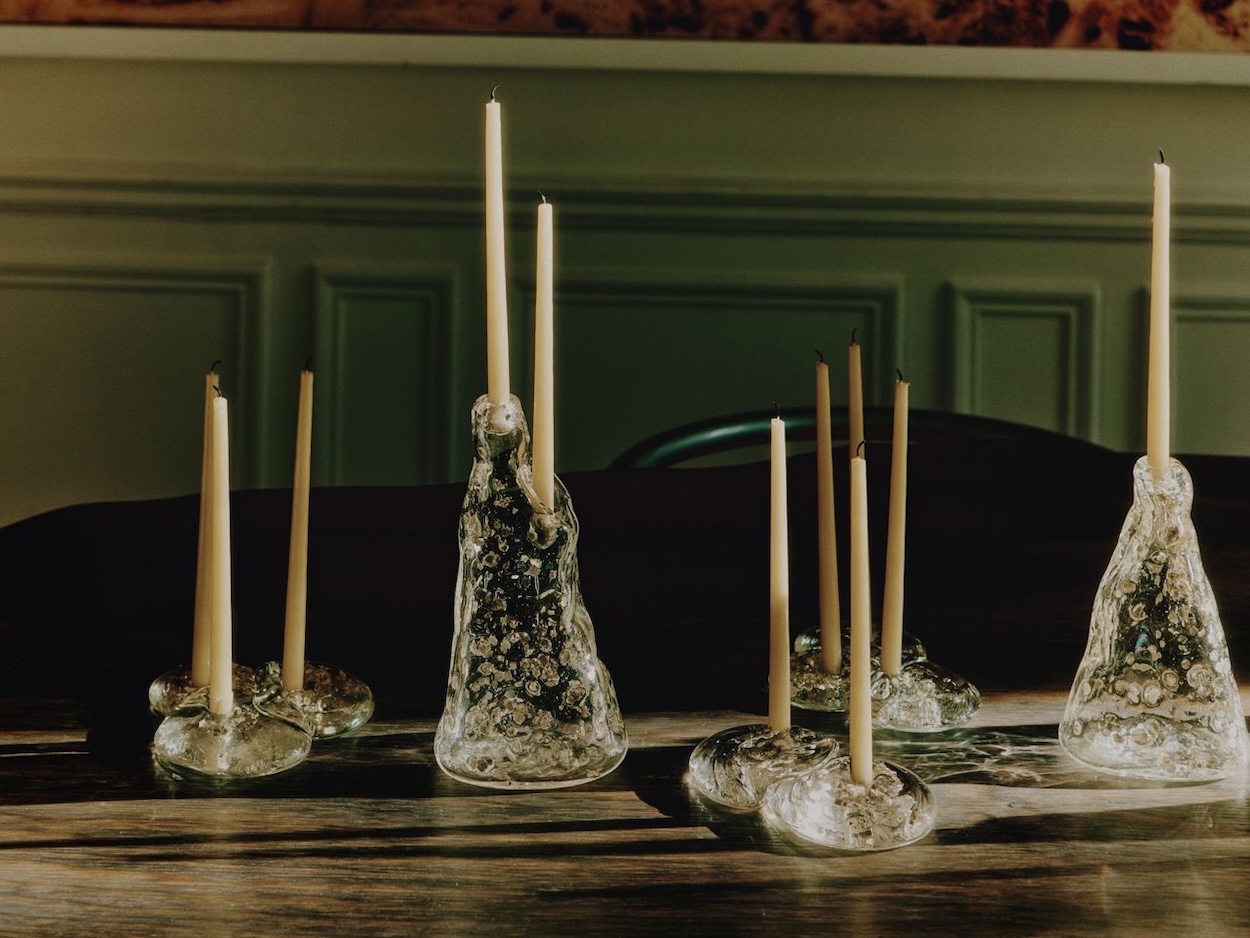
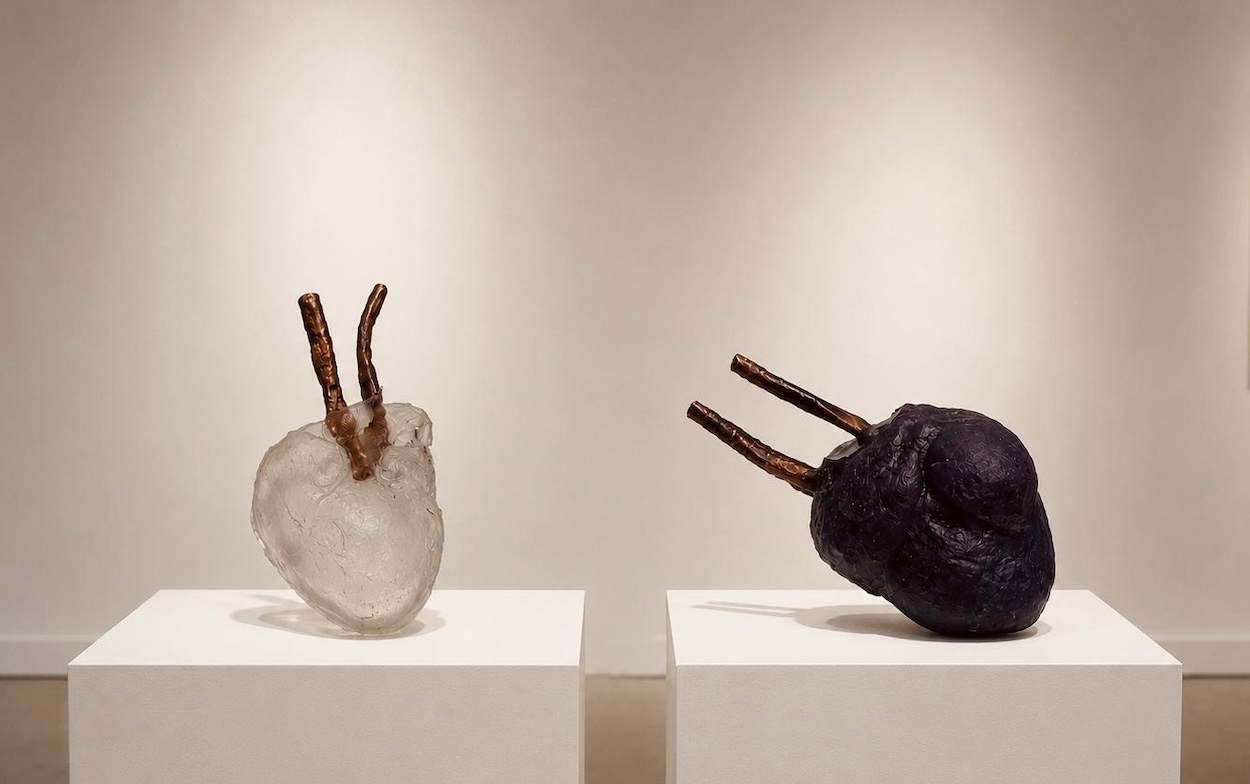
A multidisciplinary exhibition spotlighting four talented women, “Beyond Time and Space: A Curatorial Dialogue” opened yesterday in Arles, France. Curated by fashion and footwear designer Marie Laffont, the group show positions a photographic series, “Liminal States” by New York City–based fine art photographer Clelia Montali, in dialogue with heart sculptures by artist Malù dalla Piccola and candleholders and mirrors by Paris–based architect and interior designer Sophie Dries. An examination of our perception of time, the evocative exhibit—hosted in a historic monument—opens in coordination with the French city’s acclaimed annual summer photography festival, Les Rencontres d’Arles, and as part of OFF Festival Arles.
To learn more about Laffont’s curatorial intention, we spoke with her in advance of the opening night celebration.
Image by Clelia Montali…
Can you explain your connection to Arles? Why were you drawn to curating an exhibition for Les Rencontres?
My father’s family comes from Aigues-Mortes, deeply rooted in the Camargue region, and we also have family ties to Arles. I’ve always felt a strong connection to this part of France—I even have a small Camargue Cross tattooed on my arm. After my mother passed away, I encouraged my father to move here and reconnect with his roots while starting a new chapter.
For the past four years, I have returned to Les Rencontres d’Arles every summer. I love the city’s energy during the festival: the photography exhibitions, LUMA, the conversations and encounters. For a few weeks, Arles became an international crossroads where artists, collectors, curators, and art lovers meet. This year I’m especially excited to see so many people travelling specifically for this exhibition. Collectors are coming from Mexico, the United States, Italy, Canada, and South America. Watching all the RSVPs arrive has been incredibly moving.
Then there are the people who make Arles so special. Gustave Alfsen, who owns BAÏTA for example, is opening his new restaurant, Le Grand Snackbar, directly opposite the Roman Arena. He has already proven his talent, and he contributes to the unique collective energy that defines Arles.
During Les Rencontres, Arles is more than a place—it is a feeling.
Image by Clelia Montali…
How did you come upon the space, 4 Rue de Grille, where the exhibition is hosted?
The Deputy Mayor was incredibly helpful throughout the search, and I’m truly grateful. My father, who knows Arles extremely well, also played an important role.
The venue is a listed historic monument in the heart of the old town. What immediately attracted me was the contrast between its historic architecture and its raw, almost minimalist concrete interior. That dialogue between heritage and contemporary space felt like the perfect setting for Clelia Montali’s photographs, as well as Sophie Dries’ mirrors and Malù dalla Piccola’s sculptures.
What does Albert Einstein’s quote, “Time and space are modes by which we think, and not conditions in which we live,” mean to you as a curatorial premise?
One morning in Paris, during Art Basel, while having breakfast at my in-laws’ home, I came across one of Joseph Kosuth’s clock works. My mother-in-law, Almine Rech, represents his work, and the moment I read Einstein’s quote everything made sense. The exhibition explores the idea that time and space are not simply objective realities but mental structures through which we experience the world.
Clelia’s photographs suspend time. Sophie’s mirrors blur the boundary between reality and reflection. Malù’s heart sculptures evoke an inner, emotional sense of time. Together, the three artists create an immersive experience where time is no longer linear and space becomes a state of perception—the essence of “Liminal States.”
Image by Clelia Montali…
Why three women? What does that mean to you?
To be completely honest, it wasn’t intentional at first. It happened naturally.
Looking back, it feels incredibly meaningful because their practices speak to one another effortlessly. They all explore memory, perception, materiality and presence through very different artistic languages. I also genuinely enjoy working with women. I find there is often generosity, mutual support, and intuitive understanding. But I never wanted to create an exhibition about women. I simply wanted to bring together three artists whose works naturally belonged in conversation.
What drew you to the photographic works of Clelia Montali?
Her extraordinary ability to create images that exist somewhere between reality and imagination. Her photographs don’t document a specific place or moment; instead, they create a space for contemplation. They invite viewers to slow down, observe and project their own memories into the image.
There is an almost cinematic quality to her work—a constant tension between presence and absence, between what is revealed and what remains unseen. That ambiguity is exactly what moved me.
Courtesy of Sophie Dries…
How did you select the pieces exhibited here?
The initial selection came from Clelia, and from there we worked closely together to refine the edit. I was also fortunate to be supported throughout the process by my collaborator, Martial Chateauvieux. We’ve only recently started working together, but we share a very similar vision of art and exhibition-making, and his perspective was invaluable in shaping the final selection.
Together, we sought to create a dialogue. I wanted each work to contribute to a quiet narrative, where light, materiality, reflection, and emotion echo from one piece to another. Rather than illustrating a single idea, the exhibition invites visitors to move through different states of perception, allowing each work to subtly transform the experience of the next.
Who did you weave the work of Dries and Piccola into the exhibit?
I never wanted their works simply to accompany Clelia’s photographs. I wanted them to become equal voices within the exhibition. Sophie’s mirrors extend the reflection on perception and transform the viewer into an active participant. Malù’s heart sculptures introduce an intimate and emotional dimension.
Together, the three practices create an immersive experience in which each work enriches the reading of the others. That silent conversation between photography, reflection, and sculpture is, for me, the heart of the exhibition.
Courtesy of Malù dalla Piccola…
How are you activating around the city outside of the exhibition venue?
On Wednesday, we’ll host a book signing for La Horde Handmade Book, a beautiful publication dedicated to the work of the Ballet National de Marseille under the artistic direction of Marine Brutti. It’s another opportunity to bring together different creative communities and attract new audiences to the exhibition.
What I love about Arles is its incredible sense of community. Everyone supports one another. It reminds me of New York, with that same generous energy and openness to creating connections. I think that’s what makes this week so special—it’s not just about seeing exhibitions, it’s about the conversations, encounters, and relationships that grow around them.