The Cooper Hewitt unveils first-ever permanent exhibition of its 200,000-object collection.
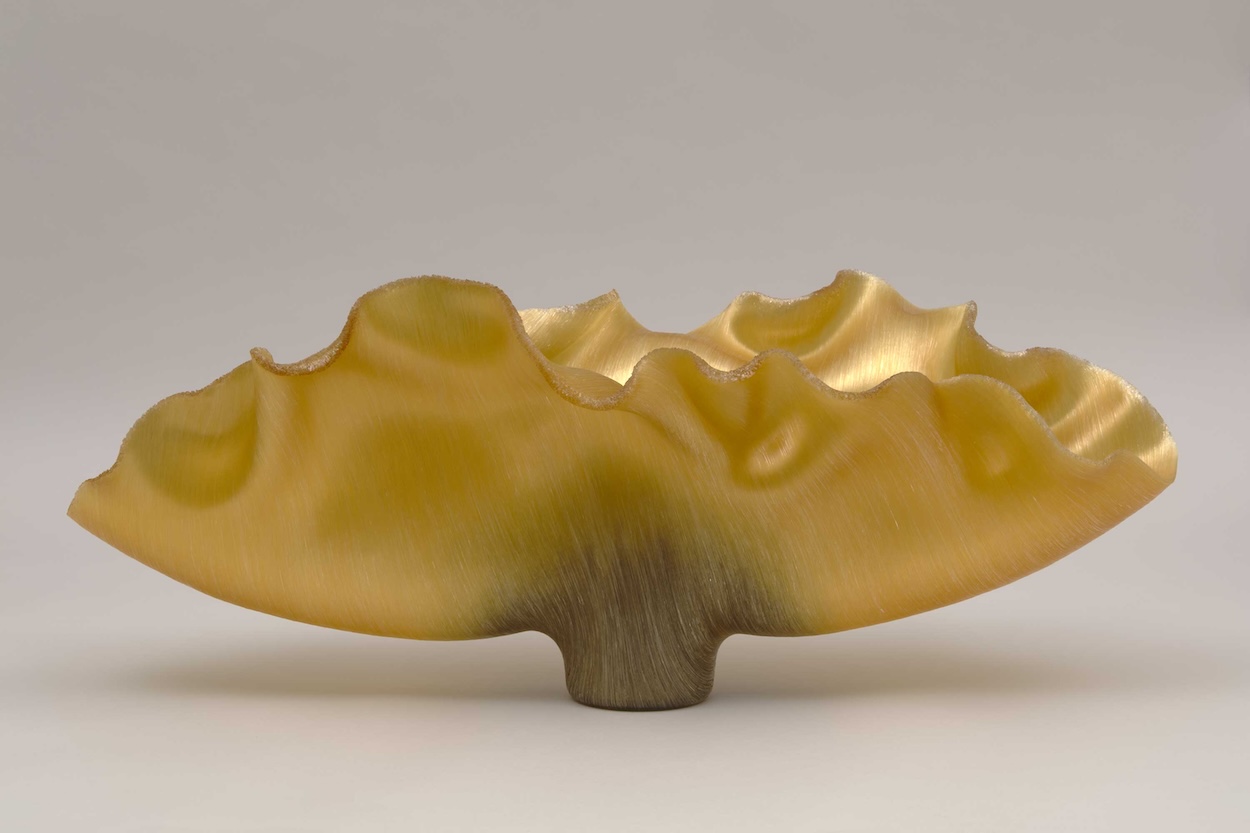
The Cooper Hewitt, Smithsonian Design Museum has opened “Design Across Time,” its first extended exhibition drawn from its own holdings, on view across the ground floor of the Carnegie mansion. Three years in the making, the show narrows the museum’s 200,000-plus objects down to 125 pieces spanning from a 1100 BCE Lotus-shaped cup to a 2020s interactive New York Times feature, with some works, like a recently acquired Toots Zynsky vessel, on public view for the first time. London-based JA Projects designed the installation to complement the mansion’s Gilded Age architecture, while creative agency Pacific established a silhouette-based graphic system to unify the visuals.
LVMH and Institut Français de la Mode form an academic alliance on creativity research.
LVMH and the Institut Français de la Mode (IFM) have launched the “Sciences & Creation” Chair, an academic partnership aimed at studying how creative processes work and how they’re evolving today. The initiative sits at the intersection of fashion, luxury, the humanities, cognitive science, and emerging technology, with the goal of generating new research, strengthening IFM’s academic programs, and deepening ties between research, talent, and LVMH’s maisons. The Chair will produce original research on designers’ creative practices, the influence of new technological tools, and the social dynamics behind aesthetic innovation, organized around three focus areas: creation and cognition, computational models of creation (including A.I. and generative tools), and the social and anthropological dimensions of creativity.
After its largest set, Lego creates a giant World Cup trophy in New York.
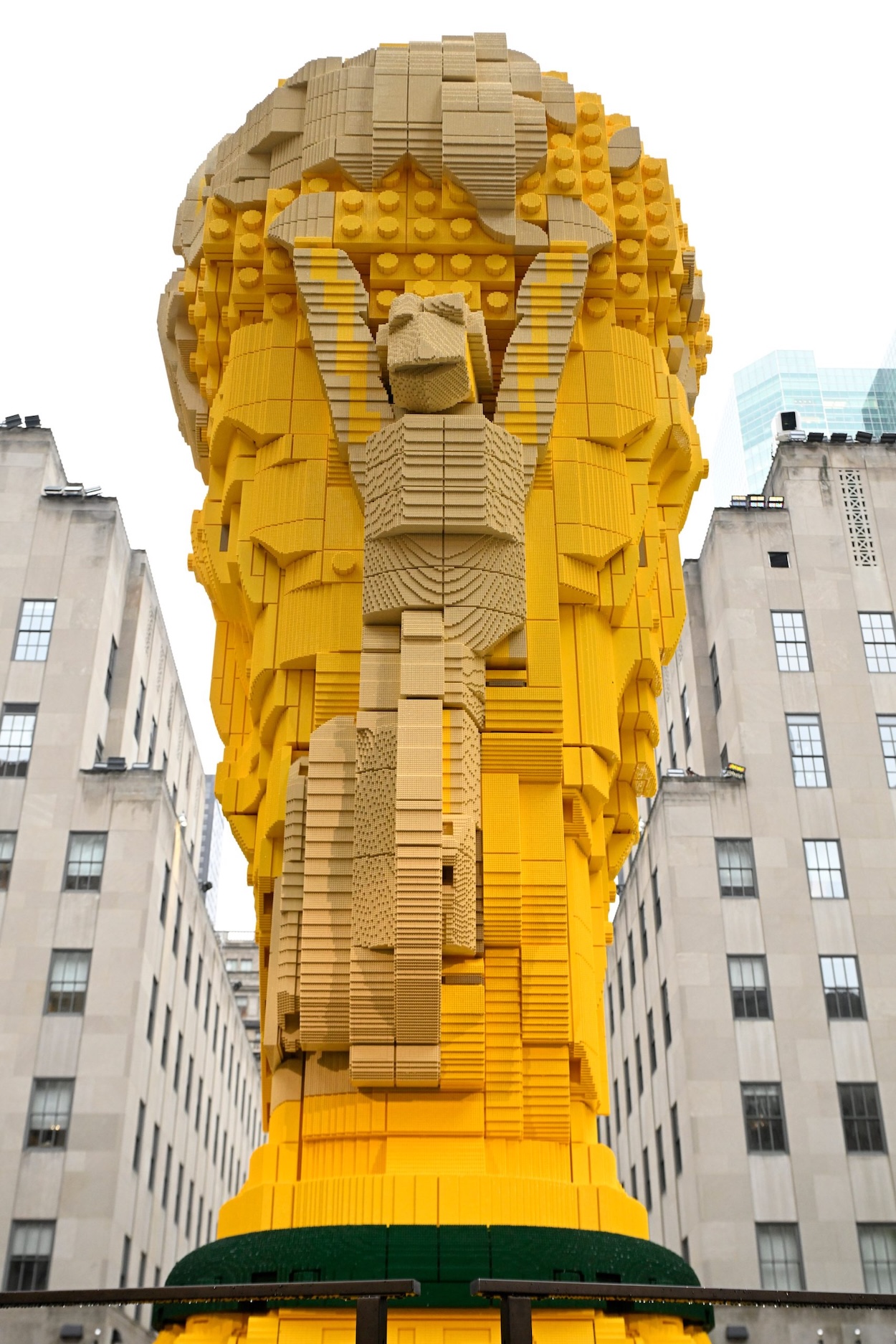
Lego unveiled a 27.6-foot-high replica of the FIFA World Cup trophy outside Rockefeller Center in New York, built from more than 1.36 million bricks. The oversized model was constructed at the fan park in Rockefeller Plaza to mark this year’s tournament. The structure is a 25:1 scale enlargement of a commercially available 1:1 Lego World Cup trophy the brand launched ahead of the tournament. Built around a steel frame, the giant version was transported to the site in 16 sections and took Lego’s model production team eight months to complete. Lego says the installation is one of the largest structures ever built from its bricks, and the biggest mobile build the company has made.
Lee Alexander McQueen’s Sarabande Foundation introduces new base.
The Sarabande Foundation has opened its new London home in Tottenham, marking the culmination of nearly a decade of planning and restoration. Founded in 2006 by the late Lee Alexander McQueen, Sarabande supports artists through scholarships, mentorship, and subsidized studio spaces, helping sustain ambitious creative practices over the long term. The new home occupies two restored Queen Anne townhouses dating to the early 18th century. Restored under a philosophy of “arrested decay,” the buildings preserve layers of period wallpaper, exposed horsehair plaster, and even scribbles left behind during 19th-century dinner parties. The space now houses 14 affordable artist studios, offered at £1 per square foot, alongside the House of Bandits gallery, a permanent café, and communal areas designed to bring artists and the local community together.
Dior’s latest couture collection is a tribute to sculptor Lynda Benglis.
For Dior’s fall/winter 2026–27 haute couture show, creative director Jonathan Anderson drew on the sculptural work of American artist Lynda Benglis, translating her signature knotting, pleating, and draping into sculptural garments. Dior’s ateliers echoed Benglis’ material experiments through metallic textiles, iridescent finishes, and silver netting resembling chicken wire. Floral embellishments referenced her “Peacock” series, inspired by time in Ahmedabad, India, while the palette referenced Santa Fe, New Mexico, where she lives and works.
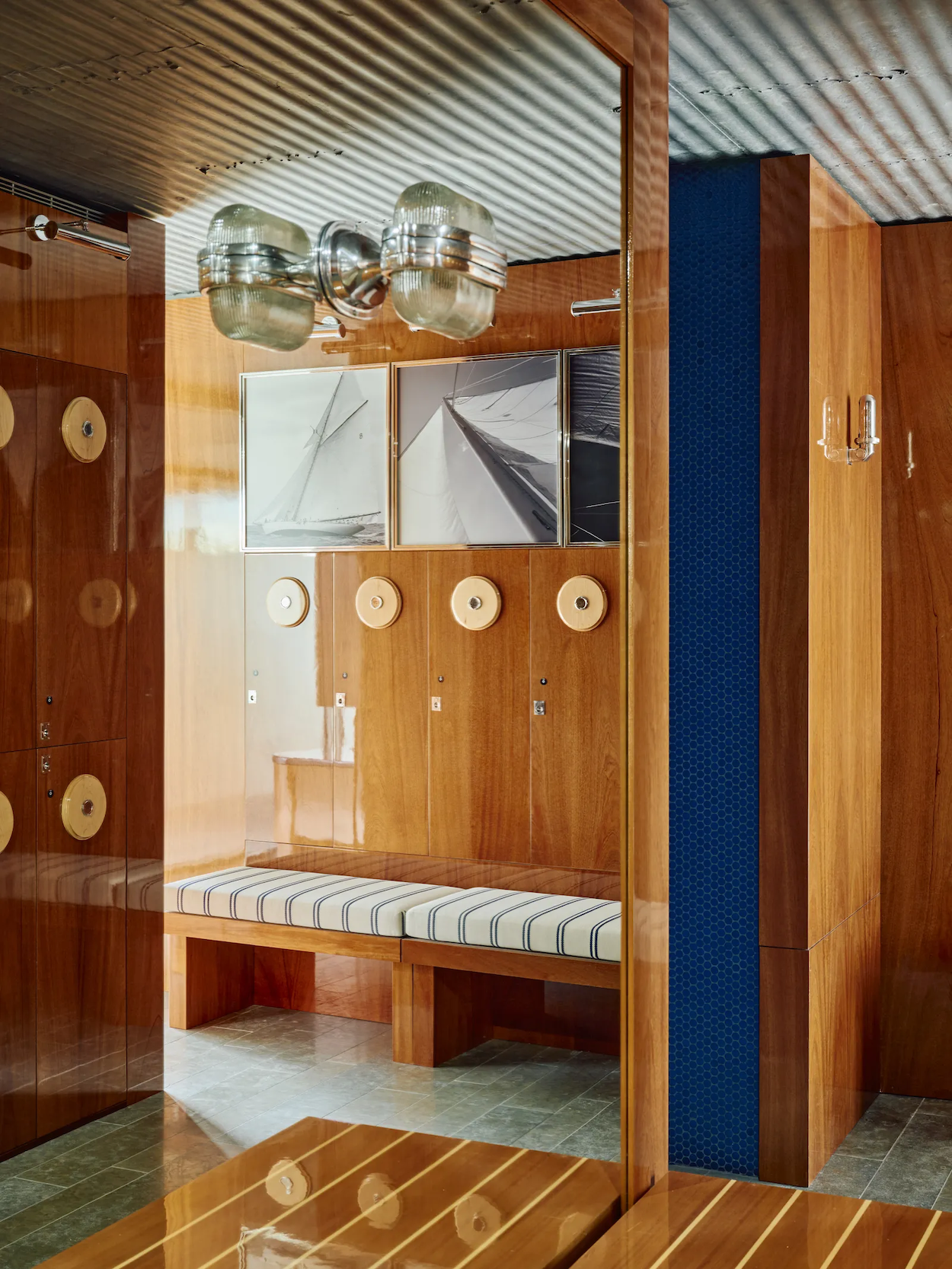
Marta de la Rica’s redesign of Club de Mar Mallorca is a love letter to 1970s yachting.
During a London heatwave, Howl took over East London for Pride.
The workshop that built the Muppets is finally open to visitors.
How two designers built Florence’s first art book fair from scratch.