George Condo to present two major shows with Hauser & Wirth in 2027.
American visual artist George Condo will present two major exhibitions with Hauser & Wirth in 2027, staged in Paris and Palo Alto. The announcement follows Condo’s acclaimed 2025 career survey at Paris’ Musée d’Art Moderne, a five-decade retrospective praised for highlighting the artist’s technical range and recurring invented characters. Condo said he’s long felt creatively tied to Paris while remaining curious about bringing new work to Palo Alto, calling both cities creatively resonant in different ways. Hauser & Wirth is eager to continue its collaboration with Condo in cities associated with cultural breakthroughs, calling him “a true pioneer” with an unmatched ability to fuse past and present into something new.
Kelly Wearstler and Ann Sacks debut Treillage, a tile collection inspired by formal gardens.
Designer Kelly Wearstler has unveiled Treillage, her ninth collection with Ann Sacks and sixth for MADE by Ann Sacks, drawing on the architectural history of landscape design, from Renaissance garden parterres to 19th-century trellises and conservatories. The collection translates that vocabulary into a modular tile system built around five 6-inch-by-6-inch formats, each designed to work individually or in combination for more intricate patterns. Produced by MADE artisans at Ann Sacks’ Portland, Oregon studio, the tiles feature raised and recessed surfaces that catch light differently throughout the day, along with hand-applied glazes that ensure variation across installations.
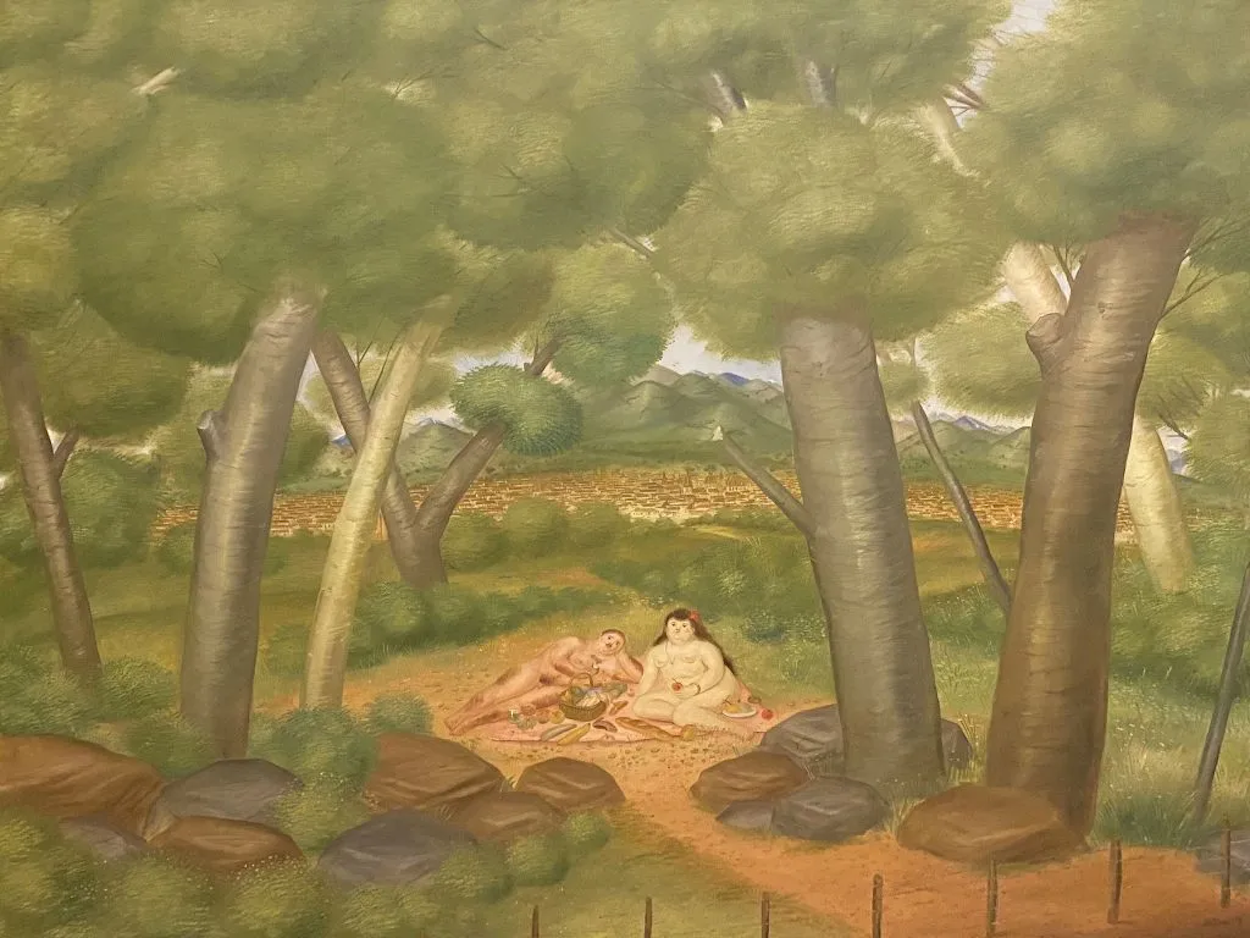
Sotheby’s debuts “Botero in New York,” featuring previously unseen paintings and sculptures.
Opening on July 22, “Botero in New York” is the first exhibition at the Sotheby’s Breuer building dedicated to a single artist. Organized in partnership with the Botero family, the show features more than 20 rarely seen paintings and sculptures from the artist’s archive and private collections, with several works making their New York debut and some available for private sale. The exhibition focuses on Botero’s formative years in the city, where he settled in Greenwich Village in the late 1950s and developed the voluminous, figurative style now known as “Boterismo.” Highlights include Apotheosis of Ramón Hoyos (1959), Sunflowers (1977), and the public debut of Picnic (1973).
Post-Fair expands to Paris around Art Basel, occupying two historic Marais buildings.
Post-Fair, the invitation-only fair known for eschewing the high costs and pressure of major commercial art fairs, is taking its model to Paris. The roughly 34-gallery exhibitor list will be announced in September, with dealers from Los Angeles, New York, Chicago, Tokyo, Paris, and the U.K. presenting solo or two-person stands. Post-Fair’s identity has always been tied to its venues: the Los Angeles edition takes place inside a 1938 Art Deco former post office, with works installed museum-style rather than in conventional booths. Paris will follow that same approach, occupying two buildings in the Marais, a traditional hôtel particulier and a French Art Deco building, directly across from each other at 74 and 79 Rue du Temple. The move adds Post-Fair to a growing wave of American satellite fairs heading abroad, following the Dallas Invitational’s planned London debut during Frieze week.
Snarkitecture’s 14,000-square-foot PLAYGROUND installation is now open at the National Building Museum.
Snarkitecture has completed THE PLAYGROUND, a 14,000-square-foot interactive installation at the National Building Museum in Washington, D.C., described by the museum as its largest indoor installation to date. Developed with design studio Gluten, the project reimagines the traditional playground using construction materials like scaffolding, birch plywood, cork, rope, and recycled flooring, organized into nine zones for climbing, building, and gathering rather than fixed activities or routes. At its center is The Hill, a layered plywood landscape with slides, tunnels, and seating, alongside a 100-foot obstacle course, a 15-foot climbing wall, oversized rope hammocks, a sports court, a plywood maze, and a cork-filled Dig Pit. The Adventure Yard draws on the adventure playground movement, inviting children to build and experiment with real materials and tools rather than working toward a fixed outcome. The museum says many of the installation’s materials will be repurposed or recycled once it closes.
Inside Casa Kiki, ZDA’s renovation of a 1937 Mexico City residence.
At Paris Men’s Fashion Week, denim comes slim, frayed, and colorful.
Camper and ISSEY MIYAKE elevate the slip-on mule in their first footwear collaboration.
Photographer Rob Hann captures America’s quirky and overlooked corners.