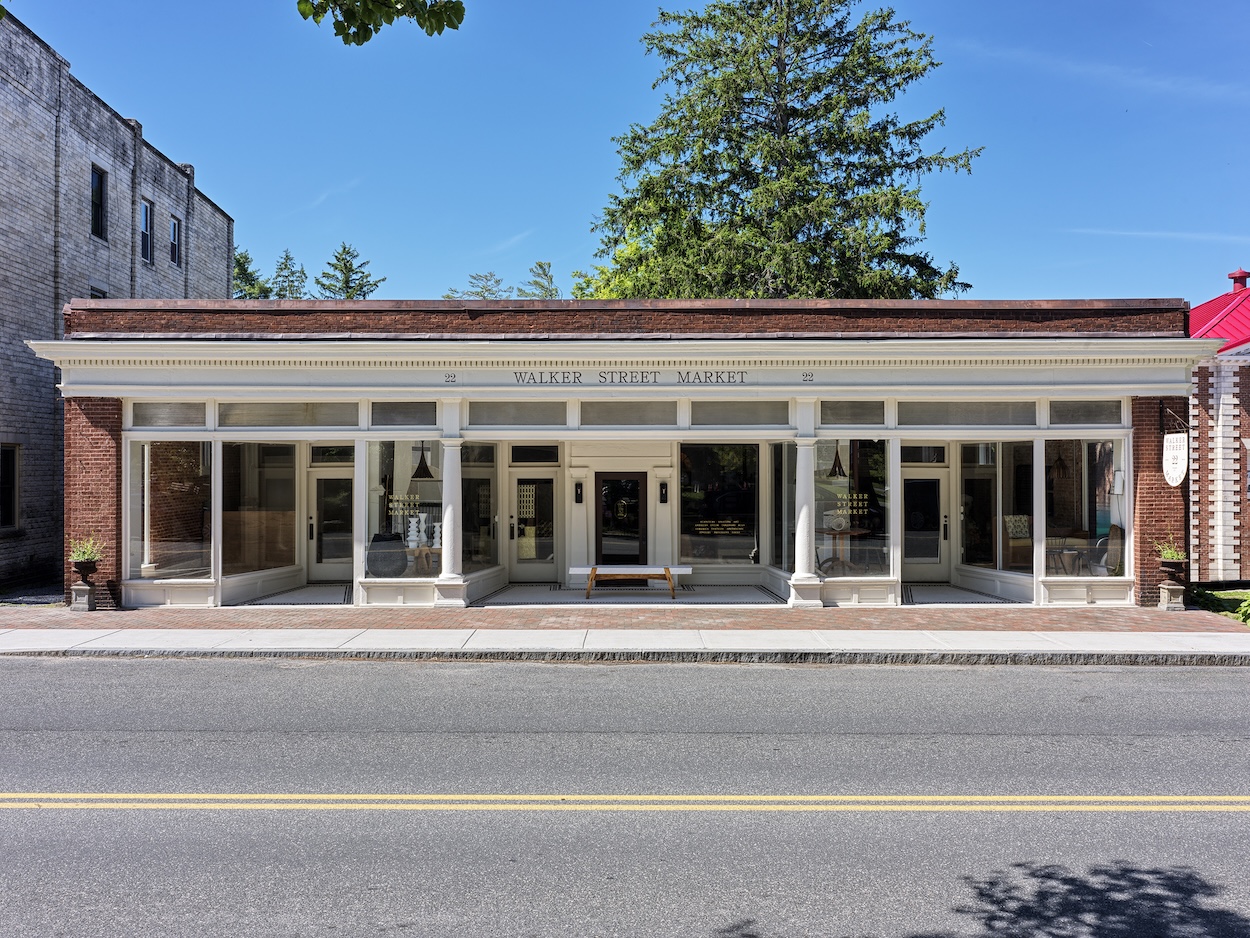
This July, Walker Street Market (WSM) opens in Lenox, Massachusetts, inside a building that once housed a general store and, later, Dee’s Department Store. The new design and interiors gallery is led by Matthew Ames, a former fashion designer who spent the 2000s working in New York before leaving the industry to pursue a slower, more intentional practice. Walker Street Market brings together more than 70 artists and designers working across wood, ceramics, glass, metal, and textile, with the building’s history and the Berkshires’ longstanding craft traditions, including the Shakers, as a backdrop. For Surface, Ames traces his path from fashion to design, explains how the collection came together piece by piece, and describes what pulled him toward the Berkshires.
Inside the Berkshires' New Home for Handmade Design, Walker Street Market
Led by Matthew Ames, the space aims to bring communities, artists, and makers into conversation, along with the personal stories behind their work.
Sofia Quintero July 10, 2026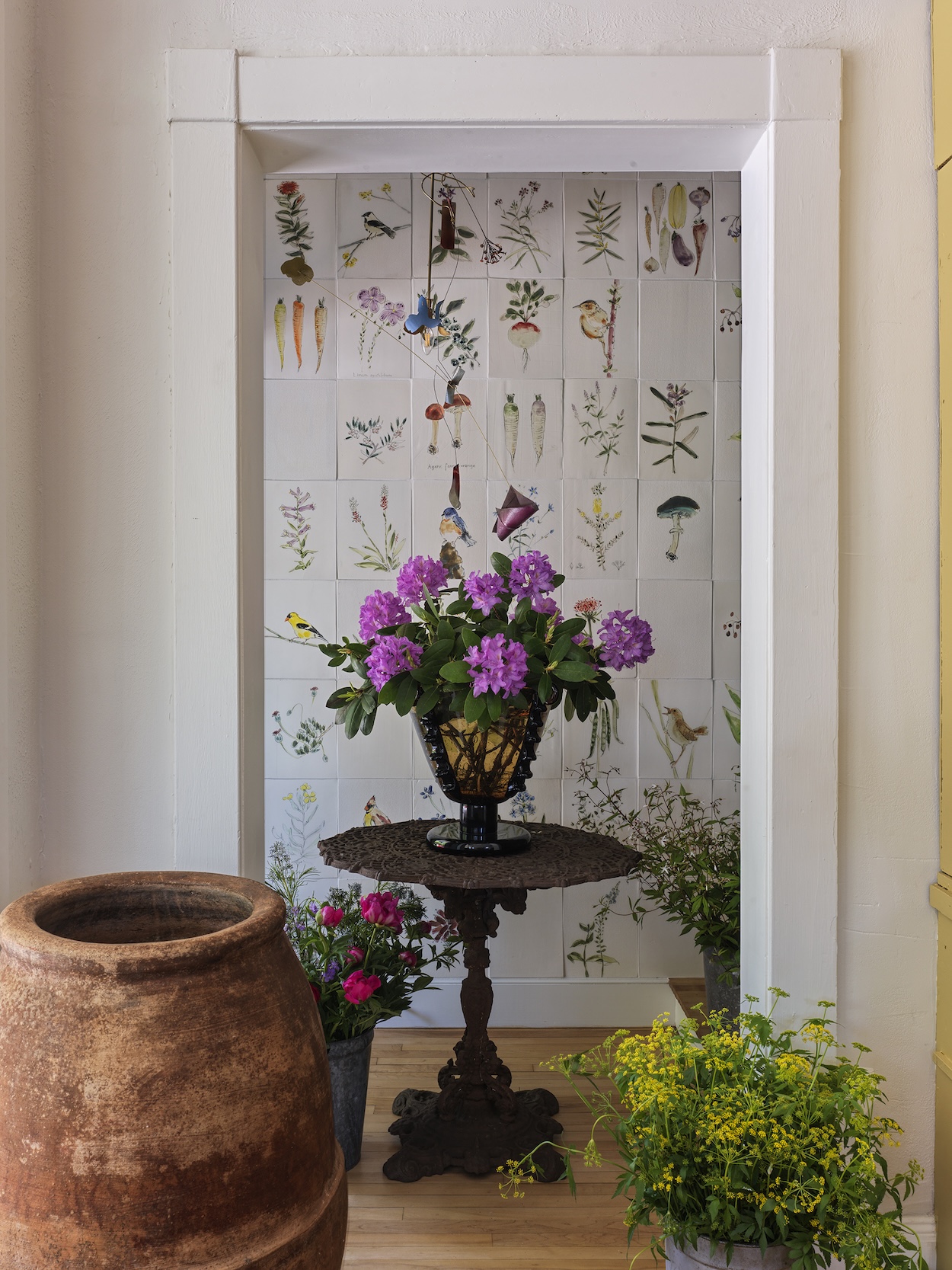
You launched your career as a fashion designer, releasing several collections, before pivoting to interior design. Was there a specific moment or realization that pulled you out of fashion and into arts and design more broadly?
There wasn’t a specific moment, but around 2011 I started feeling a shift in the direction the fashion industry was heading that I didn’t feel connected to. There was a lot of pressure to move faster and produce more collections, and I felt I needed to slow down, take my time with things, and ensure I was creating things intentionally. I’ve always wanted to put things into the world that are thoughtful, timeless, and made to last. Arts and design in relation to interiors has always been a passion of mine, so it was a natural transition that allowed me to work at a pace better fit for me.
You’ve described Walker Street Market as being “about connection.” Was there a feeling you had for the space before any artists were selected?
I feel human connection is lacking in our world today, so I wanted the space to foster connections between communities, artists, and makers, and the personal stories behind their work. I wanted WSM to be a place where visitors could experience artists’ work in person and feel connected to the human hands that made it. I believe it is more imperative than ever to have physical spaces which are tangible, grounding, and bring people together.
The building has lived several lives. What did you find when you first walked through it, and what made you confident it could become this?
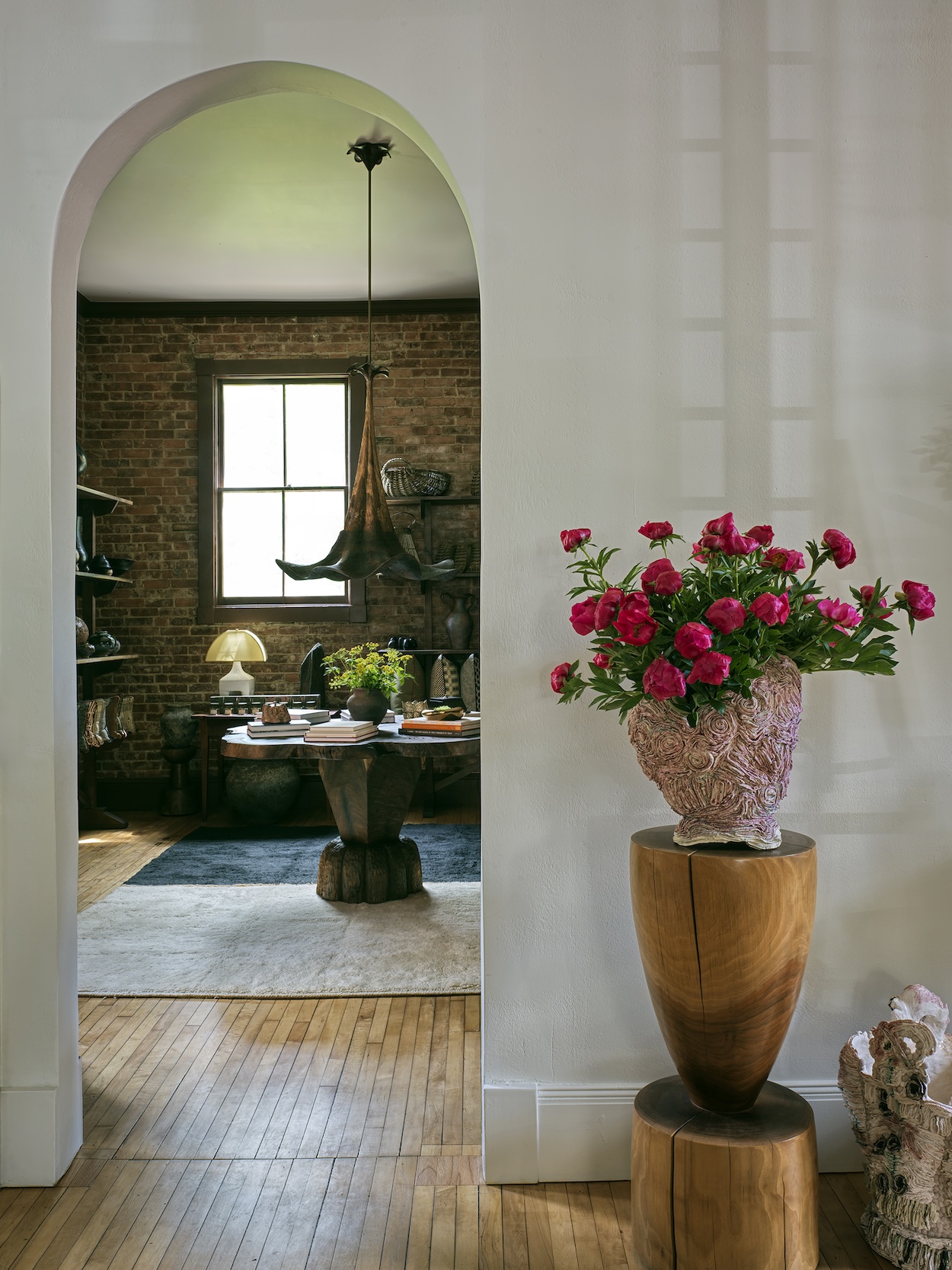
I felt the history and the many lives it had lived. There was a time when 22 Walker Street was a cornerstone of the community—initially, a general store, and later known as Dee’s Department Store. Many people shared stories with me about their memories here, so I knew the building was already a place that brought people together. There were also so many beautiful architectural details hidden by layers of time, waiting to be rediscovered. I knew this was a place that reflected the layers of history in the area and would be the perfect backdrop for the stories behind the artists’ work that I wanted to share.
With more than 70 artists and designers represented, how did you approach the element of curation?
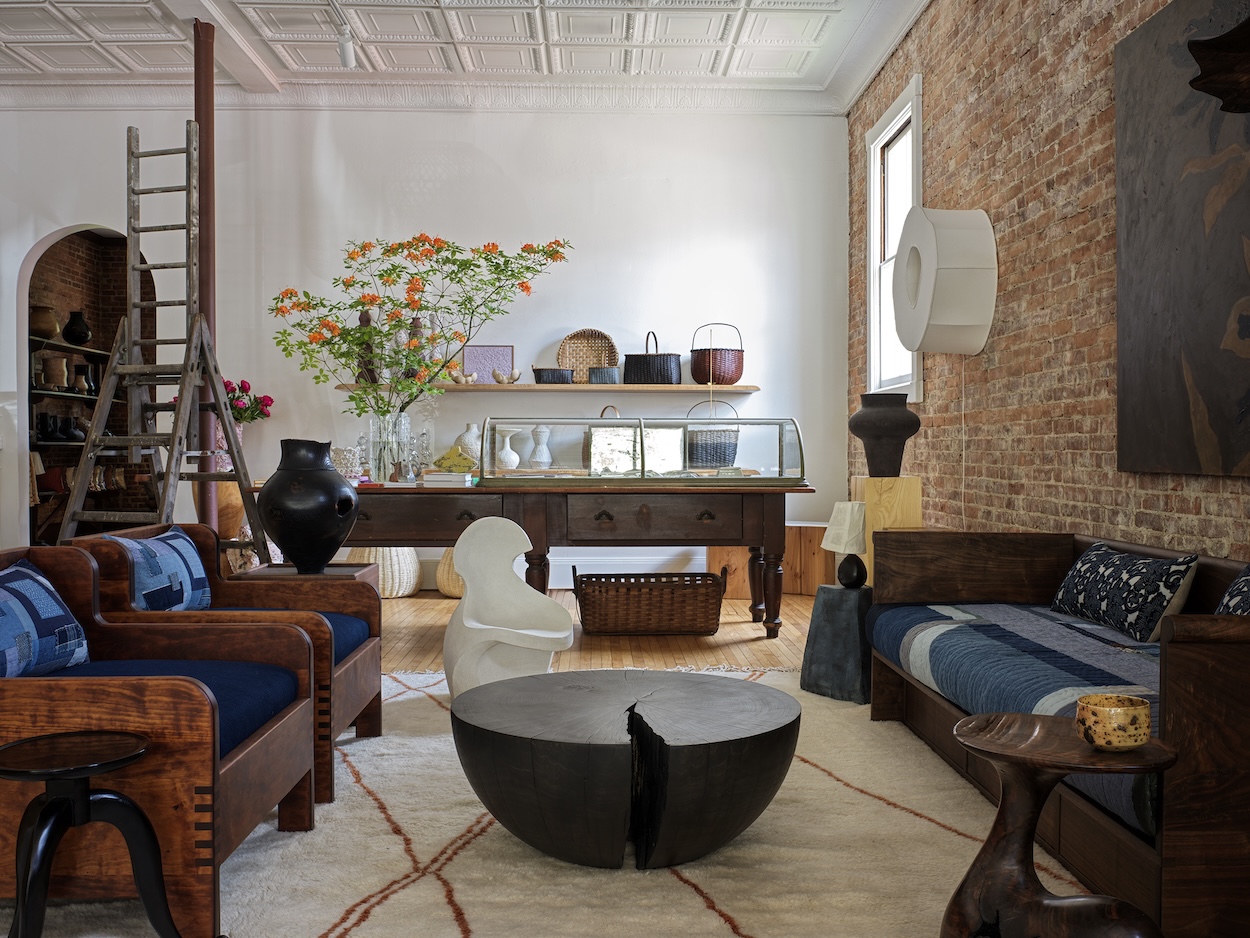
The common thread among all the work at WSM is the focus on craft and craftsmanship. Work that is made by hand whether it’s woodcraft, ceramics, glass, metal, or textiles. Existing in the Berkshires, I also explored a connection to the natural world through the materiality of the objects I selected as well as to the history of craft in the area as told through the Shakers. The work at WSM ranges from artists whose work is rooted in tradition to those exploring material and form in new ways.
A number of pieces were made specifically for this space. How collaborative was that process between you, the architecture, and the artists?
I reached out to a number of artists early on to work with me on creating special pieces or permanent installations for the space. I wanted WSM to be an exploratory experience, offering different environments for people to discover. The building’s unique architecture helped define those environments, but the challenge was connecting the past with the present. I love collaboration, so working with different artists to bring these various spaces to life was a dream. As a designer myself, I think it’s important to give artists freedom to create, so I don’t like to give too many parameters. I work with artists because I love what they make, so allowing them space to do that is how I feel we create the most exciting things together.
Many of your artists work in very old traditions. How do you balance that historical rootedness with work that’s more experimental?
There is a range of work from pieces rooted in history and traditional craft methods to work that pushes the limits of materiality and form. Creating connections between the past and present and initiating dialogue amongst the various artists and types of work is one of the exciting aspects of WSM. All of the artists whose work is at WSM have their own language, and seeing them in conversation with one another is hopefully inspiring.
What is it about the Berkshires specifically that you think makes it the perfect ground for this kind of slow, materials-driven craft?
The Berkshires have a long history of artists and craftspeople such as the Shakers working here. There are also many artistic and cultural destinations, such as Tanglewood, Jacob’s Pillow, and Mass MoCA, so the area has a great appreciation for art and design. It’s immersed in a beautiful lush mountain landscape that forces one to slow down and hopefully appreciate the world from a different perspective. I believe that viewing the work at WSM within the greater context of the surrounding area of the Berkshires brings greater depth, and I hope connection, to this type of craft focused work.
You’ve spoken about living “intentionally with well-chosen objects.” What do you hope visitors take away about how they choose to live?
All of the work at WSM is created with so much thought and intention. They are pieces rooted in craft and craftsmanship that took time to make and will outlive me. I want WSM to be a place that welcomes everyone interested in discovering and learning about this kind of work. It’s a place to explore and be inspired by the artists whose work is on display and the context within which it’s shown. I hope it makes people think more thoughtfully about how they consume and the objects they choose to surround themselves.