Here, we ask designers to take a selfie and give us an inside look at their life.
Occupation: Architects.
Instagram: @sidellpakravan.
Home Town: Rudy: Chicago, Illinois. Kristen: Fort Myers, Florida.
Studio Location: Berkeley, California.
Describe what you make: We love to make bold architecture that reframes its context. We try to make buildings as often as possible but it’s harder than it sounds! The complexities of policy, land use, and budgets sometimes get in the way of making spaces that heighten awareness of the beauty around us. We do enjoy, however, navigating the journey and getting those spaces built.
Before founding the studio together, Rudy and I were close friends in graduate school. When we became business partners and founded our practice in Berkeley, California, we continued exploring our shared curiosity about what it means to build a studio that is both rigorous and responsive.
From private residences and ADUs to public projects and multi-family work, our design philosophy works across typologies. We want our spaces to cultivate community and create connection.
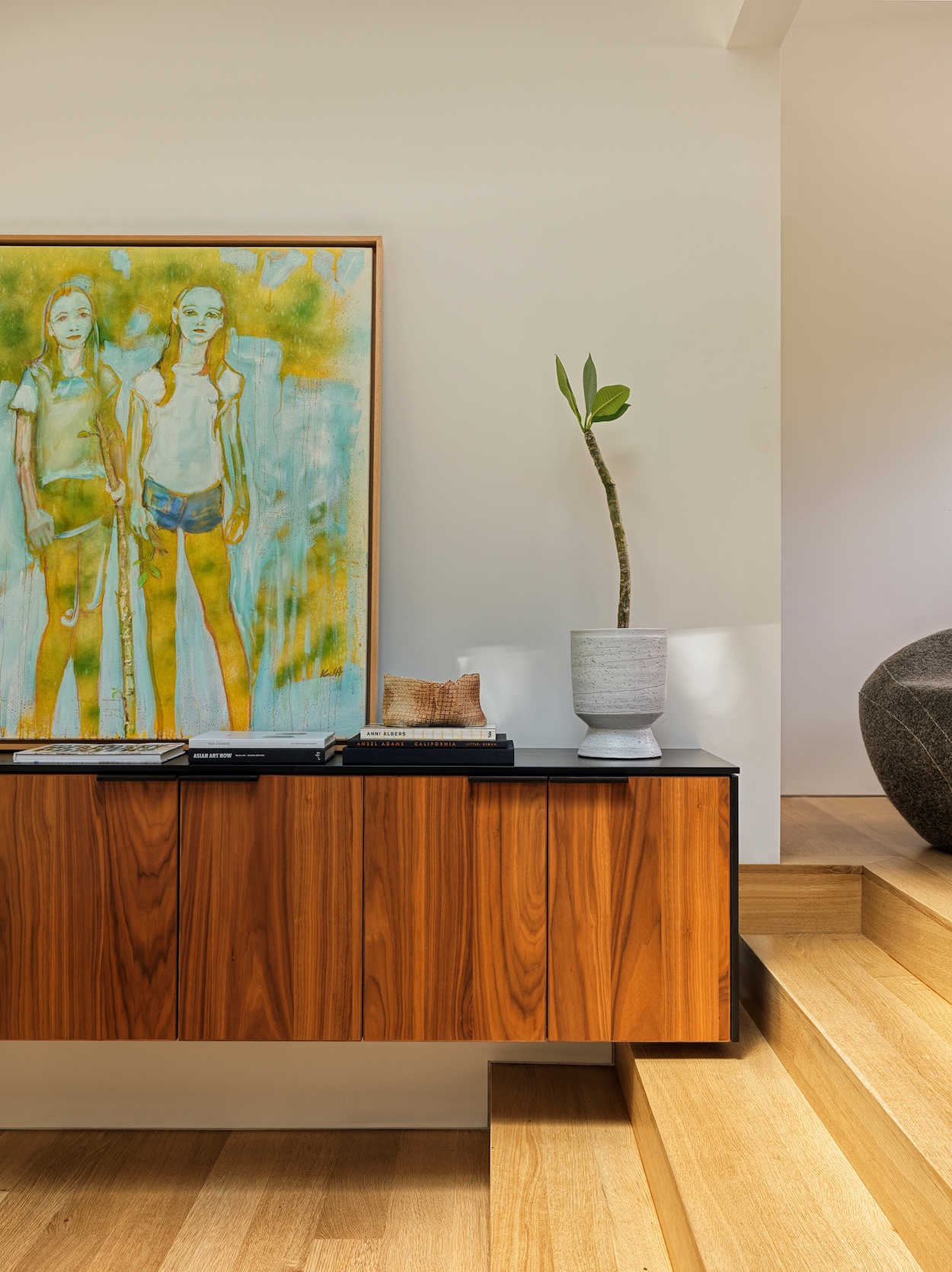
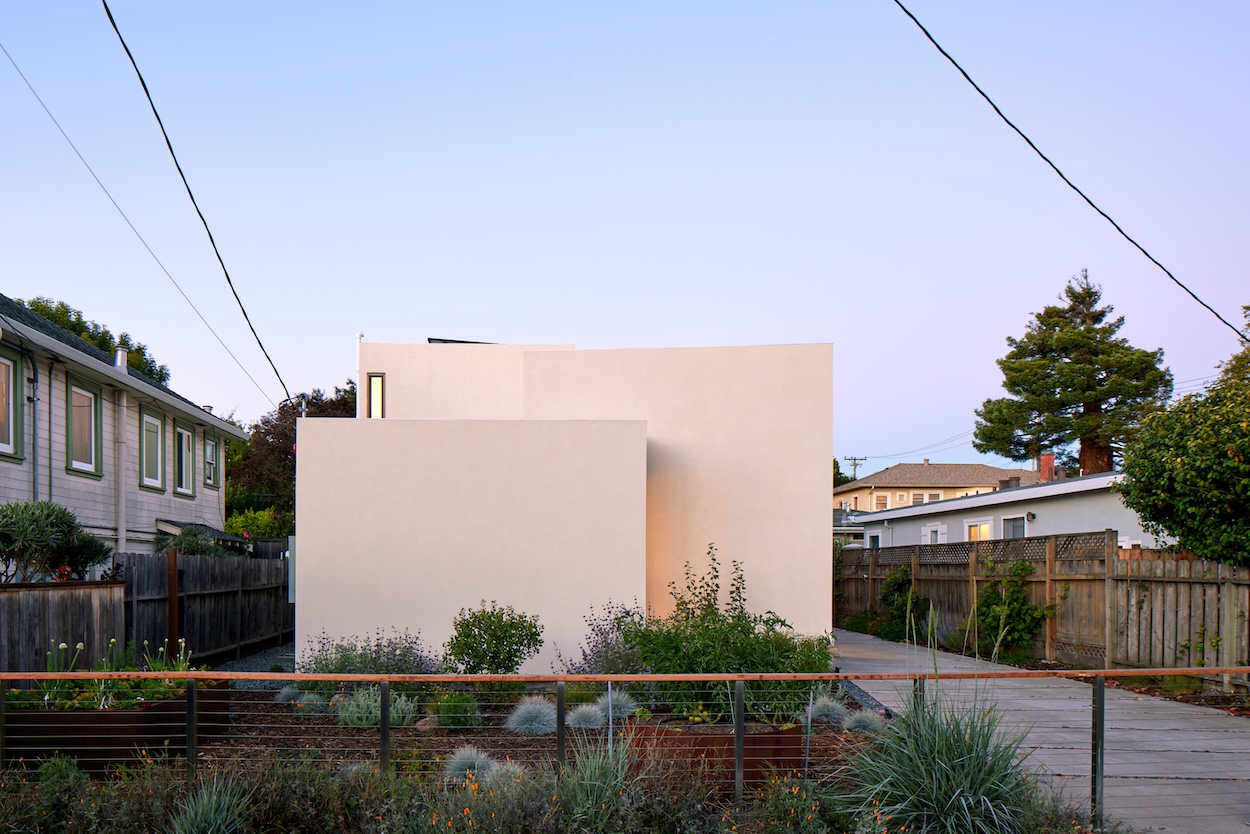
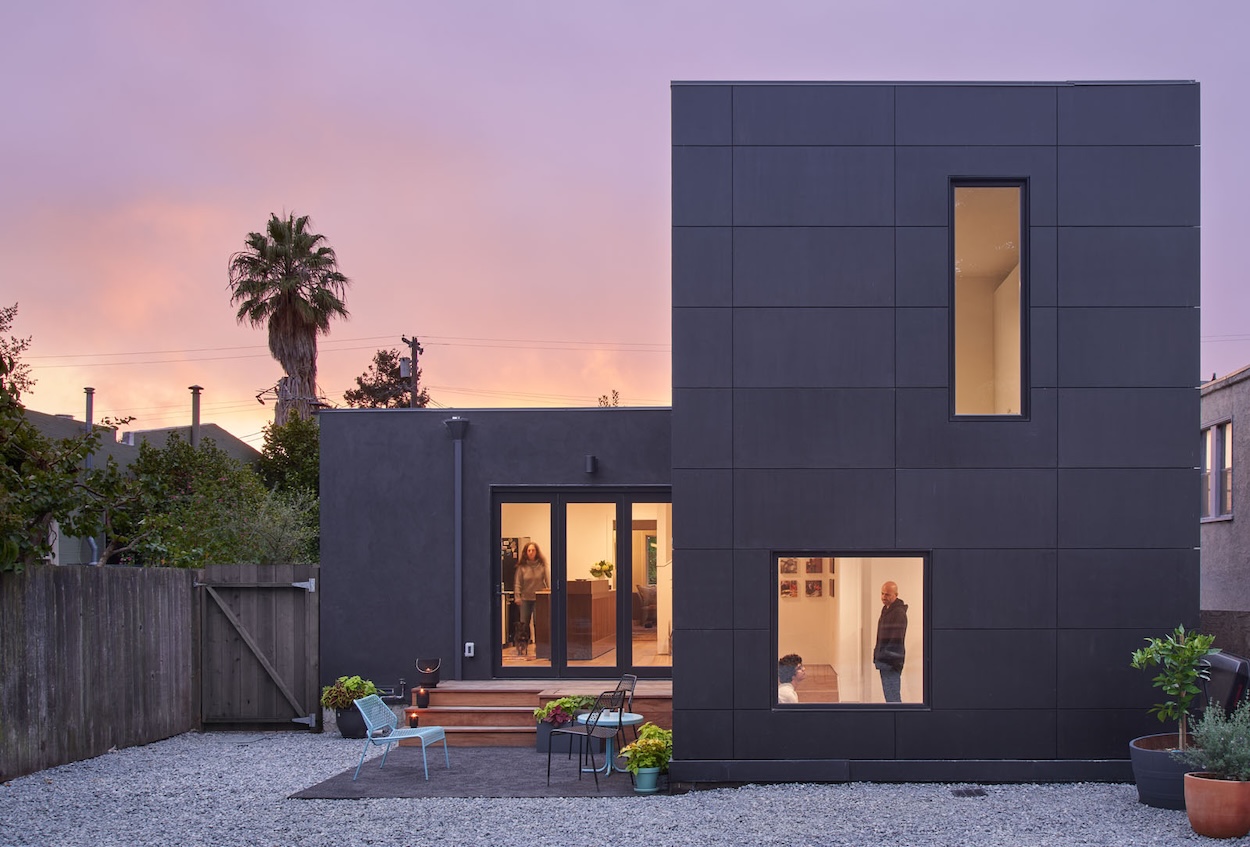
The most important thing you’ve designed to date: It’s hard to say if there’s one specific project that feels the most important, but there’s definitely something special about our Seventh Street project. It was our first ground-up project, and many of the things we care most deeply about in design—light, geometry, and the relationship between space and context—were thoughtfully considered and woven throughout the project. The house just feels monumental in its own way.
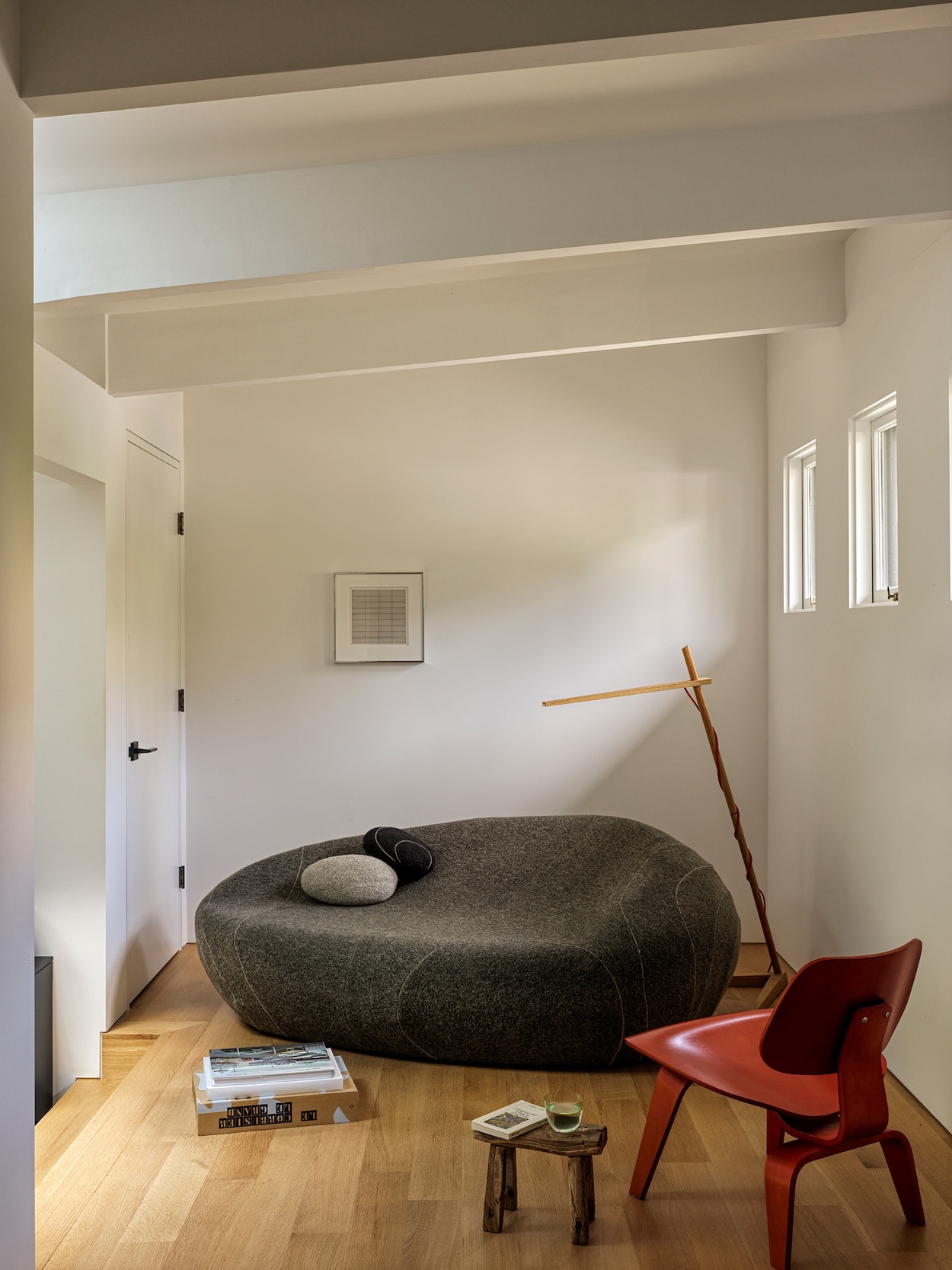
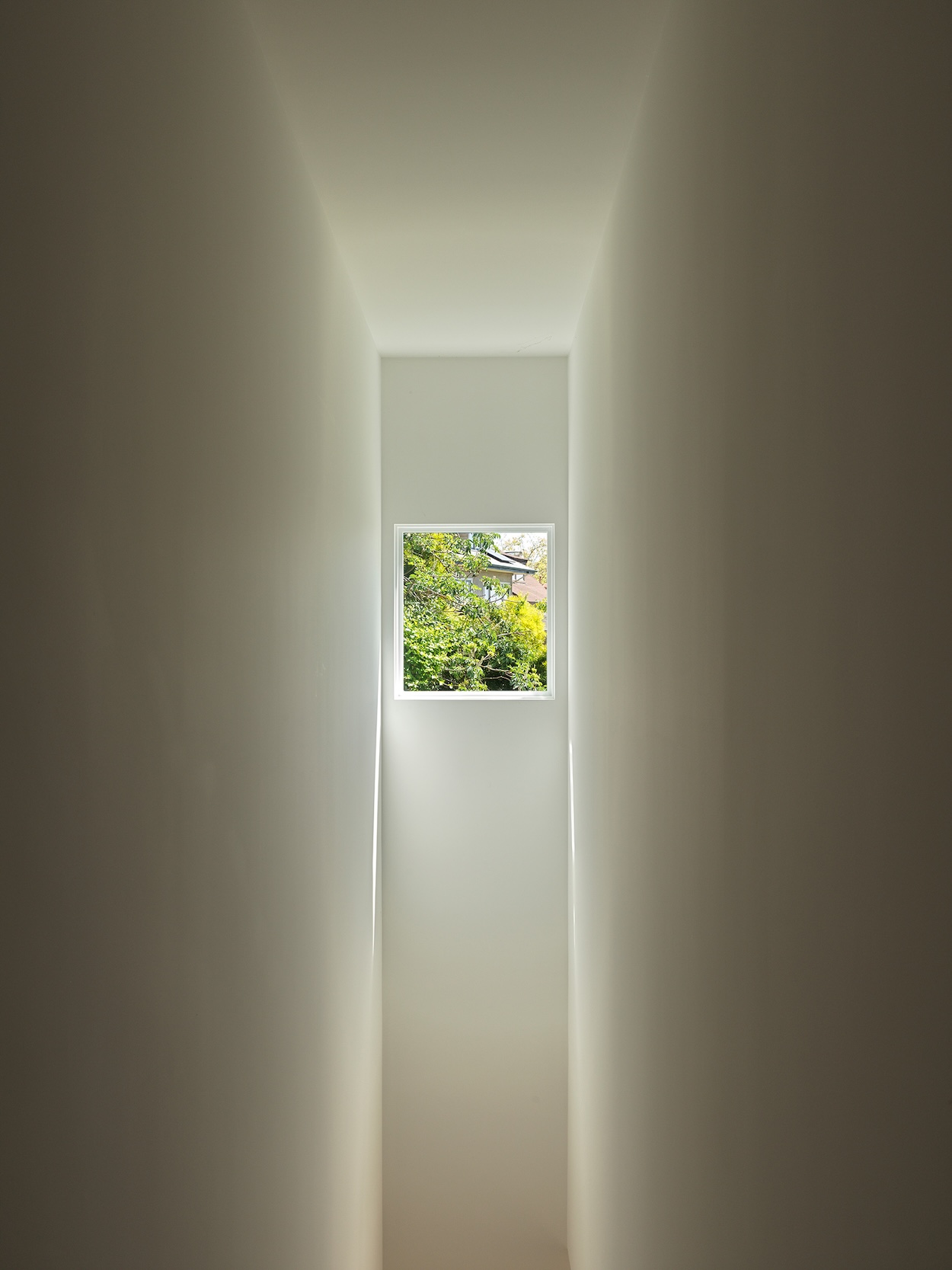
We have always appreciated the power of light and space to shape human experience and create inspiring architecture. As we complete more projects and work at different scales, we find that this fundamental question remains a consistent thread in our architecture. Although the Seventh Street Project is a house that has the familiar constituent parts, what we love about it is the choreographed views of the sky, the dramatic light projecting from upper level clerestories to the ground floor, and how simple forms yield unexpected connections across the living spaces.
Describe the problem your work solves: We like to think of architecture’s value as expanding possibilities rather than solving problems. Architecture can create unexpected forms of experience, social interaction, and engagement with the world. We love when our work reveals an overlooked condition, grounds you in the moment, or structures day-to-day experiences differently.
Advocacy and education have a strong presence in our work. This takes shape both in the studios we teach at UC Berkeley and in industry events we host. Most recently, this has centered around topics such as single-stair reform, or point access blocks, throughout California, as well as reframing the common assumption that design is a luxurious, unnecessary, or costly element that distracts from broader urban concerns like affordability and density. Instead, we’re interested in showing how thoughtful, well-executed design can create and offer influential, lasting improvements at both the individual and societal levels.
Share the project you are working on now: After our entry was shortlisted in the National Single Stair Competition, we realized that our design work can also become a tool to advocate for better solutions in other aspects of the housing conversation: policy, access, and building code. Through this, we’ve started partnering with some local think tanks to do hybrid design and research work that will propose new approaches to developing multi-family and missing middle housing. This speculative work balances out the pure design work by forcing us to test our spatial ideas in the context of new codes, developers’ financial pro formas, and neighborhood groups. We always really value looking at the production of architecture through multiple lenses: formal, spatial, land use, etc.
We’re also working on a private residence in Napa Valley that we can’t wait to wrap up. It brings together so many of the architectural and design components that feel like defining elements of our practice, so it’s really great to see all of these being embodied in one space.
What you absolutely have to have in your studio: There’s a strong gravitation within the studio toward exchange and sharing cultural experiences or inspiration gathered through travel. People frequently return from trips with chocolate or small objects to share with the team, while Fridays rarely pass without pastries in the office. The occasional chocolate chip cookie taste-off has also become an informal studio ritual that adds to the energy of the space—and probably speaks to the fact that we all have a bit of a sweet tooth.
All of us also have a keen attentiveness to light within the office—how it shifts throughout the day, the changing tones in the sky, and the ways atmosphere subtly shapes our experience, how we work, and our day-to-day mood. Because of this, ample light, both natural and artificial, is a critical element within the studio environment.
What you do when you’re not working: We’re usually looking for ways to recharge creatively and create space for our minds to wander a bit. Most often, this means visiting art galleries and museums, traveling, or spending time outdoors in the Bay Area. While Rudy loves going on hikes in the Berkeley Hills, Kristen loves sailing, either locally on the San Francisco Bay or when traveling to far-flung destinations like the South Pacific, Mediterranean, or the Caribbean.
Sources of creative envy (dead or alive): William Kentridge and Walter de Maria.
We took a work trip together to New York City last spring and squeezed in a couple of gallery visits. The William Kentridge and Walter de Maria shows really shaped the trip even though both are so different. One is dead, and one is alive. One is quite quiet while the other is expressive and playful, yet there was so much magic in both. Although both were in gallery spaces, the different character of each highlighted how our contemporary culture thinks about the role and place of creative work. One was on view (William Kentridge) in an active gallery perpetuating sales and newness – while the other (Walter de Maria) is just kind of tucked into this Soho gallery, there forever, but no one knows it’s there. The dialogue between the two experiences and types of art reminded us to appreciate that we need to always consider specificity of site and experience in how we shape the creative production of architecture.
The distraction you want to eliminate: Screentime for sure. It’s why stepping outside of the studio to teach, or to view art or to host events is so meaningful for our practice; it allows us to engage in this discipline in different ways.
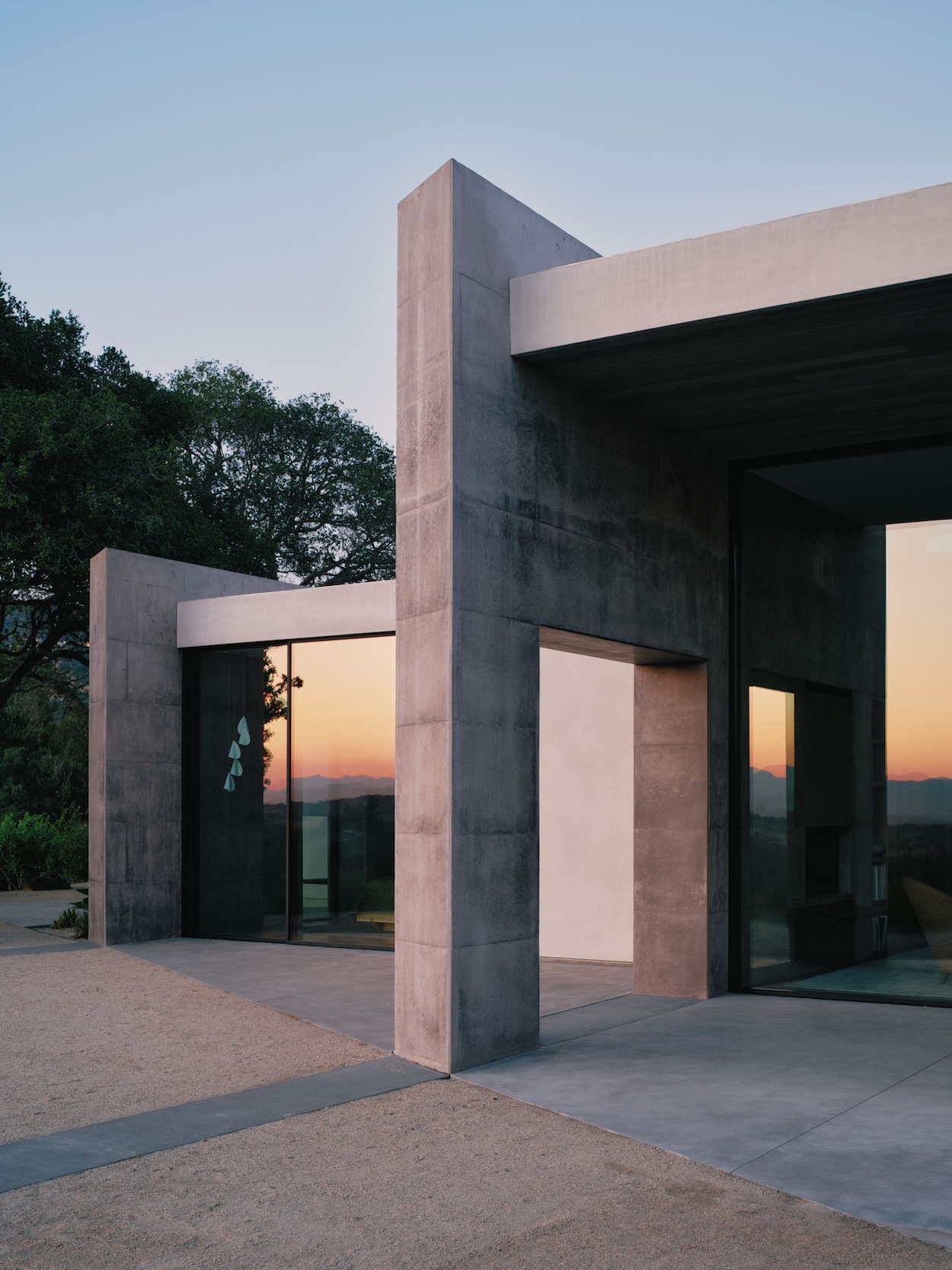
Concrete or marble? I think anyone who has looked at our work knows the answer to that!
High-Rise Or Townhouse? Both? Depends on the city.
Remember Or Forget? Remember.
Dark Or Light? Can’t have one without the other.