On June 26, Washington D.C.’s National Geographic Museum of Exploration (MOE) reopened its doors following four years of closure for a $300 million renovation and expansion. Designed by architecture firms Hickok Cole and OLIN, the expansive museum, located on M Street for 138 years, now totals more than 100,000 square feet. Within, artifacts and an immense photo archive are joined by a 400-seat theater and interactive technologies that heighten the visitor experience (like the 270-degree “Geoverse” screen).
The Rolex Explorers Landing Opens in the National Geographic Museum of Exploration
David Graver July 02, 2026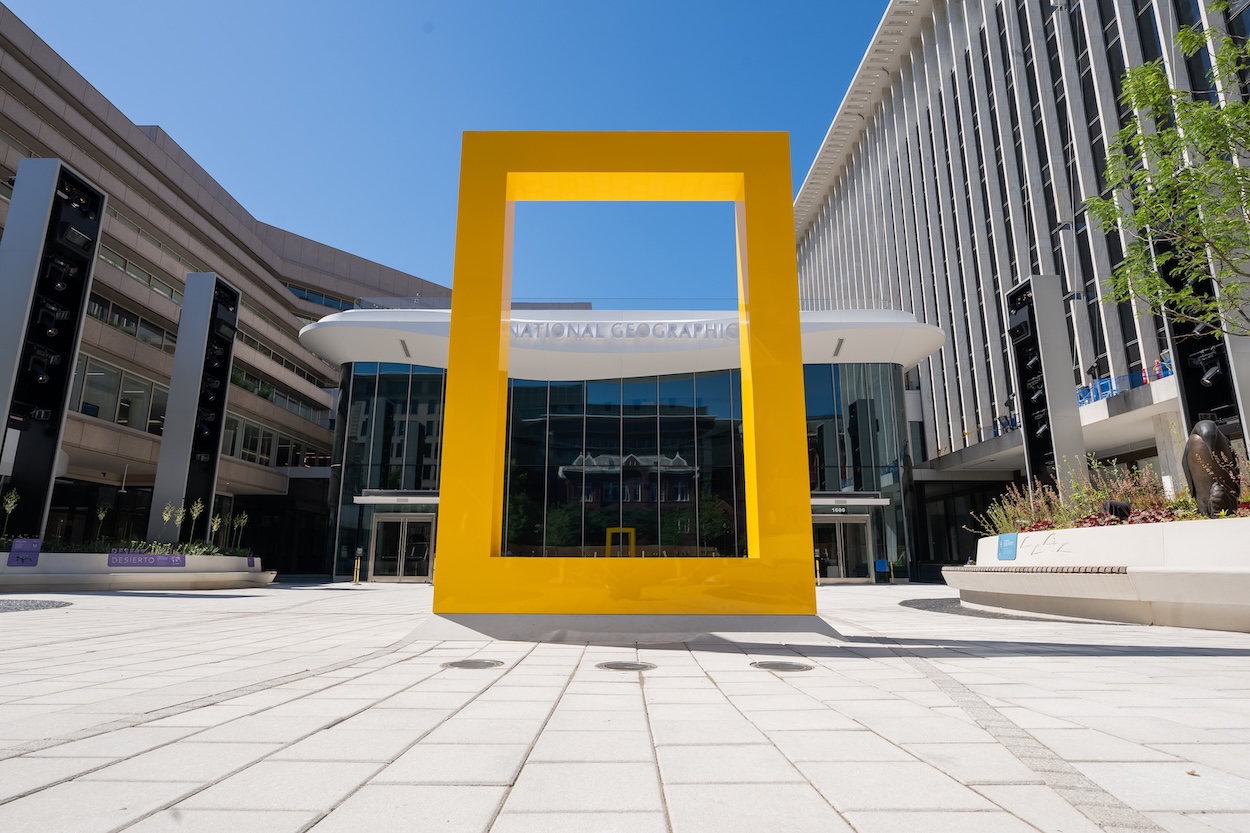
National Geographic Museum of Exploration exterior image courtesy of Joy Asico-Smith and National Geographic
…
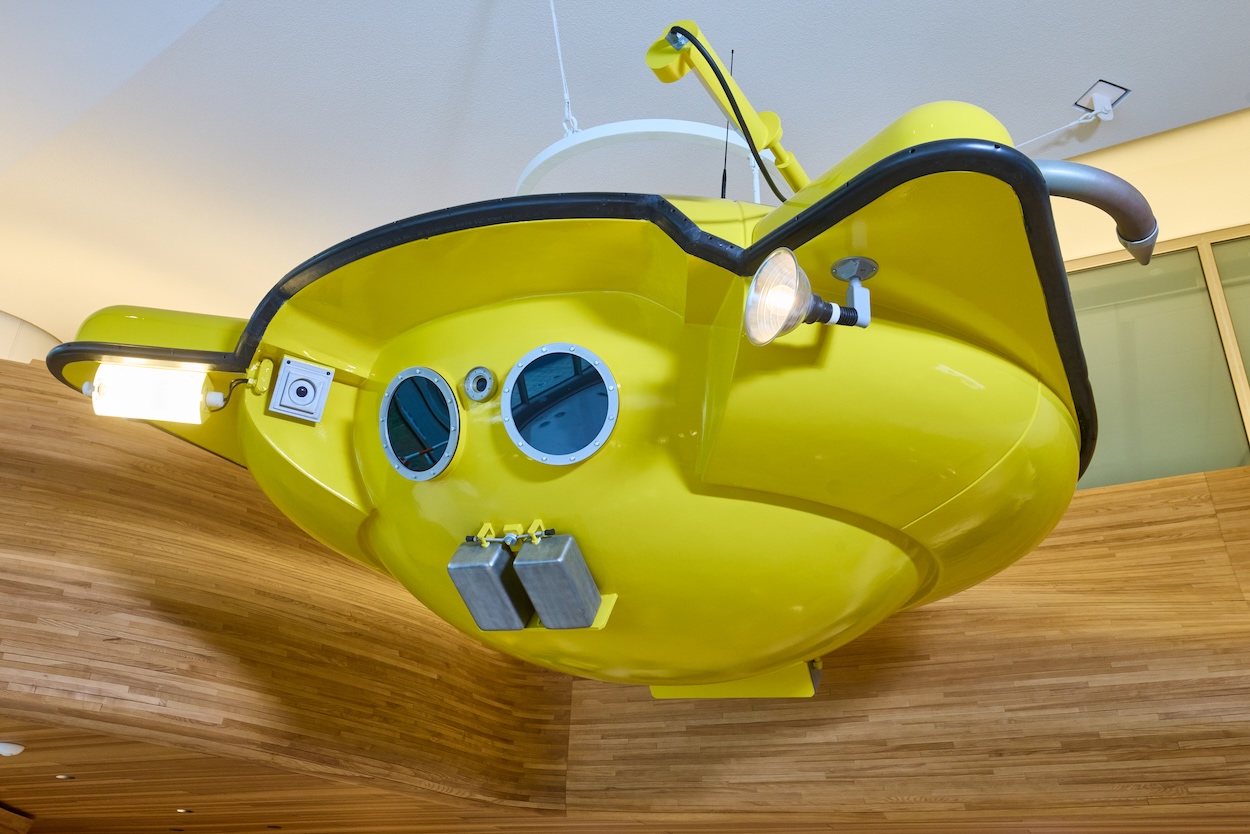
National Geographic Museum of Exploration, Washington, D.C., May 27, 2026: National Geographic Society staff experience the Museum of Exploration (MOE) during this preview Staff Day before it opens to the public. Rolex Explorers Landing includes a reproduction of the Soucoupe SP-350 Denise.
…
On MOE’s second floor, the Rolex Explorers Landing invites visitors to navigate the narratives (and global impact) of National Geographic Explorers. Rolex has been a National Geographic partner for 70 years and contributed an astonishing $100 million toward the museum’s transformation. The Landing’s immersive exhibition has been divided into four thematic areas: Spark, Trek, Purpose, and Impact. Here, guests can get close to objects of profound significance like Jacques Cousteau’s soucoupe saucer, Dr. Sylvia Earle’s JIM armored diving suit, and the Explorer II gondola.
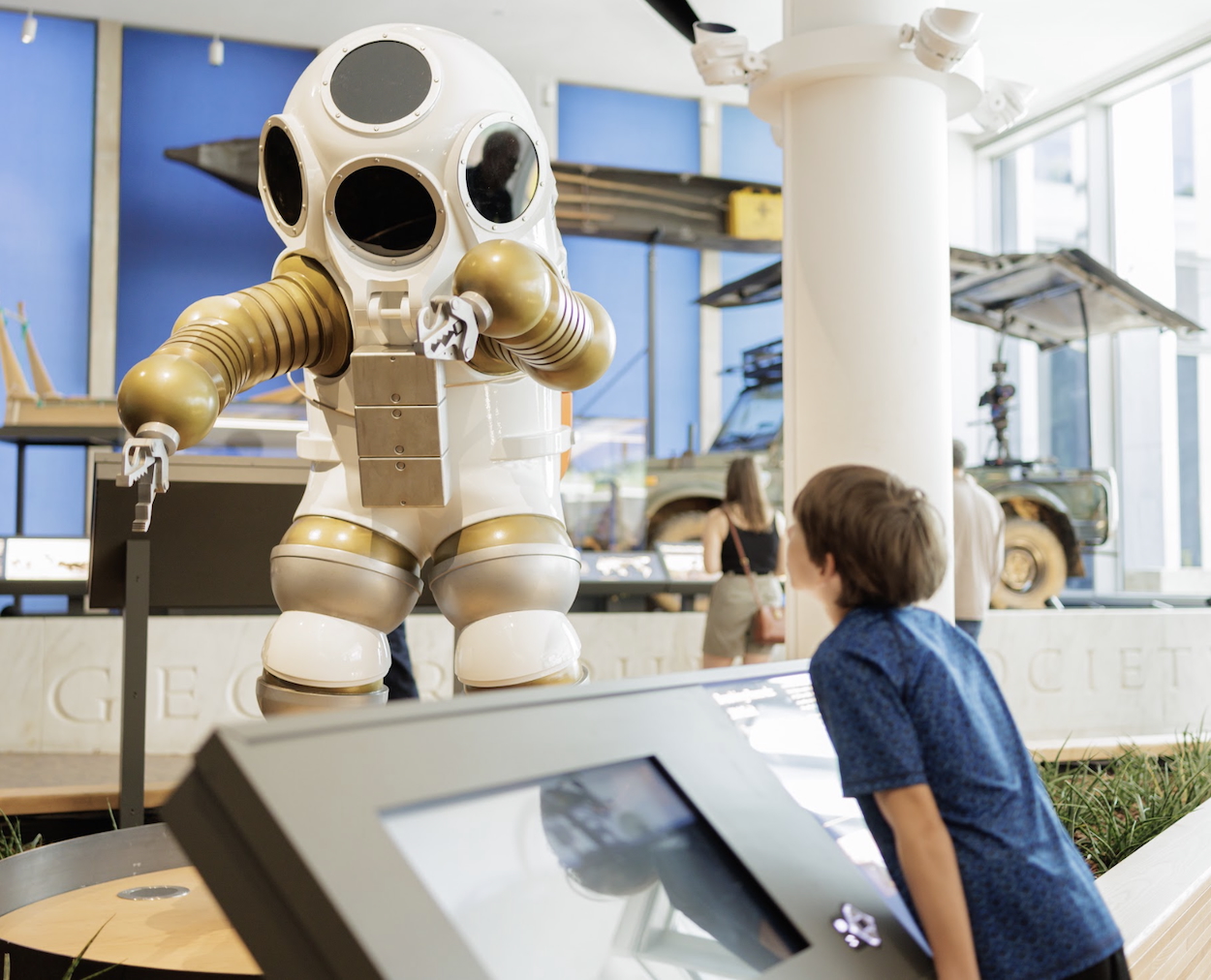
Inspiration abounds on the Rolex Explorers Landing and throughout the entire museum. “There is something very powerful about creating a space where exploration becomes real for people,” Arnaud Boetsch, Director Communication and Image, Rolex SA says. “Through the revamped Base Camp [the name for the entire National Geographic Society headquarters, upon which MOE rises], including the Rolex Explorers Landing, visitors will be able to see not only the achievements, but also the curiosity, commitment, and long-term effort behind them.”
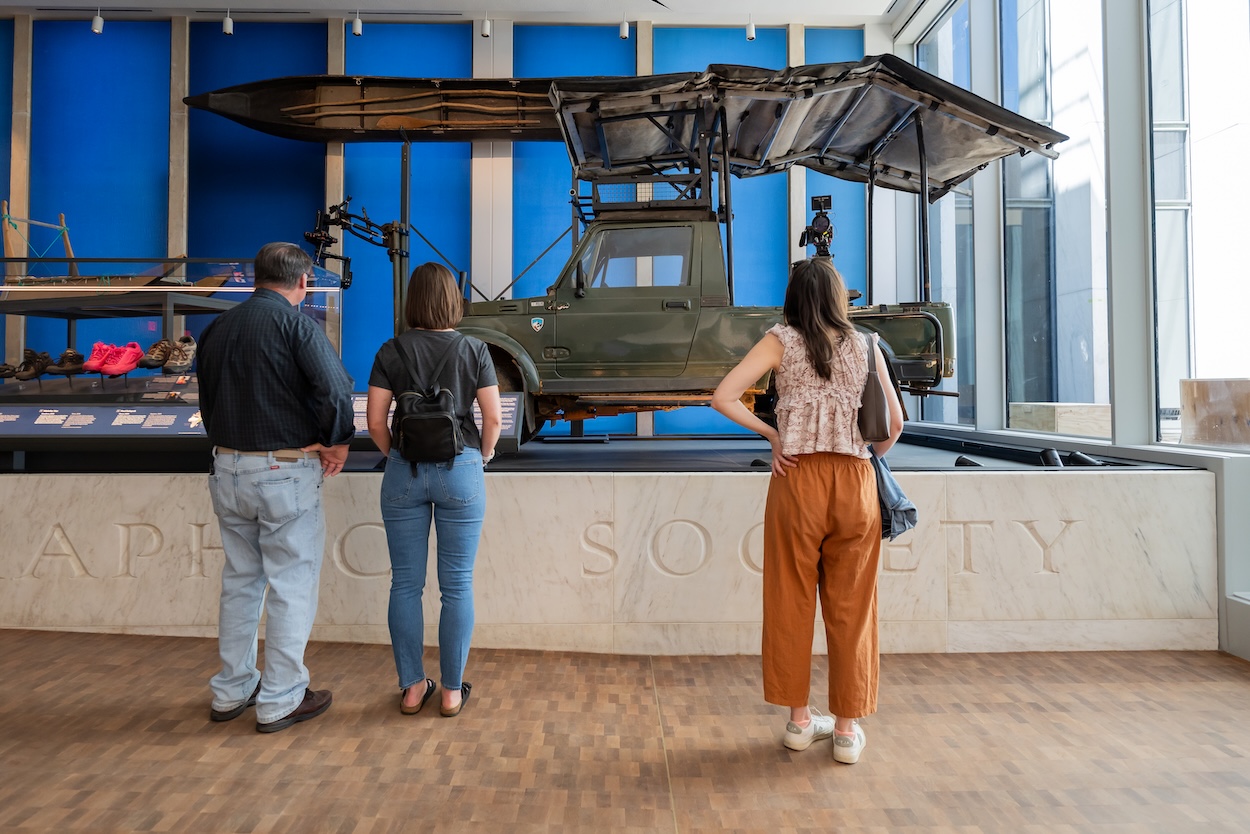
National Geographic Museum of Exploration, Washington, D.C., May 31, 2026: National Geographic Family and Friends Day. National Geographic staff and invited friends have the opportunity to preview the Museum of Exploration (MOE) before opening to the public. (Joy Asico-Smith / National Geographic). Rolex Explorers Landing.
…
Rolex is embedded in the world of exploration—from equipping Sir Edmund Hillary and Tenzing Norgay’s Mount Everest expedition (its first ever summit) in 1953 to establishing the Rolex National Geographic Explorer of the Year honor (this year awarded to Indian conservationist Krithi K. Karanth). In 2019, Rolex also introduced a long-term philanthropic program known as the Perpetual Planet Initiative to support explorers, scientists, and environmental organizations working toward the protection and preservation of the natural world.