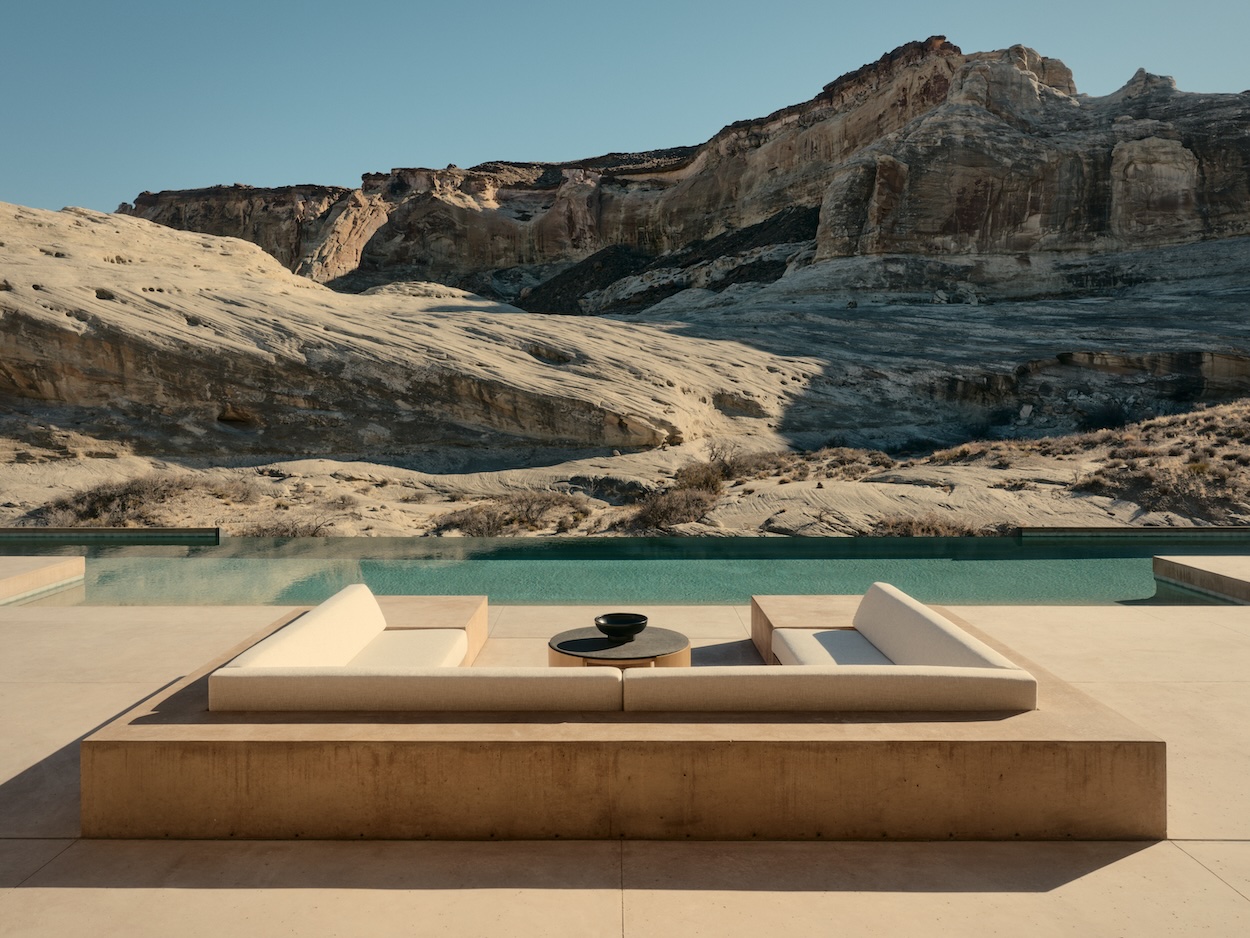
When Amangiri opened in 2009, the retreat’s architecture and interior design—led by Los Angeles–based MASASTUDIO—established a new style (and standard) of desert modernism, respectfully rising from and framing its surrounding landscape. Earlier this year, Amangiri received its first-ever addition, named Six-Bedroom Ridge Villa, a 12,000-square-foot sanctuary set on nine acres with its own private courtyard, 118-foot heated pool, and dedicated spa—all set to unobstructed views of the cliff faces of the Grand Staircase–Escalante National Monument. Designed by MASASTUDIO, it’s the first of 12 private residences to blend into the natural splendors of Utah’s Canyon Country.
MASASTUDIO’s Vision for Amangiri’s Six-Bedroom Ridge Villa
David Graver July 28, 2026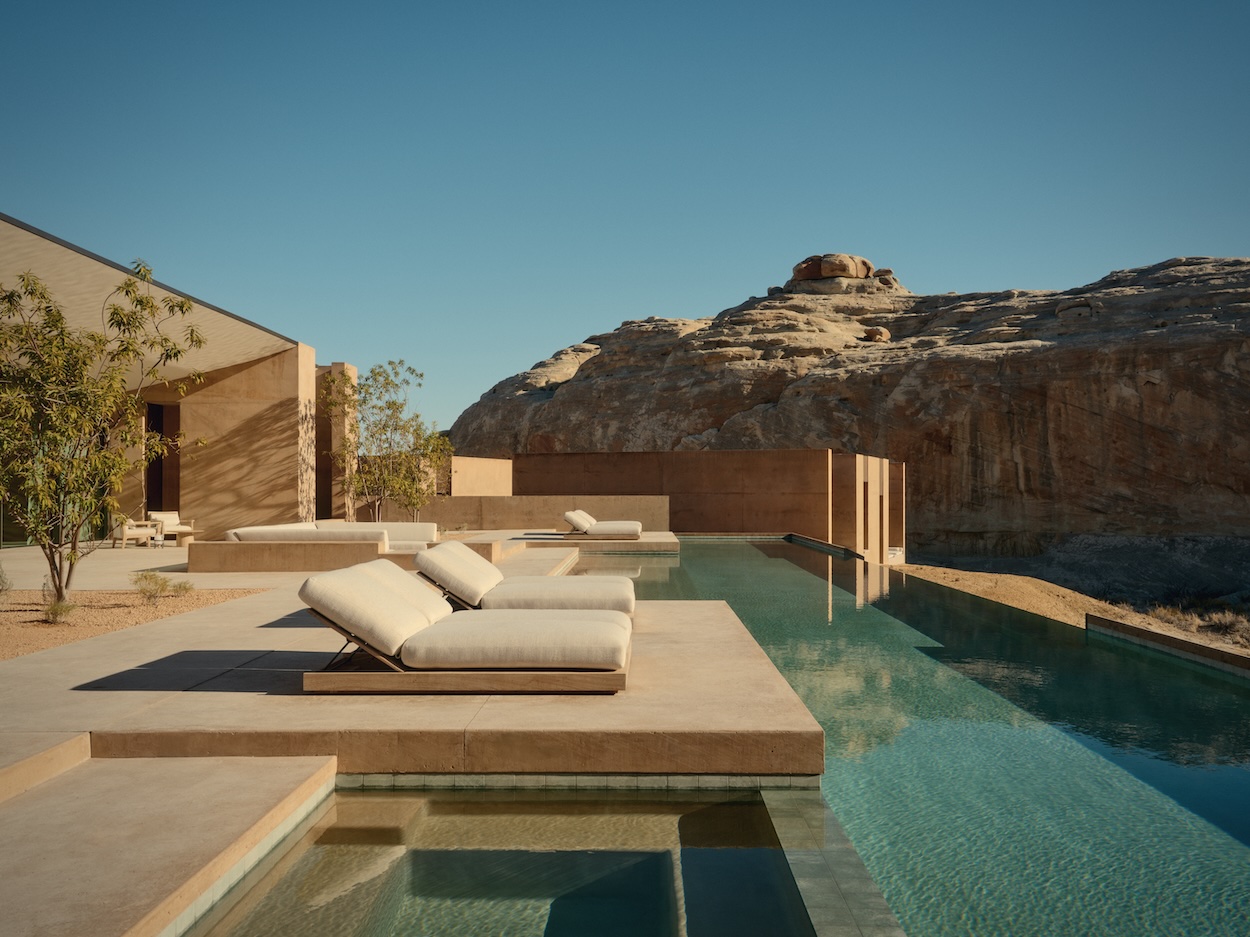
Courtesy of Aman
…
Courtesy of Aman
…
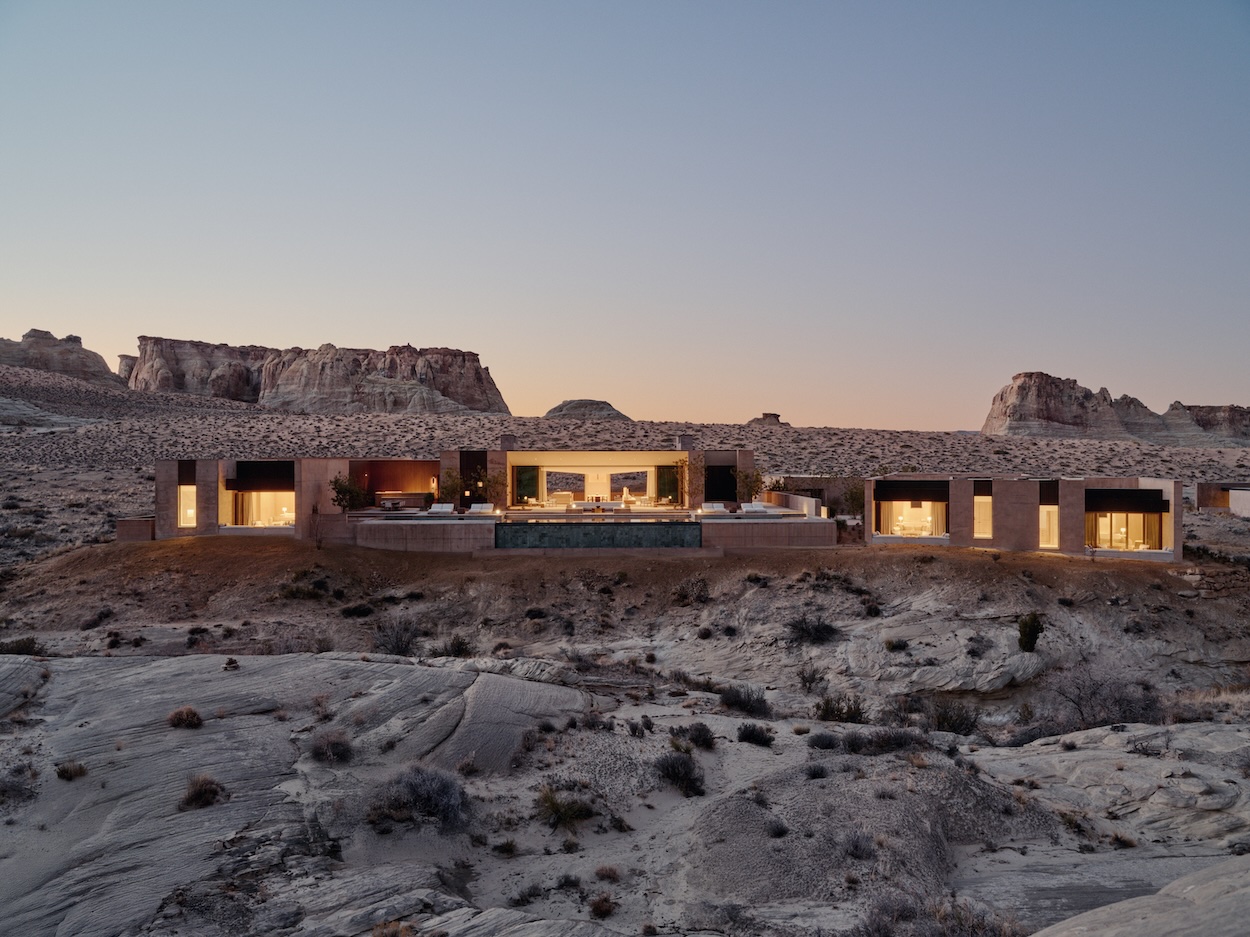
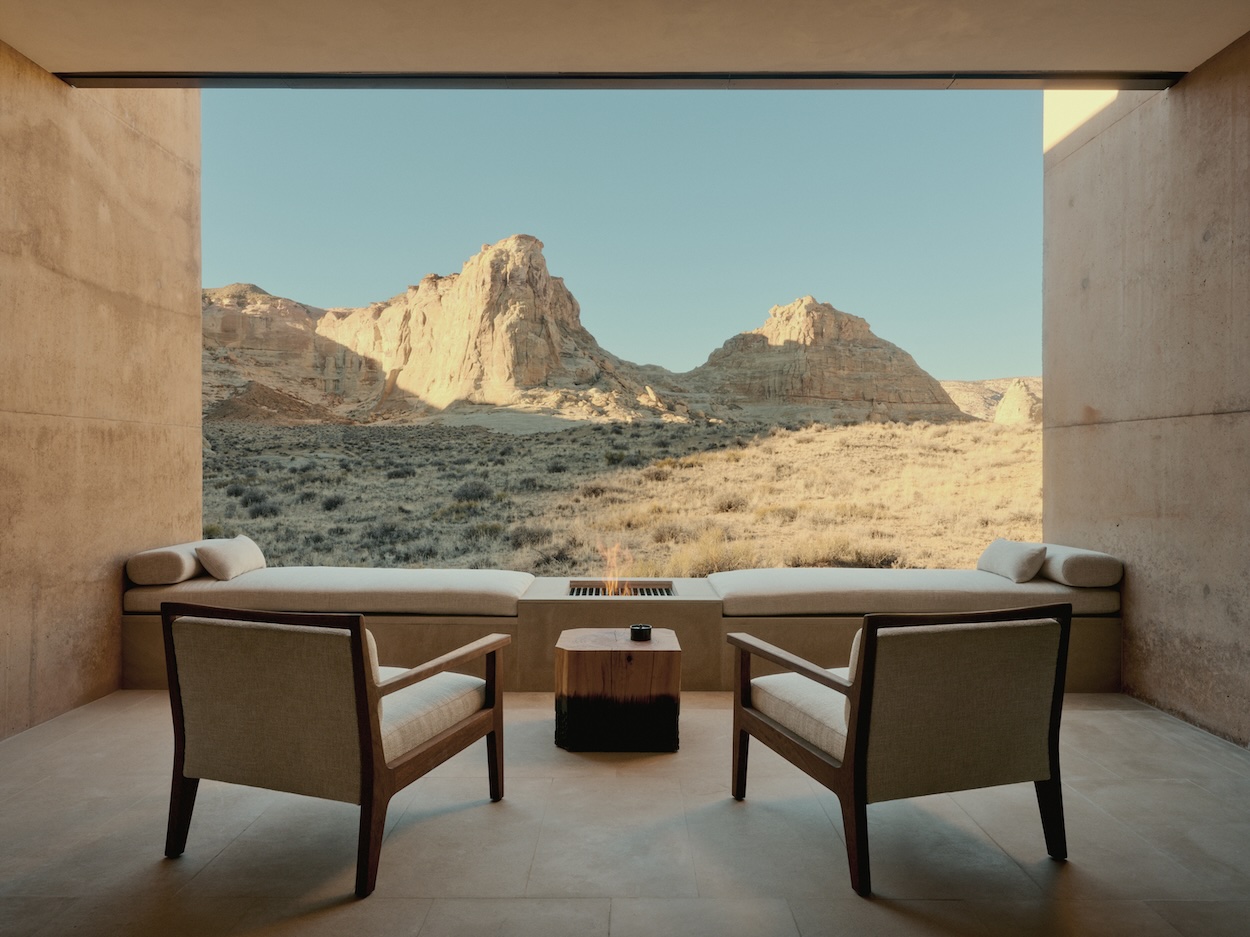
As with Amangiri’s primary footprint, the expansive six-bedroom villa complements the landscape and responds to subtle shifts in terrain. “Everything begins with listening to the land,” Marwan Al-Sayed, founding principal of MASASTUDIO, tells Surface. “We have always believed that architecture should emerge from a place rather than be imposed upon it. The high-desert landscape of Utah is incredibly powerful—its geology, light, scale, and silence all possess a presence of their own, and our obligation was to create a harmonious connection to it.”
Courtesy of Aman
…
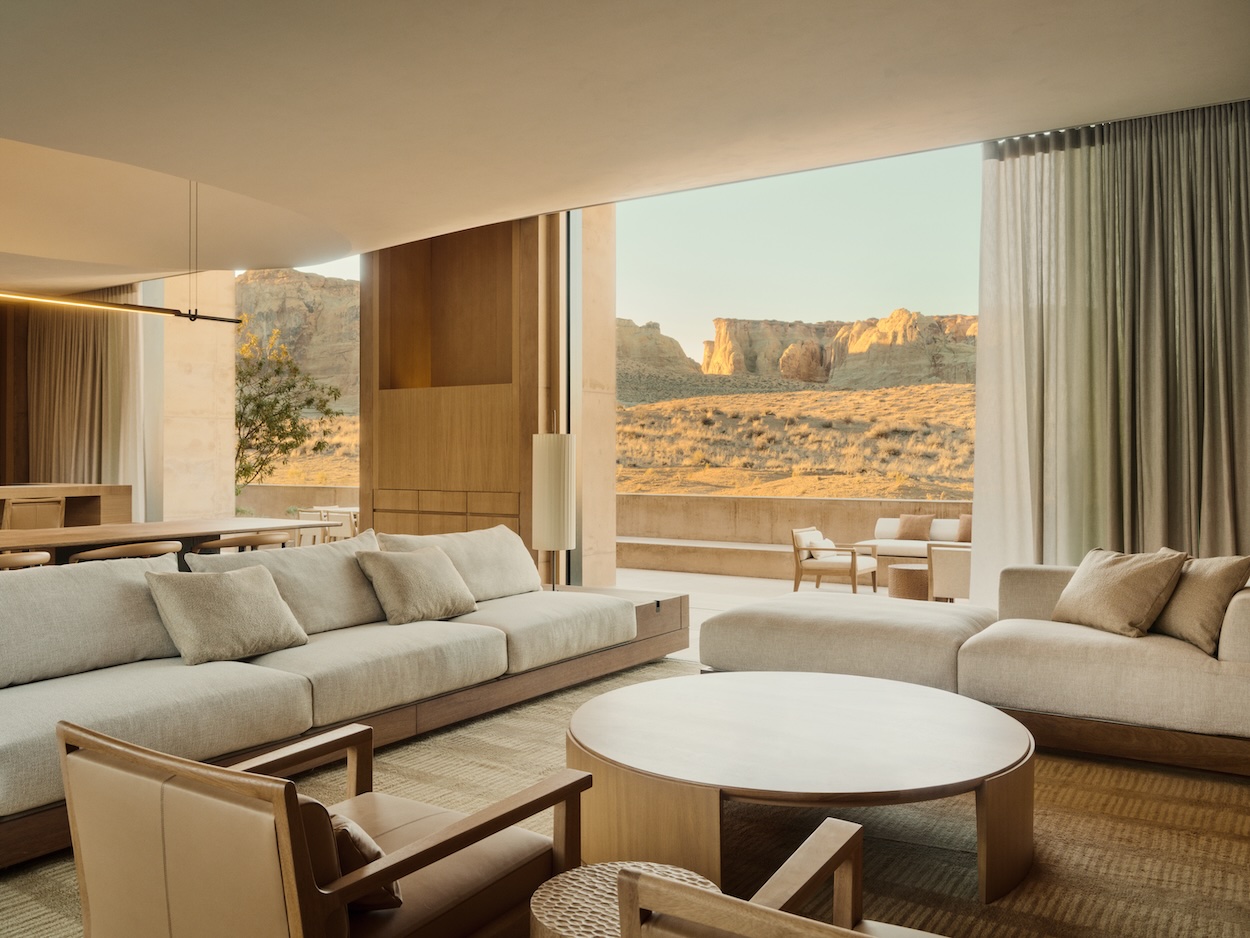
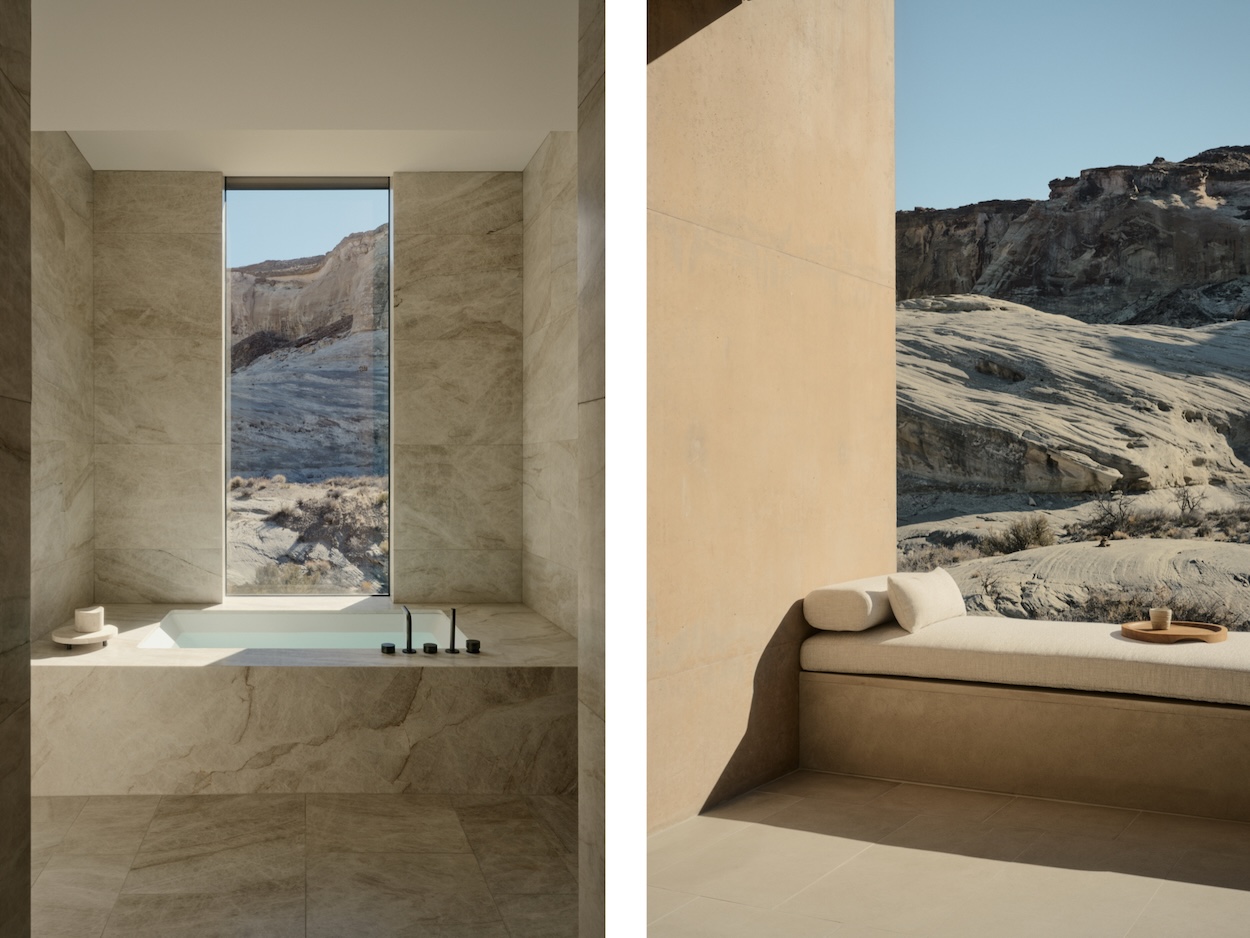
MASASTUDIO utilized concrete mixed with local sand, natural stones, and wood to establish a connection to the landscape and provide refuge from it. “The darkened entryway light work, with its inlay of metallic leaf reflecting the changing light throughout the day, and sheltered wood-lined corridors create a sense of tranquility before opening once again to the views,” founding principal Mies Anderson adds. “That interplay between compression and release mirrors the experience of moving through the open desert and its surrounding canyons where one often finds relief, shade, and enclosure.”
Courtesy of Aman
…
The villa aligns with and advances the language of Amangiri. “We often describe it as a branch of the resort—sharing similar massing and qualities while developing its own subtle identity relevant to it being a residential experience where guests stay longer and more communal experiences are encouraged,” Al-Sayed says. “When we designed Amangiri, we established a language rooted in formal simplicity, material authenticity, and a profound relationship with the landscape, through material and light. Those principles remain central to the residences.”
Courtesy of Aman
…
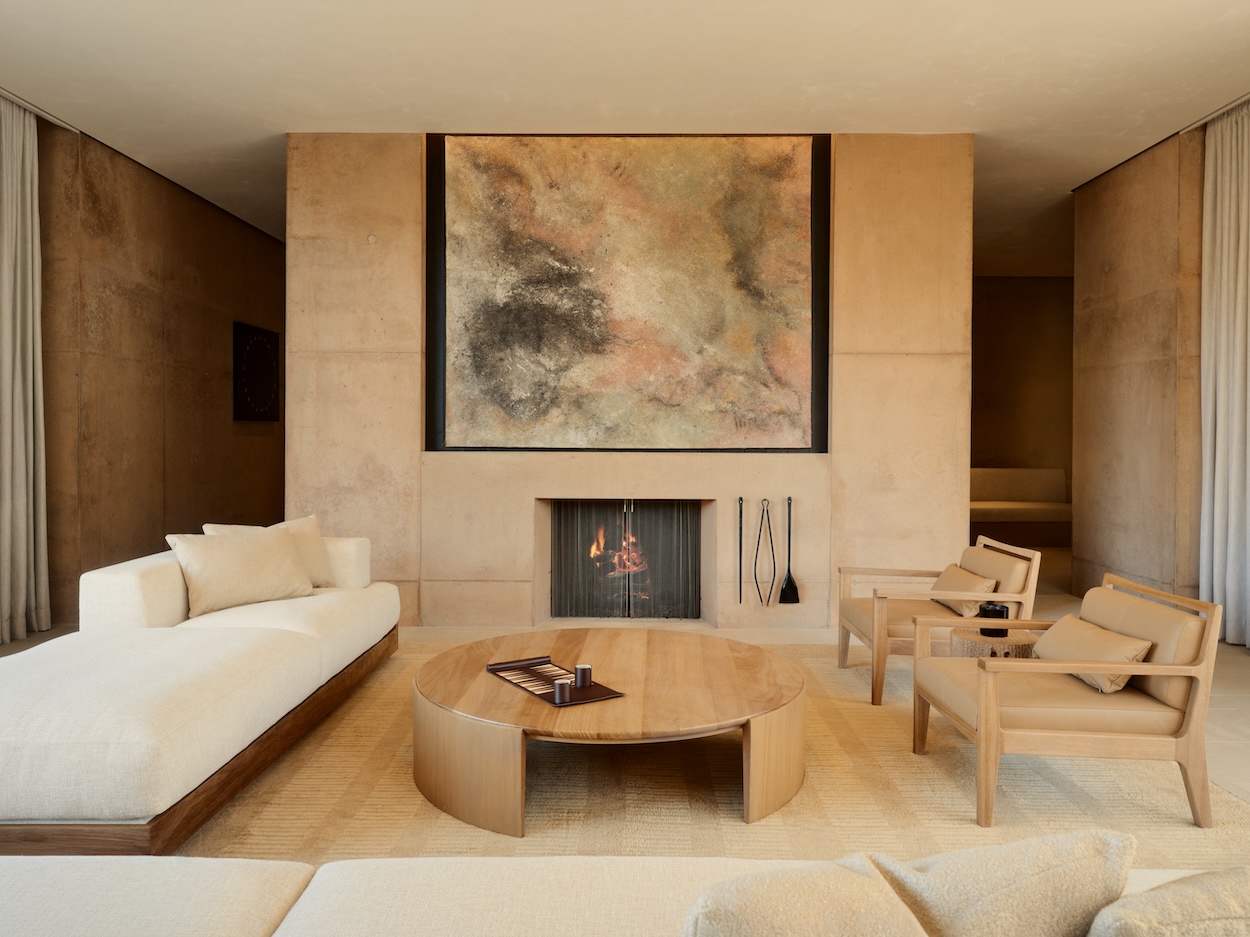
The architecture and interior design are predicated on a poetic four-theme creative concept: Of the Earth, From the Earth, Of the Water and Wind, and From the Light and Spirit. “Of the Earth takes inspiration from the erosion of the region, and the textures and patterns found within the desert landscape. From the Earth focuses on human lineage, and how indigenous people survived in the desert—you see that in the fireplaces and fabrics of the design,” Anderson explains. “Of the Water and Wind is drawn from how water and wind in the desert erode the soft entrada sandstone formations over the centuries. When it rains, these amazing pools appear and create these beautiful shades of green, and we wanted to emulate that with the water features of the villa. Finally, From the Light and Spirit references the incredible contrast as the desert transitions between morning and night.”
Courtesy of Aman
…
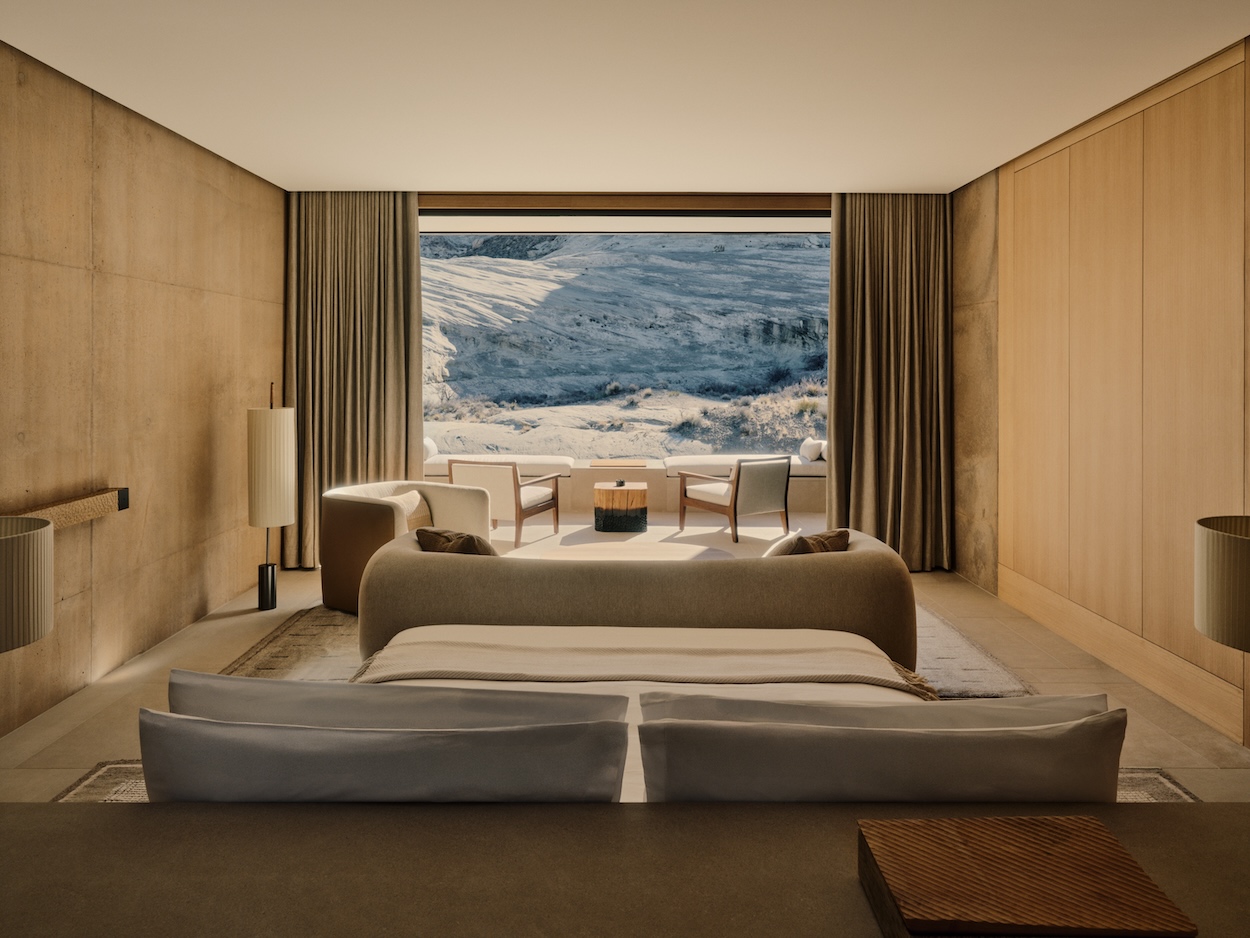
Central to the villa’s capacity to allow for serene, extended-stay living is a primary bedroom distinguished by softer furniture and millwork details. “The bathroom and dressing areas are further removals of the visible desert, highlighted by mysterious shafts of light that fill the space with a more controlled and ever changing show of light and form,” Anderson says. “Here in the bedrooms the furniture becomes more comforting promoting a more quiet and relaxed but luxurious connection to the environment beyond.”
Courtesy of Aman
…
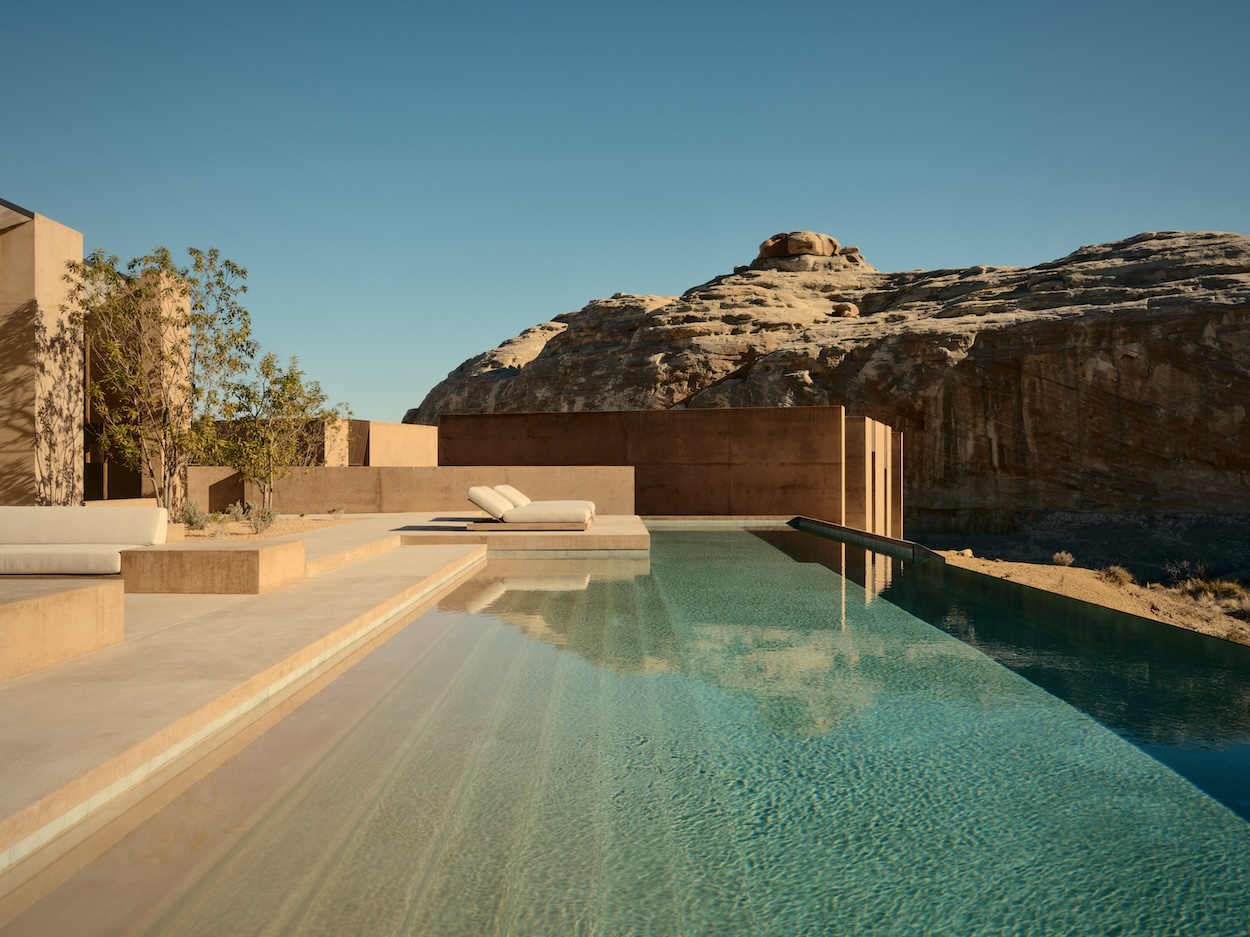
The pool extends a visually stunning invitation to guests. “The pool and water features throughout the villa were inspired by the rare but extraordinary rainfall in the desert, when the landscape magically transforms as water glistens and collects in crevices within the entrada sandstone formations,” Anderson adds. “We were interested in capturing some of that sense of erosion, wonder, and reflection.”
Though each residence will share a common architectural language, no two homes will be identical. “Every site presents its own opportunities, views, shifts in topography and geological conditions and relationship to the landscape and the light of the surrounding mesas,” Anderson continues. “Rather than applying a singular design solution, we approached each residence as a unique response to its specific setting, made up of similar components.”
Courtesy of Aman
…
Throughout the villa, the enduring alluring of Amangiri’s desert modernism radiates. “Everything relates back to both the permanent and everchanging aspects of this ancient landscape,” Al-Sayed says. “I’ve always been intrigued by the impact and story that ruins often tell us about a place—they tell a story long after civilization has passed of how humans chose to inhabit the land. For the Amangiri resort, our architectural process began with the idea that we wanted to write an inscription into the Earth to create that same sense of permanence and belonging within a landscape, hollowed by light and moving bodies.”
“You’ll see that same ideology with the villa—if Amangiri is the trunk of a tree, the residences are like the independent branches with blooming flowers of experience and connection over time,” he concludes. “Everyone should spend focused time in the desert—it’s the best way to fully understand its beauty, appreciate the harmony of its silence, and, for most, people who spend a significant time in the desert always come back in some way transformed.”
Courtesy of Aman
…