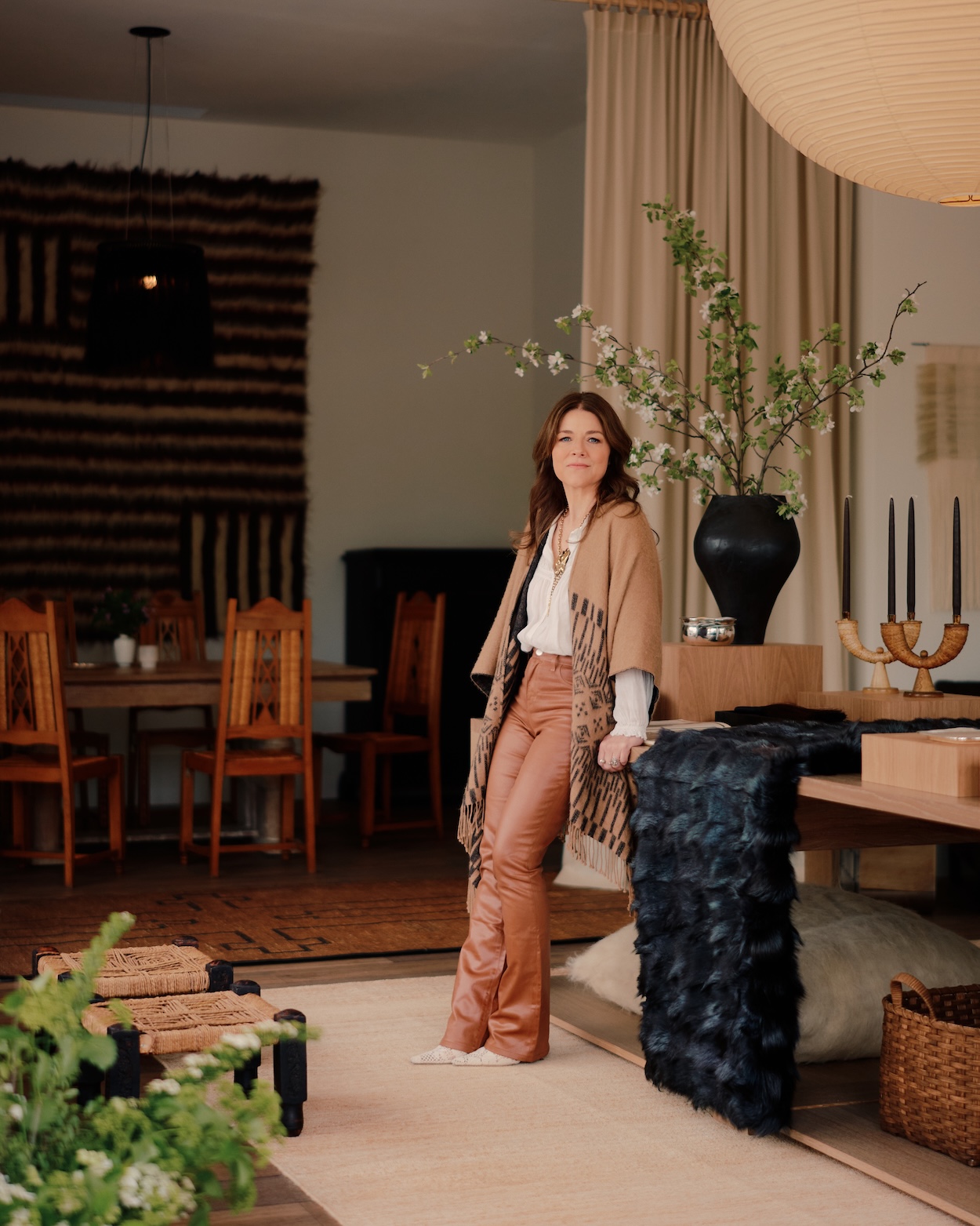
After more than two decades leading one of Chicago’s most respected commercial and residential interior design firms, Kara Mann has opened a new kind of space in Jackson Hole—one that is part retail and part studio. The Shop, an intimate 800-square-foot corner storefront in The Aspens, one of the area’s most coveted residential and resort neighborhoods, marks the expansion of her practice into one of her favorite destinations.
We sat down with Mann to talk about the move, the space, and what it means to build something new from a place of personal connection.
Photo by William Jess Laird.…
You’ve been based in Chicago for over 20 years. What was it about Jackson Hole specifically that felt like the right place to extend your practice, and what initially drew you there?
Jackson Hole has been one of my favorite places for years. There’s a clarity to the landscape, a strong sense of community, and a pace that feels very intentional. I’ve always been inspired by places that have a distinct visual identity, and Jackson Hole has that in a way that feels authentic rather than manufactured. Opening the boutique here felt like a natural extension of both my personal connection to the area and my design practice. It gave me an opportunity to engage with a community I care deeply about while exploring my point of view in a different format and context.
Jackson Hole has quietly become a serious design destination over the past few years. What do you think is driving that shift, and how does Kara Mann The Shop fit into that evolving cultural moment?
I think people are increasingly drawn to places that offer a sense of authenticity and connection. Jackson Hole attracts an incredibly thoughtful, design-literate community that values craftsmanship, quality, and a deeper relationship to place. There has been a growing interest in creating homes and experiences that feel more personal and enduring, and that has naturally attracted designers, artists, and makers. The Shop fits into that evolution by offering something highly curated and intimate. It’s not simply a retail space—it’s an environment that reflects a way of living, one rooted in materiality, craftsmanship, and the kind of warmth that feels right for this place.
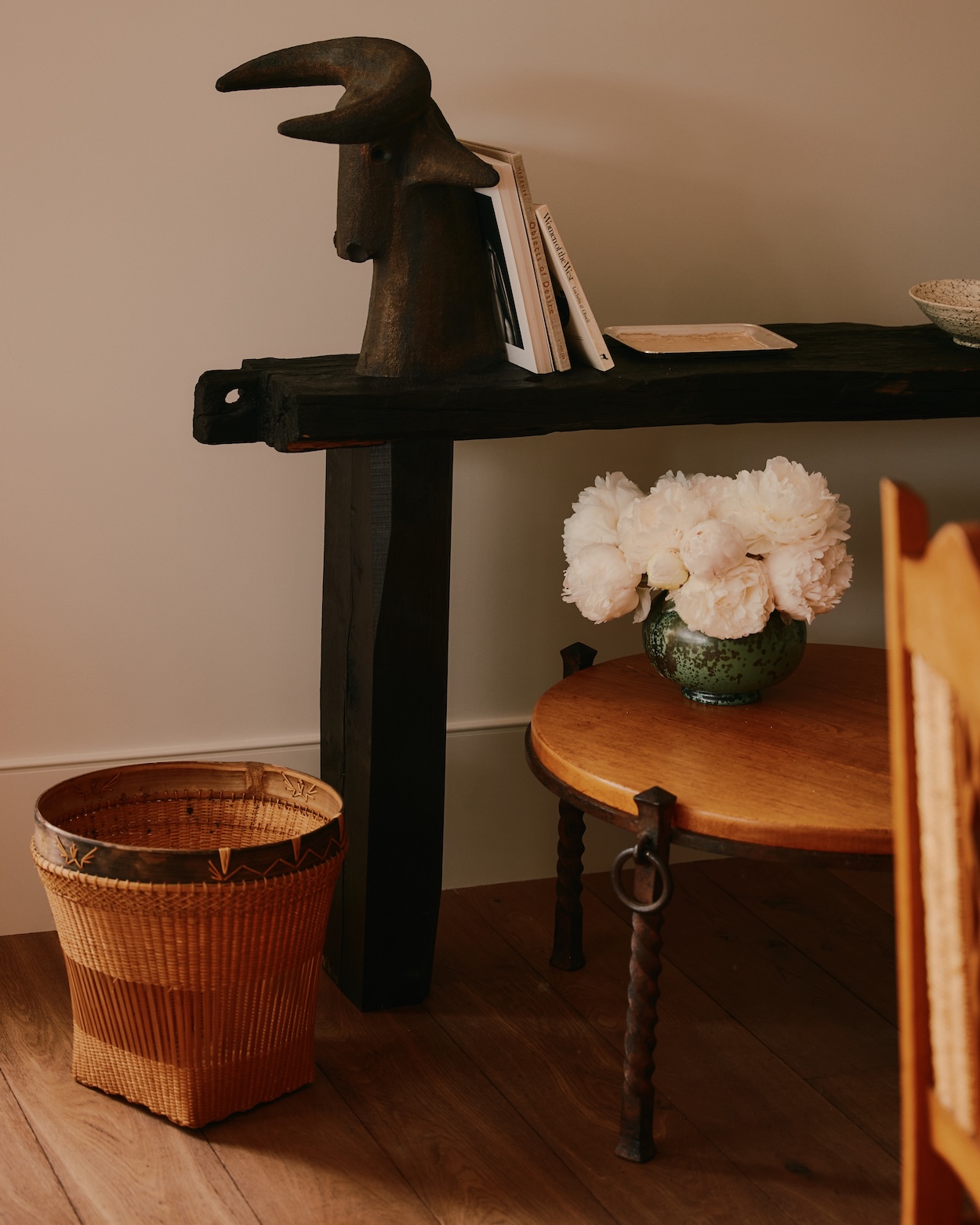
Photo by William Jess Laird.…
The Shop is 800 square feet. How did that constraint shape the design decisions?
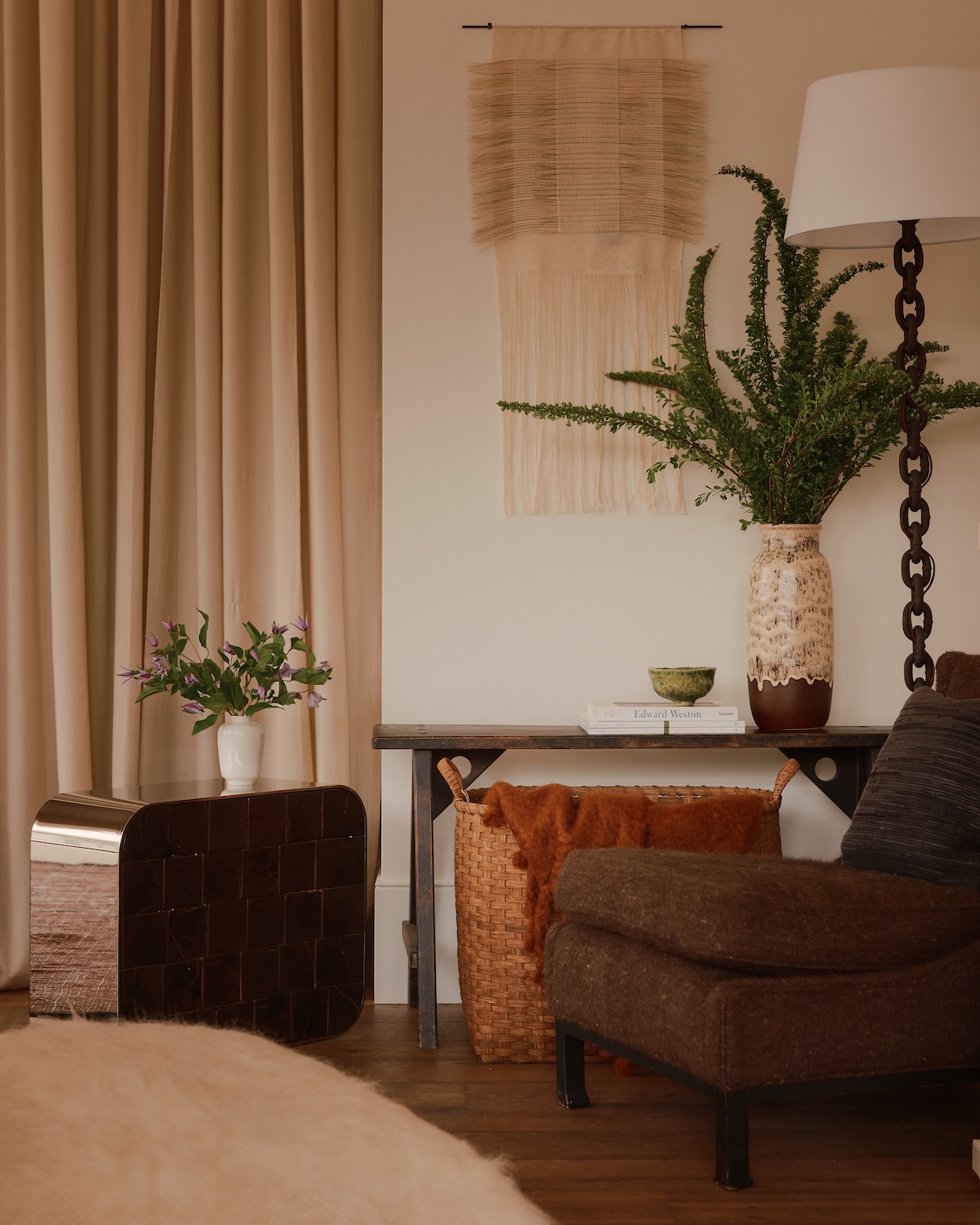
The scale encouraged discipline. Every piece had to earn its place, and every design decision had to contribute to the overall experience. Rather than seeing the footprint as a limitation, I viewed it as an opportunity to create something more focused and intimate. The editing process became incredibly important. The result is a space that feels layered and immersive without feeling crowded, where visitors can slow down and engage with each object more intentionally.
The space is described as feeling more like stepping into someone’s home than entering a store. How do you achieve that?
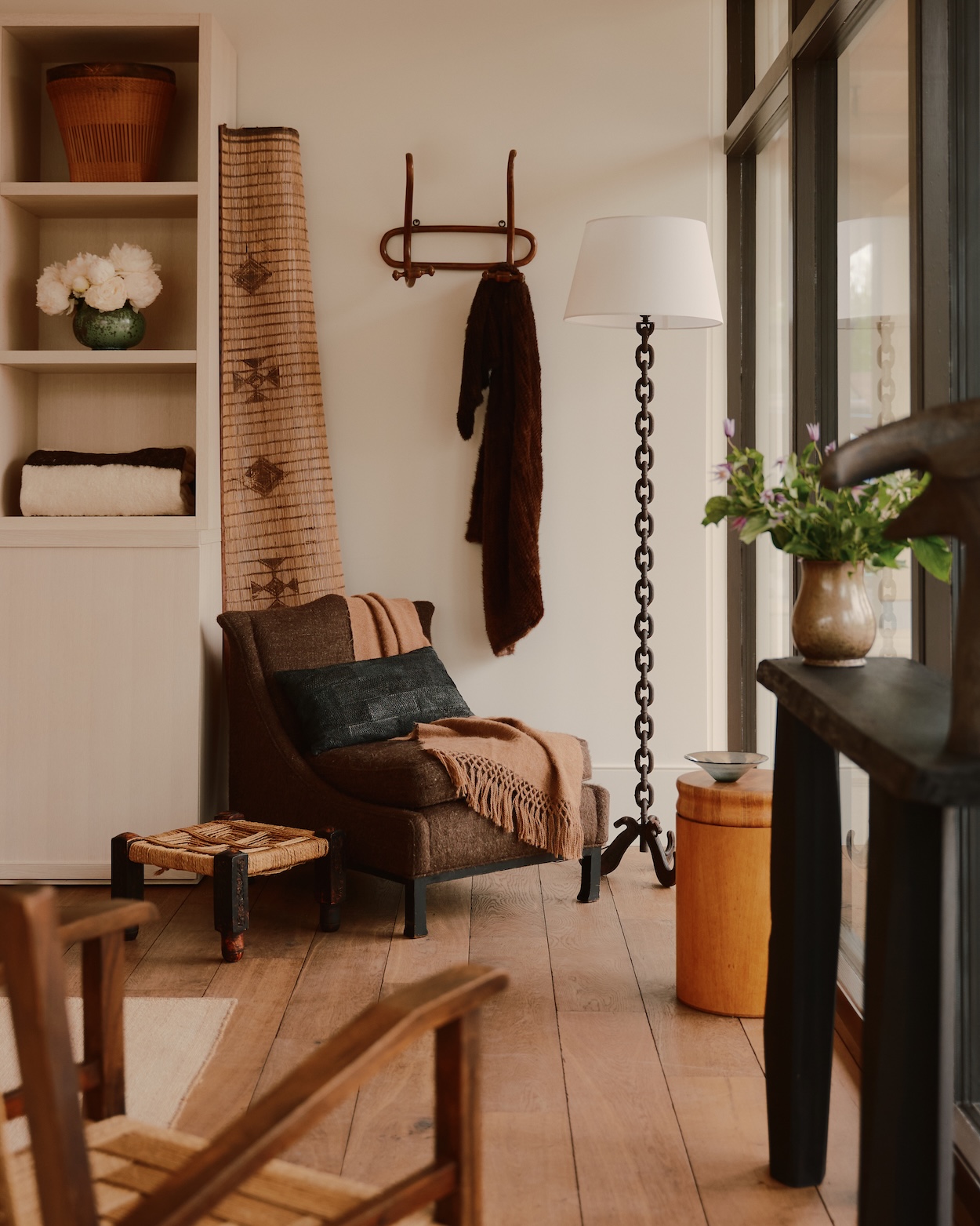
That was very intentional. I approached the space much the same way I would a residence. The materials are warm and tactile, the palette is soft and restrained, and the furnishings are arranged to create a sense of ease rather than display. There isn’t a hard distinction between decorative and functional objects. Much of what’s in The Shop has been collected over time, particularly the vintage pieces—many are things I’ve sourced and lived with for years before they found a home here. I wanted the space to feel like a natural extension of my design practice and personal point of view rather than a traditional retail environment. I wanted people to feel comfortable lingering, discovering things, and experiencing the space the way they might experience a beautifully lived-in home.
Photo by William Jess Laird.…
The assortment spans vintage European antiques, sculptural lighting, ceramics, and works by artists and makers. What does your sourcing process look like, and how do you determine when something is right for the space?
My sourcing process is highly intuitive but also incredibly selective. I’m always looking for pieces with integrity—whether through craftsmanship, materiality, form, or the kind of patina that only comes with time. I source from different regions depending on what I’m looking for; European antiques, American craft, and contemporary makers each bring something distinct. What ties it together is a sensibility—warm, tactile, and grounded—that feels right for the landscape and the way people live here. When considering something for The Shop, I ask whether it contributes to the overall conversation happening in the space. It doesn’t have to be loud or immediately attention-grabbing, but it should have a point of view and a sense of permanence.
After more than two decades in interiors, what does opening The Shop give you that your design practice alone doesn’t?
It creates a more immediate and public expression of the brand. Interior design projects often unfold over years and are experienced by a relatively small group of people. The Shop allows for a different kind of engagement. It’s a place where people can walk in, discover something unexpected, have a conversation, and connect with the aesthetic in a tangible way. It also gives me the freedom to continuously evolve the assortment through sourcing, collaboration, and new discoveries. In many ways, it feels like an extension of the studio’s creative process, but one that is open to the broader community.