Every August, Yale’s MFA in Photography program sends a small cohort of graduates out into the world, students who spent two years pushing at the edges of what a photograph can be. This year, nine of them are landing together at Yancey Richardson, the esteemed New York City gallery dedicated to fine art photography. “Once More, With Feeling” is on view from August 12–28, with a public panel featuring all nine participating artists on August 13 at 3 p.m. In celebration of the opening, and ahead of the panel he’ll be moderating, we spoke with co-curator Archie Caride about how the show came together, and what it means to give nine distinct visions room to present their work.
Once More, With Feeling: Yale's 2026 MFA Photographers Arrive at Yancey Richardson
Co-curator Archie Caride talks through how nine distinct visions spanning family, memory, and the body, come together under one roof.
Sofia Quintero August 13, 2026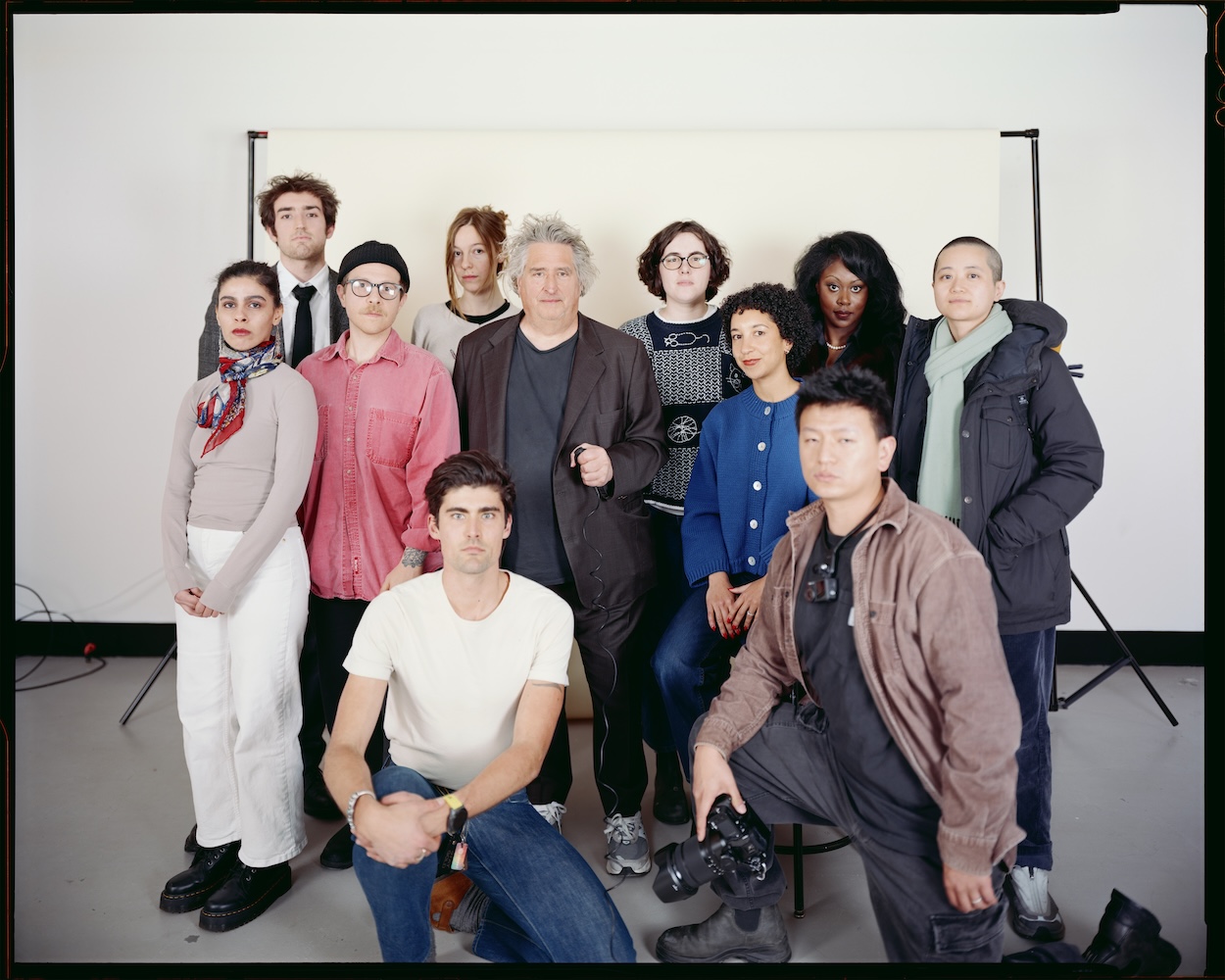
Yale Class Photo.
…
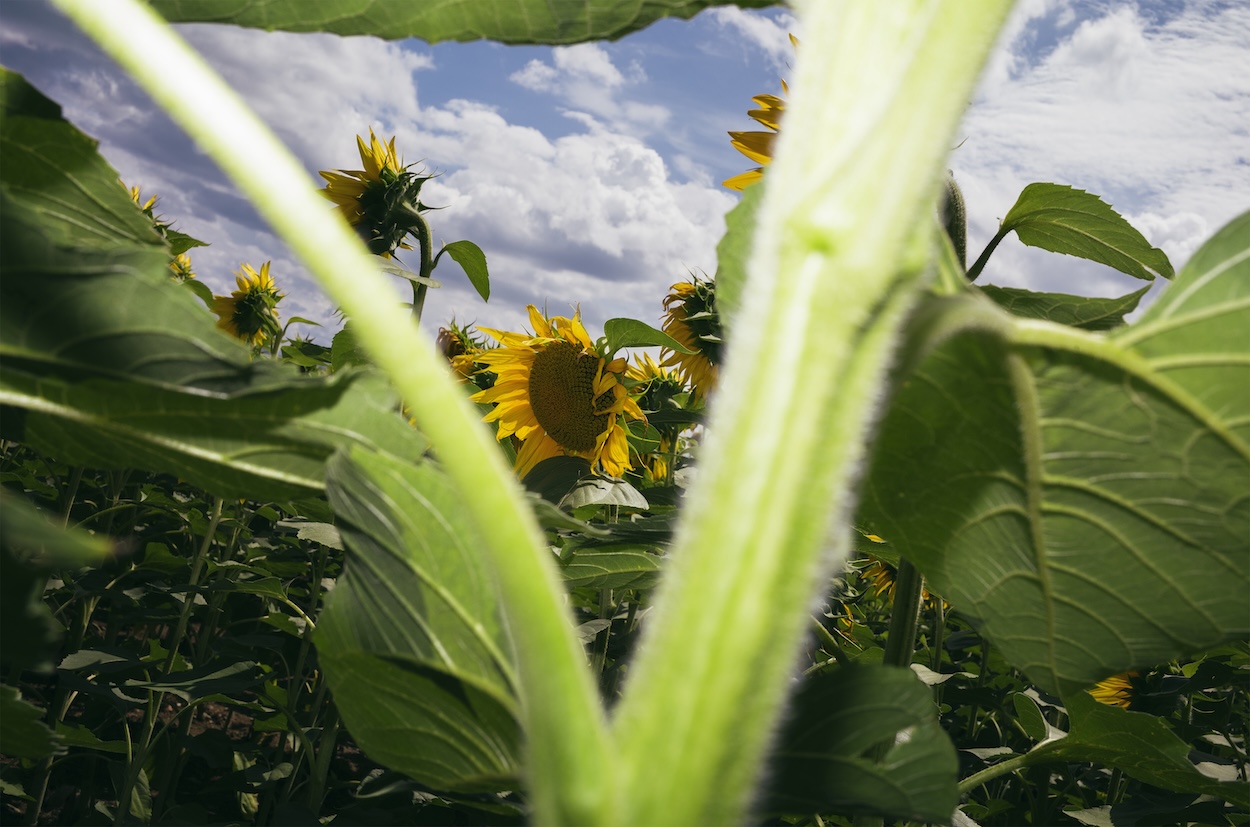
Sunflowers. By Andrew Warner.
…
Every graduating MFA class reflects a different moment in photography. What stood out about this year’s Yale cohort, and what made you feel this was a class the gallery wanted to champion?
As a gallery, we are always attentive to new voices in photography. This year, I have had the privilege of visiting the Yale MFA program multiple times and have gotten to know the work of this class quite well. We feel excited about the work, the stories that are being told, and the manner in which each member of this class is telling them.
The title “Once More, With Feeling” suggests both repetition and renewed intention. How does that idea resonate with the exhibition assembled?
The title is certainly about the culmination of a repetition. Titled by the class, “Once More, With Feeling” is a collective acknowledgement of a last hurrah and an embrace of the emotions that may come with it. The title perhaps relates less to the works themselves and more to the moment that this group of nine finds themselves in. This exhibition represents the end of their two years of being bound to one another, in place and in process. It is a victory lap, and we are treating it as such. In assembling the exhibition, it was important to honor that feeling of collective culmination.
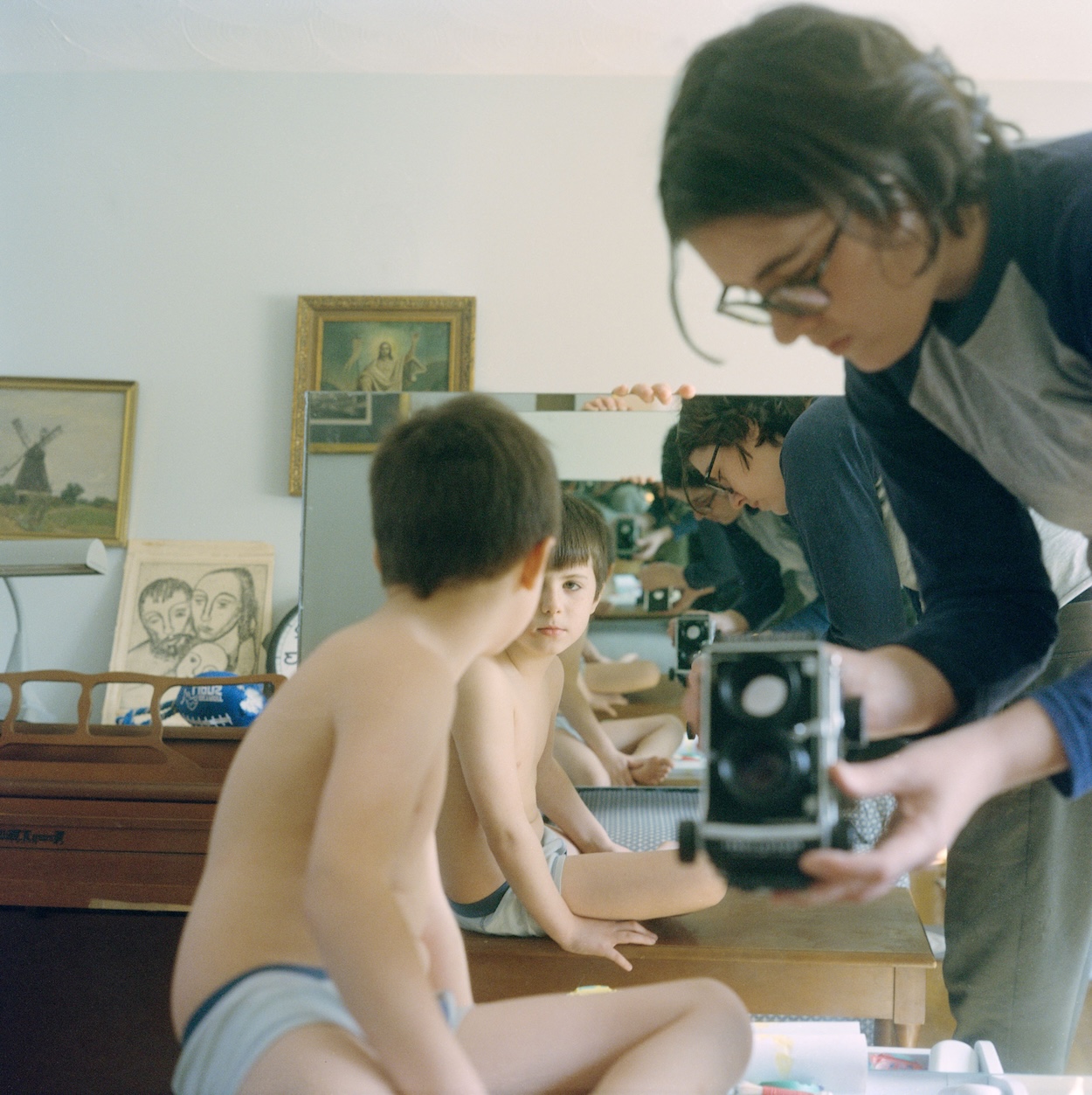
Eternity Mirrors, 2026. By Em Wall.
…
One of the striking qualities of the exhibition is how many artists push beyond the single photographic image, incorporating sculpture, installation, sound, moving image or handmade apparatuses. What interested you about placing these varied approaches in conversation?
As we predominantly experience photographs digitally these days, the medium can become dissociated from its own physicality. A framed print of a photograph is sculpture, and the way that it is situated in a room is installation. This group of artists is concerned not only with the image, but with the physicality of the image: how it exists with us in the world. Furthermore, photography can transcend its traditional material confines; it can be a framework through which to create in other mediums.
The exhibition moves between deeply personal and intimate narratives, and broader questions about representation, technology and perception. How did you think about balancing these different scales of experience?
We spend every day balancing vastly different scales of experience. On our feeds, our algorithms flatten differences of scale and we are increasingly desensitized to the whiplash of moving back and forth between scales. In some ways, this group of images and narratives replicates this experience. The balance may not come from the content of the work in “Once More, With Feeling,” but rather from the route that this group took to arrive here. While perhaps not explicitly, each artist’s work in this exhibition is the synthesis of a path traveled together.
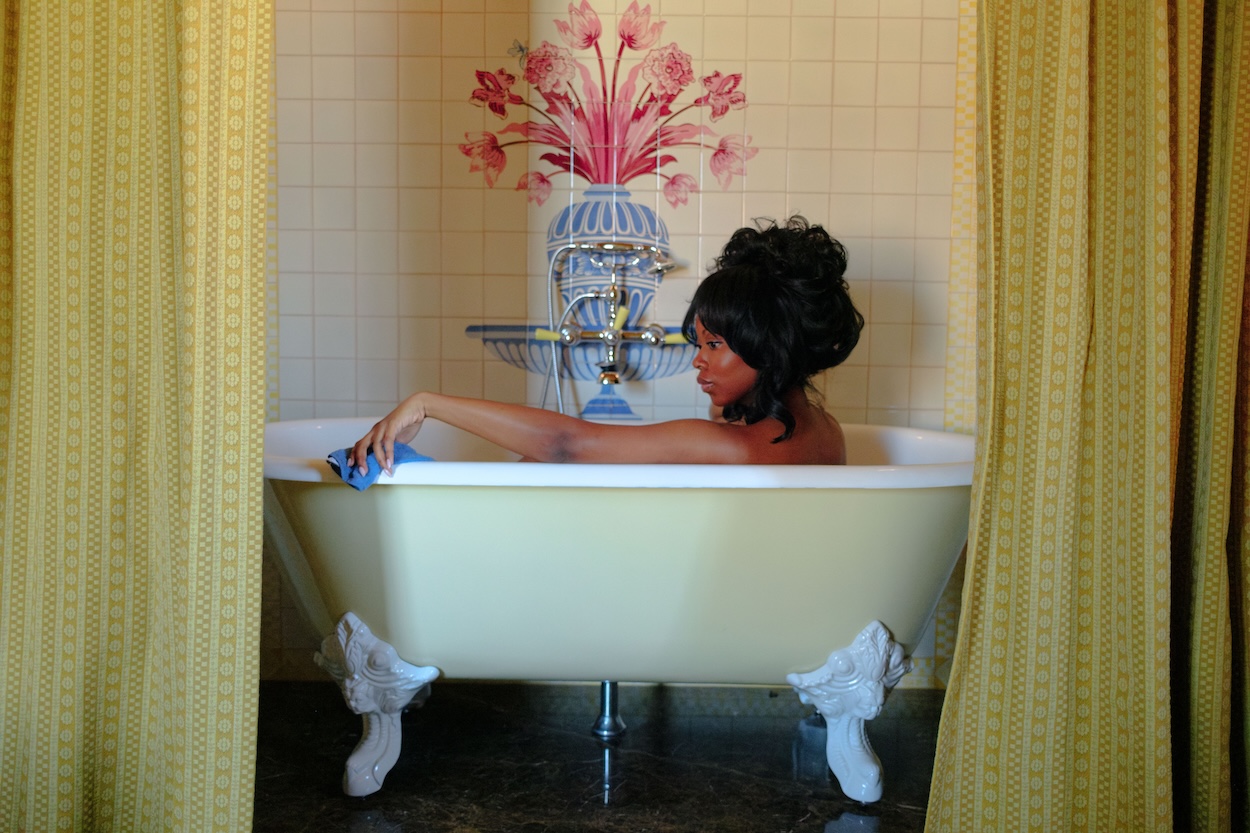
Self-Portrait 3, 2026. By Faith Couch.
…
As someone who works closely with both emerging and established photographers, what distinguishes this generation? Are there qualities in their work that feel particularly reflective of the present moment?
Today, photography is ubiquitous and that ubiquity has, paradoxically, afforded it both an unrivaled importance and unimportance simultaneously. To make photographs today is to stare this reality dead in the eyes and charge towards it, unflinchingly.
Looking across these nine artists, where do you think this cohort is headed, and what excites you most about following their careers?
We see a lot of images everyday. I am excited to keep seeing theirs.
Group exhibitions of MFA graduates often serve as an introduction to artists at the earliest stages of their careers. What do you hope audiences, collectors and institutions will recognize in this presentation?
I hope you recognize this group’s sincerity.
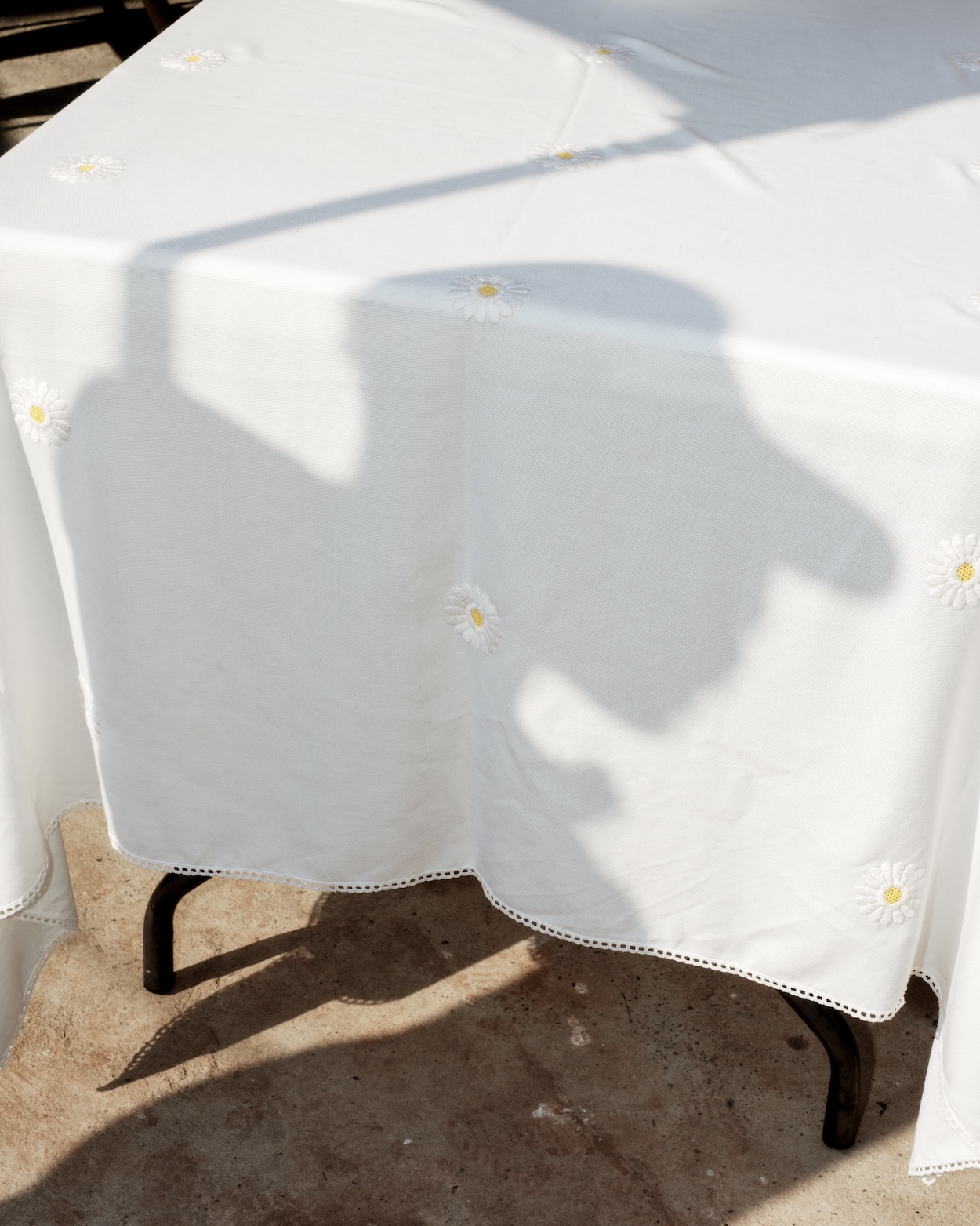
Daisies, 2025. By Jasmine Clark.
…