Richter and Baselitz paintings lead Art Basel Paris opening sales at $10 million each.
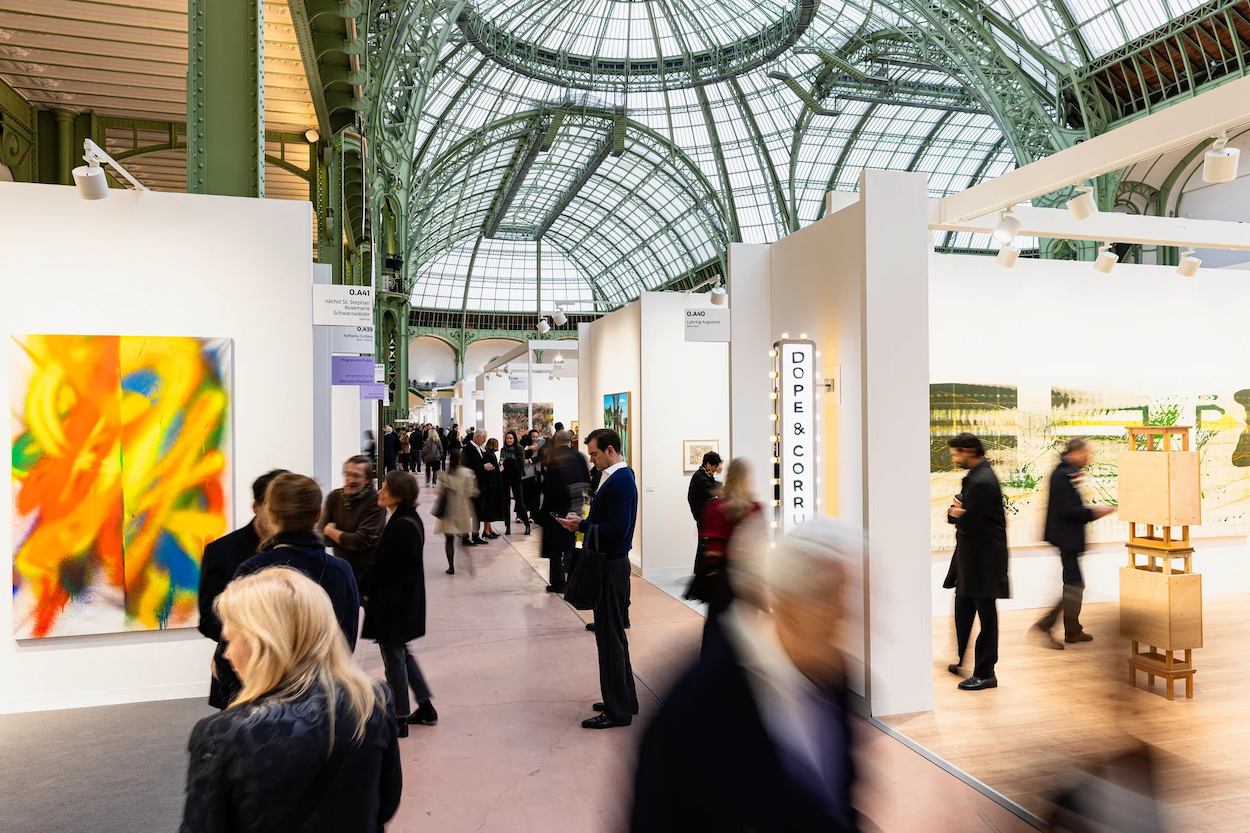
Two 1965 paintings, Gerhard Richter’s Rokokotisch (Rococo Table) and Georg Baselitz’s Der Hirte (The Shepherd), led reported sales at Art Basel Paris, each selling for around $10 million at Hauser & Wirth during the fair’s preview days at the Grand Palais. Hauser & Wirth also sold a Mark Bradford for $4 million, a new George Condo painting for $2.95 million, and a 1961 Lucio Fontana for about $2 million. Gallery president Marc Payot said the art organization treats Frieze London and Art Basel Paris as a single season for selling major works. Demand was strong across blue-chip and historical material. White Cube sold two Julie Mehretu paintings for $7.85 million each, and David Zwirner placed a Richter for $8.5 million, along with works by Robert Ryman, Joan Mitchell, and Marlene Dumas priced between $3 million and $4 million. Pace sold Jean Dubuffet’s La chaise (1964) for just over $5 million, while Le Minotaure sold a 1922 Wassily Kandinsky watercolor for about $2.3 million. Thaddaeus Ropac and Mennour each sold Fontana canvases for roughly $2 million.
The New York Public Library acquires more than 250 prints by Kiki Smith.
Photographer Seton Smith has given more than 250 prints by her sister, artist Kiki Smith, to the New York Public Library, and has pledged to donate any future prints by Kiki as well. The gift makes the library home to the most comprehensive collection of Kiki Smith’s prints in the U.S. The collection, spanning the 1990s to the present, includes multi-print sets, portfolios, and artist books. Highlights include the photogravure lithograph My Blue Lake (1994), the hand-colored intaglio Pool of Tears II (2000), and Remember (2014), a woodcut with metal leaf. The works join 30 Kiki Smith prints and 12 artist books already held in the library’s Wallach Division of Art, Prints, and Photographs, and will be accessible to the public. Kiki Smith said she could think of no better place for her prints, calling public libraries something to be cherished. Madeleine Viljoen, the library’s curator of prints and the Spencer Collection, said the gift reflects the institution’s commitment to preserving the legacy of women printmakers.
Zane Li wins his third major fashion award of 2026.
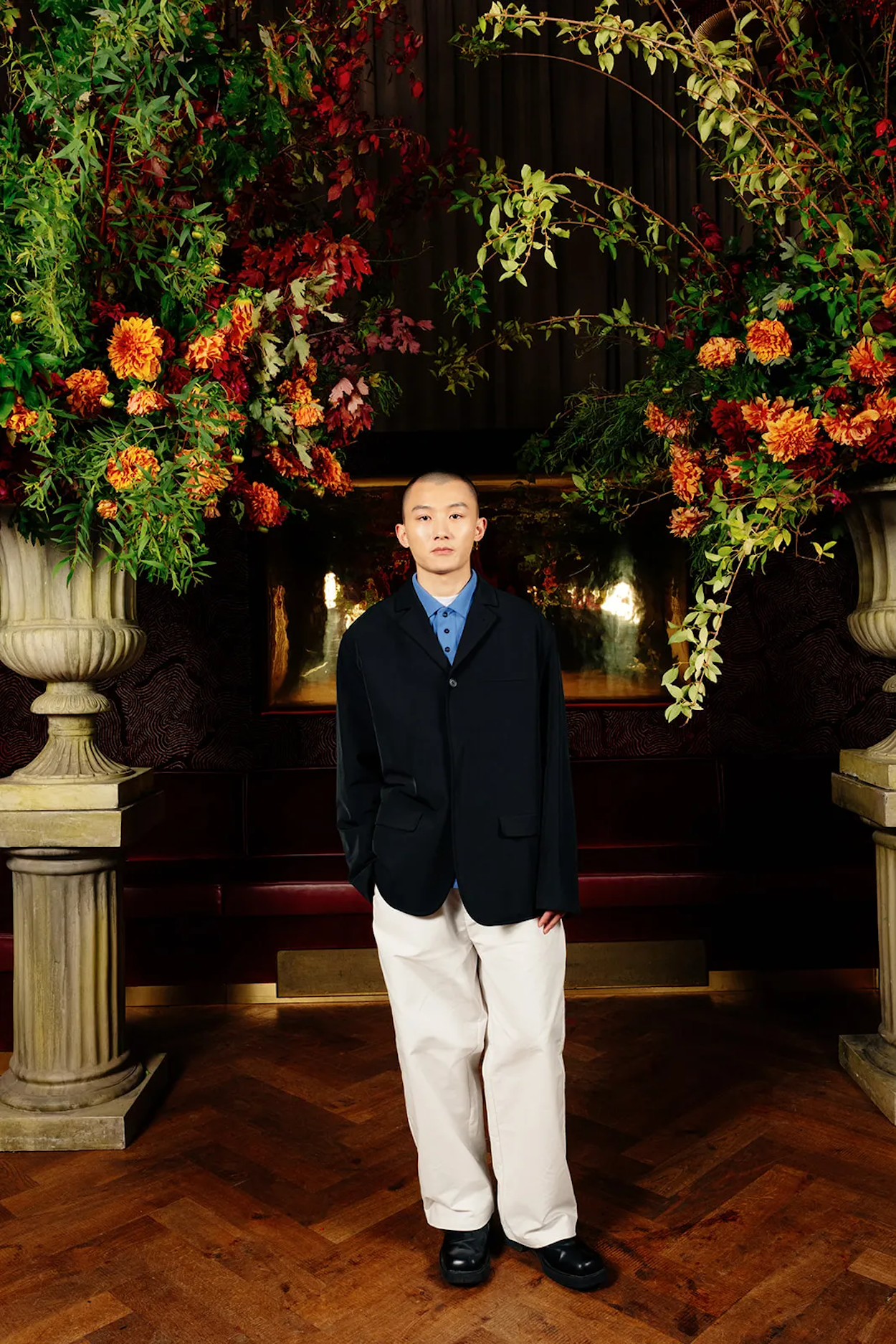
Zane Li, the designer behind New York label LII, has won the 2026 CFDA/Vogue Fashion Fund, receiving a $300,000 grand prize and business mentorship from industry leaders. Born in Chongqing, Li graduated from the Fashion Institute of Technology in 2023 and launched his brand in 2024. His collections pair sportswear influences with unconventional silhouettes, bold color blocking, and experimental cuts, while keeping a minimal sensibility. In April, Li received the Fashion Trust US Ready-to-Wear Award, and in September he won the Karl Lagerfeld Prize at the LVMH Prize for Young Fashion Designers. He is also nominated for American Emerging Designer of the Year at the 2026 CFDA Awards.
The Rauschenberg Foundation launches a free digital catalogue raisonné of the artist’s early work.
The Robert Rauschenberg Foundation has launched “Robert Rauschenberg: Paintings and Sculptures 1948–1953,” a free digital catalogue raisonné available on its website. A print edition, co-published with Gregory R. Miller & Co., will follow in winter 2027. The catalogue covers one of the least-studied periods of Rauschenberg’s career, when he moved between Kansas City, Paris, Black Mountain College in North Carolina, New York, Italy, and Morocco. It documents 122 works, including his early found-object sculptures beginning with Greenhouse (1950), his Black Paintings and White Paintings, and Erased de Kooning Drawing. About a third of the works have been lost or destroyed and survive only in photographs. Edited by Eric Banks, Julia Blaut, and Susan Davidson, the publication includes entries on individual works and essays by writers including Leah Dickerman, Darby English, Helen Molesworth, and Terry Winters.
University of Fukui scientists propose a dye-free approach to polyester recycling.
Researchers at Japan’s University of Fukui have developed a process that could make colored polyester easier to recycle, though it has yet to be tested on real textile waste. Colored polyester is notoriously hard to recycle because removing its dyes typically requires large amounts of chemicals, water, or energy. The team, led by senior assistant professor Jianhua Ren with professor Kazumasa Hirogaki and researcher Isao Tabata, used supercritical carbon dioxide at 120°C to redistribute the dyes already present in polyester fibers, producing a new, uniform color without stripping the originals. By mixing fabrics dyed blue, yellow, and red in different proportions, the researchers created a range of blended shades. They also built a model that accurately predicted the resulting color strength. The researchers noted that more than 92 million tons of textile waste are generated each year, and less than 1 percent of colored textiles are recycled in a closed loop.
Attractive Distractions:
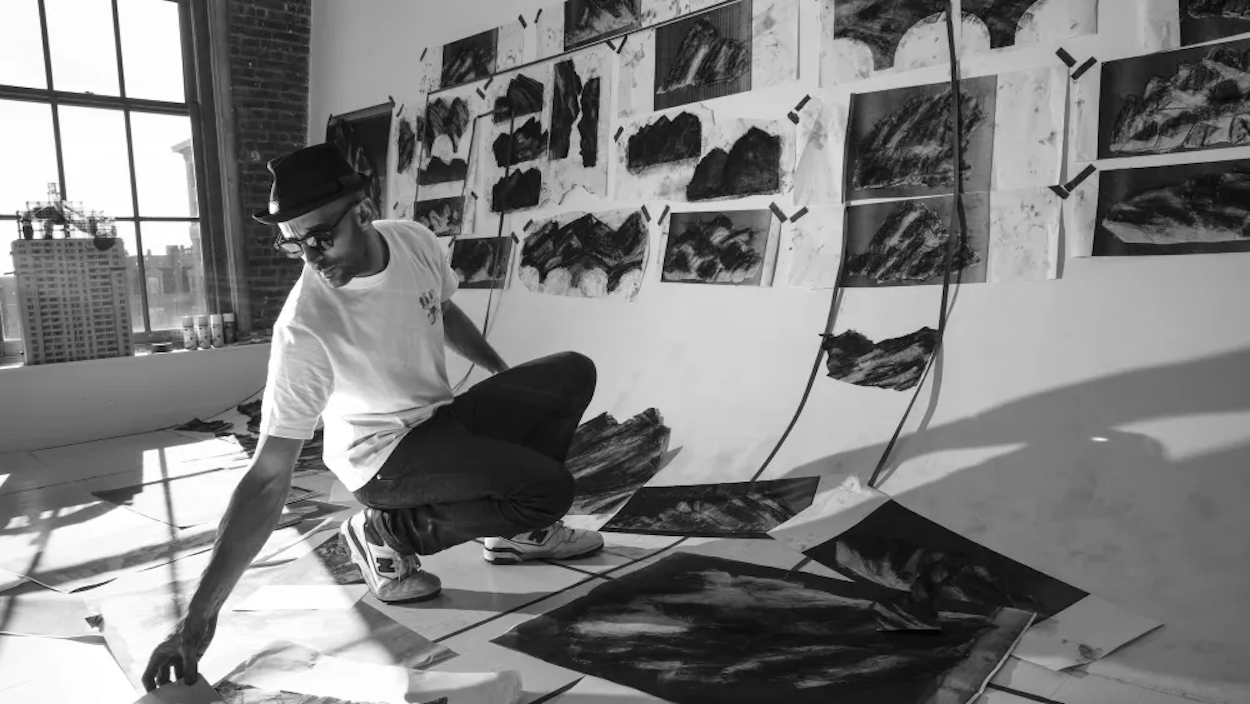
JR’s sketches and photographs of his Pont Neuf installation head to Perrotin in New York.
The Museum of Youth Culture spotlights the hidden history of women in punk.
Four Seasons will expand to Belize, Zanzibar, Okinawa, and the Dominican Republic in 2027.
Daft Punk and Lego will release a set based on the duo’s pyramid stage.