Peter Zumthor expands Fondation Beyeler with a trio of new structures.
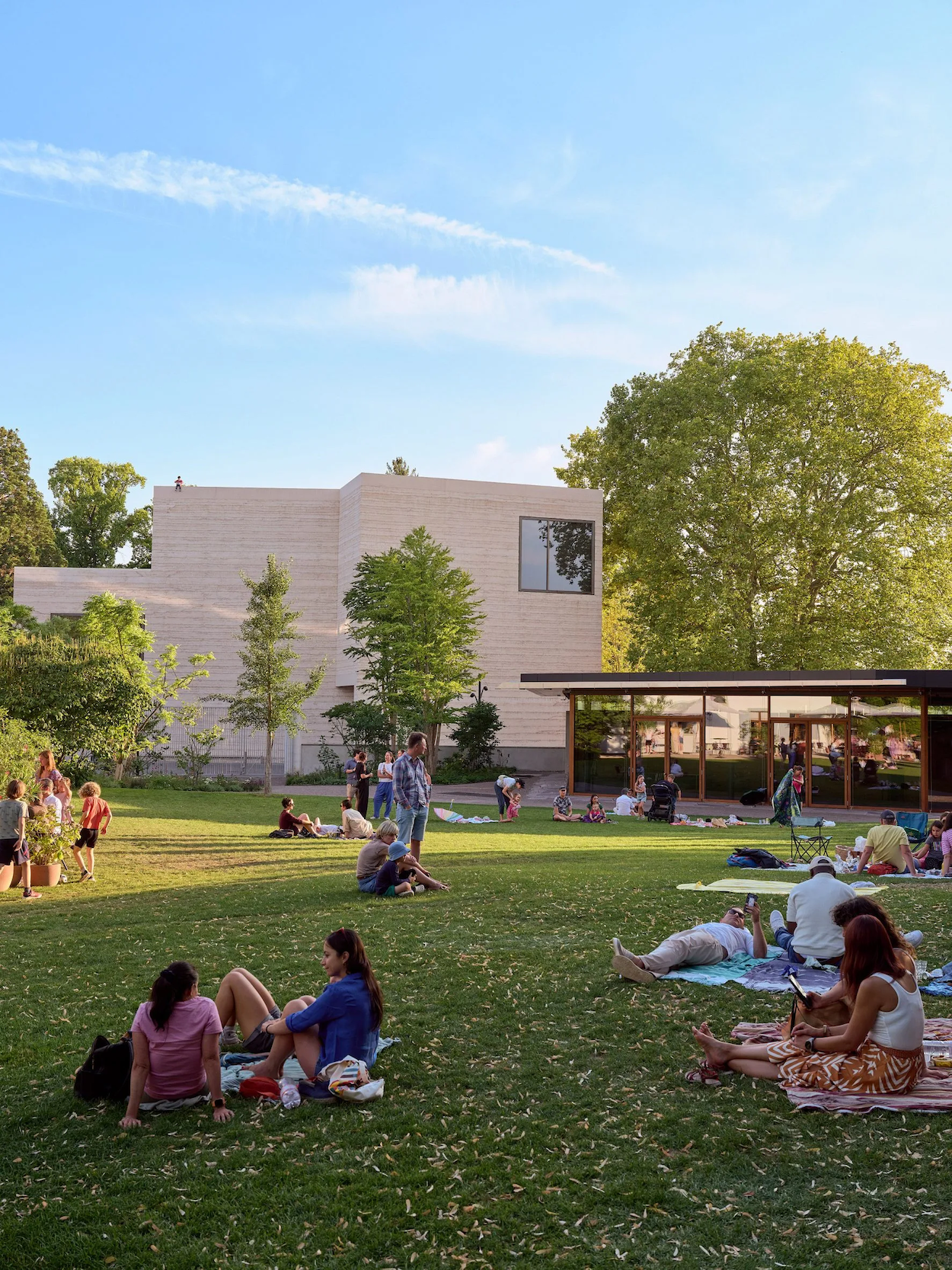
The Fondation Beyeler has unveiled three new buildings designed by Pritzker Prize–winning architect Peter Zumthor, expanding the museum beyond its original 1997 Renzo Piano structure with roughly 108,000 square feet of added green space. Rather than a single extension, Zumthor’s studio designed separate structures for distinct functions: a gallery, a cultural space, and an office building. The rammed-concrete Wyss Museum adds about 16,000 square feet of gallery space across three floors, its Y-shaped plan threading among existing trees on the grounds. The single-story Ammann Pavilion, framed in glass and oak, will host talks, screenings, and performances as a public gathering space. The oak-clad Erlen Torhaus building houses art-delivery facilities and offices, connected to the original Piano building via an underground corridor.
Prune Nourry to fill Petit Palais’ galleries with portraits of forgotten sculptors.
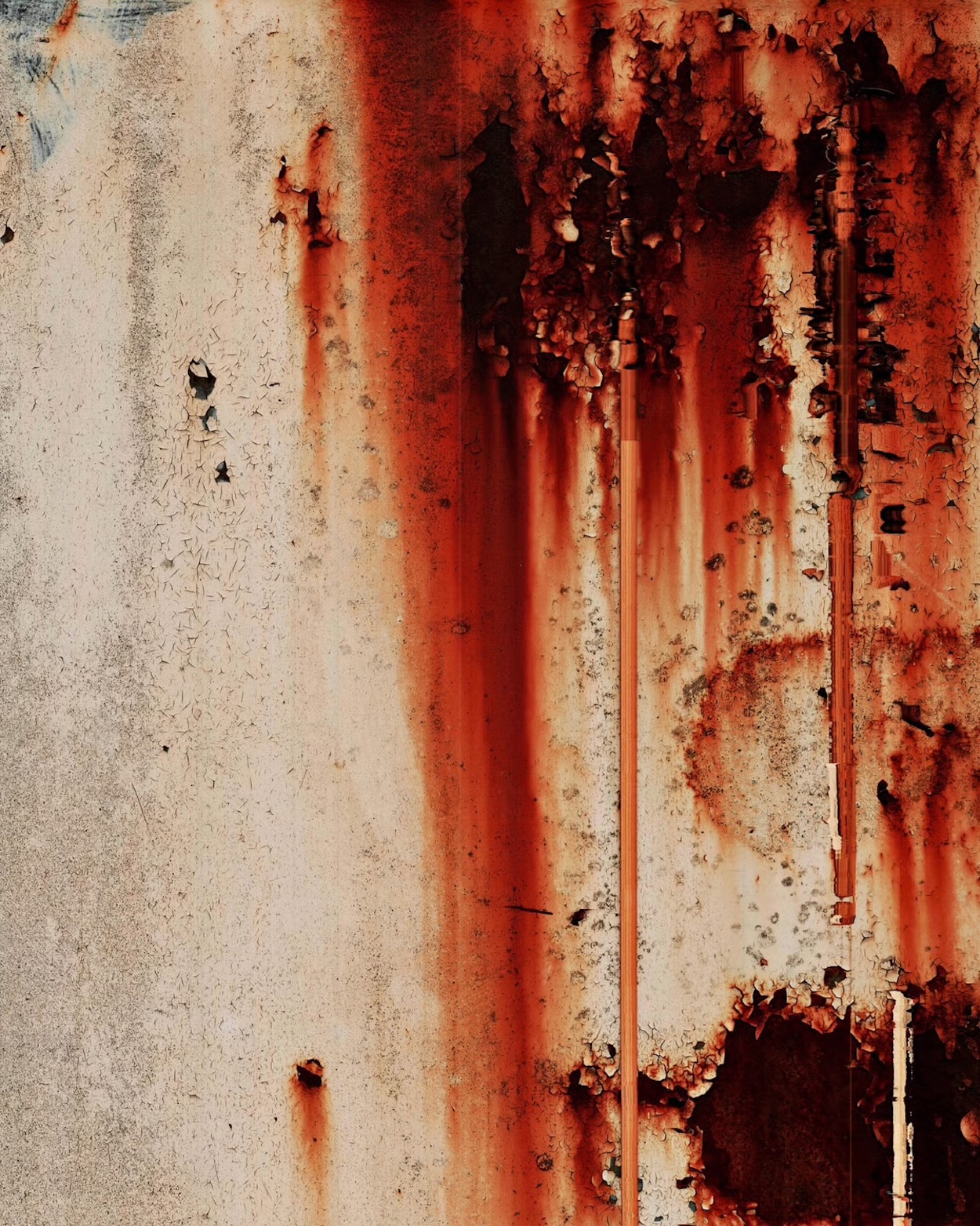
The Petit Palais has invited French artist Prune Nourry to take over its galleries, esplanade, and gardens for “Visionaries,” an exhibition opening October 20 and running through January 24, 2027. The show emerges from a year-long research project uncovering the work of 18 overlooked women sculptors from the late 19th and early 20th centuries, including Käthe Kollwitz, Selma Hortense Burke, and Sarah Bernhardt. Inspired by their legacy, Nourry sculpted a portrait bust of each woman, working primarily in plaster, a material that echoes the Petit Palais’ own collection, nearly 70 percent of which consists of studio plasters. The exhibition opens on the museum’s forecourt with Mothership, a hybrid sculpture merging a pregnant figure with a ship’s rusted hull, before continuing into the North Pavilion alongside earlier works from Nourry’s “Holy Daughters” and “Venus” series.
The Joan Mitchell Foundation launches a report and directory on legacy stewardship.
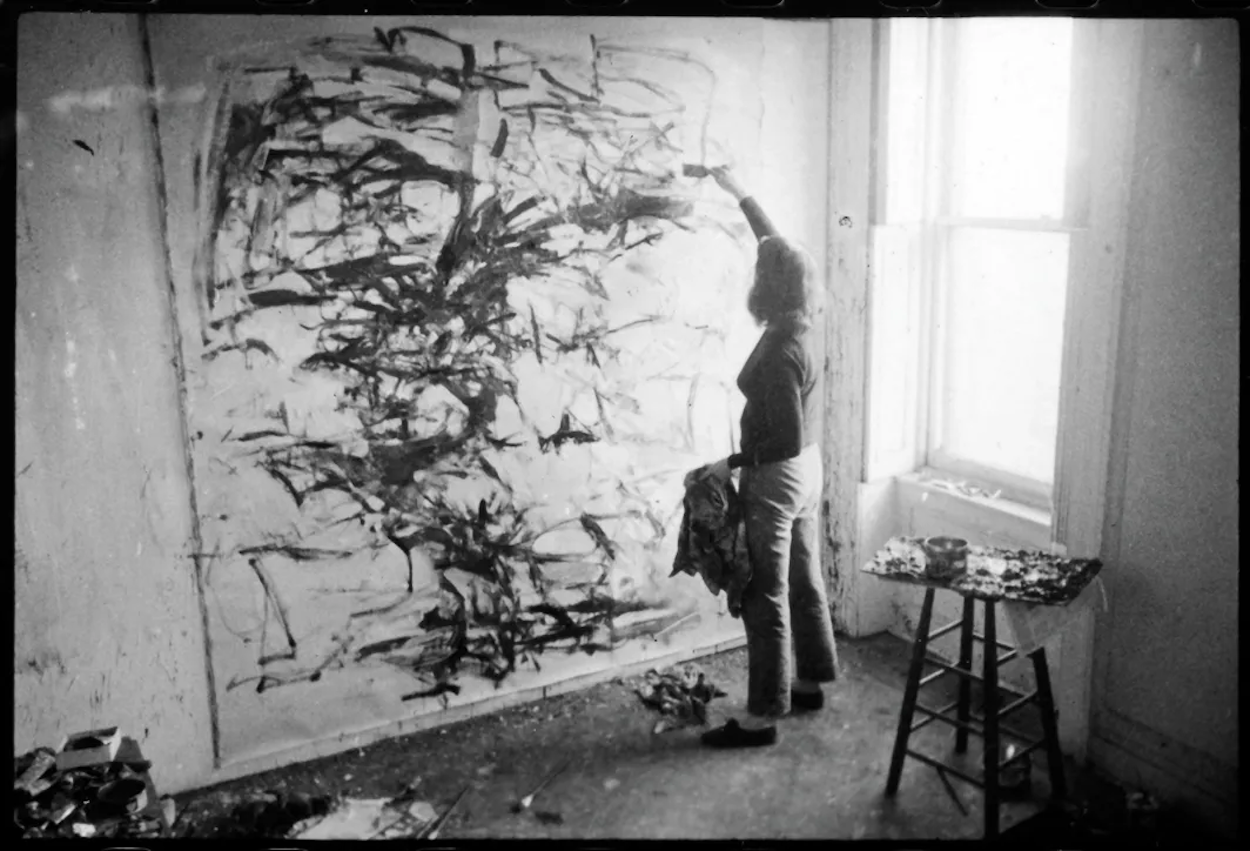
The Joan Mitchell Foundation has published “Creating Future Memory: Building the Field of Artist Legacy Stewardship,” an 80-page report examining how artists’ legacies are preserved across the U.S. Authored by Solana Chehtman and Sharon Mizota, the report draws on surveys of more than 150 artists, family members, archivists, curators, and legacy professionals, and is available as a free PDF download on the foundation’s website. The study identifies systemic disparities tied to race, gender, disability, and other factors, finding that while significant efforts to preserve artists’ legacies are underway nationwide, they remain largely under-resourced, invisible, and disconnected from one another. Alongside the report, the foundation launched a Legacy Field Map, a crowd-sourced online directory cataloging nonprofit organizations supporting various models of legacy work.
RH brings its RH Estates concept to North America with Greenwich debut.
RH opened its first standalone RH Estates gallery in North America, debuting the concept at The Gallery on Greenwich Avenue. Housed behind a limestone Beaux-Arts facade in the Greenwich Avenue Historic District, the nearly 20,000-square-foot, two-floor space marks the company’s first freestanding RH Estates location, with a second planned for Los Angeles’ Melrose Avenue in 2027. The Greenwich gallery sits across from RH Outdoor Greenwich and near RH Greenwich, The Gallery at the Historic Post Office, together forming what RH calls its first complete “RH Ecosystem,” combining multiple retail formats with hospitality in one neighborhood. Dining is provided by Cucina Angelina, an 88-seat Italian restaurant named for the mother of RH chairman and CEO Gary Friedman. Inside, the RH Estates assortment features original designs by the late California designer Michael Taylor, reproductions from Formations, and couture upholstery by Dmitriy & Co.
Steven Shearer was named the winner of Canada’s top visual arts honor.
Canadian multidisciplinary artist Steven Shearer has won the 2026 Audain Prize for the Visual Arts, one of Canada’s most prestigious art honors. Known for portraits that weave art-historical references, from Fauvism to German Romanticism, into contemporary youth subcultures like heavy metal, punk, and glam rock, Shearer explores themes of adolescence, belonging, and identity through ethereal depictions of young Gen X men. “His work collapses the traditional hierarchies between ‘high art’ and the vulnerable and aggressive energy of teen rebellion,” said selection committee member Emmy Lee Wall. Born in New Westminster, British Columbia, in 1968, Shearer represented Canada at the 54th Venice Biennale and has held solo exhibitions at Tate Modern, the Metropolitan Museum of Art, LACMA, and the Renaissance Society, with an upcoming show at the Aspen Art Museum in 2026.
Attractive Distractions:
Inside Francesco Risso’s new Milan studio, the Bureau of Imagination.
Chang Hao Studio’s “Infinite Grove” turns one tree into a mirrored illusion.
Noah Nolet transforms city surfaces into downloadable design assets.
Flamingo Estate’s first-ever archive sale includes Gaetano Pesce and Murano glass.