Here, we ask designers to take a selfie and give us an inside look at their life.
Age: 40
Occupation : Artist and Designer
Instagram: @polagustí
Hometown: Barcelona
Studio Location: Mexico City
Describe what you make: I create furniture and sculptural objects that are vessels for presence. Each piece—whether a chair, a lamp, or a speaker—is designed not only to fulfill a functional role, but to hold space for memory, contemplation, or connection. The chairs are meant for meditating, remembering, or sending messages. The lamps do more than illuminate a room—they are built to light up a moment, to honor someone’s presence, even in their absence.
Even the speakers become ceremonial instruments, carrying sound as if it were a prayer. My practice lies somewhere between furniture design and ritual object-making—each piece part of an imagined liturgy, a silent ceremony held in everyday spaces.
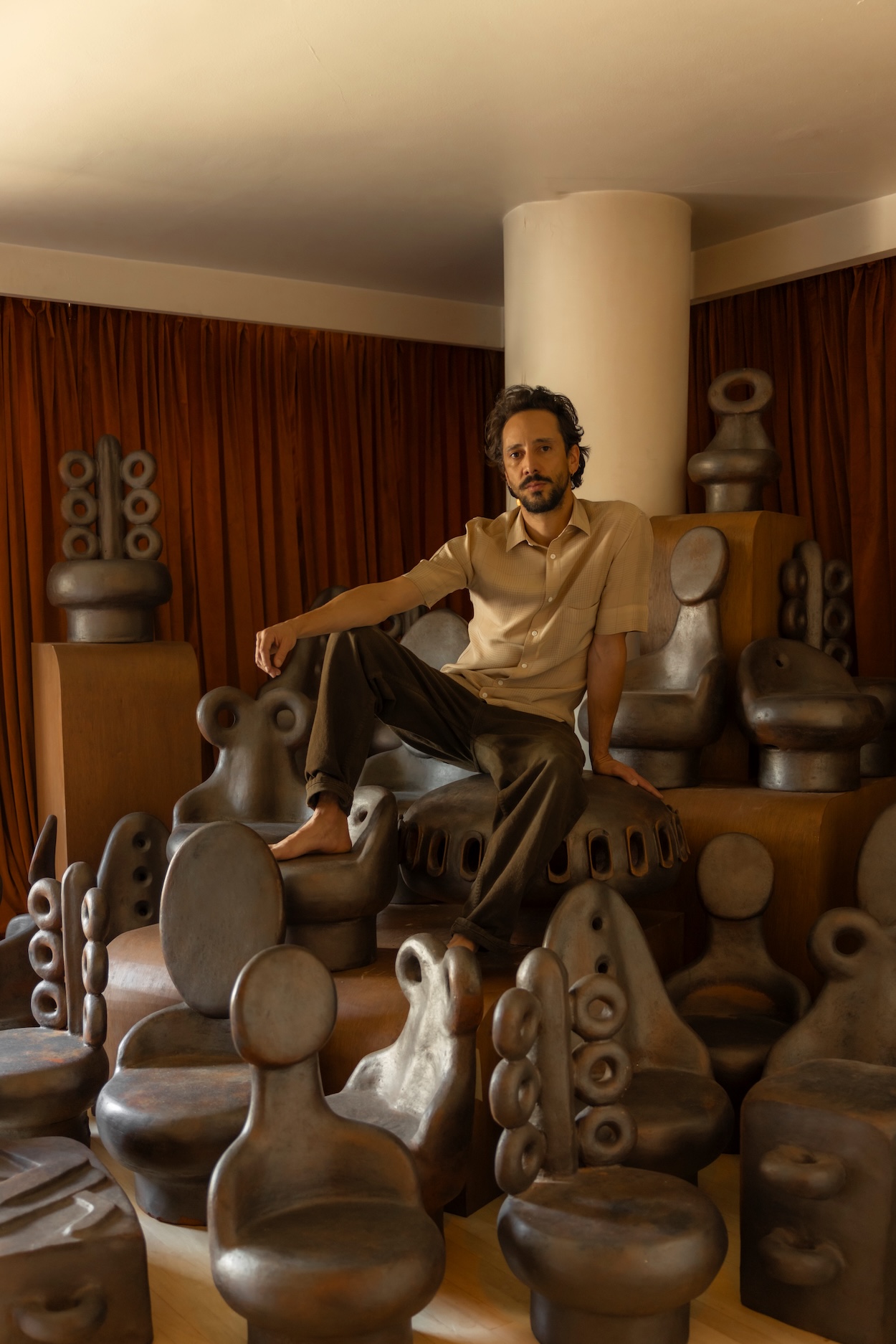
The most important thing you’ve designed to date: I don’t think I can name a single “most important” piece—my work evolves as a constellation of objects that are all part of the same world. That said, the black ceramic pieces have had the strongest visual and emotional impact. They’re the most developed in number and form, and they seem to resonate deeply with others.
Still, I hold a special affection for the lamps. There’s something quiet and intimate in their presence—like small altars. And, technically speaking, the speakers have probably been the most complex to realize. They required collaboration and experimentation, but they opened a new path in my practice by integrating sound into the ceremonial space I try to create.
Describe the problem your work solves: My work doesn’t aim to solve practical problems in the conventional sense. I’m not simply offering a place to sit, a light source, or a speaker to stream your favorite playlist. Instead, I try to address something more intangible: the need for connection, presence, and spiritual grounding in a fast-moving world.
These objects act as quiet companions—pieces that invite reflection, remembrance, or ritual. They help create space for the invisible: for memory, for grief, for stillness, for the sacred. In a way, they solve the problem of how to reconnect with something beyond ourselves.
Share the project you are working on now: I’m working on a fictional world shaped around the absence of a solitary figure—a hermit who lived alone in the mountains for decades, tending to pigeons and quietly building a life out of ritual and repetition. The project imagines the moment when someone discovers the remnants of his world and tries to reconstruct who he was through the objects he left behind.
It’s a kind of portrait in reverse—not drawn from his face, but from the worn things he touched: abstract tools, peculiar furniture, blackened forms, a pigeon coop, a dish where eggs were once placed. These objects become clues. They speak of devotion, eccentricity, and time. They are not meant to explain him, but to suggest him—as if his presence still echoes through them, even after he’s gone.
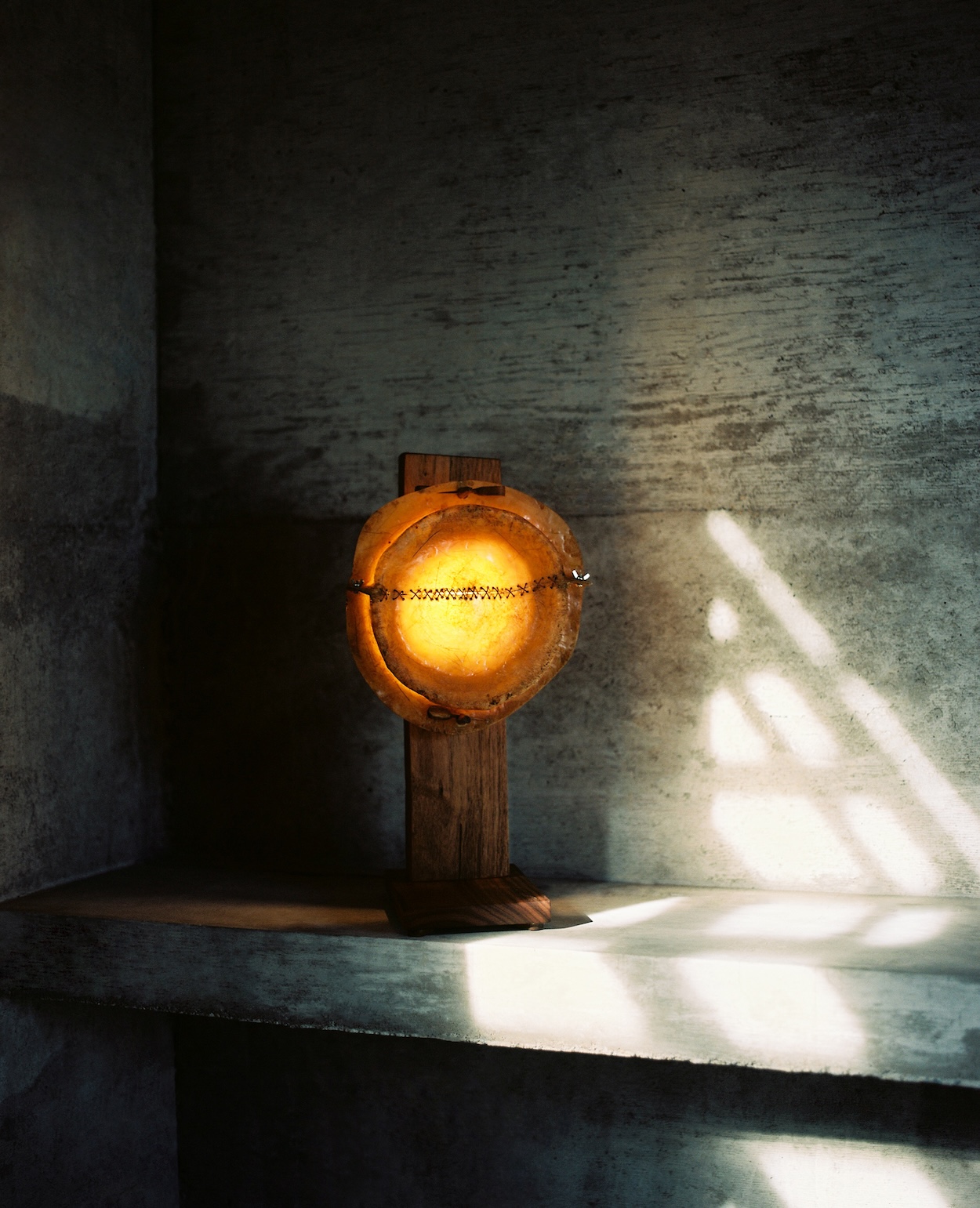
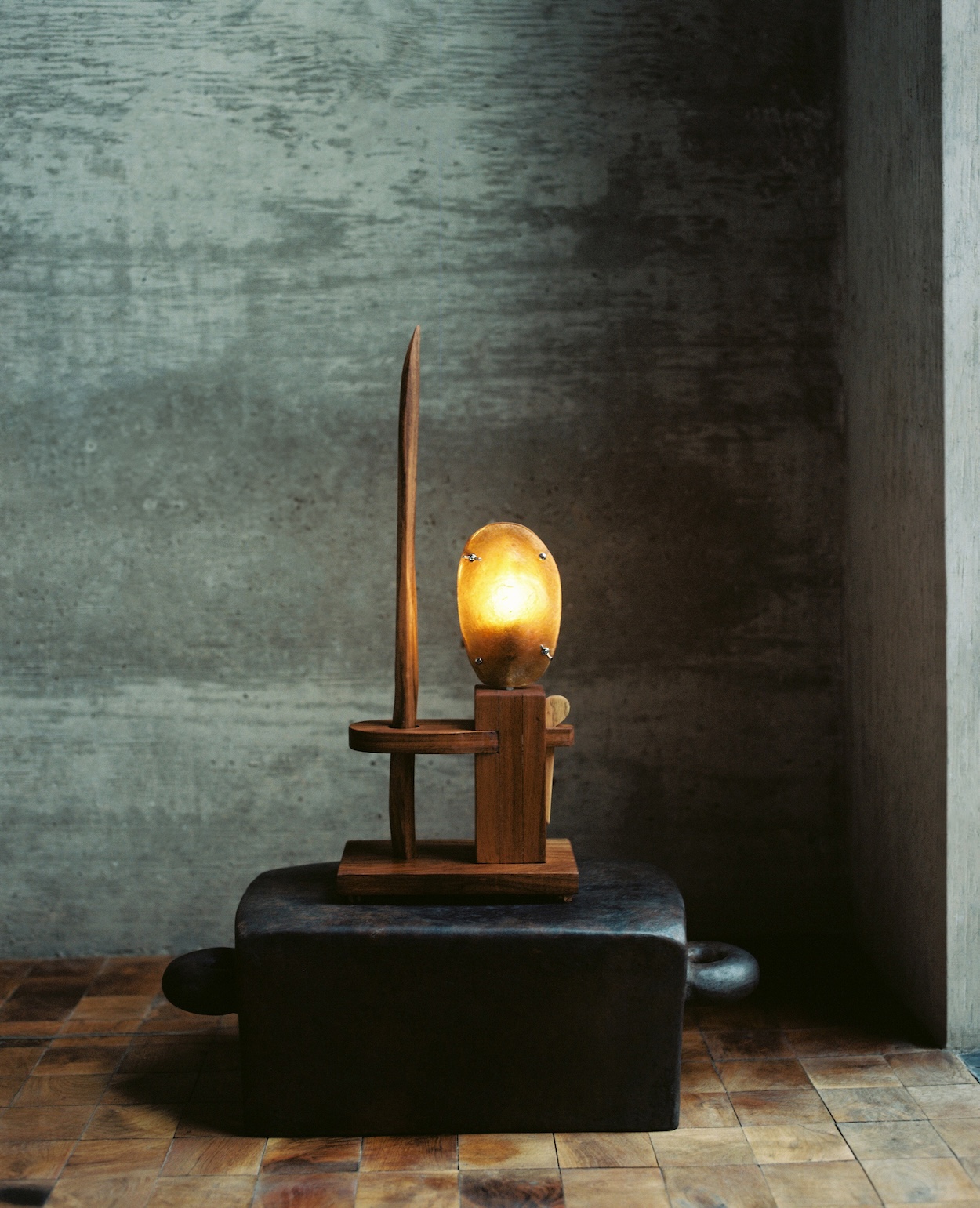
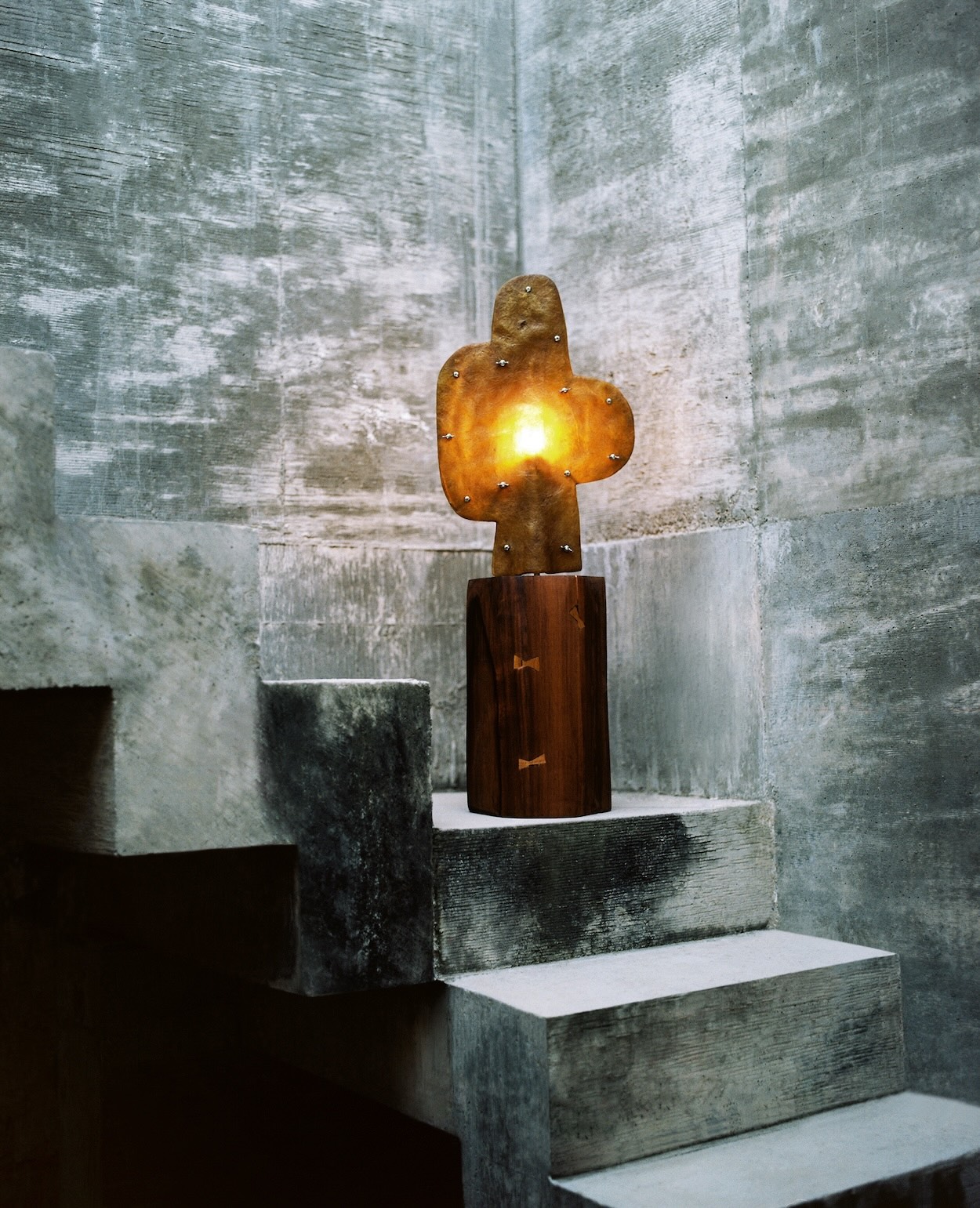
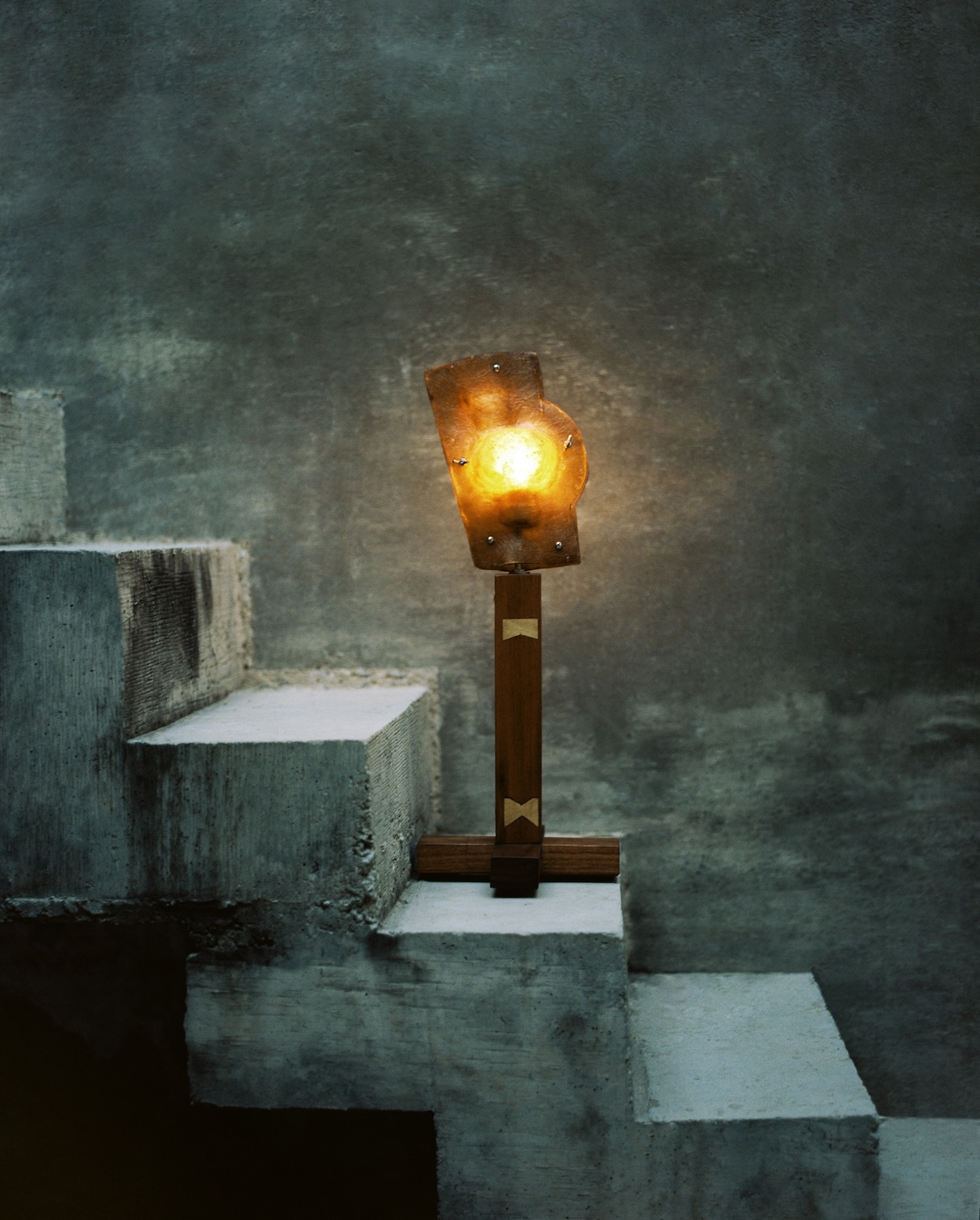
A new or forthcoming project we should know about: In just a few weeks, I’ll be opening my first solo exhibition outside of Mexico—a show dedicated entirely to lamps. It’s an opportunity to focus on a different body of work and to shift the spotlight away from the black clay pieces I’ve been developing with artisans in Michoacán, which have recently defined much of my practice in the public eye.
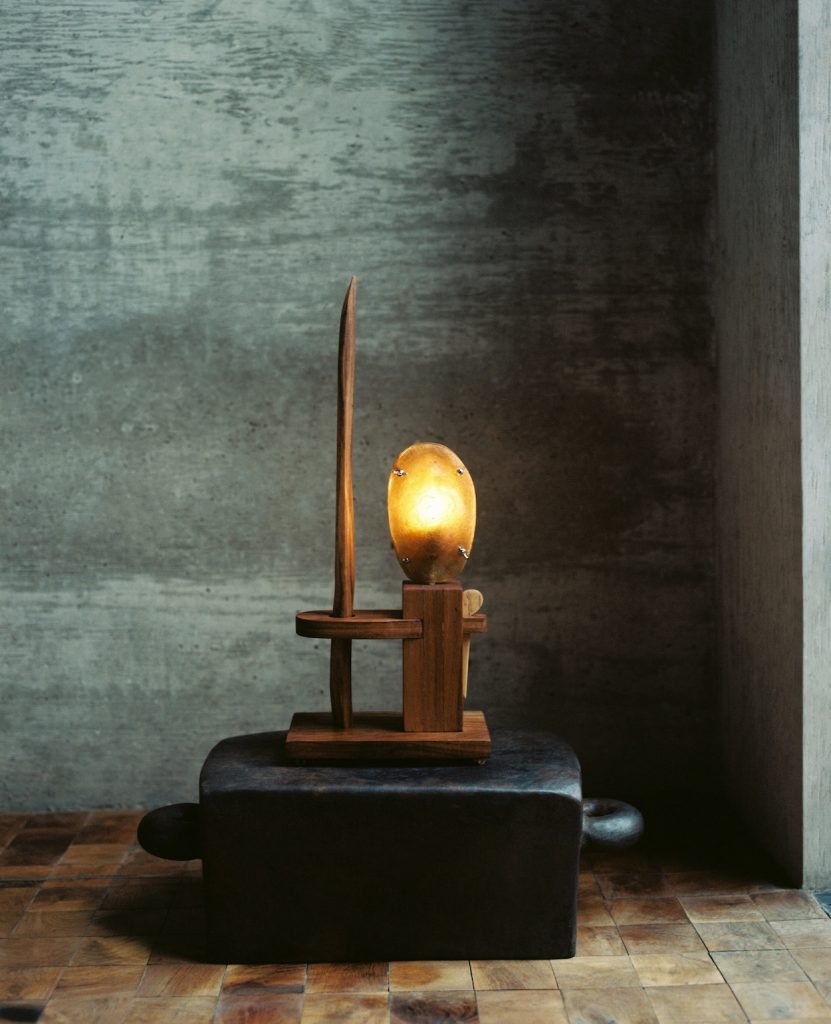
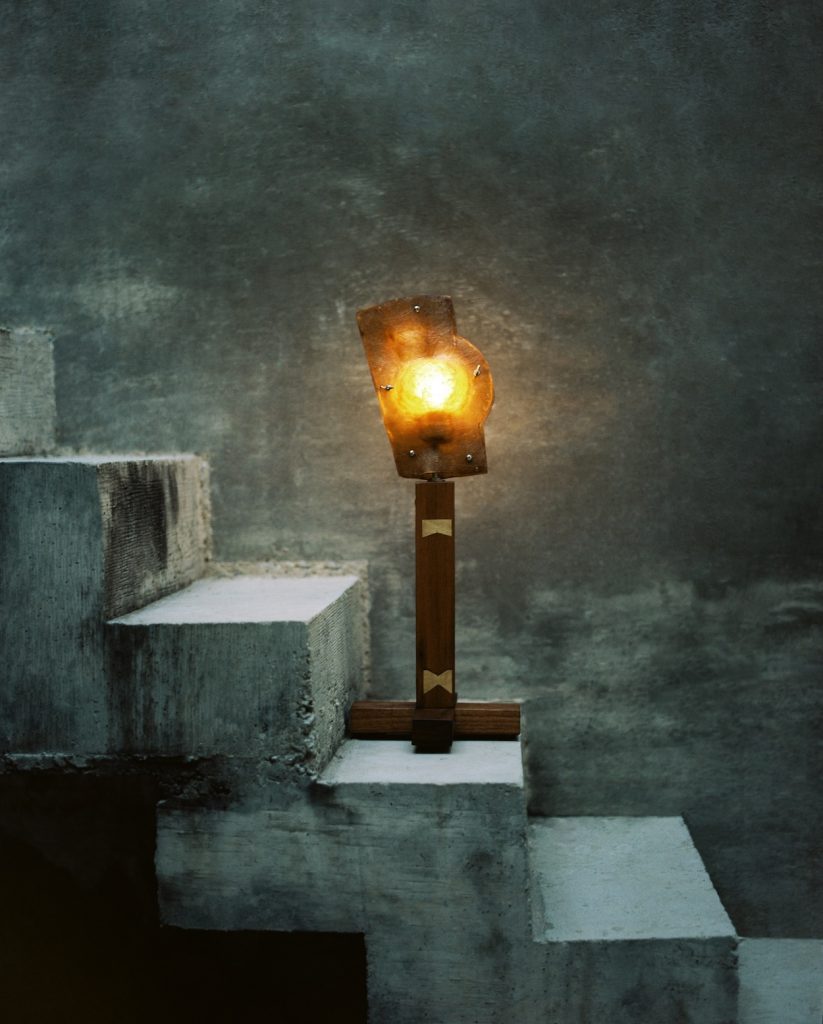
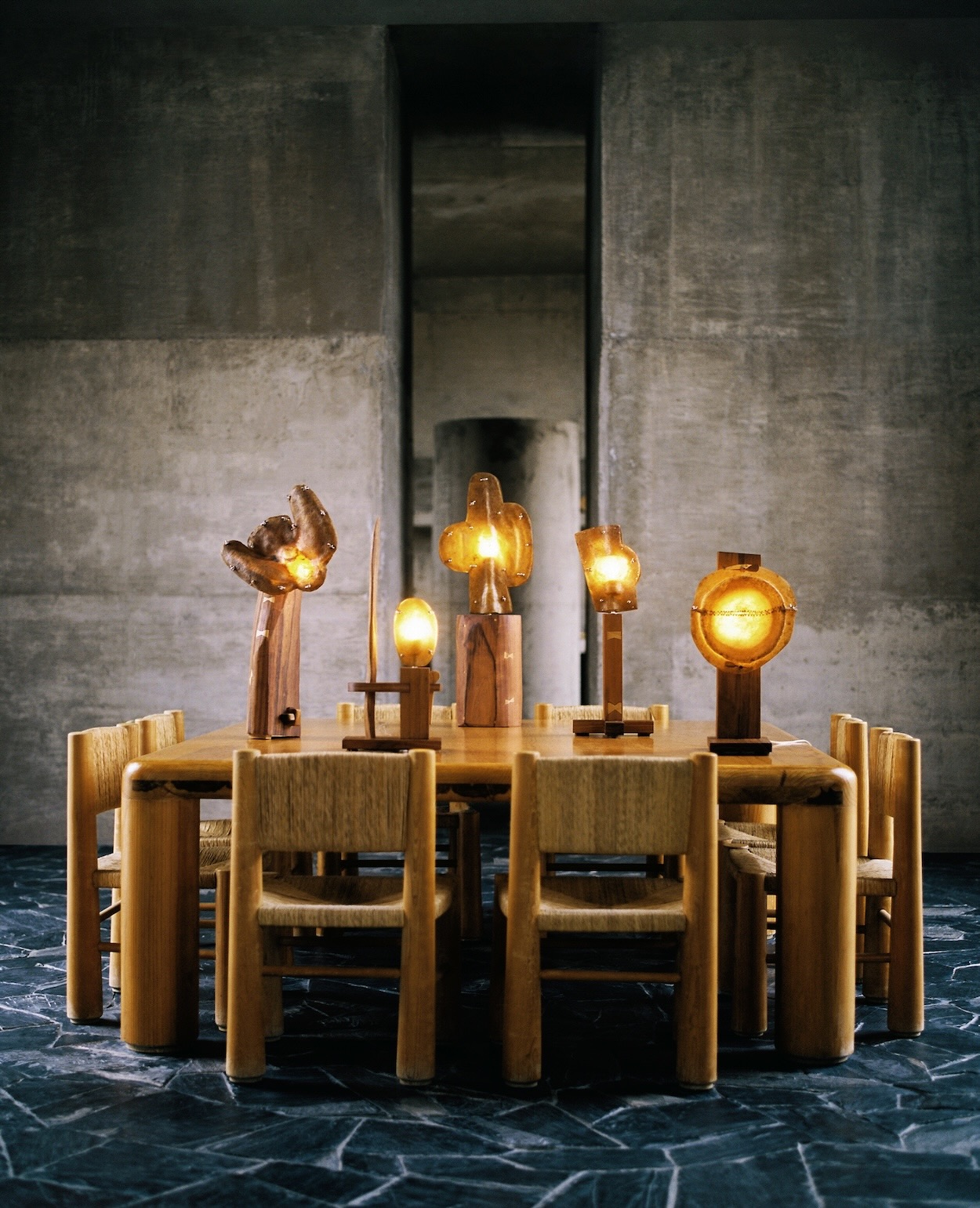
The exhibition, titled Santos de Nada, will be held at the Zak+Fox space in New York, in collaboration with Ago Projects. It’s a new and exciting context for me—one that allows the lamps to be seen in a different light, quite literally.
These pieces are about presence and absence. Many of them are made from fiberglass shells that once served as molds for restoration work in churches. Even when we don’t know what shape was once contained inside, we’re left with its imprint—a void that once held something sacred. By illuminating these forms, I’m interested in creating a space for contemplation, like lighting a candle in memory of a friend or as a quiet wish. It’s a gesture that resonates with people in my generation, who may have distanced themselves from institutional religion, but still crave acts of spiritual intimacy.
In a way, these are devotional objects—but they’re devoted to nothing, or perhaps to memory, to longing, or to light itself. That’s why the show is called “Santos de Nada.” It opens on September 3 and runs for a month.
What you absolutely have to have in your studio: Since my studio is also my home, it’s filled with objects that carry meaning—souvenirs from travels, gifts from friends, small fragments of material culture that seem to belong to me somehow. I surround myself with these forms, colors, and textures, letting them speak to one another over time.
I like to think of them as sketches in three dimensions. The way I arrange or stack these objects becomes a kind of model—a living maquette—from which future works emerge. They serve not just as inspiration, but as quiet companions in the act of making
What you do when you’re not working: When I’m not working, I’m usually moving—on the road with my dog, searching for forgotten landscapes, unfamiliar materials, or old techniques I haven’t yet discovered. I take these trips to recharge, to learn from the land and from the objects I encounter along the way.
Back home, I try to keep my body connected to water. I swim every day. It helps me stay grounded and open. Inspiration often comes from silence and repetition—the rhythm of the strokes, the slow pace of driving, the curves of a river or a stone. Sometimes I rearrange things in my studio, but mostly I’m out looking—for forms, for stories, or simply for something that shifts my perspective.
Sources of creative envy (dead or alive): I feel a deep creative envy for artists who build entire cosmologies through objects. People like Isamu Noguchi, whose work dissolves the boundaries between sculpture and furniture, or Joan Miró, who could evoke a universe with a single line or shape.
I also admire the poetic radicality of Lina Bo Bardi, her ability to think architecture and display as tools for collective transformation. And Carlos Páez Vilaró, for creating spaces so deeply embedded in landscape and spirit that they feel like living organisms. There’s also envy toward anonymous makers—vernacular builders, craftsmen, ceremonial artisans—whose names we’ll never know but whose silent intelligence continues to echo through form.
The distraction you want to eliminate: I would love to eliminate the distraction of my phone. We live in a world oversaturated with information and images, and it’s becoming harder to find mental quiet. This summer, my phone decided to disappear into the ocean—and I ended up spending a month without it. Life felt very different. The only real difficulty was not being able to listen to music, but even that absence brought a kind of silence I didn’t know I needed.
That time allowed me to be more present—especially since I was visiting my mother—and I realized how rare that kind of attention has become. Beyond the phone, I also struggle with internal noise: thoughts, anxieties, and overstimulation. I would like to improve my ability to focus, to build better rituals that help me protect the mental space where creativity can grow.
Concrete or marble? Concrete
High-Rise Or Townhouse? High-Rise
Remember Or Forget? Forget
Aliens Or Ghosts? Aliens
Dark Or Light? Light