“Ballet is evolving. It’s becoming something new as dancers push the boundaries of what’s possible every day,” Julian MacKay, a principal dancer with Munich’s Bayerisches Staatsballett, tells Surface. MacKay’s own story supports this. Born in Livingston, Montana, MacKay enrolled in Moscow’s famed Bolshoi Ballet Academy at age 11. The first American to receive a full Russian diploma, having completed the Bolshoi’s upper and lower school, MacKay has since graced The Royal Ballet in London, the Mikhailovsky Theatre in St. Petersburg, and the San Francisco Ballet. As an international guest artist, he’s become one of ballet’s biggest ambassadors—a role for which he continues to generate new ideas.
Julian MacKay’s Global Approach to the Future of Ballet
Pushing an art form and its visibility forward—from Munich’s Bayerisches Staatsballett to Hong Kong Ballet's Shape of Grace gala.
BY DAVID GRAVER November 19, 2025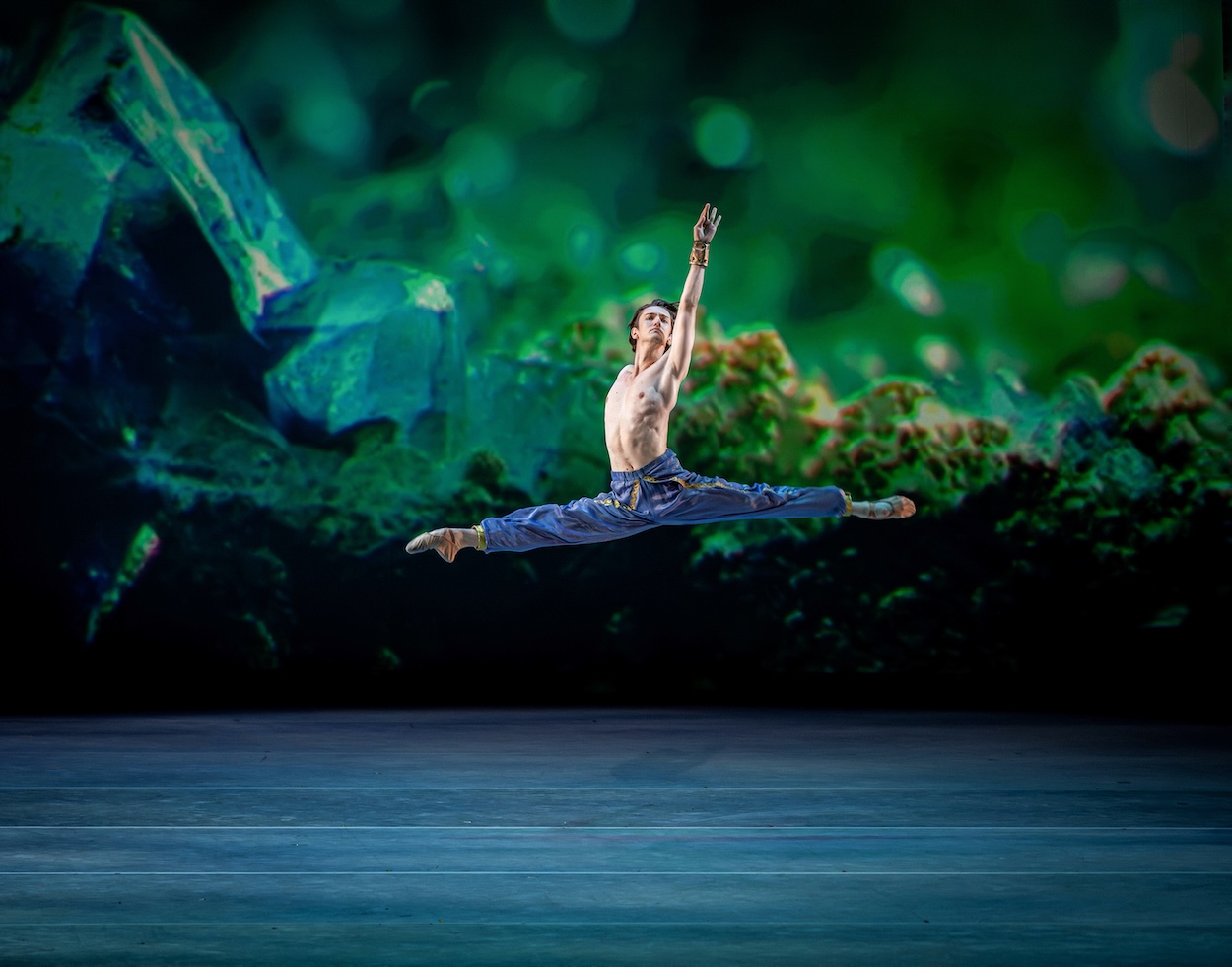
By Nicholas MacKay
…
By Nicholas MacKay
…
With the Bayerisches Staatsballett, Germany has become his base of operations. “As a principal dancer, my work shifts depending on the productions we’re preparing at any given moment. For example, a new contemporary staging in Munich like Johan Inger’s ‘Impass’ demands a very different kind of focus. It requires deep mental presence and a heightened sensitivity to the body to reach that ‘flow state,’ which means spending three to four hours a day diving into the work. In contrast, classical repertoire like John Neumeier’s ‘Nutcracker,’ which opened our season, asks me to draw on the full strength of my classical foundation while also accessing real emotion and life experience.”
By Nicholas MacKay
…
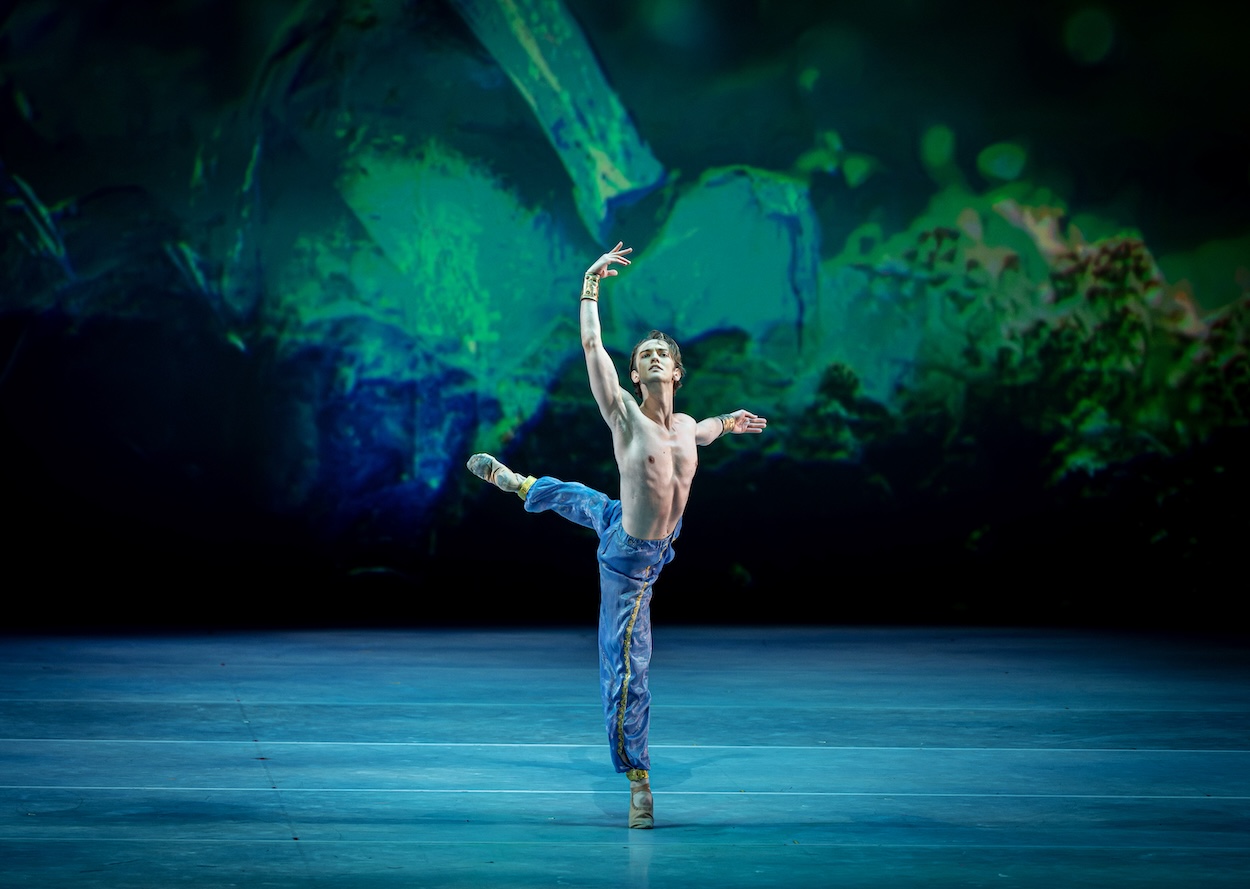
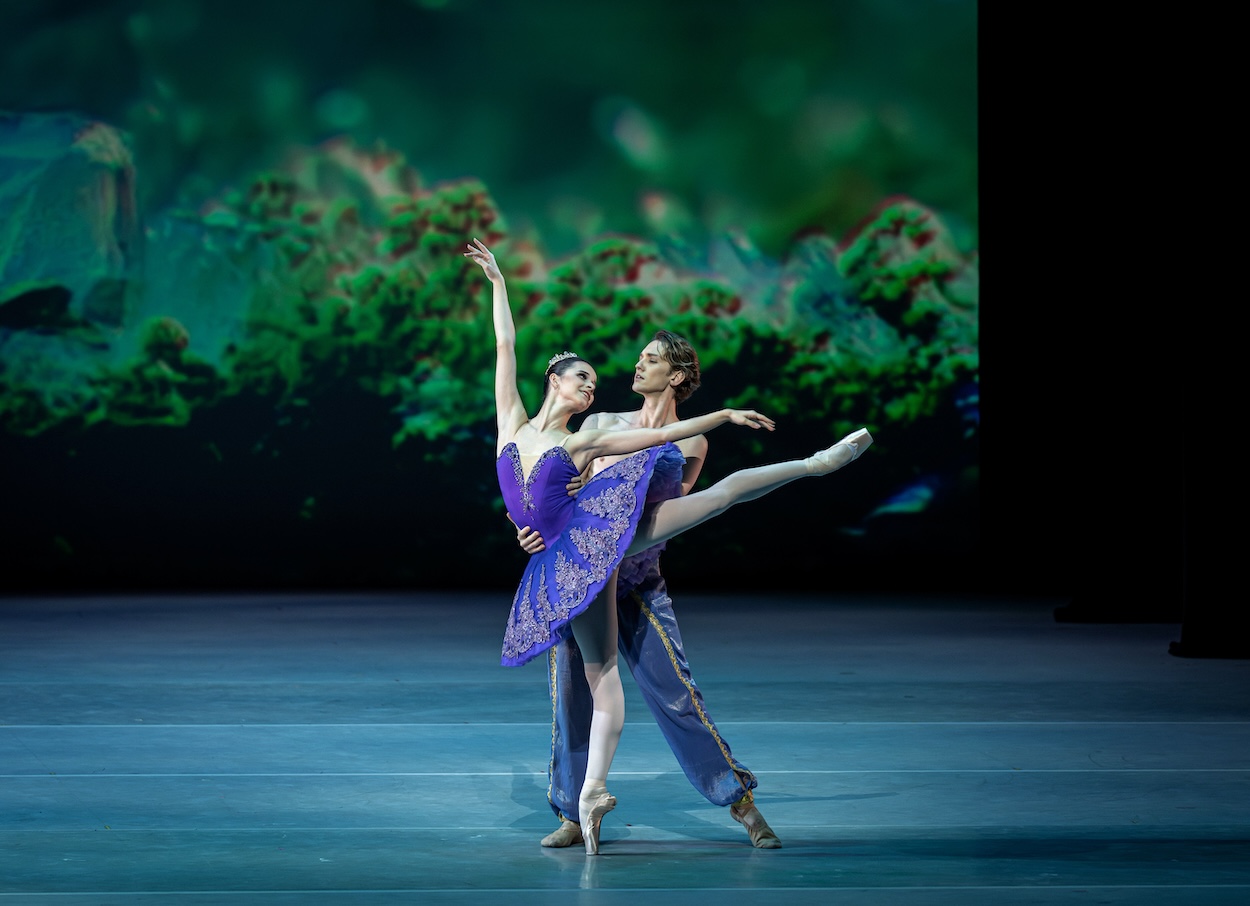
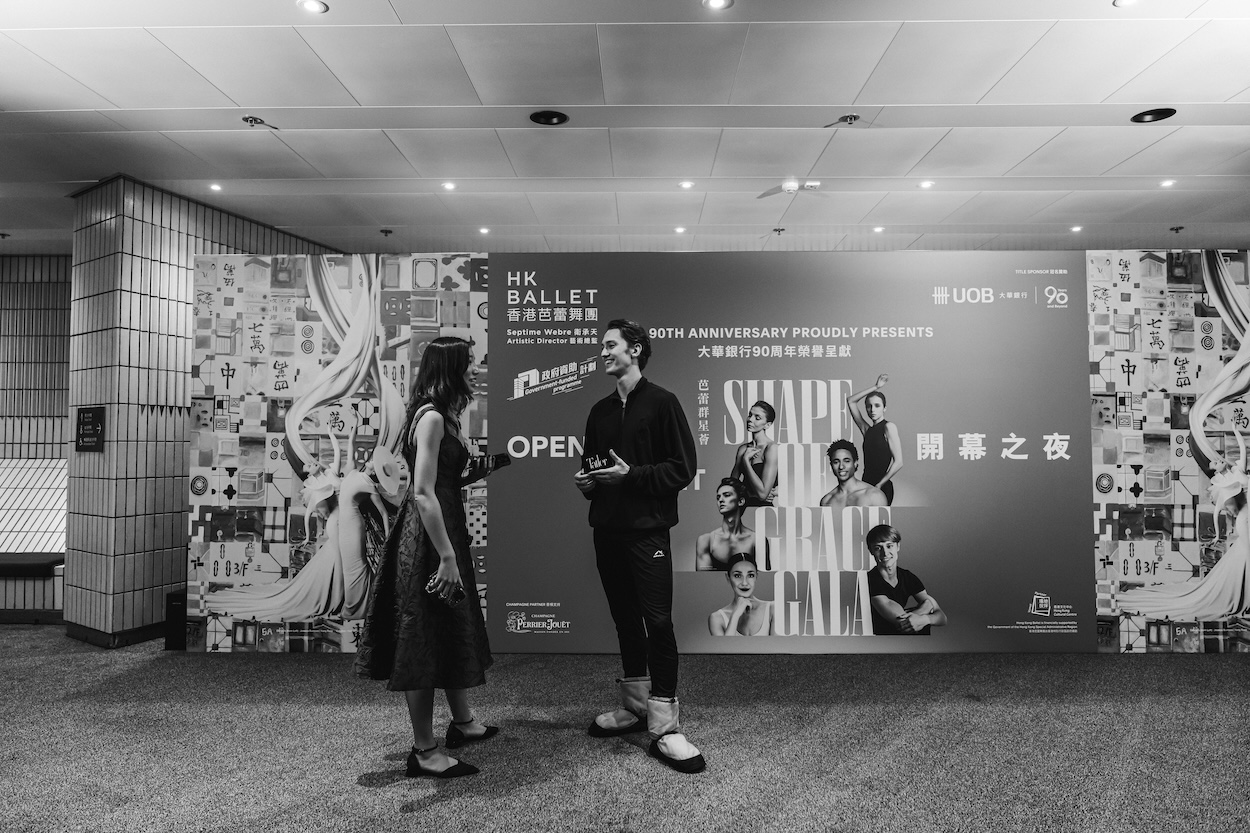
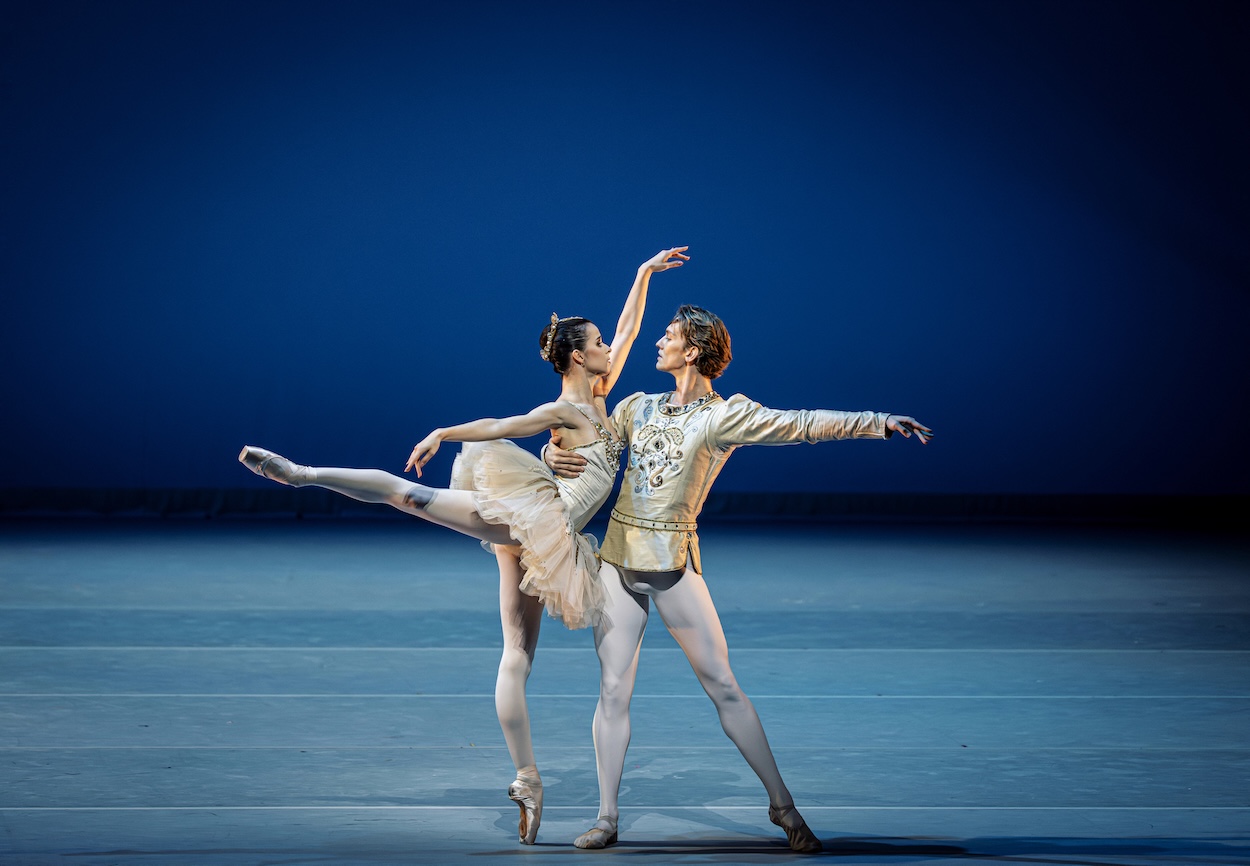
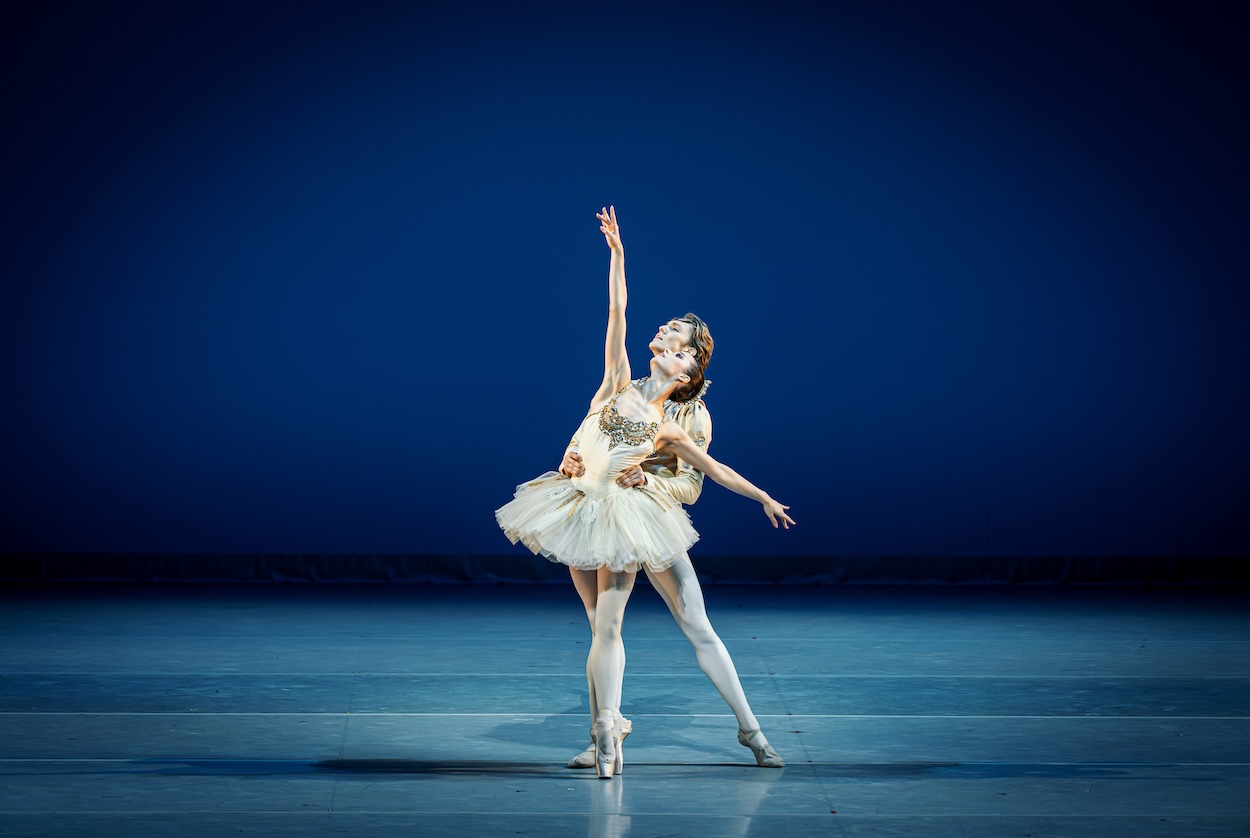
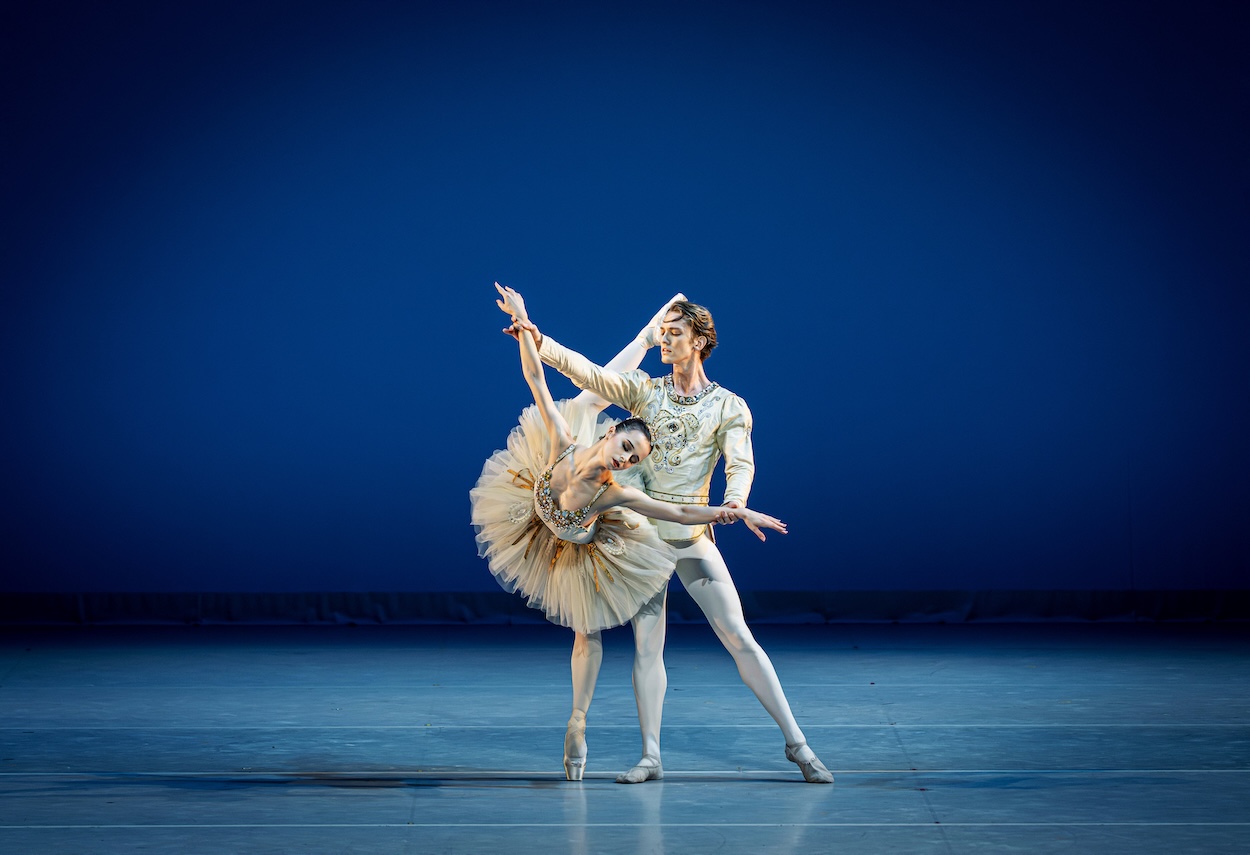
MacKay couples this with meaningful time on the road—from Hong Kong Ballet’s Shape of Grace gala to a meet-up in Tokyo for his “The Art of Dance” project. Each commitment works in service to the ballet world. “Hong Kong Ballet, under the direction of Septime Webre, reached out and invited me to perform alongside one of my favorite partners, Maria Khoreva, for a gala centered on the idea of grace,” MacKay says. “The program included ‘Diamonds’ and ‘Le Corsaire,’ and the invitation felt like a beautiful opportunity to bring these works to life in a way that honored the theme of the evening.”
By Nicholas MacKay
…
Khoreva and MacKay didn’t have time to rehearse in the traditional sense. “Maria and I have such extensive experience in these intense just-go-and-dance situations that we’ve learned to stay calm, trust our training, and trust each other,” he says. “Our schedules barely aligned: I had two free days, she had one. But we’ve known each other for almost a decade, and that long-standing connection made everything feel natural and immediate. Even with minimal time, the partnership felt grounded and meaningful.” The result was mesmerizing to all in attendance, and those who saw moments on social media.
By Nicholas MacKay
…
MacKay has excelled at using Instagram and YouTube to connect ballet with new audiences. With “The Art of Dance,” he intends to use cinema. “Recently in Tokyo, we premiered a 15 minute mini documentary about my journey not just as a dancer, but as a person who left home with a dream. The response was overwhelmingly emotional,” he says. “Usually, an artist only sees their story come together after their career is over, so experiencing this moment while I’m still climbing that mountain felt surreal.”
By Nicholas MacKay
…
Much of the material was captured by MacKay’s mother, as well as his brother Nicholas, a photographer and filmmaker who has perfected the ability to channel the emotion and theatrics of dance into still and moving imagery. MacKay has a vision for production growth and an escalation of scope and scale to match his global presence. “Telling this story matters because we’re all in the process of becoming,” the dancer says. “I’ve been inspired by seeing these kinds of stories in other fields, and I want to share mine honestly to show what my world truly looks like. Dance can express everything.”
By Nicholas MacKay
…
This is but one of many big ideas MacKay hopes to realize. Another: a site-specific production of “Swan Lake” at Schloss Neuschwanstein, King Ludwig II’s towering Bavarian chateau which directly inspired Walt Disney’s “Sleeping Beauty” castle. “Bringing extraordinary art back to the places that originally inspired it is incredibly powerful and in ballet, this is rarely attempted,” MacKay says. “Neuschwanstein has a fairytale quality that resonates deeply with the emotional world of ‘Swan Lake.’ The castle almost feels like it was designed for this ballet.” MacKay’s greatest challenge: cultivating the talented team capable of bringing this fruition.