Fendi’s Renaissance Woman is Alive and Well in the Surreal Salotto of Conie Vallese
In an interview with 'Surface,' Vallese speaks on carrying that legacy forward, how the whirlwind commission unfolded over the past six months, and bringing shades of Rome to Miami.
Credit (all images): Giulio Ghirardi. Courtesy of Fendi…
Before Fendi launched some of the biggest talents the design world has yet seen—the late Karl Lagerfeld presided over a roster that included Sabine Marcelis, Maria Pergay, and Formafantasma—it was a Roman fur and leather goods workshop. A century after Adele and Edoardo Fendi founded the house, it stands as one of the most respected and powerful names in Italian design across fashion and interiors thanks to the stewardship of their five daughters.
It was over the course of the 1970s and ‘80s that the five Fendi sisters took the house to new heights. To hear those most intimately familiar with its mythos tell it, by day, the Fendi sisters steered the business from its Roman headquarters. By night, the offices were a salon of sorts to the stars of Rome’s glittering film scene, hosting gatherings and fittings where talent from across the globe and every corner of the art world would exchange ideas. It’s in this spirit that sculptor Constanza “Conie” Vallese’s Fonderia Fendi debuted yesterday at Design Miami.
Credit (all images): Giulio Ghirardi. Courtesy of Fendi…
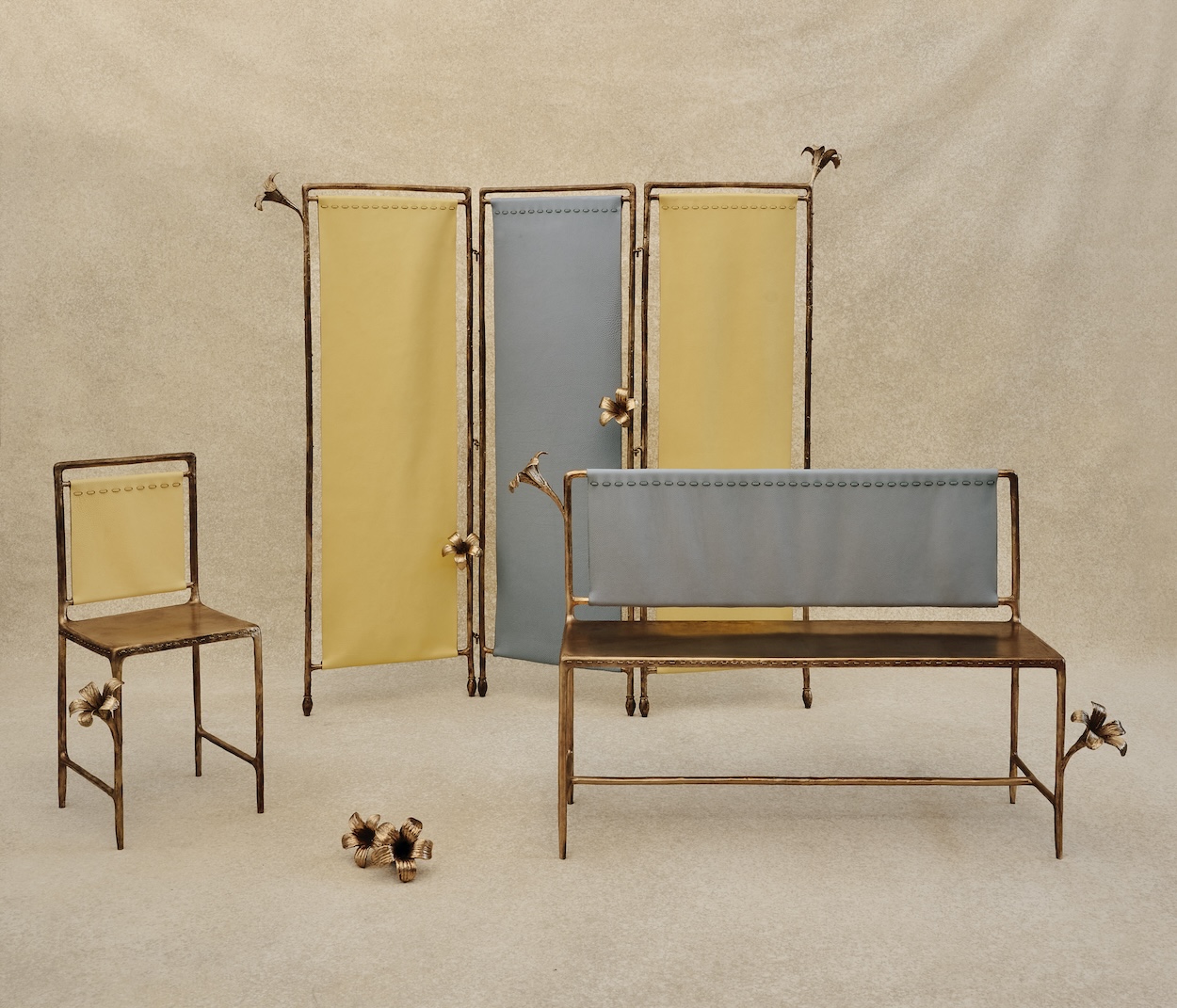
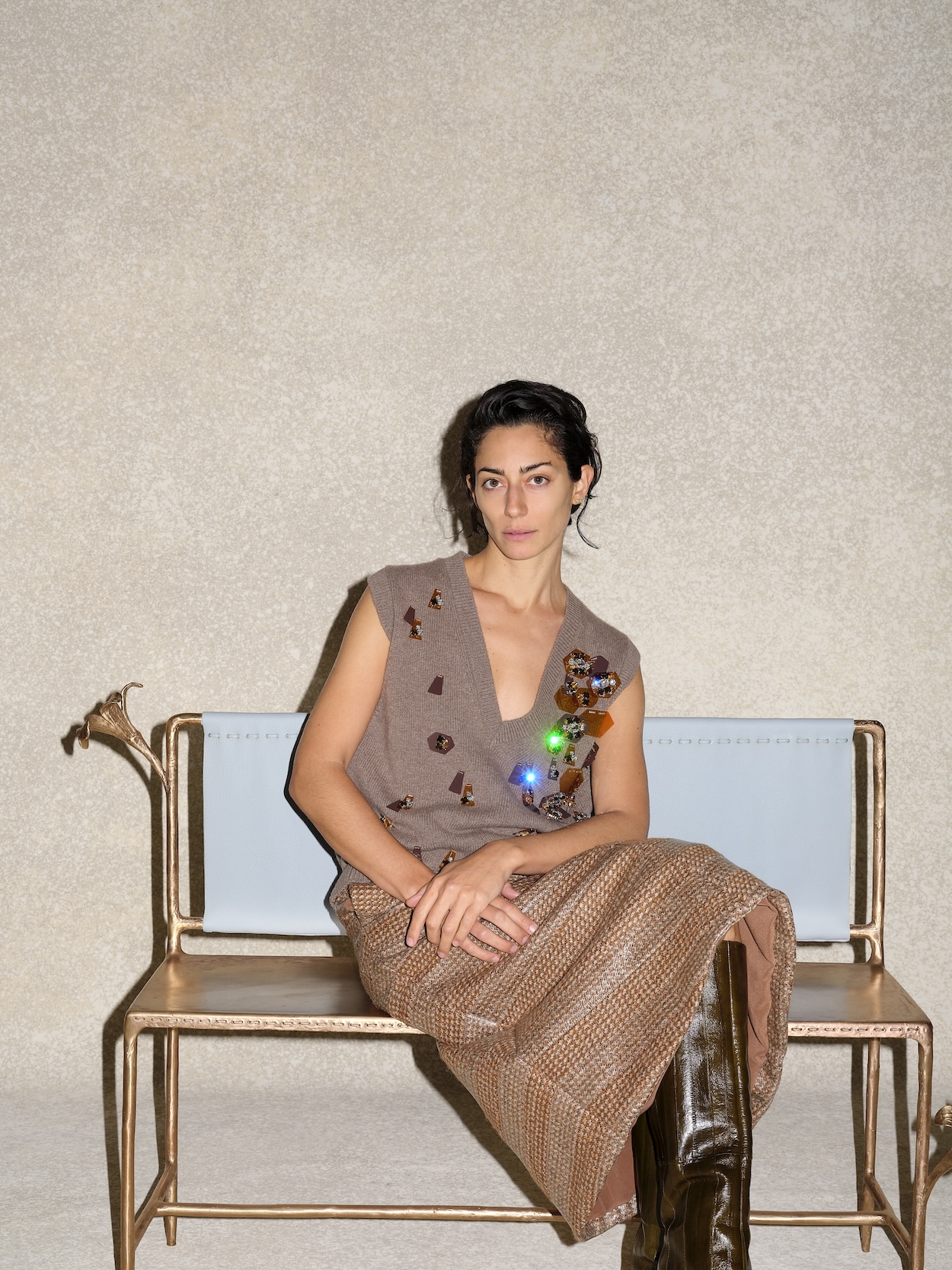
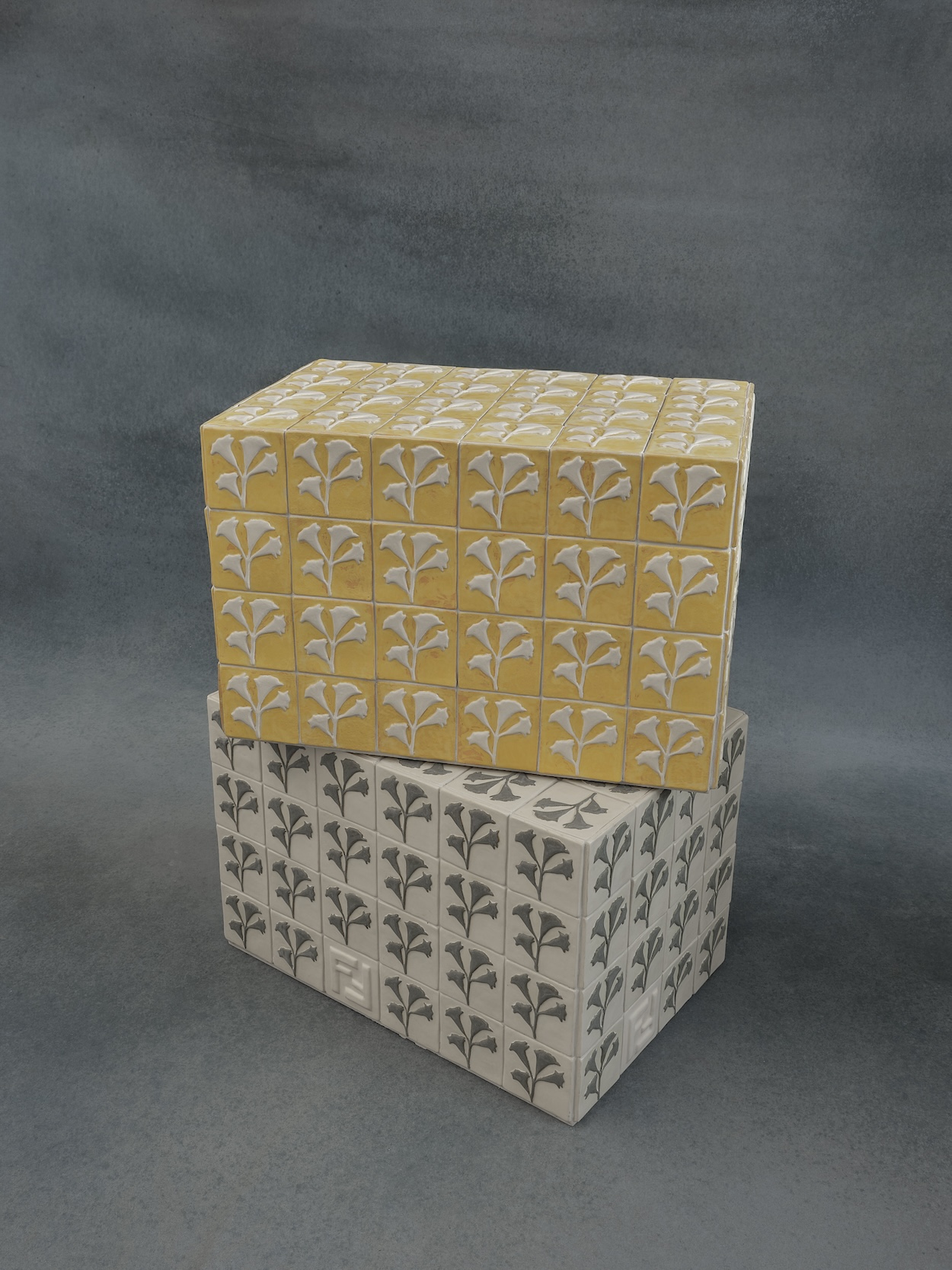
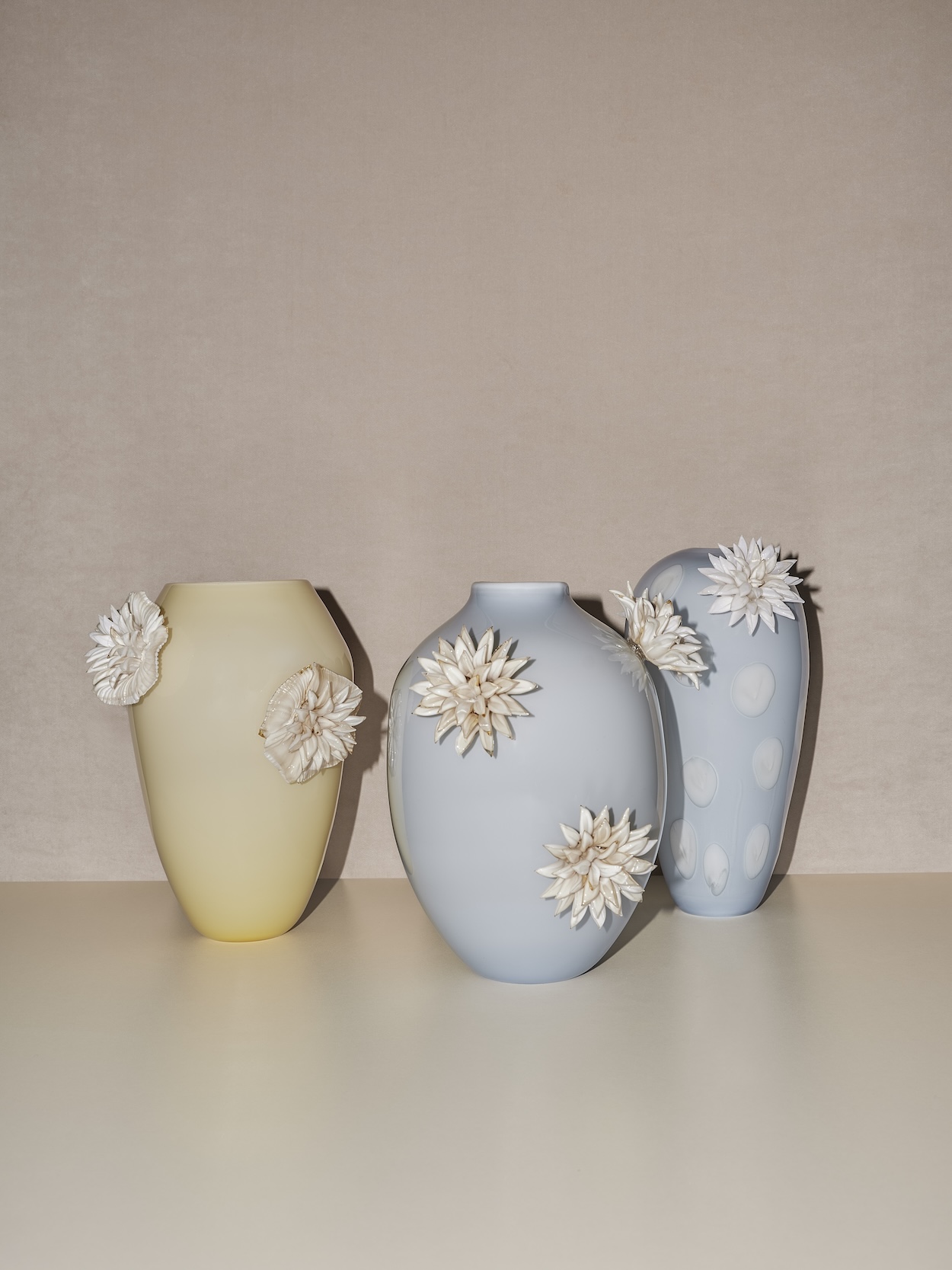
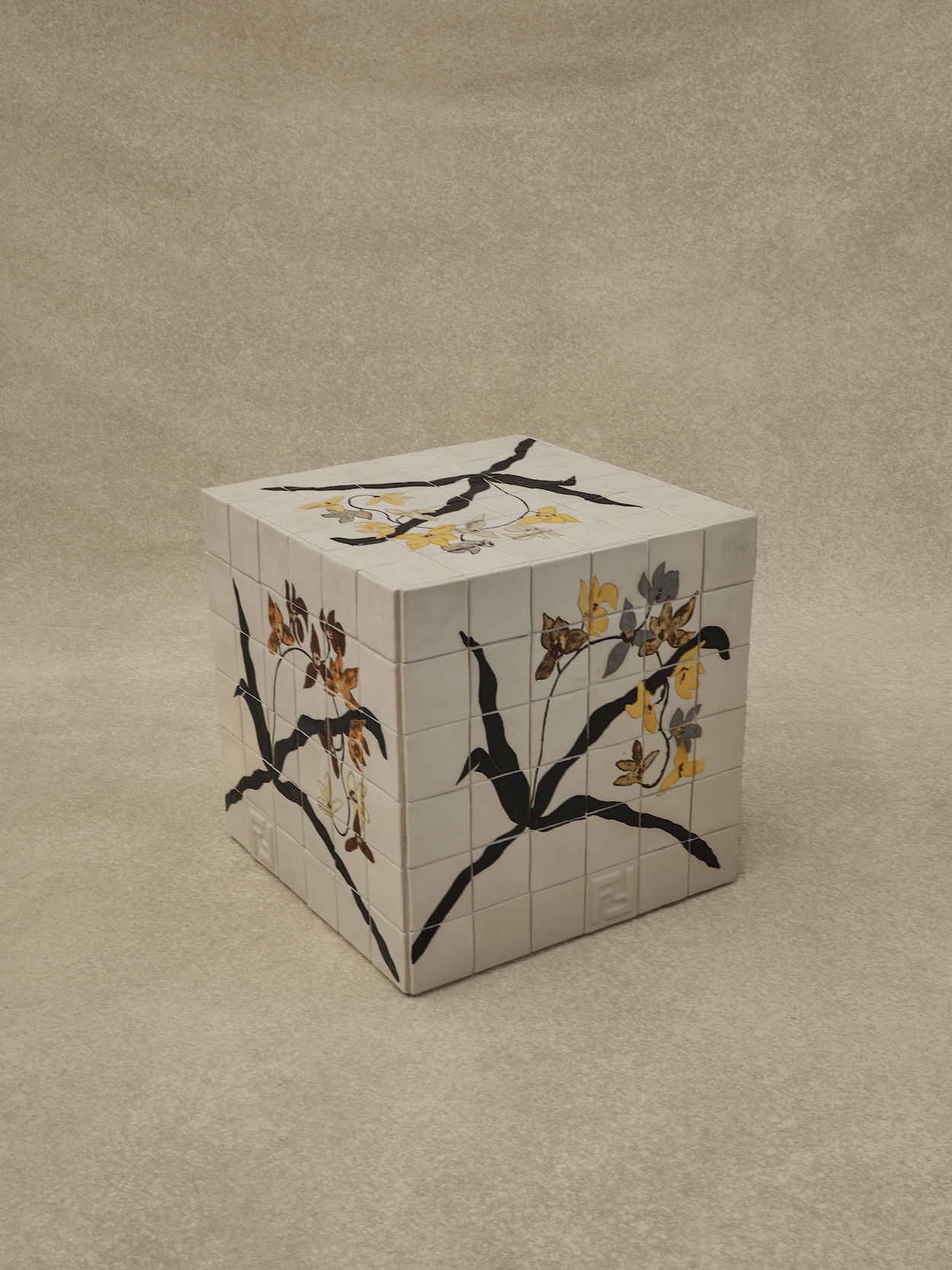
Vallese’s hand-sculpted orchids and lilies are immortalized, mid-bloom, in bronze and glass across a twelve-piece collection crafted by five of Italy’s most storied fabricators. Leather from Fendi’s own workshops meets intricate bronzes from foundry Fonderia Battaglia, ceramics from Officine Saffi, woven carpets by CC-Tapis, and Venetian glass from 13th-century studio Barovier & Toso. As a whole, the pieces, which include a bronze lily and leather room screen, ceramic pedestals emblazoned with lilies and the house’s double-F logo, vases, and more, create a salon where one could imagine women—glamorous, talented, and powerful women—coming together much as the Fendi sisters did some fifty years ago.
In the following interview, Vallese speaks on carrying that legacy forward, how the whirlwind commission unfolded over the past six months, and bringing shades of Rome to Miami.
This commission is still overseen by Silvia Venturini Fendi, daughter of Anna Fendi, who was one of the five Fendi sisters. What was it like to work so closely with her throughout the commission?
I had a beautiful initial meeting with Silvia. In our meeting, she gave me a sort of trust that felt really good. As soon as I left her office, I just felt like, I can do this. She was a very important part of the project, and to meet her, and to feel that appreciation for my work? That’s amazing.
From there, what can you tell us about the process of conceptualizing Fonderia Fendi?
After our six/eight hour meeting in Rome, all I could think of was how to put this together. I work with different materials and we wanted to do a very cozy living room, a salotto, that felt welcoming and warm. The chosen colors were also very important. I had never been to Miami before, so all I could think was, sunshine, definitely yellow—I wanted to do something very optimistic.
What of working with these five Italian fabricators—why is that so essential to the framing of these pieces?
The reality is that there are always so many people helping approach these ideas of mine. So, you know, [with the five fabricators] we kind of played a little bit with the symbol of the five sisters of family, and its feminine strength. And you know, strength and fragility—the dialogue between solid and strong and soft is something that I work a lot in, so it was very important to consider that.
We see different flowers in the mix here, but the lilies are such a strong recurring motif. Could you tell us about why you kept coming back to that bloom?
I have a little bit of this decorative, ornamental approach in my work. For me, it’s also like flowers really represent the cycle of life. I always feel like I am blooming in something, or decaying. They go through all these different stages. I don’t see it as [just] beautiful things. It’s more like this cycle of all the different stages to go through: same as I do, we all do. It’s, in a way, blending that decorative detail with simplicity.