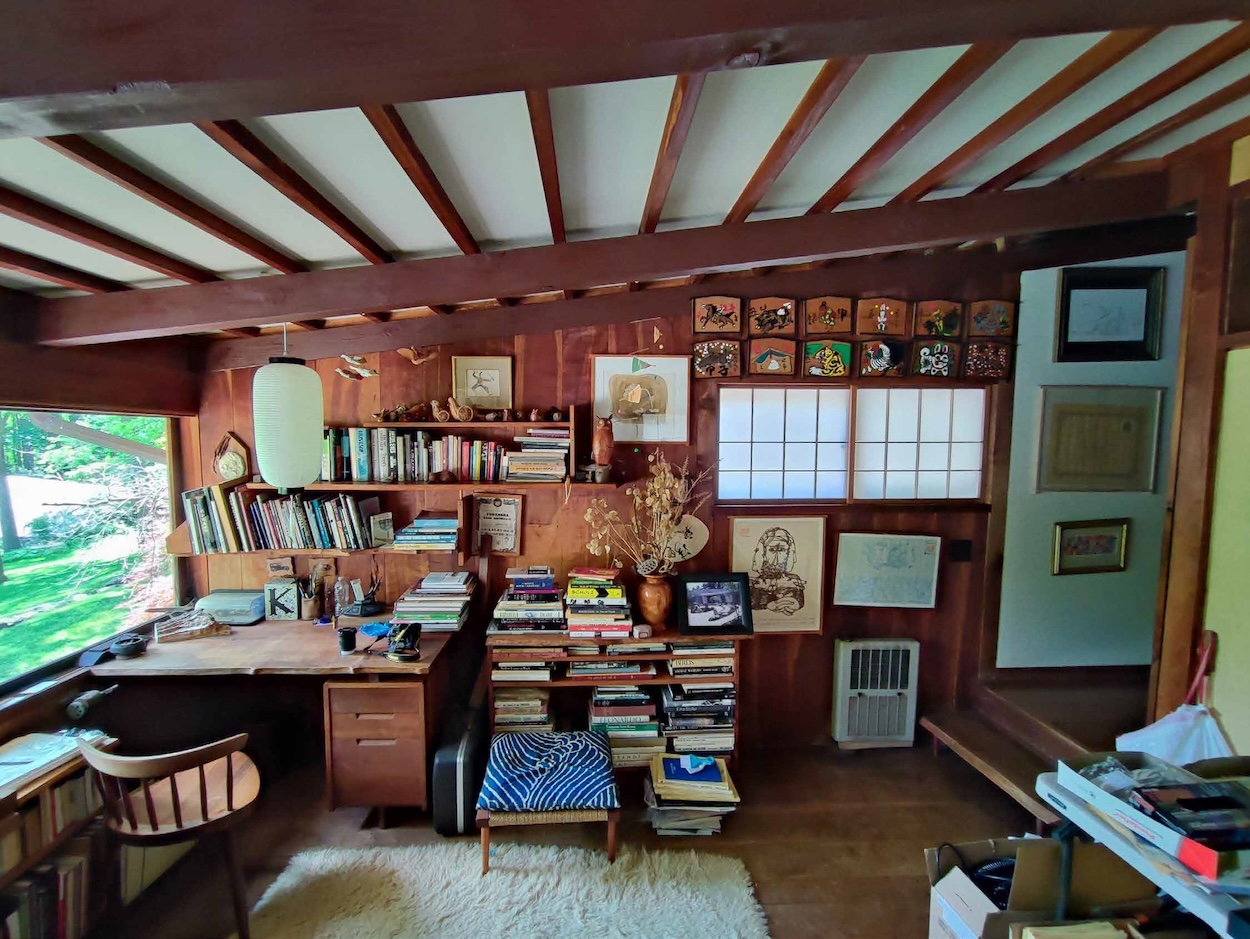
The University of Pennsylvania is spearheading the preservation of the Nakashima Family House.
The University of Pennsylvania’s Historic Preservation program has joined forces with the Nakashima Foundation for Peace to restore the Family House, the 1946 residence that anchors George Nakashima’s legendary compound in New Hope. Built by hand in the aftermath of World War II, the home embodies Nakashima’s belief in harmony between craft, nature, and spirit. A symposium focused on the restoration efforts surrounding the house, which is a national landmark, will take place on November 15 and 16 at the Nakashima compound.
Figma has acquired Weavy, a visual workflow tool powered by A.I.
Figma has acquired Weavy, an AI-powered tool that enables users to build visual workflows for generating and refining images and videos. The platform, which has been rebranded as Figma Weave, lets creators connect nodes on a canvas to manipulate outputs from multiple AI models, emphasizing human-guided editing. Figma plans to integrate Weave into its existing suite of design and collaboration tools.
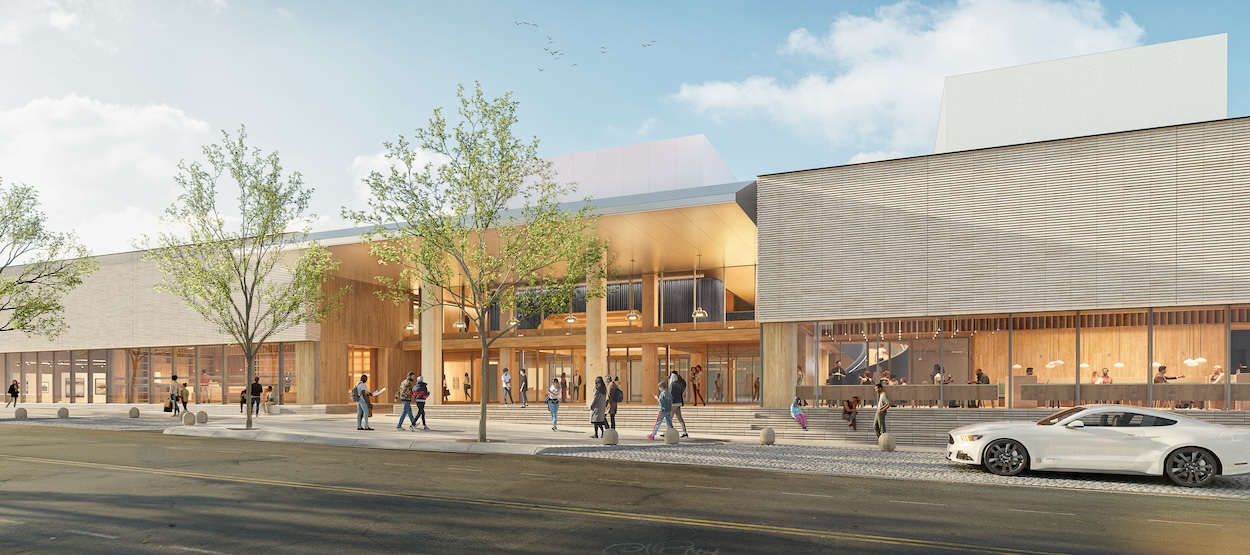
Memphis’ Herzog & de Meuron-designed art museum will open to visitors in December of next year.
Memphis’ Herzog & de Meuron–designed art museum will open in December 2026, moving the city’s oldest and largest art institution into a new downtown campus along the Mississippi River bluff. The 122,000-square-foot building expands galleries and public space while integrating wood, glass, and open circulation to connect visitors with both the collection and the city. Its rooftop sculpture garden, street-level courtyard, and light-filled classrooms emphasize accessibility and creative engagement. The museum’s arrival marks a major moment in Memphis’ year of cultural milestones, joining other local institutions in celebrating expansions and anniversaries.
New York City’s East River Park and flood protection system, reimagined by BIG, is reopening.
New York City has reopened key sections of East River Park, part of the East Side Coastal Resiliency Project, designed to protect more than 110,000 Lower East Side residents from flooding. BIG’s redesign raises parkland by eight to nine feet and integrates floodwalls, gates, and infrastructure with new recreational spaces, including courts, lawns, water play areas, and pedestrian bridges. The project transforms the waterfront into a connected “parkipelago” of green spaces, blending climate resilience with public access. The Solar One Environmental Education Center anchors the northern end, offering sustainable facilities and educational programming as part of the upgraded park.
OpenAI has shed its not-for-profit status, opening new avenues of fundraising and an IPO possibility.
OpenAI has abandoned its nonprofit status to become a public benefit corporation, giving it the flexibility to raise funds and pursue a future IPO. The former nonprofit retains control over governance, while investors including Microsoft hold sizable stakes. The shift strengthens OpenAI’s position in the competitive AI industry, allowing it to manage partnerships and technology development with greater independence.
Today’s attractive distractions:
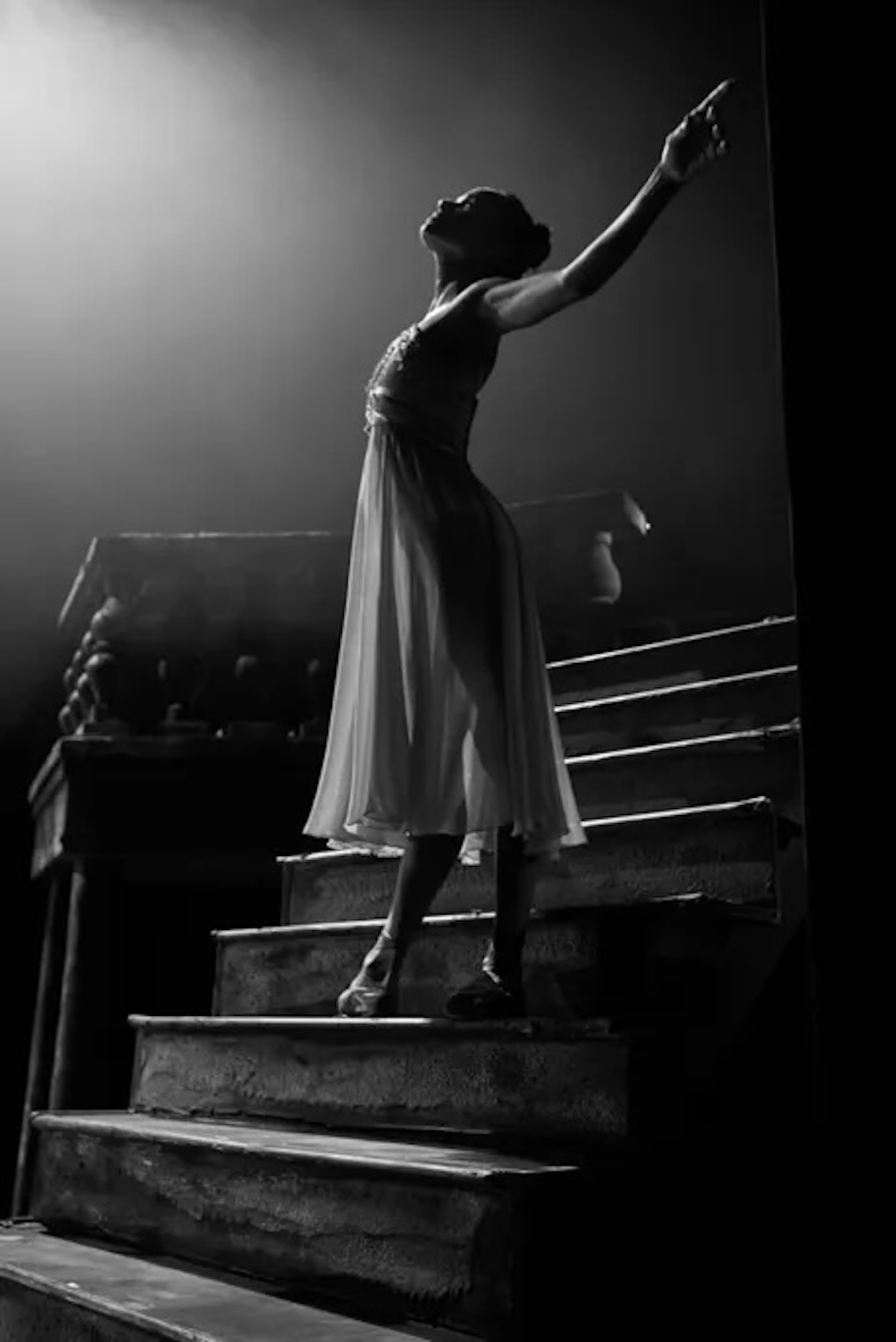
See Misty Copeland’s final performance day, through the lens of Henry Leutwyler.
It’s been 20 years since Patricia Urquiola created her Tufty Time sofa for B&B Italia.
And, a decade since the advent of Dior’s artist-designed Lady Dior handbag initiative.
Are we in an art film golden age? A new film traces the contours of Egon Schiele’s Wilted Sunflowers.