El Cortés Brings Boutique Hospitality to a Neighborhood Built on Design
Roma Norte, the neighborhood in Mexico City known for its art nouveau and neoclassical architecture, welcomes a 15-key hotel inside a restored Porfirian-era mansion
For nearly five years, Carlos Zaragoza walked past the same mansion in Roma Norte, the Mexico City neighborhood known for its Art Nouveau and Belle Époque architecture. Built in 1915 and later used as a presidential residence, the property had long since fallen out of use. But Zaragoza couldn’t shake the feeling that it was meant for something more. “Every time I passed by, I couldn’t help but think that its highest and best use—its true second life—would be as an intimate boutique hotel,” he says.
When a real estate broker sent over the listing, Zaragoza recognized the building immediately. “I went to tour it that very same day, and by the next day, my business partner and I had already submitted an offer,” he says. What followed was a three-year restoration.
Courtesy of El Cortés.…
By the time he closed on the mansion, much of its original character had already been altered, which only deepened his restoration desires. “Understanding how historic of a building it was made me even more persistent in trying to bring back every element I could,” he says. “My philosophy was to preserve every single original element we could save.”
Zaragoza, a first-time hotelier, credits his outsider perspective for much of what makes El Cortés feel different. “Because the building was originally designed as a private residence, my goal was to retain that sense of residential intimacy rather than treat it as a commercial space,” he says. “I designed it through the lens of welcoming guests into an authentic, highly curated home.”
The hotel name also carries that same mentality. El Cortés is a nod to Guaymas, the coastal town on Sonora’s Sea of Cortés where Zaragoza grew up, but it also plays on the word’s second meaning. “I was drawn to the double meaning of the word cortés in Spanish, which translates to ‘courteous’ or ‘gracious,'” he says. “In the world of hospitality, that connection made absolute sense.”
Courtesy of El Cortés.…
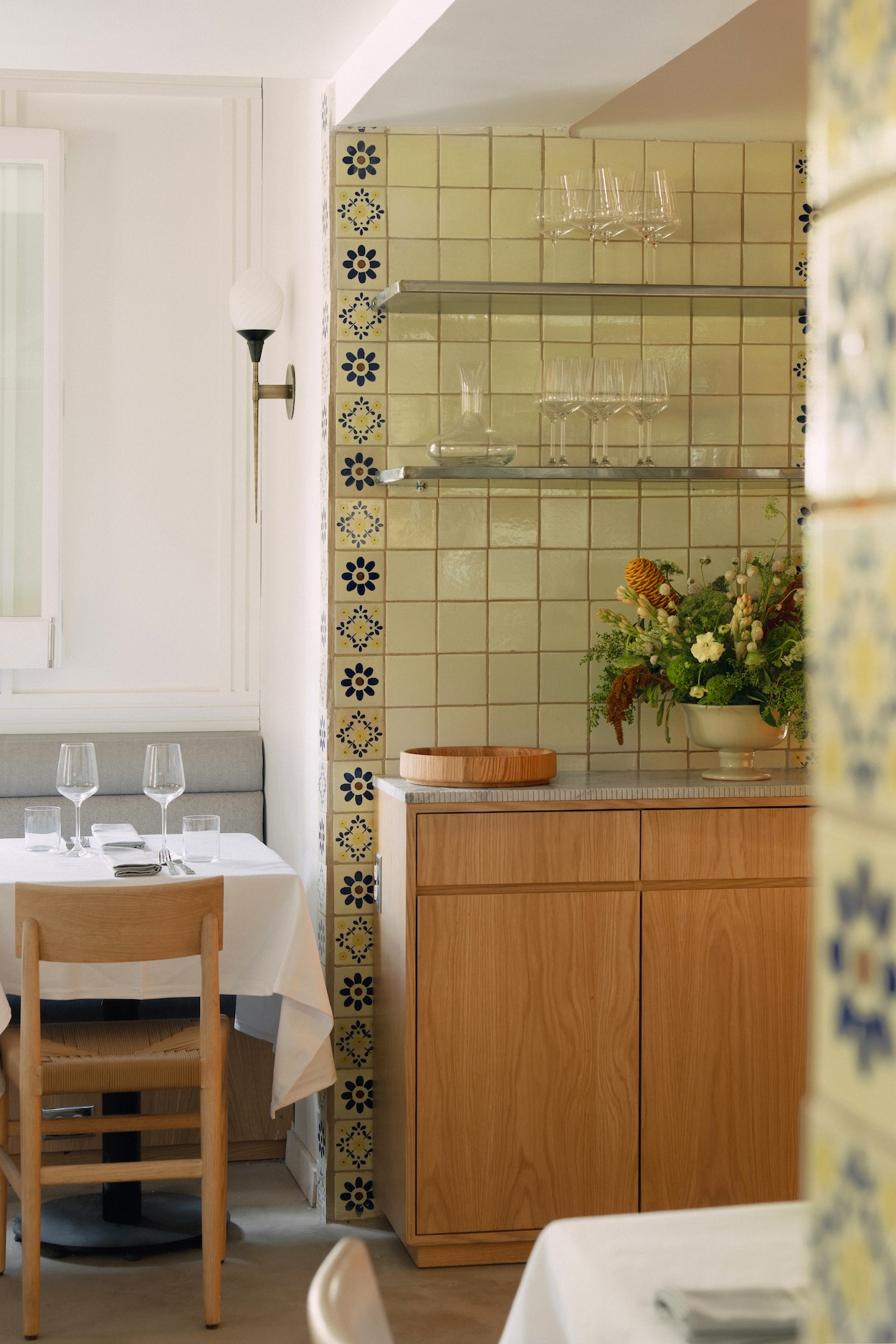
When it came to decorating the interiors of the space, Zaragoza sought out a specific Talavera workshop in Puebla, Celia Talavera, a family-run house now led by the founder’s great-granddaughter. Together, they developed custom bathroom accessories that reinterpret traditional Talavera patterns in a more contemporary way.
The staff uniforms also hark back to a specific memory: Zaragoza’s years living in London across the street from Chiltern Firehouse. “I remember noticing how chic the staff uniforms were, and later learned they were designed by Emilia Wickstead,” he says. “From that moment, I knew that if I ever built a hotel, I wanted to bring that same fashion-forward perspective to the uniforms.” At El Cortés, that vision took shape through a collaboration with Mexican fashion designer Kris Goyri.
Courtesy of El Cortés.…
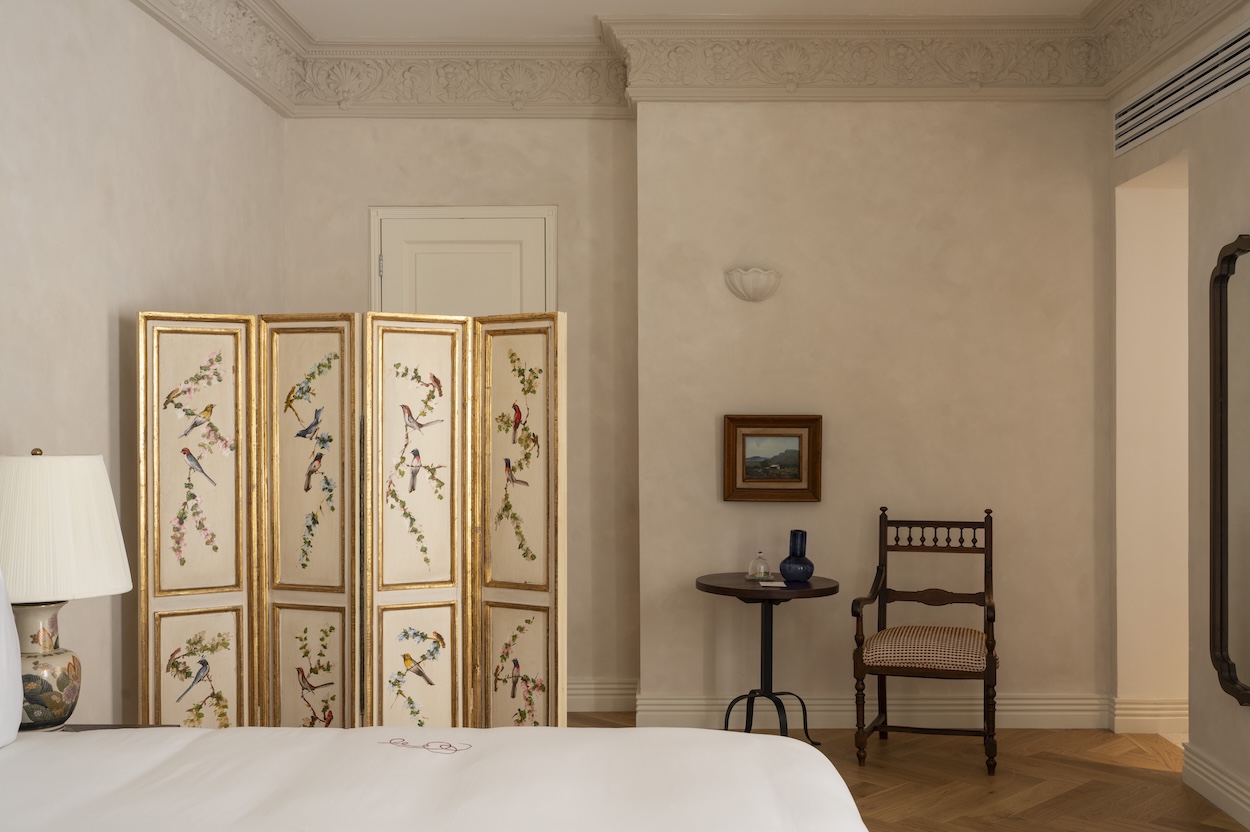
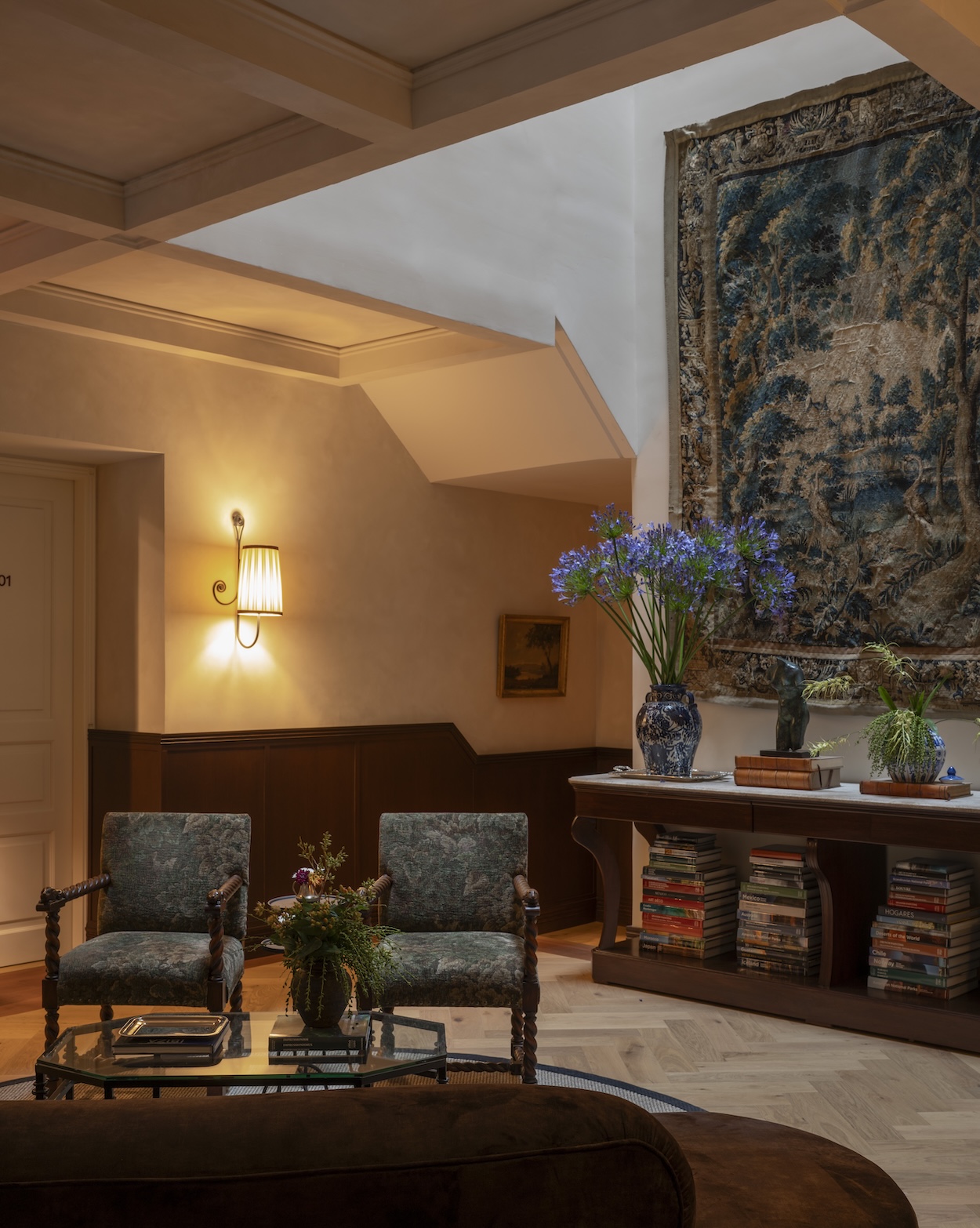
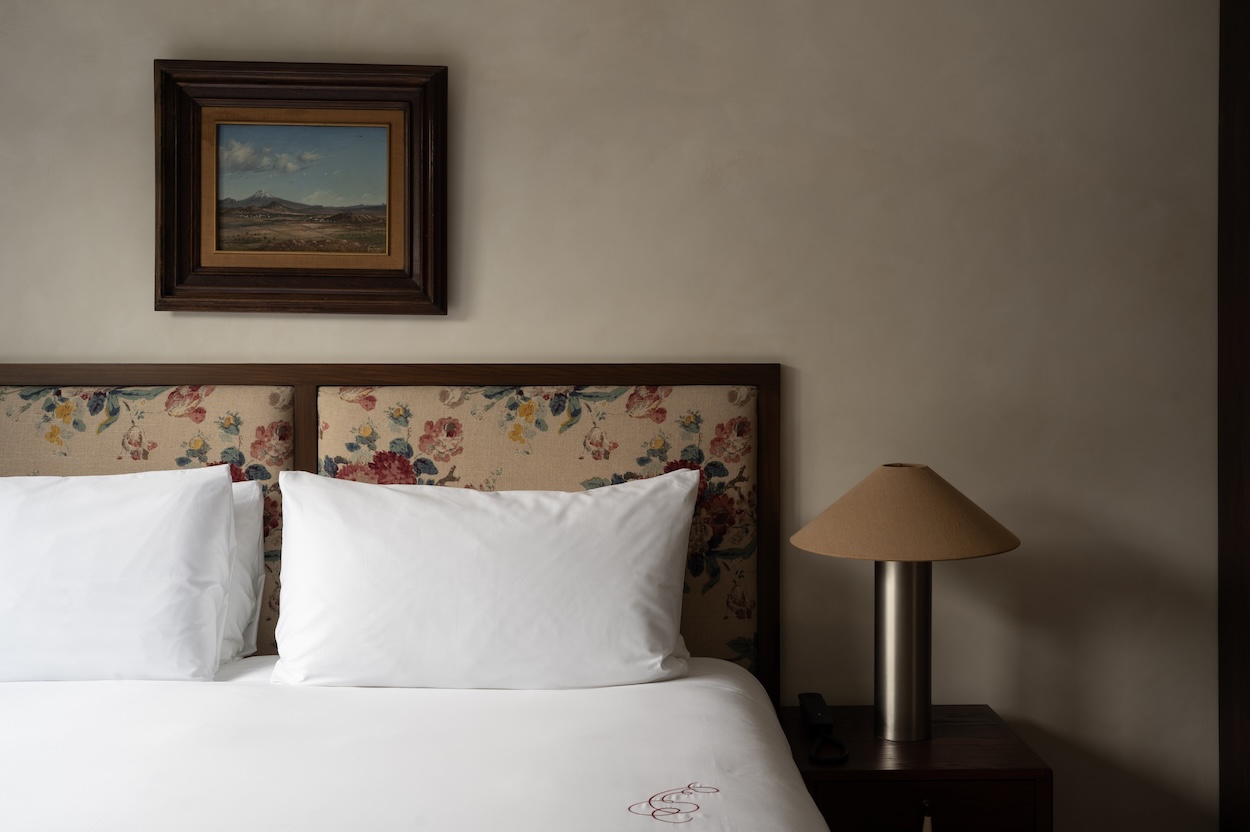
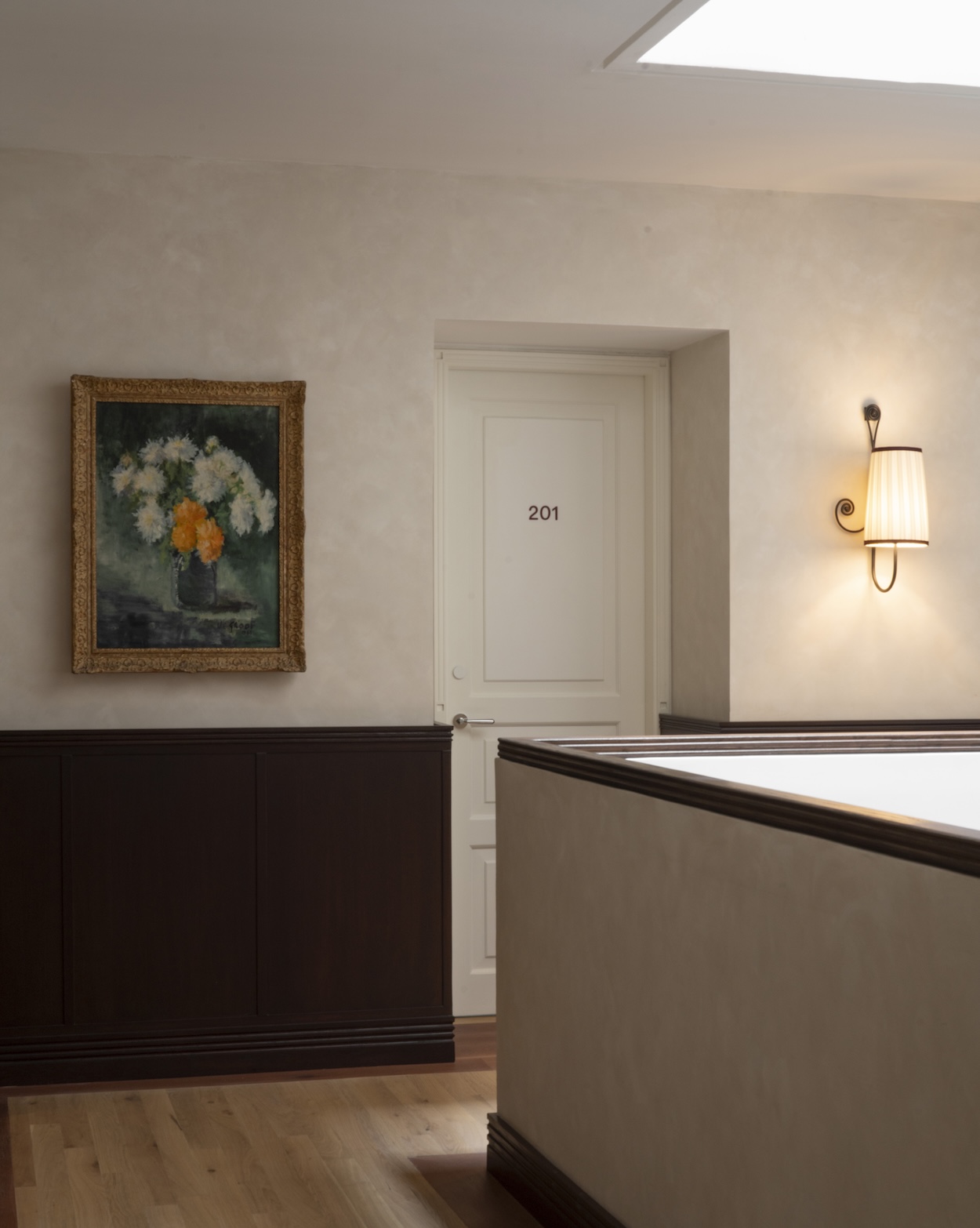
“To honor the building’s architectural evolution, we paid respect to each era,” he says. “The first two floors, located within the original 1910s footprint, embrace a more classic design sensibility, while the new third floor takes a more contemporary approach.” To tie the two eras together, he kept finishes, wall colors, and custom millwork consistent throughout, letting variation live in smaller details: headboards, upholstery, silhouettes, and art, each tailored to a room’s layout and light.
That design sensibility is what led Zaragoza to the project in the first place. For a decade, he’d noticed a gap in Mexico City’s hotel landscape. “While there were plenty of beautiful, design-forward boutique properties, none offered a truly classic sensibility, a place anchored by a vibrant space where locals actually gather, or a bar where you can sip a proper cocktail while waiting for your partner to get ready,” he says. El Cortés is his answer to that gap, giving Mexico City the kind of place Zaragoza spent years searching for himself.