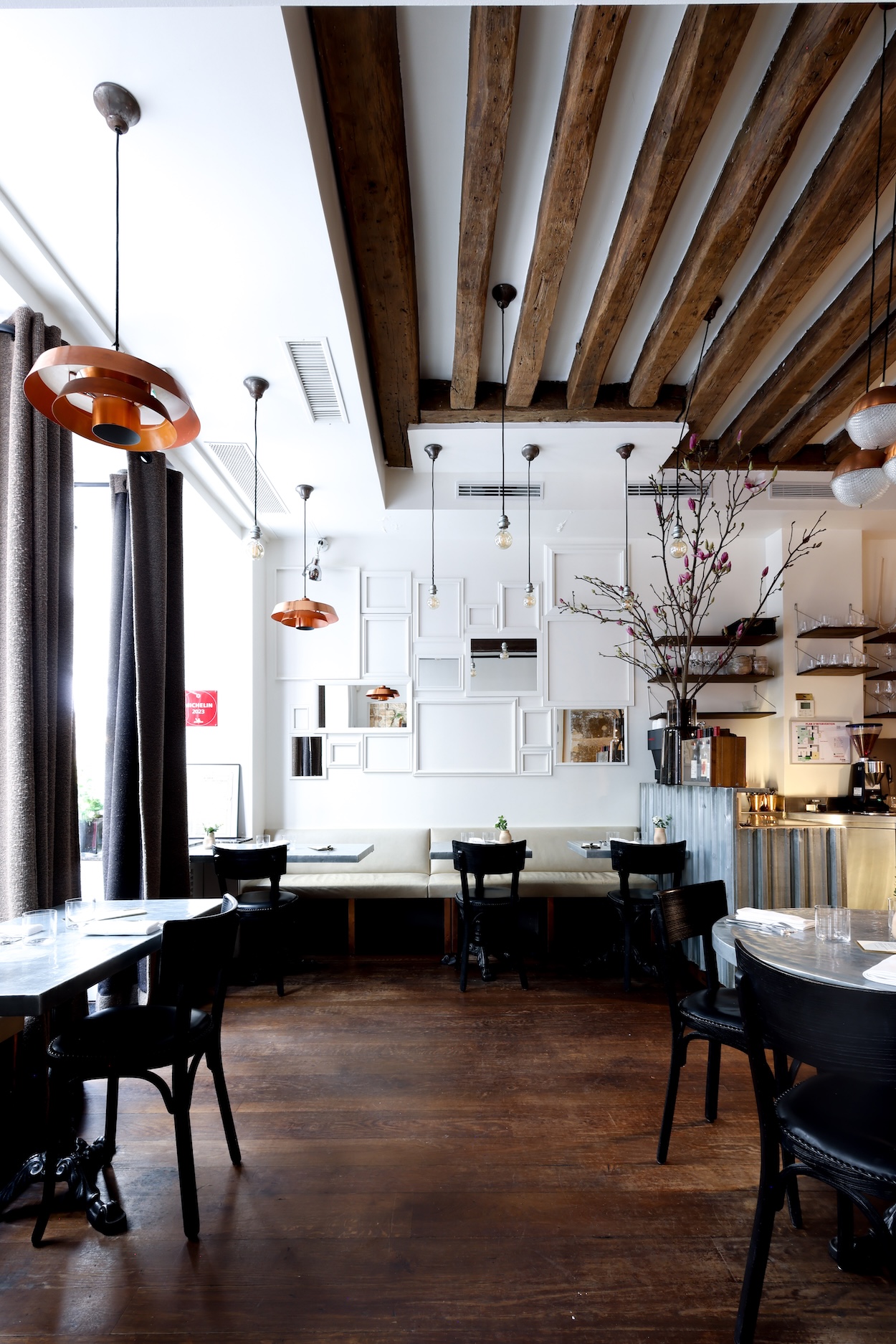
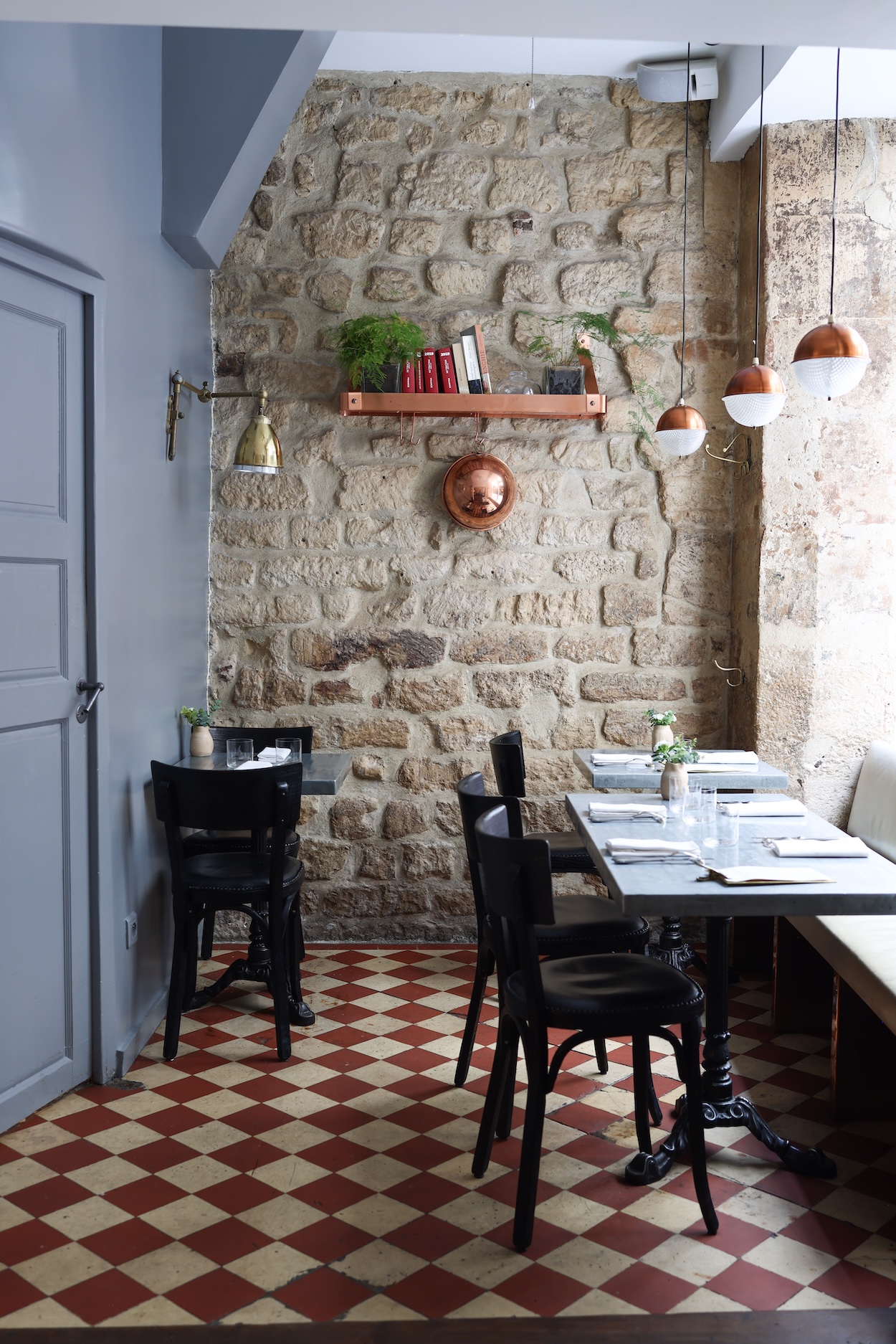
Amidst all the charm of Paris, few streets feel as enchanting as Rue du Nil, a cobblestone culinary corridor in the second arrondissement that’s been culturally architected by chef Grégory Marchand. The primary allure of the passage is Marchand’s 24-seat restaurant, Frenchie, which he opened in 2009. Ten years after its debut, the neo-bistro earned its first Michelin star. Between these milestones, the rustic wine bar Frenchie Bar à Vins opened across the street, and artisanal shops—a butcher, a bakery, a fishmonger—stepped into the neighboring storefronts.
Michelin-Starred Grégory Marchand Turned an Entire Parisian Street into a Culinary Destination
BY DAVID GRAVER March 24, 2026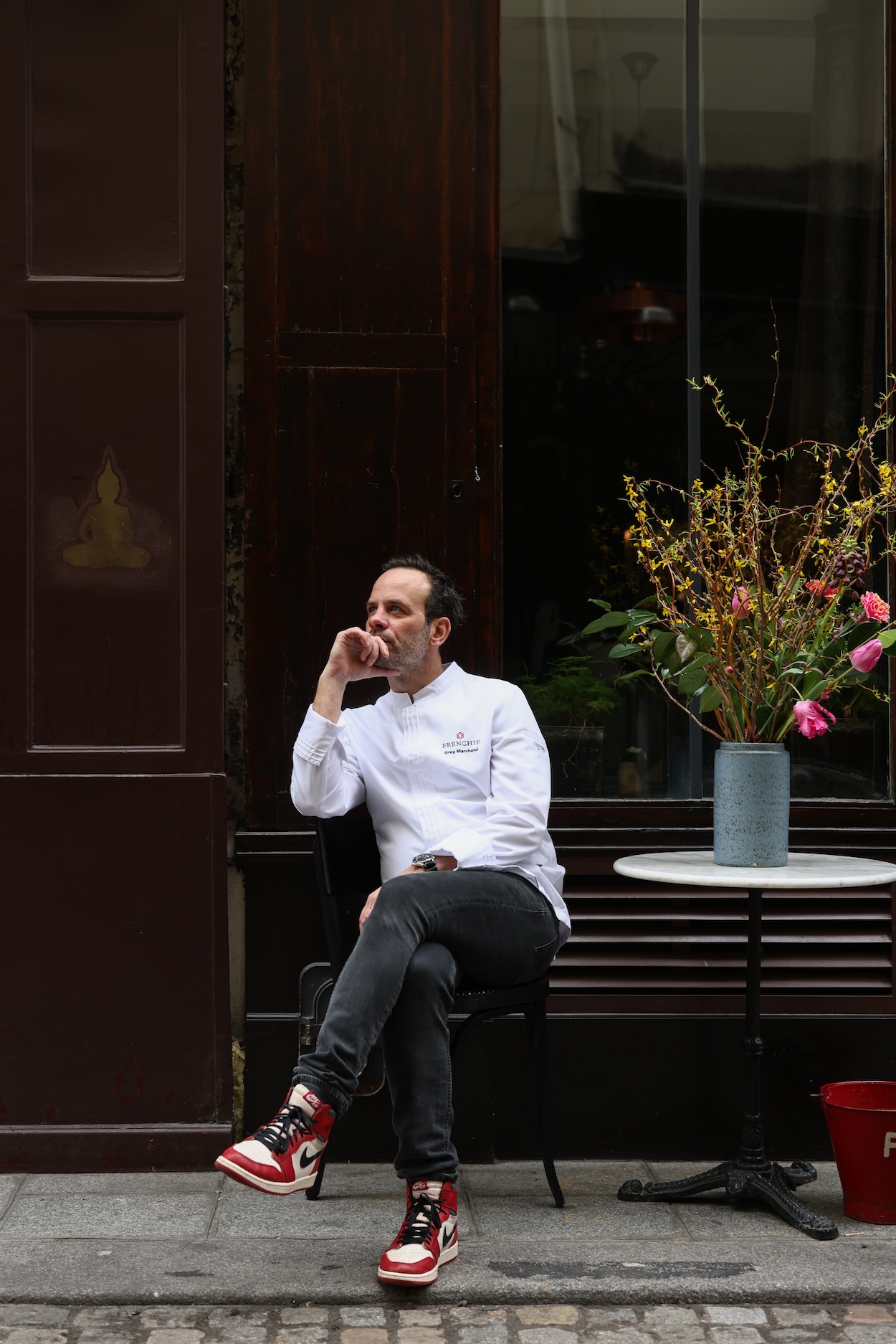
Courtesy of Frenchie
…
Courtesy of Frenchie
…
Rue du Nil has been a labor of love—and the magic of the environs requires constant nourishment. “When I came back from New York, my wife was seven months pregnant. I had no job, no money. It was in the middle of the sub-prime crisis of 2008,” the chef tells Surface while in New York City on an R&D excursion. “I said, ‘you know what, I’m going to open my restaurant!’” Marchand was met with skepticism. The chef, who learned to cook in the kitchen of the orphanage where he grew up in Nantes, proceeded anyway.
Courtesy of Frenchie
…
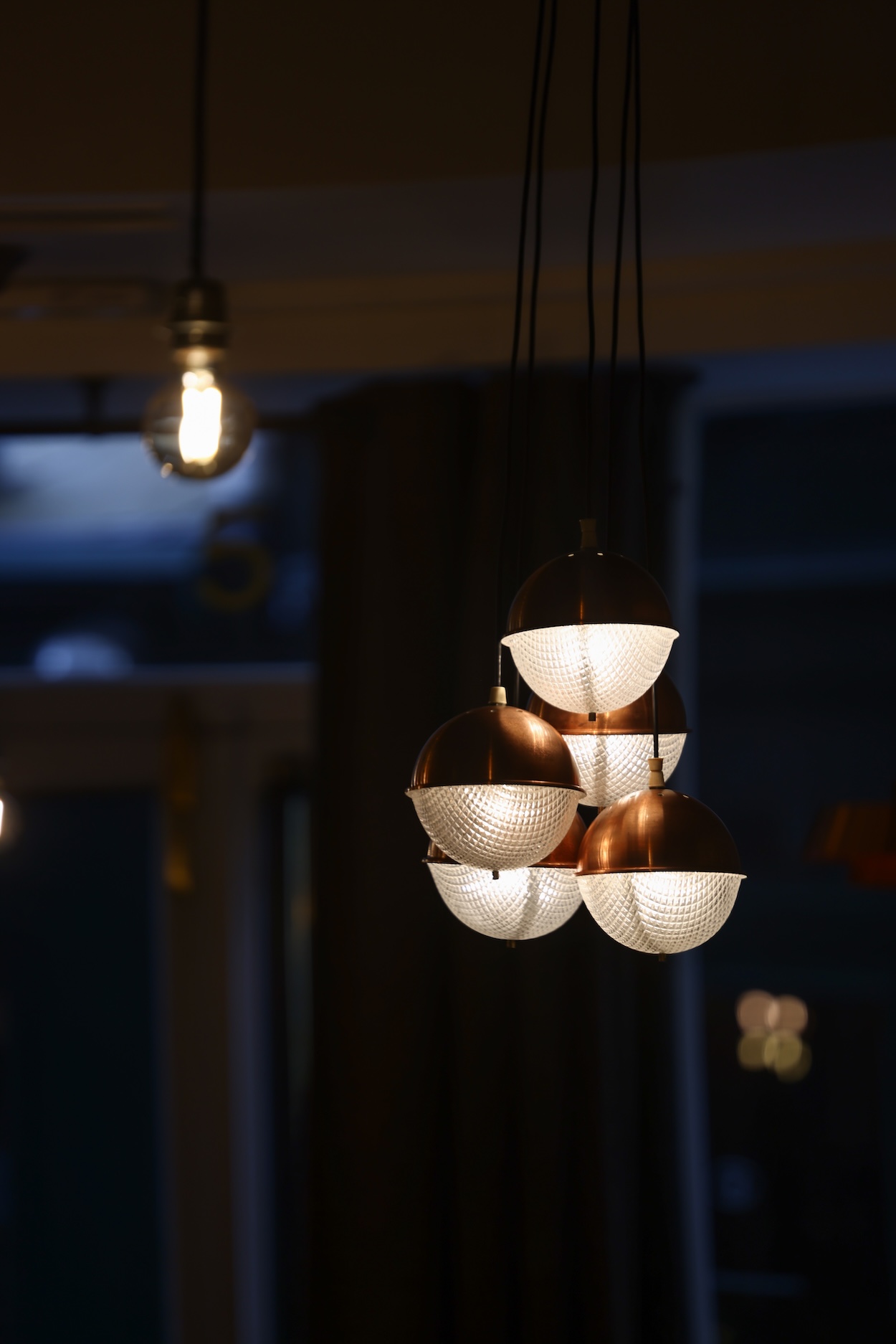
“I started looking for locations. I’d worked all over the world—London, Hong Kong, Spain, New York—but I didn’t know Paris,” he continues. “I went to Rue du Nil, which is only 70 meters long, with cobblestone, in the middle of the garment district. There was nothing at the time. I saw this place and I knew it was the one.” Once again, he encountered doubts. Still, he opened with a mission “to create a restaurant that people would go to—not walk by and say, ‘oh, let’s go here.’ I wanted to make a destination—but right in the middle of Paris.”
Courtesy of Frenchie
…
Frenchie began with Marchand in the kitchen and one front-of-house employee. Shortly thereafter, a line of 100 people formed outside the restaurant. Its success grew organically, quickly. As business in the garment district continued to disappear, storefronts became free. “People began coming to see me, asking if I needed their spaces. Little by little, I put them in contact with colleagues. The supplier who I worked with—Terroirs d’Avenir—moved in and opened the butcher, the fishmonger, and the bakery. As well as L’Arbre à Café, the coffee roaster. This is how the street organically came together.”
Frenchie Bar à Vins image courtesy of Virginie Garnier
…
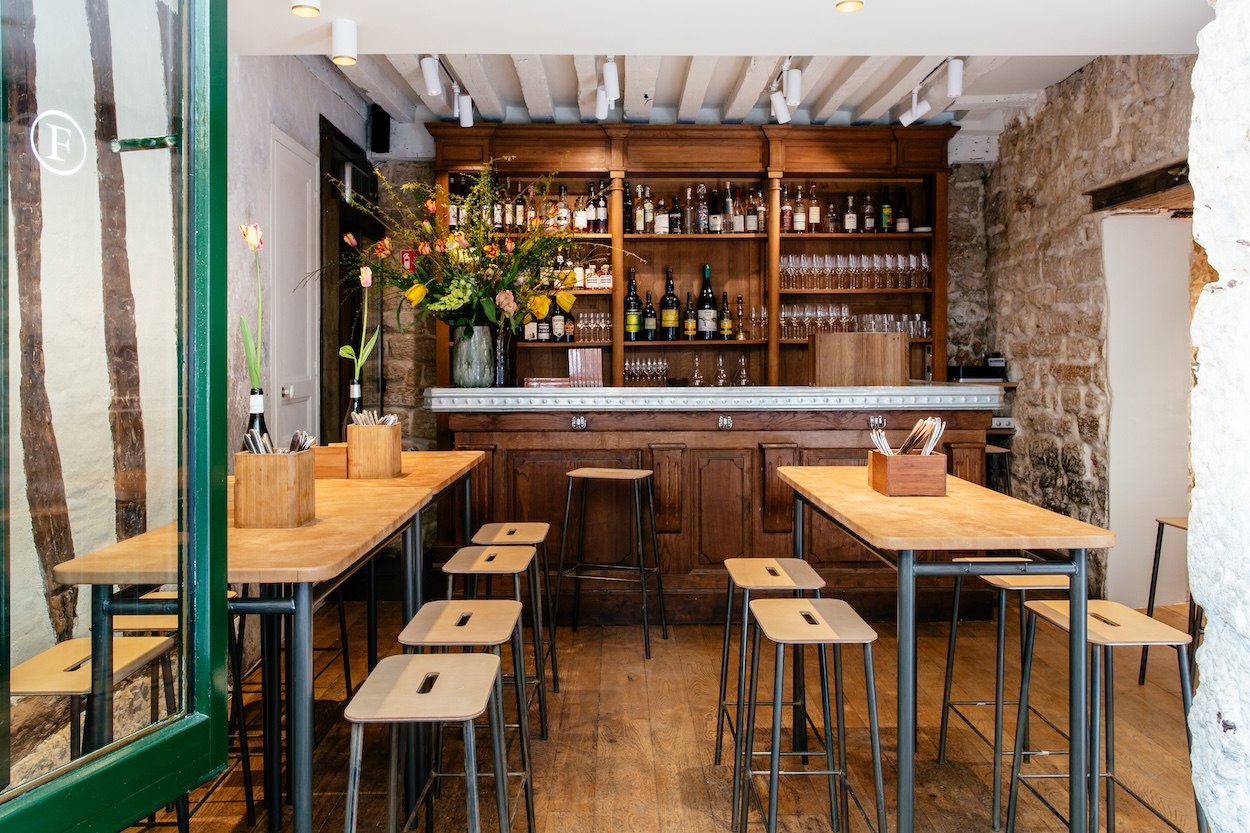
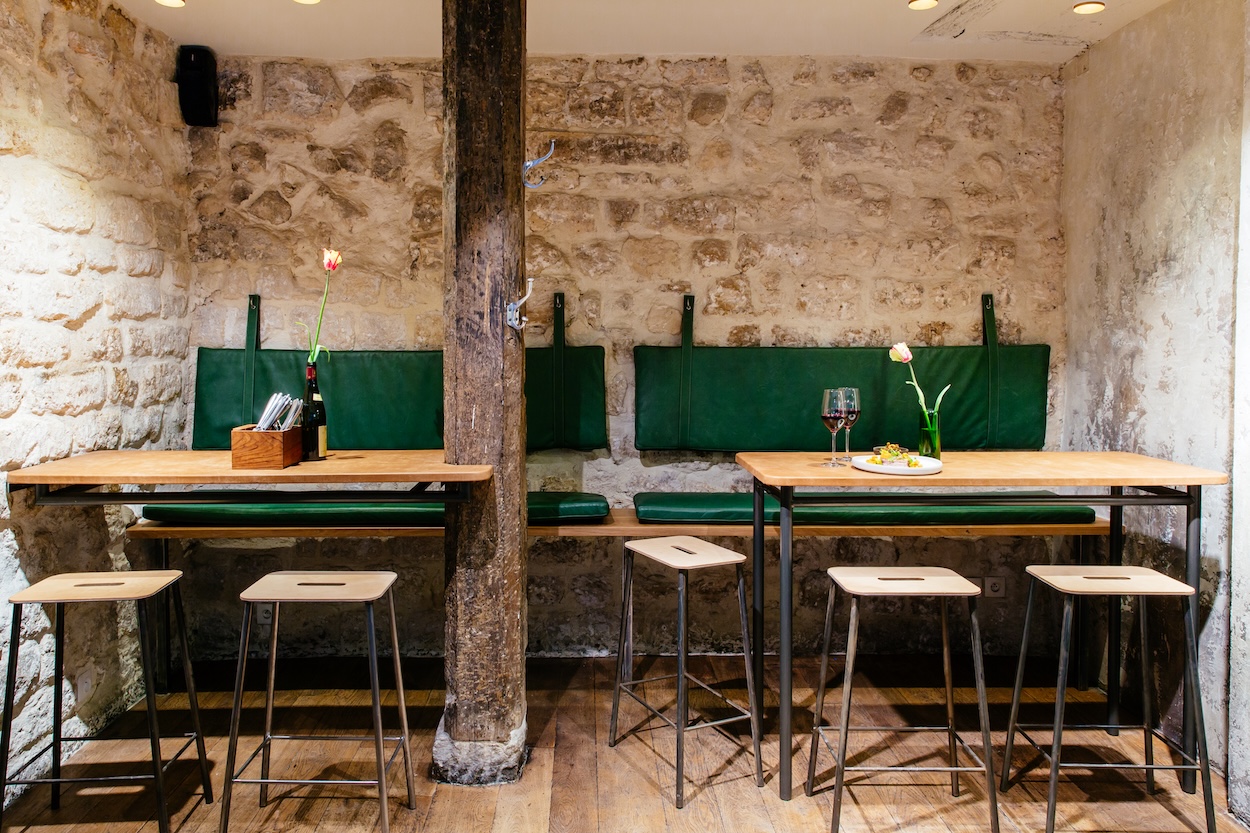
The owner of what is now the wine bar was a customer at Frenchie (when it used to be open for lunch). “He came and said, ‘Greg, your business is working well. Do you want to take my shop across the street?’ I said no. I always say no first. Then I thought about it. We have a line of people waiting to get into Frenchie. I said, ‘let’s make a bar where people can wait and have a glass of wine with a bit of food.’ We opened and two weeks later there was a queue at the restaurant and a queue at the wine bar.”
Frenchie Bar à Vins image courtesy of Virginie Garnier
…
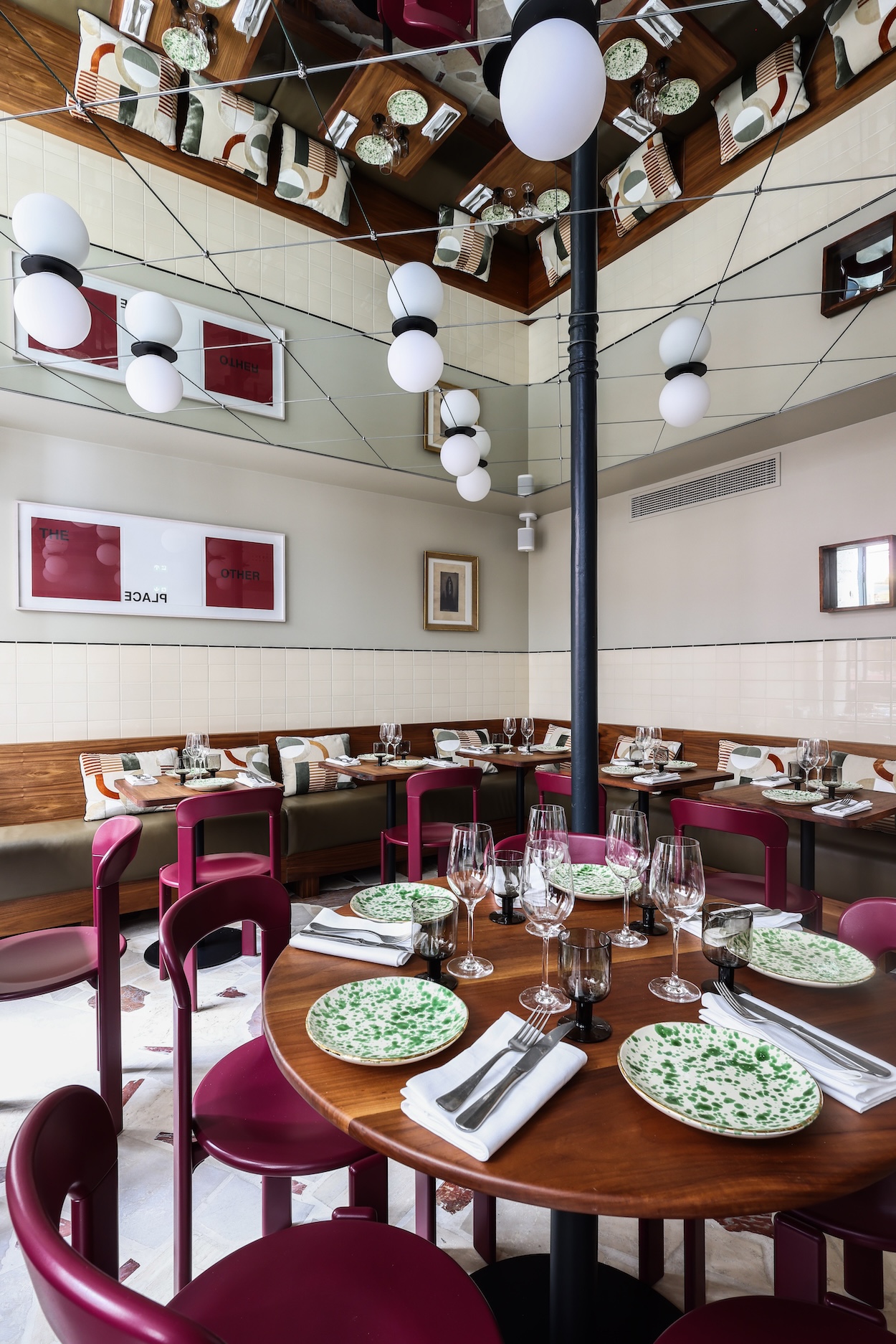
The year after he took the shop next door and expanded the footprint of Frenchie Bar à Vins, and introduced a more serious kitchen. “One day, I was at the wine bar and I was experimenting with smoking meat—I was making little pulled pork sandwiches. My wife came with our children. It was 2011. She asked for something to eat so I made her a pulled pork sandwich. She ate it on her way home. The next morning she said I should open a sandwich shop. I said, ‘yeah!’” Shortly thereafter, he moved into a space at the end of the street with a Frenchie To Go sandwich concept. Though popular, it closed in 2023—”after ten years of sandwiches, I said, ‘I’m done,’” Marchand explains—and has since returned as L’Altro, the chef’s inspired, comforting exploration of Italian cuisine. Today, L’Altro has amassed as dedicated a following as the original Frenchie—and has been anointed one of the best Italian restaurants in Paris by Italy’s own culinary authority, Gambero Rosso.
Courtesy of L'Altro
…
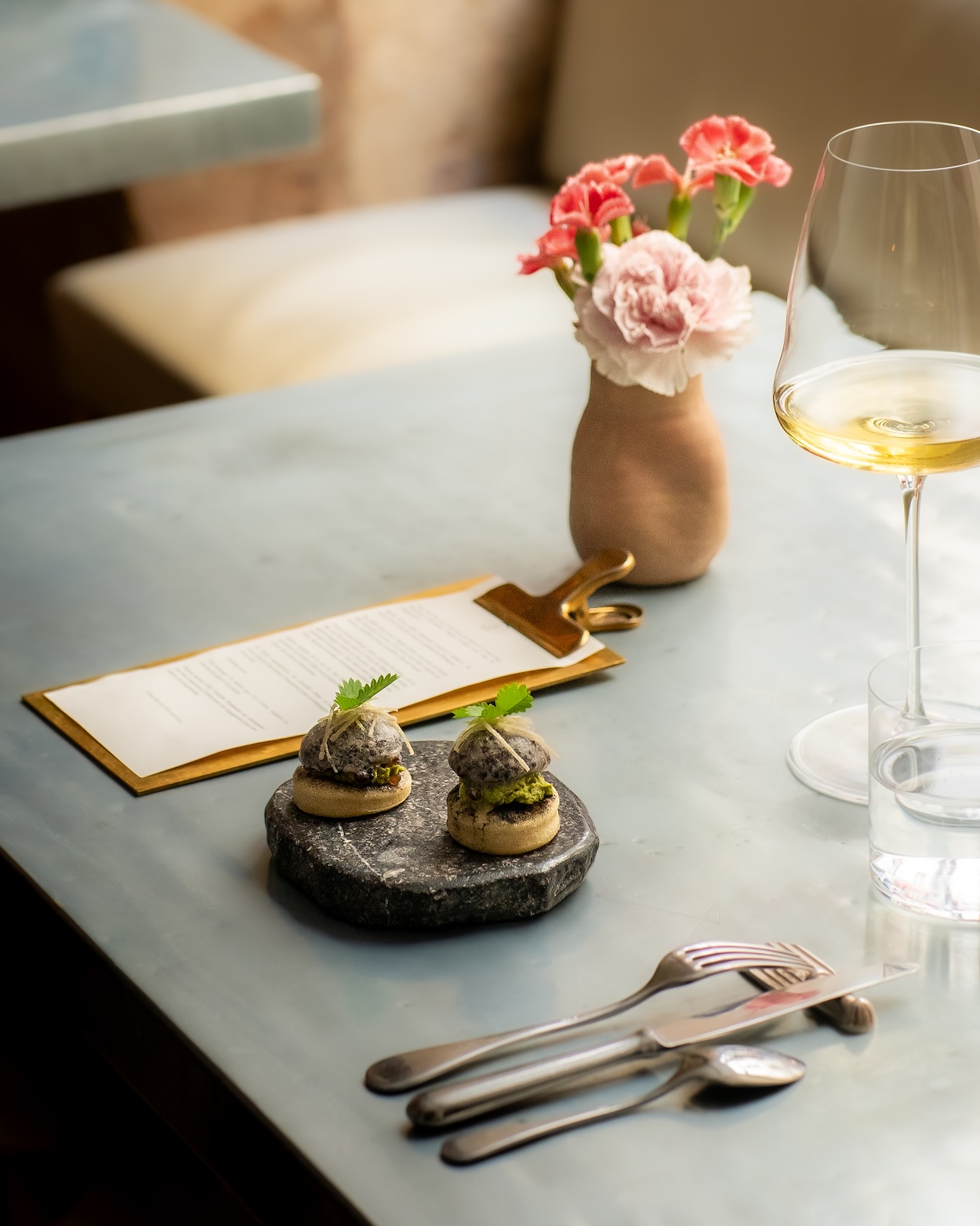
It all comes back to Rue du Nil. “When you arrive on this street, you feel that it’s real Paris,” Marchand says. “Then you get to Frenchie and you’re like, ‘oh it’s so small,’ but you go in and you are taken care of. There are 20 people in there at a time. The tasting menu is ingredient-driven—not fussy, just nice. ‘Simplexity,’ I call it. We think about the menu constantly. We change one dish after another based on product availability. And we never do the same dish twice.” This is the magic of Frenchie.
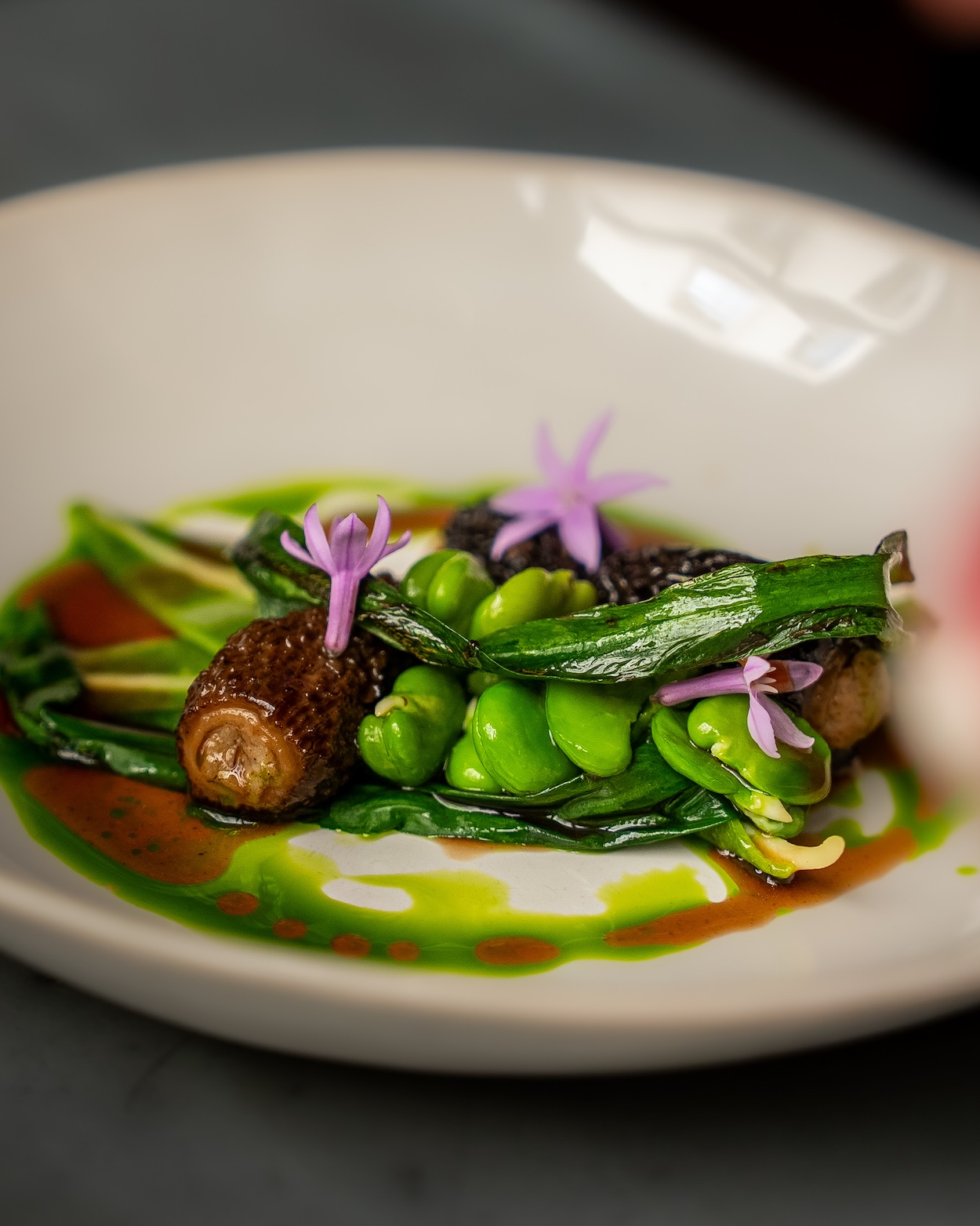
Courtesy of Frenchie
…
Marchand is the founding partner of a farm just outside of Paris. This is where most of Frenchie’s vegetables come from. “We go there, during good seasons, all the time,” he says. “This is also where the menu hits us. A turnip is coming up and we wonder what we’re going to do with it. It’s ever-changing with micro-seasons, some as short as two weeks.”
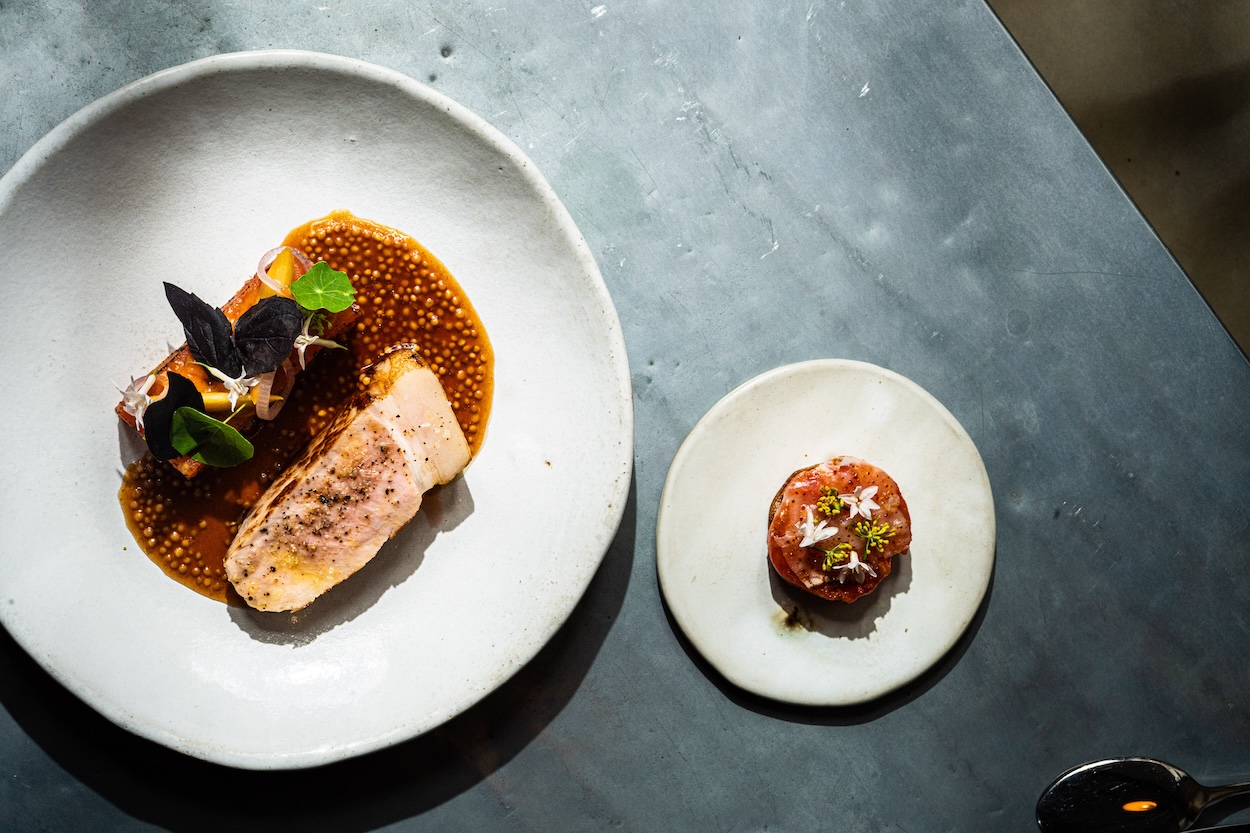
Courtesy of Frenchie
…
Throughout all of his restaurants, Marchand has two unexpected signatures: a “Banoffee façon Frenchie” and a bacon and maple syrup scone. “I opened in London with my pastry chef at the time, who was American. I said I’d like a scone on the menu. She came up with a biscuit. I said ‘a biscuit is good but I’d like a scone.’ We merged the two and created the bacon and maple syrup scone,” he explains. “Everyone was raving about it. We put so much into all of our dishes but the scone is what everyone was talking about.”
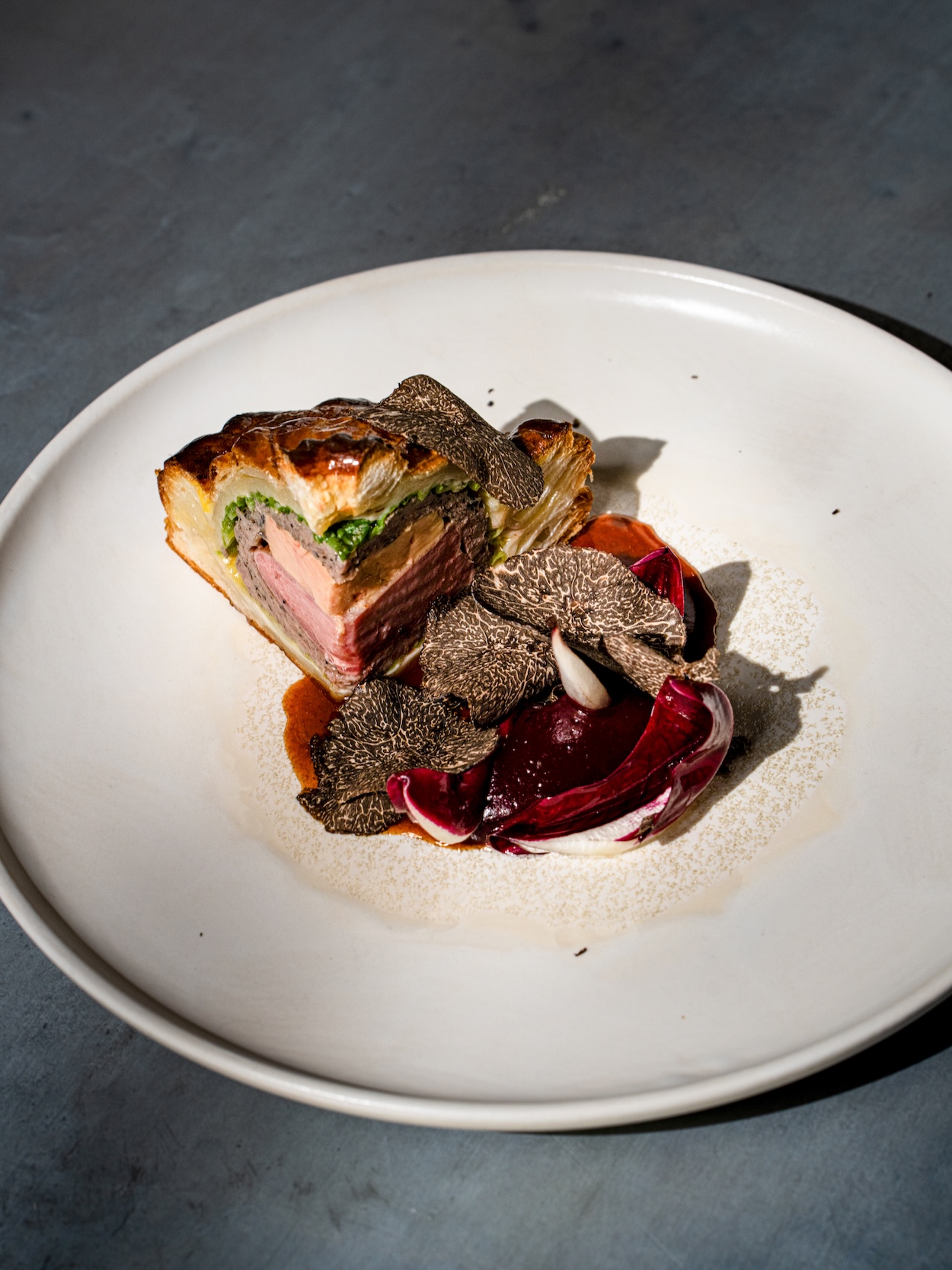
Courtesy of Frenchie
…
Though it closed during the pandemic, Marchand thinks fondly of his London restaurant. London is deeply important to the chef’s professional development; it was there that Jamie Oliver gave him the nickname “Frenchie” when he was only 15 years old. “I’m very proud that we opened in Covent Garden, just my wife and I without investors,” he says. “We are also collaborating with the Experimental Group. They have places all over the world. In some of their places, like Biarritz, we operate the restaurant. In Pigalle, as well, here in Paris.” In Biarritz, the Regina Experimental’s take on Frenchie is warmly inviting but equally elevated.
Courtesy of Frenchie
…
Recently, Marchand determined the overarching Frenchie mission statement: to create emotion through genuine hospitality. He also acknowledges the value of all the accolades. “Awards give you a voice, but it’s all about what you do with that voice,” he says. “When I first opened Frenchie, we were in the beginning of this ‘bistronomie’ movement. We weren’t concerned with Michelin. Ten years after I opened, I got a star. I realized it was important. It opens doors. People listen to you. It’s great to drive projects, as well.” Before Michelin, he had Anthony Bourdain, who came for “No Reservations.” It was one of five places he visited in Paris—and while dining at Frenchie it’s easy to understand why.
Courtesy of Frenchie
…