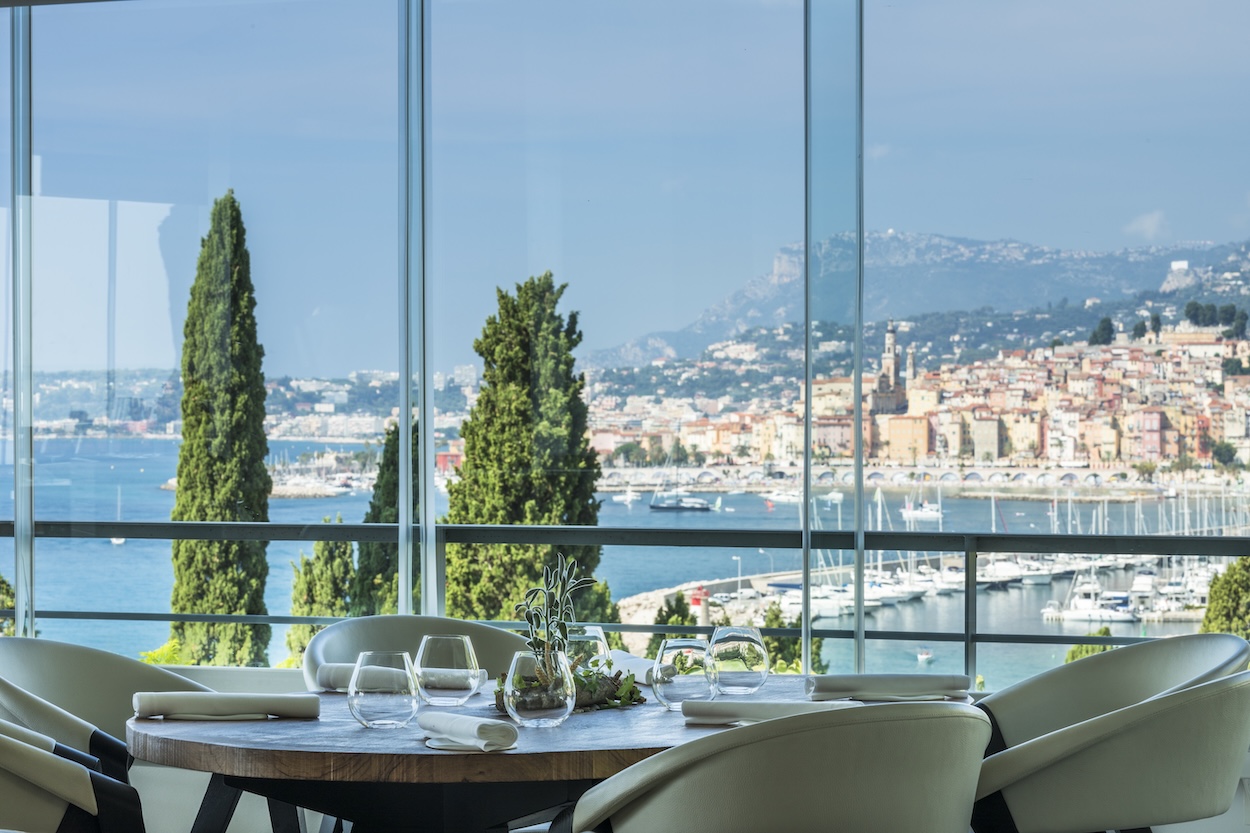
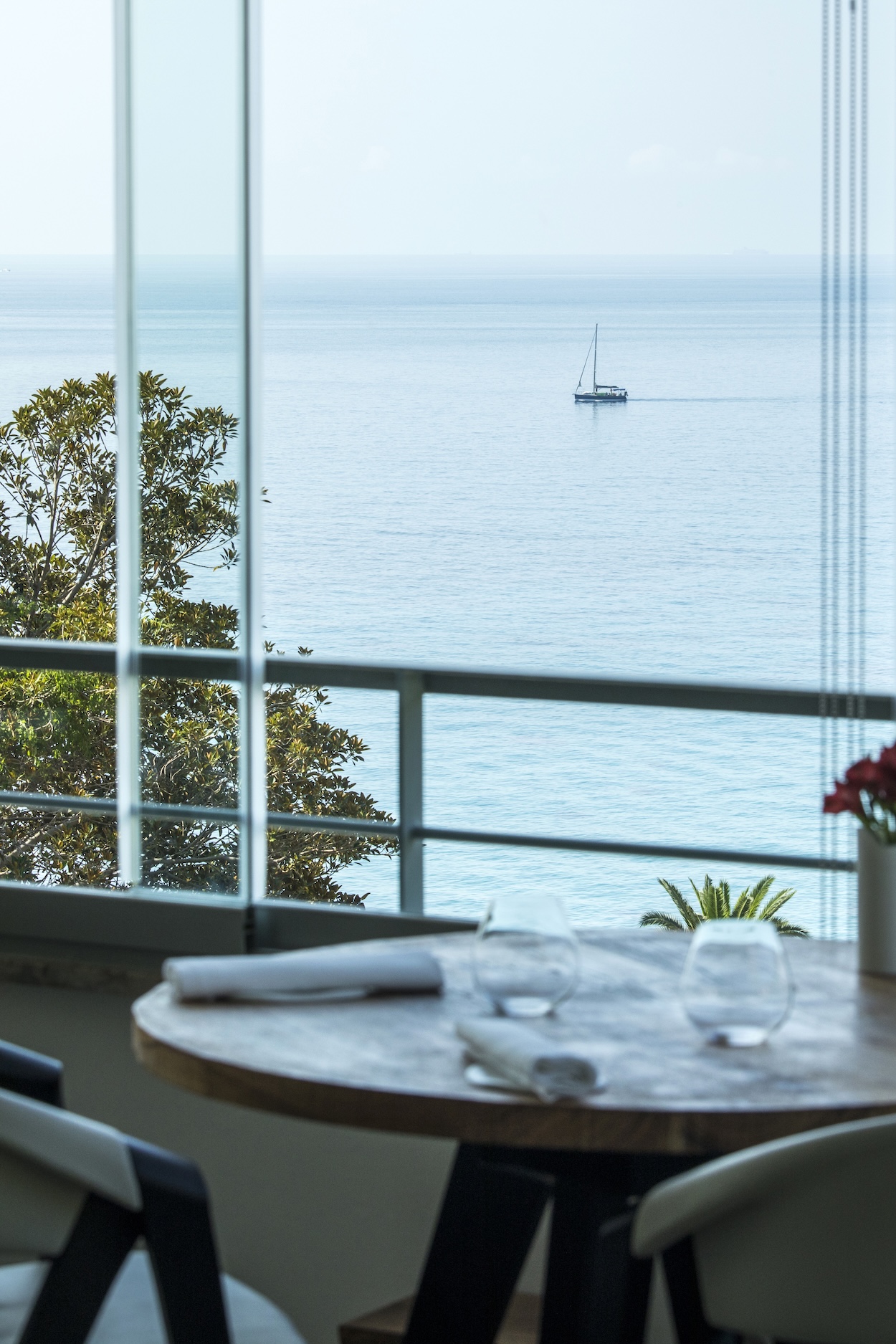
The dining room seems to float above the sea. The view is enveloping, as from the prow of an elegant ship, hard to turn away from. Indeed, the restaurant’s name serves as instruction: mirar, to look in Spanish; azur, the serene blue of the Mediterranean. It’s saying something then that what happens on the plate at Mirazur is as utterly captivating as the sky and sea outside.
Take, for example, the squab on a recent Spring menu. Emerging from a copper vessel rolled table-side, nestled on a bed of still-smoldering herbs and vines, is a large, knotty skinned citrus, the local Menton cédrat, sewn up with heavy twine and holding within its hollowed out skin, the bird, roasted to perfection and stuffed with pistachios and confit citrus, swaddled in paper-thin leaves of lardo di Colonnata. The Frankenstein fruit is cut open, the pigeon plated with a deeply meaty reduction of its juices as darkly sticky as toffee sauce.
Courtesy of Matteo Carassale…
Elemental and ingenious, the dish is fragrant, savory, and a tiny bit sweet, wild to look at and a pleasure to eat. It’s very much of its place—redolent of the famous varieties of citrus growing on these lush green hills that tumble down to the Mediterranean and pulling in elements like the lardo from nearby Italy. (The Italian border is a three-minute walk away). But it’s also playful and imaginative, illustrative of chef Mauro Colagreco’s approach to cooking: hyper-local, utilizing the best of what’s grown close at hand, picked at the peak of its flavor, handled with a deft touch, and filtered through a personal lens that transcends borders.
Born in Argentina of Italian descent, Colagreco was the first chef from outside the country to receive three Michelin stars in France. He remains one of only two to ever do it. In 2019, Mirazur was named number one on the World’s 50 Best Restaurant list, the only French restaurant to achieve that ranking. A non-French chef working at the very summit of French gastronomy, he’s spent the last two decades pushing himself and his team to become more self-sufficient and challenging expectations of what it means to cook here at the highest level, drawing diners from around the world to this idyllic if sleepy bit of the Riviera in the southeasternmost corner of the country.
Courtesy of Coline Ciais-Soulhat…
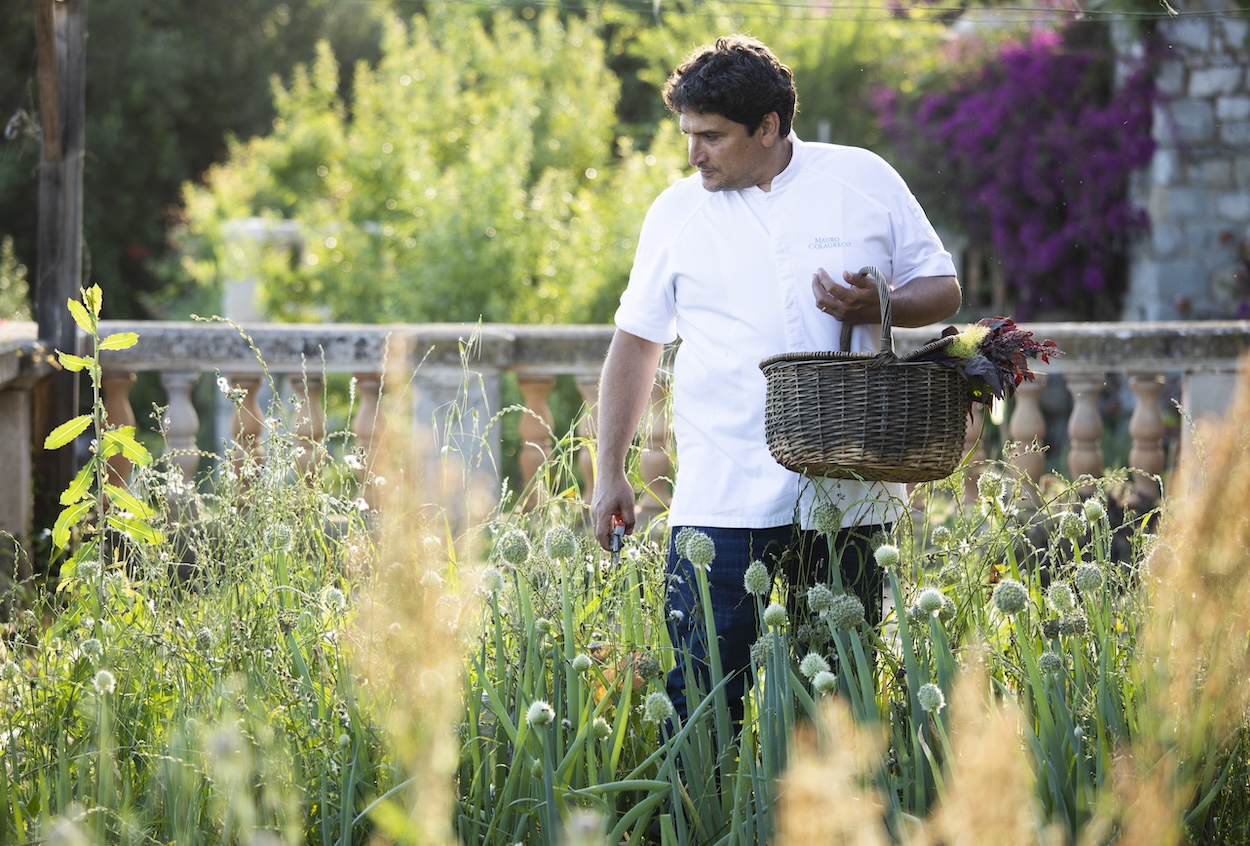
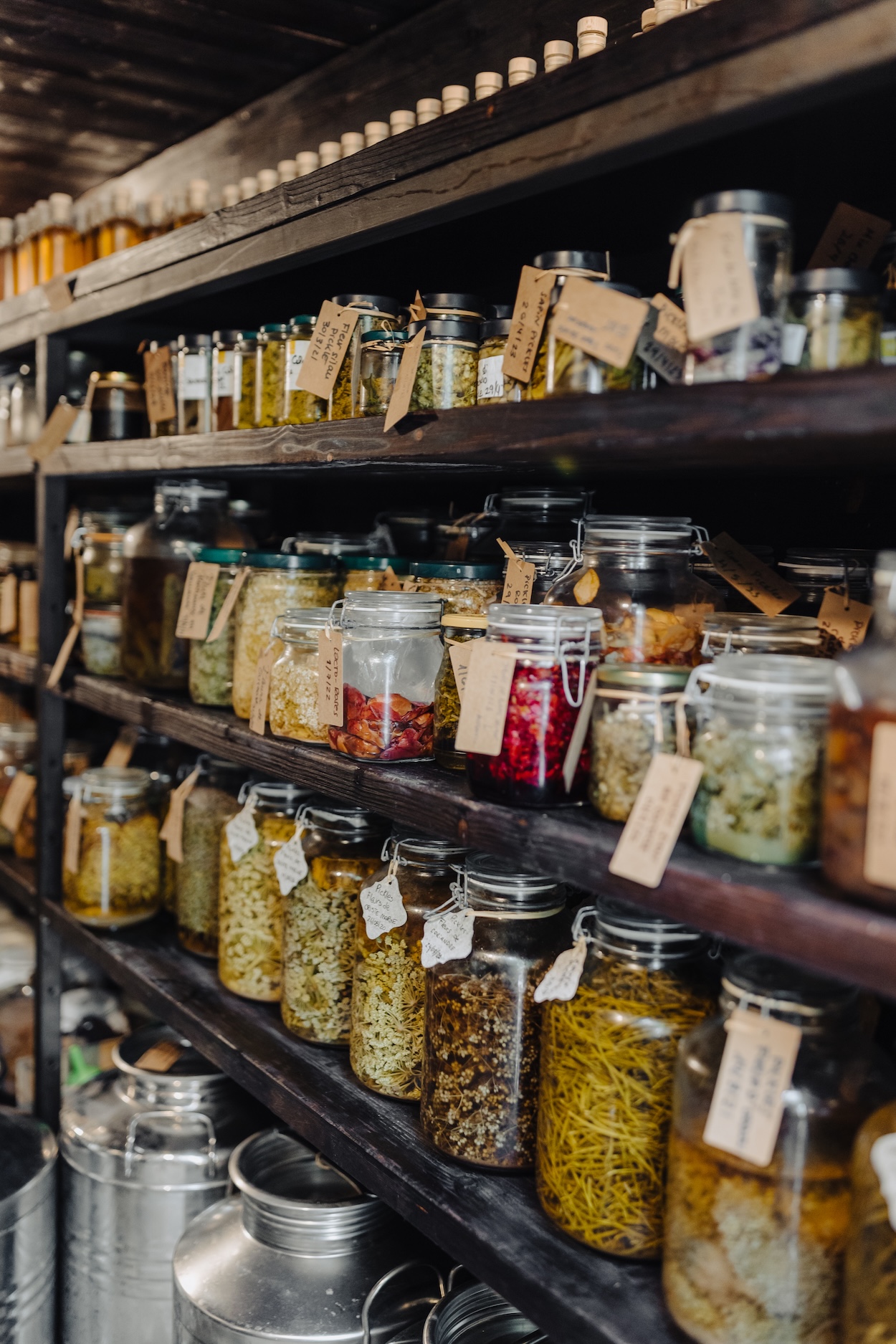
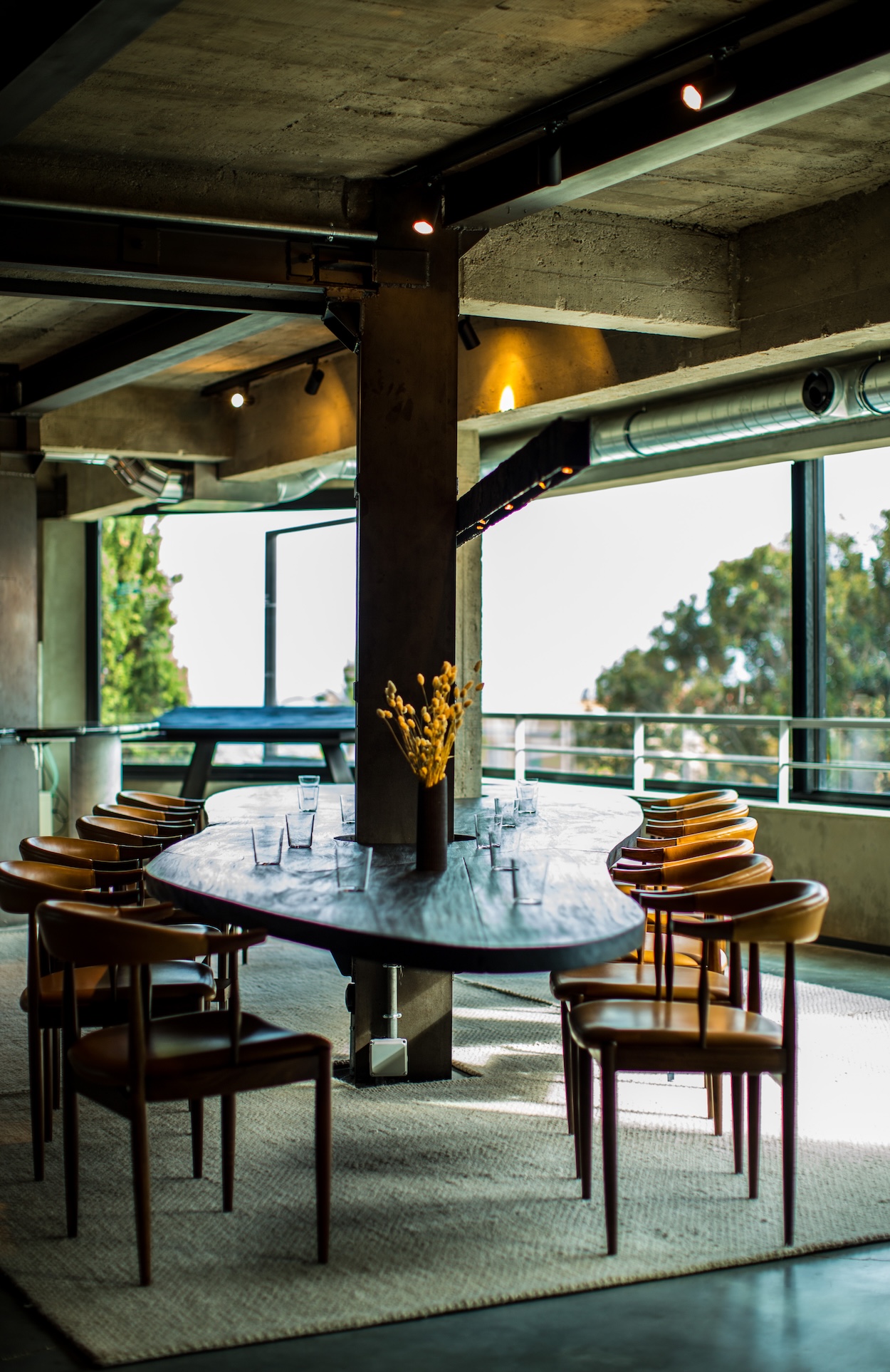
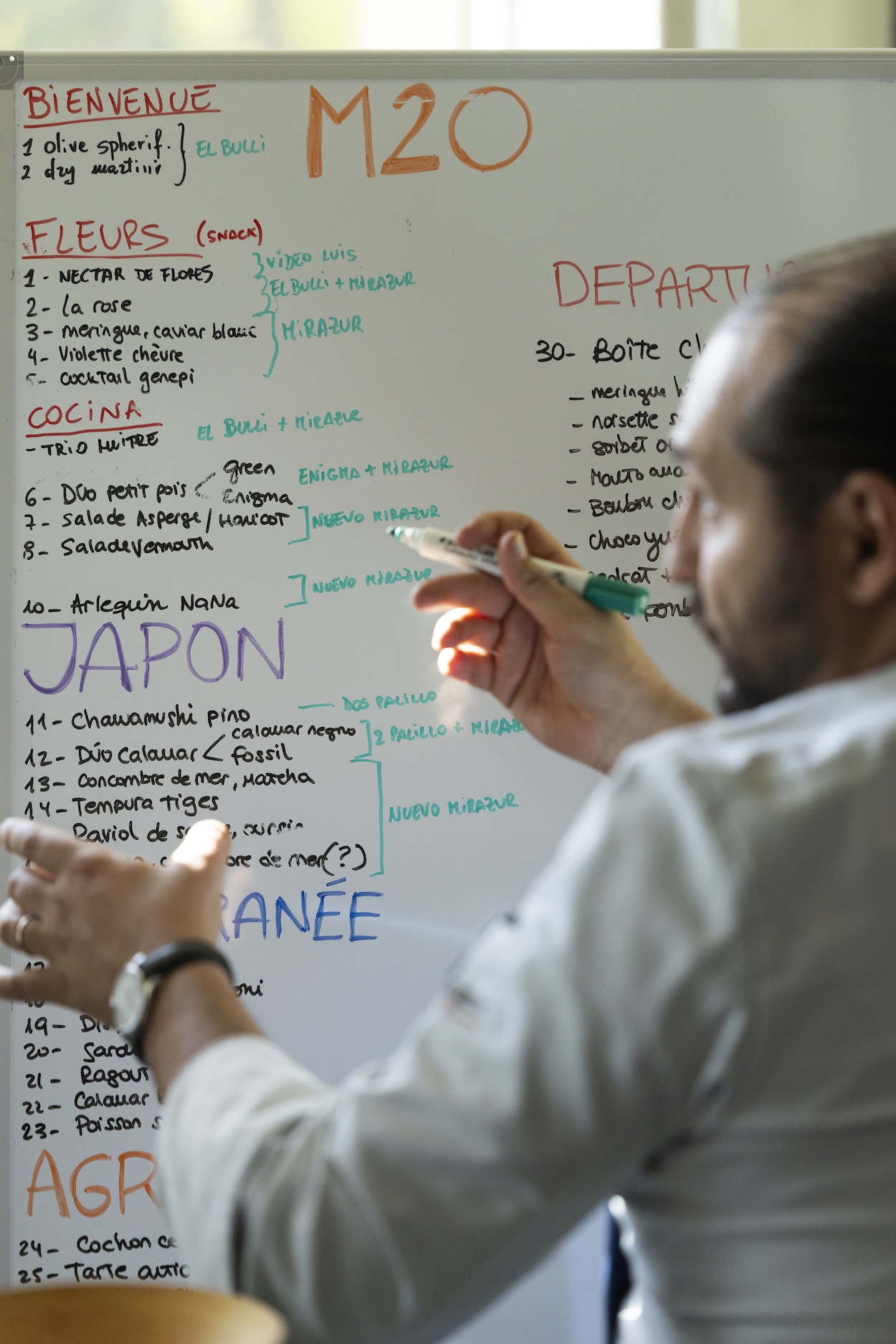
“So, what do you do now?” Colagreco is asking. He’s in the space below the dining room that serves as a test kitchen and laboratory for a small group of development chefs who work in tandem with the forty or so cooks in the main kitchen above, constantly working out new dishes and flavors. The room, which also serves as a private dining and event space, enjoys the same inspiring and distracting view of the Mediterranean. A short stroll uphill is one of three biodynamic gardens tended to by the restaurant team that supply most of the herbs, fruits, and vegetables for the constantly evolving menus. For a restaurant that aims to work, as Colagreco has said, “to the rhythm of 365 seasons” you need a lot of produce—and a lot of ideas.
Courtesy of Florent Parisi…
“After twenty years, after you achieve three Michelin stars and being named the best in the world, what do you do now?” ponders the chef. “How do you continue to motivate the team and keep up the creativity?”
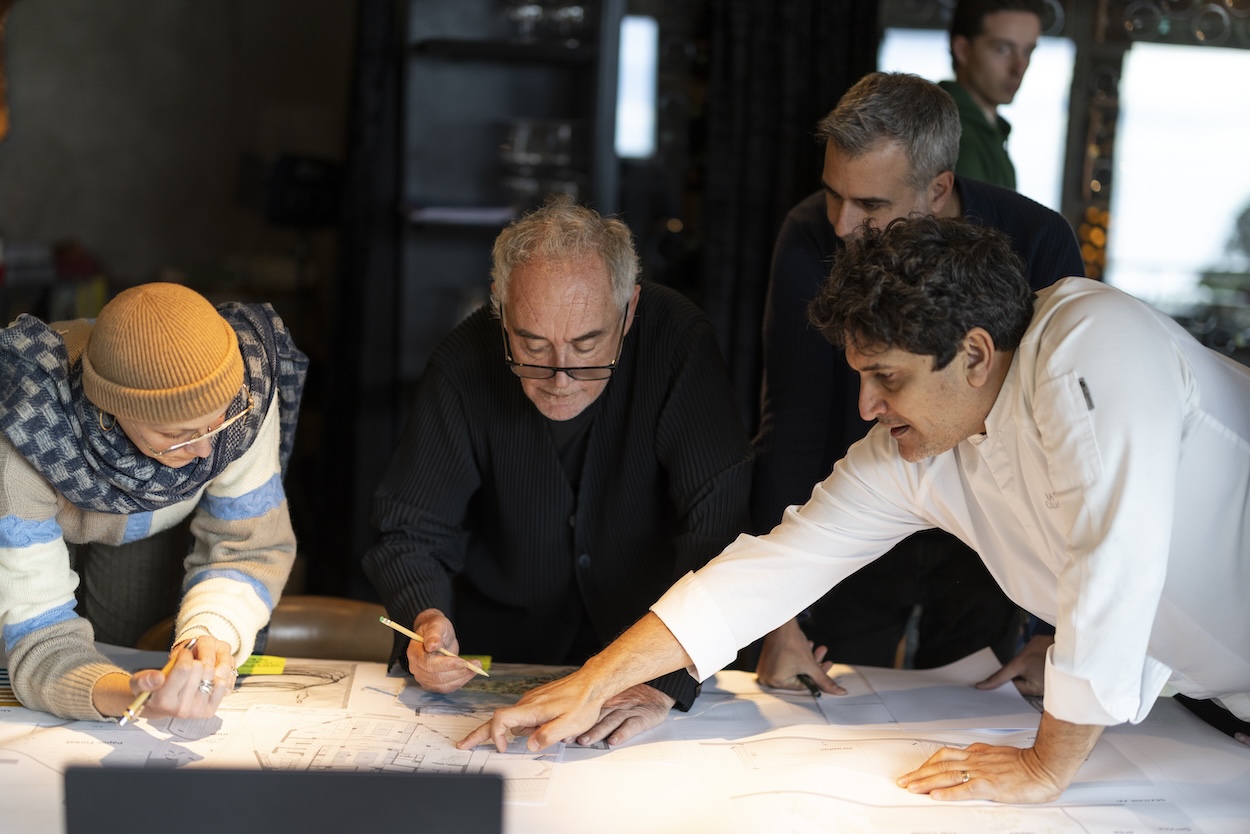
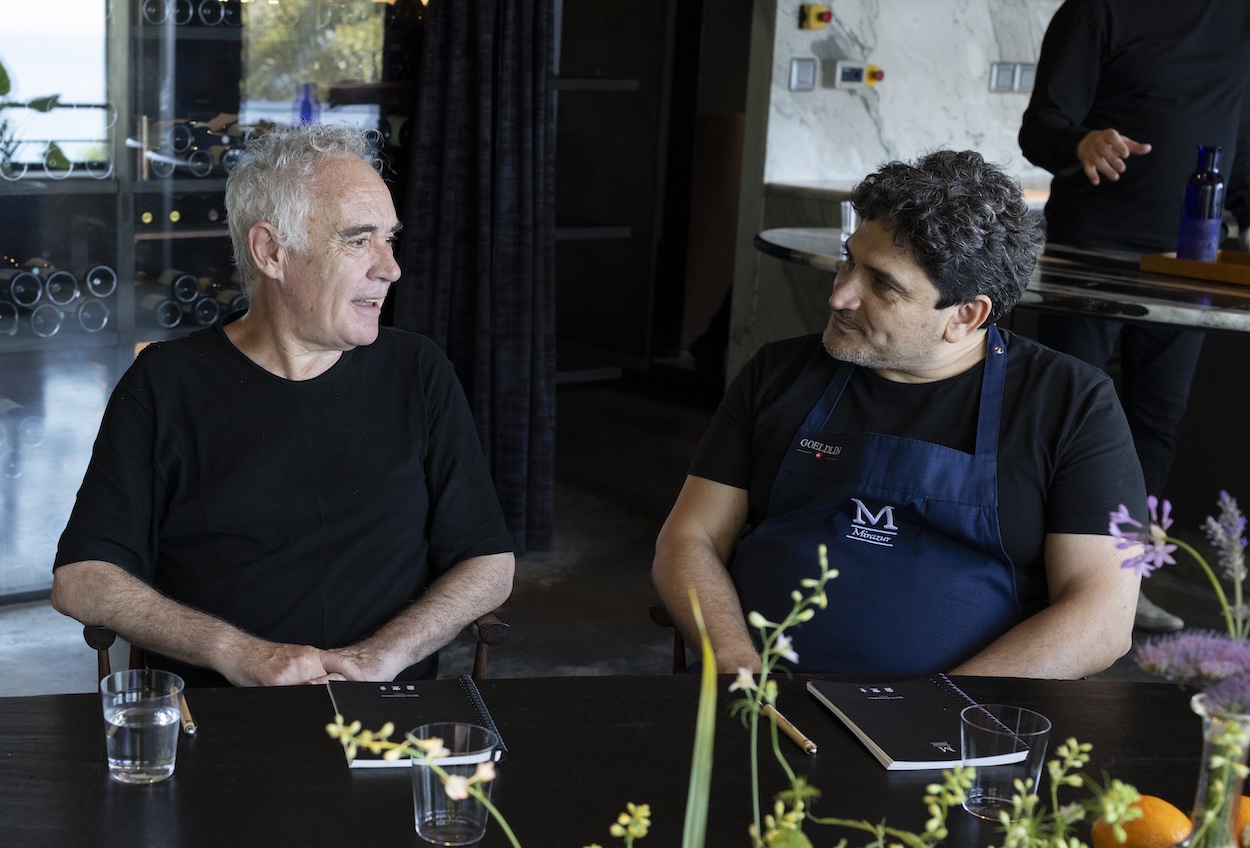
For Colagreco, the answer was clear: open the doors of the restaurant and invite one of the greatest (and most opinionated) living culinary deep-thinkers alive into your kitchen to interrogate your process and shake things up. “For me, Ferran Adrià is the gold standard, the greatest,” Colagreco says of the legendary Catalan chef impresario of monumentally influential (and now shuttered) El Bulli. “When I called him and asked him to be a curator for this anniversary menu, he didn’t hesitate; he said yes.”
Courtesy of Matteo Carassale…
For much of the past year Adrià worked with the Mirazur team to understand its roots and history, to find the essence of its cooking. “He told us, ‘I want to know who you are,’” Colagreco says of the analytical approach. “That’s something that’s not always easy to think about.” With Adrià’s input, the team evaluated every dish they’d made since opening day in April 2006, considered sources of inspiration like Colagreco’s travels through Japan, as well as the development of other chefs who’ve influenced them along the way.
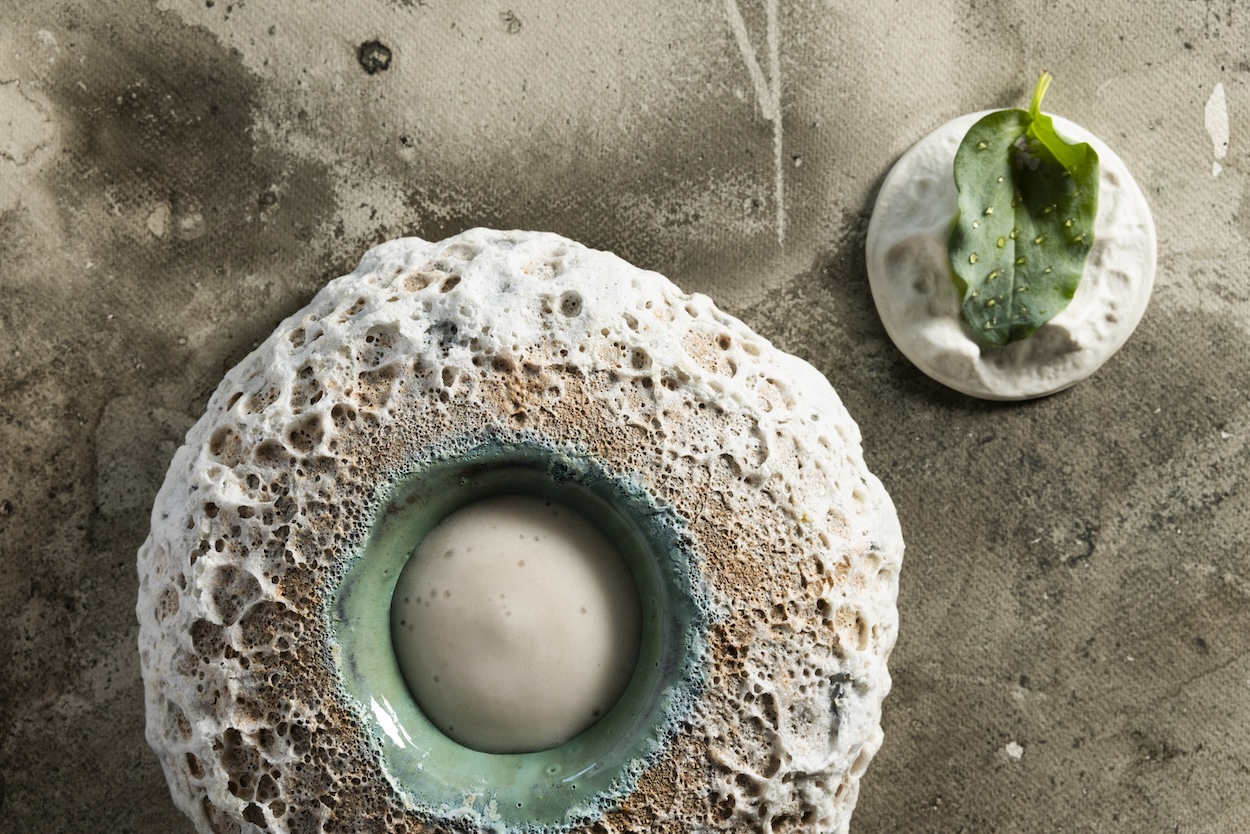
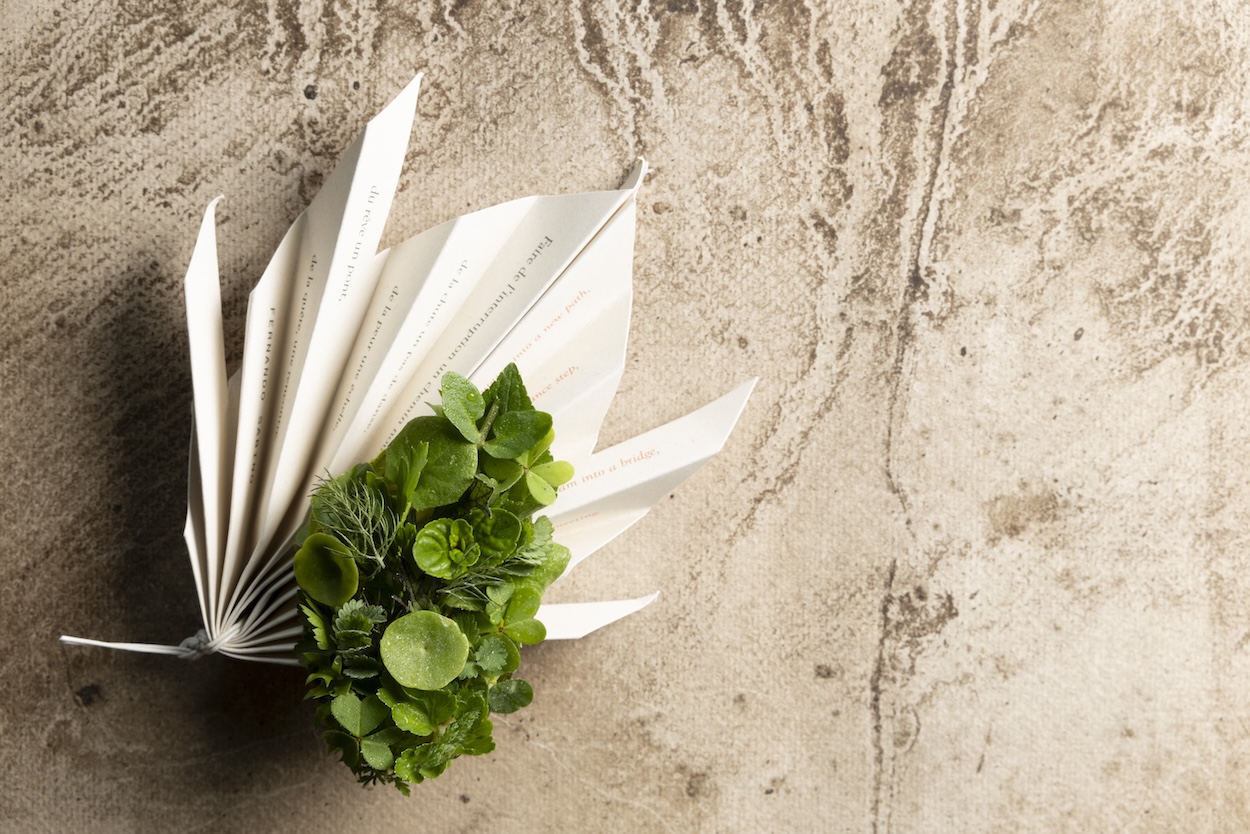
The result is what they’ve dubbed M20, a boldly innovative and unapologetically extended anniversary menu, running through May 17, of twenty-some dishes and small plates that doesn’t just replay the hits but broadens the restaurant’s repertoire. A first bite, with Champagne, in the garden outside sets the tone: a domino-sized wafer of salty meringue topped with ivory-white caviar and delicate white garlic flowers. Then a tour of the kitchen to stare again at the sea and taste it: oysters plus leaves that taste deceptively like oysters, a shot of oyster water, and sea fennel. Finally to the table where the menu unfolds like a happy dream.
Courtesy of Matteo Carassale…
Some dishes are pleasantly straightforward, like this study in green: incredibly sweet and tiny peas, crunchy nasturtium leaves, local kiwi, fennel, and slivers of citrus. Others, brainy and complex, the work of many skilled hands, like the offering of extremely small anchovy larvae, known in Nice (confusingly) as poutine. The still-translucent fish are presented two ways: raw squiggles on a plate, dotted with good olive oil and a spoonful of caviar; and a hundred or so of the small creatures arranged in radial fashion and baked into a little fishy cracker.
Mirazur favorites have been remixed for the occasion, like the artichoke tart reimagined as a sandwich and the famous aged beetroot with caviar and cream, streamlined for inclusion in the longer menu. Others, such as a bit of foie gras gently cured with the salt used for preserving anchovies and served with a heady and perfectly preserved century-old 1926 Chateau Y’quem, borrow concepts from the world of El Bulli’s creative explorations.
Courtesy of Matteo Carassale…
For any restaurant operating at such a rarefied level, and living up to the expectations that come with those accolades, there’s risk and reward in playing it safe. For a chef like Colagreco, who has described himself as “a gardener in a chef’s jacket” who cooks close to the ground and in tune with the seasons, there’s added risk of opening his creative process to a collaborator like Adrià, who is more of a mad scientist in a chef’s coat, working along tightly structured, analytical methods. The payoff is a playful, lyrical menu that serves as a celebration and marker of what the restaurant’s achieved as well as an indication of where it’s going.
Courtesy of Matteo Carassale…
“In any profession you go forward or go back,” Adrià says, after an early run through of the anniversary service. “You can’t stay in the middle. For me, today’s menu is what I would love in a fine dining restaurant now.”
For Colagreco, the most important thing has been to use the moment of this anniversary not just to take stock but to make sure he and his cooks always stay curious and creatively engaged. As they manage and grow their business, soon to include a hotel tucked within the gardens of Mirazur, as well as restaurants from Palm Beach to Buenos Aires and Bangkok, it’s always crucial to find new ways to highlight the natural resources around them.
Courtesy of Matteo Carassale…
“I arrived in this area for the first time in 2006 and it’s here where I discovered my own food, my own style,” he says. “The idea of the menu is to build a kind of history between the opening and now, these twenty years of passion and discovery. I think for us this menu will mark a before and after for Mirazur.” Anyone lucky enough to stare out at the sparkling sea from the dining room here will be eager to come back to see what next looks like.