Marc Chaya on Building Scent Into a Cultural Language with Maison Francis Kurkdjian
As he prepares to step away from day-to-day leadership, the maison co-founder, president, and CEO reflects on creating a fragrance house that moved beyond perfume into culture, with Baccarat Rouge 540 at its center and a philosophy rooted in artistic dialogue, openness, and restraint.
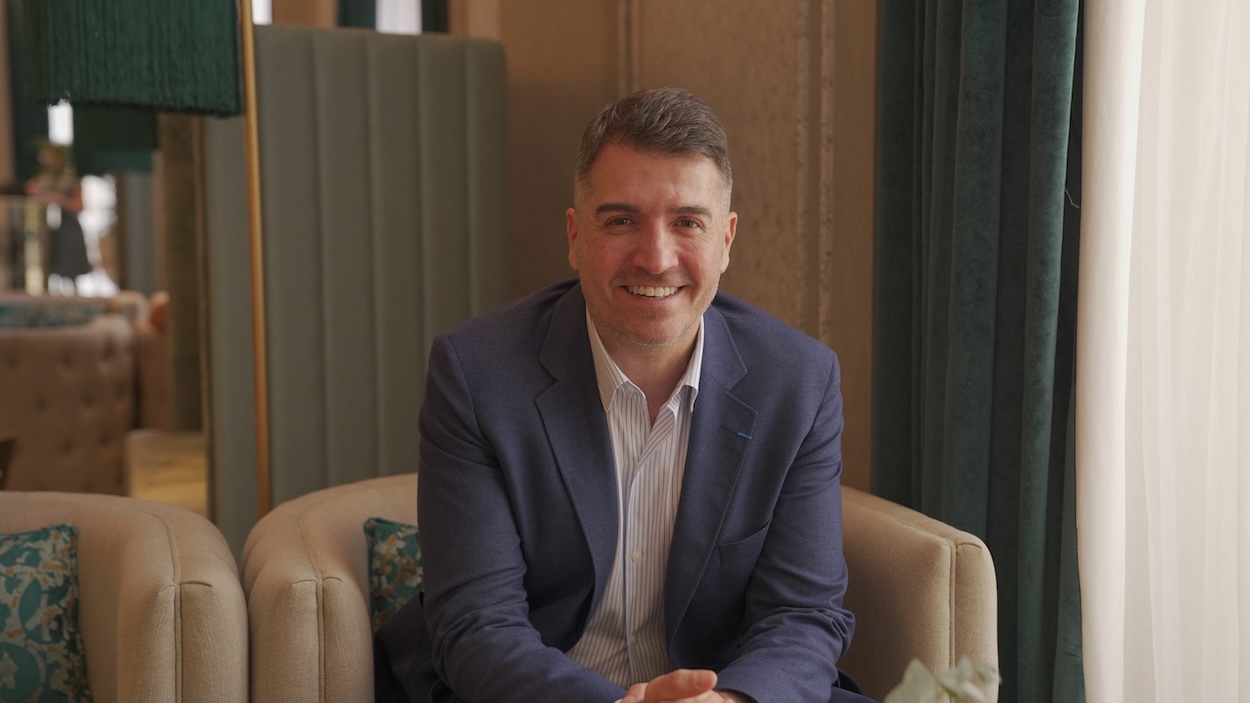
At his office just off the Opéra in Paris, Marc Chaya sits in a space that reads less like headquarters than an extension of himself—considered and quietly expressive. It mirrors the ethos of Maison Francis Kurkdjian, the company he built alongside Francis Kurkdjian, where structure and sensibility have always moved in tandem. As he prepares to step away, Chaya is less interested in milestones than in the conditions that made them possible.
“When we met, it was obvious that perfume still had to be revealed as an artistic discipline,” he tells Surface. “We are taught how to see and hear but not how to smell.”
Courtesy of Maison Francis Kurkdjian…
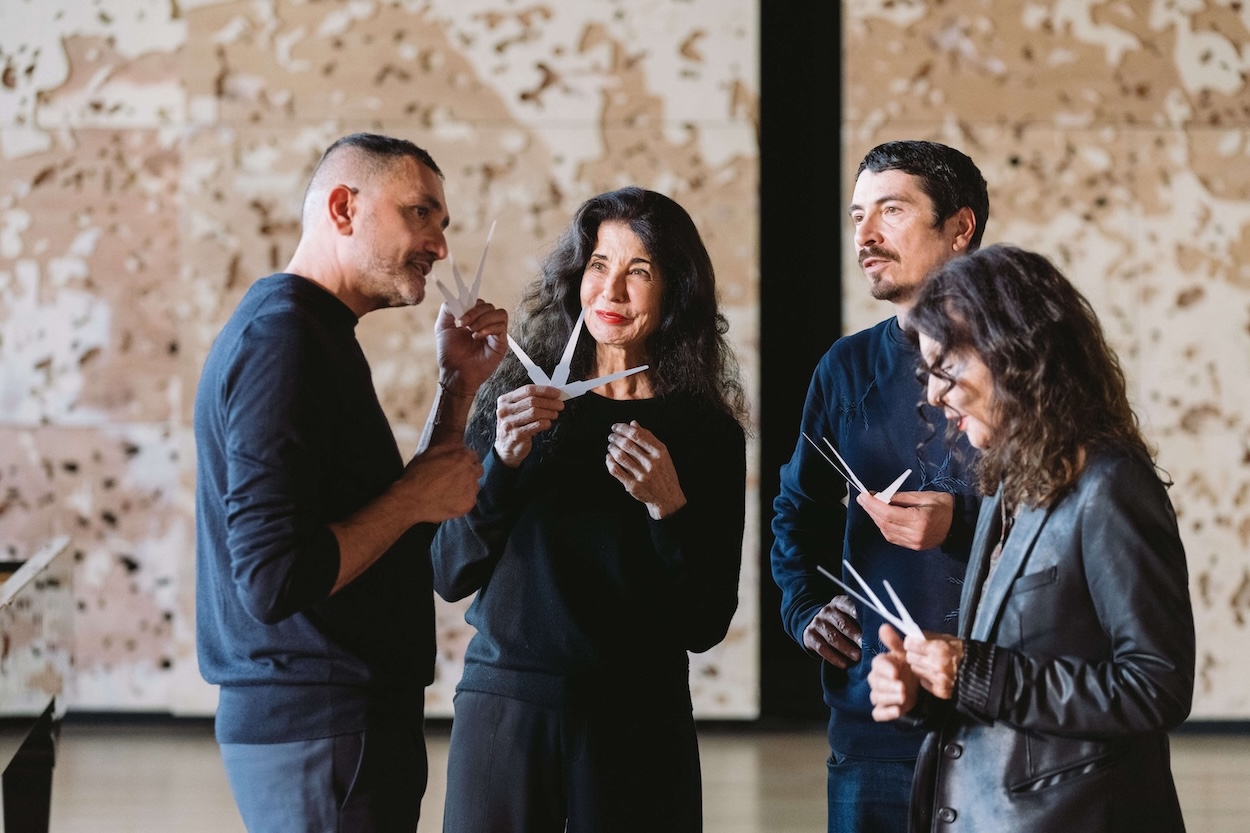
That premise shaped the maison from the outset. Not simply as a fragrance brand, but as a creative house built through dialogue with artists and a broader cultural network. Perfume, in this context, operates as a medium capable of extending beyond the bottle into something more atmospheric. The recently released documentary, ICON(S): Maison Francis Kurkdjian – The Alchemy of Senses, which captures that ecosystem, offered Chaya a rare moment of distance. “It’s almost impossible to grasp in real time,” he says. “Watching it back, I felt proud and grateful to have brought something from idea to reality.”
That ecosystem has included collaborations with chef Anne-Sophie Pic, choreographer Benjamin Millepied, and a wider circle of musicians and visual artists, each working across disciplines to extend the maison’s language beyond scent into performance, image, and gastronomy.
Courtesy of Maison Francis Kurkdjian…
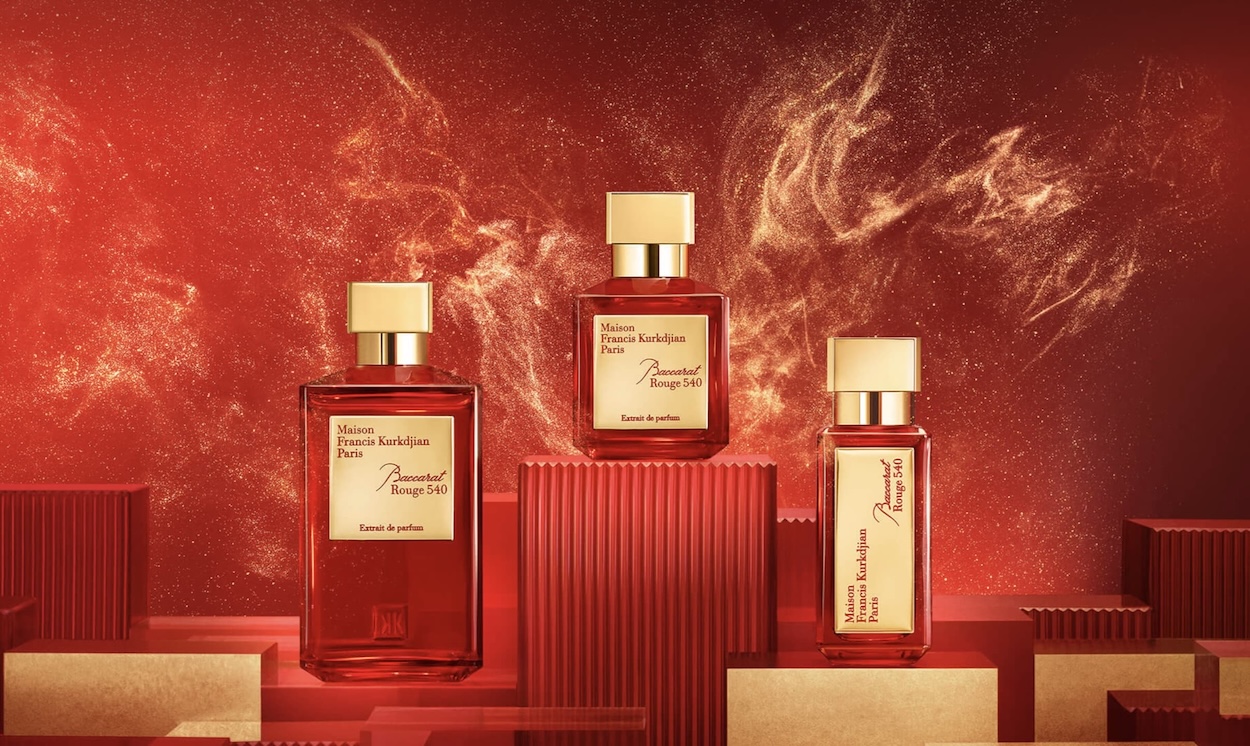
If one creation crystallized that ambition, it was Baccarat Rouge 540. Introduced in 2015, the fragrance didn’t just succeed commercially, it permeated culture. Referenced in music and circulated organically across social media, it was embraced across geographies. “When something becomes culture, you can no longer control it, you protect it,” Chaya says. “That’s when we realized it was bigger than us.” What emerged was not just another fragrance launch, but a cultural moment that expanded how perfume could be experienced and understood.
Courtesy of Maison Francis Kurkdjian…
Still, he resists reducing the maison to a single success. “We are not just one perfume,” he says. “We are a creative house.” That approach, grounded in openness, resilience, and a certain generosity of perspective shaped in part by his own personal background and guided how he built the business and the team around it.
Now, as the maison enters its next phase within LVMH, Chaya steps back with a succession plan in place, remaining involved in an advisory role. “Life unfolds in cycles,” he says. “I feel serene, energized, and excited for what’s ahead.”
The idea, from the beginning, was to make something lasting out of something intangible. In that sense, the work holds.